Training guide

How to improve circulation: walking, calf exercises and moving more, legs, feet and hands, sitting and long journeys, what poor circulation can mean, and when it needs a check

Blood flows to where your body needs it, and your calf muscles do much of the work of pushing it back up from your legs. So the most useful things for circulation are walking, working your calves and not sitting still for hours. "Poor circulation" isn't one condition: it usually means narrowed leg arteries, leaky leg veins, small blood vessels in the fingers and toes that spasm in the cold, or a clot, and each needs its own advice.

This guide covers what circulation is and what poor circulation can mean, the calf pump, what walking and leg exercises do, breaking up sitting, long journeys, cold hands and feet, compression and leg raising, a step-by-step calf routine and a new seated routine for journeys, and the signs that need a GP, NHS 111 or 999.

The short version

Your calves pump blood home

Working muscles get more blood, and the trip back up from your legs relies on one-way valves in the veins and the squeeze of your calf muscles. Walking or rising onto your toes brings the pressure in the foot veins right down, as our yoga for circulation guide explains.

Source 1

"Poor circulation" isn't one condition

It usually means narrowed leg arteries (peripheral arterial disease, PAD), leaky leg veins, small blood vessels in the fingers and toes that spasm in the cold (Raynaud's), or a clot (deep vein thrombosis, DVT). Each needs its own advice, so see a GP if you're not sure which you have.

Sources 2, 3, 4, 5

Walk, and move your ankles and calves

Regular exercise improves how well the lining of your arteries works, and moving your feet and ankles speeds up blood in the leg veins. If a GP has diagnosed PAD, walking is the main treatment for leg pain on walking.

Sources 6, 7, 8

Break up sitting

Sitting still for hours lowers artery function in the legs, and short breaks protect it in lab studies. Every 20 to 30 minutes, 2 to 3 minutes of leg movement is the most consistent pattern, and the NHS says to get up and move around every hour or so.

Sources 9, 10, 5

Long journeys

On journeys of 4 hours or more, the NHS advises walking around when possible, drinking plenty of water, wearing loose clothing and avoiding alcohol. Leg exercises keep blood moving, but no trial has shown that they prevent clots; our seated routine is for comfort and for keeping your calves working.

Sources 5, 11, 12

Some leg symptoms need help fast

A leg or foot that suddenly goes cold, pale, numb or very painful, a throbbing, swollen leg, or leg pain on walking that eases with rest each need checking, at different speeds: see the warning signs below.

Sources 2, 5

What circulation is, and what poor circulation can mean

Arteries, capillaries and veins

Arteries carry oxygen-rich blood from your heart, tiny capillaries let oxygen and waste pass in and out, and veins carry blood back. Blood flow follows what your tissues need, especially working muscles, as our yoga for circulation guide explains: no position "sends" blood anywhere.

The calf pump

In the legs, blood travels back to the heart against gravity, helped by one-way valves in the veins and by the calf and foot muscles squeezing the deep veins. Standing still, the pressure in the foot veins is high; walking or rising onto your toes brings it right down. In vein disease, calf exercise improved how well the pump empties, though not the leaky valves.

Sources 1, 13

What "poor circulation" usually means

Narrowed leg arteries (PAD) cause an ache in the calf, thigh or buttock on walking that goes after a few minutes' rest. Leaky leg veins cause aching, heaviness or swollen ankles, worse after standing. Raynaud's makes fingers and toes change colour and go numb in the cold or with stress. A clot causes throbbing pain and swelling in one leg. Swollen ankles also come from standing or sitting too long, salty food, pregnancy, some medicines, or heart, kidney or liver problems.

Sources 2, 3, 4, 5, 14

How people differ

Cold hands and feet are common, and the NHS says Raynaud's is common and usually not serious. PAD becomes more likely with age, smoking and diabetes, and varicose veins with age, being overweight, pregnancy, standing or sitting a lot, and a family history.

Sources 4, 2, 3

What the evidence says

Most studies are small lab studies of blood flow, or trials in people with leg artery or vein disease.

Exercise improves artery liningsStrong evidence

In randomised trials, aerobic training improved how well the artery lining widens (flow-mediated dilation) by about 2.8 percentage points, strength training by about 2.5 and the two combined by about 2.1. Harder exercise added a little more.

Source 6

Walking is the treatment for diagnosed PADStrong evidence

In 32 trials (1,835 people with PAD), exercise added about 82 metres of pain-free walking and 120 metres in total. Supervised programmes, usually 3 sessions a week, did better than home exercise or walking advice, and NICE offers supervised exercise of about 2 hours a week for 3 months. These are trials in people diagnosed with PAD, so get leg pain on walking checked first.

Sources 15, 16, 17

Ankle movement speeds up blood in the leg veinsEmerging evidence

In 20 people, actively moving the feet and ankles raised the speed of blood in the leg veins by 38% on average and 58% at its peak. In 20 healthy young men, peak blood speed in the main thigh vein was 10.1 cm a second at rest, 15.5 with deep breathing, 20.7 with ankle exercise and 26.5 with both. In 307 adults, 3 or 30 ankle pumps a minute gave similar results. These studies measured speed, not clots.

Sources 7, 8, 18, 19

Long sitting lowers leg artery function, and breaks helpEmerging evidence

Across 22 trials (269 healthy adults), sitting without a break lowered artery function in the legs, not the arms, and breaks restored most of it. Short walks every hour, and even fidgeting one foot for 1 minute in every 5, prevented the fall in small studies. A review of 24 studies found 2 to 3 minutes of leg movement or simple strength moves every 20 to 30 minutes helped most consistently. Another review found the fall but no clear benefit of breaks, and the studies lasted hours, not months.

Sources 9, 20, 21, 22, 10

Sitting still slows blood in the legsEmerging evidence

In 21 healthy adults, sitting still cut blood flow in the vein behind the knee by almost 40%, and foot exercises raised it. After 2 hours of sitting, 40 middle-aged adults had fuller calves and more leg discomfort, eased by 3 minutes of leg raising.

Sources 23, 24

Long journeys: what's known about clotsMixed evidence

The NHS lists journeys of more than 4 hours among the times a DVT is more likely. In a review, risk rose about 26% for every 2 hours of air travel after 4 hours, and no trial has tested leg exercises with a clot as the outcome. In 12 trials of 2,918 people on flights over 5 hours, compression stockings cut clots without symptoms from 47 cases to 3 (high-certainty evidence).

Sources 5, 11, 12

Varicose veinsMixed evidence

The NHS advises regular exercise such as walking, putting your legs up when possible, and not standing or sitting for long periods. Trials of exercise for vein disease without ulcers (5 trials, 146 people) and of compression stockings on their own (13 studies) are too few or too uncertain to say much.

Sources 3, 25, 26

Raynaud's and cold handsMixed evidence

The NHS advises keeping warm, avoiding sudden changes of temperature, exercising regularly, finding ways to relax, not smoking and cutting down on caffeine. There are few treatment trials and no exercise trial for Raynaud's.

Sources 4, 27, 28

What to do

Walk on most days

Build towards 150 minutes a week at a pace where you can talk but not sing, as the NHS advises. If your legs ache on walking and ease when you stop, see a GP first: if they diagnose PAD, our PAD guide's walk-rest-walk is the treatment.

Sources 29, 6

Work the calf pump

Do the calf pump routine 3 or 4 days a week and the ankle pumps every day, as that routine suggests, and strength training for your legs on 2 days a week.

Sources 13, 7

Break up sitting

Every 20 to 30 minutes of sitting, 2 to 3 minutes of ankle pumps, calf raises, marching or a short walk. At the very least, the NHS says get up and move around every hour or so. Our 3-minute desk movement break is built for this.

Sources 10, 5

Raise your legs when they ache or swell

If your ankles swell, raise your legs on a chair or pillows when you can, as the NHS advises. In a small study, 3 minutes of leg raising after 2 hours of sitting reduced calf size for a while.

Sources 24, 14

Stop smoking

NHS Better Health says your circulation improves within 2 to 12 weeks of stopping smoking.

Source 30

Compression stockings

The NHS says compression stockings aren't suitable if you have problems with blood flow in your arteries, and that a specialist can check for this. Ask before buying strong ones.

Source 3

Ankle pumps and calf raises, step by step

From our calf pump routine and the ankle pump steps on our yoga for circulation guide; the every-hour step is the NHS's advice on preventing DVT.

  1. Sit tall with your feet flat, or lie on your back.
  2. Lift one foot a little. Point your toes away from you, then pull them back towards your shin, slowly and as far as is comfortable: one pump. Do 10, breathing slowly, then 5 slow circles each way, and change feet.
  3. Lift both heels as high as you can, then lower slowly: 15 times.
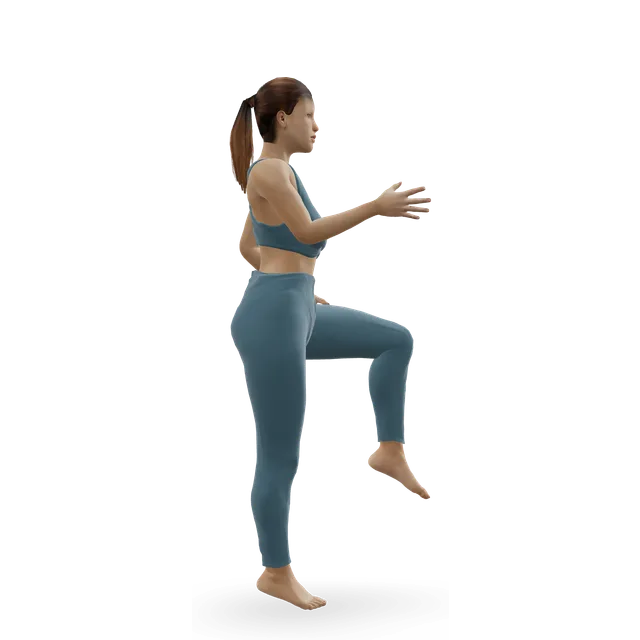
  4. March your knees for a minute.
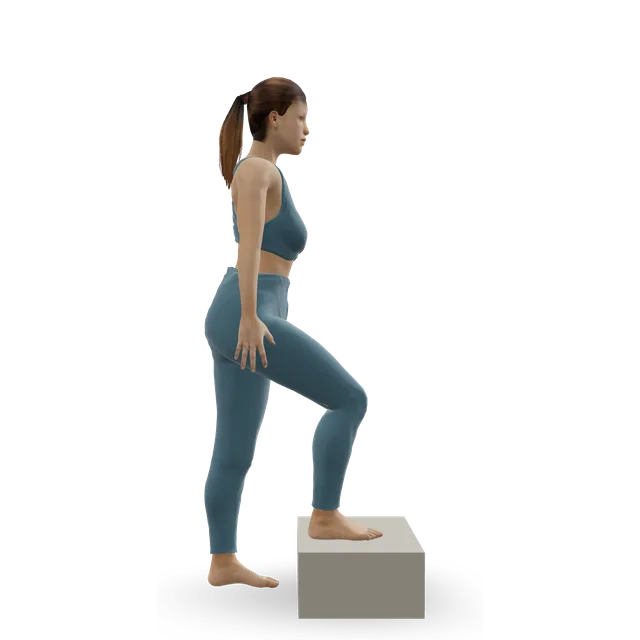
  5. Stand, holding a worktop: rise right up onto your toes, pause, lower slowly, 10 to 15 times.
  6. Walk for 5 minutes or more if you can.
  7. When you sit for a long time, repeat steps 2 to 4 every 30 to 60 minutes, and stand up and move about at least every hour.

Loading the 3D figure…

Gets into position, then repeats the movement. Technical checks passed; qualified exercise review is pending.

The movement on the figure: Ankle circles

Walk: the main way to get blood moving

Walking works the calf pump. Build towards 150 minutes a week at a talk-but-not-sing pace. If a GP has diagnosed PAD, walk-rest-walk is the treatment, as our PAD guide explains.

Work the calf pump

Doses from our calf pump routine: 10 ankle pumps and 5 circles each way, 15 seated heel raises, a minute of marching and 2 sets of 10 to 15 standing calf raises. Every 20 to 30 minutes of sitting, 2 to 3 minutes of these, as our yoga for circulation guide suggests.

Cold hands: keep them moving and warm

To keep cold hands moving and comfortable, not as a treatment: keep your whole body warm first, as the NHS advises for Raynaud's.

Stretch, then rest with your legs up

30 seconds for each calf stretch, then 2 to 5 minutes with your legs up, as in our calf pump routine. With glaucoma, high blood pressure that isn't controlled, heart failure, kidney or liver disease, or in later pregnancy, follow the cautions on our yoga for circulation guide first, and come up slowly.

Desks, sleep and long journeys

At a deskEmerging evidence

Every 20 to 30 minutes, 2 to 3 minutes of ankle pumps, heel raises, marching or a short walk. Our 3-minute desk movement break is built for this, and even fidgeting helped in a small study.

Sources 10, 22

At nightEmerging evidence

If your legs ache or your ankles swell by the evening, raise your legs on a pillow or two when you rest. It eases swelling a little for a while. Cramp and restless legs have their own guides.

Sources 24, 14

On a long journeyMixed evidence

Break up long spells of sitting. The NHS advises getting up and moving every hour or so to help prevent clots, especially on journeys of over 4 hours.

Our seated circulation exercises keep your calves working every 30 to 60 minutes when you can't get up. They haven't been shown to prevent clots on their own. If you've had a clot, recent surgery or cancer, or you're pregnant or have recently given birth, ask your GP before a long journey whether you need stockings or other protection (our suggestion).

Sources 5, 11, 12

Cold hands and feet

Keep your whole body warmStrong evidence

Wear warm layers, gloves and socks, avoid sudden changes of temperature, exercise regularly, don't smoke and cut down on caffeine, as the NHS advises for Raynaud's. Moving your fingers and wrists keeps them comfortable but isn't a treatment.

Scleroderma & Raynaud's UK, the charity, says the relaxation at the end of a class can cool you down, so take layers. Afterwards, warm cold hands and feet slowly: the NHS advises against putting them on a radiator or under hot water.

Source 4

When cold hands are more than cold hands

Raynaud's that is very bad or getting worse, affects your daily life, is on one side only, comes with joint pain, skin rashes or muscle weakness, or starts for the first time after 30.

Source 4

Feet and diabetes

With diabetes: blisters or cracked skin on your feet, or pain, tingling or numbness.

Leg pain, swelling and other signs

Leg pain on walking that eases with rest

Pain that comes on when you walk a set distance and goes after a few minutes' rest, especially if you smoke or have diabetes. Exercise treats it well, but it needs a diagnosis first.

Recurring leg pain when you walk or exercise: see a GP, even if you think it's just your age. The NHS says many people mistakenly think this is part of growing older.

Sources 2, 17

Walking into the pain, once PAD is diagnosed

An NHS physiotherapy service's advice is that exercising with the pain won't make your circulation worse. Exercise doesn't clear the narrowing itself: the gains come from your leg muscles and the small blood vessels around it.

Walk until the pain is close to as bad as you can bear, rest until it goes, then walk again. Keep going until you've walked for at least 30 minutes in total, several times a week.

Source 15

Varicose veins and swelling

Varicose veins that ache, itch or swell, or a sore on your leg that hasn't healed after 2 weeks.

Both legs or ankles swollen and not better after a few days, or chilblains that aren't better after 2 to 3 weeks.

Sources 3, 14

Workouts to follow

Walk on most days, break up long sits with the desk break, and do the calf pump routine 3 or 4 days a week. On a journey, the seated routine keeps your calves working when you can't get up. With diagnosed PAD, the claudication walking workout is your main session.

Seated circulation exercises: a 5-minute leg routine for journeys and long sits

A 5-minute routine you can do in a plane, train or car seat, or at a desk: ankle pumps, heel raises, knee lifts and leg straightening, then slow breaths.

5 minBeginner7 movesA bench or box, Something with weight

Calf pump exercises for varicose veins and heavy legs

A 15-minute calf pump routine for varicose veins and heavy, swollen legs: ankle pumps, calf raises, a brisk walk, calf stretches and legs up to finish.

15 minBeginner10 movesA bench or box, A wall

3-minute desk movement break

A 3-minute standing break to repeat every 30 to 60 minutes at your desk: sit-to-stands, calf raises, marching, an upper-back turn and chin tucks.

3 minBeginner5 movesA bench or box, A wall

Easy cardio workout

A steady 30 to 45 minute cardio session at talk-but-not-sing pace: walk, cycle, row or cross-train, counting toward weekly activity guidelines.

40 minBeginner3 movesCardio machine, A wall

10-minute walk and move after meals

A 10-minute routine for straight after a meal: an easy walk, a few simple standing moves from blood sugar trials, then a short walk to finish.

10 minBeginner6 movesCardio machine, A bench or box

Yoga for circulation: a 20-minute legs-first class with no head-down poses

Twenty minutes of yoga for blood flow in your legs and feet: ankle pumps and calf raises, standing poses that make your legs work, and a rest with your legs up.

20 minBeginner14 movesA bench or box, A wall

Claudication walking workout: walk-rest-walk

The walk-rest-walk session for leg pain from narrowed arteries: walk until the pain is close to the most you can bear, rest until it goes, repeat to 30 minutes.

45 minBeginner8 movesA wall, Cardio machine

Plans

The walking plan builds to 150 minutes a week over 8 weeks; the 30-day challenge builds a daily walk.

If you have a condition

Each condition has its own guide

Leg pain on walking (PAD), varicose veins, a past clot, Raynaud's, lymphoedema, diabetes and foot problems, and swelling in pregnancy or after surgery each need their own advice. Our guides below cover them, and your own team's advice comes first.

During a session

If calf pain on walking or standing comes on during a class, rest until it goes, as in walk-rest-walk. Come out of kneeling poses at once if your feet go numb or tingle. Come up slowly from lying and from legs up the wall: roll to your side and sit for a moment. Stop for chest pain, unusual breathlessness or dizziness.

Warning signs: when to get help

Stop and get medical help

If you get chest pain or pressure, feel faint or dizzy, are unusually breathless, or your heart races or beats irregularly during exercise, as our plans advise.

Call 999 (911 in the US)

For chest pain that comes on suddenly and doesn't go away, feels tight or like squeezing, spreads to your arms, neck, jaw, stomach or back, or comes with sweating, feeling sick, light-headedness or breathlessness; severe difficulty breathing; someone who faints while exercising; palpitations that don't go away, or come with chest pain, shortness of breath or feeling faint; or a headache that starts suddenly and is extremely painful, especially while lifting or straining, or comes with numbness or weakness, difficulty speaking or loss of vision. The NHS says a bleed on the brain may be more likely when lifting something heavy. Don't drive yourself to A&E.

Sources 31, 32, 33

A cold, pale or painful leg or foot: call 999 (911 in the US)

Call 999 or go to A&E: a foot or leg that is suddenly cold, pale, numb, weak or very painful without an injury. A sudden loss of blood supply is a vascular emergency.

A leg or foot that suddenly turns cold, pale or blue, numb, weak or very painful. This is acute limb ischaemia, an emergency.

Source 2

A clot that may have reached the lungs: call 999 (911 in the US)

Leg pain or swelling with breathlessness or chest pain, or swollen legs with a tight, heavy or painful chest or coughing up blood: it can be a blood clot that has reached the lungs.

Also call 999 for pain and swelling in one leg with breathlessness or chest pain: it can be a blood clot that has reached the lungs.

Source 5

With diabetes and a foot ulcer

Call 999 or go to A&E: you have diabetes and a foot ulcer with a fever or signs of sepsis, an ulcer with poor circulation, a possible deep infection of the soft tissues or bone in the foot (with or without an ulcer), or gangrene. NICE asks for these to go straight to hospital.

A possible DVT: the same day

Same day (urgent GP appointment or NHS 111): throbbing pain in one leg (rarely both), usually the calf or thigh; swelling in one leg (rarely both); red, blue or darkened skin around the painful area, which may be harder to see on brown or black skin; or swollen veins. This can be a deep vein thrombosis (DVT). It is more likely after surgery, a hospital stay, 3 or more days in bed, a journey of over 4 hours, pregnancy or a recent birth, cancer, a previous clot, or oestrogen-containing contraception or HRT.

In the US, contact your doctor or urgent care.

Source 5

Other same-day problems

A varicose vein that bleeds: ask for an urgent GP appointment or call NHS 111. Our varicose veins guide has what to do while you wait.

Swelling in one leg that you can't explain, or swelling that is severe, painful or came on suddenly.

Same day: you have diabetes and a new foot problem, such as an ulcer or wound, signs of infection, or a hot, swollen foot with a change in colour, even if it doesn't hurt. Contact your diabetes foot team or GP: NICE asks for these to reach a specialist foot service within 1 working day, and a suspected Charcot foot is kept off weight until it has been checked.

Sources 3, 14

Contact a GP immediately

Contact a GP immediately (or NHS 111 if you can't): burning leg or foot pain that carries on at rest, pale skin, wounds on the feet or legs that do not heal, or toes that go cold, numb, then red or black.

Source 2

See a GP

See a GP if you get recurring leg pain when you exercise. The NHS says many people mistakenly think this is just part of getting older. Symptoms that come on quickly or suddenly get worse can be serious and need treating straight away.

  • Claudication that now comes on within about 50 metres, keeps getting worse, or threatens your job: see your GP or vascular team. NHS Scotland's pathway refers severe claudication like this to a vascular surgery service.

Source 2

Ask for an urgent GP appointment or call NHS 111

Ask for an urgent GP appointment or get help from NHS 111 for a headache that's triggered or made worse by coughing, sneezing, bending down or exercising. In the US, contact your doctor or urgent care.

During any session

Stop straight away if you feel any pain or become unwell, the NHS says, and contact 111 if your symptoms worry you or don't go away.

Check first

Speak to a GP first if you haven't exercised for some time, or if you have a medical condition or concerns. Get advice first, too, if you have a health problem, an injury or symptoms, have recently had a heart attack or an operation, or are pregnant or have recently given birth.

Source 29

A heart condition

If you have a heart condition, follow your cardiac team's advice on how hard to work, and stop for the warning signs above. People with long-term conditions may wish to ask their specialist before starting. With uncontrolled high blood pressure, avoid straining against a held breath; the high blood pressure guide has more.


Myths

"Crossing your legs ruins your circulation"Emerging evidence

Crossing at the knee raises a blood pressure reading while your legs are crossed, and we found no study linking it with varicose veins or clots, as our crossing your legs guide says. Change position often.

Sources 34, 35, 36

"Leg exercises on a flight prevent blood clots"Mixed evidence

They keep blood moving in the leg veins, but no trial has tested them against clots. Walking about when you can, plenty of water, and stockings for people at higher risk are the steps with evidence or NHS advice behind them.

Sources 23, 11, 12

"Cold hands and feet mean poor circulation"Mixed evidence

They're often normal in the cold, or Raynaud's, which the NHS says is common and usually not serious. Raynaud's on one side only, starting after 30, or with joint pain or rashes needs a GP.

Source 4

"Walking with leg pain damages your arteries"Strong evidence

Once a GP has diagnosed PAD, walking into the pain is the treatment, and it added 80 to 120 metres of walking in trials. Get leg pain on walking diagnosed first.

Sources 15, 16

"Compression socks improve everyone's circulation"Mixed evidence

They cut clots without symptoms on long flights, but the evidence for varicose veins is thin, and they aren't suitable if you have problems with the arteries in your legs. Ask a GP or pharmacist first.

Sources 12, 25, 3

"Ankle pumps only work if you do them fast"Emerging evidence

In 307 adults, 3 or 30 pumps a minute moved blood in the leg veins about equally. Slow, full pumps with slow breathing are what our routines use.

Sources 19, 8

"Poor circulation is just part of getting older"Strong evidence

Leg pain on walking can be PAD, which the NHS says many people mistakenly think is just part of growing older. See a GP.

Source 2

Questions people ask

How can I improve my circulation?

Walk on most days, work your calf muscles with ankle pumps and calf raises, and break up long spells of sitting every 30 minutes or so. Stop smoking, and keep warm if your hands and feet get cold.

What are the best exercises for circulation in the legs?

Walking, calf raises and ankle pumps, which make the calf muscles squeeze blood back up the leg veins. Our calf pump routine puts them together in 15 minutes.

How can I improve circulation in my legs while sitting?

Every 20 to 30 minutes, do 2 to 3 minutes of ankle pumps, heel raises and knee lifts, and stand up and move about at least every hour or so. Even fidgeting protected leg artery function in a small study.

How can I improve circulation in my feet?

Walk, do ankle pumps and calf raises, keep your feet warm and avoid sitting still for long. If you have diabetes, the warning signs below list the foot problems that need help the same day.

How can I improve circulation in my hands?

Keep your whole body warm, wear gloves, avoid sudden changes of temperature, exercise regularly and don't smoke, as the NHS advises for Raynaud's. Moving your fingers and wrists keeps them comfortable but isn't a treatment.

How do I keep my circulation going on a long flight or drive?

Walk around when you can, drink plenty of water, wear loose clothing and avoid alcohol, as the NHS advises for journeys of 4 hours or more. Do seated ankle pumps and heel raises every 30 to 60 minutes, at stops if you're driving. If you've had a clot or recent surgery, ask your GP about stockings before you go.

Does crossing your legs affect circulation?

It raises a blood pressure reading while your legs are crossed, but we found no study linking it with varicose veins or clots. Change position often.

What are the signs of poor circulation?

It depends on the cause: leg pain on walking that eases with rest, cold or colour-changing fingers and toes, aching legs with swollen ankles or varicose veins, or wounds that heal slowly. See a GP to find out which.

Can poor circulation be improved?

Often, yes. With diagnosed PAD, walking programmes added 80 to 120 metres of walking in trials, and regular exercise improves how well artery linings work. The right plan depends on the cause.

Do compression socks help circulation?

They cut clots without symptoms on long flights, but the evidence for varicose veins is thin, and they aren't suitable if you have problems with the arteries in your legs. Ask a GP or pharmacist first.

When should I see a doctor about poor circulation?

Call 999 or go to A&E: a foot or leg that is suddenly cold, pale, numb, weak or very painful without an injury. Same day (urgent GP appointment or NHS 111): throbbing pain in one leg (rarely both), usually the calf or thigh; swelling in one leg (rarely both); red, blue or darkened skin around the painful area, which may be harder to see on brown or black skin; or swollen veins. See a GP if you get recurring leg pain when you exercise. The warning signs below give the full list.

Does elevating your legs help circulation?

It eases swelling a little for a while: 3 minutes of leg raising reduced calf size after 2 hours of sitting in a small study. If your ankles swell, raise your legs on a chair or pillows when you can, as the NHS advises.

Sources

  1. Williams 2014 · The calf muscle pump revisited (review, J Vasc Surg Venous Lymphat Disord)
  2. NHS · Peripheral arterial disease (PAD)
  3. NHS · Varicose veins
  4. NHS · Raynaud's (past its review date: reviewed July 2023, review due July 2026)
  5. NHS · DVT (deep vein thrombosis)
  6. Ashor 2015 · Types of exercise and blood vessel lining function: randomised trials (meta-analysis, Sports Med)
  7. Sochart 1999 · Foot and ankle movements and blood flow back from the leg (lab study, J Bone Joint Surg Br)
  8. Kwon 2003 · Ankle exercise with deep breathing and blood speed in the thigh vein (lab study, Aust J Physiother)
  9. Paterson 2020 · Long sitting, with and without breaks, and blood vessel function (meta-analysis, Sports Med)
  10. He 2026 · Breaking up long sitting and blood vessel function: 24 studies (systematic review, Front Cardiovasc Med)
  11. McKerrow Johnson 2022 · Travel-associated blood clots (review, Wilderness Environ Med)
  12. Clarke 2021 · Compression stockings for preventing DVT in airline passengers (Cochrane review)
  13. Orr 2017 · Exercise for a weak calf muscle pump in chronic venous insufficiency (meta-analysis, Ostomy Wound Manage)
  14. NHS · Swollen ankles, feet and legs (oedema)
  15. Lane 2017 · Exercise for leg pain on walking from narrowed arteries (Cochrane review)
  16. Hageman 2018 · Supervised, home-based or walking advice for leg pain on walking from narrowed arteries (Cochrane review)
  17. NICE · Peripheral arterial disease: diagnosis and management (CG147, updated 2020)
  18. He 2026 · How often to do ankle pumps: leg blood flow (meta-analysis, Front Physiol)
  19. Li 2022 · Which ankle pump rate to choose to help prevent clots (study of 307 adults, Inquiry)
  20. Taylor 2022 · Long unbroken sitting and blood vessel function (meta-analysis, Med Sci Sports Exerc)
  21. Thosar 2015 · Long sitting, breaks and leg artery function (crossover trial, Med Sci Sports Exerc)
  22. Morishima 2016 · Fidgeting and leg artery function during long sitting (lab study, Am J Physiol Heart Circ Physiol)
  23. Hitos 2007 · Leg exercises and blood flow behind the knee during long sitting (lab study, J Thromb Haemost)
  24. Okino 2022 · Long sitting, calf size and leg discomfort in middle-aged adults (lab study, J Clin Med)
  25. Knight 2021 · Compression stockings as first treatment for varicose veins (Cochrane review)
  26. Araujo 2023 · Exercise for chronic venous insufficiency without ulcers (Cochrane review)
  27. Ujueta 2026 · Primary and secondary Raynaud (AHA scientific statement, Circulation)
  28. Daniels 2018 · Behaviour change for Raynaud's phenomenon (systematic review, BMJ Open)
  29. NHS · Physical activity guidelines for adults aged 19 to 64
  30. NHS Better Health · Quit smoking
  31. NHS · Chest pain (past its review date: reviewed August 2023, review due August 2026)
  32. NHS · Heart palpitations
  33. NHS · Shortness of breath
  34. Adiyaman 2007 · The effect of crossing legs on blood pressure (lab study, Blood Press Monit)
  35. Peters 1999 · Crossing the legs and blood pressure (crossover trial, Blood Press Monit)
  36. Groothuis 2007 · Leg crossing with muscle tensing raises leg blood flow (lab study, Clin Sci)

Exercise education, not a personal prescription, and clinical review of these guides is pending. Check with a GP before starting hard training if you have a heart condition, chest pain, dizziness or breathlessness when active, and stop for sharp or increasing pain. Health disclaimer.