Poles help on the way down: small lab studies and one field trialEmerging evidence
On a steep 25-degree ramp, poles cut the forces at the knee by 12% to 25% in 8 men, partly because they leaned further forward. In 15 hikers walking downhill with no pack, a pack of 15% and a pack of 30% of body weight, poles reduced the loads at the ankle, knee and hip. After a walk up and down Snowdon, 37 walkers who used poles were less sore and kept more of their leg strength over the next 2 days, and in 8 women with obesity, poles reduced markers of muscle and cartilage damage after 30 minutes of walking downhill.
That is the whole evidence: small lab studies, one field trial of soreness and one small study, with no trial of poles for knee pain. A review concludes poles reduce the loads on the legs but raise the work for your heart and lungs, and may help balance with a heavy pack. Arthritis UK's physiotherapist says poles can be really useful for some people, particularly going up or downhill.
Sources 29, 30, 31, 32, 33, 34
Poles on the flat don't reduce knee loadEmerging evidence
On level ground, pushing harder on poles didn't reduce knee compression in 10 adults, and Nordic walking didn't reduce knee load in 7 instructors. In 34 people with arthritis on the inner side of the knee, walking on the flat with poles slightly raised the load on the inner knee, and the authors said reducing knee load shouldn't be the reason for using poles. So use poles for the descents, not as a way to ease arthritic knees on the flat.
Sources 35, 36, 37
Shorter steps, a slower pace and zigzags: untestedEmerging evidence
No study has tested shorter steps, a slower pace or zigzagging going downhill. The one study of step length was on the flat, with a 20 kg load, in 16 military cadets: shorter steps didn't lower knee load, and longer steps raised the load behind the kneecap. On slopes, the knee took a bigger share of the braking work at faster walking speeds in 20 adults, and in 20 runners going downhill a more upright trunk went with more stress behind the kneecap.
So shorter steps, a slower pace, zigzagging where the path allows and not leaning back are our suggestions: sensible, and consistent with the site's hiking guide, but not proven to ease knee pain.
Sources 38, 39, 40
Pack weight adds to the knee's loadMixed evidence
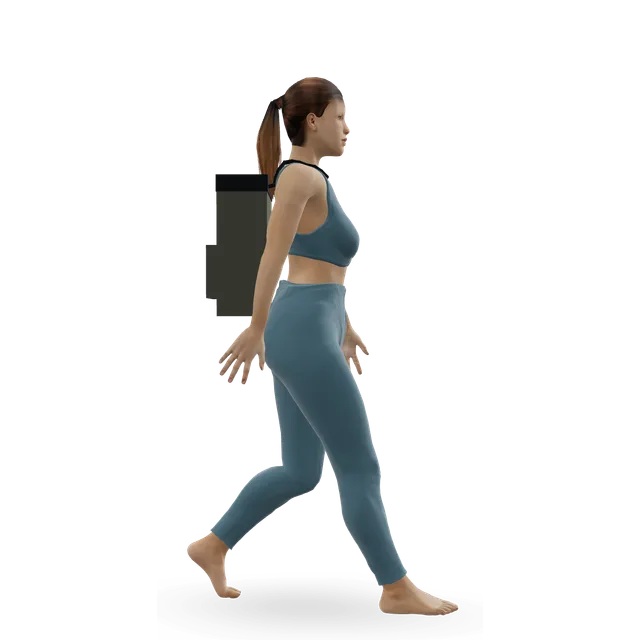
Carrying 15 kg and 30 kg raised the forces through the knee by 10.1% and 19.9% in 21 army reservists, and in 40 adults the stress behind the kneecap rose with load, more in women. In 15 women hikers, walking became less stable with packs of 30% to 40% of body weight. These are mostly military and lab studies on the flat.
Whether heavier packs cause injuries is mixed: a heavier pack for your body weight went with injury in 1,206 teenagers and adults on 12-day treks, but not in 1,201 people on outdoor school courses, and in 128 long-distance hikers pack weight went with tingling and numbness but not with sprains or long-lasting pain. Lighter is better: the site's hiking guide suggests starting at about 10% of your body weight and staying under about 30%, which is editorial.
Sources 41, 12, 42, 43, 44, 45
Train for the descents before your tripEmerging evidence
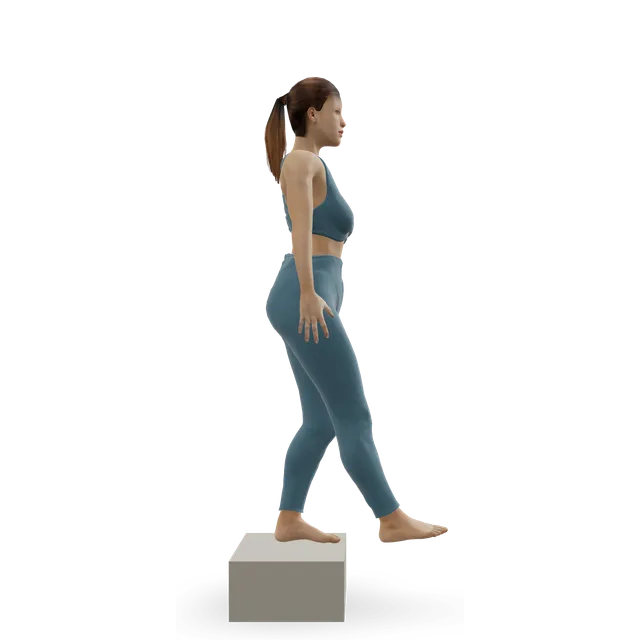
In untrained young men, 5 minutes of downhill walking a week before a 40-minute descent cut the strength loss, muscle damage and soreness afterwards by 47% to 64%; a 20-minute downhill walk 1 or 4 weeks before cut them by 54% to 61%; and building up gradually from 10 to 70 minutes caused no muscle damage while still building strength. The protection from one bout of lowering work lasted at least 6 months in an arm study. Hikers who hadn't trained before a long-distance hike had more complaints, though that is an association.
These trials were in young men; in 19 older adults, a single 30-minute downhill walk lowered balance and leg strength for a day or two, so start small and build up.
Sources 22, 46, 47, 48, 8, 13
Strength work is the treatment for the knee causesStrong evidence
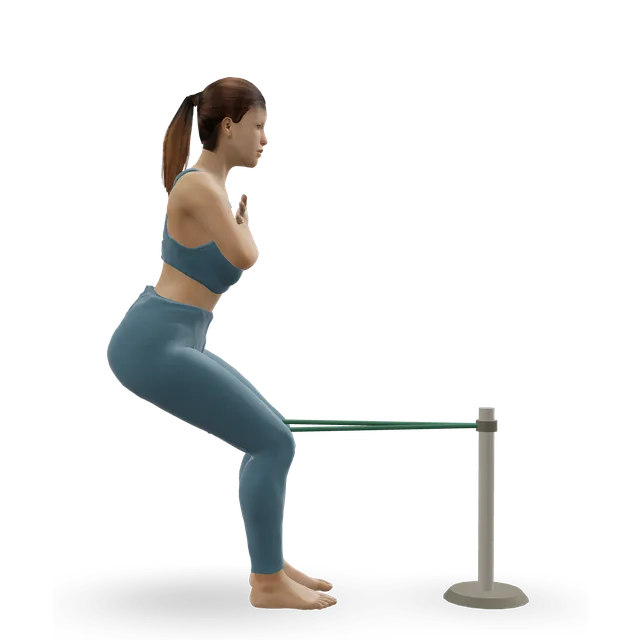
For kneecap pain, an international consensus of 41 experts supports exercise, especially hip and knee exercises together; it is uncertain about taping and bracing. For knee arthritis, across 139 trials (12,468 people), exercise improved function by about 12.5 points out of 100 against no treatment (moderate certainty) and eased pain by about 9 points against placebo (low certainty), benefits the review calls of uncertain importance. NICE says offer exercise to everyone with osteoarthritis and warns that joint pain may rise when you start.
For IT band syndrome, a review says robust evidence for treatments is still lacking. For a meniscus tear in people aged 45 to 70, physiotherapy did nearly as well as keyhole surgery at 5 years in 321 people.
Sources 49, 50, 19, 51, 52
Walking and hiking don't wear knees outStrong evidence
In 1,212 people with knee arthritis, walking for exercise went with less new frequent knee pain (about 40% lower odds), and daily walking wasn't linked with changes in knee structure over 2 years in 1,179 people. After a knee replacement, a 3-month guided hiking programme did no short-term harm in 48 people. These are observational studies and one small trial, but they point the same way.
Sources 53, 54, 55
Braces, footwear and painkillersMixed evidence
NICE doesn't routinely offer braces, insoles or tape for knee arthritis unless the joint is unstable and exercise isn't enough, and it offers an anti-inflammatory gel. For hiking footwear, a review of 16 studies, mostly in trail runners, found a large evidence gap; on Mount Fuji, hikers in hiking shoes or boots fell less than those in trainers or worn shoes. The NHS suggests ice wrapped in a tea towel for up to 20 minutes every 2 to 3 hours, and paracetamol or ibuprofen.
Sources 19, 49, 56, 57, 25