Pain guide · Foot pain

Foot pain when walking: the heel, arch, ball of the foot and toes, shoes, insoles and what helps

Foot pain when you walk is common: about 1 in 4 adults over 45 have frequent foot pain. Where it hurts is the best clue, from the heel on your first steps in the morning to the arch, the ball of the foot or the toes, and shoes that don't fit, hard floors and a sudden increase in walking are the usual triggers.

If you have diabetes, any new foot problem, such as a wound, redness, swelling or a change of shape, needs your foot team urgently, within 24 hours. A sudden hot, red, swollen toe needs a general practitioner (GP) or National Health Service (NHS) 111 the same day, and a foot that has changed shape after an injury needs a 999 call or accident and emergency (A&E). This guide covers those warning signs, how to match your pain to its cause, what to look for in shoes, what insoles can and can't do, and a three-stage plan with a 3D demo of every move that ends with your usual walks.

When to get help first

Exercise is for pain that has been checked or is clearly mild and settling.

Get urgent medical help if

  • Same day: you have diabetes and a new foot problem, such as an ulcer or wound, signs of infection, or a hot, swollen foot with a change in colour, even if it doesn't hurt. Contact your diabetes foot team or GP: the National Institute for Health and Care Excellence (NICE) asks for these to reach a specialist foot service within 1 working day, and a suspected Charcot foot is kept off weight until it has been checked.
  • If you have diabetes, see your local foot team urgently, within 24 hours, for a change in the colour or shape of your foot (especially a red, hot, swollen toe, ankle or foot), part of your foot feeling much colder or hotter than usual, new blisters, cuts or wounds (especially ones you can see but don't feel), a cut or wound that smells bad or is leaking fluid or pus, or new or unexplained pain in your foot. Meanwhile sit or lie down, take the weight off it and raise it.
  • Call 999 or go to A&E: you have diabetes and a foot ulcer with a fever or signs of sepsis, an ulcer with poor circulation, or gangrene. NICE asks for these to go straight to hospital.
  • Same day: a sudden, very painful, hot, swollen, red joint, often the big toe, especially with a high temperature, feeling shivery or being unable to eat. It may be gout, but it could be a joint infection (septic arthritis), which is urgent.
  • Call 999 or go to A&E: after an injury, you heard a crack, the foot or ankle has changed shape or points at an odd angle, a bone is sticking out, there is a bad cut over it, you're in severe pain, or the toes look blue or white, feel numb or are cold to touch. These can mean a broken bone. Don't drive yourself.
  • Same day (urgent GP appointment or NHS 111): after an injury, you can't put weight on it or walk more than a few steps, the pain is very bad or getting worse, there is a lot of swelling or bruising or it is getting worse, or it feels very stiff. If you think it's broken, don't treat it yourself.
  • Same day: a sudden snap or pop at the back of the heel, then being unable to walk on tiptoe or climb stairs. It could be an Achilles tendon rupture or a broken heel bone.
  • Call 999 or go to A&E: a foot or leg that is suddenly cold, pale, numb, weak or very painful without an injury. A sudden loss of blood supply is a vascular emergency.
  • Same day: burning foot pain that carries on at rest, toes that go pale, then numb, then red or black, or foot wounds that won't heal. The blood supply to the foot may be failing, which needs prompt checks.
  • Call 999 or go to A&E: a red, hot, swollen foot with a very high temperature, feeling hot, cold or shivery, a fast heartbeat or fast breathing, purple patches on the skin, dizziness or confusion.
  • Same day: skin on the foot that is painful, hot and swollen. It could be a skin infection (cellulitis).

See a doctor or physiotherapist if

  • One spot on a foot bone that hurts with every step and later at night: a possible stress fracture.
  • Pain that isn't better after 2 weeks of looking after it yourself, is getting worse, keeps coming back, or stops you doing normal things.
  • Tingling or loss of feeling in the foot, or a foot that feels weak.
  • Any foot pain if you have diabetes: foot problems can be more serious.
  • Leg pain, usually in the calf but sometimes the thigh or buttock, that keeps coming on when you walk and goes after a few minutes' rest: see a GP. It can be peripheral arterial disease (narrowed leg arteries).
  • Flat feet that are painful, stiff, weak or numb, that you didn't have before, or that affect only one foot.
  • Pain along the inside of the ankle and arch, with the arch dropping on one side, or you can't rise onto tiptoe on that foot: see a GP or physiotherapist (possible posterior tibial tendon problems).
  • Burning, tingling or numbness in both feet, or a cut or sore on your foot that isn't healing: see a GP.
  • Foot pain that is getting worse, or isn't improving within three weeks of changing your shoes and looking after it yourself: see a podiatrist or GP.
  • A child's heel or foot pain that isn't clearly linked to activity, or that comes with swelling, redness or a fever.

Where does it hurt?

Location narrows the likely causes; it does not diagnose.

Under the heel, sharp on your first steps in the morning or after sitting

It eases as you get going, then aches after long walks or standing: plantar heel pain, usually called plantar fasciitis.

Read: Plantar fasciitis (heel pain) →
The centre of the heel pad, like a bruise, worse barefoot on hard floors

Less marked on the first steps than plantar fasciitis: heel fat pad syndrome.

Read: Heel fat pad syndrome →
The back of the heel where the tendon joins the bone, stiff after rest

The Achilles tendon.

Read: Achilles tendinopathy →
The arch and the inside of the ankle, with the arch dropping on one side

Hard to rise onto tiptoe on that foot, and worse in unsupportive shoes such as sandals: possibly the tibialis posterior tendon.

Read: Posterior tibial tendon dysfunction →
Burning or shooting pain between the 3rd and 4th toes, like a pebble in your shoe

Worse in tight or high-heeled shoes: Morton's neuroma.

Read: Morton's neuroma →
Under the ball of the foot, aching as you walk

Often with hard skin; tight shoes, high heels and the shape of your foot add to it.

Read: Ball of foot pain →
A hard, bony lump by the big toe, sore in shoes

A bunion.

Read: Bunions →
A stiff, sore big toe joint as you push off

Possibly big toe arthritis.

Read: Big toe arthritis →
One spot on a bone, often on the top of the foot, that hurts with every step

Later aching at rest or at night, often after a jump in how much you walk: a possible stress fracture. Stop the walking that hurts and get it checked.

Read: Stress fracture →
Burning, tingling or numbness under the inner ankle and into the sole

Possibly a trapped nerve at the ankle (tarsal tunnel syndrome).

Read: Tarsal tunnel syndrome →
Flat feet that don't hurt

Common, and usually nothing to treat. Flat feet that are new, painful or on one side only need checking.

Read: Flat feet →
A high arch with pain under the heel or ball of the foot

Often just the shape of your feet; a high arch that's new, or on one side only, needs checking.

Read: High arches →
Foot pain when you run

Our running guide covers shoes, laces, insoles and a walk-jog plan.

Read: Foot pain when running →
Hip pain that makes you walk differently

Our hip pain when walking guide covers the hip, a limp and walking sticks.

Read: Hip pain when walking →
Sudden, very painful, hot, red, swollen skin, often near the big toe, often starting overnight

Possibly gout, or an infection with a fever: get help the same day, as the warning signs say.

Burning, tingling or numbness in both feet

Possibly nerve damage (peripheral neuropathy), most often from diabetes: see a doctor.

An ache in the calf, thigh or buttock that comes on as you walk and goes after a few minutes' rest

Possibly narrowed leg arteries (peripheral arterial disease): see a doctor.

Read: Calf pain when walking →
Any new foot problem if you have diabetes

A wound, redness, swelling, a change of colour or shape, or new pain: see your foot team urgently, within 24 hours.

Understand it

Foot pain when walking is commonStrong evidence

About 1 in 4 adults aged 45 and over (24%) have frequent foot pain, a review of 31 studies found, more often women, and most often in the toes and the front of the foot; two-thirds of them had at least moderate trouble with daily life.

The NHS lists the usual reasons as exercising too much, standing on hard surfaces for too long, being overweight and shoes that are too tight. Shoes that don't fit are common: in the studies reviewed, 63 to 72% of people wore shoes that didn't match the width or length of their feet, and poor fit went with foot pain, corns, calluses and toe problems.

Sources 1, 2, 3, 4, 5

Where it hurts points to the causeStrong evidence

Pain under the heel that's much worse on the first steps after sleeping or resting, eases as you get going, then comes back after long spells standing or walking is the NHS's pattern for plantar fasciitis. A shooting, stabbing or burning pain between the 3rd and 4th toes, like a pebble under the foot, worse in tight or high-heeled shoes, is Morton's neuroma. Pain under the ball of the foot can also come from hard skin, a bunion or bursitis.

Pain on the top of the foot can come from tight shoes or laces, a strained tendon, arthritis or gout. Pain along the arch and the inside of the ankle, with swelling along the tendon, trouble walking or standing for long and weakness rising onto tiptoe, points to the tibialis posterior tendon, the American Academy of Orthopaedic Surgeons says. Bunions hurt more in shoes and when walking.

Sources 6, 7, 8, 9, 10, 11

One sore spot on a boneStrong evidence

A stress fracture is a small crack in a bone from repeated load. Health New Zealand says "you can point your fingertip to the sore spot on your bone": it's worse with activity and better with rest at first, but it can become "a constant dull throbbing ache, even at night". A sudden increase in activity, "worn-out shoes or hard surfaces", flat feet or high arches, and low bone density or low body weight raise the risk. It usually takes 6 to 8 weeks to heal, and can come back if you return too early or build up too fast.

Source 12

Burning feet, and a calf that aches as you walkStrong evidence

Burning, stabbing or shooting pain, tingling or numbness in both feet can be nerve damage (peripheral neuropathy). It affects almost 1 in 10 people aged 55 and over in the UK, and diabetes is the commonest cause, so see a GP. An ache in the leg as you walk that goes after a few minutes' rest is the typical pattern of peripheral arterial disease (narrowed leg arteries), the NHS says, and it also needs a GP.

Sources 13, 14

Flat feetStrong evidence

Flat feet are common and "do not usually cause any problems", the NHS says; they shouldn't stop you doing any activity, and they're rarely a sign of anything serious. Most children develop arches between 3 and 10. See a GP if flat feet are painful, stiff, weak or numb, new, or on one side only.

In 3,378 adults in the Framingham foot study, a flat foot went with arch pain only in men, and the link was small; feet that roll in as you walk went with general foot pain and heel pain in men. It was a snapshot in time, so it can't show cause. Insoles and shoes can help with pain or stiffness, the NHS says, but they "will not change the shape of your feet".

Sources 15, 16

Diabetes and gout: when a foot problem is urgentStrong evidence

With diabetes, Diabetes UK says see your local foot team urgently, within 24 hours, for a change in the colour or shape of the foot, a part that feels much colder or hotter than usual, new blisters, cuts or wounds (especially ones you can see but don't feel), a wound that smells or leaks, or "new or unexplained pain in your foot". The National Institute for Health and Care Excellence (NICE) counts "an unexplained hot, swollen foot with a change in colour, with or without pain" as an active diabetic foot problem that should reach a specialist foot service within 1 working day, or go straight to hospital if a limb or life is at risk.

Gout typically comes on rapidly, often overnight, with severe pain, redness and swelling, most often in the big toe joint, NICE says. A hot, red, swollen joint with a fever could be an infection instead, which is urgent.

Sources 17, 18, 19

When a scan or test helpsStrong evidence

Most foot pain on walking doesn't need a scan to start treatment. The exceptions: a suspected stress fracture needs checking, and our stress fracture guide covers imaging; with diabetes, a hot, swollen foot that could be a Charcot foot needs an X-ray, and a magnetic resonance imaging (MRI) scan if the X-ray is normal, with the foot kept off weight until it has been checked (NICE); and a leg that aches as you walk can be checked with a simple test that compares the blood pressure at your ankle and arm (the NHS). New, painful or one-sided flat feet need a GP check.

Sources 18, 14, 15, 12
What helps, and how strong the evidence is

Shoes that fitEmerging evidence

Fit matters more than any special feature. The Royal College of Podiatry's advice is about a thumb's width (1 to 1.5 cm) between your longest toe and the end of the shoe, wide and deep enough for the broadest part of your foot, a midsole that doesn't bend too easily under the arch, fastening across the top (laces, a strap or Velcro) and enough shock absorption if you walk or stand a lot. Buy shoes in the afternoon, when feet are largest, and for long spells standing, avoid heels over 2 cm. An NHS podiatry leaflet says the heel should be no more than an inch high, and that slip-ons make you clench your toes.

The NHS's advice for heel, sole and toe pain is "wide comfortable shoes with a low heel and soft sole". High heels went with bunions in 3 of 4 studies and with musculoskeletal pain in 3 of 5, a review found, but these were associations, not proof. With diabetes, Diabetes UK suggests wide-fitting shoes with a deep, rounded toe area, a flat or low heel, and a lace or buckle. No trial has tested shoe fitting as a treatment for foot pain.

Sources 5, 20, 21, 2, 22, 23

Insoles and orthoses: modest at bestEmerging evidence

Try the cheap options first: the NHS suggests soft insoles or heel pads for heel pain, and a pharmacist can provide metatarsal pads for Morton's neuroma. For plantar heel pain, shaped orthoses beat sham insoles slightly for pain at 7 to 12 weeks (moderate-quality evidence from 19 trials and 1,660 people), but not for function, nor over a shorter or longer time, and custom-made ones did no better than off-the-shelf ones. A best-practice guide built on 51 trials puts custom orthoses after taping, stretching, footwear advice and shockwave therapy.

For big toe arthritis, shaped orthoses were no better than flat sham insoles for walking pain in a trial of 88 people. NICE doesn't routinely offer insoles for arthritis, and for flat feet, insoles may help pain but won't change the shape of your feet.

Sources 2, 7, 24, 25, 26, 27, 15

Stretching and taping for heel painEmerging evidence

Across 51 trials (4,351 people), stretching the sole of the foot eased first-step pain in the short term, with a large effect, and taping helped too, with a smaller effect. A best-practice guide built on those trials makes education, footwear advice, taping and stretching the core of treatment. The NHS also suggests gentle sole and heel stretches, and exercise off your feet, such as swimming, while it's sore. Our plantar fasciitis guide has the full heel plan.

Sources 25, 6

Walking with diabetesEmerging evidence

Diabetes UK says walking is low impact and suitable for everyone, and nerve damage needn't stop you if your feet are looked after: in 79 people with diabetic nerve damage, a 12-month programme of leg strength, balance and gradually increasing walking didn't increase foot ulcers. The international guideline on preventing diabetic foot ulcers says "a total increase in weight-bearing activity of 1000 steps/day is likely safe", advises against walking without suitable foot protection, and suggests a foot and ankle exercise programme for people at low to moderate risk. Diabetes UK says check your feet every day and wear well-fitting footwear.

Sources 28, 29, 30, 23

Morton's neuroma: pads, injections and surgeryEmerging evidence

The NHS suggests wide, comfortable shoes with a low heel and soft sole, metatarsal pads, and less running and jumping; a specialist may offer insoles, steroid or alcohol injections, or surgery. In a review of 25 studies, a steroid injection eased pain a little more than control (by about 5 points out of 100), and a Cochrane review of 6 trials (373 people) found only low-certainty evidence for any treatment. We found no trial of metatarsal pads.

Sources 7, 31, 32

Change how much you walk, not whetherEmerging evidence

For most foot pain, the NHS advises against walking or standing for long periods, especially barefoot, while it's sore, rather than stopping walking altogether, and it lists starting to do "a lot more than is usual for you" as a risk for heel pain. A stress fracture is the exception: stop the activity that hurts until it's checked. The NHS says a brisk 10-minute daily walk has lots of health benefits, and any comfortable, supportive shoes that don't cause blisters will do. No trial has tested how fast to build walking back after foot pain, so the build-up in this guide is our suggestion.

Sources 2, 6, 12, 33

How much pain is OK while you exercise?

The foot and ankle pain ruleEmerging evidence

This guide uses the foot hub's rule. Some discomfort during exercise is fine. Aim for pain you would call mild to moderate, no more than about 5 out of 10, that settles within an hour, with no more swelling or stiffness the next morning. If it's worse the next day, do a little less (a smaller range, fewer reps, a lighter band), not nothing.

The exceptions: pain in one spot on a bone should be pain-free, because it could be a stress fracture; burning, tingling or numbness means stop that movement; and if your feet are numb, pain won't warn you, so check your skin after exercise. With Morton's neuroma, stop any movement that brings on burning or shooting pain, tingling or numbness between the toes, and change it rather than push through.

If pain climbs day after day, or you notice a warning sign, stop and get it checked. The 5 out of 10 figure is an editorial starting point that matches this site's other pain guides, not a tested rule; in long-lasting muscle and joint pain, exercise that allowed some pain did no worse than pain-free exercise. The NHS's heel pain exercise videos say stop if you feel any pain; this plan allows mild discomfort that settles, as the trials did.

Walking (our suggestion): a walk can ache up to about 5 out of 10 if it settles within an hour and tomorrow's first steps are no worse than today's. With heel pain, the first steps in the morning are your gauge: if they're getting worse week on week, shorten the walks; if they're steady or easing, keep building.

Sources 12, 29, 34, 2

The exercise plan: 3 stages

Start at the first stage. Each move opens a full guide with a 3D demo.

Stage 1

Settle: shoes, shorter walks, and foot and calf work off your feet

About the first 2 weeks: change your shoes and surfaces today (the written steps below), keep walking little and often on even ground within the pain rule, and do seated foot and calf work. With one sore spot on a bone, diabetes with a new foot problem, or a hot, swollen joint, use the warning signs first. With heel pain, our plantar fasciitis guide has the full heel plan; this plan matches its first two stages.

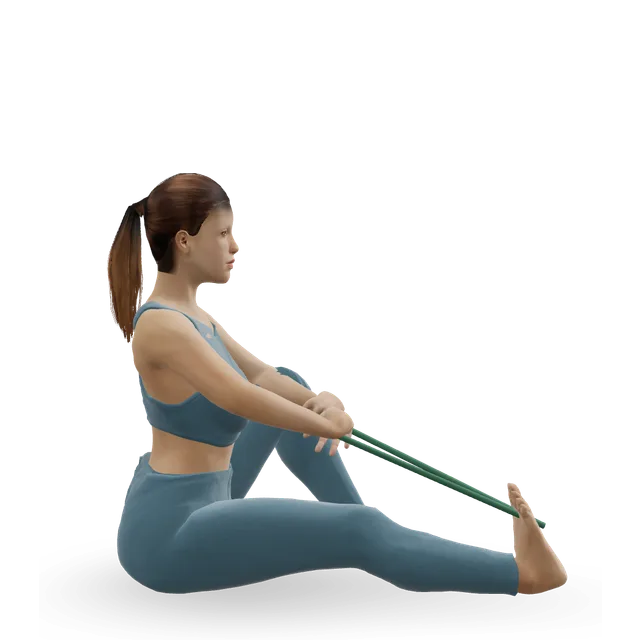
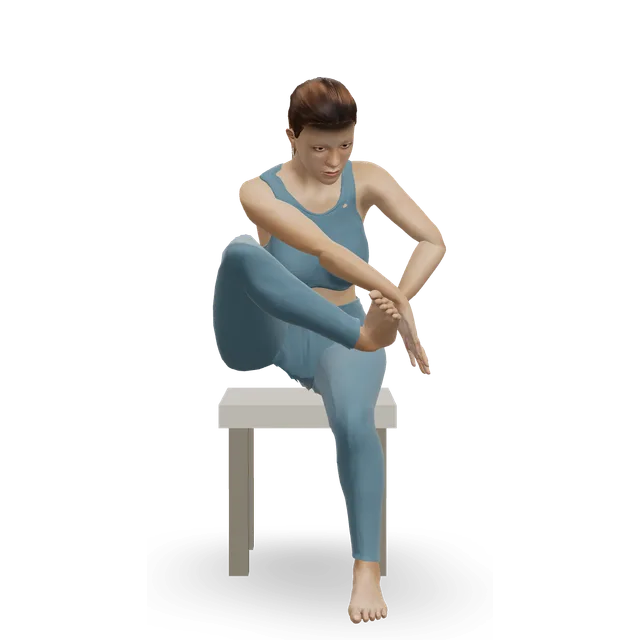
Plantar fascia stretch (seated) demonstrated on the 3D figure3D demoPlantar fascia stretch (seated)Beginner · A bench or box

3 to 5 holds of 10 to 30 s, 2 to 3 times a day, before your first steps in the morning · The move page's dose, for heel and arch pain. Stretching the sole eased first-step pain in trials

Harder: Toes-tucked kneeling (toe squat)

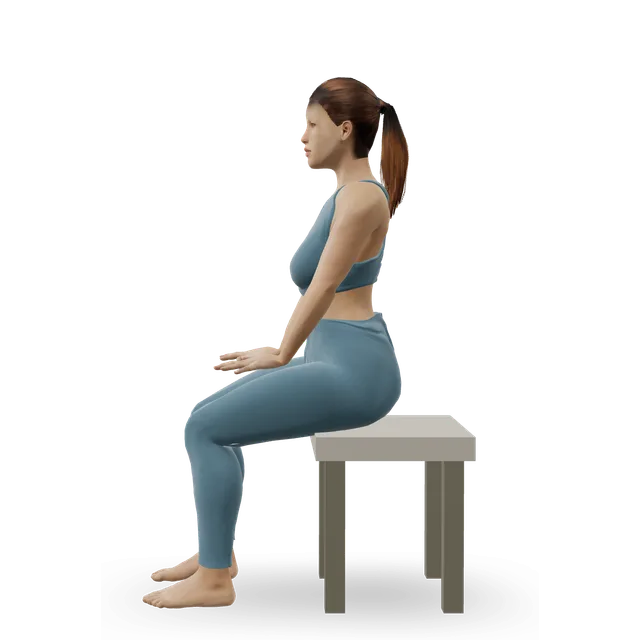
Seated calf stretch with a towel demonstrated on the 3D figure3D demoSeated calf stretch with a towelBeginner · Other / check instructions

3 holds of 30 s each side · As in our foot pain guide (Arthritis UK's dose)

Harder: Wall calf stretch (gastrocnemius)

Ankle CARs (controlled articular rotations) demonstrated on the 3D figure3D demoAnkle CARs (controlled articular rotations)Beginner · No equipment

5 slow circles each way, morning and evening · The move page's dose, an editorial starting point

Easier: Ankle circles · Harder: Toes-tucked kneeling (toe squat)

Treadmill walking demonstrated on the 3D figure3D demoTreadmill walkingBeginner · Cardio machine

5 to 10 min, 2 to 3 times a day, on the flat · As in our leg pain guide (any easy walking counts); walking outdoors on even paths counts the same

Harder: Treadmill jogging

Move on when: Your first steps in the morning are steady or easing, and short walks stay within the pain rule (our suggestion).

Follow along: a timer, a cue and the next move, one step at a time.
Stage 2

Build: standing calf and foot strength, and balance

About weeks 2 to 6: the heel raise used in a heel pain trial, calf and shin strength, and balance; walks get a few minutes longer each week (our suggestion).

Heel raise with a towel under the toes demonstrated on the 3D figure3D demoHeel raise with a towel under the toesIntermediate · A step + Other / check instructions

Every second day: a load you can lift about 12 times, for 3 sets, both feet then one · The move page's dose, as our plantar fasciitis guide uses it

Easier: Slow calf raise · Harder: Standing dumbbell calf raise

Slow calf raise demonstrated on the 3D figure3D demoSlow calf raiseBeginner · A wall

3 sets of 12 to 15 · As in our plantar fasciitis guide

Easier: Seated bent-knee calf raise (soleus raise) · Harder: Standing dumbbell calf raise

Single-leg stand demonstrated on the 3D figure3D demoSingle-leg standBeginner · A wall

Build to 1 min, 3 times, twice a day, holding a counter at first · As in our foot pain guide (Arthritis UK's dose)

Easier: Tandem stance and heel-to-toe walk · Harder: Single-leg reach matrix

Tibialis raise demonstrated on the 3D figure3D demoTibialis raiseBeginner · No equipment

2 to 3 sets of 10 · As in our ankle pain guide, where using this move for a leaflet's band exercise is editorial

Harder: Single-leg tibialis raise

Wall calf stretch (gastrocnemius) demonstrated on the 3D figure3D demoWall calf stretch (gastrocnemius)Beginner · A wall

3 holds of 30 s each side, twice a day · As in our plantar fasciitis guide

Easier: Seated calf stretch with a towel · Harder: Heel-on-step calf and hamstring stretch

Treadmill walking demonstrated on the 3D figure3D demoTreadmill walkingBeginner · Cardio machine

Add a few minutes a week, one change at a time · Editorial, as in our hip pain when walking guide

Harder: Treadmill jogging

Move on when: Single-leg heel raises are comfortable within the pain rule, and 20 to 30 minutes' walking on the flat leaves your first steps no worse the next morning (our suggestion).

Follow along: a timer, a cue and the next move, one step at a time.
Stage 3

Your usual walks come back

From about week 6, strength 2 days a week and walking most days: single-leg strength and balance for longer walks, slopes and uneven ground. Distance, surfaces and hills come back by the written steps below.

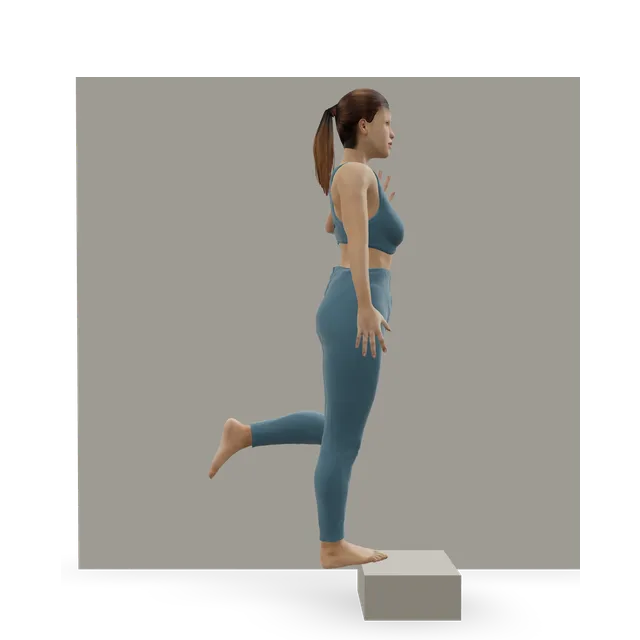
Single-leg calf raise from a step demonstrated on the 3D figure3D demoSingle-leg calf raise from a stepIntermediate · A step + A wall

3 sets of 10 to 12 each leg · As in our plantar fasciitis guide

Easier: Slow calf raise · Harder: Single-leg pogo hops

Tandem stance and heel-to-toe walk demonstrated on the 3D figure3D demoTandem stance and heel-to-toe walkBeginner · A wall

3 to 5 lengths · As in our foot pain guide (an NHS ankle leaflet's dose)

Easier: Semi-tandem stance · Harder: Single-leg stand

Side-stepping (sideways walking) demonstrated on the 3D figure3D demoSide-stepping (sideways walking)Beginner · A wall

10 steps each way, next to a counter · The move page's dose, from the NHS balance exercises

Harder: Lateral band walk

Knee-to-wall ankle rock demonstrated on the 3D figure3D demoKnee-to-wall ankle rockBeginner · A wall

10 slow rocks per side, daily · The move page's dose

Treadmill walking demonstrated on the 3D figure3D demoTreadmill walkingBeginner · Cardio machine

Build towards 150 minutes a week · As in our ankle arthritis guide (Arthritis UK's suggestion); walking outdoors counts

Harder: Treadmill jogging

Move on when: Our suggestion: your usual walks, on the surfaces and hills you need, leave your feet no worse the next morning. Keep two strength days a week, and if a long day on your feet brings it back, drop back a stage for a few days rather than stopping.

Follow along: a timer, a cue and the next move, one step at a time.

What to change for now

Shoes and insoles (written steps)

Our 3D figure can't show these changes. They come from the Royal College of Podiatry, an NHS podiatry leaflet, the NHS and Diabetes UK; where a step is our suggestion, it says so.

  • 1. Fit: about a thumb's width (1 to 1.5 cm) between your longest toe and the end of the shoe, wide and deep enough for the broadest part of your foot, and fastened across the top with laces, a strap or Velcro (the Royal College of Podiatry). Get measured, try both shoes on and fit the bigger foot (an NHS podiatry leaflet).
  • 2. Buy shoes in the afternoon, when your feet are largest (the Royal College of Podiatry).
  • 3. A low heel: under 2 cm for long spells on your feet (the Royal College of Podiatry), or no more than an inch (the NHS podiatry leaflet). The NHS says wide, comfortable shoes with a low heel and soft sole.
  • 4. Leave out flip-flops and backless slippers with heel pain (the NHS), and slip-ons that make you clench your toes (the NHS podiatry leaflet).
  • 5. Check old shoes for wear and replace them (the NHS podiatry leaflet).
  • 6. Cheap aids first: soft insoles or heel pads for heel pain, metatarsal pads from a pharmacist for Morton's neuroma, and bunion pads for bunions (the NHS).
  • 7. With diabetes, wear new shoes around the house for 20 to 30 minutes at first, and check inside your shoes before you put them on (Diabetes UK).

Sources 20, 21, 2, 6, 7, 11, 23

Surfaces and how far (written steps)

These come from the NHS and Health New Zealand; the amounts are our suggestion.

  • 1. While it's sore, avoid long spells standing or walking, especially barefoot (the NHS). With heel pain, try not to walk barefoot on hard surfaces (the NHS); wear supportive shoes or slippers at home on hard floors (our suggestion).
  • 2. Split a long walk into shorter ones, and walk on paths, grass or a track rather than concrete where you can (our suggestion).
  • 3. Avoid sudden jumps, such as a holiday of all-day walking or a new step target: doing a lot more than usual is a common trigger (the NHS and Health New Zealand).
  • 4. A sore spot on a bone is the exception: stop the walking that hurts and get it checked (Health New Zealand).
  • 5. Any comfortable, supportive shoes that don't cause blisters will do for everyday walking (the NHS).

Sources 2, 6, 12, 33

With diabetes (written steps)

These come from Diabetes UK, the international guideline on preventing diabetic foot ulcers and a trial.

  • 1. Check your feet every day, before you put your socks on in the morning and before bed, using a mirror if you need to (Diabetes UK).
  • 2. Don't walk without suitable foot protection (the international guideline).
  • 3. An extra 1,000 steps a day is likely safe (the guideline), and walking more didn't increase ulcers in a trial of people whose feet were looked after.
  • 4. Any new wound, redness, swelling, change of colour or shape, or new pain: see your foot team urgently, within 24 hours, and take the weight off the foot meanwhile (Diabetes UK).

Sources 23, 17, 29, 28

Your usual walks come back (written steps)

No trial has tested how to bring walking back after foot pain. These steps are our suggestion.

  • 1. Stages 1 and 2: shorter, more frequent walks on even ground in supportive shoes, adding a few minutes a week.
  • 2. Change one thing at a time: distance first, then pace, then hills or uneven ground.
  • 3. Hills, stairs, sand and long days on your feet come last. For long days standing, heels under 2 cm and good shock absorption help (the Royal College of Podiatry).
  • 4. If a long walk brings the pain back the next morning, go back to the last distance that was fine for a week.
  • 5. If it isn't improving within three weeks of changing your shoes and looking after it yourself, see a podiatrist or GP (the Royal College of Podiatry).

Sources 20, 12

Positions to swap, and why

Habit or positionWhy it mattersInstead
Long spells walking or standing barefoot on hard floorsThe NHS says don't walk or stand for long periods, especially barefoot, and with heel pain, try not to walk barefoot on hard surfaces.Supportive shoes or slippers at home, and shorter spells on your feet.
Flip-flops, backless slippers and slip-onsThe NHS advises against flip-flops and backless slippers with heel pain, and slip-ons make you clench your toes, an NHS podiatry leaflet says.Laced or strapped shoes with a cushioned heel.
High heels or tight, pointy shoesThe NHS advises against them for heel, sole, toe and Morton's neuroma pain, and high heels went with bunions and pain in most studies of them.A low heel (under 2 cm for long spells standing) and a wide, deep toe box.
Old, worn-out shoesWorn-out shoes are a risk for stress fractures, and an NHS podiatry leaflet says check wear and replace them.Shoes that fit, measured in the afternoon.
A sudden jump in walking, such as a holiday or a new step targetDoing a lot more than usual is a common trigger for heel pain and stress fractures.Short, frequent walks, adding a few minutes a week (our suggestion).Try: Treadmill walking
Walking through pain at one spot on a boneHealth New Zealand says stop as soon as you feel pain and never play through it, because it could be a stress fracture.Stop that walking and get it checked; exercise off your feet, such as swimming, meanwhile.
Walking barefoot with numb feetPain won't warn you, and the guideline on preventing diabetic foot ulcers advises against walking without suitable foot protection.Shoes or slippers always, and a daily foot check.
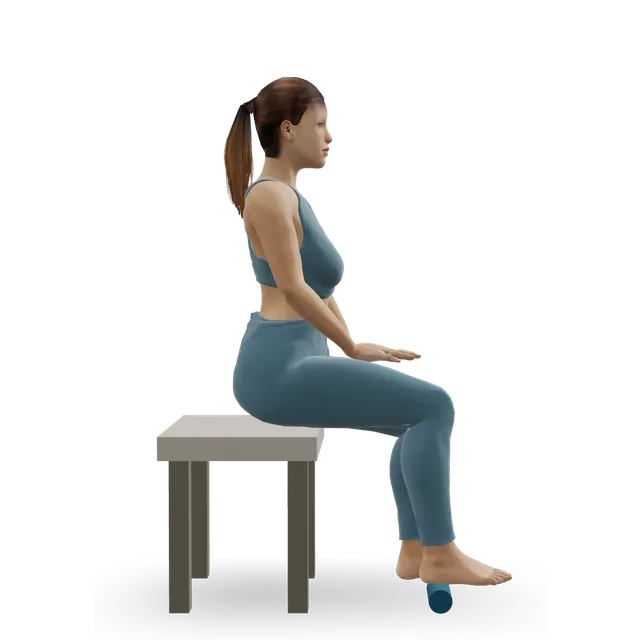
Rolling your foot on a ball as the treatmentIt has hardly been tested for heel pain; it's fine for comfort, as our foot pain guide says.The sole stretch before your first steps, then heel raises.Try: Plantar fascia stretch (seated)
Buying custom orthotics firstOff-the-shelf orthoses did as well as custom ones for heel pain, and for big toe arthritis shaped insoles were no better than flat ones.Shoes that fit and soft insoles first, and a podiatrist if it isn't improving within three weeks.

Routines to follow

Foot and ankle strengthening routine: toes, arches, calves and balance

A 15-minute barefoot routine for stronger toes, arches, calves and ankles, finishing with balance. You need only a towel, a wall and a resistance band.

15 minBeginner11 movesA wall, Other / check instructions

Plantar fascia routine

Plantar fascia and calf stretches, a gentle foot roll and the towel heel raise: the exercises the 2023 heel pain guideline supports.

8 minBeginner7 movesA bench or box, A massage ball

Calf workout: straight-knee and bent-knee raises with a step

A 25-minute calf workout with a step and a dumbbell: single-leg raises for the big calf muscle, then seated raises for the soleus, with gym swaps for each move.

25 minIntermediate7 movesA wall, A step

Balance exercises routine

Balance practice in 10 minutes: tandem stance, single-leg stands, marches, heel walks, tree pose and floor transfers.

10 minBeginner7 movesA wall, A bench or box

Exercises for peripheral neuropathy: balance and leg strength in shoes

A 35-minute home routine for numb feet: seated ankle work, leg strength and balance at a counter, then a walk, with shoes on and a foot check before and after.

35 minBeginner13 movesA bench or box, Something with weight

Interval walking workout: 3 minutes fast, 3 minutes easy

A 40-minute walk alternating 3 minutes fast and 3 minutes easy, five times over: the interval walking tested in Japanese trials, built up from three rounds.

40 minBeginner3 movesCardio machine, A wall

10-minute walk and move after meals

A 10-minute routine for straight after a meal: an easy walk, a few simple standing moves from blood sugar trials, then a short walk to finish.

10 minBeginner6 movesCardio machine, A bench or box

More moves for this area

Questions people ask

Why does my foot hurt when I walk?

Where it hurts is the best clue. Under the heel on the first steps points to plantar heel pain, a burning, pebble-like feeling near the 3rd and 4th toes to Morton's neuroma, and one sore spot on a bone to a possible stress fracture. Tight or worn shoes, hard floors and a sudden increase in walking are common triggers.

Why does the bottom of my foot hurt when I walk?

Most often it's plantar heel pain, felt between the heel and the arch and worst on the first steps after rest. Pain under the ball of the foot or near the toes can be Morton's neuroma, hard skin or the joints there. Wide shoes with a low heel and a soft sole, and soft insoles, are the NHS's first steps.

Why does the top of my foot hurt when I walk?

Shoes or laces that are too tight, a sudden increase in activity, a strained tendon or arthritis can all cause it. One spot on a bone that hurts with every step, and later at rest or at night, could be a stress fracture and needs checking. Sudden, severe pain with hot, red, swollen skin near the big toe may be gout.

Why does my heel hurt when I start walking after resting?

That's the classic pattern of plantar fasciitis: sharp pain on the first steps in the morning or after sitting, which eases as you move and comes back after long spells on your feet. Stretching the sole before those first steps, cushioned shoes and soft heel pads help. Our plantar fasciitis guide has the full plan.

Can I keep walking with plantar fasciitis?

Yes, within limits. The NHS says avoid walking or standing for long periods while it's sore, and suggests exercise off your feet, such as swimming, meanwhile. Shorter walks in supportive shoes, not barefoot on hard floors, are a good start, building up as your first steps get easier (our suggestion).

What are the best shoes for foot pain when walking?

The ones that fit and support you, rather than a particular brand. Look for about a thumb's width of room at the toes, enough width and depth, laces or a strap, a cushioned sole and a low heel, and buy them in the afternoon when your feet are largest. Most people's shoes don't fit their feet properly, so it's worth being measured.

Do insoles help foot pain?

Soft insoles, heel pads or metatarsal pads are cheap and worth trying. For heel pain, shaped insoles helped a little more than fake ones at 7 to 12 weeks, and custom-made ones were no better than off-the-shelf. For big toe arthritis, shaped insoles did no better than flat ones.

Can flat feet cause foot pain when walking?

Sometimes, but usually not: the NHS says flat feet don't usually cause any problems. In a large study the link with arch pain was small and only in men. If your flat feet are painful, new or on one side only, see a GP; insoles may ease pain but won't change your feet's shape.

Could my foot pain be a stress fracture?

It could be if you can point to one sore spot on a bone, it hurts with every step, and it has started to ache at rest or at night, especially after a sudden increase in walking. Stop the walking that hurts and get it checked: healing usually takes 6 to 8 weeks.

I have diabetes: when is foot pain urgent?

See your foot team urgently, within 24 hours, for new or unexplained pain, a change in the colour or shape of your foot, a hot, red or swollen area, or a new wound or blister, even if it doesn't hurt. Call 999 for signs of sepsis, such as confusion, fast breathing or blotchy skin. Check your feet every day, and don't walk without shoes or slippers.

Why do my feet hurt walking on hard floors or barefoot?

Hard surfaces and long spells on your feet are common triggers for heel pain, and the NHS advises against standing or walking for long periods, especially barefoot. Supportive shoes or slippers at home, and cushioned insoles, usually help.

Why do my feet burn when I walk?

Burning, tingling or numbness in both feet can be nerve damage (peripheral neuropathy), most often from diabetes, and needs a GP. Burning or shooting pain between the toes is more likely Morton's neuroma. A calf that aches after a few minutes' walking and eases with rest can be narrowed leg arteries, which also needs a GP.

Related exercise guides

Other pain guides

Sources

  1. Thomas 2011 · Foot and ankle pain in middle and old age (systematic review of 31 studies, Pain)
  2. NHS · Heel pain
  3. NHS · Pain in the bottom of the foot
  4. NHS · Toe pain
  5. Buldt 2018 · Badly fitting shoes, foot pain and foot problems (systematic search and narrative review, J Foot Ankle Res)
  6. NHS · Plantar fasciitis
  7. NHS · Morton's neuroma
  8. NHS · Pain in the ball of the foot
  9. NHS · Pain in the top of the foot
  10. American Academy of Orthopaedic Surgeons, OrthoInfo · Progressive collapsing foot deformity (posterior tibial tendon dysfunction)
  11. NHS · Bunions (past its review date: reviewed June 2023, review due June 2026)
  12. Health New Zealand Te Whatu Ora · Stress fractures of the foot and shin bone
  13. NHS · Peripheral neuropathy (past its review date: reviewed October 2022, review due October 2025)
  14. NHS · Peripheral arterial disease (PAD)
  15. NHS · Flat feet
  16. Menz 2013 · Flat feet, rolling-in and foot pain in 3,378 adults: the Framingham foot study (Arthritis Care Res)
  17. Diabetes UK · Serious foot problems and diabetes
  18. NICE NG19 · Diabetic foot problems: prevention and management (recommendations)
  19. NICE NG219 · Gout: diagnosis and management (recommendations)
  20. Royal College of Podiatry · Choosing the right shoes for you (leaflet, 2022, as hosted by Harrogate and District NHS Foundation Trust)
  21. NHS Lothian Podiatry · General footwear advice (leaflet, 2022, past its review date of August 2025)
  22. Barnish 2016 · High-heeled shoes and musculoskeletal injuries (narrative systematic review, BMJ Open)
  23. Diabetes UK · Taking care of your feet
  24. Whittaker 2018 · Foot orthoses for plantar heel pain (meta-analysis of 19 trials, BJSM)
  25. Morrissey 2021 · Management of plantar heel pain: a best practice guide from a review of 51 trials (BJSM)
  26. Paterson 2022 · Foot orthoses vs sham insoles for big toe arthritis in 88 people (RCT, Osteoarthritis Cartilage)
  27. NICE NG226 · Osteoarthritis in over 16s: diagnosis and management (recommendations)
  28. LeMaster 2008 · Weight-bearing activity and foot ulcers in 79 people with diabetic neuropathy: the Feet First trial (RCT, Phys Ther)
  29. Bus 2024 · Guidelines on the prevention of foot ulcers in people with diabetes (IWGDF 2023 update, Diabetes Metab Res Rev)
  30. Diabetes UK · Walking when you have diabetes
  31. Matthews 2019 · Non-surgical treatments for Morton's neuroma (meta-analysis, J Foot Ankle Res)
  32. Matthews 2024 · Treatments for Morton's neuroma (Cochrane review of 6 RCTs)
  33. NHS · Walking for health (past its review date: reviewed December 2022, review due December 2025)
  34. Smith 2017 · Should exercises be painful in chronic musculoskeletal pain? (meta-analysis of 7 trials, BJSM)
  35. NHS · Gout (past its review date: reviewed August 2023, review due August 2026)
  36. NHS · Septic arthritis

Exercise education, not a diagnosis or treatment plan. It is written from the guidelines and studies listed above; review by a clinician is pending. If your pain follows an injury, is severe, is getting worse, or comes with any warning sign listed on this page, get it assessed. Health disclaimer.