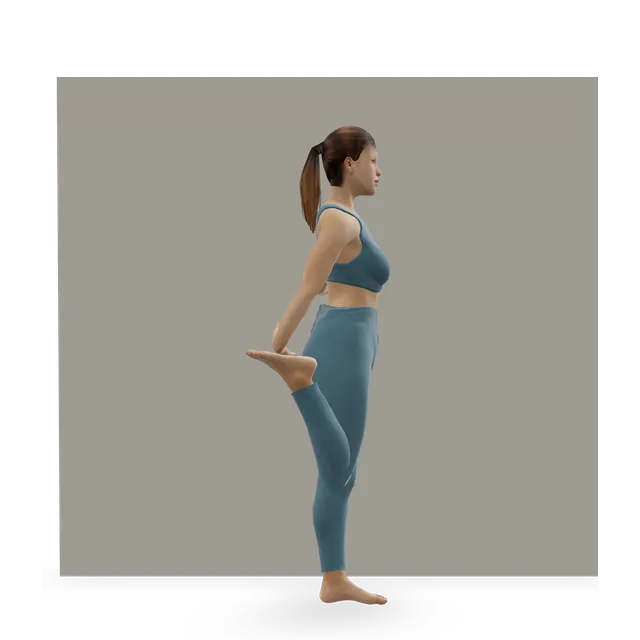
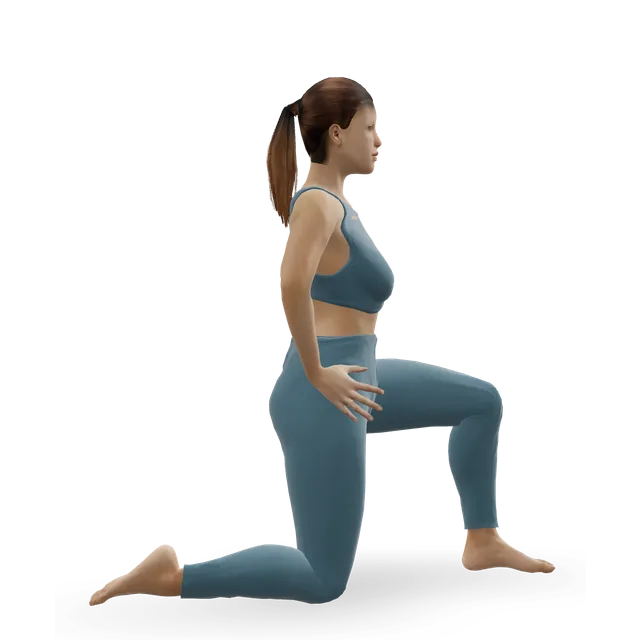
Pain guide · Foot pain

Foot pain when hiking: blisters, boots, laces, the heel, the ball of the foot, toes and what helps

Foot pain when hiking is usually blisters, the heel and arch, the ball of the foot, sore toes on descents or the top of the foot under tight laces, after a longer day, a heavier pack or new or wet boots. Blisters lead: two in three long-distance hikers get them, and wet socks nearly doubled the risk in one survey of walkers. Where it hurts is the best clue: a hot spot is a blister starting, the heel on your first steps in the morning is plantar heel pain, burning between the toes can be Morton's neuroma, and one sore spot on a bone after far more walking than usual can be a stress fracture. Footwear that fits and is worn in, dry socks, padding hot spots early, laces snug over the instep and shorter, flatter routes usually help, and heavy boots aren't proven to protect your ankles.

This guide starts with the signs that need help, from a 999 call for a foot or ankle that looks out of shape after a fall, a foot that is suddenly cold, pale or numb, or signs of frostbite, to a same-day check through the National Health Service's 111 line (NHS 111) or a general practitioner (GP) for an infected blister, a hot, swollen foot or any new foot problem with diabetes, and how to call Mountain Rescue. It then maps the causes by where it hurts, explains what the studies of blisters, socks, tape, boots and laces show, and don't, shows how to change your hikes today, and gives a three-stage plan with a 3D demo of every move, back to the hills.

When to get help first

Exercise is for pain that has been checked or is clearly mild and settling.

Get urgent medical help if

  • Call 999 or go to A&E: after an injury, you heard a crack, the foot or ankle has changed shape or points at an odd angle, a bone is sticking out, there is a bad cut over it, you're in severe pain, or the toes look blue or white, feel numb or are cold to touch. These can mean a broken bone. Don't drive yourself.
  • Same day (NHS 111 or an urgent treatment centre): after an injury, you can't put weight on it or walk more than a few steps, the pain is very bad or getting worse, there is a lot of swelling or bruising or it is getting worse, it feels very stiff, or it's not feeling any better after treating it yourself. Get the same help if you also have a very high temperature, or feel hot, cold or shivery: this could be an infection. If you think it's broken, don't treat it yourself.
  • Same day: a sudden snap or pop at the back of the heel or calf, or a feeling of being kicked there, then walking flat-footed and being unable to push off, stand on tiptoe or climb stairs. It could be an Achilles tendon rupture or a broken heel bone. Go to A&E or a minor injuries unit, or contact NHS 111.
  • Call 999 or go to A&E: a foot or leg that is suddenly cold, pale, numb, weak or very painful without an injury. A sudden loss of blood supply is a vascular emergency.
  • Contact a GP immediately (or NHS 111 if you can't): severe burning foot pain that carries on even when you're resting, skin turning pale, shiny, smooth and dry, wounds or ulcers on your feet that don't heal, or toes that become cold and numb, then turn red and then black. The blood supply to the foot may be failing.
  • Call 999 or go to A&E: you have diabetes and a foot ulcer with a fever or signs of sepsis, an ulcer with poor circulation, a possible deep infection of the soft tissues or bone in the foot (with or without an ulcer), or gangrene. NICE asks for these to go straight to hospital.
  • Same day: you have diabetes and a new foot problem, such as an ulcer or wound, signs of infection, or a hot, swollen foot with a change in colour, even if it doesn't hurt. Contact your diabetes foot team or GP: NICE asks for these to reach a specialist foot service within 1 working day, and a suspected Charcot foot is kept off weight until it has been checked.
  • If you have diabetes, see your local foot team urgently, within 24 hours, for a change in the colour or shape of your foot (especially a red, hot, swollen toe, ankle or foot), part of your foot feeling much colder or hotter than usual, new blisters, cuts or wounds (especially ones you can see but don't feel), a cut or wound that smells bad or is leaking fluid or pus, or new or unexplained pain in your foot. Meanwhile sit or lie down, take the weight off it and raise it.
  • Same day: a sudden, very painful, hot, swollen, red joint, often the big toe but sometimes the middle of the foot (the midfoot) or the ankle, especially with a high temperature, feeling shivery or being unable to eat. It may be gout, but it could be a joint infection (septic arthritis), which is urgent.
  • Same day (urgent GP appointment or NHS 111): sudden, severe pain in one joint, with swelling, a change in skin colour or difficulty moving it, especially if you feel unwell, hot, cold or shivery or have a high temperature (although not everyone has one). It could be an infection in the joint, gout or calcium crystals (pseudogout), and only a sample of fluid from the joint can tell them apart.
  • Call 999 or go to A&E: a red, hot, swollen foot with a very high temperature, feeling hot, cold or shivery, a fast heartbeat or fast breathing, purple patches on the skin (which may be less obvious on brown or black skin), feeling dizzy or faint, confusion or disorientation, cold, clammy or pale skin, or unresponsiveness or loss of consciousness.
  • Same day: skin on the foot that is painful, hot and swollen. It could be a skin infection (cellulitis).
  • Call 999 or go to A&E if, after being in very cold temperatures, you have hard, frozen skin, swelling and loss of feeling, or blisters filled with blood or a clear or milky fluid (signs of frostbite), or you're constantly shivering, with slurred speech, slow breathing, tiredness or confusion. Don't warm frostbitten skin with a radiator, hot water bottle or heat lamp, or in a hot bath.
  • For an injury, illness or someone lost or overdue, dial 999 or 112 and ask for the Police, then Mountain Rescue.

See a doctor or physiotherapist if

  • One spot on a foot bone that hurts with every step and later at night: a possible stress fracture.
  • Pain in one spot on the shin or a foot bone that you can point to with a fingertip, worse with impact and later present at rest or at night: a possible stress fracture. Stop running and jumping until it has been checked.
  • A stress fracture from ordinary activity, more than one stress fracture, periods that have stopped or become irregular, or worries that you're eating too little for your training: see a GP about bone health and energy intake.
  • Pain that isn't better after 2 weeks of looking after it yourself, is getting worse, keeps coming back, or stops you doing normal things.
  • Tingling or loss of feeling in the foot, or a foot that feels weak.
  • Any foot pain if you have diabetes: foot problems can be more serious.
  • Pain, tingling or loss of feeling in your feet, loss of balance or weakness, or a cut or ulcer on your foot that isn't getting better: see a GP. These can be early signs of nerve damage (peripheral neuropathy).
  • Burning, tingling or numbness in both feet, or a cut or sore on your foot that isn't healing: see a GP.
  • Leg ache when you walk that goes after a few minutes' rest: possible peripheral arterial disease (narrowed leg arteries), especially if you smoke or have diabetes.
  • Pain that has lasted 3 months despite changing your shoes and using insoles: see a doctor, as one NHS trust advises.
  • An ankle that keeps giving way months after a sprain.
  • Pain or swelling still there 6 to 12 weeks after a sprain, or deep pain inside the joint with catching or locking: see your GP. A damaged patch of cartilage and bone on the talus (an osteochondral lesion) is one cause, X-rays often miss it, and it has its own guide.
  • Foot pain that is getting worse, or isn't improving within three weeks of changing your shoes and looking after it yourself: see a podiatrist or GP.
  • Swollen, stiff, painful joints at the balls of both feet, or in several joints, especially with stiffness that lasts longer than 30 minutes after getting up: see a GP. NICE asks GPs to refer suspected rheumatoid arthritis urgently when the small joints of the hands or feet are affected, even if blood tests are normal.
  • Bone pain that is constant or worse at night, especially with a lump, unexplained weight loss, fever or tiredness, or a past history of cancer.
  • A blister that is very painful, keeps coming back or looks infected (hot and filled with green or yellow pus, with red skin around it, which can be harder to see on brown or black skin): get help from NHS 111 (our suggestion, from the NHS blisters page, which says do not ignore an infected blister). With diabetes, the diabetic foot lines above apply to any blister.
  • Toes that stay numb, white or painful for days after cold, wet walking: see a GP (our suggestion). A review of non-freezing cold injury (trench foot) says it can leave lasting nerve pain and sensitivity to cold.

Where does it hurt?

Location narrows the likely causes; it does not diagnose.

A hot spot or blister on the heel, the toes or the ball of the foot, from new or wet boots, a long descent or a hot day

Friction blisters, the commonest foot problem on a hike. Stop and pad a hot spot straight away. Most blisters heal within about a week.

Read: Foot pain →
Under the heel, sharp on the first steps in the morning of the second or third day, or after sitting at a rest

Plantar heel pain (plantar fasciitis), often after far more walking than usual. Heel raises and a calf and sole stretch are the plan.

Read: Plantar fasciitis (plantar heel pain) →
The back of the heel or just above it, stiff at the start of the day, worse uphill

The Achilles tendon, which a heavy pack loads more.

Read: Achilles tendinopathy →
Under the ball of the foot, aching after long days, often with hard skin or a blister there

Metatarsalgia, or a blister under the ball of the foot, which limits walking most. Roomier footwear and a lighter pack usually help.

Read: Ball of foot pain →
Burning, shooting or numb between the 3rd and 4th toes, like a pebble in the boot, worse in tight footwear

Often Morton's neuroma. Wider footwear and looser laces over the front of the foot usually help.

Read: Morton's neuroma →
Sore, bruised or numb toes, or a toenail that goes black, after long descents

The toes hitting the front of the boot, in our reading; no study has measured it in hikers. Laces snug over the instep before a descent, room for your toes and short toenails usually help.

Across the top of the foot under the laces, after a long day in tight or new boots

Usually irritated tendons or pressure from the laces. Loosen the laces over the sore spot; it usually settles in a few weeks.

Read: Pain on top of the foot →
A rolled ankle on rough ground or a descent, with swelling and bruising on the outside of the ankle

An ankle sprain, one of the commonest hiking injuries. If you can't put weight on it or walk more than a few steps, get help, as the warning signs say.

Read: Sprained ankle →
One spot on a bone, often on top of the foot, sore to press and worse with every step after far more walking than usual

A possible stress fracture, usually of a long bone of the foot. Stop the long walks and get it checked, even if an X-ray is normal at first.

Read: Stress fracture →
Burning or tingling under the inner ankle and into the sole

Possibly a trapped nerve at the ankle (tarsal tunnel syndrome).

Read: Tarsal tunnel syndrome →
An ache in the calf, thigh or buttock as you walk that goes after a few minutes' rest

Possibly narrowed leg arteries, more likely if you smoke or have diabetes: see a GP.

Read: Calf pain when walking →
Numb, white, then painful toes after days of cold, wet feet, or hard, frozen skin after freezing weather

Cold injury: trench foot after cold, wet days, or frostbite after freezing temperatures. See the warning signs.

A sudden, very painful, hot, red, swollen joint, often the big toe

Possibly gout or, rarely, a joint infection: get help the same day, as the warning signs say.

Read: Big toe pain →
Any new foot problem if you have diabetes

A blister, a wound, redness, swelling, a change of colour or shape, or new pain: see your foot team urgently, within 24 hours.

Foot pain when you walk on the flat, or the knee, hip or back on the hill

Our foot pain when walking guide, and our knee, hip and back pain when hiking guides, cover each.

Read: Foot pain when walking →
The shin rather than the foot, on long days, descents or with tight laces

Our shin pain when hiking guide covers shin splints, a stress fracture, descents, the pack and laces, and a plan back to the hills.

Read: Shin pain when hiking →

Understand it

How common it is: blisters leadStrong evidence

Feet are the commonest trouble spot on long walks. On the Appalachian Trail, 64% of 280 long-distance hikers had blisters, the commonest complaint; on the John Muir Trail, 57% of 771 backpackers had them; and on the Camino de Santiago, 74% of 315 walkers had a blister, most often under the ball of the foot or on the little toe. Across 7 studies of 17,757 injured hikers, blisters made up 8% to 33% of injuries, and ankle sprains were common. In New Zealand club hikers carrying packs up to 29% of body weight, 74% reported injuries, with sprains the commonest type and knees, ankles and feet the commonest places.

In soldiers on long, heavily loaded marches, blisters made up 48% of injuries and foot pain 18%, and military reviews list blisters, stress fractures, pain in the ball of the foot and numb toes among load carriage injuries. These figures come from soldiers, not hikers, and soldiers carry far more for longer, so they are an upper bound.

Sources 1, 2, 3, 4, 5, 6, 7, 8

How blisters form, and why they matterEmerging evidence

Blisters come from shear: the skin is pulled one way while the deeper layers stay put, thousands of times a day. They form more easily on moist skin, as NHS inform says, and in 86 long-distance hikers wetter skin went with blisters. In 203 Camino walkers, hiking in wet socks went with nearly twice the risk (1.94 times), while the fibre the socks were made of made no difference, and walking on tarmac raised the risk while dirt paths lowered it.

Blisters come early: in multi-day races, 89% appeared by day 2. They matter: in 298 Camino walkers, blisters under the ball of the foot caused the most pain and limited walking most, and on a 580 km student march over 21 days, every injured walker had blisters and 18.3% developed a skin infection (cellulitis). Common doesn't mean harmless or inevitable.

Sources 9, 10, 11, 12, 3, 13, 14, 15

How the causes are told apartEmerging evidence

Hot spots and blisters on the heel, toes or ball of the foot are friction blisters, which the NHS says often heal on their own within a week. Pain under the heel that is sharp on your first steps in the morning, easing as you walk, is plantar heel pain (which NHS inform now calls plantar fasciopathy); the NHS lists doing a lot more walking than usual among its causes. The back of the heel, stiff at the start and worse uphill, is the Achilles tendon: in 16 cadets carrying 20 kg, the load on the Achilles rose sharply. An ache under the ball of the foot is metatarsalgia, and burning, shooting or numbness between the 3rd and 4th toes, worse in tight footwear, is often Morton's neuroma. Numb or tingling toes after long loaded walks can also be pressure on the small nerves of the toes, which reviews of soldiers describe.

Sore, bruised or numb toes, or a toenail that goes black after long descents, are the toes hitting the front of the boot in our reading, untested in hikers; the NHS says nails can change colour and fall off after an injury, and advises against footwear that pinches your toes. Pain across the top of the foot under the laces is usually irritated tendons or lace pressure: in runners, lace pressure peaked over the bones and tendons there, and the NHS says top of foot pain can come from shoes that are too tight and usually gets better in a few weeks. A rolled ankle with swelling on the outside is a sprain, one of the commonest hiking injuries.

One spot on a bone that you can press, most often on top of the foot, worse with every step after far more walking than usual and later aching at rest, can be a stress fracture. The commonest cause is a sudden increase in activity, and most foot stress fractures are in the long bones at the front of the foot. In a review of 70 military studies, fractures clustered in the first, hardest weeks of training and in recruits who hadn't exercised regularly before, but there was no clear evidence that heavier loads themselves raise the risk. Ankle and foot stress fractures were about twice as common in women (5.78 against 2.76 per 1,000 person-years). These figures come from soldiers, not hikers.

Numb, white, then painful toes after days of cold, wet feet can be non-freezing cold injury (trench foot), which a review says can happen when wet socks and boots aren't changed on hikes, and which can leave lasting nerve pain; hard, frozen skin after freezing temperatures is frostbite. A calf, thigh or buttock ache as you walk that goes after a few minutes' rest can be narrowed arteries.

Sources 16, 17, 18, 19, 20, 21, 22, 23, 24, 25, 4, 26, 27, 28, 29, 30, 31, 32, 33

When a scan or test helps, and how it usually goesStrong evidence

Rarely at first. After a twisted ankle or foot, clinicians use the Ottawa rules to decide on an X-ray: across 27 studies of 15,581 people they missed almost no fractures and cut unneeded X-rays by 30% to 40%. A suspected stress fracture needs checking even with a normal X-ray, because a tiny crack is often hard to see at first; a magnetic resonance imaging (MRI) scan or a bone scan finds it earlier. Plantar heel pain and Morton's neuroma are diagnosed from the story and examination. Any new foot problem with diabetes needs the foot team, not a scan first.

Most blisters heal in about a week (NHS inform says 3 to 7 days), most sprains feel better after about 2 weeks, with recovery by about 8 to 12 weeks, and pain on top of the foot usually gets better in a few weeks. Foot stress fractures usually take 6 to 8 weeks to heal. Plantar heel pain can be slow: in 174 hospital-referred patients, 80.5% still had symptoms a year after they started, and about half at 5 years; most people seen in primary care do better, and NHS inform asks you to see a professional if it hasn't improved within 12 weeks. No one can promise a date.

Sources 34, 26, 16, 10, 35, 36, 25, 37, 17
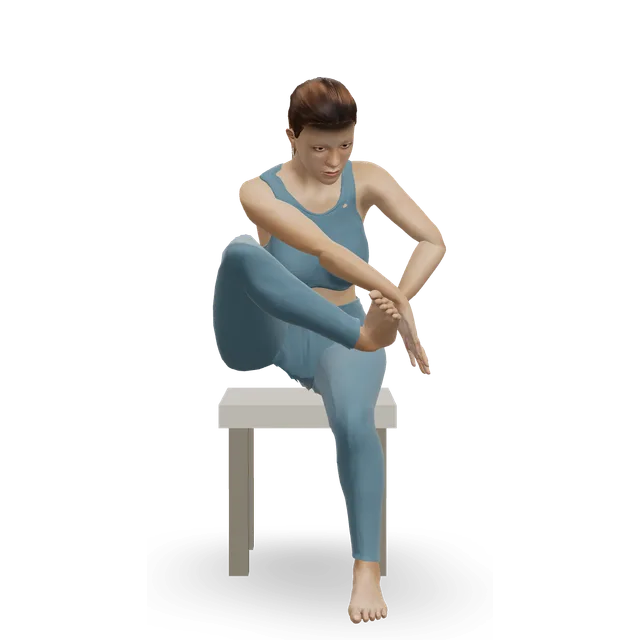
What helps, and how strong the evidence is

Blisters: tape over hot spots has the best evidence, and it is thinEmerging evidence

A systematic review of 11 trials in running, hiking and marching found little high-quality evidence for socks, antiperspirants or barriers, with moderate confidence only that paper tape may work. In 128 multi-day ultramarathon runners, paper tape over each person's blister-prone spots on one foot cut blisters by 40%; an earlier trial of paper tape on one foot, in the same race series, found no significant protection. Both trials were in runners, not hikers.

Socks: acrylic beat cotton in a small trial of 35 runners, but in 203 Camino walkers the fibre made no difference while wet socks nearly doubled the risk. Antiperspirant with moisturisers did nothing in 23 men walking in the heat; a strong antiperspirant cut blisters from 48% to 21% in cadets who used it for 3 or more nights, but 57% got skin irritation. A review of the causes recommends fewer rubbing cycles, dry skin, grit kept out, footwear that fits and is broken in, skin lubricants and toughening the skin by building up gradually.

Sources 38, 39, 13, 40, 12, 41, 42, 9

Blisters: leave them intact and cover themStrong evidence

The NHS advice is to leave a blister alone and not burst it yourself, cover it with a soft plaster or padded dressing, let a burst blister drain before covering it, and not peel the skin; a hydrocolloid dressing can protect it, ease pain and speed healing. Get help from NHS 111 if a blister is very painful, keeps coming back or looks infected; a GP might burst a large or painful blister with a sterile needle. NHS inform adds: stop and apply padding as soon as you feel a hot area on your foot. An older military review favoured draining large blisters while keeping the roof, from clinical experience; this guide follows the NHS for self-care. With diabetes, see a GP or diabetes nurse for blisters or cracked skin on your feet.

Sources 16, 10, 43, 44

Boots against trail shoes: no trial, so fit and grip come firstEmerging evidence

No trial compares boots and trail shoes for injury. A 2026 scoping review found 16 footwear studies, 13 of them in trail runners and only 3 in hikers, and said the evidence is limited to a small number of studies. In 128 long-distance hikers, neither footwear nor pack weight was linked with sprains, long-lasting pain or muscle injuries. In 15 adults walking on gravel, a boot shaft 50% stiffer didn't improve stability, and the authors warned that stiffness shouldn't be equated with safety.

Weight on the feet is costly: a kilogram of footwear raised energy use 1.9 to 4.7 times as much as a kilogram of body weight. On Mount Fuji's loose descent, hiking shoes or mountaineering boots, rather than running shoes, sneakers or worn-out shoes, went with fewer falls among 1,061 climbers, and on the Appalachian Trail, stabilising footwear and poles went with fewer complaints. Both are surveys, so they show links, not causes. So choose footwear by fit, grip, the terrain and the load, and wear it in.

Sources 45, 46, 47, 48, 7, 49, 50

Laces: hold the heel, ease pressure on topEmerging evidence

In runners, firmer, higher lacing gave a firmer fit, and looser lacing let the foot slide in the shoe; pressure under the laces peaked over the bones and tendons on top of the foot, and lowering it went with comfort. These are lab studies of runners; that firm lacing over the instep stops the toes hitting the front of a boot on descents is our reading, untested in hikers.

Sources 51, 24

Heel pain: heavy heel raises helped faster than stretchingEmerging evidence

In 48 people with plantar fasciitis, single-leg heel raises with a towel under the toes every second day improved foot function by 29 points more than stretching at 3 months, with no difference at 1, 6 or 12 months. NHS inform's advice is to stay active within acceptable pain, remembering you don't need to be pain free. Our plantar fasciitis guide covers insoles, stretching and the full heel plan.

Sources 52, 17

Ankle sprains: move early, then train balanceStrong evidence

In 522 athletes with a recent sprain, an 8-week unsupervised home balance programme (three sessions a week, up to 30 minutes, ending on a balance board) cut repeat sprains over a year from 33% to 22%: about 1 sprain prevented for every 9 people who did it. An overview of 46 reviews found strong evidence for bracing and moderate evidence for balance training in preventing another sprain, and strong evidence for anti-inflammatory painkillers and early movement after one. Our ankle sprain guide covers the full plan.

Sources 53, 54

Foot strength, stress fractures and training before a tripEmerging evidence

In 118 recreational runners, 8 weeks of supervised foot and ankle muscle training followed by home training left the untrained group 2.42 times more likely to be injured over a year; that is one trial, in runners. Most stress fractures heal with a period of modified loading and a gradual return, though they often come back if the causes aren't addressed. In 5,201 women Navy recruits, calcium and vitamin D during basic training cut stress fractures from 6.6% to 5.3%, and lower vitamin D levels went with stress fractures in a review of 15 studies, especially in military personnel and men; whether to take supplements is a question for a GP.

On the Appalachian Trail, hikers who didn't train beforehand had nearly three times the odds of muscle and joint complaints, an association rather than proof, and a military review advises conditioning the feet with regular marching.

Sources 55, 56, 26, 57, 58, 50, 59

Where popular advice overstates itMixed evidence

Heavy, stiff boots aren't proven to protect your ankles: no trial shows it, and a stiffer shaft didn't improve stability on gravel. Cotton socks causing blisters and wool preventing them isn't borne out: the fibre made no difference on the Camino, while wetness did. Rolling your foot on a ball may ease heel pain, but strength work has the trial evidence. Antiperspirant on the feet gave mixed results and often irritated the skin.

Sources 47, 45, 12, 52, 41, 42

How much pain is OK while you exercise?

Up to about 5 out of 10, first steps no worse, and never walk through a hot spotEmerging evidence

This guide uses the foot and ankle hubs' rule, as our other foot movement guides do. Some discomfort during exercise is fine. Aim for pain you would call mild to moderate, no more than about 5 out of 10, that settles within an hour, with no more swelling or stiffness the next morning. If it's worse the next day, do a little less (a smaller range, fewer reps, a lighter band), not nothing.

After a sprain, NHS hospital leaflets say the exercises should not increase your pain, and gentle exercise from the first week was safe in a trial: re-injury was 4% with or without it.

The exceptions: pain in one spot on a bone should be pain-free, because it could be a stress fracture; burning, tingling or numbness means stop that movement; and if your feet are numb, pain won't warn you, so check your skin after exercise.

If pain climbs day after day, or you notice a warning sign, stop and get it checked. The 5 out of 10 figure is an editorial starting point that matches this site's other pain guides, not a tested rule.

With heel pain, our plantar fasciitis guide's rule applies: NHS inform's foot exercise advice rates pain from 0 to 10: "0 to 3 - minimal pain; 4 to 5 - acceptable pain; 6 to 10 - excessive pain", and your pain should be "no worse the morning after you've exercised". If it goes higher, do fewer repetitions, move more slowly or rest longer between movements. In an Achilles trial, carrying on with loading under a similar pain-monitoring rule did no harm; the rule hasn't been tested separately for heel pain.

Your first-step pain in the morning is the best guide: it should trend down week to week. Expect some soreness in the first heavy heel-raise sessions; if the heel is clearly worse the next morning, lighten the load.

With Morton's neuroma, stop any movement that brings on burning or shooting pain, tingling or numbness between the toes, and change it rather than push through.

On the trail (our suggestion, built on the same rule): judge each walk by the last hour, by your first steps the next morning, and by your skin. Choose the distance, climb and descent, surface and pack where your feet stay at 5 out of 10 or less, settle within an hour of taking your boots off, and your first steps the next morning are no worse than today's, aiming for 0 to 3. In 7 trials of long-lasting pain, exercise that allowed some pain did no worse than pain-free exercise. Skin is different: a hot spot is never something to walk through; stop and pad it, as NHS inform says. If a walk breaks the rule, go back to the last walk that was fine, not to none. One spot on a bone that hurts with every step, an infected blister, numbness that doesn't go when the boots come off, or any new foot problem with diabetes isn't a pain-rule question: see the warning signs.

Sources 17, 60, 10

The exercise plan: 3 stages

Start at the first stage. Each move opens a full guide with a 3D demo.

Stage 1

Settle: blisters healing, footwear sorted, and foot and calf work off your feet

About weeks 0 to 2: short walks most days, the foot work daily. Let blisters heal, change footwear, socks and laces today (the written steps below), keep walking little and often on even ground within the pain rule, and start the seated foot and calf work our foot guides use. With one sore spot on a bone, diabetes with a new foot problem, an infected blister or a hot, swollen joint, use the warning signs first. After a sprain, our ankle sprain guide's first stage comes first; with heel pain, our plantar fasciitis guide's plan matches this one.

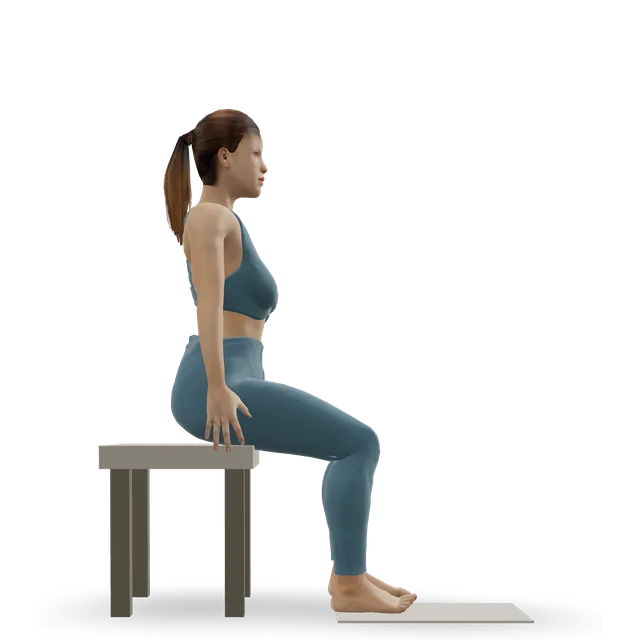
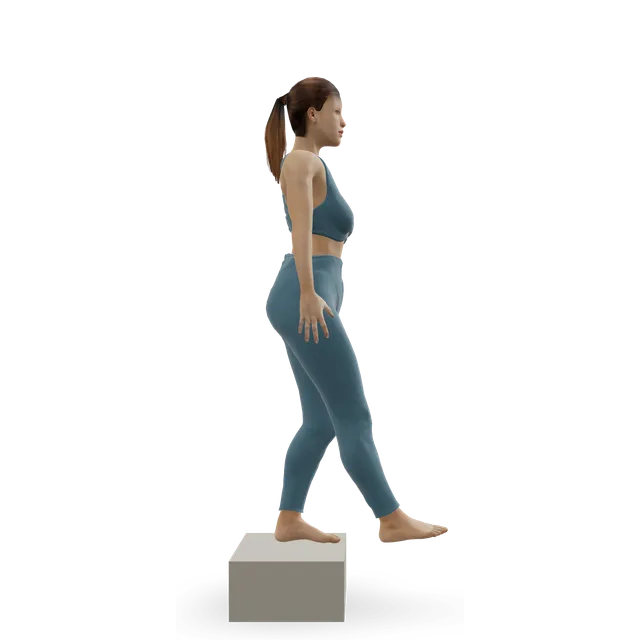
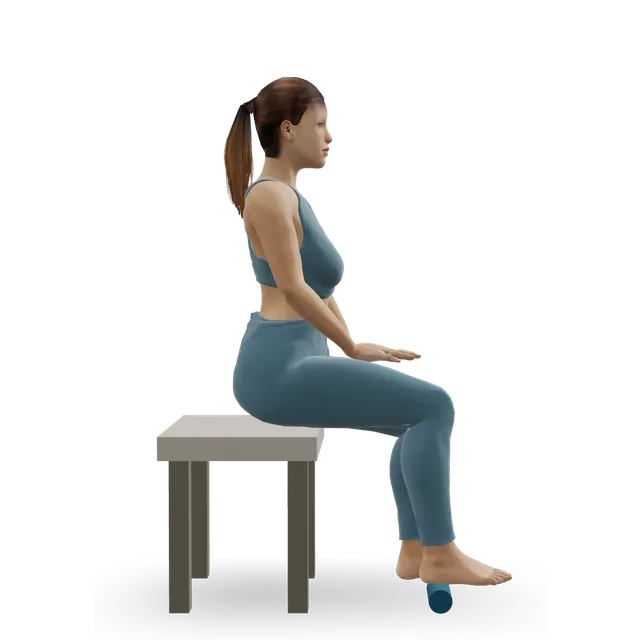
Plantar fascia stretch (seated) demonstrated on the 3D figure3D demoPlantar fascia stretch (seated)Beginner · A bench or box

3 to 5 holds of 10 to 30 seconds, 2 to 3 times a day, starting before your first steps in the morning · The move page's dose; the hold length is the range used in trials. For heel and arch pain; ease off if the big toe joint is stiff or painful, as the move page says

Harder: Toes-tucked kneeling (toe squat)

Towel toe curl demonstrated on the 3D figure3D demoTowel toe curlBeginner · Other / check instructions + A bench or box

10 to 20 reps · As in our foot pain guide (Arthritis UK's dose); the move page gives no dose

Easier: Big toe press (seated toe-flexor hold) · Harder: Short foot + toe splay

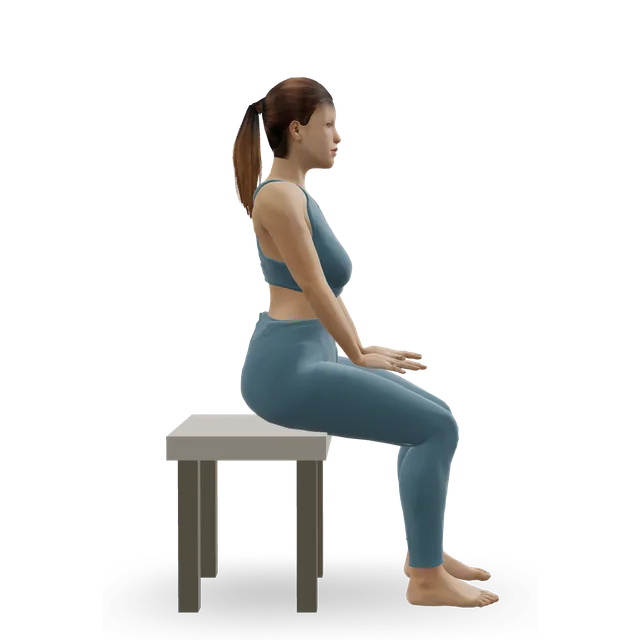
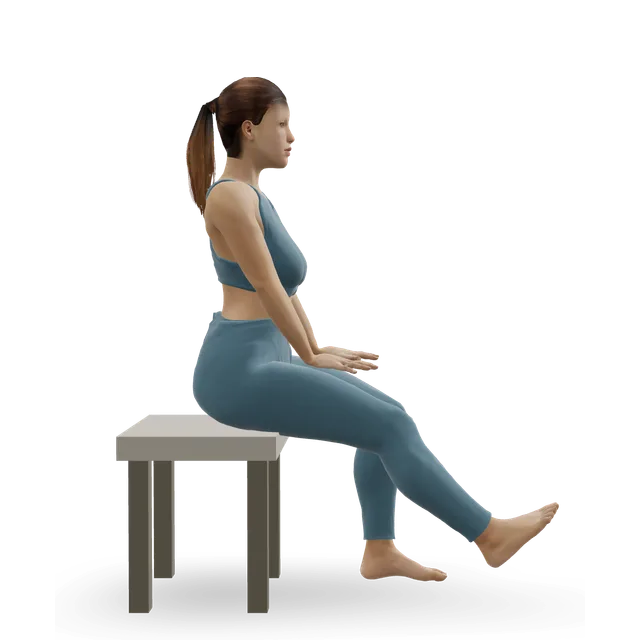
Ankle circles demonstrated on the 3D figure3D demoAnkle circlesBeginner · No equipment

10 slow circles each way with each foot · The move page's dose (an editorial starting point). After a rolled ankle, let pain set the size of the circle, as the move page says

Harder: Ankle CARs (controlled articular rotations)

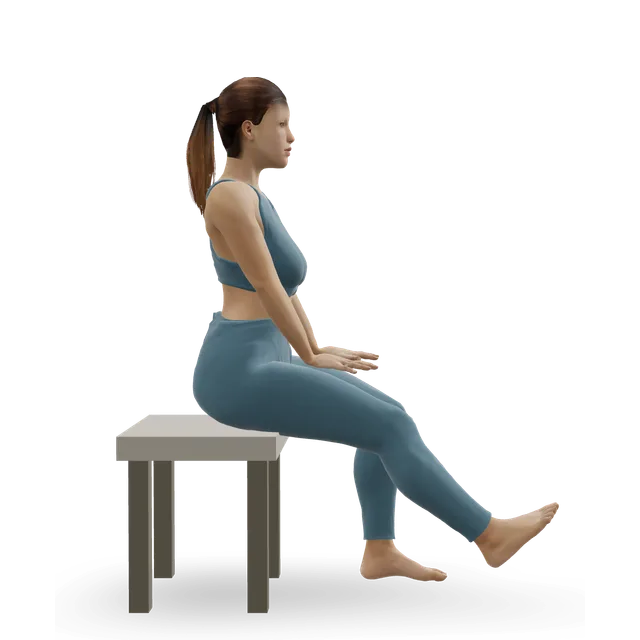
Seated bent-knee calf raise (soleus raise) demonstrated on the 3D figure3D demoSeated bent-knee calf raise (soleus raise)Beginner · A bench or box

2 sets of 10 to 15 · As in our foot pain and foot pain when walking guides (editorial); the move page gives no dose

Harder: Slow calf raise

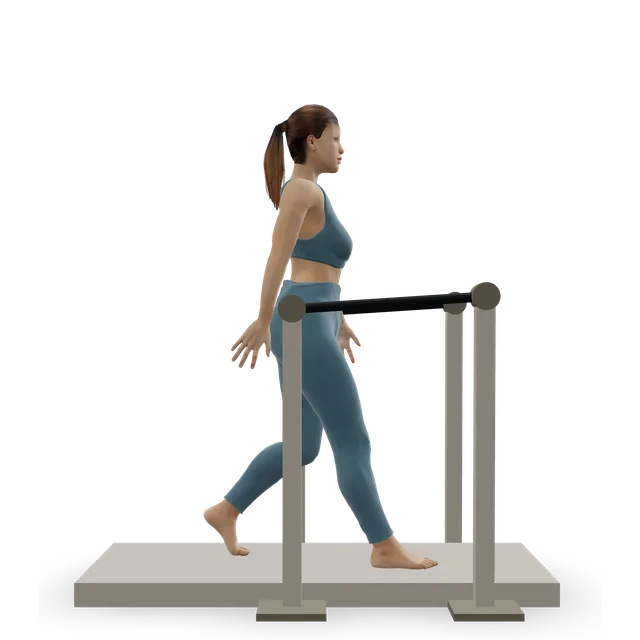
Treadmill walking demonstrated on the 3D figure3D demoTreadmill walkingBeginner · Cardio machine

5 to 10 minutes, 2 to 3 times a day, on the flat, in comfortable, roomy shoes · As in our foot pain when walking guide (editorial); walking on even paths outdoors counts the same. The move page gives no dose

Harder: Treadmill jogging

Move on when: Blisters have healed or are well covered and comfortable, your first steps in the morning are steady or easing, and 20 to 30 minutes of walking on the flat stays within the pain rule (our suggestion, as in our foot pain when walking guide).

Follow along: a timer, a cue and the next move, one step at a time.
Stage 2

Build: standing calf and foot strength, balance, and longer walks in your hiking footwear

About weeks 2 to 6: strength every second day, walks most days. The heel raise from a heel pain trial, calf and foot strength, balance for rough ground and after a sprain, and walks that lengthen in the boots or shoes and socks you'll hike in.

Heel raise with a towel under the toes demonstrated on the 3D figure3D demoHeel raise with a towel under the toesIntermediate · A step + Other / check instructions

Every second day, as in the trial. Start both feet, then one, at a load you can lift about 12 times for 3 sets, and progress over several weeks to heavier loads you can lift about 8 times, adding a backpack or dumbbell, as in the pre-set heavy-slow program. · The move page's dose, from the heel pain trial above. Expect some soreness in the first sessions, as the move page says

Easier: Slow calf raise · Harder: Standing dumbbell calf raise

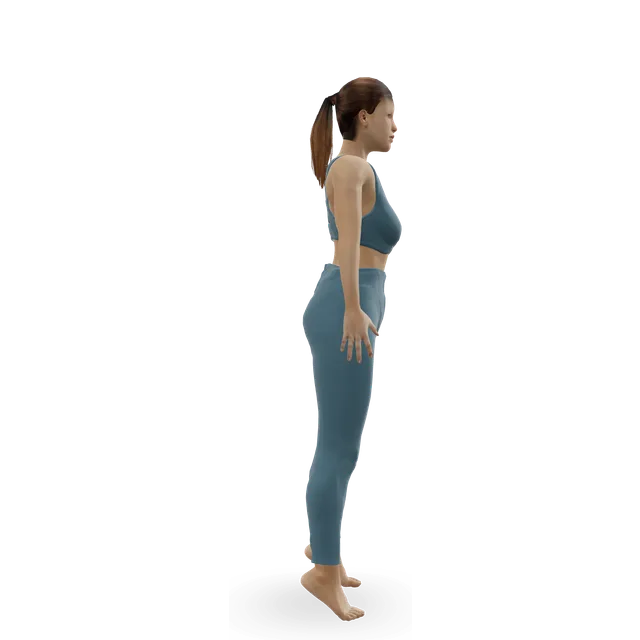
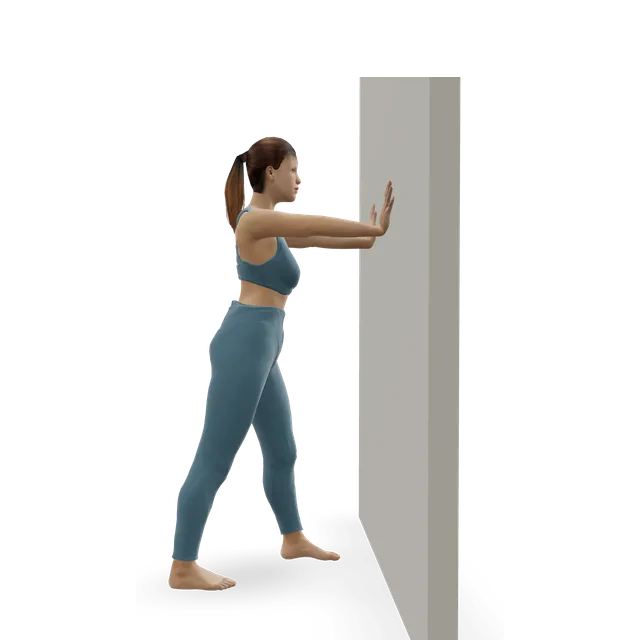
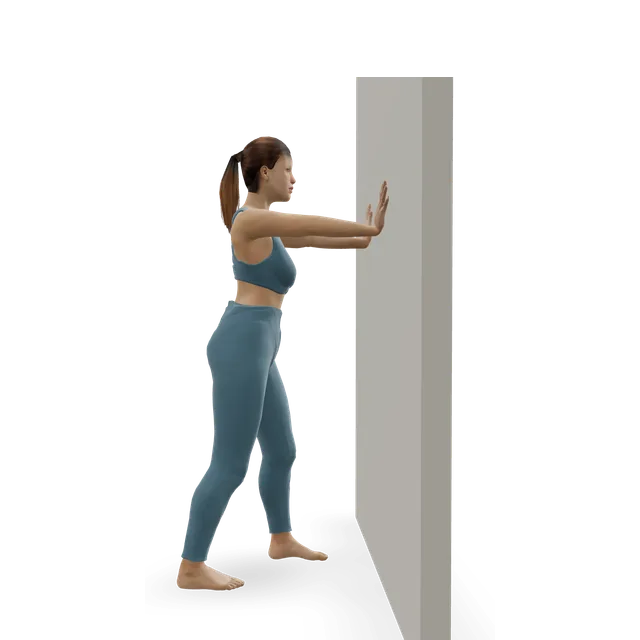
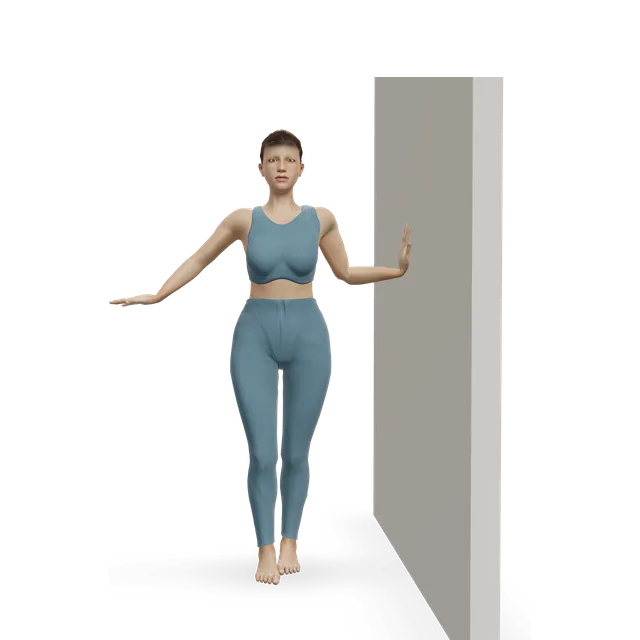
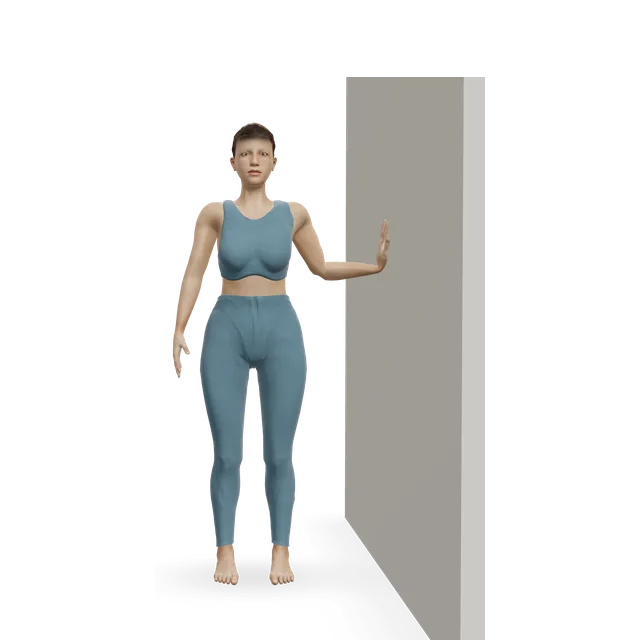
Slow calf raise demonstrated on the 3D figure3D demoSlow calf raiseBeginner · A wall

3 sets of 12 to 15 · As in our plantar fasciitis guide (editorial); the move page gives no dose. With pain in the ball of the foot, stop short of full tiptoe, as the move page says

Easier: Seated bent-knee calf raise (soleus raise) · Harder: Standing dumbbell calf raise

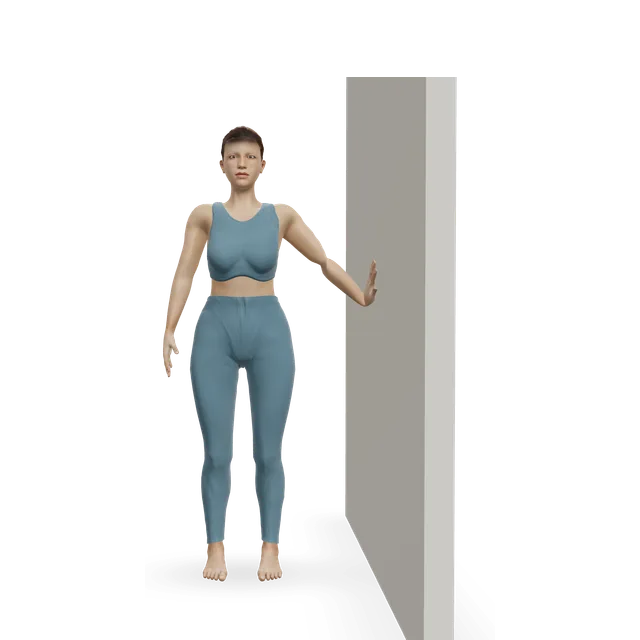
Single-leg stand demonstrated on the 3D figure3D demoSingle-leg standBeginner · A wall

Build to 1 minute, 3 times, twice a day, holding a counter at first · As in our foot pain guide (Arthritis UK's dose)

Easier: Tandem stance and heel-to-toe walk · Harder: Single-leg reach matrix

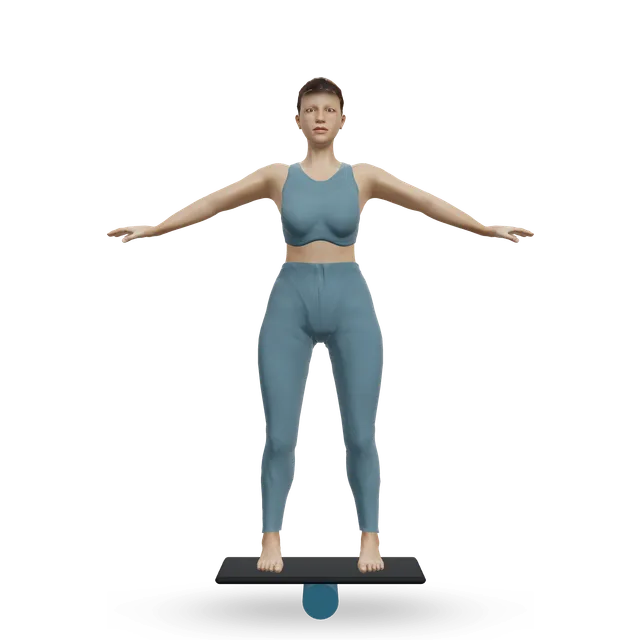
Balance board stand demonstrated on the 3D figure3D demoBalance board standBeginner · Other / check instructions

Several holds of 20 to 30 seconds on most days · The move page's dose (an editorial starting point). After a sprain, the home balance programme that cut repeat sprains ran three sessions a week, up to 30 minutes, for 8 weeks. Keep a rail within reach, as the move page says

Easier: Single-leg stand

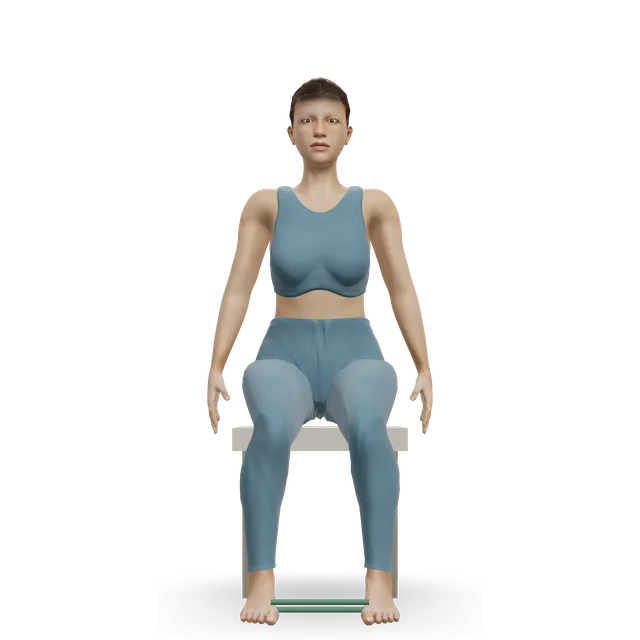
Band ankle eversion demonstrated on the 3D figure3D demoBand ankle eversionBeginner · A band + A bench or box

2 to 3 sets of 5 to 8 · As in our ankle sprain guide (a United Lincolnshire Hospitals leaflet's dose); the move page gives no dose. After a rolled ankle

Easier: Isometric ankle eversion against a wall · Harder: Single-leg stand

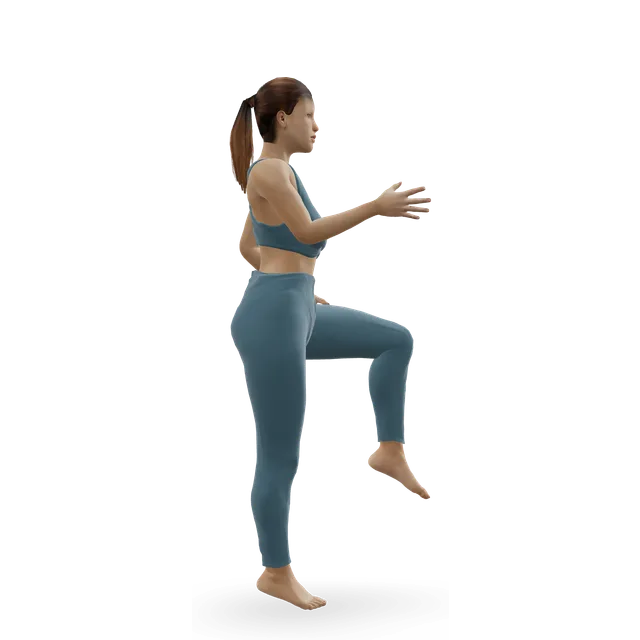
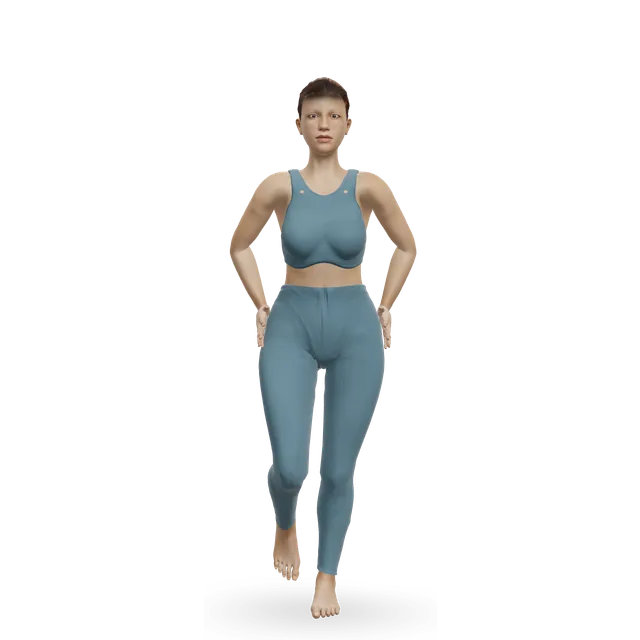
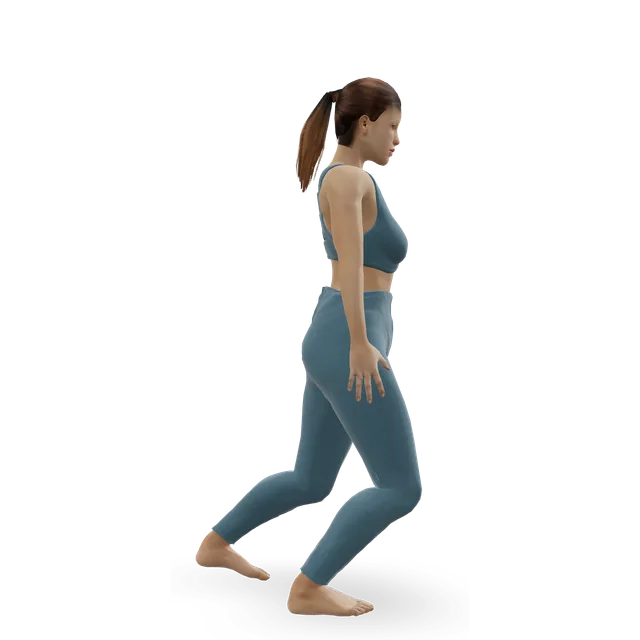
Trail running and walking demonstrated on the 3D figure3D demoTrail running and walkingBeginner · No equipment

20 to 30 minutes of brisk walking on paths and gentle slopes, in the boots or shoes and socks you'll hike in · Adapted from the move page's dose (its brisk walking part); its short runs wait. Its caution says check your feet for redness or blisters afterwards

Harder: Treadmill running

Move on when: Single-leg heel raises are comfortable within the pain rule, you can stand on one leg for 30 seconds, and an hour's walk with gentle slopes in your hiking footwear leaves no new hot spots and your first steps the next morning no worse (editorial).

Follow along: a timer, a cue and the next move, one step at a time.
Stage 3

Back to the hills: descents, rough ground, the pack and long days

From about week 6, strength twice a week, then ongoing: the single-leg strength and balance that rough ground and descents need, and your hikes coming back by the written steps below, with the full pack, the longest descents and back-to-back days last. No study has tested a return to hiking after foot pain, so the order is editorial, as in our knee and hip pain when hiking guides.

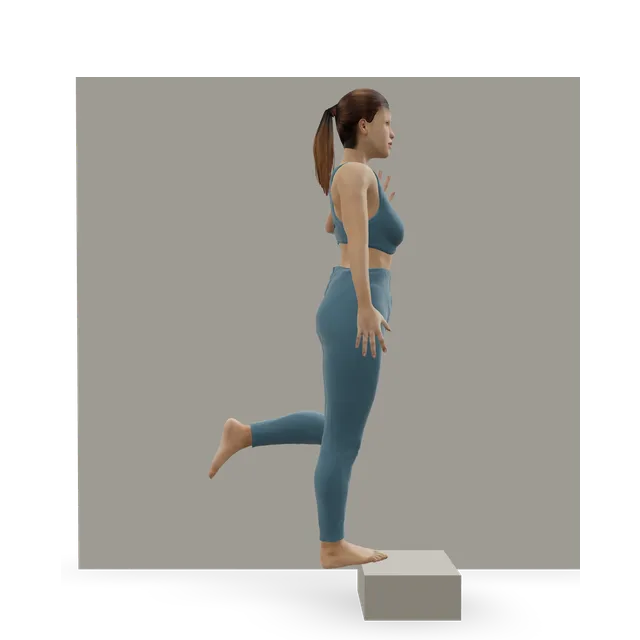
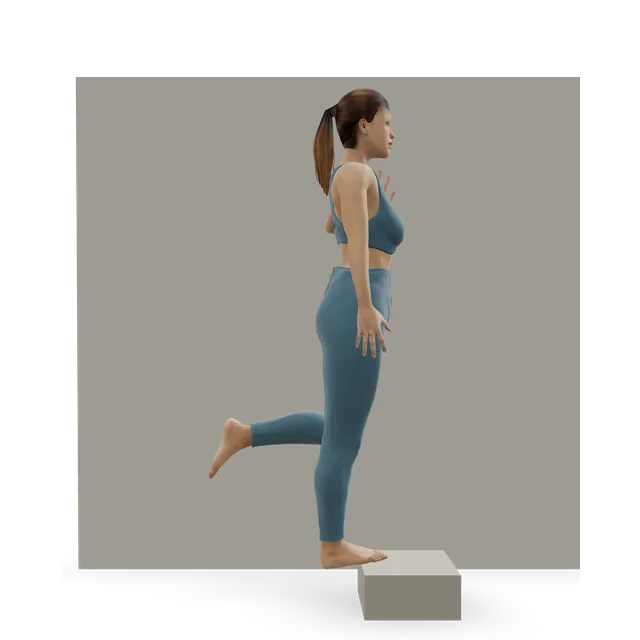
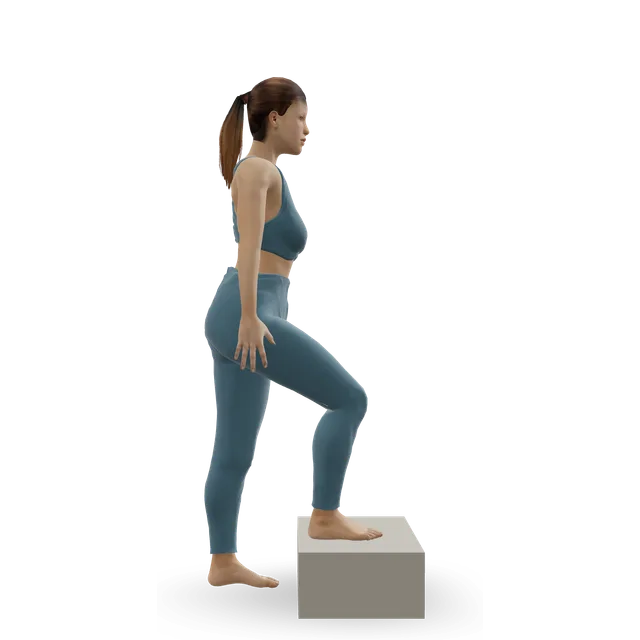
Single-leg calf raise from a step demonstrated on the 3D figure3D demoSingle-leg calf raise from a stepIntermediate · A step + A wall

3 sets of 10 to 12 each leg · As in our plantar fasciitis guide (editorial). Keep a hand on a rail and face the step, as the move page says

Easier: Slow calf raise · Harder: Single-leg pogo hops

Single-leg reach matrix demonstrated on the 3D figure3D demoSingle-leg reach matrixIntermediate · No equipment

3 rounds of 5 reaches in each direction, each leg · The move page's dose (an editorial starting point); the move page says balance and control training roughly halved ankle injuries in trials in athletes. Ease off the deep reaches in the first weeks after a sprain, as it says

Easier: Standing crossed-leg side reach · Harder: Single-leg Romanian deadlift

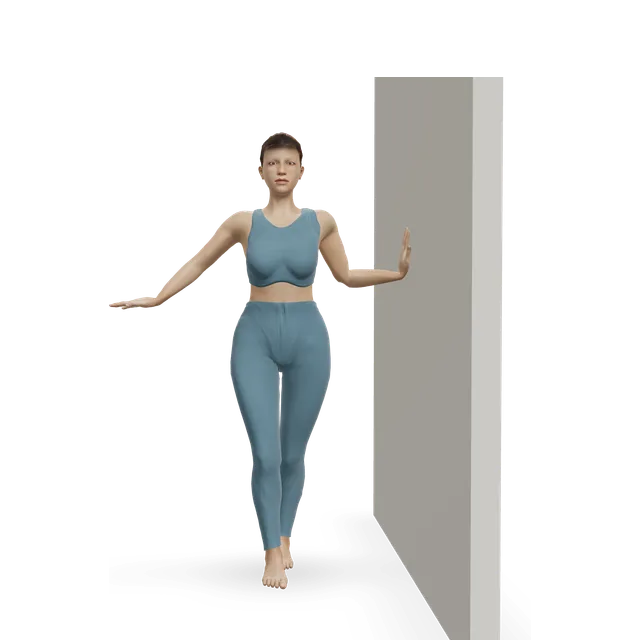
Tandem stance and heel-to-toe walk demonstrated on the 3D figure3D demoTandem stance and heel-to-toe walkBeginner · A wall

3 to 5 lengths · As in our foot pain guide (an NHS ankle leaflet's dose)

Easier: Semi-tandem stance · Harder: Single-leg stand

Patrick step-down demonstrated on the 3D figure3D demoPatrick step-downIntermediate · A step

2 to 3 sets of 8 slow each leg, lowering over 3 seconds from a low step · As in our knee and hip pain when hiking guides (our hiking training workout's dose, editorial): the step down every descent repeats

Easier: Bodyweight squat · Harder: Skater squat

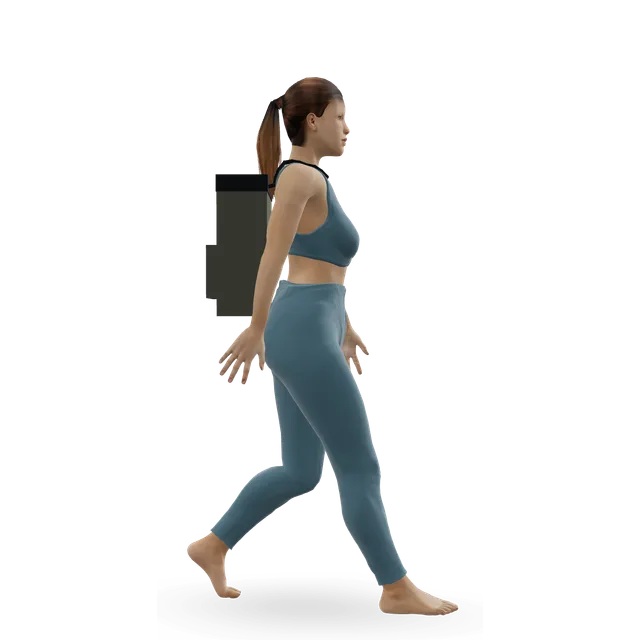
Rucking (loaded walking) demonstrated on the 3D figure3D demoRucking (loaded walking)Intermediate · Something with weight

20 to 45 minutes with a pack at about 10% of your body weight, adding load or time in small steps, never both at once, staying under about 30% · As in our knee and hip pain when hiking guides (our hill and stair workout's dose, editorial). The move page says let hot spots on the feet end a session early; it gives no dose

Easier: Treadmill walking · Harder: Sprint intervals

Trail running and walking demonstrated on the 3D figure3D demoTrail running and walkingBeginner · No equipment

Your usual hikes, building distance, then climbs and descents, then rough ground and the pack, one at a time · Editorial, by the written steps below; the move page's starting point is brisk walking with short runs

Harder: Treadmill running

Move on when: Your usual hikes, with your usual pack, descents and footwear, pass the pain rule for 2 weeks with no new blisters. Keep two strength days a week, and after a sprain keep the balance work going, as our ankle sprain guide says. If a hike flares your foot, go back to the last walk that was fine, not to none (editorial).

Follow along: a timer, a cue and the next move, one step at a time.

What to change for now

Your feet for now (written steps)

Our 3D figure can't show footwear, socks, laces, tape or the route. These steps come from NHS and NHS inform pages, trials and surveys of walkers, runners and soldiers, and our foot guides; where a step is our suggestion or our reading, it says so. None has been tested against foot pain in hikers.

  • 1. Footwear: boots or shoes that fit your length and width with room to wiggle your toes, a grippy sole that isn't worn out, and that you have walked in before the trip; the NHS advises wearing new shoes for short periods until they're comfortable. Heavy, stiff boots aren't proven to protect the ankle, and lighter footwear costs less energy, so choose by fit, terrain and load (our reading).
  • 2. Socks: dry socks that fit without creases; change them when wet or sweaty and at least daily on multi-day trips, since wet socks went with nearly twice the blister risk on the Camino and with trench foot on cold, wet hikes. Carry a spare pair (our suggestion).
  • 3. Hot spots: stop and pad or tape a hot spot as soon as you feel it, as NHS inform says. If you know where you blister, tape those spots before you set off; that cut blisters by 40% in ultramarathon runners, though an earlier trial in the same race series found no significant protection.
  • 4. Blister care: leave it intact, cover it with a soft plaster, padded or hydrocolloid dressing, let a burst one drain and cover it, and don't peel the skin, as the NHS advises. Clean the skin and keep grit out of the boot.
  • 5. Laces: snug enough over the instep to hold the heel back in the boot, so the foot doesn't slide forward on descents (our reading of lab studies in runners). With pain on top of the foot, loosen the laces over the sore spot or skip an eyelet there (our suggestion).
  • 6. Descents: before a long descent, re-tie the laces firmly over the instep and ankle, take shorter steps and use poles (our suggestion; that this stops sore toes and black toenails is our reading, untested in hikers). Most hiking falls happen on the way down: 75.3% of 5,665 hikers who fell in the Austrian Alps.
  • 7. Toenails: keep them short and trimmed straight across, and don't wear footwear that pinches your toes, as the NHS advises.
  • 8. Route: shorter days, more dirt paths and less tarmac for now, since tarmac raised the blister risk on the Camino; flatter routes while the heel or a sprain settles (our suggestion).
  • 9. The pack: lighter while it settles; a heavy pack raised the load on the Achilles in cadets and went with tingling and numbness in long-distance hikers.
  • 10. Ankles: after a rolled ankle, a brace or tape for the first hikes back is reasonable, and balance training cuts repeat sprains.
  • 11. Rests: at longer stops, take your boots and socks off, dry your feet and check them for hot spots, especially with diabetes or numb feet (our suggestion).
  • 12. Before a big trip: train first, with your boots and pack on your training walks, and build up distance gradually, since the commonest cause of stress fractures is a sudden increase in activity.
  • 13. Cold, wet trips: keep your feet as dry and warm as you can, change into dry socks at least daily, and don't sleep in wet socks (our suggestion, from a review of trench foot).

Sources 49, 16, 47, 48, 45, 12, 30, 10, 39, 13, 9, 51, 24, 61, 23, 3, 19, 46, 54, 53, 50, 26

How hikes come back (written steps)

No study has tested how hiking comes back after foot pain, so these steps are our suggestion, following our knee and hip pain when hiking guides' order. After a stress fracture, your clinician's plan sets the pace.

  • 1. Distance on the flat, in the footwear and socks you'll hike in.
  • 2. Gentle climbs and descents.
  • 3. Rough ground.
  • 4. The pack, starting light and adding weight or distance, never both at once, as our rucking and hiking guides say.
  • 5. Back-to-back long days last. If a hike flares your foot or brings new blisters, go back a step, not to none.

Positions to swap, and why

Habit or positionWhy it mattersInstead
A big hike in new or unworn bootsBlisters come early, and the NHS says wear new shoes in gradually.Short walks in them first.Try: Trail running and walking
Walking on through a hot spotA hot spot becomes a blister, and blisters under the ball of the foot limit walking most.Stop and pad or tape it straight away.
Wet or sweaty socks all dayWet socks went with nearly twice the blister risk in one survey of walkers.Dry socks, changed when wet and at least daily.
Bursting a blister yourself on the trailThe NHS says don't, and an infected blister can spread.Cover it, and get help if it looks infected.
Laces loose on a long descentThe foot slides and the toes hit the front of the boot (our reading).Re-tie them firmly over the instep before you go down.
Laces cranked tight over a sore top of the footLace pressure sits over the bones and tendons there.Loosen them or skip an eyelet over the sore spot.
Walking on through one sore spot on a boneIt can be a stress fracture.Stop the long walks and get it checked.
A sudden jump in distance or in days in a rowStress fractures and heel pain follow sudden rises in activity.Build up gradually with loaded walks.Try: Rucking (loaded walking)
Heavy boots chosen to protect your anklesA stiffer boot didn't improve stability, and weight on the feet costs energy.Footwear that fits, grips and is worn in, with balance work.Try: Single-leg reach matrix
Resting the foot completelyExercise is the treatment for heel pain and sprains.The stage 1 moves and short walks.Try: Plantar fascia stretch (seated)
Treating a foot blister or wound yourself with diabetesFoot problems can be more serious with diabetes.See your foot team, as the warning signs say.

Routines to follow

Foot and ankle strengthening routine: toes, arches, calves and balance

A 15-minute barefoot routine for stronger toes, arches, calves and ankles, finishing with balance. You need only a towel, a wall and a resistance band.

15 minBeginner11 movesA wall, Other / check instructions

Plantar fascia routine

Plantar fascia and calf stretches, a gentle foot roll and the towel heel raise: the exercises the 2023 heel pain guideline supports.

8 minBeginner7 movesA bench or box, A massage ball

Ankle mobility routine: the knee-to-wall test, calf stretches and full-range calf raises

A 12-minute routine to improve how far your ankle bends: test it against a wall, rock it, stretch both calf muscles, strengthen through the full range, then use it.

12 minBeginner8 movesA wall, A step

Balance training workout: from standing still to moving

A 20-minute balance workout for steady adults: harder stances, head turns and eyes closed, single-leg reaches and hinges, step-ups and stuck landings.

20 minIntermediate13 movesA wall, A dumbbell

Hiking training workout

A 35-minute strength workout for hikers: step-ups, lunges and calf raises for climbs, slow step-downs for descents, single-leg hinges, carries and balance.

35 minBeginner13 movesA wall, A step

Hill and stair conditioning

Stair or hill climbs with the walk down as recovery, then a loaded walk with your rucksack, building towards the hills, pack and days of your trip.

40 minBeginner5 movesA step, Something with weight

Trail yoga: a 25-minute class for after a hike or a rest day, with a 10-minute standing version

A 25-minute yoga class for hikers: a 10-minute standing stretch for after a hike, then balance, legs and floor blocks for rest days.

25 minBeginner16 movesA wall

More moves for this area

Questions people ask

Why do my feet hurt after hiking?

Usually a long day on uneven ground, a pack, and footwear and socks that rub or pinch: blisters, the heel and arch, the ball of the foot, sore toes on descents or the top of the foot under the laces. Most of it settles within days. One spot on a bone that hurts with every step, or a hot, red, swollen foot, needs checking.

How do I prevent blisters when hiking?

Wear footwear that fits and is worn in, keep your socks dry and change them when wet, and stop to pad a hot spot as soon as you feel it. If you know where you blister, paper tape over those spots before you set off cut blisters by 40% in a trial in ultramarathon runners, though an earlier trial in the same races found no significant protection.

Should I pop a blister on a hike?

The NHS says don't burst it yourself: cover it with a soft plaster, padded or hydrocolloid dressing, and if it bursts, let it drain, cover it and leave the skin on. Get help from NHS 111 if it's very painful, keeps coming back or looks infected, and with diabetes see your foot team.

Why does the bottom of my foot hurt after hiking?

Under the heel on your first steps in the morning is usually plantar heel pain; under the ball of the foot is usually metatarsalgia or a blister there. Burning between the 3rd and 4th toes is often Morton's neuroma. Roomier footwear, a lighter pack and the plan's heel raises usually help.

Why does the top of my foot hurt in hiking boots?

Often the laces pressing on the bones and tendons there, especially in new or stiff boots or after a long day. Loosen the laces over the sore spot or skip an eyelet, and it usually gets better in a few weeks. One spot on a bone that hurts with every step can be a stress fracture, so get that checked.

Why do my toes hurt when hiking downhill?

In our reading, usually the foot sliding forward so the toes hit the front of the boot, which can bruise them or blacken a toenail; no study has measured it in hikers. Re-tie the laces firmly over the instep before a descent, keep toenails short and make sure the boots have room for your toes. Numb or burning toes that last after the walk need a GP.

Are hiking boots or trail shoes better for foot pain?

Nobody has tested them against each other for injury; only three studies of hiking footwear exist, and footwear type wasn't linked to sprains or other injuries in long-distance hikers. Choose by fit, grip and the terrain and load, wear them in, and remember lighter footwear costs less energy.

Can I keep hiking with plantar fasciitis?

Often yes, on shorter, flatter walks, if your first steps the next morning are no worse. Heel raises with a towel under the toes helped faster than stretching in a trial. Our plantar fasciitis guide has the full plan.

What if I roll my ankle on a hike?

If you can't put weight on it or walk more than a few steps, or it looks out of shape, you need help; on the hill, call 999 or 112 and ask for the Police, then Mountain Rescue. Otherwise, early movement helps, and balance training afterwards cut repeat sprains by about a third in a trial. Our ankle sprain guide covers the plan.

Could it be a stress fracture?

Pain at one spot on a bone that you can press, worse with every step after far more walking than usual and later aching at rest, can be. Stop the long walks and get it checked, even if an X-ray is normal at first. Most foot stress fractures heal in 6 to 8 weeks.

I have diabetes. What should I watch for on a hike?

Check your feet at every long stop and at night: the NHS asks you to see a GP or diabetes nurse for blisters or cracked skin on your feet, and any new wound, redness, swelling or colour change needs your foot team within 24 hours. Well-fitting footwear and dry socks matter even more.

When should I see a doctor?

Call 999 for a foot or ankle that looks deformed after a fall, a foot that is suddenly cold, pale or numb, signs of frostbite, or a red, hot, swollen foot with a high temperature or feeling very unwell. Get help the same day for an infected blister or hot, painful skin, a foot you can't put weight on, or any new foot problem with diabetes, and see a GP for one sore spot on a bone or pain that isn't better after 2 weeks. In the US, call 911 where this page says 999.

Related exercise guides

Other pain guides

Sources

  1. Boulware 2003 · Medical problems in 280 Appalachian Trail hikers (survey, Am J Med)
  2. Spano 2018 · Illness and injury in 771 John Muir Trail hikers (survey, Wilderness Environ Med)
  3. Chicharro-Luna 2020 · Blisters and other foot skin injuries in 315 Camino de Santiago walkers (cross-sectional study, J Tissue Viability)
  4. Braybrook 2023 · Injuries among mountain bikers and hikers (systematic review, PLoS One)
  5. Lobb 2004 · Load carriage for fun: injuries in New Zealand trampers (survey, Appl Ergon)
  6. Reynolds 1999 · Injuries and risk factors on a 161 km infantry march in 218 soldiers (cohort, Prev Med)
  7. Knapik 2004 · Soldier load carriage (review, Mil Med)
  8. Orr 2014 · Injuries from soldiers' load carriage (narrative review, Int J Inj Contr Saf Promot)
  9. Hoffman 2016 · Why exercise causes foot blisters, and practical ways to prevent them (review, Curr Sports Med Rep)
  10. NHS inform · Blisters
  11. Gracia-Sánchez 2024 · Skin hydration and foot blisters in 86 long-distance hikers (observational study, Int Wound J)
  12. Chicharro-Luna 2022 · Sock fibre, wet socks and blisters in 203 Camino de Santiago hikers (cross-sectional study, J Tissue Viability)
  13. Lipman 2014 · Paper tape to prevent foot blisters in multi-day ultramarathon runners: Pre-TAPED (randomised trial, Wilderness Environ Med)
  14. Zúnica-García 2023 · Blisters and foot function in 298 Camino de Santiago hikers (cross-sectional study, J Tissue Viability)
  15. Choi 2013 · Injuries in 142 students on a 580 km road march over 21 days (cohort study, J Korean Med Sci)
  16. NHS · Blisters
  17. NHS inform · Plantar heel pain
  18. NHS · Plantar fasciitis
  19. Willy 2019 · Load carriage, step length and knee loads in 16 military cadets (lab study, Mil Med)
  20. NHS · Pain in the ball of the foot
  21. NHS · Morton's neuroma
  22. Knapik 2016 · Numbness and tingling from carrying loads: rucksack palsy (review, J Spec Oper Med)
  23. NHS · Nail problems
  24. Hagen 2010 · Lacing patterns, pressure on top of the foot and comfort in running (lab study, Res Sports Med)
  25. NHS · Pain in the top of the foot
  26. AAOS OrthoInfo · Stress fractures of the foot and ankle
  27. University Hospitals Sussex NHS Foundation Trust · Stress fracture of the foot (patient information, 2026)
  28. Campbell 2025 · Stress fractures in military recruits and personnel: 70 studies (systematic review, Int J Environ Res Public Health)
  29. MacGregor 2022 · Ankle and foot stress fractures in women and men in the US military (cohort study, J Womens Health)
  30. Zafren 2021 · Non-freezing cold injury (trench foot) (review, Int J Environ Res Public Health)
  31. Zafren 2023 · Preventing and treating non-freezing cold injuries (Wilderness Medical Society guideline supplement, Wilderness Environ Med; a 2024 correction exists, which we could not open)
  32. NHS · Frostbite
  33. NHS · Peripheral arterial disease (PAD)
  34. Bachmann 2003 · How accurate the Ottawa ankle rules are: 27 studies (systematic review, BMJ)
  35. NHS · Sprains and strains
  36. NHS inform · Ankle sprain
  37. Hansen 2018 · Plantar fasciitis followed for 5 to 15 years in 174 people (hospital cohort, OJSM)
  38. Worthing 2017 · Preventing friction blisters in outdoor pursuits: 11 trials (systematic review, Wilderness Environ Med)
  39. Lipman 2016 · Paper tape over blister-prone spots in 128 multi-day ultramarathon runners: Pre-TAPED II (randomised trial, Clin J Sport Med)
  40. Herring 1990 · Acrylic against cotton socks and friction blisters in runners (double-blind trial, J Am Podiatr Med Assoc)
  41. Reynolds 1995 · An antiperspirant with emollients, foot sweat and blisters in 23 men walking in the heat (trial, J Am Acad Dermatol)
  42. Knapik 1998 · An antiperspirant and foot blisters on a 21 km hike in 667 cadets (double-blind trial, J Am Acad Dermatol)
  43. Knapik 1995 · Friction blisters: causes, prevention and treatment (review, Sports Med)
  44. NHS · Type 2 diabetes: complications
  45. Jackson 2026 · Footwear for trail running and hiking: 16 studies (scoping review, J Foot Ankle Res)
  46. Anderson 2009 · Footwear, pack weight and injury in 128 long-distance hikers (survey, Wilderness Environ Med)
  47. Böhm 2010 · Boot shaft stiffness and stability walking on uneven ground in 15 adults (lab study, J Biomech)
  48. Holewijn 1992 · The energy cost of heavy footwear and loads in 10 adults (lab study, Eur J Appl Physiol)
  49. Uno 2023 · Fall risk descending Mount Fuji in 1,061 people (survey, Wilderness Environ Med)
  50. Chrusch 2021 · Injuries, training and prevention in 1,295 Appalachian Trail hikers (survey, Wilderness Environ Med)
  51. Hagen 2009 · Lacing patterns and running shoe mechanics (lab study, J Sports Sci)
  52. Rathleff 2015 · High-load strength training for plantar fasciitis (RCT, Scand J Med Sci Sports)
  53. Hupperets 2009 · Home balance training after an ankle sprain in 522 athletes (RCT, BMJ)
  54. Doherty 2017 · Treating and preventing ankle sprains: 46 systematic reviews (overview, BJSM)
  55. Taddei 2020 · Foot core training to prevent running injuries (RCT, AJSM)
  56. Warden 2014 · Managing and preventing bone stress injuries in long-distance runners (JOSPT)
  57. Lappe 2008 · Calcium and vitamin D and stress fractures in female navy recruits (RCT of 5,201, J Bone Miner Res)
  58. Moraes 2026 · Vitamin D and stress fractures in athletes and military personnel: 15 studies (systematic review and meta-analysis, Am J Sports Med)
  59. Knapik 2014 · Preventing foot blisters (military review, J Spec Oper Med)
  60. Smith 2017 · Should exercises be painful in chronic musculoskeletal pain? (meta-analysis, BJSM)
  61. Faulhaber 2017 · Falls among hikers in the Austrian Alps over 9 years (retrospective study, BMJ Open Sport Exerc Med; a 2018 correction adds a funding number)
  62. NHS · Cellulitis
  63. NHS · Septic arthritis

Exercise education, not a diagnosis or treatment plan. It is written from the guidelines and studies listed above; review by a clinician is pending. If your pain follows an injury, is severe, is getting worse, or comes with any warning sign listed on this page, get it assessed. Health disclaimer.