Pain guide · Foot pain

Pain on top of the foot: tight laces and tendons, a stress fracture, the midfoot, gout and nerves

Pain on the top of the foot is often caused by doing more running, kicking or jumping than usual, by shoes that are too tight, or by conditions like gout, the National Health Service (NHS) says, and it usually gets better in a few weeks. Where exactly it hurts is the best clue: one spot on a bone that you can point to can be a stress fracture, pain along the tendons can follow tight laces or new shoes, and a stiff, aching midfoot from mid-life is often arthritis.

This guide starts with the signs that need help today, from a 999 call or accident and emergency (A&E) to NHS 111 or a general practitioner (GP): a foot you can't stand on after an injury, bruising on the sole, a hot, swollen joint, and any new foot problem if you have diabetes. It then maps the causes by the exact spot, explains when an X-ray or a scan helps, and gives a three-stage plan, with changes to shoes and laces, that ends with walking, running and sport.

When to get help first

Exercise is for pain that has been checked or is clearly mild and settling.

Get urgent medical help if

  • Call 999 or go to A&E: after an injury, you heard a crack, the foot or ankle has changed shape or points at an odd angle, a bone is sticking out, there is a bad cut over it, you're in severe pain, or the toes look blue or white, feel numb or are cold to touch. These can mean a broken bone. Don't drive yourself.
  • Call 999 or go to A&E: a foot or leg that is suddenly cold, pale, numb, weak or very painful without an injury. A sudden loss of blood supply is a vascular emergency.
  • Call 999 or go to A&E: you have diabetes and a foot ulcer with a fever or signs of sepsis, an ulcer with poor circulation, or gangrene. NICE asks for these to go straight to hospital.
  • Call 999 or go to A&E: a red, hot, swollen foot with a very high temperature, feeling hot, cold or shivery, a fast heartbeat or fast breathing, purple patches on the skin, dizziness or confusion.
  • Contact NHS 111: you have severe pain in the top of your foot, you're not able to walk, your foot has changed shape or is at an odd angle, you heard a snap, grinding or popping noise at the time of injury, you feel faint, dizzy or sick from pain, your foot is also hot and swollen, or you have a very high temperature or you feel very hot, or cold and shivery. These might be signs of a broken bone after an injury or an infection. If you think you have broken your foot or any toes, do not try to treat it yourself.
  • Same day (urgent GP appointment or NHS 111): after an injury, you can't put weight on it or walk more than a few steps, the pain is very bad or getting worse, there is a lot of swelling or bruising or it is getting worse, or it feels very stiff. If you think it's broken, don't treat it yourself.
  • Same day: after a twist or a fall, if you can't walk four steps, if pressing on the bony bump on the inner side of the midfoot (the navicular) or the bump halfway along the outer edge of the foot (the base of the fifth metatarsal) hurts, if the foot looks out of shape, or if you're unsure, get it checked. Clinicians use these points, the Ottawa rules, to decide who needs an X-ray.
  • Same day (A&E, an urgent treatment centre or NHS 111): after a twist, fall or stamp, pain in the middle of the foot that stops you standing even after painkillers, bruising on the sole, or being unable to push off or stand on tiptoe. Ask to be checked for a Lisfranc injury, even if a foot X-ray was normal.
  • Same day: a sudden, very painful, hot, swollen, red joint, often the big toe but sometimes the middle of the foot (the midfoot) or the ankle, especially with a high temperature, feeling shivery or being unable to eat. It may be gout, but it could be a joint infection (septic arthritis), which is urgent.
  • Same day: skin on the foot that is painful, hot and swollen. It could be a skin infection (cellulitis).
  • Same day: you have diabetes and a new foot problem, such as an ulcer or wound, signs of infection, or a hot, swollen foot with a change in colour, even if it doesn't hurt. Contact your diabetes foot team or GP: NICE asks for these to reach a specialist foot service within 1 working day, and a suspected Charcot foot is kept off weight until it has been checked.
  • If you have diabetes, see your local foot team urgently, within 24 hours, for a change in the colour or shape of your foot (especially a red, hot, swollen toe, ankle or foot), part of your foot feeling much colder or hotter than usual, new blisters, cuts or wounds (especially ones you can see but don't feel), a cut or wound that smells bad or is leaking fluid or pus, or new or unexplained pain in your foot. Meanwhile sit or lie down, take the weight off it and raise it.
  • Same day: burning foot pain that carries on at rest, toes that go pale, then numb, then red or black, or foot wounds that won't heal. The blood supply to the foot may be failing, which needs prompt checks.

See a doctor or physiotherapist if

  • Pain that isn't better after 2 weeks of looking after it yourself, is getting worse, keeps coming back, or stops you doing normal things.
  • One spot on a foot bone that hurts with every step and later at night: a possible stress fracture.
  • Pain in the middle of the foot that is hard to pinpoint, on the outer edge of the midfoot, or on the front of the shin bone in a running or jumping athlete. These sites heal less well and need prompt assessment, often with a scan.
  • A stress fracture from ordinary activity, more than one stress fracture, periods that have stopped or become irregular, or worries that you're eating too little for your training: see a GP about bone health and energy intake.
  • Tingling or loss of feeling in the foot, or a foot that feels weak.
  • Any foot pain if you have diabetes: foot problems can be more serious.
  • Difficulty lifting the front of your foot and toes (foot drop): see a GP. If it comes on suddenly with a drooping face, an arm you can't lift or slurred speech, or with back pain and numbness around your bottom or bladder or bowel changes, call 999.
  • An older adult with sudden weakness lifting the front of the foot, a foot that slaps as you walk, or a lump at the front of the ankle after a minor strain: see a GP. The tendon at the front of the ankle can tear, and it's often found late.
  • Burning or tingling in the web between the big toe and the second toe that doesn't settle once your laces and shoes are loosened: see a GP. A nerve at the front of the ankle can be squeezed.
  • A stiff, aching midfoot that hasn't eased after a few weeks of roomy shoes and looser lacing: see a GP or podiatrist. Arthritis in the midfoot joints is common from mid-life, and stiff-soled shoes or insoles can help.
  • See a GP if you're worried about a lump, a lump gets bigger, or a lump is hard and doesn't move.
  • A child's heel or foot pain that isn't clearly linked to activity, or that comes with swelling, redness or a fever.

Where does it hurt?

Location narrows the likely causes; it does not diagnose.

One spot on a long foot bone you can point to with a fingertip, after more walking, running or jumping than usual, later aching at rest or at night

A possible stress fracture, most often of the second or third metatarsal: stop the activity that hurts and get it checked.

Read: Stress fracture →
A vague ache on top of the inner midfoot, hard to pin down, worse with sprints, push-off and jumps

A possible stress fracture of the navicular, a bone on the top of the midfoot that heals less well and may need a scan to find.

Read: Stress fracture →
Across the middle of the foot after a twist, a fall or a stamp, with bruising on the sole

A possible Lisfranc (midfoot) injury, which is easily mistaken for a sprain: get it checked the same day.

Read: Lisfranc injury →
After a fall, a crush or something dropped on the foot, with bruising and pain walking

A possible broken bone: the Ottawa rules decide who needs an X-ray.

Read: Broken foot (metatarsal fracture) →
A toe that's swollen and bruised after a stub or a kick

A possible broken toe.

Read: Broken toe →
Along the long, thin tendons from the front of the ankle to the toes, with tight laces, new shoes, hills or a jump in training

Irritated tendons (often called extensor tendonitis). The research on it is case reports, so this guide's shoe, lace and loading steps are our suggestions.

A stiff ache across the middle of the foot from mid-life, painful to move and stiff in the morning

Often arthritis of the midfoot joints. Our exercise for arthritis guide covers the long-term plan.

Sudden, severe pain with heat, redness and swelling over a joint, often starting overnight

Possibly gout, which can affect the midfoot as well as the big toe, or a joint infection: see the warning signs.

Diabetes, with a hot, swollen foot or a change in colour or shape, painful or not

A possible Charcot foot or another active diabetic foot problem: contact your foot team within 24 hours.

A smooth, soft lump on top of the foot or the front of the ankle

Often a ganglion cyst.

Read: Ganglion cyst →
Tingling, numbness or pain on top of the foot that stretches up the back of the leg

Sciatica, from a nerve in the lower back.

Read: Sciatica →
Burning or tingling in the web between the big toe and the second toe, worse in tight shoes or boots

A nerve at the front of the ankle can be squeezed: loosen your laces, and see a GP if it doesn't settle.

A foot that slaps down or catches as you walk

Foot drop: see a GP.

Read: Foot drop →
An older adult with new weakness lifting the front of the foot, sometimes a lump at the front of the ankle after a minor strain

Rarely, a torn tendon at the front of the ankle, which is often found late: see a GP.

Read: Foot drop →
Tingling on top of the foot, or a foot that slaps, at the same point in every run, with a tight shin

Possibly exertional compartment syndrome.

Read: Exertional compartment syndrome →
A pinch at the front of the ankle on squats, lunges, stairs or hills

Anterior ankle impingement.

Read: Anterior ankle impingement →
The hollow in front of the outer ankle bone, with an ankle that feels unstable

Sinus tarsi syndrome.

Read: Sinus tarsi syndrome →
The outer edge of the midfoot, sharp at push-off, after a sprain

Possibly cuboid syndrome, once a broken bone is ruled out.

Read: Cuboid syndrome →
A child aged about 2 to 10 with a limp and pain on the inner midfoot

Possibly Köhler's disease. A limp needs a GP.

Read: Köhler's disease →
A teenager with a tender bony bump on the inner midfoot that shoes rub

Possibly an accessory navicular.

Read: Accessory navicular →
Burning, tingling or numbness in both feet, starting in the toes

Nerve damage (peripheral neuropathy), most often from diabetes: see a GP.

Pain mostly when you run

Our foot pain when running guide.

Read: Foot pain when running →
Pain mostly when you walk

Our foot pain when walking guide.

Read: Foot pain when walking →
Pain or numbness on the bike, under a strap or buckle

Our numb feet when cycling guide.

Read: Numb feet when cycling →

Understand it

Where it hurts is a clue, not a diagnosisStrong evidence

The NHS says pain on the top of the foot is often caused by exercise, especially running, kicking or jumping, by shoes that are too tight and by conditions like gout. It sorts the possible causes by what you notice: severe pain, swelling, bruising and trouble moving the foot point to a broken bone; pain after intense or repetitive exercise to a sprain or strain; long-lasting pain, swelling and stiffness, a grating or crackling feeling when you move the foot or a lump along a tendon to tendonitis or arthritis; red, hot, swollen skin to gout; and tingling, numbness or pain that may stretch up the back of the leg to sciatica.

So the spot and the pattern narrow it down, and an examination decides. That's why this guide says a spot points to a cause rather than proving it. Most new foot problems should begin to settle within 6 weeks, NHS inform says.

Sources 1, 2

One spot on a bone: a stress fractureStrong evidence

The second and third metatarsals, the long bones in the middle of the foot, are the commonest sites, and the pain is usually through the middle of the foot, the American Academy of Orthopaedic Surgeons (AAOS) says. It builds gradually, is worse when you're on your feet, and can come with swelling on the top of the foot and tenderness right over the bone. Health New Zealand describes pain you can point to with a fingertip, better with rest at first, that can become a constant ache even at night.

The navicular, a bone on the top of the midfoot, behaves differently: its stress fractures cause pain that is hard to pinpoint, worse with sprints and jumps, and may need a computed tomography (CT) or magnetic resonance imaging (MRI) scan to find. That it is felt as a vague ache on top of the inner midfoot is our inference from that description. In pooled studies, treatment in a cast with no weight on the foot succeeded in 96% of navicular stress fractures against 82% for surgery, a difference that could be chance, and treatment that allowed weight on the foot did significantly worse; across 76 studies of 2,974 bone stress injuries in athletes, return to sport took longest for the navicular, 127 days on average.

Sources 3, 4, 5, 6

A twist with bruising on the sole: a Lisfranc injuryStrong evidence

The Lisfranc joints run across the middle of the foot. An injury there is easily mistaken for a sprain: the top of the foot may be swollen and painful, it hurts to stand, walk or push off, and bruising on the bottom of the foot is "highly suggestive", the AAOS says. X-rays are taken standing, to show any widening between the bones, with CT or MRI if there's doubt.

An emergency medicine review says these injuries are missed in about 20% of cases. Stable injuries are kept still (immobilised); unstable ones are referred for surgery. Left untreated, the arch can collapse and arthritis can follow.

Sources 7, 8

After an injury, the Ottawa rules decide who needs an X-rayStrong evidence

The National Institute for Health and Care Excellence (NICE) advises using the Ottawa ankle and foot rules to decide whether someone over 5 needs an X-ray. For the midfoot, a foot X-ray is needed if the navicular (the bump on the inner midfoot) or the base of the fifth metatarsal (the bump halfway along the outer edge) is tender, or you couldn't take 4 steps.

In the study that refined the rules, they picked up all 19 fractures in the midfoot zone. Across 27 studies of 15,581 people, they missed almost no midfoot fractures: where 15% of people would have a fracture, a negative check left under a 1.4% chance of one. They could cut X-rays by 30% to 40%. They're a guide for clinicians, not a self-test.

Sources 9, 10, 11

Tendons, laces and shoes: a possible cause with little researchMixed evidence

The NHS lists tendonitis among the causes of pain on top of the foot, with a grating or crackling feeling when you move the foot or a lump along a tendon, and shoes that are too tight among the common triggers. But research on the tendons that run over the top of the foot to the toes is limited to case reports: no trial, cohort or review has measured how often they cause it, or what helps.

Badly fitting shoes are common: in 18 studies, 63% to 72% of people wore shoes that didn't fit the length or width of their feet, and poor fit went with foot pain. The Royal College of Podiatry advises a thumb's width beyond the longest toe, enough width and depth for the toes, and a way of adjusting the shoe across the top of the arch, such as laces, a strap or Velcro. Changing how you lace has not been tested for pain on top of the foot, so the lacing steps in this guide are our suggestions.

Sources 1, 12, 13

A stiff midfoot from mid-life: arthritisEmerging evidence

In a British study of adults over 50, in which 5,109 people answered a survey and 560 were examined, painful arthritis of the midfoot that showed on X-rays was estimated in 12% of that age group. It was more common in women, people over 75, and people with obesity, an earlier foot or ankle injury or pain in other weight-bearing joints, but not in those who had worn high heels. People with it had slightly flatter feet than 63 matched people without it. The AAOS lists pain with movement, swelling, tenderness and morning stiffness, and says the midfoot is commonly affected.

NICE diagnoses osteoarthritis without a scan from 45 when the pattern fits. In the midfoot study, an examination alone was a poor guide to which painful midfoot showed arthritis on an X-ray, so an X-ray is reasonable if the answer would change your plan.

Sources 14, 15, 16, 17, 18

A hot, red, swollen foot: gout, infection or a diabetic footStrong evidence

NICE asks clinicians to consider gout when severe pain, redness or swelling comes on quickly, often overnight, in joints other than the big toe, for example the midfoot or ankle, and to check for a joint infection, which needs referring immediately. The NHS says gout usually affects the big toe but can affect other joints in the feet, and an untreated attack usually lasts 1 to 2 weeks. A joint infection (septic arthritis) and a skin infection (cellulitis) can look similar, often with a fever.

With diabetes, a hot, swollen foot with a change in colour, painful or not, is an active foot problem that NICE asks to reach a specialist foot service within 1 working day; Diabetes UK says see your foot team within 24 hours.

Sources 19, 20, 21, 22, 23, 24

Nerves and lumps on top of the footEmerging evidence

Tingling, numbness or pain on top of the foot that stretches up the back of the leg is sciatica, from a nerve in the lower back. A foot that slaps down or catches is foot drop, usually from a nerve injured in the leg; the NHS lists crossing your legs and kneeling or squatting for long periods among the causes. A review says squeezing of the nerve at the front of the ankle typically sends pain into the web between the big toe and the second toe.

Rarely, the tendon at the front of the ankle tears with little warning in older adults, and because the signs are mild it is often found late: across 87 reported cases, the average age was about 64 to 72. A ganglion is a smooth, soft lump that the NHS says can be on the top of the foot; most are painless, and many go away on their own.

Sources 1, 25, 26, 27, 28, 29, 30

When a scan or test helpsStrong evidence

After a twist, a fall or a crush, the Ottawa rules decide on an X-ray. Stress fractures often don't show on X-rays in the first weeks, so an MRI or a bone scan may be needed, and a CT or MRI scan for the navicular. A suspected Lisfranc injury needs X-rays taken standing.

A hot, swollen joint may need a blood test for uric acid and sometimes fluid drawn from the joint. With diabetes, a hot, swollen foot gets an X-ray taken standing, and an MRI if the X-ray is normal. Arthritis is diagnosed by examination from 45 when the pattern fits, and a typical tendon problem that is settling needs no scan.

Sources 9, 3, 7, 19, 23, 17

How it usually goesEmerging evidence

Most pain on top of the foot gets better in a few weeks, the NHS says, and NHS inform expects new foot problems to begin to settle within 6 weeks. Most stress fractures heal in 6 to 8 weeks, while the navicular takes longer. A gout attack usually lasts 1 to 2 weeks untreated, and ganglions often go on their own over months. No one can promise a date.

Sources 1, 2, 3, 4, 6, 20, 30

What helps, and how strong the evidence is

Change the load and the shoes firstEmerging evidence

The NHS advises resting and raising the foot when you can, an ice pack for up to 20 minutes every 2 to 3 hours, shoes with plenty of room, a low heel and a soft sole, soft insoles or pads, gentle foot and ankle stretches and painkillers such as paracetamol or ibuprofen gel; and not doing the activity that brings it on, not walking or standing for long, and no high heels or tight, pointy shoes.

NHS inform adds that for the first 24 to 48 hours you should reduce your activities but move as much as your symptoms allow, moving the foot gently for 10 to 20 seconds every hour when you're awake, then build back up and stay at or return to work. None of this has been tested in a trial of pain on top of the foot; the shoe-fit advice rests on a podiatry leaflet and a review linking badly fitting shoes with foot pain.

Sources 1, 2, 13, 12

A stress fracture: protect the bone, and the navicular differentlyEmerging evidence

The AAOS advises keeping weight off the foot until it's checked, then a stiff-soled shoe, a wooden-soled sandal or a removable boot while it heals, swimming or cycling only with your doctor's approval, and building activity back gradually, often by about 10% a week. Health New Zealand says never play through the pain: as long as you can feel it, the bone is still fragile.

For the navicular, pooled case series favour a cast with no weight on the foot, and return to sport took about 127 days on average. These are studies of athletes; your fracture team's plan comes first.

Sources 3, 4, 5, 6

Exercise: no trial for this pain, so the plan borrowsMixed evidence

No trial has tested exercise for pain on top of the foot, or for irritated tendons there. NHS inform's foot exercises (a standing calf stretch, a seated toe lift, a toe curl and a seated heel raise) are the health-service starting point, with a pain limit of 0 to 5 out of 10. NICE makes exercise a core treatment for osteoarthritis, including in the midfoot.

This guide adds strength for the muscles that lift the foot and toes, whose tendons cross the top of the foot, and for the calf: our suggestion, not a tested treatment. Running comes back through an NHS sports medicine service's walk-jog programme once 30 minutes of fast walking is pain-free.

Sources 31, 32, 17

Arthritis in the midfoot: shoes and insolesEmerging evidence

The AAOS says shoe inserts or shoes with stiff soles and rocker bottoms can take pressure off the foot and ease pain. NICE doesn't routinely offer insoles, braces or supports for osteoarthritis unless the joint is unstable or loads abnormally and exercise alone isn't enough, and makes exercise and weight management the core treatments. No exercise trial has been done for midfoot arthritis as such.

Sources 16, 17

Gout: settle the attack, then keep active between attacksStrong evidence

In an attack, the NHS advises taking your medicine as soon as possible, resting and raising the limb, keeping it cool with an ice pack for up to 20 minutes at a time and not putting pressure on the joint; there's no exercise plan for a hot, swollen joint. Between attacks, it advises regular exercise, avoiding intense exercise or lots of pressure on the joints. NICE says no specific diet has been shown to prevent flares.

Sources 20, 19

A Lisfranc injury or a broken bone: the fracture team's planStrong evidence

Stable Lisfranc injuries are kept still (immobilised), and unstable ones are referred for surgery. With any broken bone in the foot, the plan from your fracture clinic replaces this one; the walking and loading steps here are for once the bone has healed and you've been cleared.

Sources 7, 8

How much pain is OK while you exercise?

Up to about 5 out of 10, settled within an hour; one spot on a bone must be pain-freeEmerging evidence

This guide uses the foot hub's rule. Some discomfort during exercise is fine. Aim for pain you would call mild to moderate, no more than about 5 out of 10, that settles within an hour, with no more swelling or stiffness the next morning. If it's worse the next day, do a little less (a smaller range, fewer reps, a lighter band), not nothing. NHS inform's foot exercises use the same limit: 0 to 3 is minimal, 4 to 5 acceptable and 6 or more too much, and your pain should be no worse the morning after.

The exceptions: pain in one spot on a bone should be pain-free, because it could be a stress fracture (Health New Zealand says that as long as you can feel the pain, the bone is still fragile); burning, tingling or numbness means stop that movement; and if your feet are numb, pain won't warn you, so check your skin after exercise.

For the tendons on top of the foot, the 5 out of 10 figure borrows the pain-monitoring rule from an Achilles trial, where carrying on with activity under the rule did no harm; it hasn't been tested in these tendons. Pain that is sharp under a lace or a strap is a shoe problem first, so loosen it before changing the exercise (our suggestion).

When running comes back, follow the NHS sports medicine service's rule: move up a level after a week without pain, and down a level if you get pain. In trials of long-lasting muscle and joint pain, exercise that allowed some pain did no worse than pain-free exercise. A hot, swollen joint, bruising on the sole and any new foot problem with diabetes aren't pain-rule questions: see the warning signs.

Sources 31, 4, 33, 34, 32

The exercise plan: 3 stages

Start at the first stage. Each move opens a full guide with a 3D demo.

Stage 1

Settle: take the pressure off the top of the foot and keep it moving

About the first 2 weeks: loosen or re-lace over the sore spot and wear roomy shoes, rest and raise the foot when it aches, and keep walking short distances within the pain rule, as the NHS advises. In the first 48 hours, move the foot gently for 10 to 20 seconds every hour, as NHS inform suggests. One spot on a bone, bruising on the sole, a hot swollen joint or the Ottawa signs get checked first; with a stress fracture, a Lisfranc injury, a broken bone or gout, that guide's plan and your clinic's advice replace this one.

Ankle circles demonstrated on the 3D figure3D demoAnkle circlesBeginner · No equipment

10 slow circles each way with each foot, a few times a day · The move page's dose, an editorial starting point; the page notes an NHS leaflet's advice to move a stiff ankle regularly through the day

Harder: Ankle CARs (controlled articular rotations)

Seated bent-knee calf raise (soleus raise) demonstrated on the 3D figure3D demoSeated bent-knee calf raise (soleus raise)Beginner · A bench or box

2 to 3 at a time, little and often, building to sets of 8, 2 to 3 times a day, up to 2 sets of 15 · NHS inform's seated heel raise, with its pacing

Harder: Slow calf raise

Towel toe curl demonstrated on the 3D figure3D demoTowel toe curlBeginner · Other / check instructions + A bench or box

2 to 3 at a time, building to sets of 8, up to 2 sets of 15 · NHS inform's toe curl, with its pacing

Easier: Big toe press (seated toe-flexor hold) · Harder: Short foot + toe splay

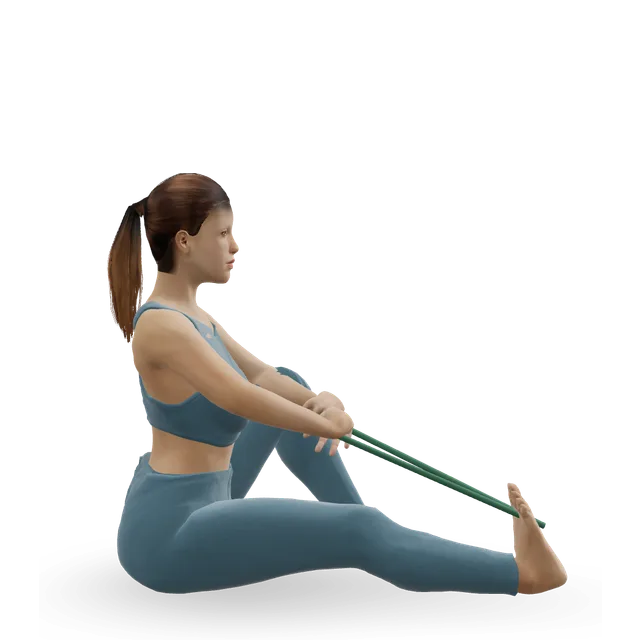
Seated calf stretch with a towel demonstrated on the 3D figure3D demoSeated calf stretch with a towelBeginner · Other / check instructions

Hold 20 to 30 s, 2 to 3 sets, 2 to 3 times a day · NHS inform's stretching dose; its standing calf stretch comes in stage 2

Harder: Wall calf stretch (gastrocnemius)

Stationary cycling demonstrated on the 3D figure3D demoStationary cyclingBeginner · Cardio machine

10 to 15 min, easy · As in our foot pain guide, if walking hurts. Only if it's pain-free over any sore bone

Easier: Recumbent exercise bike · Harder: Air bike intervals

Move on when: Walking around the house and short walks in roomy shoes stay within the pain rule, nothing hurts in one spot on a bone, and the foot is no worse the next morning (the foot hub's check, adapted).

Follow along: a timer, a cue and the next move, one step at a time.
Stage 2

Build: shin, calf and foot strength

About weeks 2 to 6, most days: strength for the muscles that lift the foot and toes, whose tendons cross the top of the foot, and for the calf, with walks a few minutes longer each week, one change at a time (our suggestion).

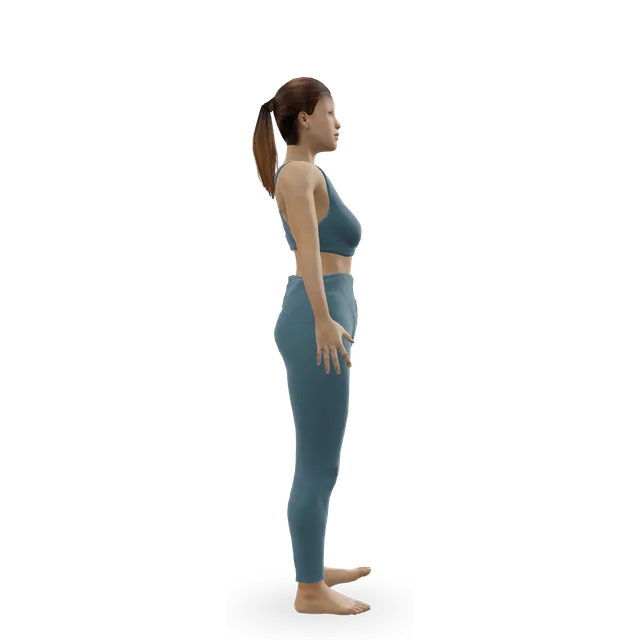
Tibialis raise demonstrated on the 3D figure3D demoTibialis raiseBeginner · No equipment

2 sets of 10 to 15 · As in our foot pain guide. Loading the tendons over the top of the foot is our suggestion: no trial has tested it. NHS inform's seated toe lift is a gentler version

Harder: Single-leg tibialis raise

Slow calf raise demonstrated on the 3D figure3D demoSlow calf raiseBeginner · A wall

10 reps, building to 3 sets of 12 to 15 · As in our foot pain guide (Arthritis UK starts at 10; the build-up is editorial)

Easier: Seated bent-knee calf raise (soleus raise) · Harder: Standing dumbbell calf raise

Wall calf stretch (gastrocnemius) demonstrated on the 3D figure3D demoWall calf stretch (gastrocnemius)Beginner · A wall

Hold 20 to 30 s, 2 to 3 sets, 2 to 3 times a day · NHS inform's standing calf stretch, with its stretching dose

Easier: Seated calf stretch with a towel · Harder: Heel-on-step calf and hamstring stretch

Single-leg stand demonstrated on the 3D figure3D demoSingle-leg standBeginner · A wall

Build to 1 min, 3 times, twice a day, holding a counter at first · As in our foot pain guide (Arthritis UK's dose)

Easier: Tandem stance and heel-to-toe walk · Harder: Single-leg reach matrix

Towel toe curl demonstrated on the 3D figure3D demoTowel toe curlBeginner · Other / check instructions + A bench or box

3 sets of 20 · As in our foot pain when running and plantar fasciitis guides

Easier: Big toe press (seated toe-flexor hold) · Harder: Short foot + toe splay

Treadmill walking demonstrated on the 3D figure3D demoTreadmill walkingBeginner · Cardio machine

Add a few minutes a week on the flat, one change at a time · Editorial, as in our foot pain when walking guide; walking outdoors counts the same

Harder: Treadmill jogging

Move on when: Ten slow calf raises on both feet and a 30-second single-leg stand are comfortable (the foot hub's check), 2 sets of 15 tibialis raises stay within the pain rule (our suggestion), and 30 minutes of fast walking is pain-free, the NHS sports medicine service's starting point for running.

Follow along: a timer, a cue and the next move, one step at a time.
Stage 3

Strengthen, then walking, running and sport come back

From about week 6, 2 or 3 strength days a week and ongoing: single-leg strength and control, then impact in small steps for runners and sports players, while everyday activities come back by the written steps below.

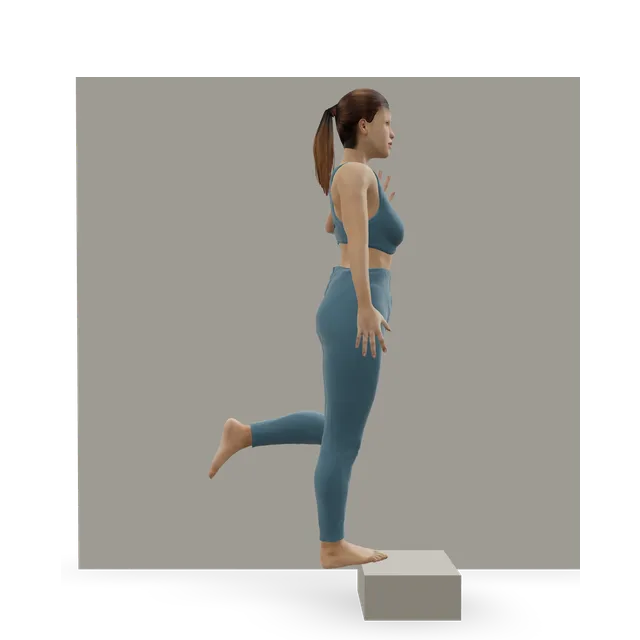
Single-leg calf raise from a step demonstrated on the 3D figure3D demoSingle-leg calf raise from a stepIntermediate · A step + A wall

3 sets of 10 to 15 each leg · As in our foot pain guide. Face the step and keep a hand on a rail, as the move page says

Easier: Slow calf raise · Harder: Single-leg pogo hops

Single-leg tibialis raise demonstrated on the 3D figure3D demoSingle-leg tibialis raiseIntermediate · No equipment

3 sets of 8 to 12 each side · Editorial; the move page asks for comfortable two-foot raises first

Easier: Tibialis raise

Heel walk demonstrated on the 3D figure3D demoHeel walkBeginner · No equipment

3 lengths of about 10 m · Editorial: it loads the tendons at the front of the shin as you walk

Easier: Tibialis raise · Harder: Single-leg tibialis raise

Tandem stance and heel-to-toe walk demonstrated on the 3D figure3D demoTandem stance and heel-to-toe walkBeginner · A wall

3 to 5 lengths · As in our foot pain guide (an NHS ankle leaflet's dose)

Easier: Semi-tandem stance · Harder: Single-leg stand

Ankle bounces (mini pogo) demonstrated on the 3D figure3D demoAnkle bounces (mini pogo)Beginner · No equipment

2 to 3 sets of 20, every other day · As in our foot pain when running guide. Only once any sore bone is pain-free, as the move page says

Harder: Pogo hops

Treadmill jogging demonstrated on the 3D figure3D demoTreadmill joggingIntermediate · Cardio machine

Every other day for 30 min: jog 1 and walk 1 minute in week 1, 2 and 1 in week 2, 4 and 1 in week 3, 9 and 1 in week 4, 15 and 1 in week 5, then 30 minutes' jogging in week 6 · The NHS sports medicine service's programme: up a level after a week without pain, down a level with pain. Flat ground outdoors counts

Easier: Treadmill walking · Harder: Sprint intervals

Move on when: Our suggestion: your usual walks, a full day on your feet and, if you run, 30 minutes' continuous jogging stay within the pain rule, with nothing sore in one spot on a bone the next morning. Keep two strength days a week; if a busy week flares it, drop back a stage for a few days rather than stopping.

Follow along: a timer, a cue and the next move, one step at a time.

What to change for now

What to change for now (written steps)

Our 3D figure can't show these changes. They come from the NHS, NHS inform, the Royal College of Podiatry, the AAOS and Diabetes UK; where a step is our suggestion, it says so. No trial has tested shoe or lacing changes for pain on top of the foot.

  • 1. Laces: loosen them over the sore spot, or re-lace to skip the eyelets over it (our suggestion). A tongue that sits flat, or a thin pad beside the sore tendon rather than on it, can help too (our suggestion).
  • 2. Shoes: plenty of room, a low heel and a soft sole, with soft insoles or pads (the NHS); about a thumb's width beyond your longest toe, wide and deep enough for your toes, with laces, a strap or Velcro you can adjust across the top of the arch (the Royal College of Podiatry). Check the depth at the toes before going up a size. No high heels or tight, pointy shoes for now (the NHS).
  • 3. Load: don't do the sport or activity that brings it on, and avoid long spells walking or standing at first (the NHS); after 48 hours, build back up gradually and stay at or return to work (NHS inform).
  • 4. Stairs: lead with your good leg going up and your sore leg coming down, using the handrail (NHS inform). A walking stick in the opposite hand helps a bad limp.
  • 5. One spot on a bone: stop the activity that hurts and get it checked. While you wait, the AAOS advises keeping weight off it and, if you must walk, a stiff-soled, supportive shoe.
  • 6. Midfoot arthritis: shoes with stiff soles and rocker bottoms, or shoe inserts, can take pressure off (the AAOS). If a bony lump on top presses on your shoes, choose shoes and lacing that keep pressure off it (our suggestion).
  • 7. A gout attack: rest and raise the foot, cool it for up to 20 minutes at a time, keep the bedclothes off it and don't put pressure on the joint (the NHS).
  • 8. Diabetes: check your feet every day, and see your foot team within 24 hours for any new problem (Diabetes UK).

Sources 1, 13, 12, 2, 3, 16, 20, 24

Walking, running and sport come back (written steps)

No trial has tested how to bring these back after pain on top of the foot. These steps are our suggestion unless a source is named.

  • 1. Shoes and laces first, as above. The OxSport leaflet says running shoes last about 300 to 500 miles.
  • 2. Walks: add distance before hills and rough ground, one change at a time, and split long walks in two at first.
  • 3. Running: start only when 30 minutes of fast walking is pain-free, then follow the walk-jog weeks in stage 3. After week 6, add no more than 10% a week, don't add distance and time in the same week, run every other day at first and keep at least one rest day a week (the OxSport leaflet).
  • 4. After a stress fracture: your clinician's plan comes first. The bone should be pain-free to press and with everyday walking before any hopping or running, and the navicular waits for a specialist's go-ahead.
  • 5. Kicking and jumping sports: last, after the running steps, with no pain the next morning.
  • 6. Work boots and long days on your feet: build standing time as you would a walk; a softer insole or a shoe with more room over the top of the foot can help.
  • 7. If it isn't improving after 2 weeks of looking after it, or keeps coming back, see a GP (the NHS). In many areas you can refer yourself to physiotherapy.

Sources 13, 32, 3, 5, 1

Positions to swap, and why

Habit or positionWhy it mattersInstead
Laces pulled tight across the sore spotThe NHS lists shoes that are too tight among the common causes, and the podiatry leaflet wants a fastening you can adjust across the top of the arch. Lacing changes are untested.Loosen the laces there, or re-lace to skip the eyelets over the sore spot.
Narrow, shallow or pointy shoes and high heelsThey're on the NHS's list of things not to do, and most people in studies wore shoes that didn't fit the length or width of their feet.A thumb's width beyond the longest toe, a deep toe box, a low heel and a soft sole.
Hopping, jumping or running through pain in one spot on a boneIt could be a stress fracture: as long as you can feel the pain, the bone is still fragile, and carrying on can turn it into a complete break.Get it checked; cycle only if it's pain-free over the bone.Try: Stationary cycling
Walking off a twisted midfoot with bruising on the soleIt can be a Lisfranc injury, which is easily mistaken for a sprain and is missed in about 1 in 5 cases.A same-day check, with X-rays taken standing.
Long spells on your feet in the first weeksThe NHS advises against walking or standing for a long time while it's sore.Shorter walks spread through the day; the bike if walking hurts.Try: Stationary cycling
Exercising, rubbing or pressing a hot, swollen jointIn a gout attack, the NHS says rest and raise it, keep it cool and don't put pressure on it; a hot joint can also be an infection.Rest, raise and cool it, and get it checked the same day.
Kneeling back on the tops of your feet while the top of the foot is soreIt stretches the tendons over the top of the foot to the end of their range (our suggestion; untested), and the move page says numbness or tingling in the feet means come up at once.Gentle ankle circles.Try: Ankle circles
With diabetes and numb feet, carrying on with a blister, a cut or a new red or hot patchDiabetes UK says see your foot team within 24 hours, and pain may not warn you.Check your feet every day, especially after exercise.

Routines to follow

More moves for this area

Questions people ask

What causes pain on top of the foot?

The NHS says it is often caused by exercise that involves running, kicking or jumping, by shoes that are too tight, or by conditions like gout. Other causes include a stress fracture of one of the long foot bones, a sprain, arthritis in the midfoot joints, a ganglion and a nerve. Where exactly it hurts and how it started point to the cause, which is what the map on this page is for.

Why does the top of my foot hurt with no injury?

Without an injury, the usual causes are doing more walking, running or jumping than usual, tight or new shoes, arthritis in the midfoot from mid-life, and gout. Pain in one spot on a bone that hurts with every step can be a stress fracture even though you never fell. Sudden heat, redness and swelling need a same-day check.

Is it a stress fracture or tendonitis?

A stress fracture usually hurts in one spot on a bone that you can point to with a fingertip; it builds with activity and can start to ache at night. Tendon pain tends to run along the long, thin tendons towards the toes, often with tight shoes or laces, and can creak when you move the foot. If you're not sure, stop the activity that hurts and get it checked, because early X-rays are often normal with a stress fracture.

What does a stress fracture on top of the foot feel like?

Pain that builds gradually over one of the long foot bones, worse when you're on your feet and easing with rest at first, sometimes with swelling on top; later it can ache even at night. The second and third metatarsals are the commonest sites. A vague ache on top of the inner midfoot in a runner or jumper can be the navicular bone, which heals less well and may need a scan to find.

Can tight laces or shoes cause pain on top of the foot?

Yes: the NHS lists shoes that are too tight among the common causes, and most people in studies wore shoes that didn't fit the length or width of their feet. Loosen the laces over the sore spot or re-lace to skip those eyelets, and choose shoes with room for your toes and a fastening you can adjust across the top of the arch. No study has tested lacing changes, so treat them as a sensible first step rather than a proven fix.

Why does the top of my foot hurt when I walk or point my toes?

Walking and pointing the toes load and stretch the tendons and joints across the top of the foot, so irritated tendons and stiff midfoot joints often hurt then. Pain in one spot on a bone with every step suggests a stress fracture, and pain across the middle of the foot after a twist, fall or stamp suggests a Lisfranc injury; both need checking.

Why does the top of my foot hurt after running?

The common running causes are a stress fracture and irritated tendons, often with tight laces, new shoes, hills or a jump in distance; less often it's a nerve. Stop if a pain is sharp, makes you limp or builds as you go, and get pain in one spot on a bone checked before you run again. Come back with an NHS walk-jog programme once 30 minutes of fast walking is pain-free.

Why is the top of my foot swollen, red and painful?

Sudden, severe pain with heat, redness and swelling, often starting overnight, can be gout, which can affect the midfoot as well as the big toe. With a high temperature or feeling unwell, it could be a joint or skin infection, so get help the same day. If you have diabetes, a hot, swollen foot needs your foot team within 24 hours, even if it doesn't hurt.

What is the lump on top of my foot?

A smooth, soft lump is often a ganglion, which the NHS says can be on the top of the foot; most are painless and many go away on their own. See a GP if a lump gets bigger, is hard and doesn't move, or worries you.

Why is the top of my foot numb or tingling?

Tingling or numbness on top of the foot with pain up the back of the leg is often sciatica. Burning in the web between the big toe and the second toe can be a nerve squeezed at the front of the ankle, so loosen tight shoes or boots first. See a GP for any tingling or loss of feeling in the foot, and for a foot that slaps down or catches as you walk.

What exercises help pain on top of the foot?

Once the warning signs are ruled out, NHS inform's foot exercises (a calf stretch, a toe lift, a toe curl and a heel raise) are the place to start, within its 0 to 5 pain scale. The plan on this page adds shin, calf and balance work, then brings running back with an NHS walk-jog programme once 30 minutes of fast walking is pain-free. A sore spot on a bone should be pain-free before any hopping or running.

When should I worry about pain on top of my foot?

Contact NHS 111 if you have severe pain, can't walk, the foot has changed shape, you heard a snap at the time of an injury, you feel faint or sick from the pain, or the foot is hot and swollen or you have a very high temperature. After a twist or fall, pain on the bony bump on the inner midfoot or halfway along the outer edge, or not being able to take 4 steps, usually means an X-ray. See a GP if it hasn't improved after 2 weeks, keeps coming back, or you have diabetes.

Related exercise guides

Other pain guides

Sources

  1. NHS · Pain in the top of the foot
  2. NHS inform · Foot and toe problems
  3. American Academy of Orthopaedic Surgeons (OrthoInfo) · Stress fractures of the foot and ankle
  4. Health New Zealand · Stress fractures of the foot and shin bone
  5. Torg 2010 · Navicular stress fractures: treatment with and without surgery (meta-analysis, Am J Sports Med)
  6. Hoenig 2023 · Return to sport after low-risk and high-risk bone stress injuries in 76 studies (systematic review and meta-analysis, Br J Sports Med)
  7. American Academy of Orthopaedic Surgeons (OrthoInfo) · Lisfranc (midfoot) injury
  8. Lau 2017 · Lisfranc fracture dislocation: a review of a commonly missed injury of the midfoot (review, Emerg Med J)
  9. NICE NG38 · Fractures (non-complex): assessment and management (2016)
  10. Stiell 1993 · Decision rules for X-rays in acute ankle injuries: refinement and prospective validation (JAMA)
  11. Bachmann 2003 · Accuracy of the Ottawa ankle rules to exclude fractures of the ankle and midfoot (systematic review, BMJ)
  12. Buldt 2018 · Badly fitting shoes, foot pain and foot disorders (systematic search and narrative review, J Foot Ankle Res)
  13. Royal College of Podiatry · Choosing the right shoes for you (patient leaflet, 2022)
  14. Thomas 2015 · Symptomatic midfoot osteoarthritis in adults over 50 in a UK population (cross-sectional study, Arthritis Res Ther)
  15. Lithgow 2024 · Foot structure in 63 people with midfoot osteoarthritis and 63 matched controls (cross-sectional study, Arthritis Care Res)
  16. American Academy of Orthopaedic Surgeons (OrthoInfo) · Arthritis of the foot and ankle
  17. NICE NG226 · Osteoarthritis in over 16s: diagnosis and management (2022)
  18. Thomas 2015 · Clinical diagnosis of symptomatic midfoot osteoarthritis (cross-sectional study, Osteoarthritis Cartilage)
  19. NICE NG219 · Gout: diagnosis and management (2022)
  20. NHS · Gout (past its review date: reviewed August 2023, review due August 2026)
  21. NHS · Septic arthritis
  22. NHS · Cellulitis
  23. NICE NG19 · Diabetic foot problems: prevention and management (2015, updated 2019)
  24. Diabetes UK · Signs of serious foot problems and foot infections
  25. NHS · Sciatica
  26. NHS · Foot drop
  27. Ferkel 2015 · Entrapment neuropathies of the foot and ankle (review, Clin Sports Med)
  28. Vosoughi 2020 · Managing tibialis anterior tendon rupture: recommendations from 81 case reports and series (literature review, Foot Ankle Surg)
  29. Christman-Skieller 2015 · Tibialis anterior tendon rupture treatments and outcomes in 87 reported cases (systematic review, Am J Orthop)
  30. NHS · Ganglion cyst
  31. NHS inform · Exercises for foot problems
  32. Oxford University Hospitals NHS Foundation Trust (OxSport) · Return to running programme (patient leaflet, September 2024)
  33. Smith 2017 · Should exercises be painful in chronic musculoskeletal pain? (systematic review and meta-analysis, Br J Sports Med)
  34. Silbernagel 2007 · Carrying on with sport under a pain-monitoring model for Achilles tendon pain in 38 people (RCT, Am J Sports Med)

Exercise education, not a diagnosis or treatment plan. It is written from the guidelines and studies listed above; review by a clinician is pending. If your pain follows an injury, is severe, is getting worse, or comes with any warning sign listed on this page, get it assessed. Health disclaimer.