Pain guide · Foot pain

Back of heel pain: the Achilles where it meets the bone, a bump, bursitis, Sever's and what helps

Pain at the back of the heel (posterior heel pain) is usually the Achilles tendon where it joins the heel bone, often with an irritated fluid sac (a bursa) and a bony bump that shoes rub, known as Haglund's deformity. It is typically stiff on the first steps in the morning and sore in shoes that press on it. In active children aged about 8 to 15, it's usually Sever's disease, an irritated growth plate that settles once growth finishes. Most adults improve, but it takes months rather than weeks, and resting completely doesn't help.

Go to accident and emergency (A&E) or a minor injuries unit the same day after a sudden snap at the back of the ankle, or a feeling of being kicked there, followed by flat-footed walking. Get help the same day, through an urgent general practitioner (GP) appointment or the National Health Service's 111 line (NHS 111), for a red, hot heel with a high temperature, and call 999 if a child with a limp is unwell with a high temperature. If your Achilles starts to hurt while you're taking a fluoroquinolone antibiotic, stop it and contact your doctor. This guide helps you tell the causes apart, covers what to change today (shoes that don't press, heel lifts, and why heel exercises stay off the edge of a step for now) and gives a four-stage plan from holds to hops, with 3D demos.

When to get help first

Exercise is for pain that has been checked or is clearly mild and settling.

Get urgent medical help if

  • Call 999 or go to A&E: after an injury, you heard a crack, the foot or ankle has changed shape or points at an odd angle, a bone is sticking out, there is a bad cut over it, you're in severe pain, or the toes look blue or white, feel numb or are cold to touch. These can mean a broken bone. Don't drive yourself.
  • Same day: a sudden snap or pop at the back of the heel or calf, or a feeling of being kicked there, then walking flat-footed and being unable to push off, stand on tiptoe or climb stairs. It could be an Achilles tendon rupture or a broken heel bone. Go to A&E or a minor injuries unit, or contact NHS 111.
  • If you think you might have broken your heel bone, don't try to treat it yourself. Contact NHS 111 if you have severe heel pain after an injury; you feel faint, dizzy or sick from the pain; your ankle or foot has changed shape or is at an odd angle; you heard a snap, grinding or popping noise at the time; you can't walk, walk on tiptoe or walk up the stairs; or you have swelling and bruising in your calf and ankle. These might be signs of a broken heel bone or a broken ankle.
  • Same day: the back of the heel is red, hot, swollen and very painful, especially with a high temperature or feeling hot, cold or shivery. It could be an infected bursa or a skin infection.
  • Call 999 or go to A&E: a red, hot, swollen foot with a very high temperature, feeling hot, cold or shivery, a fast heartbeat or fast breathing, purple patches on the skin, dizziness or confusion.
  • Same day: a sudden, very painful, hot, swollen, red joint, often the big toe but sometimes the middle of the foot (the midfoot) or the ankle, especially with a high temperature, feeling shivery or being unable to eat. It may be gout, but it could be a joint infection (septic arthritis), which is urgent.
  • Pain, swelling, redness and warmth over a bone, or a very high temperature with feeling generally unwell: ask for an urgent GP appointment or contact NHS 111. It could be a bone infection. Take your child to a GP if they don't want to use a leg and seem irritable: young children don't always get a high temperature with a bone infection.
  • Call 999 or go to A&E if your child has a limp and feels generally unwell with a high temperature, or feels hot, cold or shivery; can't put any weight on their leg; or the leg has changed shape or is pointing at an odd angle.
  • Contact your doctor straight away if your Achilles tendon becomes painful or swollen while you're taking a fluoroquinolone antibiotic (such as ciprofloxacin, levofloxacin, moxifloxacin or ofloxacin), or in the months after. The UK medicines regulator (MHRA) advises stopping the antibiotic at the first sign and resting the painful area until you've been seen; the risk is higher over 60, with kidney problems, after an organ transplant and with steroid medicines.
  • Same day: you have diabetes and a new foot problem, such as an ulcer or wound, signs of infection, or a hot, swollen foot with a change in colour, even if it doesn't hurt. Contact your diabetes foot team or GP: NICE asks for these to reach a specialist foot service within 1 working day, and a suspected Charcot foot is kept off weight until it has been checked.
  • Same day (urgent GP appointment or NHS 111): throbbing pain in one leg (rarely both), usually the calf or thigh; swelling in one leg (rarely both); red, blue or darkened skin around the painful area, which may be harder to see on brown or black skin; or swollen veins. It could be a blood clot (DVT). Watch for it after an ankle injury or time in a cast or boot.
  • Call 999: calf or leg pain or swelling with breathlessness or chest pain. It could be a clot that has reached the lungs.

See a doctor or physiotherapist if

  • See a GP if heel pain is severe or stopping you doing normal activities, is getting worse or keeps coming back, or hasn't improved after 2 weeks of treating it at home.
  • Achilles pain that hasn't improved within 12 weeks of following this advice, or is getting worse: talk to a healthcare professional. In many areas you can refer yourself to physiotherapy.
  • Pain where tendons attach to the heel with no clear mechanical cause that lasts, is in several places, or comes with back pain without a clear cause, psoriasis, inflammatory bowel disease, eye inflammation (uveitis), a recent gut or urinary infection, or a close relative with spondyloarthritis or psoriasis: the National Institute for Health and Care Excellence (NICE) advises a rheumatologist's assessment for spondyloarthritis, a type of inflammatory arthritis.
  • New or worse pain at the back of the heel after a steroid injection near the Achilles tendon: get it checked, because injections there carry a risk of rupture.
  • Bone pain in the heel that is constant or worse at night, or comes with a lump, swelling or weight loss you can't explain: see a GP.
  • Heel pain after a fall, pain at night, or one spot on the heel bone you can point to: a possible stress fracture.
  • A child with heel pain and a limp you can't explain, pain at night or at rest, swelling or redness: see a GP. Sever's disease hurts during and after sport and is usually better with rest.
  • Heel pain that keeps coming back with sport: see a GP or physiotherapist once, to confirm it's Sever's disease. It's usually diagnosed from the story and a heel squeeze, without an X-ray.
  • Tingling or loss of feeling in the foot, or a foot that feels weak.
  • Any foot pain if you have diabetes: foot problems can be more serious.
  • Thickened, lumpy Achilles tendons on both sides, especially with a family history of high cholesterol or early heart disease: see a GP, who can check your cholesterol (our suggestion, from NICE's guideline on inherited high cholesterol).

Where does it hurt?

Location narrows the likely causes; it does not diagnose.

Right where the tendon meets the heel bone, stiff after rest and first thing, sore in shoes that press

Usually insertional Achilles tendinopathy, the tendon where it joins the bone.

Read: Achilles tendinopathy →
A tender bump on the back of the heel that shoes rub, sometimes red and swollen

Often Haglund's deformity, a bony bump, with an irritated fluid sac (bursitis).

Read: Haglund's deformity →
A red, painful swelling between the tendon and the heel bone, after shoes that rub, pinch or press

Bursitis behind the tendon (retrocalcaneal bursitis). A red, hot heel with a high temperature needs checking the same day.

The cord a few centimetres above the heel, sometimes thickened, stiff in the morning

Mid-portion Achilles tendinopathy, which our Achilles guide covers too.

Read: Achilles tendinopathy →
The back or sides of the heel in a child aged about 8 to 15, worse with running and jumping

Usually Sever's disease.

Read: Sever's disease →
A sudden snap, or a feeling of being kicked at the back of the ankle, then flat-footed walking

A possible Achilles tendon rupture: the same day, as the warning signs say.

Read: Achilles rupture →
The heel after a fall from a height, with severe pain and swelling

A possible broken heel bone: contact NHS 111.

Read: Broken heel →
The heel bone after much more walking, running or marching than usual, sore when the sides of the heel are squeezed

A possible stress fracture.

Read: Stress fracture →
Both heels, or several places where tendons attach, with back pain, sore eyes, psoriasis or bowel symptoms

Possibly inflammatory arthritis (spondyloarthritis): see a GP.

New Achilles pain within days or months of starting a fluoroquinolone antibiotic, such as ciprofloxacin

Stop it and contact your doctor straight away, as the warning signs say.

Thickened, lumpy tendons on both sides, often painless

Rarely, fatty deposits linked with inherited high cholesterol: see a GP.

Deep at the back of the ankle when you point your foot, in dancers or footballers

Possibly posterior ankle impingement.

Read: Posterior ankle impingement →
Under the heel, worst on your first steps

Usually plantar fasciitis.

Read: Plantar fasciitis (plantar heel pain) →
The centre of the heel pad, bruise-like, worse barefoot on hard floors

Possibly heel fat pad syndrome.

Read: Heel fat pad syndrome →
The back of the ankle or heel when you walk

Our ankle pain when walking guide covers walking with Achilles pain.

Read: Ankle pain when walking →
The back of the heel or ankle at night

Morning stiffness is typical of the tendon; constant pain at night isn't. Our ankle pain at night guide covers it.

Read: Ankle pain at night →

Understand it

What usually causes itEmerging evidence

No study we found has counted how often each cause produces pain at the back of the heel, so this list comes from guidelines and professional bodies. The commonest is insertional Achilles tendinopathy: pain where the tendon joins the heel bone, within about 2 centimetres of it, as the Dutch Achilles guideline defines it. It can happen at any activity level, though it's commoner in runners, and it often follows calf tightness, a change of shoes or a jump in activity; bone spurs often form at the back of the heel. Achilles tendinopathy is commonest between 30 and 60, and an NHS trust lists diabetes, high cholesterol, inflammatory arthritis, long-term steroids and some antibiotics among the things that raise the risk.

An enlarged bony bump on the back of the heel (Haglund's deformity) can rub on the tendon, and the fluid sac between the tendon and the bone can become inflamed (bursitis); Arthritis UK says tight shoes and high heels regularly cause it. A few centimetres higher up the cord, 2 to 7 centimetres above the heel, is mid-portion tendinopathy. In children aged about 8 to 15, the growth plate at the back of the heel can become irritated with running and jumping (Sever's disease).

Sources 1, 2, 3, 4, 5, 6

Telling the tendon, the bump and the bursa apartEmerging evidence

They often come together. Tendon pain sits right where the tendon meets the bone and is worst on the first steps in the morning and after rest; it can be worse with running, hills or stairs and in shoes that press. A Haglund's bump is a hard, enlarged bump that shoes rub. Bursitis is a red, painful, swollen lump between the tendon and the bone. A tendon that is sore 2 to 7 centimetres higher up is the mid-portion type, which responds to slightly different exercises.

Where exactly it hurts matters for the plan: lowering the heel below the edge of a step suits mid-portion pain, but not pain where the tendon meets the bone, so this guide keeps heel exercises on the flat.

Sources 2, 4, 1, 7, 3

Bone, inflammation, antibiotics and other causesStrong evidence

A stress fracture of the heel bone causes heel pain during exercise and can be mistaken for plantar fasciitis or a heel spur. Inflammation where tendons attach to bone (enthesitis) behind the heel is a feature of ankylosing spondylitis, and Arthritis UK links psoriatic and reactive arthritis with Achilles pain; NICE asks for a rheumatologist's assessment when it's persistent, in several places, or comes with back pain, eye inflammation, psoriasis, bowel inflammation or a recent gut or urinary infection.

Fluoroquinolone antibiotics, such as ciprofloxacin, can damage the Achilles within 48 hours of starting and up to several months after stopping, the UK medicines regulator (MHRA) says, with a higher risk over 60, with kidney problems, after an organ transplant and with steroid medicines. Rarely, thickened, lumpy Achilles tendons are a sign of inherited high cholesterol (familial hypercholesterolaemia). A bursa can become infected, which makes the heel red, hot and swollen, sometimes with a high temperature.

Sources 8, 9, 10, 4, 1, 11, 12, 13, 14

Children: Sever's diseaseStrong evidence

Sever's disease is one of the commonest causes of heel pain in growing children: pain at the back or sides of the heel during and after running and jumping, sometimes in both heels, with a heel bone that's tender when pressed along the sides or underneath. US orthopaedic surgeons say it won't come back once the growth plate has finished growing. In trials of 101 and 124 children, the pain eased over a few months whether they waited, wore a heel raise, had new shoes or orthoses, or had physiotherapy.

A limp you can't explain, pain at night or at rest, swelling or redness needs a GP, and a limp with a high temperature and feeling unwell is a 999 or A&E matter, the NHS says.

Sources 5, 15, 16, 17

A note on night pain at the back of the heelEmerging evidence

Achilles pain is typically worst on the first steps in the morning, after rest and after activity. Pain that is constant, wakes you, or comes with a fever, weight loss, swollen joints or back pain that is worse at night points elsewhere: inflammatory arthritis, an infection, a problem in the bone or a stress fracture that aches at rest. This is our reading of the sources; no study we found measured night pain at the back of the heel.

Sources 6, 3, 7, 2, 9, 14, 18, 8

Tests and scansEmerging evidence

Achilles tendinopathy is diagnosed from your story and an examination, and scans usually aren't needed. If imaging is needed for pain where the tendon meets the bone, the Dutch guideline prefers ultrasound, with a side X-ray of the heel to look at the bone; US orthopaedic surgeons say X-rays show bone spurs and magnetic resonance imaging (MRI) helps plan surgery. What a scan shows doesn't predict how it will go.

A suspected rupture is checked with a calf squeeze test, which picked up 96% of ruptures in a study of 174 people, and sometimes ultrasound. Sever's disease looks the same as a normal growing heel on X-ray, so X-rays are only used to rule out other causes. Suspected spondyloarthritis needs a rheumatologist.

Sources 1, 3, 2, 19, 20, 5, 10

How it usually goesEmerging evidence

Most people with Achilles tendinopathy improve, but slowly. An NHS trust says most people notice some improvement within 8 to 12 weeks of exercise, another says recovery within 12 months is usual, and in the studies the Dutch guideline reviewed, 23% to 37% still had some symptoms up to 10 years later. NHS inform says talk to a healthcare professional if it hasn't improved within 12 weeks. Sever's disease settles once growth finishes and can flare with more sport until then. No one can promise a timescale.

Sources 3, 7, 1, 6, 5
What helps, and how strong the evidence is

Keep loading the tendon: rest doesn't fix itStrong evidence

NHS inform says Achilles tendinopathy doesn't improve with rest. The Dutch guideline's first-line care, for both types, is education, a temporary break from the sport that provokes it, a gradual return guided by a pain scale, and progressive calf strengthening for at least 12 weeks, starting on a flat surface when the pain is where the tendon meets the bone.

In a trial of 38 people, those who carried on running and jumping within a pain-monitoring model improved as much as those who stopped those activities for 6 weeks, with no harm. Most of the trial evidence is in mid-portion tendinopathy, so for pain at the bone it is partly borrowed.

Sources 6, 1, 21, 3

Pain where the tendon meets the bone: keep heel exercises off the step edgeEmerging evidence

In a clinic series, heel drops below the edge of a step for 12 weeks were satisfactory for 89% of 101 mid-portion tendons but only 32% of 31 tendons sore where they meet the bone. In a pilot of 27 people with insertional pain, lowering only to floor level, 3 sets of 15 twice a day for 12 weeks, left 67% satisfied, though there was no comparison group. US orthopaedic surgeons keep heel drops below a step for pain away from the bone.

For mid-portion pain, a 2024 US guideline grades heavy, progressive calf loading of any kind as the first-line treatment. The evidence for pain at the bone is thinner, which is why this guide's plan follows NHS trust leaflets written for it.

Sources 22, 23, 2, 1, 24

Heel lifts and open-backed shoes: expert advice, and one trial in mid-tendon painMixed evidence

In a trial of 100 adults with mid-portion tendinopathy, heel lifts did better than heel-drop exercises at 12 weeks (26.0 against 17.4 points on a 100-point scale), but the difference of 9.6 points fell just short of the 10 points the trial counted as worthwhile. For pain where the tendon meets the bone, US orthopaedic surgeons recommend heel lifts and softer or open-backed shoes, and NHS trust leaflets suggest heel lifts, gel heel cups or pads.

An NHS trust says there isn't high-quality evidence for heel lifts or insoles and to use them alongside exercise, and the Dutch guideline lists them among add-ons to consider after 3 months. So for pain at the bone, they rest on expert advice and one trial in a different part of the tendon: worth trying, not proven.

Sources 25, 2, 3, 7, 1

Night splints: recommended by some, no added benefit in a trialMixed evidence

US orthopaedic surgeons say a night splint can ease morning pain, but in a trial of 70 mid-portion tendons, adding a night splint to 12 weeks of calf exercises added nothing (63% were satisfied without one against 48% with one). The Dutch guideline lists night splints only as an add-on.

Sources 2, 26, 1

After 3 months without progress: add-ons, and caution with injectionsEmerging evidence

If good treatment hasn't helped after 3 months, shockwave therapy can be discussed; US orthopaedic surgeons say it has shown improvement, especially alongside exercise, though more evidence is needed. The Dutch guideline advises caution with anti-inflammatory tablets and steroid injections, and treats injections and other passive treatments as add-ons of uncertain benefit. Surgery is considered only after at least 6 months of active treatment; for pain at the bone, it usually removes the bone spur and damaged tendon.

Sources 1, 2

Sever's disease: most children improve whatever the approachEmerging evidence

In a trial of 101 children aged 8 to 15, waiting and seeing, a heel raise and physiotherapy all reduced pain, with no worthwhile difference at 3 months; the heel raise group were more satisfied at 6 weeks. In 124 children aged 8 to 14, a heel raise helped physical function a little more than an orthosis at 1 and 2 months, with no differences at 6 and 12 months. US orthopaedic surgeons suggest less of the activity that hurts, heel pads or a slightly raised heel, and calf stretches once the pain is better; our Sever's guide covers the plan.

Sources 15, 16, 5

Fluoroquinolone antibiotics and the AchillesStrong evidence

The MHRA says fluoroquinolone antibiotics can cause tendon inflammation and rupture, especially of the Achilles, within 48 hours of starting and up to several months after stopping, and that they should now only be prescribed when other commonly recommended antibiotics aren't suitable. Stop the antibiotic at the first sign of tendon pain or swelling, and contact your doctor.

Sources 11, 12

How much pain is OK while you exercise?

Up to about 5 out of 10, settling within a few hours and no worse the next morningEmerging evidence

Some discomfort during the heel raises is fine. Keep it to about 5 out of 10, let it settle within a few hours, and check the next morning: if the tendon is stiffer or sorer than usual, do a little less next time (fewer reps, a smaller range, two legs instead of one), not nothing. This is our Achilles guide's rule, from a trial in which carrying on with sport within a pain-monitoring model did no harm.

The Leicestershire NHS leaflet uses a traffic light: under 4 out of 10, keep going and progress; 5 to 6 is acceptable if it settles within a few hours; over 7, do less or step back a level. It says a mild increase that settles within 24 hours is acceptable, and the Bath leaflet says any rise should settle within a few hours.

Exceptions: pain in one spot on the heel bone should be pain-free, as it could be a stress fracture; a sudden snap, or a feeling of being kicked, is a warning sign, not a pain-rule question; children with Sever's disease keep pain lower, as our Sever's guide says; and after a rupture or surgery, your team's plan comes first.

Sources 21, 3, 7, 27

The exercise plan: 4 stages

Start at the first stage. Each move opens a full guide with a 3D demo.

Stage 1

Take the pressure off, and load without moving the ankle

About the first 2 weeks: change your shoes today (the written steps below), keep walking on the flat within the pain rule, and load the tendon gently every day. With any warning sign, get checked first.

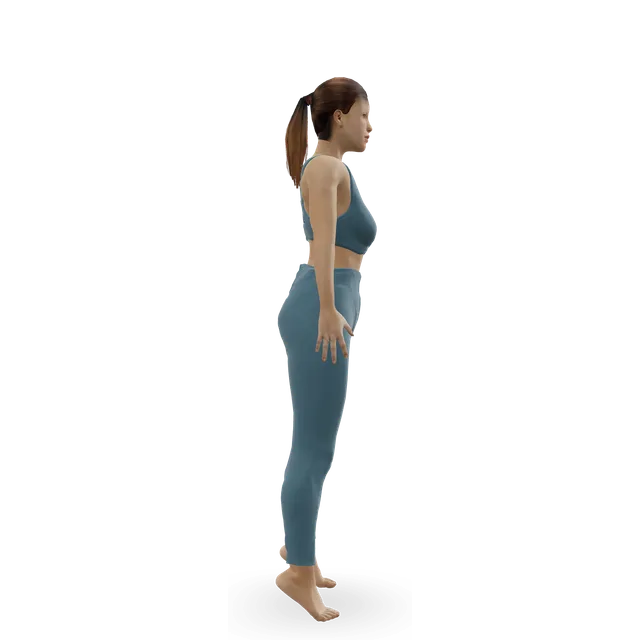
Isometric calf raise hold demonstrated on the 3D figure3D demoIsometric calf raise holdBeginner · A wall

Rise a little onto your toes and hold 30 to 45 s, 4 to 5 times, once or twice a day, on both feet · The Leicestershire NHS leaflet's first level; the move page's own dose (5 holds, an editorial starting point) matches

Easier: Seated bent-knee calf raise (soleus raise) · Harder: Slow calf raise

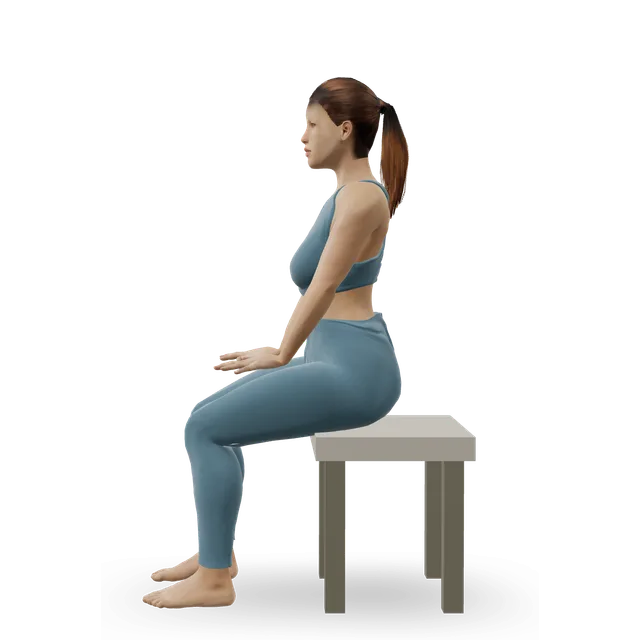
Seated bent-knee calf raise (soleus raise) demonstrated on the 3D figure3D demoSeated bent-knee calf raise (soleus raise)Beginner · A bench or box

3 sets of 10 to 15 with a weight on your knees, 3 s up, 2 s hold, 3 s down · The Bath NHS leaflet's tempo; the sets as in our Haglund's guide (editorial)

Harder: Slow calf raise

Stationary cycling demonstrated on the 3D figure3D demoStationary cyclingBeginner · Cardio machine

20 to 30 min · In place of running and hills, as in our Haglund's and heel pain guides; the time is editorial

Easier: Recumbent exercise bike · Harder: Air bike intervals

Move on when: Walking in your changed shoes is comfortable, morning stiffness is stable or easing, and the exercises stay within the pain rule (our Haglund's guide's check).

Follow along: a timer, a cue and the next move, one step at a time.
Stage 2

Build: heel raises on flat ground

About weeks 2 to 6, once a day. Keep the heel at or above floor level: no dropping it below the edge of a step.

Slow calf raise demonstrated on the 3D figure3D demoSlow calf raiseBeginner · A wall

On the floor: 3 sets of 10 to 15, once a day, knees straight and then slightly bent, 3 s up, 2 s hold, 3 s down · The Leicestershire leaflet's second level for pain where the tendon meets the bone, with the Bath leaflet's tempo

Easier: Seated bent-knee calf raise (soleus raise) · Harder: Standing dumbbell calf raise

Isometric calf raise hold demonstrated on the 3D figure3D demoIsometric calf raise holdBeginner · A wall

4 to 5 holds of 30 to 45 s, shifting your weight onto the sore leg, then on one leg · The Bath leaflet's progression, with the Leicestershire hold

Easier: Seated bent-knee calf raise (soleus raise) · Harder: Slow calf raise

Seated bent-knee calf raise (soleus raise) demonstrated on the 3D figure3D demoSeated bent-knee calf raise (soleus raise)Beginner · A bench or box

3 sets of 10 to 15, adding weight on your knees · As in our Haglund's guide (editorial)

Harder: Slow calf raise

Move on when: 3 sets of 15 two-leg raises stay within the pain rule, and the next morning is no worse (our Achilles and Haglund's guides' benchmark).

Follow along: a timer, a cue and the next move, one step at a time.
Stage 3

Strengthen: one leg and heavier, still on the flat

About weeks 6 to 12: the one-leg raises once a day, the heavier work 2 or 3 days a week.

Single-leg calf raise from a step demonstrated on the 3D figure3D demoSingle-leg calf raise from a stepIntermediate · A step + A wall

On flat ground, not off a step: 3 sets of 10 to 15 each leg, once a day, knee straight and slightly bent, holding a support · The Leicestershire leaflet's third level for pain where the tendon meets the bone, as in our Achilles guide. The move page says a step-based heel drop may not suit some Achilles conditions

Easier: Slow calf raise · Harder: Single-leg pogo hops

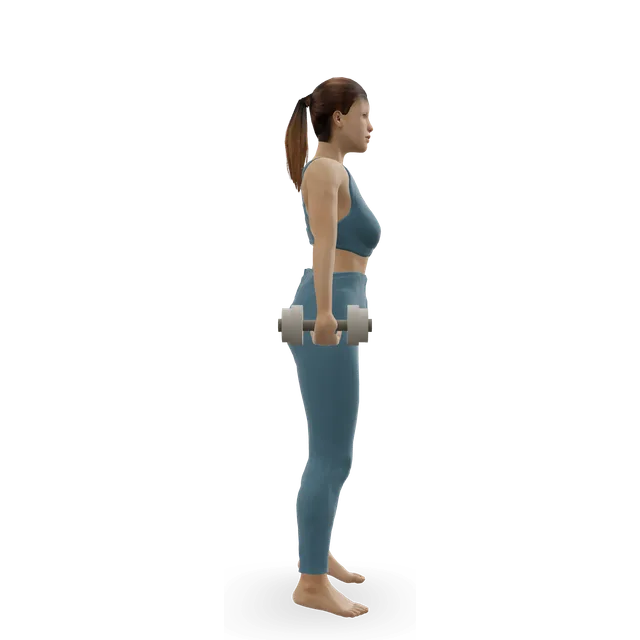
Standing dumbbell calf raise demonstrated on the 3D figure3D demoStanding dumbbell calf raiseIntermediate · A dumbbell

3 to 4 sets of 6 to 10, heavy, heels down to the floor only · As in our Achilles and Haglund's guides (editorial)

Easier: Slow calf raise · Harder: Single-leg pogo hops

Seated one-leg calf raise with a dumbbell demonstrated on the 3D figure3D demoSeated one-leg calf raise with a dumbbellBeginner · A dumbbell + A bench or box

3 sets of 8 to 12, the heel never dropping below level · As in our Haglund's guide (editorial)

Easier: Seated bent-knee calf raise (soleus raise) · Harder: Slow calf raise

Step-up demonstrated on the 3D figure3D demoStep-upBeginner · A step

3 sets of 8 to 10 each side · As in our Haglund's guide (editorial)

Easier: Low step-up · Harder: Dumbbell step-up

Move on when: About 20 to 25 single-leg raises with good height on each side (our Achilles guide's benchmark), and you can walk several miles without tendon pain, which the Bath leaflet asks for before jogging.

Follow along: a timer, a cue and the next move, one step at a time.
Stage 4

Return: spring, then running and sport

From about weeks 8 to 12: hops, then running, brought back by the written steps below. Keep two calf strength sessions a week.

Ankle bounces (mini pogo) demonstrated on the 3D figure3D demoAnkle bounces (mini pogo)Beginner · No equipment

3 sets of 20 quick, quiet contacts · As in our Haglund's guide (editorial); skip it while heel pain is acute

Harder: Pogo hops

Pogo hops demonstrated on the 3D figure3D demoPogo hopsIntermediate · No equipment

3 sets of 20 · Once ankle bounces are easy, as in our Haglund's guide (editorial)

Easier: Ankle bounces (mini pogo) · Harder: Single-leg pogo hops

Treadmill jogging demonstrated on the 3D figure3D demoTreadmill joggingIntermediate · Cardio machine

Every other day for 30 min: jog 1 and walk 1 minute in week 1, building to 30 minutes' jogging by week 6 · Our heel pain guide's NHS sports medicine programme: up a level after a week without pain, down a level with pain. Start once you can walk several miles without tendon pain, as the Bath leaflet says

Easier: Treadmill walking · Harder: Sprint intervals

Move on when: Our suggestion: running and hopping stay within the pain rule on the day and the next morning. If you've made little progress after about 3 months, ask for a review, as the Dutch guideline and our Haglund's guide suggest.

Follow along: a timer, a cue and the next move, one step at a time.

What to change for now

Shoes, heel lifts and heel cups (written steps)

Our 3D figure can't show these changes. Each step names its source or is our suggestion.

  • 1. Wear soft or open-backed shoes that don't press on the back of the heel, or pad the back of the shoe (US orthopaedic surgeons and the Bath NHS leaflet).
  • 2. Try a gel heel cup or pad, or a small heel lift, in both shoes so you stay level (NHS trust leaflets suggest them; both shoes is our suggestion). They help some people, but an NHS trust says there isn't high-quality evidence, so use them alongside the exercises, not instead.
  • 3. Wear wide, comfortable shoes with a low heel and a soft sole, use soft insoles or heel pads, and avoid high heels and tight, pointy shoes (the NHS). Tight shoes and high heels regularly cause bursitis (Arthritis UK).
  • 4. While it's sore, don't walk or stand for long periods, especially barefoot (the NHS).

Sources 2, 7, 3, 28, 4

Walking, running and sport for now (written steps)

These come from NHS inform, the Dutch guideline and the Bath leaflet.

  • 1. Keep walking within the pain rule, on the flat: Achilles tendinopathy doesn't improve with rest (NHS inform).
  • 2. Take a break from the sport that provokes it, swapping in cycling or swimming, then come back gradually, guided by the pain rule (the Dutch guideline).
  • 3. Cut back on long walks, hills, running and jumping for about 6 weeks, then build back over a month or two (the Bath leaflet).
  • 4. Ice or heat can ease the pain: wrapped in a towel, for no more than 20 minutes at a time, a few hours apart, and not if you have poor circulation or numb feet (NHS inform).

Sources 6, 1, 7

Running and sport come back (written steps)

No trial has tested exactly how to bring running back. These steps are our suggestion, except where a source is named.

  • 1. Walking first, then hills and stairs, then jogging, then running, adding distance before speed, with hills and sprints last. Be able to walk several miles comfortably before you jog (the Bath leaflet).
  • 2. Keep two calf strength sessions a week for months: the Dutch guideline's 12 weeks is a minimum, and an NHS trust says most people notice improvement within 8 to 12 weeks.
  • 3. Check the next morning: if the tendon is stiffer or sorer than usual, do a little less next time, not nothing.
  • 4. If it isn't improving after 3 months of good treatment, ask about other options; surgery is considered only after at least 6 months (the Dutch guideline).

Sources 7, 1, 3

Antibiotics, injections, boots and night splints

If your Achilles hurts or swells while you're taking a fluoroquinolone antibiotic, or in the months after, stop it and contact your doctor straight away, and rest the painful area until you've been seen (the MHRA). Be cautious about steroid injections near the Achilles (the Dutch guideline).

For severe pain, a short spell in a walking boot may rest the tendon, but long use weakens the calf, US orthopaedic surgeons say. A night splint added nothing to calf exercises in a trial, so it isn't a first step.

Sources 11, 1, 2, 26

Positions to swap, and why

Habit or positionWhy it mattersInstead
Shoes with a stiff or high back that presses on the heel, tight shoes or high heelsRubbing and pressure irritate the tendon and the fluid sac; Arthritis UK says tight shoes and high heels regularly cause bursitis.Soft or open-backed shoes, padding and a gel heel cup.
Heel drops below the edge of a stepThey were satisfactory for only 32% of tendons sore where they meet the bone, against 89% sore higher up, in one series.Heel raises and lowering on the floor, and holds.Try: Slow calf raise
Long, hard calf stretches, especially with the heel hanging off a stepAn NHS trust says stretching can irritate the tendon near the heel and that strengthening matters more.Gentle stretching only, on the flat, and the strength work.Try: Seated bent-knee calf raise (soleus raise)
Complete rest, or weeks in a walking bootAchilles tendinopathy doesn't improve with rest, and long use of a boot weakens the calf.Keep walking on the flat within the pain rule, with daily holds.Try: Isometric calf raise hold
Hills, sprints, jumping and stairs two at a time while it's soreAn NHS trust advises cutting back on the activities that aggravate it for about 6 weeks.Flat walking and cycling, then the return in stage 4.Try: Stationary cycling
Walking on after a sudden snap because the pain settledThe pain of a rupture can settle to a dull ache or go completely, so it can be missed.Get it checked the same day: A&E, a minor injuries unit or NHS 111.
A steroid injection close to the AchillesThe Dutch guideline advises caution, and injections there carry a risk of rupture.After 3 months of good treatment, ask about shockwave therapy or other options.
Finishing a fluoroquinolone antibiotic once your Achilles hurts or swellsThe MHRA says the tendon can be damaged within 48 hours of starting and up to months after stopping.Stop it and contact your doctor straight away.
A night splint as your first step for morning stiffnessIn a trial of 70 tendons, a night splint added nothing to calf exercises.Gentle ankle circles before your first steps (our suggestion), then the daily holds.Try: Ankle circles
A child with Sever's disease stopping all sportIn trials, children improved whether they waited, wore a heel raise or had physiotherapy.Heel cups, fewer jumping sessions and our Sever's guide's plan.

Routines to follow

More moves for this area

Questions people ask

What causes pain at the back of the heel?

Usually the Achilles tendon where it joins the heel bone, often with an irritated fluid sac and a bony bump that shoes rub (Haglund's deformity). In active children aged about 8 to 15, it's usually Sever's disease, an irritated growth plate. Pain a few centimetres higher up the tendon is mid-portion tendinopathy, and pain underneath the heel is usually plantar fasciitis.

Is it the tendon, bursitis or a Haglund's bump?

They often come together. Tendon pain sits right where the tendon meets the bone and is stiff after rest and first thing; bursitis is a red, painful, swollen lump between the tendon and the bone, made worse by shoes that rub or press; a Haglund's bump is an enlarged bony bump that shoes rub. The first steps are the same for all three: shoes that don't press, a heel lift and calf exercises on the flat.

Why does the back of my heel hurt in the morning?

Stiffness and pain on the first steps in the morning and after sitting are typical of Achilles tendinopathy, and they usually ease as you get going. Pain that is constant, wakes you at night, or comes with a fever or swelling elsewhere isn't typical and needs checking.

What shoes help pain at the back of the heel?

Soft or open-backed shoes that don't press on the back of the heel, with a small heel lift or a gel heel cup. The NHS suggests wide, comfortable shoes with a low heel and a soft sole, and no high heels or tight, pointy shoes; tight shoes and high heels regularly cause bursitis.

Do heel lifts help?

Possibly. In a trial of 100 adults with pain in the middle of the tendon, heel lifts did slightly better than heel-drop exercises at 12 weeks; for pain where the tendon meets the bone, US orthopaedic surgeons recommend them, but an NHS trust notes there isn't high-quality evidence, so use them alongside the exercises. Put one in both shoes so you stay level.

Should I stretch my calf and Achilles?

Gently, if at all, while it's sore. The NHS suggests regular gentle stretching for heel pain in general, but an NHS trust's Achilles leaflet says stretching can irritate the tendon near the heel and that strengthening matters more. Don't hang the heel off a step for now.

Can I keep walking and running?

Usually you can keep walking, and change rather than stop the rest: NHS inform says Achilles tendinopathy doesn't improve with rest, and in a trial, carrying on with sport within a pain-monitoring model did no harm. Cut back on hills, sprints and jumping for a few weeks, keep pain to about 5 out of 10 and check the next morning. An NHS trust suggests being able to walk several miles comfortably before you jog.

Are heel drops off a step good for back of heel pain?

Not while the pain is right where the tendon meets the bone. In one series, heel drops below a step were satisfactory for only 32% of tendons sore at the bone, against 89% sore higher up, and lowering only to the floor satisfied 67% of people in a small pilot. The Dutch guideline starts these exercises on a flat surface.

How long does it take to get better?

Months rather than weeks, and it varies. An NHS trust says most people notice some improvement within 8 to 12 weeks of exercise, and in studies 23% to 37% still had some symptoms years later. If it's no better after 12 weeks, talk to a healthcare professional; surgery is considered only after at least 6 months of good treatment.

How do I know if I've ruptured my Achilles?

A sudden snap or pop, or a feeling of being kicked in the back of the leg, then walking flat-footed and being unable to push off, stand on tiptoe or climb stairs. The pain can settle quickly, so a rupture can be missed: go to A&E or a minor injuries unit the same day. A clinician squeezes the calf to check, a test that picked up 96% of ruptures in one study.

My child has pain at the back of the heel. What is it?

In an active child aged about 8 to 15, it's usually Sever's disease, which hurts during and after sport and settles once growth finishes. In trials, waiting, a heel raise and physiotherapy all reduced the pain over a few months. See a GP for a limp you can't explain, pain at night or at rest, swelling or redness, and call 999 or go to A&E if your child has a limp and is unwell with a high temperature or can't put weight on the leg.

Can antibiotics or arthritis cause pain at the back of the heel?

Yes, though both are less common. Fluoroquinolone antibiotics, such as ciprofloxacin, can damage the Achilles: stop and contact your doctor at the first sign of tendon pain or swelling. Inflammatory arthritis can start where the tendon joins the heel, especially with back pain, psoriasis, sore red eyes or bowel inflammation, and needs a GP.

Related exercise guides

Other pain guides

Sources

  1. de Vos 2021 · Dutch multidisciplinary guideline on Achilles tendinopathy (guideline, Br J Sports Med)
  2. AAOS OrthoInfo · Achilles tendinitis
  3. Leicestershire Partnership NHS Trust · Achilles tendinopathy (MSK physiotherapy leaflet, 2026)
  4. Arthritis UK · Foot and ankle pain
  5. AAOS OrthoInfo · Sever's disease (heel pain)
  6. NHS inform · Achilles tendinopathy
  7. Royal United Hospitals Bath NHS · Advice and exercises for insertional Achilles tendinopathy (physiotherapy leaflet, 2021)
  8. AAOS OrthoInfo · Stress fractures of the foot and ankle
  9. NHS · Ankylosing spondylitis: symptoms (past its review date: reviewed January 2023, review due January 2026)
  10. NICE · Spondyloarthritis in over 16s: diagnosis and management (NG65, guideline)
  11. MHRA · Fluoroquinolone antibiotics: new restrictions and precautions for use (Drug Safety Update, 2019)
  12. MHRA · Fluoroquinolone antibiotics: only when other commonly recommended antibiotics are inappropriate (Drug Safety Update, 2024)
  13. NICE · Familial hypercholesterolaemia: identification and management (CG71, guideline)
  14. NHS · Bursitis (past its review date: reviewed October 2023, review due October 2026)
  15. Wiegerinck 2016 · Wait and see, a heel raise or physiotherapy for Sever's disease in 101 children (RCT, J Pediatr Orthop)
  16. James 2016 · Footwear and orthoses for Sever's disease in 124 children over 12 months (factorial RCT, Br J Sports Med)
  17. NHS · Limping in children
  18. NHS · Symptoms of bone cancer
  19. Maffulli 1998 · Diagnosing a torn Achilles tendon: the calf squeeze test in 174 people (prospective study, Am J Sports Med)
  20. Cambridge University Hospitals NHS · Achilles tendon rupture: management and rehabilitation (patient information, 2026)
  21. Silbernagel 2007 · Continuing sport with a pain-monitoring model in Achilles tendinopathy, 38 people (randomised trial, Am J Sports Med)
  22. Fahlström 2003 · Heel drops below a step for mid-portion and insertional Achilles pain: 101 and 31 tendons (clinic series, Knee Surg Sports Traumatol Arthrosc)
  23. Jonsson 2008 · Calf lowering to floor level for insertional Achilles tendinopathy in 27 people (pilot study, Br J Sports Med)
  24. Chimenti 2024 · Midportion Achilles tendinopathy: US physical therapy clinical practice guideline, revision 2024 (J Orthop Sports Phys Ther)
  25. Rabusin 2021 · Heel lifts against heel drops for mid-portion Achilles tendinopathy in 100 adults (RCT, Br J Sports Med)
  26. de Vos 2007 · A night splint added to calf exercises for Achilles tendinopathy in 70 tendons (RCT, Br J Sports Med)
  27. Smith 2017 · Should exercises be painful in chronic musculoskeletal pain? (systematic review and meta-analysis, Br J Sports Med)
  28. NHS · Heel pain
  29. NHS · Gout (past its review date: reviewed August 2023, review due August 2026)
  30. NHS · Septic arthritis
  31. NHS · DVT (deep vein thrombosis)

Exercise education, not a diagnosis or treatment plan. It is written from the guidelines and studies listed above; review by a clinician is pending. If your pain follows an injury, is severe, is getting worse, or comes with any warning sign listed on this page, get it assessed. Health disclaimer.