Pain guide · Ankle pain

Ankle pain at night: arthritis, an old sprain, tendons, gout, cramps and the night pain to check

Ankle pain at night usually comes from arthritis, often years after a bad sprain or a break; gout, which strikes most often overnight; night cramps or restless legs; a tendon; or a nerve, which can burn or tingle in bed. Night pain is common in arthritis, though the figures come from studies of hips and knees, and on its own it is a weak sign of anything serious.

Get help the same day, through an urgent general practitioner (GP) appointment or the National Health Service's 111 line (NHS 111), for a hot, swollen ankle with a fever, a swollen, throbbing calf, which can be a blood clot (a deep vein thrombosis, or DVT), or one swollen ankle with no known cause; call 999 for leg swelling with breathlessness or chest pain, and go to accident and emergency (A&E) after an injury that leaves the ankle out of shape. If you have diabetes, a hot, swollen foot needs the specialist foot team within 1 working day, as the National Institute for Health and Care Excellence (NICE) advises. This guide maps the causes, shows how to sleep (covers off a gouty ankle, toes up for cramps, a swollen ankle raised), and gives a three-stage plan back to a full night and full walking, with 3D demos.

When to get help first

Exercise is for pain that has been checked or is clearly mild and settling.

Get urgent medical help if

  • Call 999 or go to A&E: after an injury, you heard a crack, the foot or ankle has changed shape or points at an odd angle, a bone is sticking out, there is a bad cut over it, you're in severe pain, or the toes look blue or white, feel numb or are cold to touch. These can mean a broken bone. Don't drive yourself.
  • Same day (urgent GP appointment or NHS 111): after an injury, you can't put weight on it or walk more than a few steps, the pain is very bad or getting worse, there is a lot of swelling or bruising or it is getting worse, or it feels very stiff. If you think it's broken, don't treat it yourself.
  • Same day (urgent GP appointment or NHS 111): throbbing pain in one leg (rarely both), usually the calf or thigh; swelling in one leg (rarely both); red, blue or darkened skin around the painful area, which may be harder to see on brown or black skin; or swollen veins. It could be a blood clot (DVT). Watch for it after an ankle injury or time in a cast or boot.
  • Call 999: calf or leg pain or swelling with breathlessness or chest pain. It could be a clot that has reached the lungs.
  • Ask for an urgent GP appointment or get help from NHS 111 if you have swelling in 1 ankle, foot or leg and you don't know what's causing it; a lot of swelling after an injury, or swelling that is getting worse; swelling that is severe, painful or starts very suddenly; a swollen area that is red or feels hot; a very high temperature, or you feel hot, cold or shivery; or diabetes and swollen feet or ankles. Call 999 if you also feel short of breath, your chest feels tight, heavy or painful, or you're coughing up blood.
  • Same day: a sudden, very painful, hot, swollen, red joint, often the big toe but sometimes the middle of the foot (the midfoot) or the ankle, especially with a high temperature, feeling shivery or being unable to eat. It may be gout, but it could be a joint infection (septic arthritis), which is urgent.
  • Same day: you have diabetes and a new foot problem, such as an ulcer or wound, signs of infection, or a hot, swollen foot with a change in colour, even if it doesn't hurt. Contact your diabetes foot team or GP: NICE asks for these to reach a specialist foot service within 1 working day, and a suspected Charcot foot is kept off weight until it has been checked.
  • Contact a GP immediately (or NHS 111 if you can't): burning foot pain that carries on at rest, toes that go pale, then numb, then red or black, or foot wounds that won't heal. The blood supply to the foot may be failing.
  • Call 999 or go to A&E: a foot or leg that is suddenly cold, pale, numb, weak or very painful without an injury. A sudden loss of blood supply is a vascular emergency.
  • Call 999 or go to A&E: a red, hot, swollen foot with a very high temperature, feeling hot, cold or shivery, a fast heartbeat or fast breathing, purple patches on the skin, dizziness or confusion.
  • Same day: skin on the foot that is painful, hot and swollen. It could be a skin infection (cellulitis).
  • Ask for an urgent GP appointment or contact NHS 111 if you have pain, swelling, redness and a warm feeling over a bone, or a very high temperature (or you feel hot, cold or shivery) and feel generally unwell. It could be a bone infection.
  • Get urgent medical help: you're pregnant or have given birth in the last few weeks and have symptoms of pre-eclampsia, such as pain below the ribs, a severe headache that does not go away with simple painkillers, vision problems such as blurred vision or seeing flashing lights, or sudden swelling of the face, hands or feet. If you're pregnant, call your maternity unit if you have the number; if you've recently given birth or cannot call your maternity unit, call 111.
  • Same day: a sudden snap or pop at the back of the heel, then being unable to walk on tiptoe or climb stairs. It could be an Achilles tendon rupture or a broken heel bone.
  • Contact your GP practice urgently, or phone 111 if it's closed, if a leg cramp lasts longer than 10 minutes and doesn't get better when you start to move.

See a doctor or physiotherapist if

  • Bone pain that is constant or worse at night, especially with a lump, unexplained weight loss, fever or tiredness, or a past history of cancer.
  • One spot on a foot bone that hurts with every step and later at night: a possible stress fracture.
  • Cramps that disturb your sleep.
  • Cramps that last longer than 10 minutes.
  • Cramps with numbness or swelling in the leg.
  • Restless legs that stop you sleeping, affect your mental health, or haven't eased with the things you can do yourself: see a GP, who can check your iron levels and the medicines you take.
  • Tingling or loss of feeling in the foot, or a foot that feels weak.
  • Any foot pain if you have diabetes: foot problems can be more serious.
  • Pain, tingling or loss of feeling in your feet, loss of balance or weakness, or a cut or ulcer on your foot that isn't getting better: see a GP. These can be early signs of nerve damage (peripheral neuropathy).
  • Pain that isn't better after 2 weeks of looking after it yourself, is getting worse, keeps coming back, or stops you doing normal things.
  • An ankle that keeps giving way months after a sprain.
  • See a GP if you have symptoms of gout for the first time (sudden, severe pain in a joint with hot, swollen, red skin), or you have gout and your usual treatments aren't helping.
  • Ankle pain keeps you awake most nights for weeks despite these changes, or poor sleep is affecting your days: see a GP or physiotherapist. Treatment for the ankle and for sleep, including talking therapy for insomnia, can both help.

Where does it hurt?

Location narrows the likely causes; it does not diagnose.

A deep ache in the ankle joint in bed and on first getting up, stiff after rest, often years after a bad sprain or a break

Usually ankle arthritis.

Read: Ankle arthritis and stiff ankles →
The outside of the ankle aching after a busy day, and it keeps rolling or giving way, months after a sprain

An old sprain that hasn't fully recovered, or an unstable ankle.

Read: Chronic ankle instability →
A recent sprain that throbs at night, swollen and bruised

A healing sprain: keep it raised. If you can't walk on it, get it checked.

Read: Sprained ankle →
The cord above the heel, stiff and sore first thing in the morning

Achilles tendinopathy.

Read: Achilles tendinopathy →
The inside of the ankle and arch, with the arch slowly dropping

A tendon on the inner ankle: posterior tibial tendinopathy.

Read: Posterior tibial tendon dysfunction →
Burning, tingling or numbness into the sole, behind the inner ankle bone, worse after standing and at night

Possibly tarsal tunnel syndrome, a squeezed nerve.

Read: Tarsal tunnel syndrome →
A sudden, very painful, hot, red, swollen ankle, often starting overnight

Possibly gout. With a high temperature or feeling unwell it could be an infection: get help the same day.

A sudden, hard, painful tightening of the calf or foot at night, lasting seconds to minutes

Cramp.

Read: Leg cramps →
An urge to move your legs in the evening, with feelings that ease when you move

Restless legs syndrome: our leg pain at night guide covers it.

Read: Leg pain at night →
Burning, tingling or numbness in both feet, usually there all the time

Possibly peripheral neuropathy, damage to the nerves in the feet: see a GP.

A severe burning pain in the foot or toes at rest, often at night, with pale, cold toes or sores that won't heal

The blood supply to the foot may be failing: contact a GP immediately, as the warning signs say.

One spot on a bone that hurt with every step and now aches at night

A possible stress fracture: stop running and jumping, and get it checked.

Read: Stress fracture →
A deep ache that won't settle after a sprain or a broken ankle, sometimes catching

Possibly a damaged patch of cartilage and bone in the joint.

Read: Talus cartilage lesion →
Both ankles swelling by the evening, in pregnancy or after a long day on your feet

Usually fluid gathering. A sudden increase in pregnancy needs urgent help, and one swollen ankle with no known cause needs a same-day check.

A throbbing, swollen calf or leg, with red, blue or darker skin or swollen veins

A possible blood clot: get help the same day, as the warning signs say.

Read: Calf pain →
A hot, swollen foot or ankle in someone with diabetes, even if it doesn't hurt

A possible Charcot foot or infection: the diabetes foot team within 1 working day.

Constant bone pain at night that doesn't change with position, with a lump, weight loss, a fever or night sweats

See a GP, as the warning signs say.

Pain in the heel rather than the ankle at night

Our heel pain guide maps it.

Read: Heel pain →

Understand it

What usually causes itEmerging evidence

Ankle pain is common: 11.7% of UK adults aged 50 and over had it in the past month, and 3.4% had painful ankle arthritis on X-ray. Most ankle arthritis follows an injury: at one specialist centre, 78% of 406 painful, worn ankles followed an injury, and only 9% were wear and tear with no other cause. After a sprain, 5% to 33% of people still had some pain a year later. The NHS lists a sprain, Achilles tendonitis, bursitis and a break among the causes of ankle pain.

At night the list widens: gout, which most often flares overnight; a squeezed nerve; cramps and restless legs; poor circulation; swelling that gathers by the evening; and, rarely, a stress fracture, an infection or a bone tumour.

Sources 1, 2, 3, 4

Why the ankle can hurt more in bed: what's known and what's borrowedEmerging evidence

Arthritis (borrowed evidence): the NHS lists more pain and stiffness after you haven't moved a joint for a while among osteoarthritis symptoms, and says that in more severe cases symptoms can be continuous. The night pain figures come from hips and knees: in focus groups, 81% of 123 people with hip or knee osteoarthritis had night pain, at every stage and varying from night to night. No study we found measured night pain in ankle arthritis.

Gout (known): in 724 people followed for a year, attacks were 2.36 times more likely between midnight and 8am than in the daytime, even without alcohol or rich food, and Arthritis UK says even the weight of a bedsheet can be unbearable. Nerves: one review says tarsal tunnel pain is typically worse at night, though that rests on a single author's review; peripheral neuropathy, which affects almost 1 in 10 people aged 55 and over, brings burning, stabbing or shooting pain in the feet. Circulation: when the blood supply to the leg is badly reduced, a severe burning pain carries on even at rest.

Cramps and restless legs come at rest: the NHS says leg cramps mostly happen at night or when resting and can affect the feet, and restless legs are usually worse at night. Swelling gathers in the lowest parts of the body through the day, the NHS explains for pregnancy. A stress fracture starts as pain with activity and can become a constant dull ache, even at night, and a rare benign bone tumour, osteoid osteoma, caused night pain in 69% of 223 reported foot and ankle cases.

Sources 5, 6, 7, 8, 9, 10, 11, 12, 13, 14, 15, 16, 17

Pain, sleep and the body clockEmerging evidence

Sleep and pain affect each other: in studies that follow people over time, sleep problems predict new and worse long-lasting pain more strongly than pain predicts poor sleep, a review found. In a laboratory study of healthy volunteers kept awake under controlled conditions, pain sensitivity was highest in the middle of the night and lowest in the afternoon. That study wasn't in people with pain, so applying it to ankle pain at night is our inference. The NHS's sleep habits, and talking therapy for insomnia that lasts, are the tools for the sleep side.

Sources 18, 19, 20

When night pain needs checkingStrong evidence

The reassuring pattern, in our reading of the sources: pain that eases when you move or change position, is linked to what you did that day, and comes and goes from night to night. The company that needs checking: a hot, swollen joint with a fever; a swollen, throbbing calf, or one swollen ankle with no known cause; bone pain that is constant or worse at night, with a lump, swelling or weight loss; a burning foot at rest with pale or cold toes; a hot, swollen foot if you have diabetes; and pain in one spot on a bone that started with activity.

On its own, night pain is a weak sign: at a back pain clinic, 213 of 482 people had night pain, 90 of them every night, and none was found to have a serious disease. That study was in back pain, not ankle pain.

Sources 21, 22, 23, 24, 25, 11, 26, 16, 27

Tests and scansEmerging evidence

NICE diagnoses osteoarthritis from the symptoms without a scan in people aged 45 or over, and X-ray changes in the ankle often don't match the symptoms: in a laboratory study, symptoms went with weaker muscles, less movement and more disability rather than with the X-ray. Gout is confirmed with a blood test for urate, or fluid from the joint if that is unclear. A suspected clot needs an ultrasound scan, and narrowed arteries are checked by comparing the blood pressure at the ankle and the arm. Osteoid osteoma shows best on computed tomography (CT): magnetic resonance imaging (MRI) missed a third of cases. A suspected Charcot foot is X-rayed standing, with an MRI if the X-ray is normal but the worry remains.

Sources 28, 29, 30, 23, 11, 17, 26

How it usually goesEmerging evidence

After a sprain, pain eases quickly in the first 2 weeks, but 5% to 33% of people still have some pain at a year, and 36% to 85% report a full recovery within 3 years. Osteoarthritis symptoms come and go, and night pain in hip and knee arthritis varies from night to night. An untreated gout attack usually lasts 1 to 2 weeks, and medicine taken as soon as it starts should begin to work within 2 days. Nightly stretching reduced cramps over 6 weeks in a trial. No one can promise a timescale.

Sources 3, 5, 6, 31, 32

What helps, and how strong the evidence is

How to sleep: health-service advice, untested in trialsEmerging evidence

No trial has tested a sleeping position for ankle pain. For a swollen ankle, the NHS says raise your legs on a chair or pillows when you can, and after an injury keep it raised on a pillow. For gout, keep the bedclothes off the joint at night, rest and raise it, and cool it with an ice pack wrapped in a towel for up to 20 minutes at a time; Arthritis UK suggests a bed cage to hold the sheets off your feet, and NICE agrees ice may help alongside medicine.

For night cramps, NHS inform says lie with your toes pointing up, with a pillow on its side at the end of the bed to prop your feet against, or let your feet hang over the end of the bed if you lie on your front, and keep the sheets and blankets loose; the NHS adds calf stretches, the last just before bed. For restless legs, the NHS suggests a warm bath or heat pads before bed. In pregnancy, rest with your feet up and do the NHS's foot exercises.

Sources 24, 33, 31, 8, 30, 13, 12, 14, 15

Stretching before bed cut night cramps in one trial; magnesium didn't helpEmerging evidence

In 80 adults over 55, calf and hamstring stretches just before sleep every night for 6 weeks reduced night cramps by 1.2 a night and their pain by 1.3 cm on a 10 cm scale, compared with no stretching. A Cochrane review found magnesium made no meaningful difference to typical night cramps in older adults (5 trials, 307 people; moderate certainty); in pregnancy the evidence is conflicting. The NHS's calf stretch is the cheap first step.

Sources 32, 34, 12

Arthritis: exercise is the core treatment, with the evidence borrowed for the ankleEmerging evidence

NICE makes therapeutic exercise and, if relevant, weight loss the core treatments for osteoarthritis, and says joint pain may rise at first but regular exercise will help; any weight loss helps, and 10% is likely to help more than 5%. These recommendations cover all joints, and no trial has tested exercise for ankle pain at night. The NHS's ankle pain advice adds gentle stretching, wide, comfortable shoes with a low heel and a soft sole, and soft insoles. In a laboratory study, people with painful ankle arthritis had weaker muscles, less movement and more disability than people whose X-rays also showed arthritis but who had no pain, which fits a plan built on strength and movement.

Sources 28, 4, 29

Gout: treat the attack early, and lower urate if attacks keep comingStrong evidence

NICE recommends an anti-inflammatory, colchicine or a short course of steroid tablets for an attack, taken early, and urate-lowering medicine for repeated attacks; Arthritis UK says keep a supply so you can start at the first sign. Rest and raise a flaring joint, the NHS says; our exercise page for gout covers getting back to exercise between attacks. Because attacks often start overnight, keeping your medicine by the bed makes sense (our suggestion).

Sources 30, 31, 8, 7

Night splints and bracesEmerging evidence

In a trial of 70 painful Achilles tendons, adding a night splint to 12 weeks of heavy calf exercises made no difference to function, and fewer people were satisfied with the splint (48% against 63%). NICE says don't routinely offer braces, insoles or supports for osteoarthritis unless the joint is unstable and exercise alone isn't enough.

Sources 35, 28

How much pain is OK while you exercise?

The foot and ankle rule, judged by the weekEmerging evidence

Some discomfort during exercise is fine. Aim for pain you would call mild to moderate, no more than about 5 out of 10, that settles within an hour, with no more swelling or stiffness the next morning. If it's worse the next day, do a little less (a smaller range, fewer reps, a lighter band), not nothing. This is the site's foot and ankle rule; the 5 out of 10 figure is an editorial starting point. With arthritis, NICE warns that joint pain may rise when you start exercising, but regular exercise will still help. In trials of long-lasting muscle and joint pain, exercise that allowed some pain did no worse than pain-free exercise.

The exceptions: pain in one spot on a bone should be pain-free, because it could be a stress fracture; burning, tingling or numbness means stop that movement; and if your feet are numb, pain won't warn you, so check your skin after exercise.

Judge it by the week, not one night (our suggestion): night pain in arthritis comes and goes from night to night. If a new exercise is followed by a worse night two or three times running, drop back a step or do it earlier in the day. Gout is the exception to keeping going: rest a flaring joint and raise it (the NHS), and use the plan between attacks.

Sources 16, 28, 6, 31, 8, 36

The exercise plan: 3 stages

Start at the first stage. Each move opens a full guide with a 3D demo.

Stage 1

Calm the nights: an evening routine and gentle movement

About the first 2 weeks. Set up the bed (the written steps below), and do these moves by day and as a short evening routine, with the calf stretch last thing before bed if cramps wake you. With gout, rest the flaring joint and use this plan between attacks; after a fracture or surgery, the team's plan comes first.

Ankle CARs (controlled articular rotations) demonstrated on the 3D figure3D demoAnkle CARs (controlled articular rotations)Beginner · No equipment

5 slow circles each way, morning and evening · The move page's dose, an editorial starting point, as in our ankle arthritis guide's first stage

Easier: Ankle circles · Harder: Toes-tucked kneeling (toe squat)

Ankle circles demonstrated on the 3D figure3D demoAnkle circlesBeginner · No equipment

With swelling or in pregnancy: bend and stretch each foot up and down 30 times, then circle each foot 8 times each way · The NHS's foot exercises for swelling in pregnancy; the move page's own dose is 10 slow circles each way (editorial)

Harder: Ankle CARs (controlled articular rotations)

Wall calf stretch (gastrocnemius) demonstrated on the 3D figure3D demoWall calf stretch (gastrocnemius)Beginner · A wall

At bedtime, 3 holds of 20 to 30 s each side, or the NHS routine: lean for 2 or 3 s and repeat for 5 minutes, 3 times a day, the last just before bed · Our leg cramps guide's holds (editorial) and the NHS leg cramps page

Easier: Seated calf stretch with a towel · Harder: Heel-on-step calf and hamstring stretch

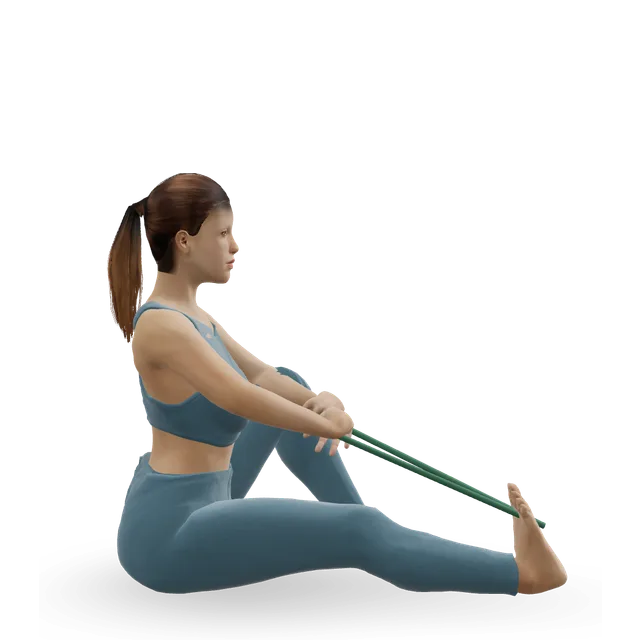
Seated calf stretch with a towel demonstrated on the 3D figure3D demoSeated calf stretch with a towelBeginner · Other / check instructions

3 holds of 30 s; in bed during a cramp, pull your toes towards you with a towel and hold until it eases · As in our ankle arthritis and leg cramps guides

Harder: Wall calf stretch (gastrocnemius)

Seated bent-knee calf raise (soleus raise) demonstrated on the 3D figure3D demoSeated bent-knee calf raise (soleus raise)Beginner · A bench or box

2 sets of 10 to 15 · As in our ankle arthritis guide (editorial)

Harder: Slow calf raise

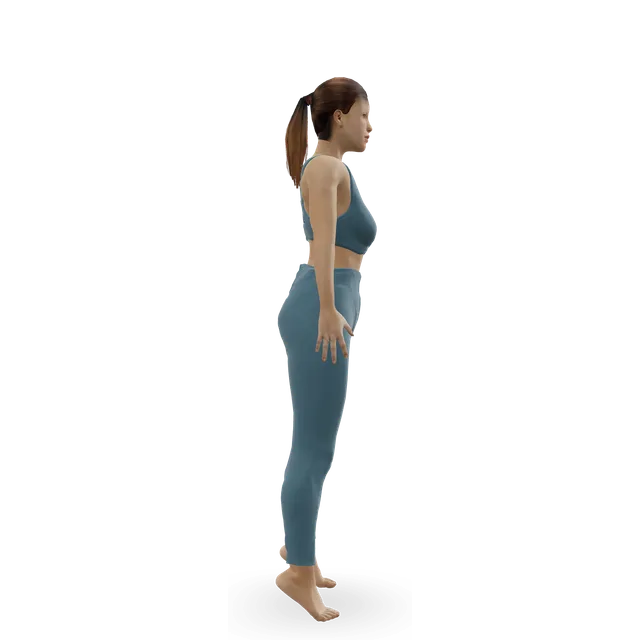
Isometric calf raise hold demonstrated on the 3D figure3D demoIsometric calf raise holdBeginner · A wall

With Achilles pain: 5 holds of 30 to 45 s, once or twice a day, earlier in the day · The move page's dose, an editorial starting point; keep the pain at about 5 out of 10 or less, settled by the next morning, as the move page says

Easier: Seated bent-knee calf raise (soleus raise) · Harder: Slow calf raise

Move on when: Most nights in the last week were settled, morning stiffness is shorter, and there is no extra swelling the next morning.

Follow along: a timer, a cue and the next move, one step at a time.
Stage 2

Build: calf, ankle and balance by day

About weeks 2 to 8, 3 or 4 days a week, earlier in the day. Keep the evening routine going.

Slow calf raise demonstrated on the 3D figure3D demoSlow calf raiseBeginner · A wall

3 sets of 10 · As in our ankle arthritis guide (editorial)

Easier: Seated bent-knee calf raise (soleus raise) · Harder: Standing dumbbell calf raise

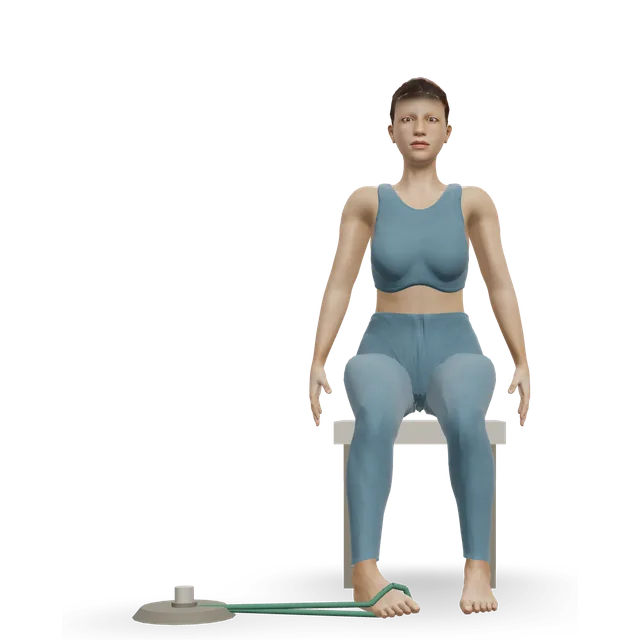
Band ankle inversion demonstrated on the 3D figure3D demoBand ankle inversionBeginner · A band + A bench or box

2 to 3 sets of 10; with tendon pain on the inner ankle, 3 sets of 15 at a resistance you can only just complete, twice a day · Our ankle arthritis guide's sets; for inner-ankle tendon pain, the move page's dose, from the Kulig trial

Harder: Single-leg calf raise from a step

Band ankle eversion demonstrated on the 3D figure3D demoBand ankle eversionBeginner · A band + A bench or box

2 to 3 sets of 10 · As in our ankle arthritis guide (editorial)

Easier: Isometric ankle eversion against a wall · Harder: Single-leg stand

Single-leg stand demonstrated on the 3D figure3D demoSingle-leg standBeginner · A wall

Build to 1 minute, 3 times, twice a day, a hand near a counter · As in our ankle arthritis guide

Easier: Tandem stance and heel-to-toe walk · Harder: Single-leg reach matrix

Recumbent exercise bike demonstrated on the 3D figure3D demoRecumbent exercise bikeBeginner · Cardio machine

10 to 20 minutes at a moderate effort, building towards 30 · The move page's dose, an editorial starting point. Finish at least 4 hours before bed if you sleep badly, as the NHS advises

Harder: Stationary cycling

Move on when: 3 sets of 10 calf raises and a 1-minute single-leg stand feel steady, and nights have been settled for 2 weeks.

Follow along: a timer, a cue and the next move, one step at a time.
Stage 3

Keep it strong, and the full night back

From about week 8: strength 2 days a week and walking most days, earlier in the day, while the full night comes back by the written steps below. Doses are as in our ankle arthritis guide (editorial).

Single-leg calf raise from a step demonstrated on the 3D figure3D demoSingle-leg calf raise from a stepIntermediate · A step + A wall

3 sets of 8 to 12 each leg, if comfortable, a hand on a rail · With Achilles pain, a heel drop off a step may not suit you, as the move page says

Easier: Slow calf raise · Harder: Single-leg pogo hops

Step-up demonstrated on the 3D figure3D demoStep-upBeginner · A step

3 sets of 8 each side · Hold a rail while you learn it, as the move page says

Easier: Low step-up · Harder: Dumbbell step-up

Tandem stance and heel-to-toe walk demonstrated on the 3D figure3D demoTandem stance and heel-to-toe walkBeginner · A wall

3 to 5 lengths · Beside a wall or rail if you feel unsteady

Easier: Semi-tandem stance · Harder: Single-leg stand

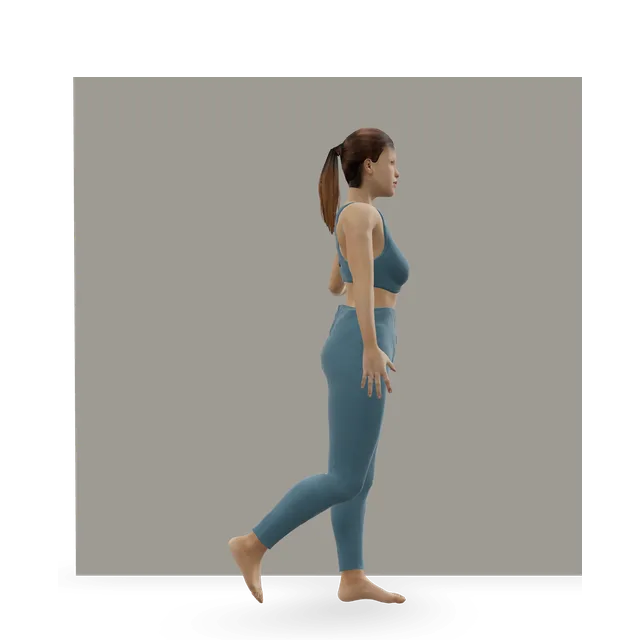
Treadmill walking demonstrated on the 3D figure3D demoTreadmill walkingBeginner · Cardio machine

Build towards 150 minutes a week, earlier in the day · Walking outdoors counts the same

Harder: Treadmill jogging

Move on when: Our suggestion: walking and your usual activities stay within the pain rule and most nights are settled; keep 2 strength days a week. If nights flare after a busy day, go back to the stage 1 evening routine for a week rather than stopping.

Follow along: a timer, a cue and the next move, one step at a time.

What to change for now

How to sleep tonight (written steps)

Our 3D figure can't show these changes. No trial has tested a sleeping position for ankle pain, so each step names its source or is our suggestion.

  • 1. A swollen ankle: raise it on a pillow or a chair when you can (the NHS). A folded duvet under the lower leg in bed, so the ankle sits above your heart for part of the night, is our suggestion.
  • 2. Gout: keep the bedclothes off the joint with a bed cage or a pillow either side (the bed cage from Arthritis UK, the pillows our suggestion), raise it on a cushion, cool it with an ice pack wrapped in a towel for up to 20 minutes at a time, and take any medicine you've been prescribed as soon as an attack starts (the NHS).
  • 3. Cramps: stretch your calves before bed. In bed, keep your toes pointing up with a pillow on its side at the end of the bed to prop your soles against, or let your feet hang over the end if you lie on your front, and keep the sheets and blankets loose (NHS inform). During a cramp, stretch and massage the muscle, or stand up and put your weight on that leg (the NHS).
  • 4. Restless legs: a warm bath or heat pads on your legs before bed, and walking, stretching or massaging your legs when it starts (the NHS).
  • 5. A stiff, arthritic ankle: a few slow ankle circles before bed and before you get up, and warmth or ice for up to 20 minutes, whichever helps, but not if you have problems with circulation or feeling in your feet (our suggestion, as our knee pain at night guide words it).
  • 6. Pregnancy: rest with your feet up when you can, and do the NHS's foot exercises: bend and stretch your foot up and down 30 times, and rotate each foot 8 times one way and 8 times the other (the NHS).
  • 7. Sleep habits: the same wake-up time every day, an hour to relax before bed, a dark and quiet room, and no exercise in the 4 hours before bed (the NHS). If you wake, change position and do a few ankle circles, and judge the week, not one night (our suggestion).

Sources 24, 33, 31, 8, 13, 12, 14, 15, 20

By day (written steps)

These come from the NHS and NICE.

  • 1. Wear wide, comfortable shoes with a low heel and a soft sole, and use soft insoles or heel pads (the NHS).
  • 2. Don't walk or stand for long periods while it's sore, and avoid high heels and tight, pointy shoes (the NHS).
  • 3. Gentle stretching, and paracetamol or ibuprofen gel if needed (the NHS).
  • 4. For swelling, get some gentle exercise, such as walking, to help your circulation (the NHS).
  • 5. For osteoarthritis, regular exercise and, if relevant, weight loss: any weight loss helps, and 10% is likely to help more than 5% (NICE).

Sources 4, 28, 24

The full night comes back (written steps)

No trial has tested how to bring back a full night's sleep with ankle pain. These steps are our suggestion, alongside the NHS's sleep habits.

  • 1. Keep a short note of each night and what you did that day.
  • 2. When nights have been settled for 2 weeks, change one thing at a time, such as a later walk or a different pillow set-up.
  • 3. If busy days bring worse nights, spread the load through the week rather than stopping.
  • 4. If poor sleep carries on for weeks, see a GP: the NHS says talking therapy for insomnia can help, and sleeping pills are rarely used.

Source 20

Gout, cramps and restless legs: what else helps

Gout attacks are treated with medicine early, and repeated attacks with urate-lowering medicine from your GP; the NHS lists cutting down on alcohol among the ways to make attacks less likely. For typical night cramps, magnesium doesn't help older adults; quinine is a decision for a GP, as our leg pain at night guide explains. For restless legs that spoil your sleep, a GP can check your iron levels and your medicines, and the NHS advises no caffeine after midday and no alcohol for at least 2 hours before bed.

Sources 30, 31, 34, 14

Positions to swap, and why

Habit or positionWhy it mattersInstead
Tight bedclothes pressing on a sore or gouty ankleEven the weight of a bedsheet can be unbearable in gout, and the NHS says keep bedclothes off the joint at night.A bed cage, or a pillow either side to hold the covers up.
Lying with your toes pointed, if cramps wake youNHS inform says keep your toes pointing up and the sheets loose.A pillow on its side at the end of the bed to prop your soles against, or your feet over the end of the bed if you lie on your front.
A swollen ankle hanging down all eveningFluid gathers in the lowest parts of the body through the day, the NHS explains.Raise your legs on a chair or pillows when you can.
Rubbing or stretching a hot, swollen, throbbing calfIt can be a blood clot, which needs a same-day check.Get it checked the same day, as the warning signs say.
Hard exercise late in the evening, if you sleep badly or have restless legsThe NHS advises against exercise in the 4 hours before bed, and against strenuous exercise late at night with restless legs.Exercise earlier in the day, such as the bike or a walk.Try: Recumbent exercise bike
Magnesium tablets for typical night crampsA Cochrane review found no meaningful benefit in older adults.Calf stretches before bed.Try: Wall calf stretch (gastrocnemius)
A night splint for Achilles painIt added nothing to calf exercises in a trial.Calf holds by day, then slow calf raises.Try: Isometric calf raise hold
Resting the ankle for days after a bad nightNICE makes exercise a core treatment for osteoarthritis, even if pain rises a little at first; a gout flare is the exception.The stage plan, by day.Try: Ankle CARs (controlled articular rotations)
Pushing through pain in one spot on a bonePain you can point to with a fingertip, worse with activity and later aching even at night, can be a stress fracture.Stop running and jumping, and get it checked.
Long spells of standing or walking in high heels or tight, pointed shoes while it's soreThe NHS's ankle pain advice is to avoid both.Wide, comfortable shoes with a low heel and soft sole, soft insoles, and breaks.
Caffeine after midday and alcohol close to bedtime, with restless legsThe NHS advises against both.Decaffeinated drinks, and no alcohol in the 2 hours before bed.

Routines to follow

More moves for this area

Questions people ask

Why does my ankle hurt at night?

Common causes are arthritis, often years after a bad sprain, gout, cramps, restless legs, a tendon problem and nerve pain. Night pain is common in arthritis, though the figures come from studies of hips and knees. Less often it's a stress fracture or, rarely, a bone problem, which is why constant night pain in a bone needs checking.

Why does my ankle hurt at night but not in the day?

Cramps and restless legs come on at rest and at night, gout attacks are more than twice as likely overnight, and one review says nerve pain at the inner ankle is typically worse at night. In a laboratory study of healthy volunteers, pain sensitivity peaked in the middle of the night, though that wasn't in people with pain. A severe burning pain in the foot that carries on at rest can mean poor circulation and needs a GP straight away.

Is ankle pain at night a sign of something serious?

Usually not on its own. Get help the same day for a hot, swollen joint with a fever, a swollen, throbbing calf, or one swollen ankle with no known cause. See a GP for constant bone pain at night with weight loss, a fever or a lump, and if you have diabetes, a hot, swollen foot needs a specialist foot service within 1 working day.

Why does my ankle still hurt at night after a sprain?

In a review of 31 studies, 5% to 33% of people still had some pain a year after a sprain, and up to a third sprained it again. Lasting pain, swelling or giving way is worth a physiotherapist's assessment; our chronic ankle instability guide covers the balance and strength work. At one specialist centre, 78% of painful arthritic ankles followed an old injury.

How should I sleep with ankle pain?

Raise a swollen ankle on a pillow, keep the covers off a gouty ankle with a bed cage or pillows, and if cramps wake you, keep your toes pointing up with a pillow at the end of the bed and the sheets loose. No trial has tested sleeping positions for ankle pain, so use whatever lets you sleep longest.

Why do my ankles swell at night?

Fluid gathers in the lowest parts of the body through the day, especially in pregnancy or after long spells of standing. Raise your legs when you can. Get an urgent GP appointment or call NHS 111 for one swollen ankle with no known cause or sudden, painful swelling, and call 999 for swelling with breathlessness or chest pain.

Could my ankle pain at night be gout?

A sudden, very painful, hot, red, swollen ankle, often starting overnight, can be gout. Take any medicine you've been prescribed as soon as it starts, rest and raise the ankle, and keep the bedclothes off it. See a GP the first time, and get help the same day if you also have a high temperature or feel unwell.

Why do my ankles or feet burn at night?

Burning, tingling or numbness in both feet can be peripheral neuropathy, which affects almost 1 in 10 people aged 55 and over. Pain, numbness and tingling in the sole that is worse at night can come from a nerve at the inner ankle (tarsal tunnel syndrome). A severe burning pain that carries on at rest, with cold or discoloured toes, needs a GP straight away.

Can cramps or restless legs cause ankle pain at night?

Yes. Night cramps usually affect the calf and sometimes the feet, and stretching your calves before bed may help. Restless legs bring an urge to move, worse at night: try a warm bath, exercise in the day, and no caffeine after midday. Magnesium doesn't help typical cramps in older adults.

What exercises help ankle pain at night?

Gentle ankle circles and calf stretches in the evening, then calf raises, balance work and walking or cycling built up over weeks, earlier in the day. For arthritis, NICE says exercise is a core treatment even if pain rises at first, and calf stretches reduced night cramps in a trial.

Why does my ankle hurt at night in pregnancy?

Swelling and cramps are common: rest with your feet up, and bend and stretch your feet up and down 30 times and circle each foot 8 times each way. Get urgent help for a sudden swelling of the face, hands or feet, and for a swollen, throbbing calf, because clots are more likely in pregnancy and the 6 weeks after a birth.

Related exercise guides

Other pain guides

Sources

  1. Murray 2018 · Ankle pain and ankle arthritis in UK adults aged 50 and over (population survey, PLoS One)
  2. Valderrabano 2009 · What causes ankle arthritis: 406 painful end-stage ankles (case series, Clin Orthop Relat Res)
  3. van Rijn 2008 · What happens after an ankle sprain: 31 studies (systematic review, Am J Med)
  4. NHS · Ankle pain
  5. NHS · Osteoarthritis: symptoms (past its review date: reviewed March 2023, review due March 2026)
  6. Woolhead 2010 · Night pain in hip and knee osteoarthritis: focus groups with 123 people (qualitative study, Arthritis Care Res)
  7. Choi 2015 · Gout attacks by time of day in 724 people (case-crossover study, Arthritis Rheumatol)
  8. Arthritis UK · Gout
  9. Sha 2024 · Tarsal tunnel syndrome (single-author review, Iowa Orthop J)
  10. NHS · Peripheral neuropathy (past its review date: reviewed October 2022, review due October 2025)
  11. NHS · Peripheral arterial disease (PAD)
  12. NHS · Leg cramps
  13. NHS inform · Leg cramps
  14. NHS · Restless legs syndrome
  15. NHS · Swollen ankles, feet and fingers in pregnancy
  16. Health New Zealand Te Whatu Ora · Stress fractures of the foot and shin bone
  17. Jordan 2015 · Osteoid osteoma of the foot and ankle: 223 reported cases (systematic review, Foot Ankle Surg)
  18. Finan 2013 · Sleep and pain: an update on which affects which (review, J Pain)
  19. Daguet 2022 · The daily rhythm of pain sensitivity in healthy volunteers (laboratory study, Brain)
  20. NHS · Insomnia
  21. NHS · Septic arthritis
  22. NHS inform · Ankle problems
  23. NHS · Deep vein thrombosis (DVT)
  24. NHS · Swollen ankles, feet and legs (oedema)
  25. NHS · Symptoms of bone cancer
  26. NICE · Diabetic foot problems: prevention and management (NG19, guideline)
  27. Harding 2005 · Night pain in 482 people at a back pain triage clinic (prospective study, Spine)
  28. NICE · Osteoarthritis in over 16s: diagnosis and management (NG226, guideline)
  29. Al-Mahrouqi 2020 · Symptoms and X-ray changes in ankle osteoarthritis (laboratory study, J Orthop Sports Phys Ther)
  30. NICE · Gout: diagnosis and management (NG219, guideline)
  31. NHS · Gout (past its review date: reviewed August 2023, review due August 2026)
  32. Hallegraeff 2012 · Stretching before sleep for night leg cramps in 80 older adults (RCT, J Physiother)
  33. NHS · Sprains and strains
  34. Garrison 2020 · Magnesium for muscle cramps: 11 trials (Cochrane systematic review)
  35. de Vos 2007 · A night splint added to calf exercises for Achilles tendinopathy in 70 tendons (RCT, Br J Sports Med)
  36. Smith 2017 · Should exercise be painful? 7 trials of long-lasting muscle and joint pain (systematic review and meta-analysis, Br J Sports Med)
  37. NHS · Broken ankle
  38. NHS · Pulmonary embolism
  39. NHS · Osteomyelitis (past its review date: reviewed August 2023, review due August 2026)
  40. NHS · Pre-eclampsia

Exercise education, not a diagnosis or treatment plan. It is written from the guidelines and studies listed above; review by a clinician is pending. If your pain follows an injury, is severe, is getting worse, or comes with any warning sign listed on this page, get it assessed. Health disclaimer.