Cramp or restless legs: how they feel tells them apartStrong evidence
A cramp is a muscle in the leg suddenly tightening and causing pain, usually in the calf and less often in the foot or thigh. Cramps last from a few seconds to 10 minutes, the muscle can feel sore for up to 24 hours afterwards, and most people have them at night or when resting. The NHS says they're common and usually harmless.
Restless legs syndrome is a strong urge to move your legs, with uncomfortable feelings such as tingling, throbbing or itching, and sometimes pain. It's usually worse at night when you rest, and moving eases it for a while. The NHS notes that leg cramps and peripheral neuropathy can cause similar symptoms, and RLS-UK, the restless legs charity, says that in children restless legs is often mistaken for growing pains.
Sources 1, 2, 3
How common they areEmerging evidence
Night cramps are common and become more common with age. A review says up to 60% of adults report them, and in a US national survey 24% to 25% of adults had mild night cramps and 6% had them more than 5 times a month; surveys measure them differently, so the figures vary. In a survey of 15,391 adults in Europe and the US, 7.2% had restless legs symptoms in a year and 2.7% had them at least twice a week with at least moderate distress, and few of them had been diagnosed.
Sources 4, 5, 6
What causes crampsEmerging evidence
The NHS links cramps with ageing, straining muscles during exercise, pregnancy, some medicines such as statins and water tablets (diuretics), not drinking enough, and liver disease from alcohol, and says the reason for some cramps is unknown. A review adds vascular disease, a narrowed spinal canal and dialysis, and says night cramps are probably caused by muscle fatigue and nerve activity rather than low levels of salts in the blood. For typical cramps, the history and an examination are usually enough; NHS inform says a GP may test blood and urine when cramps come with numbness, swelling or other symptoms.
Sources 1, 4, 7
Restless legs: iron, pregnancy and medicinesEmerging evidence
The NHS links restless legs with iron and a brain chemical called dopamine, and says it's more likely if it runs in your family, in pregnancy, with iron deficiency anaemia or kidney disease, and with some medicines. About 1 in 5 pregnant women develop it, usually in the last 3 months, RLS-UK says; the NHS says it usually goes away after the birth, though RLS-UK says symptoms often carry on afterwards. RLS-UK adds that symptoms gradually get worse over time in about two thirds of people, though it can often be treated successfully once it's diagnosed.
The American Academy of Sleep Medicine (AASM) recommends checking iron in everyone with troublesome restless legs, and treating it if the iron store measure (ferritin) is 75 micrograms per litre or less or the transferrin saturation is below 20%. Those thresholds are expert consensus rather than trial-tested.
Sources 2, 3, 8
Nerves, veins and arteriesStrong evidence
Sciatica causes pain in the bottom and down the back of one leg, often to the foot, with burning, tingling, numbness or weakness, and usually gets better in a few weeks to a few months. Peripheral neuropathy, damage to the nerves in the hands and feet, causes numbness and tingling and burning, stabbing or shooting pain that is usually constant but may come and go (an NHS page past its review date). Varicose vein aching can be worse after standing for a long time and better when you rest with your legs up.
Narrowed leg arteries (peripheral arterial disease, PAD) usually cause pain on walking that eases within minutes of rest. In 1 to 2 in 100 people with PAD a year, the blood supply becomes too poor even at rest, the Circulation Foundation says: severe pain in the foot at rest or in bed that wakes you, often relieved by getting out of bed. The Global Vascular Guidelines describe this rest pain as usually in the forefoot, often worse lying down, eased by hanging the foot down and frequently worse at night. The NHS says a severe burning pain in the legs and feet that continues when you rest means you should contact a GP immediately.
Sources 9, 10, 11, 12, 13, 14
Growing pains, and when it's something elseStrong evidence
Growing pains are an aching or throbbing in both legs, in the muscles or joints, in the evening or at night and gone by the morning, in children aged 3 to 12. The NHS says they're harmless, not caused by growing and not a sign of anything serious; they come and go over months or even years, and they're more common in active children and children with very flexible joints. In 1,445 Australian children aged 4 to 6, 36.9% had them.
The NHS lists the signs that need a GP instead: pain in 1 leg, pain in the morning or when walking or playing, pain bad enough to stop a child walking or make them limp, pain in 1 joint, a rash, swelling or unusual bruising, a high temperature, unusual tiredness, and not eating or losing weight.
Sources 15, 16
A clot, bone pain and back pain at nightStrong evidence
A clot in a deep leg vein (deep vein thrombosis, or DVT) causes throbbing pain in 1 leg, usually the calf or thigh, with swelling, red, blue or darkened skin around the painful area, or swollen veins, the NHS says; with breathlessness or chest pain, part of it may have reached the lungs. Bone pain that is constant or comes and goes, is worse at night, or comes with a lump, swelling or weight loss you can't explain needs a GP. So does back pain that doesn't improve after resting or is worse at night.
Sources 17, 18, 19, 20
When a test helpsEmerging evidence
For typical cramps, usually no test is needed: a review says the history and an examination are usually enough, and NHS inform says a GP may test blood and urine when there are other symptoms. For troublesome restless legs, a blood test for iron, ideally in the morning and without having taken iron for 24 hours. For possibly narrowed arteries, comparing the blood pressure at the ankle and the arm. For a suspected clot, an ultrasound scan. For sciatica, the National Institute for Health and Care Excellence (NICE) doesn't routinely recommend imaging outside specialist care. A child with typical growing pains needs no tests, but anything that doesn't fit the pattern gets checked.
Sources 4, 7, 8, 14, 21, 17, 22
How it usually goesEmerging evidence
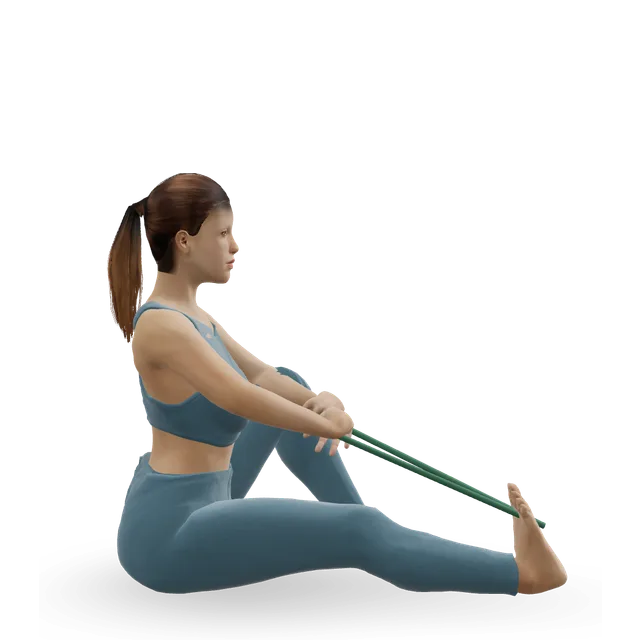
Cramps come and go, and cramps in pregnancy pass after the birth, NHS inform says. In the nightly stretching trial, cramps fell over 6 weeks. Restless legs often comes and goes, and RLS-UK says it gradually worsens in about two thirds of people, though treatment often helps once it's diagnosed. Sciatica usually gets better in a few weeks to a few months, and growing pains come and go over months or years. No one can promise a date.
Sources 1, 7, 23, 3, 9, 15