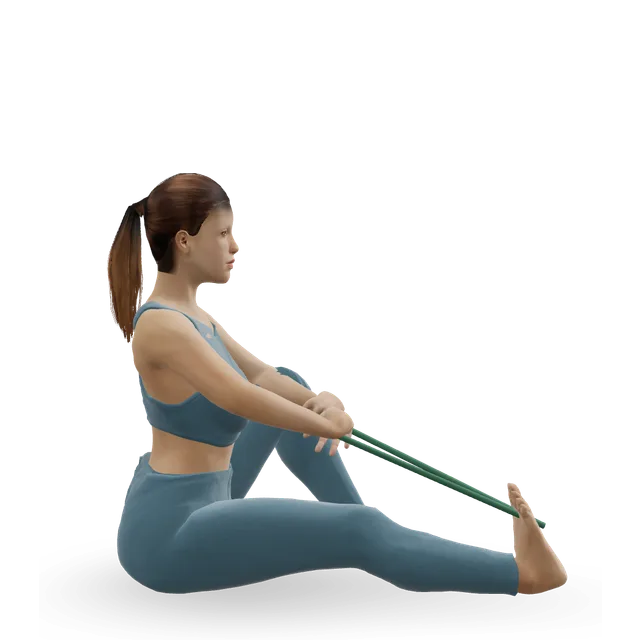
Exercise guide

Exercises for restless legs: what helps, when to exercise, and iron first

Restless legs syndrome (RLS) is a strong urge to move your legs, usually with tingling, throbbing or aching, that comes on when you rest in the evening or at night and eases when you move. Treatment starts with the basics: a GP can check your iron and your medicines, because low iron and some medicines make RLS worse, and other medicines help when it's troublesome.

Exercise helps some people. In the one trial, a 30-minute walk and leg strength exercises 3 days a week cut symptom scores by 39% within 6 weeks, but only 23 people finished it, and US sleep-medicine guidance makes no recommendation on exercise. The NHS advises exercising during the day rather than late at night.

This guide covers iron and medicines, what the exercise trials show, when to exercise, what to do when symptoms start, and how RLS differs from leg cramps and from leg pain caused by narrowed arteries. It ends with a daytime routine based on the trial, with 3D demos.

The short version

What it is

A strong urge to move your legs, usually with uncomfortable feelings such as tingling, throbbing or itching, worse when you rest in the evening or at night and eased by moving. RLS that is frequent and distressing affects 2% to 3% of adults.

Sources 1, 2

Iron first

US guidance from the American Academy of Sleep Medicine (AASM) says everyone with troublesome RLS should have their iron checked, and that iron is worth treating at a ferritin of 75 micrograms per litre or less, higher than the usual cut-off for anaemia. In trials, iron eased symptoms.

Sources 2, 3

Medicines and triggers

Alcohol, caffeine, and some antihistamines, antidepressants and anti-sickness medicines can make RLS worse. Gabapentin or pregabalin are now the main medicines, and dopamine medicines can make RLS worse over time. Never stop or change a medicine yourself: ask your GP.

Sources 2, 1

Exercise: promising, not proven

In a 12-week trial, walking and leg strength work 3 days a week cut symptoms by 39% within 6 weeks (23 people finished), and gentle yoga helped in another small trial. The AASM makes no recommendation on exercise, so treat it as worth trying alongside the basics.

Sources 4, 5, 2

Timing

The NHS advises exercising during the day and not doing strenuous exercise late at night. The research on timing is thin and mixed, and some people find a gentle early-evening walk helps.

Sources 1, 6, 7

When symptoms start

Walk, stretch or massage your legs. See a GP if RLS is stopping you sleeping, affecting your mental health, or self-help hasn't worked.

Source 1

Restless legs syndrome

What it feels like

A strong urge to move your legs, often with tingling, throbbing, itching or pain, that comes on when you rest and is worst in the evening or at night. Some people get it in their arms too. It's also called Willis-Ekbom disease.

Sources 1, 8

How it's diagnosed

There's no test: a doctor goes by your description. The urge has to start or get worse when you rest, ease when you move, and be worse in the evening or at night, and it mustn't be explained by something else, such as cramps or sitting awkwardly. Most people with RLS also have jerking leg movements in their sleep.

Sources 9, 10, 2

How common

In a survey of 15,391 adults, 7.2% had some symptoms in a year and 2.7% had RLS at least twice a week that was at least moderately distressing. It affects 0.5% to 1% of children.

Sources 11, 2

Causes

It's thought to be linked to iron and the brain chemical dopamine, and iron levels in the brain are low in RLS. Usually there's no clear cause, but it runs in families and is linked with pregnancy, iron-deficiency anaemia, kidney disease and some medicines.

Sources 1, 2

Sleep

About 9 in 10 people with RLS have trouble falling or staying asleep, so tiredness and low mood are common.

Source 2

Who gets it

RLS is about 50% more common in women, partly because of pregnancy, and more common in people of northern European heritage. In children it's often mistaken for growing pains, which our growing pains guide covers.

Sources 2, 8

Iron and medicines first

Get your iron checked

The AASM says to test ferritin and transferrin saturation in everyone with troublesome RLS, ideally in the morning and without iron supplements for 24 hours before. It suggests iron if ferritin is 75 micrograms per litre or less, or transferrin saturation is below 20%. These cut-offs are expert consensus, not tested in trials, and are higher than those used for anaemia.

Source 2

Does iron help?

In a Cochrane review, iron improved symptom scores by about 4 points on a 0 to 40 scale compared with a dummy treatment (7 trials, 345 people; moderate certainty). Iron through a drip (ferric carboxymaltose) has a strong US recommendation, and iron tablets a conditional one.

Sources 3, 2

Don't take extra iron on your own

The NHS says you may need iron supplements if your blood iron is low. Taking 17 milligrams a day or less from supplements is unlikely to cause harm; take more only on a GP's advice.

Sources 1, 12

Triggers to check

The first step is dealing with things that make RLS worse: alcohol, caffeine, untreated sleep apnoea, and medicines such as sedating antihistamines (including many cold and flu remedies), some antidepressants and anti-sickness medicines. Your GP or pharmacist can check what you take.

Sources 2, 13, 1

Medicines

Gabapentin and pregabalin have strong US recommendations. The NHS also lists painkillers such as codeine or tramadol, sleep medicines, and dopamine medicines such as ropinirole or co-careldopa for occasional use or if other medicines haven't worked.

Sources 2, 1

When a dopamine medicine makes it worse

Over months to years, dopamine medicines can make RLS worse (augmentation): symptoms start earlier in the day, come on faster when you rest or spread to your arms. US guidance now advises against their standard use. Don't stop one suddenly, as RLS can rebound badly: see your GP.

Source 2

What the evidence says

Walking and leg strengthEmerging evidence

In the only trial of aerobic and strength training in people with RLS who weren't on dialysis, 41 adults were randomised and 23 finished. A 30-minute treadmill walk plus lower-body strength exercises, 3 days a week for 12 weeks, cut symptom scores by 39% by week 6, against under 8% in the comparison group, and the gain lasted to week 12. One person had knee pain. The trial was small, and people knew which group they were in.

Sources 4, 14

YogaEmerging evidence

In a trial of 41 adults (30 finished), 12 weeks of gentle Iyengar yoga eased symptoms more than an educational film programme, with no side effects, and more home practice went with bigger gains. The AASM rates the evidence as low certainty.

Sources 5, 14

Other non-drug trialsMixed evidence

A review of 11 small trials found exercise among the treatments that reduced severity more than no treatment, but the evidence wasn't high quality. Tension and trauma release exercises did no better than discussion groups.

Sources 15, 16

On dialysisEmerging evidence

In people on haemodialysis, exercise eased RLS in small trials. Leg stretches for 30 minutes during dialysis, 3 times a week for 8 weeks, lowered symptom scores from about 19 to 12 (33 people). Cochrane calls the evidence for every treatment of RLS in kidney disease uncertain.

Sources 17, 18, 19

What the guidelines sayStrong evidence

The AASM found the exercise studies too limited to grade and made no recommendation on exercise or yoga. Iron and medicines carry most of the evidence.

Sources 2, 14

TimingMixed evidence

In 18,980 Europeans, physical activity close to bedtime was linked with RLS, while in 1,803 Kentucky adults, lack of exercise was. In a small lab study, one maximal exercise test reduced related leg movements in sleep that night. None of these tested evening exercise in people with RLS.

Sources 7, 20, 21

Magnesium and other remediesMixed evidence

The AASM's review judged the studies of magnesium, massage, heat, vibration pads and compression too limited to grade, and the NHS doesn't list magnesium as a treatment. They're not yet shown to work.

Sources 14, 1

When to exercise

The NHS advice

Exercise during the day, and don't eat a big meal or do strenuous exercise late at night.

Source 1

A gentle evening walk

RLS-UK suggests regular moderate exercise, and says some people find a gentle walk early in the evening helps.

Source 6

What the research shows

Very little: surveys point both ways, and the exercise trial didn't record what time people trained. People with RLS often avoid vigorous exercise because of reports that it makes symptoms worse.

Sources 7, 20, 21, 4

Our editorial suggestion

Do your harder exercise in the morning or afternoon, keep the effort moderate, and use gentle stretches in the evening. Notice what works for you.

Sources 1, 4

What helps, and how much

The trial programme

A 30-minute walk at an easy to moderate effort (10 to 13 on the 6 to 20 Borg scale of effort; in practice, a pace you can still talk at) plus six lower-body strength exercises at about half the most you could lift once: 1 set of 8 to 12 for the first 2 weeks, then 2 sets, 3 days a week. The routine at the end of this guide is our editorial home version.

Source 4

On other days

Our editorial suggestion: a 20 to 30 minute walk or bike ride during the day, which counts towards the 150 minutes a week the NHS recommends for adults.

Sources 22, 1

When symptoms start

Walk, stretch or massage your legs, or distract yourself with a book or a puzzle. Moving eases the feelings for as long as you keep moving.

Sources 1, 2

Before bed

Try a warm bath or heat pads on your legs, regular bed and wake times, no caffeine after midday, no alcohol for 2 hours before bed, and no screens right before bed. RLS-UK adds daily stretching.

Sources 1, 6

On journeys

Choose an aisle seat so you can get up, and stop regularly for a stretch on long drives.

Source 6

Give it 6 weeks

In the trial, symptoms had eased by week 6. If nothing has changed and RLS still stops you sleeping, see your GP.

Sources 4, 1

Is it restless legs? Cramps, narrowed arteries and other lookalikes

Leg cramps

A muscle, usually in the calf, suddenly tightens with sudden pain for a few seconds to 10 minutes, often at night, and may feel sore for up to a day afterwards. Stretching, massage or standing on the leg can help, and regular calf stretches may reduce cramps. See our leg cramps guide.

Source 23

Restless legs

An urge to move rather than a knot in the muscle, coming on when you rest and easing while you move.

Sources 1, 2

Narrowed leg arteries (claudication)

An ache, usually in the calf, that comes on when you walk and goes after a few minutes' rest. It needs a GP check, and our peripheral arterial disease guide covers the walking programme for it.

Source 24

Peripheral neuropathy

Nerve damage that causes numbness, tingling or burning pain. The NHS notes it can cause symptoms like RLS; see our peripheral neuropathy guide.

Source 1

They can overlap

Cramps and sitting awkwardly can tick the same boxes as RLS, which is why a doctor's careful history matters.

Source 10

Not any of these

One swollen, painful leg can be a blood clot, and pain in your foot at rest, or toes turning cold and then red or black, need help fast: see the warning signs below.

Sources 25, 24

Pregnancy and kidney disease

In pregnancy

About 1 in 5 pregnant women get RLS, most often in the third trimester, and it usually goes after the birth. Stretching, massage, a warm (not hot) bath and relaxation may help. Ask your midwife or GP about iron before taking any supplements or medicines.

Sources 26, 27, 1, 28

On dialysis

RLS is common in kidney disease, and exercise and leg stretches during dialysis helped in small trials. Our kidney disease guide covers exercise with chronic kidney disease and dialysis.

Sources 17, 19

Walking and cycling

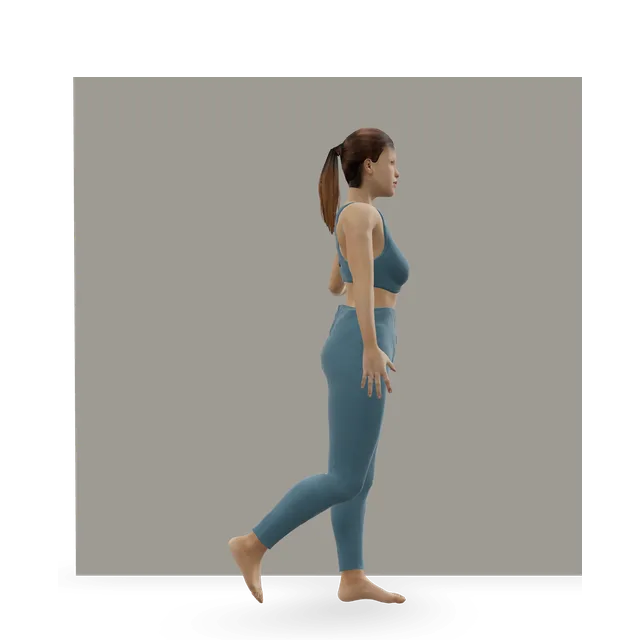
30 minutes, 3 days a week, during the day, at an effort you can talk through (the trial's treadmill walk; the bikes are our alternatives).

Leg strength

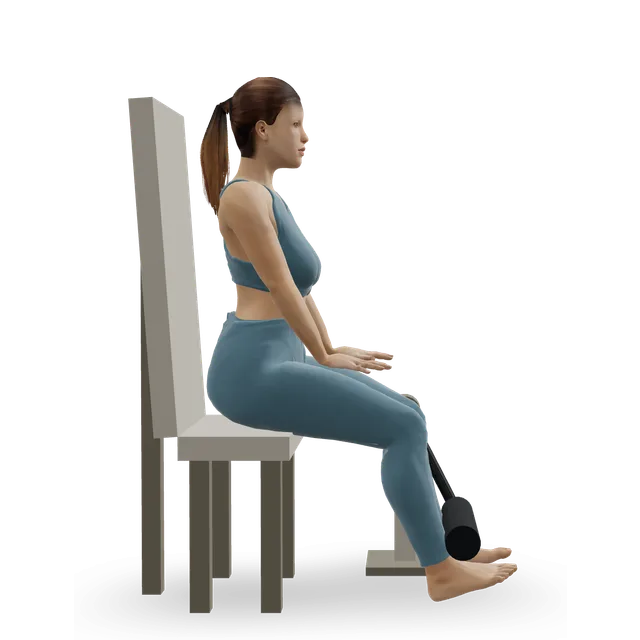
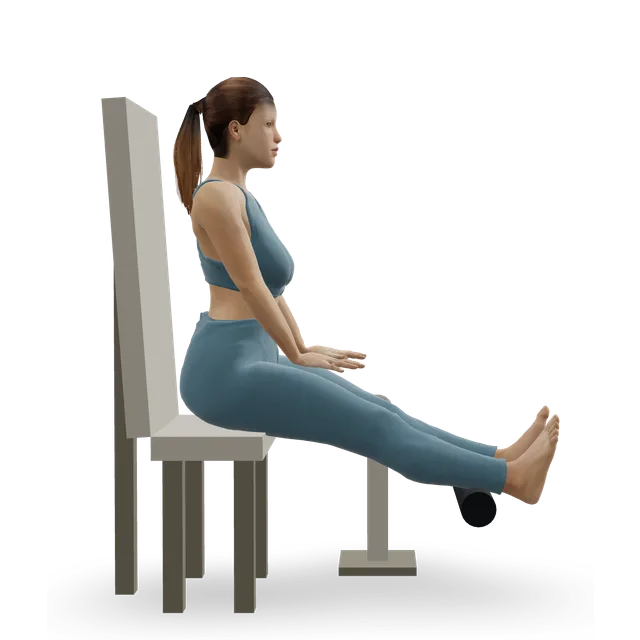
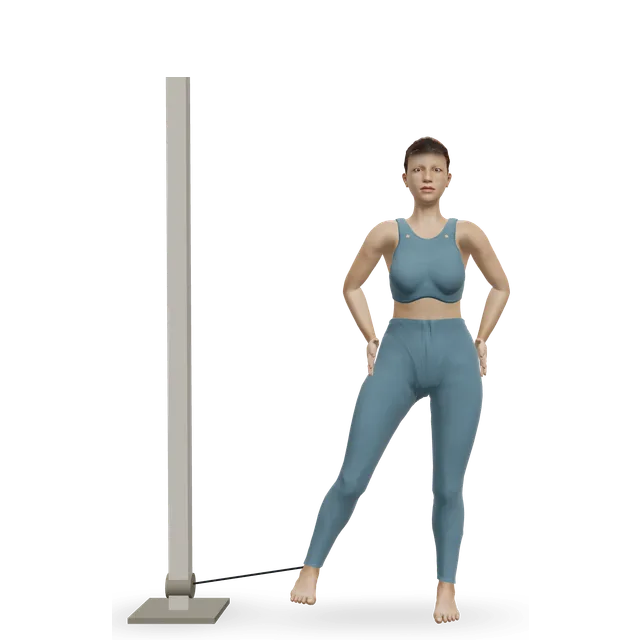
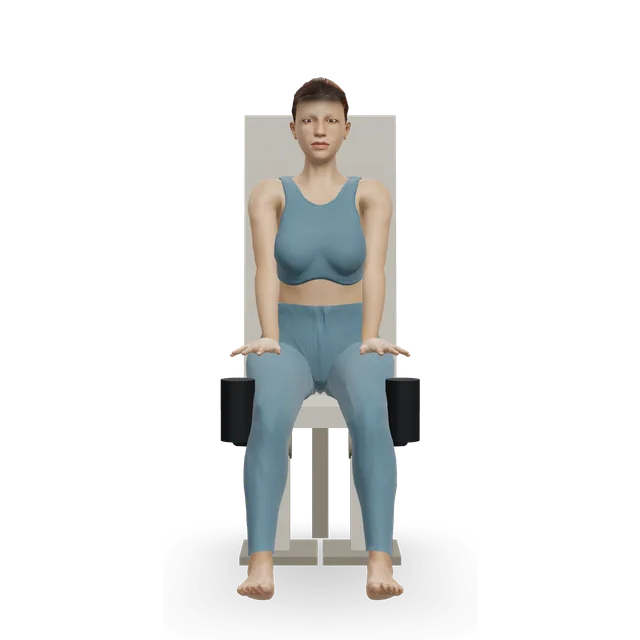
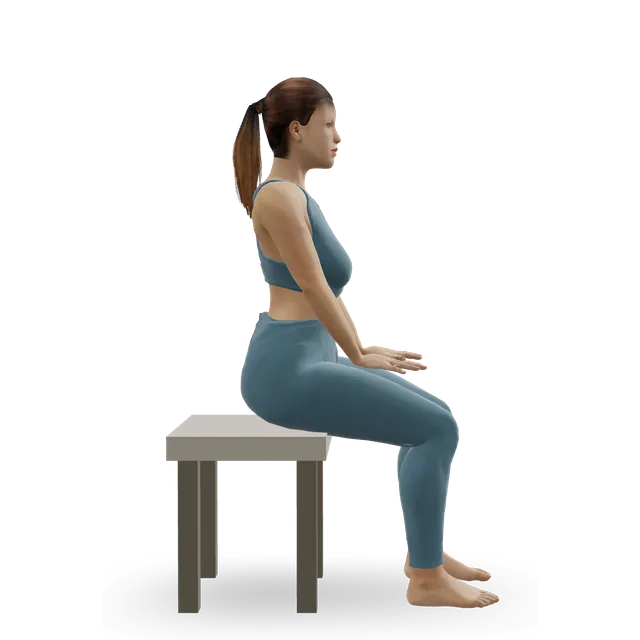
1 set of 8 to 12 for 2 weeks, then 2 sets (the trial). At home, use the first six moves; at a gym, the trial's machines (the last six).

Stretches for the evening

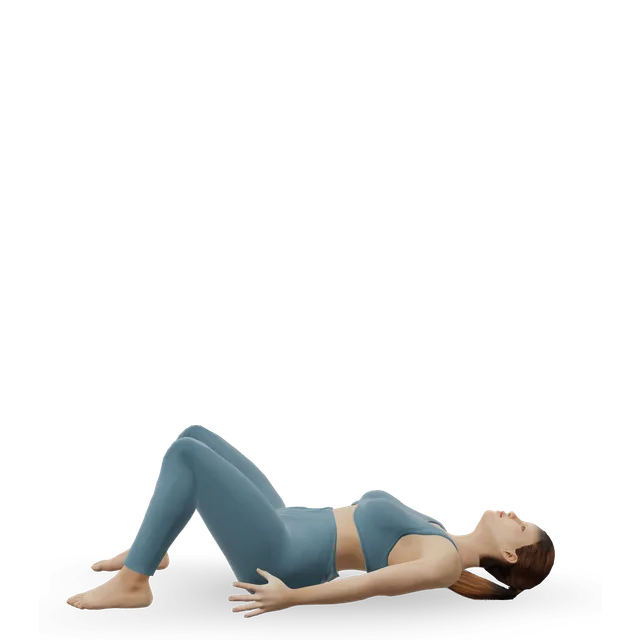
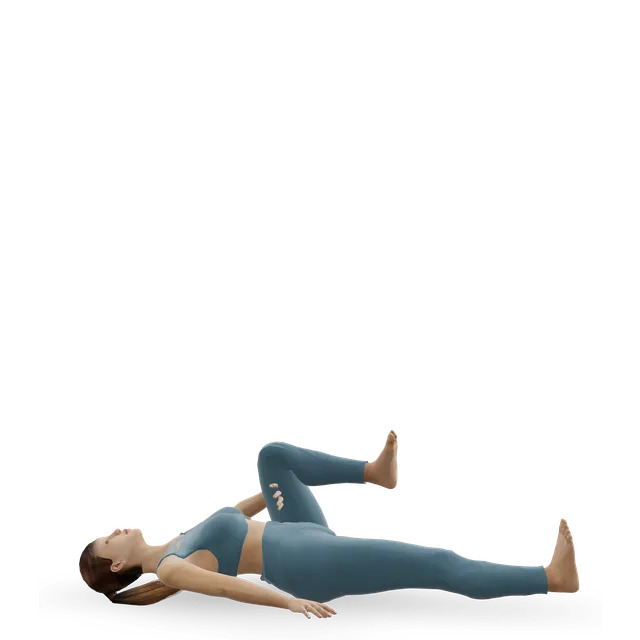
Gentle 30-second holds when symptoms start or before bed (our editorial suggestion; a dialysis trial used short, repeated stretches of the same muscles).

Winding down

A few minutes of slow breathing before bed; the NHS points people with RLS to breathing exercises for stress.

Workouts to follow

The restless legs routine 3 days a week, earlier in the day. Use the stretching and breathing routines in the evening.

Warning signs: when to get help

Call 999 (911 in the US) or go to A&E

  • Pain and swelling in one leg with breathlessness or chest pain: a blood clot may have travelled to your lungs.
  • Chest pain that feels tight or squeezing, or spreads to your arms, neck or jaw.

Sources 25, 29

Urgent GP appointment or NHS 111

  • Throbbing pain and swelling in one leg (rarely both), usually in the calf or thigh, perhaps with red, blue or darkened skin or swollen veins: it could be a deep vein thrombosis (DVT).
  • Severe burning pain in your legs and feet even when you rest, or toes turning cold and numb, then red or black: contact a GP immediately, or 111.

Sources 25, 24

See your GP

  • Restless legs are stopping you sleeping or affecting your mental health, or self-help hasn't worked.
  • Your RLS has been getting worse on a dopamine medicine: starting earlier in the day, coming on faster or spreading to your arms. Don't stop the medicine suddenly.
  • You're pregnant and RLS is troubling you: ask about iron before taking supplements or medicines.
  • Leg cramps disturb your sleep, last longer than 10 minutes, or come with numbness or swelling.
  • Your legs ache when you walk and the ache goes after a few minutes' rest.

Sources 1, 2, 28, 23, 24

If you're struggling

Poor sleep can wear you down. If you have thoughts of harming yourself, call 999 or Samaritans on 116 123 (free, any time) in the UK, or call or text 988 in the US.

Sources 30, 31

Myths

"Exercise makes restless legs worse"Emerging evidence

In the one trial, walking and leg strength work 3 days a week cut symptoms by 39% within 6 weeks, and the NHS advises exercising during the day. Save strenuous exercise for earlier in the day.

Sources 4, 1

"Exercise is the cure"Strong evidence

The evidence is small and the AASM makes no recommendation on exercise. Iron, when it's low, and medicines carry most of the evidence.

Sources 2, 3

"My blood test was normal, so iron isn't the problem"Emerging evidence

For RLS, US guidance treats a ferritin of 75 micrograms per litre or less as worth treating, which is higher than the usual cut-off for anaemia. Ask your GP what your result means for RLS.

Source 2

"Magnesium cures restless legs"Mixed evidence

The AASM's review judged the magnesium studies too limited to grade, and the NHS doesn't list it as a treatment.

Sources 14, 1

"Restless legs is just cramp"Strong evidence

A cramp is a sudden, painful tightening that passes within minutes; RLS is an urge to move that comes on at rest and eases while you move. They can be confused, so a doctor's history matters.

Sources 23, 1, 10

"Dopamine tablets are the best long-term treatment"Strong evidence

They help in the short term, but over months to years they can make RLS worse, so US guidance now advises against their standard use. Never stop or change a medicine yourself.

Source 2

"A hard workout late at night will tire my legs out"Mixed evidence

The NHS advises against strenuous exercise late at night. The evidence on timing is thin and points both ways, so if you try evening exercise, keep it gentle and notice how you sleep.

Sources 1, 7, 21

"Yoga works better than medicines"Emerging evidence

One small trial found gentle yoga eased RLS more than an educational programme. It didn't compare yoga with medicines, and the AASM rates the evidence as low certainty.

Sources 5, 14

Questions people ask

What exercises help restless legs?

Regular walking and lower-body strength exercises during the day: in a trial, a 30-minute walk plus leg strength work 3 days a week eased symptoms within 6 weeks. When symptoms start, the NHS suggests walking, stretching or massaging your legs.

Does exercise help restless legs syndrome?

It helped in small trials of exercise and yoga, but the evidence is limited, and US sleep-medicine guidance makes no recommendation on exercise. It's low-risk and worth trying alongside an iron check and any treatment your GP suggests.

When is the best time to exercise if I have restless legs?

During the day. The NHS advises against strenuous exercise late at night, while some people find a gentle walk early in the evening helps. The research on timing is thin and mixed, so notice what works for you.

Why do my legs feel restless after exercise?

Some people with RLS report that vigorous exercise makes their symptoms worse, though this is anecdotal; in the exercise trial, moderate walking and strength work helped. Keep the effort moderate, do harder sessions earlier in the day, and see your GP if it keeps happening.

What stretches help restless legs at night?

Calf, hamstring and thigh stretches, held gently for about 30 seconds, are easy to do in the evening or when symptoms start (our suggestion). In a small trial in people on dialysis, leg stretches 3 times a week eased symptoms over 8 weeks.

Can low iron cause restless legs?

Low iron is linked with RLS, and treating it can help. US guidance suggests iron if your ferritin is 75 micrograms per litre or less, a higher level than the usual cut-off for anaemia, so ask your GP for a blood test rather than taking supplements on your own.

What is the best treatment for restless legs?

First, dealing with triggers such as alcohol, caffeine and some medicines, then checking your iron. Gabapentin or pregabalin are the main medicines, and dopamine medicines can make RLS worse over time, so they're now used more sparingly. Your GP will advise; don't change a medicine yourself.

How can I tell restless legs from leg cramps?

A cramp is a sudden, painful tightening of a muscle, usually the calf, that lasts from a few seconds to 10 minutes. Restless legs is an urge to move, with uncomfortable feelings, that comes on when you rest and eases while you move.

Could my leg pain be from poor circulation instead?

If your calves ache when you walk and the ache goes after a few minutes' rest, it may be narrowed leg arteries (claudication), which needs a GP check. Our peripheral arterial disease guide covers the walking programme for it.

Is restless legs syndrome common in pregnancy?

Yes: about 1 in 5 pregnant women have it, mostly in the third trimester, and it usually goes after the birth. Stretching, massage and a warm bath may help; talk to your midwife before taking supplements or medicines.

Does yoga help restless legs?

In one small trial, 12 weeks of gentle yoga eased symptoms more than an educational programme, with no side effects. That's encouraging but not proven, and US guidance doesn't recommend it yet. Our yoga guide for anxiety and sleep has gentle evening options.

Does magnesium help restless legs?

There isn't good evidence: the US sleep-medicine review judged the magnesium studies too limited to grade, and the NHS doesn't list it as a treatment. Ask your GP before taking supplements.


Sources

  1. NHS · Restless legs syndrome
  2. Winkelman 2025 · Treatment of restless legs syndrome (American Academy of Sleep Medicine clinical practice guideline, Journal of Clinical Sleep Medicine)
  3. Trotti 2019 · Iron for the treatment of restless legs syndrome (Cochrane review)
  4. Aukerman 2006 · Exercise and restless legs syndrome in 41 people (RCT, Journal of the American Board of Family Medicine)
  5. Innes 2020 · Yoga versus an educational film programme in 41 people with restless legs (RCT, Journal of Clinical Sleep Medicine)
  6. RLS-UK · Non-medical treatments used to treat RLS
  7. Ohayon 2002 · Restless legs and leg movements in sleep in 18,980 Europeans (population survey, Journal of Psychosomatic Research)
  8. RLS-UK · What is RLS?
  9. Allen 2014 · Updated diagnostic criteria for restless legs syndrome (International Restless Legs Syndrome Study Group consensus, Sleep Medicine)
  10. Hening 2009 · Conditions that can mimic restless legs syndrome (diagnostic study, Sleep Medicine)
  11. Allen 2005 · How common restless legs is: the REST survey of 15,391 adults (population survey, Archives of Internal Medicine)
  12. NHS · Iron
  13. RLS-UK · Medications to avoid
  14. Winkelman 2025 · Treatment of restless legs syndrome: the evidence behind the AASM guideline (systematic review and GRADE assessment, Journal of Clinical Sleep Medicine)
  15. Harrison 2019 · Non-drug treatments for restless legs syndrome: 11 trials (systematic review, Disability and Rehabilitation)
  16. Harrison 2018 · Tension and trauma release exercises for restless legs in 18 people (RCT, Journal of the American Board of Family Medicine)
  17. Gopaluni 2016 · Treatments for restless legs in chronic kidney disease (Cochrane review)
  18. Song 2018 · Exercise training for restless legs in people on haemodialysis (systematic review and meta-analysis, Journal of Pain and Symptom Management)
  19. Aliasgharpour 2016 · Leg stretches during dialysis for restless legs in 33 people (RCT, Asian Journal of Sports Medicine)
  20. Phillips 2000 · Restless legs symptoms in 1,803 adults in Kentucky (population survey, Archives of Internal Medicine)
  21. Esteves 2009 · A single hard exercise session, regular exercise and leg movements in sleep (trial, Medicine and Science in Sports and Exercise)
  22. NHS · Physical activity guidelines for adults aged 19 to 64
  23. NHS · Leg cramps
  24. NHS · Peripheral arterial disease (PAD)
  25. NHS · DVT (deep vein thrombosis)
  26. Chen 2018 · Restless legs in pregnancy: 27 studies (systematic review and meta-analysis, Sleep Medicine Reviews)
  27. Altalbawy 2026 · Restless legs in pregnancy: 35 studies (systematic review and meta-analysis, Sleep Medicine)
  28. RLS-UK · RLS in pregnancy
  29. NHS · Heart attack
  30. Samaritans · Contact Samaritans
  31. 988 Suicide and Crisis Lifeline

Exercise education, not a diagnosis or treatment plan, and clinical review of these guides is pending. Stop and get advice for chest pain, unusual breathlessness, dizziness or fainting, or new pain, and check with your doctor or midwife first if they have told you to limit activity. Health disclaimer.