Neck pain after a massage: the face cradle, deep pressure, headaches and the signs to act on

Neck pain after a massage is common, and it usually settles within a day or two: firm pressure on tense neck and shoulder muscles, a long spell face down in the face cradle, or the neck pain you went in with having a bad day. A headache or feeling light-headed as you sit up can come with it. Very rarely, a neck artery tears, and case reports describe this after neck massage, home massagers and massage guns, so this guide gives the warning signs and how to keep pressure off the risky parts of the neck.

It starts with the signs that need help, from a 999 call for a sudden, extremely painful headache or neck pain with dizziness, double vision, slurred speech, trouble swallowing or weakness, to the National Health Service's 111 line (NHS 111) or a general practitioner (GP) the same day for pins and needles down an arm. It then covers what to do now, what to ask the therapist next time, the face cradle, headaches and massage guns, how much pain is fine, and a three-stage plan with a 3D demo of every move.

When to get help first

Exercise is for pain that has been checked or is clearly mild and settling.

Get urgent medical help if

  • Call 999 or go to A&E: a headache that came on suddenly and is extremely painful; numbness or weakness in the face or body; a drooping face, or being unable to lift both arms and keep them up; difficulty speaking, swallowing, balancing, walking or remembering; double vision or loss of vision; drowsiness or confusion. A torn neck artery often starts with headache and neck pain, sometimes with dizziness or tingling, so head or neck pain unlike any you have had before needs checking.
  • Call 999: you suddenly can't fully lift both arms and keep them there, because of weakness or numbness in one arm, especially if one side of your face droops or you slur your words or sound confused. It could be a stroke. Call even if the signs have stopped.
  • If you think you had signs of a stroke that passed (a mini stroke) and didn't get advice at the time, make an urgent appointment with a GP.
  • Call 999 or go to A&E after a neck injury if the person is unresponsive, has severe neck pain or cannot move their head, has fallen from a height such as 5 or more stairs, or is drunk or has taken recreational drugs. Do not drive yourself. Being 65 or over, a dangerous fall or crash (from more than 1 metre or 5 stairs, diving, a high-speed or rollover crash, being thrown from a vehicle, a bicycle collision or an accident on a motorised recreational vehicle), or tingling in the arms or legs after an injury puts you at high risk of a broken neck: get checked.
  • Call 999 or go to A&E: new problems walking, loss of bladder or bowel control, or a sudden loss of coordination, such as difficulty doing up buttons. These can be signs of pressure on the spinal cord.
  • Call 999 or go to A&E: a stiff neck and you can't look at bright lights; a very painful headache; a very high or very low temperature, feeling hot or cold to the touch, or shivering; confusion, slurred speech or not making sense; a rash that does not fade when you press a glass on it; or a first seizure (fit). These can be signs of meningitis. Call too for any other symptoms you're worried might be meningitis.
  • Call 999: chest pain that spreads to your arm, neck or jaw, especially with breathlessness, sweating or feeling sick. It could be a heart attack.
  • Get help from NHS 111: pain or tightness in your chest, neck, shoulders, jaw or arms that comes and goes, often brought on by exercise, stress, emotion or cold and easing after a few minutes' rest. It can be angina, a sign of a heart problem. If you've been diagnosed with angina, get help from NHS 111 too if it feels worse than before, is happening more often, lasts longer or happens when you're resting.
  • Same day (urgent GP appointment or NHS 111): severe neck pain that starts suddenly or gets worse quickly; heaviness or weakness in the arms or legs; pins and needles in an arm along with neck or arm pain; or pain between the shoulder blades.
  • Same day: clumsiness in your hands, or numbness, pins and needles or weakness in one or both arms, that is getting worse; problems with balance or walking since the neck pain started; or neck pain with a severe headache.
  • Arm weakness or numbness that keeps getting worse, severe pain that painkillers and rest do not touch, or an unexplained fever.
  • Same day (urgent GP appointment or NHS 111): a headache with vision or eye problems, a headache triggered or made worse by coughing, sneezing, bending down or exercising, or a headache with vomiting.
  • Contact a GP immediately, go to 111.nhs.uk or call NHS 111: a new or frequent headache that usually comes on suddenly (your scalp may also feel sore or tender), pain in the jaw muscles or tongue when eating or talking, or problems with your sight, such as double vision or loss of vision in 1 or both eyes. With pain and stiffness around the shoulders, these can be signs of temporal arteritis (giant cell arteritis), which up to 1 in 5 people with polymyalgia rheumatica develop. If you suddenly can't see from 1 or both eyes, call 999 or go to A&E.
  • Same day (urgent GP appointment or NHS 111): sudden, severe pain in one joint, with swelling, a change in skin colour or difficulty moving it, especially if you feel unwell, hot, cold or shivery or have a high temperature (although not everyone has one). It could be an infection in the joint, gout or calcium crystals (pseudogout), and only a sample of fluid from the joint can tell them apart.
  • Same day (NHS 111) after a neck injury, if any of these are new or getting much worse: severe neck pain; numbness or weakness in the arms or legs; clumsy hands (dropping things, or struggling with handwriting, buttons or zips); changes in bladder or bowel control; changed feeling around the bottom or genitals, or sexual problems such as recently being unable to have an orgasm or an erection; or feeling generally unwell. The same applies if you have a history of spinal problems, such as osteoporosis or rheumatoid arthritis.

See a doctor or physiotherapist if

  • Light-headedness when you sit up after a massage that passes within a minute or two of sitting still is common. Dizziness that lasts, keeps coming back, or comes with a headache, vision or speech problems, trouble swallowing or weakness isn't: that is a 999 call, as the stroke and torn neck artery line above says (our suggestion, built on the low blood pressure reported in neck massage trials).
  • Neck pain or stiffness that has not eased after a few weeks, or after 8 weeks of looking after it yourself; painkillers are not helping; or you are worried. In many areas you can refer yourself to NHS physiotherapy.
  • Neck pain with feeling generally unwell, or that started while you were ill with another condition such as rheumatoid arthritis or cancer; or neck pain with blurred vision, ringing in the ears or dizziness.
  • Severe pain that is constant or disturbs your sleep, a fever or unexplained weight loss, or a history of cancer, inflammatory arthritis, tuberculosis (TB), a weakened immune system, neck surgery or a violent injury. Serious causes are very rare, but these need checking.
  • Pins and needles or a cold arm alongside neck pain, or a new loss of strength or feeling in the arm that you cannot explain (a possible nerve problem).
  • No improvement after 6 weeks of exercise, or arm symptoms still there beyond 6 to 12 weeks.
  • Numbness, tingling or weakness that started with a massage and is still there after the session: see a GP. Very rarely, firm pressure has injured a nerve (our suggestion, from a single case report of a nerve injury in the forearm after massage, as our sports massage page sets out).
  • Pain after a massage that is still worse 2 days later rather than easing, or a bruise from it that keeps spreading: see a GP. Soreness after a massage usually eases within a day or two (our suggestion, as our sports massage page advises, built on studies of how long soreness after a massage lasts).
  • You get headaches several times a week or they're severe, painkillers and relaxation don't help, you have a throbbing pain at the front or on one side of your head, or you feel sick, vomit and find light or noise painful: see a GP. These can be signs of migraine or cluster headache.
  • You take painkillers for headaches often: overusing them is one of the causes of headache the NHS lists.
  • A lump in your neck, a hoarse voice that isn't getting better, difficulty swallowing that isn't getting better, or pain in the front of your neck or a feeling of something pressing on it: see a GP.
  • See a GP if you have pain and stiffness for more than a week, especially if you're over 50, it's in both shoulders (often the neck and hips too) and the stiffness lasts longer than 45 minutes in the morning. It can be polymyalgia rheumatica.
  • Before your next neck massage: if you've had a torn neck artery, a stroke or mini stroke, a recent neck injury, known narrowing of your neck arteries or very weak bones, or you take blood thinners, ask your GP whether neck massage is right for you, and ask the therapist to avoid firm pressure on the neck. Keep massage guns and home massage devices off the neck (our suggestion, built on the NHS's advice on complementary therapies, a review of what raises the risk of a torn neck artery and single case reports).

Where does it hurt?

Location narrows the likely causes; it does not diagnose.

A dull, tender ache in the tops of the shoulders and the back or sides of the neck, starting within hours and easing over a day or two

Soreness from firm pressure: the commonest after-effect. Gentle movement, heat and time help, and this guide covers it.

Stiff and sore turning your head after lying face down or with your head turned

A stiff neck from the position (our reading; no study has measured the face cradle). Gentle turns and heat help.

Read: Stiff neck and wry neck →

A pressing or tight headache on both sides, with tender neck and shoulder muscles

Usually a tension-type headache, which settles with rest and simple painkillers.

Read: Tension headaches →

A one-sided headache starting at the back of the head, set off by neck movement

Possibly a headache coming from the neck.

Read: Headaches from the neck →

Light-headed for a moment as you sit up from the table

Probably a brief drop in blood pressure after lying still and relaxed (our reading). Sit for a minute, then stand slowly; dizziness that lasts isn't this.

A sudden, extremely painful headache, or neck pain unlike any before with dizziness, double vision, slurred speech, trouble swallowing or weakness

A possible torn neck artery or stroke: call 999, as the warning signs say. It is very rare.

Pain, tingling or numbness down one arm

A possible pinched nerve in the neck. Weakness or numbness that keeps getting worse needs a same-day check.

Read: Pinched nerve in the neck →

A sore throat or a tender front of the neck after pressure there

Probably tender muscles at the front and side of the neck (our reading; no study covers it). Trouble swallowing or speaking is a 999 call.

Pain spreading between the neck and the top of the shoulder

Usually the neck and shoulder muscles.

Read: Neck and shoulder pain →

Jaw, ear or temple pain after a face or head massage

Usually the jaw muscles and joint.

Read: Jaw pain (TMJ) →

Neck pain after a crash or a fall

Whiplash: check the injury warning signs first.

Read: Whiplash →

Understand it

Common, mostly mild, and usually gone within a day or twoEmerging evidence

The tops of the shoulders and the back and sides of the neck carry a lot of tension, and therapists often work them firmly. In a trial of 228 adults with chronic neck pain, 5.2% reported side effects at least possibly related to massage over 4 weeks of sessions, "All these events were related to pain, primarily spine pain", and most were mild; 30- and 60-minute sessions gave similar rates.

In a survey of 100 massage clients, most after-effects started within 12 hours and lasted 36 hours or less. A Cochrane review of 33 trials lists treatment soreness, sweating and low blood pressure as the side effects reported, and says harms were poorly reported, so these figures are rough.

Sources 1, 2, 3

The face cradle, lying with the head turned, and the neck pain you went in with

An hour face down with the neck bent forward into a face cradle that is too low or too high, or with the head turned to one side on a flat table, can leave the neck stiff, much as sleeping on your front can; the NHS advises against sleeping on your front or twisting your neck in bed. No study has measured neck pain or headache from the face cradle or the massage table, so this is our reading, not evidence.

Many people book a neck massage for a neck that is already stiff or sore, and neck pain has its own ups and downs; some soreness afterwards reflects that (our reading).

Source 4

Headaches and light-headednessEmerging evidence

Headaches are among the events reported after massage in case reports, and many people describe one after a firm neck and shoulder massage. Most fit a tension-type headache (pressing on both sides) or a headache coming from the neck (one-sided, set off by neck movement), as our tension headache and neck headache guides describe. No trial gives a rate. It isn't toxins being released: no study has measured any toxin released by massage, and in a lab study massage slowed, not sped, the removal of lactate from muscle.

Feeling light-headed as you sit up is common and usually passes within a minute or two. The evidence is thin: low blood pressure is listed among the side effects in neck massage trials, and the main figure, 22% of participants in one trial, comes from an older Cochrane review that a 2024 review has replaced. Lying still for an hour, relaxed and warm, then sitting up quickly may explain it (our reading).

Sources 5, 6, 7, 3

Rarely, a torn neck artery: what the case reports showEmerging evidence

A review of case reports found that "Serious adverse effects were most commonly associated with massage techniques applied to the neck area", with torn neck arteries (dissections) among them, and an earlier review found that most reports of harm followed unusual techniques or massage by lay people rather than massage therapists.

Single case reports describe torn neck arteries in a man of 39 after a massage, with no neck manipulation; a man of 30 after a salon neck massage for a crick; a man of 39 a week after massaging his own neck with his fingers; a woman of 43 three weeks after first using a home massage device; a woman of 27 who had been using a massage gun on her neck, where the authors say "causality is difficult to establish"; and a man of 65 after an old electric massager on his neck. A man of 79 with a fatty plaque in a neck artery had a stroke after using a handheld neck massager. Case reports show that these things happened after a massage or a device, not that it caused them, and not how often.

Sources 5, 8, 9, 10, 11, 12, 13, 14, 15

How rare, and who is at riskEmerging evidence

There are no figures for torn neck arteries after a massage, so how rare it is comes from other groups. In anyone it is rare: about 2.6 people per 100,000 a year in a Minnesota population, as our side of the neck guide notes. People with new neck pain or headache have a small, short-lived raised risk whatever they do: in 431,492 matched pairs of adults with new neck pain or headache, many of them chiropractic patients, about 7 to 13 per 100,000 had a tear in the next 30 days, which the authors read as "a transiently elevated baseline risk of CeAD irrespective of treatment" (CeAD is a torn neck artery).

A review of what raises the risk found that "Genetic factors, cardiovascular risk factors, recent infection and minor trauma are risk factors", with migraine among them. Physiotherapists' international framework says these problems "are rare but are an important consideration as part of patient examination" (a corrigendum to it exists, which we couldn't read), and the American Heart Association's statement says a tear can first show as one-sided headache or neck pain (a correction to it exists, which we couldn't read). That is why new neck pain unlike any you've had before, with the warning signs, needs 999, massage or not.

Sources 16, 17, 18, 19

Other rare problems, and the causes the warning signs cover

Single case reports describe a bleed in the spinal canal causing sudden leg weakness after a neck massage, from which the man recovered without surgery, and a clot in a neck vein after a deep tissue massage focused on the neck, which the authors say "is not a well-established cause". A nerve injury in the forearm after massage is behind the warning line on numbness that lasts after a session.

The NHS lists a drooping face, a weak arm and slurred speech as signs of a stroke, and a sudden, extremely painful headache needs 999. A new headache with a sore scalp, jaw pain when eating or problems with sight can be temporal arteritis, which the NHS says up to 1 in 5 people with polymyalgia rheumatica develop. NHS inform asks for an urgent GP appointment for clumsy hands, or numbness, pins and needles or weakness in the arms that is getting worse.

Sources 20, 21, 22, 23, 24, 25, 26, 27

When a scan helps, and how it usually goesStrong evidence

For soreness, stiffness or a mild headache after a massage, no scan is needed, and guidelines don't advise one for neck pain without warning signs, as our neck pain guide says. The warning signs need emergency assessment in hospital, where scans of the brain and the neck arteries decide what it is.

Most massage soreness starts within 12 hours and is gone within 36. The NHS says "Most neck pain only lasts a few weeks", and NHS inform says most new neck problems should have improved within 8 weeks. No one can promise a date.

Sources 4, 26, 2

What helps, and how strong the evidence is

Keep it moving, with heat or cold and simple painkillersStrong evidence

The NHS suggests paracetamol or ibuprofen, or ibuprofen gel on the neck, a hot water bottle wrapped in a tea towel for 20 minutes, 2 to 3 times a day, or a pack of frozen peas for 5 minutes, 3 times a day, and neck flexibility exercises. It says don't wear a collar, as "it's better to keep your neck moving", and don't drive or cycle while you can't move your neck. NHS inform advises keeping the neck moving little and often.

Sources 4, 26

Massage for neck pain: little better than a placebo, but longer courses helped someMixed evidence

A 2024 Cochrane review of 33 trials found massage probably makes little or no difference to neck pain against a placebo, on low-certainty evidence, though many trials gave single sessions. In a trial of 228 adults, 60-minute sessions 2 or 3 times a week for 4 weeks helped more than a waiting list, while 30-minute sessions didn't. If massage helps you, a lighter one is a reasonable extra; strengthening the neck and shoulders has the better evidence for neck pain that lasts, as our neck pain guide sets out.

Sources 3, 1

Keep massage guns and home devices off the neckEmerging evidence

A review of 11 massage gun studies lists the "face, eyes, ears, head, neck" among the sensitive areas to avoid, our massage guns page keeps them off the neck as a precaution, and case reports describe torn neck arteries after use there. Massage guns haven't been shown to ease muscle soreness either, so there is little to gain. Use one on the tops of the shoulders and upper back, briefly and lightly, if at all.

Sources 28, 13, 29

Deeper isn't betterEmerging evidence

No trial has compared deep with gentle massage for neck pain. In the largest back pain trial, deep, structural massage helped no more than relaxation massage and caused slightly more side effects, and in the neck massage dosing trial the side effects were pain flares. Pressure you can relax into, and nothing firm on the front or sides of the neck, is the sensible choice (our reading of these trials).

Sources 30, 1

Who should ask firstStrong evidence

The NHS says hands-on treatments such as chiropractic and osteopathy "may not be safe" if "you're taking blood thinning medicines or are at increased risk of bleeding or stroke" or have very weak bones; we apply the same caution to firm neck massage. A past torn neck artery, a recent neck injury or known narrowing of the neck arteries are reasons to ask your GP first (our suggestion, from the review of risk factors and the case report of a stroke after a neck massager in a man with carotid plaque).

Sources 31, 17, 15

How much pain is OK while you exercise?

The 5 out of 10 rule, and judge a massage 2 days laterEmerging evidence

NHS inform's neck exercise advice: rate your pain from 0 to 10. During exercise, 0 to 3 is minimal and 4 to 5 is acceptable; 6 or more is too much. If it goes higher, do fewer repetitions, move more slowly or rest longer between movements.

Exercise should not make your neck worse overall. Soreness from a new exercise should ease quickly, and your neck should be no worse the next morning. Stop any exercise that makes your symptoms worse or causes new pain.

Arm symptoms are the exception. If an exercise sends pain, tingling or numbness further down your arm, or the extra symptoms last more than an hour afterwards, make the movement smaller or leave it out. (A hospital leaflet on nerve glides allows a short-lived rise in symptoms but not one lasting over an hour; the rest of this rule is this site's suggestion.)

Stop and get checked for dizziness, double vision, slurred speech, trouble swallowing or any of the warning signs above.

For the days after a massage (our suggestion, built on the rules above, how long soreness after a massage usually lasts, and NHS inform's advice to keep the neck moving): soreness or stiffness up to about 5 out of 10 that started within hours and is easing by the second or third day is the usual pattern, so keep turning, tilting and nodding within it. A headache, dizziness, arm symptoms or pain that is still climbing after 2 days aren't pain-rule questions: see the warning signs. For the next massage, ask the therapist to keep pressure on the neck at about 5 out of 10 or less, and judge it by how your neck feels 2 days later.

Sources 26, 2, 32

The exercise plan: 3 stages

Start at the first stage. Each move opens a full guide with a 3D demo.

Stage 1

Settle: keep it moving

The first few days, and up to 2 weeks if the neck pain itself flared. Gentle turns, tilts and nods little and often, as NHS inform advises, heat for stiffness, and walking. No massage, massage gun or roller on the neck for now. With arm symptoms, our pinched nerve guide's first stage comes first; with any warning sign, get checked first.

Neck CARs (controlled articular rotations) demonstrated on the 3D figure3D demoNeck CARs (controlled articular rotations)Beginner · No equipment

Separate nods, tilts and turns, each held for 5 seconds, 5 times · Adapted from the move page's dose (its sore-neck version, from an NHS leaflet), as our neck pain from Pilates guide uses it. Full circles wait until stage 3; stop for dizziness or tingling into an arm, as the move page says

Lying chin tuck demonstrated on the 3D figure3D demoLying chin tuckBeginner · No equipment

5 to 10 gentle holds of up to 10 s, once or twice a day · As in our neck pain guide (the low-load nod from deep neck flexor trials), lying with your head supported

Harder: Chin tuck

Thoracic rotation demonstrated on the 3D figure3D demoThoracic rotationBeginner · No equipment

6 rotations per side, moving with the breath · The move page's dose. Turning through the upper back takes some of the turn off the neck, as our turning guide says

Easier: Side-lying open book · Harder: World's greatest stretch

Shoulder rolls demonstrated on the 3D figure3D demoShoulder rollsBeginner · No equipment

10 to 15 slow circles each way, once or twice through · From the move page's dose (an editorial starting point)

Harder: Shoulder CARs (controlled articular rotations)

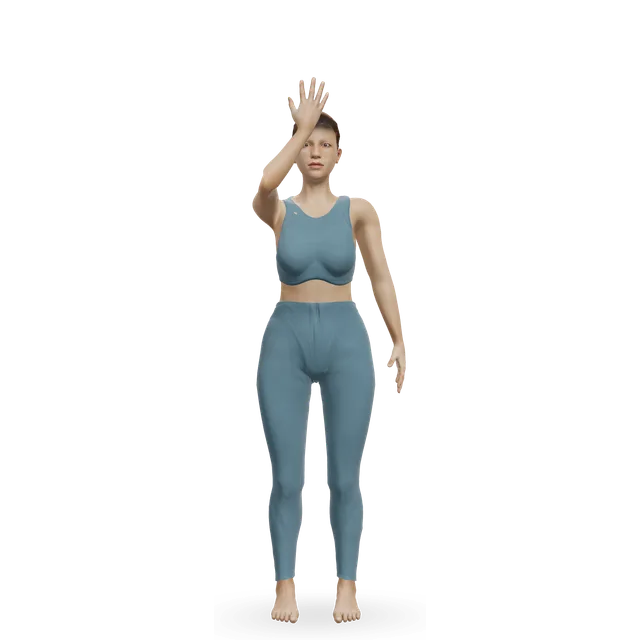
Upper trap release demonstrated on the 3D figure3D demoUpper trap releaseBeginner · No equipment

2 slow holds of 30 seconds per side · The move page's dose. Only if it eases, with the head's weight only and no pulling, as our neck pain after flying guide says

Easier: Side neck stretch

Treadmill walking demonstrated on the 3D figure3D demoTreadmill walkingBeginner · Cardio machine

10 to 20 min a day at a comfortable pace · As in our neck pain guide (editorial). Walking outdoors counts

Harder: Treadmill jogging

Move on when: Turning is full or nearly full through the day, any headache has gone, and you've woken no worse for a few days (editorial, as our sleeping and turning guides use it).

Follow along: a timer, a cue and the next move, one step at a time.
Stage 2

Build: endurance for the neck and shoulder blades

About weeks 1 to 6: neck work daily, and shoulder and upper back work 2 or 3 days a week, as our neck pain and turning guides do.

Isometric neck holds (four-way) demonstrated on the 3D figure3D demoIsometric neck holds (four-way)Beginner · No equipment

3 to 5 holds of 5 to 10 s each direction, light effort, building to 5 holds of 10 s at about half effort · As in our neck pain guide. Never push into pain, dizziness or visual symptoms, as the move page says

Easier: Chin tuck · Harder: Chin tuck with head lift

Chin tuck with head lift demonstrated on the 3D figure3D demoChin tuck with head liftIntermediate · No equipment

3 to 5 holds of 5 s, building to 10 holds of 10 s · As in our neck pain guide (head lifts were the endurance exercise in a 12-month neck pain trial)

Easier: Chin tuck

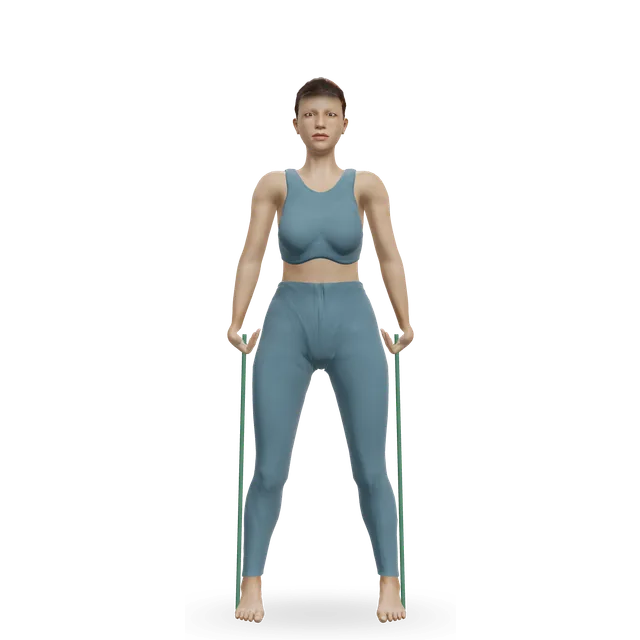
Band lateral raise demonstrated on the 3D figure3D demoBand lateral raiseBeginner · A band

2 minutes a day, 5 days a week, progressing the band · The dose from a trial in 198 office workers with neck and shoulder pain, as our neck pain guides use it

Harder: Dumbbell lateral raise

Band row demonstrated on the 3D figure3D demoBand rowBeginner · A band + An anchor point

3 sets of 10 to 15, stopping 2 to 3 reps short of failure · From the move page's dose (an editorial starting point). Check the band and the anchor before every set, as the move page says

Harder: Supported single-arm dumbbell row

Wall angel demonstrated on the 3D figure3D demoWall angelBeginner · A wall

8 slow slides · As in our neck pain guide (editorial). A standing option while lying face down is uncomfortable

Easier: Table slide (seated forward reach) · Harder: Prone Y-T-W raises

Move on when: The holds and head lifts are comfortable, and your neck is no worse the next morning (editorial).

Follow along: a timer, a cue and the next move, one step at a time.
Stage 3

Strengthen, and massage comes back

From about week 6, 2 or 3 days a week, then twice a week for the long term: the shoulder and upper back strength with the best evidence for neck pain that lasts, full neck circles, and massage, if you want it, back by the written steps below. No study has tested how massage comes back after a sore neck, so the order is our suggestion.

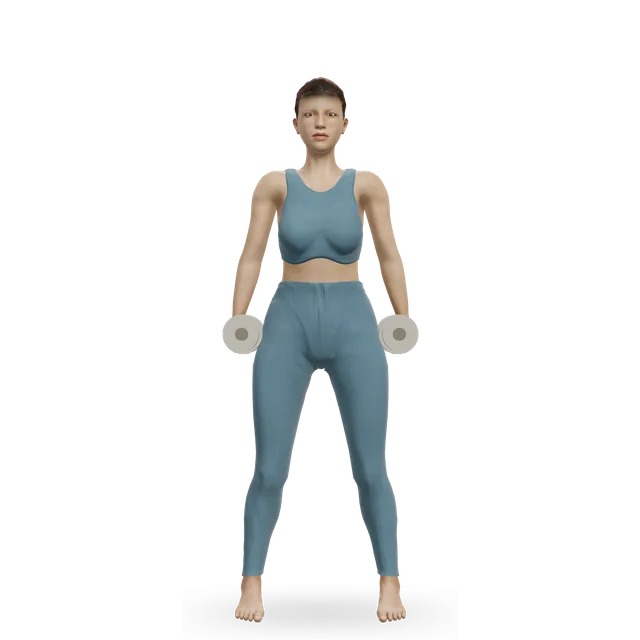
Dumbbell shrug demonstrated on the 3D figure3D demoDumbbell shrugBeginner · A dumbbell

2 to 3 sets of 8 to 12, stopping with 2 or 3 reps in reserve · From the move page's dose (an editorial starting point). Straight up and down, not rolled, as the move page says

Harder: Snatch shrug

Supported single-arm dumbbell row demonstrated on the 3D figure3D demoSupported single-arm dumbbell rowIntermediate · A dumbbell + A bench or box

3 sets of 8 to 12 each side · As in our neck pain and turning guides

Easier: Incline ring row · Harder: Bent-over barbell row

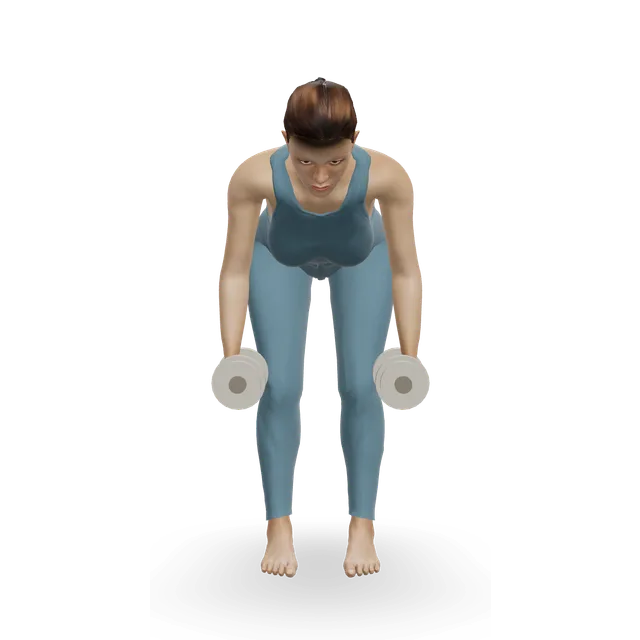
Bent-over reverse fly demonstrated on the 3D figure3D demoBent-over reverse flyIntermediate · A dumbbell

3 sets of 10 to 12 · As in our neck pain and turning guides

Easier: Prone Y-T-W raises · Harder: Barbell rear-delt row

Isometric neck holds (four-way) demonstrated on the 3D figure3D demoIsometric neck holds (four-way)Beginner · No equipment

3 holds of 10 s each direction at moderate effort · As in our neck pain guide's later stage

Easier: Chin tuck · Harder: Chin tuck with head lift

Neck CARs (controlled articular rotations) demonstrated on the 3D figure3D demoNeck CARs (controlled articular rotations)Beginner · No equipment

3 slow circles each way, once or twice a day · From the move page's dose (an editorial starting point). Full circles once separate turns are comfortable, as the move page says

Prone Y-T-W raises demonstrated on the 3D figure3D demoProne Y-T-W raisesBeginner · No equipment

5 to 8 of each shape, 2 rounds · As in our neck pain guide. Forehead on a folded towel, neck long and face down, as the move page says

Easier: Wall angel · Harder: Bent-over reverse fly

Move on when: Our suggestion: a massage with lighter pressure on the neck leaves it no worse 2 days later. Keep the strength work going twice a week, because neck pain often comes back. If it flares, go back to the stage 1 moves for a few days, then build again.

Follow along: a timer, a cue and the next move, one step at a time.

What to change for now

What to do now (written steps)

Our 3D figure can't show these. They come from the NHS and NHS inform; where a step is our suggestion, it says so.

  • 1. Keep it moving: gentle turns, tilts and nods little and often, and the stage 1 moves.
  • 2. Heat or cold and painkillers: a hot water bottle wrapped in a tea towel for 20 minutes, 2 to 3 times a day, or frozen peas for 5 minutes, 3 times a day, and paracetamol or ibuprofen, as the NHS suggests.
  • 3. Hands, guns and rollers off the neck until it settles (our suggestion; our neck pain guide advises skipping neck self-massage with a roller).
  • 4. Don't drive or cycle until you can look over each shoulder, as the NHS says.
  • 5. Check the warning signs: a sudden severe headache, dizziness that lasts, double vision, slurred speech, trouble swallowing or weakness are 999 calls.

Sources 4, 26

On the massage table next time (written steps)

These are our suggestion unless a source is named. None has been tested as a way to prevent soreness or headaches.

  • 1. Tell the therapist about blood thinners, migraine, a past stroke or torn neck artery, a recent neck injury or very weak bones. The NHS says "You should tell your therapist if you have any medical conditions, are taking any medicines or receiving other treatments".
  • 2. Agree a pressure scale: about 5 out of 10 or less on the neck, and a word that means ease off.
  • 3. Ask for no firm pressure on the front or sides of the neck, and no quick twisting or cracking of the neck. Firm work on the shoulders and upper back is fine if you like it.
  • 4. Have the face cradle set so your neck is straight, not bent down or tipped back, with a folded towel to adjust the height, or have the neck and shoulders worked lying on your side or sitting.
  • 5. Ask to turn over or change position if your neck aches face down.
  • 6. Get up slowly: roll onto your side, push up with your arms, sit for a minute, then stand. Low blood pressure has been reported after neck massage.
  • 7. Keep massage guns and home massagers off the neck; use them on the tops of the shoulders and upper back, briefly and lightly.

Sources 31, 7, 28

Choosing a registered therapist, in the registers' own words

Massage therapists don't have to be registered by law. The NHS says that before choosing a private therapist, "make sure they're registered with a professional organisation that's been accredited by the Professional Standards Authority (PSA)". The Complementary and Natural Healthcare Council (CNHC), whose register is accredited by the PSA, says that with its registrants "you can be confident that they are properly qualified and insured". For a private physiotherapist, the NHS says make sure they're registered with the Health and Care Professions Council (HCPC).

Sources 31, 33, 34

When not to have a neck massage, or to ask first

Our suggestion, built on the NHS's advice on hands-on treatments, the review of what raises the risk of a torn neck artery and a case report:

  • Any warning sign: get checked first.
  • A recent neck injury or whiplash: leave neck massage out for now; the neck roller move page says the same for self-massage.
  • Blood thinners, a raised risk of stroke, very weak bones or a nerve condition: ask your GP first.
  • A past torn neck artery, a stroke or mini stroke, or known narrowing of the neck arteries: ask your GP before any neck massage.

Sources 31, 17, 15

Neck massage comes back (written steps)

No study has tested how neck massage should come back after a sore one. These steps are our suggestion.

  • 1. Stage 1: no massage on the neck. The shoulders and upper back only, lightly, if you want a massage at all.
  • 2. Stage 2: a shorter session with relaxation pressure on the neck, lying on your side or sitting.
  • 3. Stage 3: your usual session at an agreed pressure, with the face cradle set straight. If your neck is worse 2 days later, go back a step next time.
  • 4. Massage guns and home devices stay off the neck for good, as our massage guns page advises.

Positions to swap, and why

Habit or positionWhy it mattersInstead
A massage gun or home massager on the neckRare case reports describe torn neck arteries after use on the neck, and our massage guns page keeps them off the neck.The tops of the shoulders and upper back, briefly; the upper trap release eases the same area.Try: Upper trap release
Rolling or pressing the front or sides of your own neckCase reports describe torn neck arteries after neck self-massage, and our neck pain guide advises skipping neck self-massage with a roller.Gentle neck movement instead.Try: Neck CARs (controlled articular rotations)
A face cradle that bends your neck down or tips it back, for a whole hourLong, awkward neck positions can leave it stiff (our reading; untested).Set it straight, change position, or lie on your side.
Jumping up from the tableLow blood pressure has been reported after neck massage.Roll onto your side, sit a minute, then stand.
Asking for very deep pressure on a sore neckDeeper wasn't better in the largest back pain trial, and pain flares were the main side effect of neck massage.Pressure you can relax into, about 5 out of 10 or less.
Keeping your neck still or wearing a soft collarThe NHS says it's better to keep your neck moving.Separate turns, tilts and nods.Try: Neck CARs (controlled articular rotations)
Cracking your own neck to free itOur neck pain guide says forcing a crack isn't a treatment, and new, unusual neck pain needs checking.Gentle movement within comfort, turning through the upper back.Try: Thoracic rotation
Driving while you can't turn your headThe NHS says don't drive or cycle while you can't move your neck.Wait until you can look over each shoulder.

Routines to follow

More moves for this area

Questions people ask

Is it normal for my neck to hurt after a massage?

Yes, often: soreness or stiffness for a day or two is the commonest side effect. In a neck massage trial, about 5 in 100 people reported a pain flare over 4 weeks of sessions, mostly mild. Pain that keeps getting worse, or comes with a sudden severe headache, dizziness or arm symptoms, isn't normal.

Why does my neck hurt worse after a massage?

Usually firm pressure on tense muscles, a long spell face down in the face cradle or with your head turned, or the neck pain you went in with having a bad day. It usually settles within a day or two; keep it moving gently.

How long does neck pain after a massage last?

Most soreness after a massage starts within 12 hours and is gone within about a day and a half. If it flared neck pain you already had, most neck pain lasts a few weeks, the NHS says. See a GP if it's still worse 2 days later or keeps getting worse.

Why do I get a headache after a neck massage?

Usually it's a tension-type headache or one coming from the neck, after firm work on tense muscles or a long spell in the face cradle, and it settles with rest and simple painkillers. A sudden, extremely painful headache, or one with vision, speech or balance problems, is a 999 call.

Is it normal to feel dizzy after a neck massage?

Feeling light-headed for a moment as you sit up is common, and low blood pressure has been reported after neck massage, though the evidence is one older trial. Dizziness that lasts or comes with a headache, double vision, slurred speech, trouble swallowing or weakness needs 999.

Can a neck massage cause a stroke?

Very rarely, case reports describe a torn neck artery and a stroke after a neck massage, a home massager or a massage gun on the neck, but they can't show the massage caused it. A torn artery often starts with neck pain and headache, which is why new, unusual neck pain with the warning signs needs 999.

Can I use a massage gun on my neck?

Our massage guns page says keep it off the neck as a precaution, and a review of massage guns lists the neck among the sensitive areas to avoid. Use it on the tops of the shoulders and upper back instead, briefly and lightly.

Why does my throat hurt after a deep tissue massage?

Probably tender muscles at the front and side of the neck after pressure there; no study covers it. Ask for no firm pressure on the front or sides of the neck next time, and get help straight away for trouble swallowing or speaking.

What should I do for a stiff neck after a massage?

Keep it moving with gentle turns, tilts and nods, use heat or cold, and take paracetamol or ibuprofen if you need to, as the NHS advises. Keep massage and massage guns off the neck until it settles, and don't drive until you can look round.

Should I stop having neck massages?

Not necessarily: a lighter one, with the face cradle set straight or lying on your side, often suits. Massage probably makes little difference to neck pain against a placebo, though, and strengthening the neck and shoulders has the better evidence.

When should I worry?

Call 999 for a sudden, extremely painful headache, or neck pain with dizziness, double vision, slurred speech, trouble swallowing, a drooping face or weakness. Get a same-day appointment for pins and needles in an arm with neck pain or severe neck pain that gets worse quickly, and see a GP if it hasn't eased after a few weeks. In the US, call 911 where this page says 999.

Related exercise guides

Other pain guides

Sources

  1. Sherman 2014 · A dosing trial of massage for chronic neck pain in 228 adults (RCT, Ann Fam Med)
  2. Cambron 2007 · Side effects of massage in 100 clients of a US massage clinic (cross-sectional survey, J Altern Complement Med)
  3. Gross 2024 · Massage for neck pain: 33 trials (Cochrane systematic review)
  4. NHS · Neck pain (past its review date: reviewed April 2023, review due April 2026)
  5. Posadzki 2013 · The safety of massage therapy: 17 more case reports (systematic review update, Focus Altern Complement Ther)
  6. Wiltshire 2010 · Massage, muscle blood flow and lactate removal after exercise in 12 volunteers (lab study, Med Sci Sports Exerc)
  7. Patel 2012 · Massage for neck disorders: 15 trials (Cochrane systematic review, superseded by Gross 2024)
  8. Ernst 2003 · The safety of massage therapy: 16 case reports and 4 case series (systematic review, Rheumatology)
  9. Birkett 2020 · Torn neck arteries and a stroke after a massage in a man of 39 (case report, N Z Med J)
  10. Dutta 2018 · A torn neck artery and a stroke after a salon neck massage for a crick (case report, World Neurosurg)
  11. Shibata 2023 · A torn carotid artery and a tongue nerve palsy after neck self-massage (case report, Cureus)
  12. Shariff 2023 · A torn neck artery after a first use of a home massage device (case report, Cureus)
  13. Sulkowski 2022 · A torn neck artery after a massage gun was used on the neck (case report, Clin Pract Cases Emerg Med)
  14. Romiyo 2025 · A torn neck artery and a stroke after an old percussion massager on the neck (case report, J Neurosurg Case Lessons)
  15. Pruthi 2025 · A stroke after a handheld neck massager in a man of 79 with carotid plaque (case report, J Stroke Cerebrovasc Dis)
  16. Trager 2026 · Neck manipulation and torn neck arteries in 431,492 matched pairs (retrospective cohort study, Chiropr Man Therap)
  17. Jacobs 2026 · Risk factors for torn neck arteries: 128 study reports (systematic review and meta-analysis, Stroke Vasc Neurol)
  18. Rushton 2023 · The international framework for checking the neck for artery problems before treatment (consensus statement, J Orthop Sports Phys Ther; a corrigendum was published that we couldn't read)
  19. Biller 2014 · Torn neck arteries and neck manipulation: an American Heart Association statement (scientific statement, Stroke; a correction was published in 2016 that we couldn't read)
  20. Ryu 2018 · A bleed in the spinal canal and sudden leg weakness after a neck massage (case report, World Neurosurg)
  21. Sanborn 2025 · A clot in a neck vein after a deep tissue massage of the neck (case report, Ochsner J)
  22. NHS · Symptoms of a stroke
  23. NHS · Headaches
  24. NHS · Polymyalgia rheumatica (past its review date: reviewed April 2023, review due April 2026)
  25. NHS · Septic arthritis
  26. NHS inform · Neck problems
  27. Suh 2022 · Median nerve injury in the forearm after massage therapy (case report, Frontiers in Neurology)
  28. Ferreira 2023 · Massage guns and performance and recovery: 11 studies (systematic review, J Funct Morphol Kinesiol)
  29. Zhu 2026 · Massage gun doses and recovery after muscle-damaging exercise: 12 trials (systematic review and meta-analysis, Chiropr Man Therap)
  30. Cherkin 2011 · Structural massage, relaxation massage or usual care for chronic low back pain in 401 adults (RCT, Ann Intern Med)
  31. NHS · Herbal medicines and complementary therapies (including chiropractic and osteopathy)
  32. Smith 2017 · Should exercise be painful in long-lasting muscle and joint pain? 7 trials (meta-analysis, Br J Sports Med)
  33. Complementary and Natural Healthcare Council (CNHC) · Choosing a complementary healthcare practitioner
  34. NHS · Physiotherapy

Exercise education, not a diagnosis or treatment plan. It is written from the guidelines and studies listed above; review by a clinician is pending. If your pain follows an injury, is severe, is getting worse, or comes with any warning sign listed on this page, get it assessed. Health disclaimer.