Yoga flows
Kundalini yoga for beginners: a 25-minute breath and movement practice
A gentle Kundalini-style practice based on the home routine that people followed every day in a trial for generalised anxiety disorder: five 2-minute warm-ups that move the spine and shoulders with the breath, then 11 minutes of slow, segmented breathing, then a rest. There's no breath of fire and no breath holding, so it suits people who should avoid fast breathing. Sit on a cushion or a chair. If you feel dizzy, tingly or panicky, stop and breathe normally until it passes.
Tune in
- Beginner · Hip flexors, Back · 3D demoSit tall on a cushion or chair, palms together at your chest. Chant a short tuning-in phrase three times if you like, or sit quietly for a minute. Then 1 minute of spine flexes: chest forward as you breathe in, back as you breathe outHarder: Pigeon preparation (Eka Pada Rajakapotasana prep)

Warm-ups
- Thoracic rotation2 minBeginner · 3D demoSeated twists, hands on your shoulders: turn one way as you breathe in, the other way as you breathe outEasier: Side-lying open bookHarder: World's greatest stretch
- Shoulder rolls2 minBeginner · Shoulders, Back, Neck · 3D demoShoulders up as you breathe in, down as you breathe out, then slow circlesHarder: Shoulder CARs (controlled articular rotations)
- Beginner · Neck · 3D demoSlow, small circles both ways. With a sore neck, do separate nods, tilts and turns insteadHarder: Rabbit pose (Sasangasana)
- Cat-cow2 minBeginner · Back, Abs · 3D demoOn your hands and knees: lift your chest as you breathe in, round your back as you breathe outHarder: Half lord of the fishes (Ardha Matsyendrasana)




Segmented breathing
- Beginner · 3D demoSitting: breathe in through your nose in 4 short parts, then out in 8 short parts, so the out-breath is twice as long. No holds. Start with 3 to 5 minutes if 11 is too long, and if you feel dizzy or tingly, breathe normally until it passesEasier: Breath reachHarder: Crocodile breathing (prone diaphragmatic breathing)

Rest
- Beginner · 3D demoLie on your back with a blanket over you; shorter than the move page's 5 to 10 minutes, to fit the session

Tips
- In the trial, people did this routine every day for 12 weeks alongside a weekly class.
- It isn't a treatment on its own: for anxiety that affects your daily life, see a GP. Cognitive behavioural therapy (CBT) has the best evidence for generalised anxiety disorder.
- In pregnancy, or with glaucoma, high blood pressure, epilepsy or panic attacks, this slow version is the one to use: skip the fast breathing and long breath holds that some classes teach.
- If you have a history of psychosis or bipolar disorder, talk to your mental health team before longer meditation or breathing practice.
- For help with sleep, see our yoga for anxiety and sleep guide.
The doses are suggested starting points, not a prescription. Choose a range you can control and stop for sharp or increasing pain, numbness or tingling. Get individual advice after an injury or surgery, or if you are pregnant or managing a health condition.
Guides that recommend it
Find more moves like these
More yoga flows


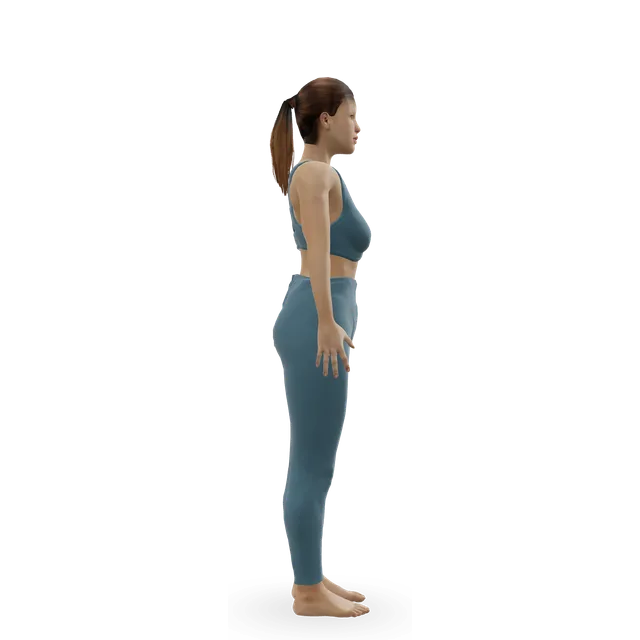
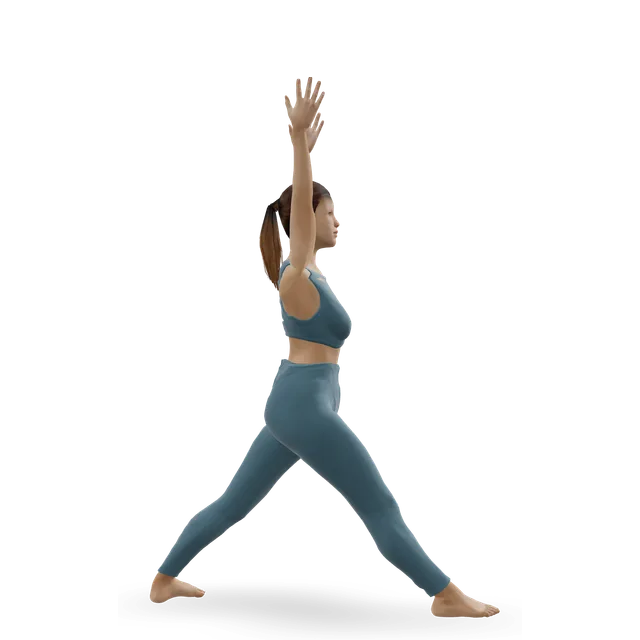
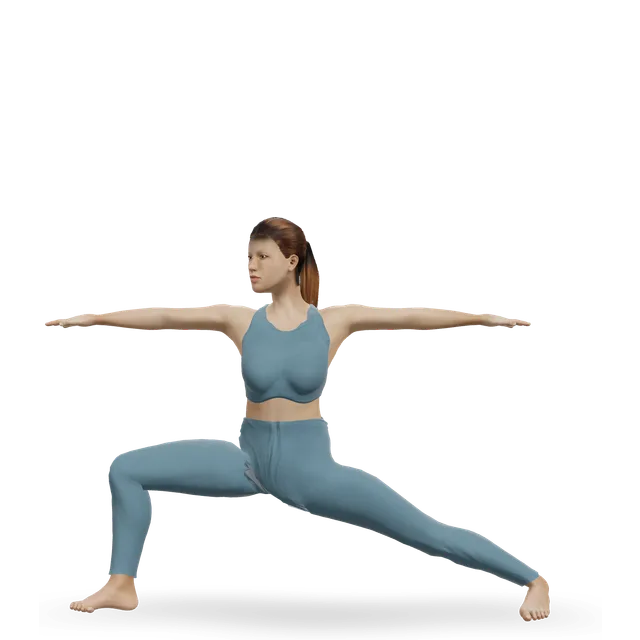
Beginner yoga flow
A 20-minute beginner yoga sequence: mountain, chair, warrior II, triangle, tree, down dog, cobra and child's pose.
20 minBeginner11 movesA step
Sun salutation flow
A 20-minute flow built on sun salutations A and B, with warrior poses and a short cool-down.
20 minIntermediate8 movesNo equipment
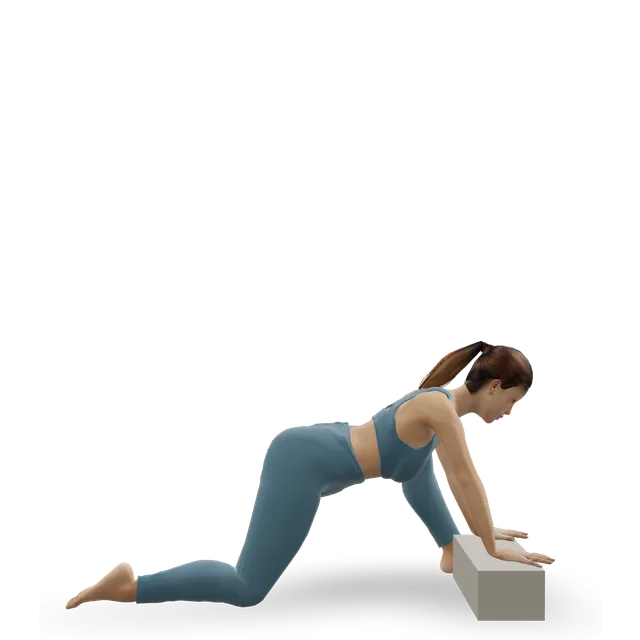
Yoga for tight hips
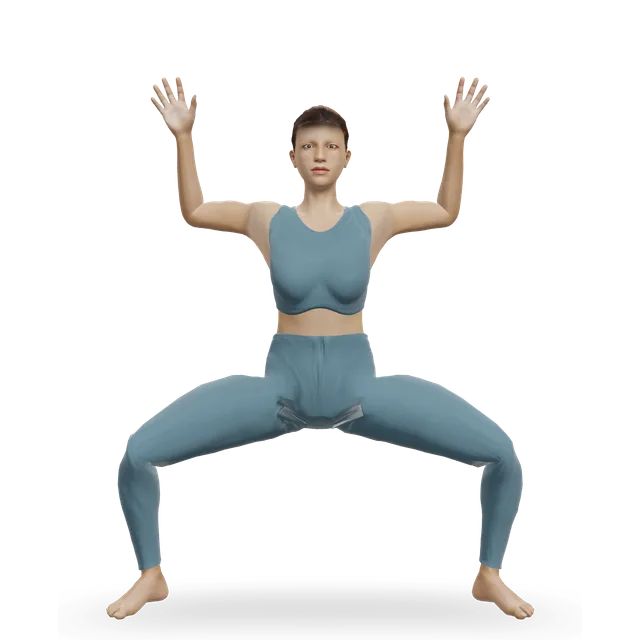
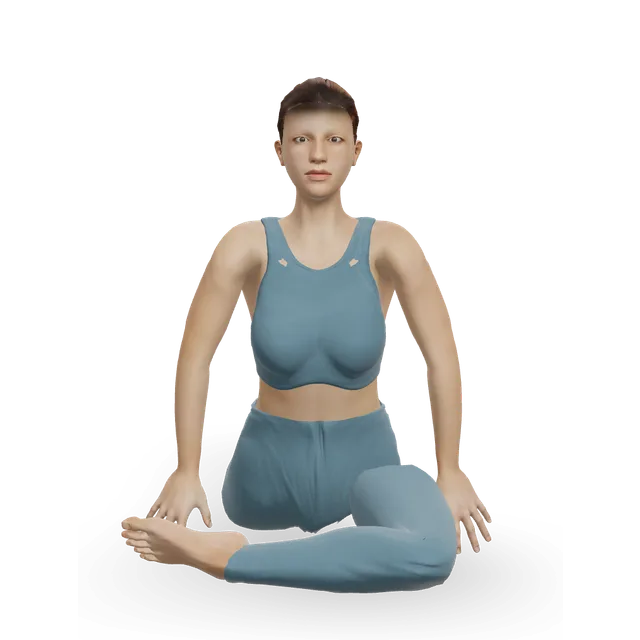
A hip-opening yoga sequence: low lunge, lizard, goddess, pigeon, bound angle and happy baby.
20 minBeginner7 movesNo equipmentQuestions people ask
How long does the kundalini yoga for beginners: a 25-minute breath and movement practice take?
About 25 minutes, including any warm-up and cool-down listed. Shorten it by doing fewer rounds; lengthen it by adding one.
What equipment do I need?
No equipment: your body and some floor space. A mat makes floor work more comfortable.
Is it suitable for beginners?
It is written for beginners. 2 of its 7 moves have an easier option listed beside them if you need one.
How do I make it easier or harder?
Use the easier or harder option listed under each move, change the number of rounds, or adjust the rest. Progress one change at a time.