Rehabilitation starts on the day of surgeryStrong evidence
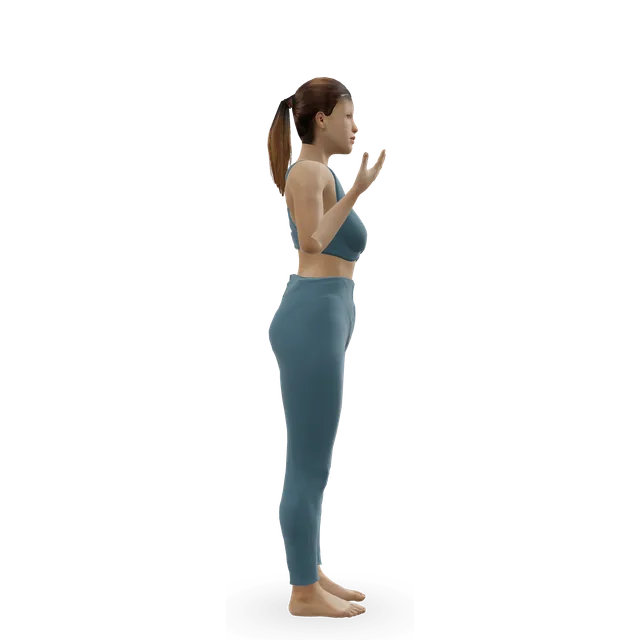
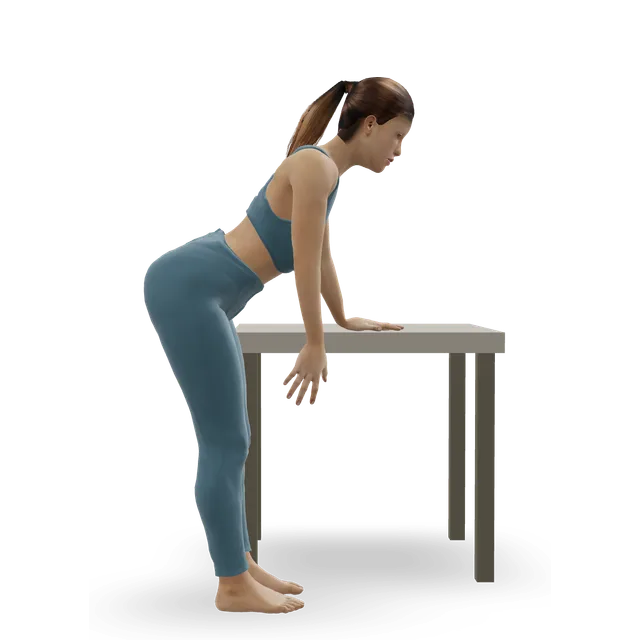
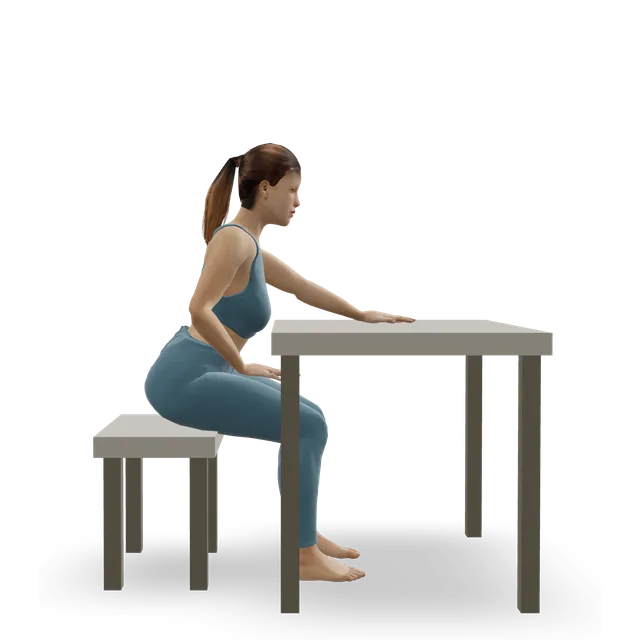
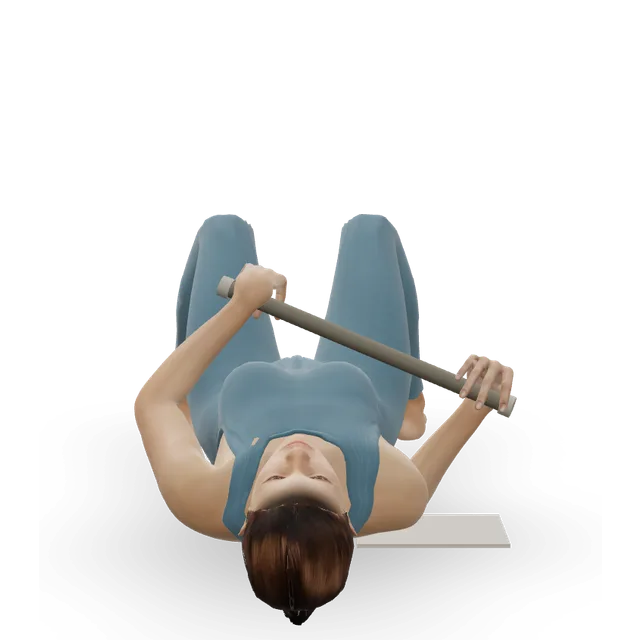
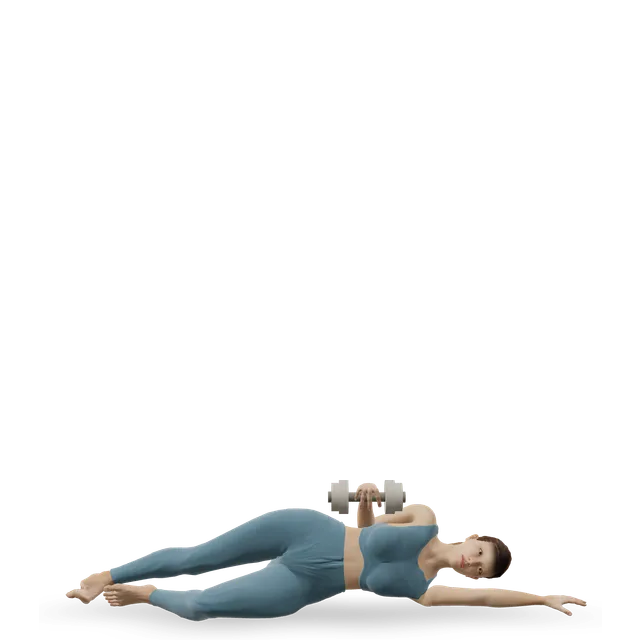
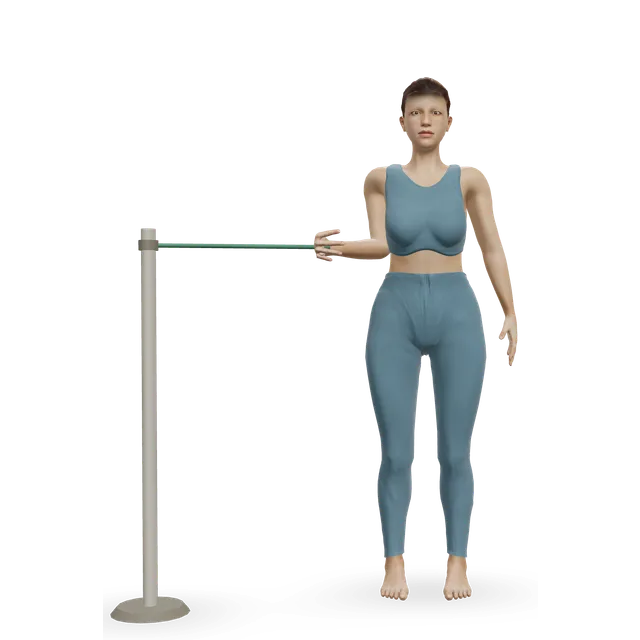
NICE says a physiotherapist or occupational therapist should offer rehabilitation on the day of surgery if possible, and no more than 24 hours after: advice on daily activities, a home exercise programme and getting up and walking. Before you go home you should get advice on doing the rehabilitation yourself, in a group or one to one, with clear goals and someone to contact.
Source 2
The sling: plans differ, and a trial found no sling did as wellEmerging evidence
NICE found services advising a sling for anywhere from 10 days to 6 weeks, and no evidence on when the shoulder should start moving. A review of 16 published protocols found slings for 3 to 8 weeks after an anatomic replacement, and from comfort only to 6 weeks after a reverse one.
In a trial of 64 people after a reverse replacement (average age 73), 3 weeks in a sling gave no better pain or function at 1 and 2 years than no sling, and neither group had complications. After an anatomic replacement, the American Physical Therapy Association (APTA) guideline strongly supports a sling with progressive exercise, and in a trial of 36 people a sling holding the arm in a neutral position, rather than turned in, gave a bigger gain in outward turning, and less night pain at 2 weeks. Your team decides how long you wear yours.
Sources 4, 14, 15, 13, 16
Early movement after a reverse replacement: safe, with small gainsEmerging evidence
Three trials compared starting movement early with waiting. In 107 shoulders, physiotherapy straight away or after 6 weeks gave the same results at a year, apart from a bigger gain in function at 6 months in the group that waited. In 61 people, the early group lifted the arm better at 3 months, with no differences in scores at 3, 6 or 12 months. In the 64-person trial, no sling did as well as 3 weeks in one.
A 2025 review of 6 studies (1,763 people) found early movement gave about 4 to 5° more movement and slightly less pain, less than people would notice, with no more dislocations (1.4% against 1.5%). A 2026 review rated the evidence that early and delayed rehabilitation give similar results as low certainty.
Sources 17, 18, 15, 19, 20
Early movement and fractures: two findings that point different waysMixed evidence
The 2025 review also found fewer fractures around the replacement with early movement (3.3% against 8.8%), though the studies varied a lot. A review of stress fractures of the acromion cites a large database study in which starting physiotherapy within 6 weeks of a reverse replacement was linked with more of these fractures in people with osteoporosis, though not in people without it. A link like that doesn't show cause and effect.
Neither finding settles it. Follow your surgical team on timing, especially if you have osteoporosis.
Sources 19, 12
After an anatomic replacement, movement can wait a little without harmEmerging evidence
The APTA guideline says starting range of movement exercises can be delayed up to 4 weeks without harm (moderate evidence). In a trial of 60 people, starting movement straight away gave earlier function, but by 3 months there was no difference, and at a year the movement was the same (forward lifting 141° against 144°). The bone flake holding the repaired tendon healed in 81% with immediate movement against 96% with delayed movement, a difference that could be chance. In 66 people, adding exercises aimed at the repaired tendon made no difference.
Sources 13, 21, 22
After a reverse replacement, a home programme did as well as physiotherapy sessionsStrong evidence
Three trials, all after reverse replacements, found a home programme taught by the surgical team gave the same movement, strength and scores as outpatient physiotherapy. In 89 people at 2 centres, a handout and a rope pulley did as well, with complications in 13% against 17%. In 100 people, 70 of them followed for about 20 months, the only difference was slightly stronger outward turning after physiotherapy (0.8 kg). In the SHORT trial of 222 shoulders at 7 US hospitals, results matched at 1 and 2 years, and care cost about $11,300 at home against $17,800 with physiotherapy.
These trials were only after reverse replacements. No trial has compared the two after an anatomic replacement: NICE found no evidence, and a 2020 review found one moderate-quality study. NICE says you should be offered supervised rehabilitation if you struggle with daily activities, have ongoing problems, or your home programme isn't meeting your goals.
Sources 23, 24, 25, 4, 26, 2
Most people get back to golf and swimming, fewer after a reverse replacementEmerging evidence
A 2023 review found about 80% of golfers returned after a shoulder replacement, and the average time back to golf after a hip, knee or shoulder replacement was 4.4 months. A 2024 review of 10 studies found 78% returned after an anatomic replacement and 59% after a reverse one. The two reviews drew on different sets of studies, so their figures don't compare directly.
In 102 swimmers, 82% returned after an anatomic replacement and 64% after a reverse one. Another review found 91% returned to sport after an anatomic replacement and 80% after a reverse one, and the reasons people didn't return were mostly not the shoulder; a review of reverse replacements alone found 85% returned to sport. All of this comes from observational studies.
Sources 27, 28, 29, 30, 31
After a broken shoulder, results are a little lowerEmerging evidence
When a reverse replacement is done for a broken shoulder rather than for cuff tear arthritis, results are on average a little lower: in 11 observational studies (6,698 people), shoulder scores were about 5 points lower out of 100, forward lifting 14° less and lifting to the side 17° less, with more repeat operations for dislocation. The broken shoulder guide covers the fracture itself.
Source 32
Exercise before the operation: unprovenMixed evidence
NICE found no evidence on exercise before a shoulder replacement, partly because pain often limits it, and made no recommendation. The APTA guideline calls it best practice, on expert opinion. Staying active before surgery is sensible, but it hasn't been tested.
Sources 4, 13
For life: lighter weights and more repetitionsEmerging evidence
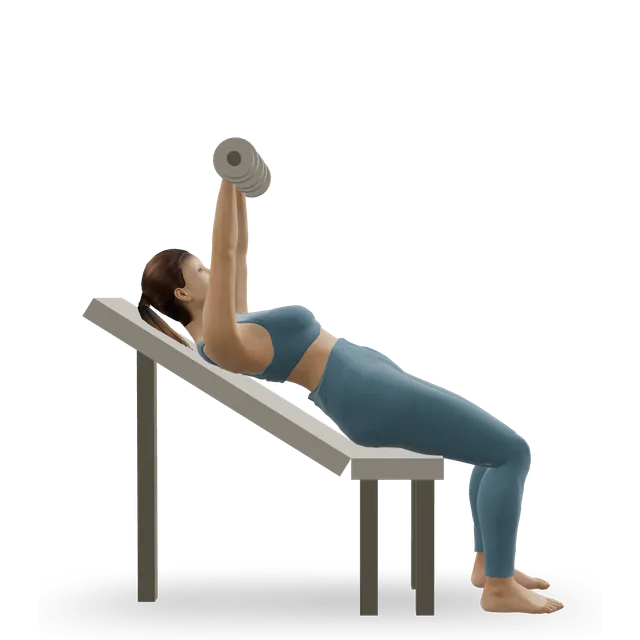
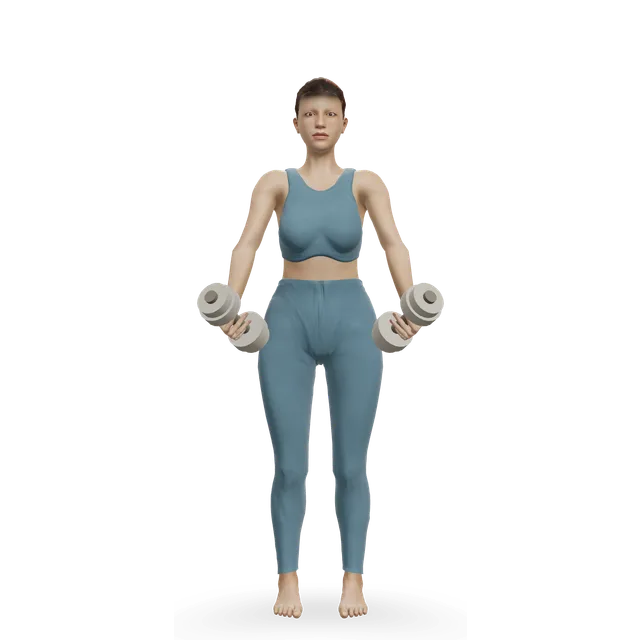
ASES advises light weights and more repetitions, 2 to 3 times a week, and avoiding push-ups, bench press and heavier overhead lifting, especially after a reverse replacement. Surgeons' weight limits after a reverse replacement range from as much as is comfortable to about 9 kg (20 lb), and there is generally no limit after an anatomic one. ASSET found no agreement on a lifelong limit, and advises against bench press, chopping wood and swinging a sledgehammer after an anatomic replacement. This is expert advice rather than trial evidence.
Sources 11, 10