Yoga guide

Yoga for tinnitus: easing the stress, sleep and tension around the ringing, and what yoga can't do

Yoga won't switch tinnitus off, but it can make it easier to live with. Tinnitus, hearing ringing, buzzing or other sounds that don't come from outside, affects about 1 in 7 adults, and how much it bothers you is closely tied to stress and sleep. The NHS suggests trying to relax ("deep breathing or yoga may help"), and in small studies yoga eased tinnitus distress, though the best-tested help for distressing tinnitus is cognitive behavioural therapy (CBT) and related talking therapies.

This guide covers what tinnitus is, why stress, sleep and the neck and jaw matter, what the yoga and breathing trials actually found, humming breath (bhramari) and 4-7-8 breathing, practising with soft sound rather than silence, the claims that don't hold, and when to see a GP or go to A&E. It ends with a free 20-minute class with a 3D demo of every move.

The short version

Common, and usually not serious

About 14 in 100 adults worldwide have tinnitus, rising to about 24 in 100 at 65 and over. The NHS says it's not usually a sign of anything serious and may get better by itself, and NICE (the National Institute for Health and Care Excellence) asks doctors to reassure people of that.

Sources 1, 2, 3, 4

Yoga won't switch it off

There's no universal cure. Yoga can help you live with tinnitus by easing the stress that makes it more noticeable: the NHS suggests trying to relax, saying "deep breathing or yoga may help", and Tinnitus UK names yoga, tai chi and meditation among ways to relax.

Sources 5, 3, 6

The yoga studies are few and small

Two small studies that weren't randomised found less tinnitus distress after 12 weeks of yoga. In the only randomised comparison, 43 people in 1995, CBT-based coping training did better than yoga.

Sources 7, 8, 9, 10

The best-tested help is talking therapy

CBT probably reduces how much tinnitus affects daily life, and NICE recommends it in steps, from online CBT to group therapies such as mindfulness-based cognitive therapy, then one-to-one CBT. Yoga goes alongside this help, not instead of it.

Sources 11, 4, 12

Practise with soft sound, not silence

The NHS says "do not have total silence". Put on gentle background sound for the quiet parts of yoga, such as the final rest, and protect your ears in loud classes.

Sources 3, 6

Know when to get help

Go to A&E or call 999 for tinnitus after a head injury, or with sudden hearing loss, weakness in your face or a spinning feeling. Ask for an urgent GP appointment for tinnitus that beats in time with your pulse. The full list is in the warning signs below.

Sources 3, 13, 14

What tinnitus is

Sounds with no outside source

The NHS describes ringing, buzzing, whooshing, humming, hissing, throbbing, or even music or singing, in one or both ears or in the head, coming and going or there all the time. Tinnitus UK describes it as brain activity that has got out of balance, often started by a change in the ear, loud noise or a stressful time, and says most people find it gets much better over time.

Sources 3, 15

How common it is

Across 83 studies, 14.4% of adults had tinnitus: 9.7% at 18 to 44, 13.7% at 45 to 64 and 23.6% at 65 and over, with no difference between men and women. It was severe in about 2.3%. Tinnitus UK says around 30% of people have it at some point, and about 1 in 7 have it persistently.

Sources 1, 15

What it's linked to

The NHS lists some form of hearing loss, Ménière's disease, conditions such as diabetes, thyroid disorders or multiple sclerosis, anxiety or depression, and some medicines. A review of long-term studies found good evidence mainly for hearing-related causes such as hearing loss and noise at work. Tinnitus is also one of the symptoms of long COVID.

Sources 3, 16, 17, 18

How it's treated

NICE asks for information and reassurance at the first appointment, including self-help such as relaxation, hearing aids if hearing loss makes it hard to communicate, and talking therapies for distress. The NHS says you'll usually be offered online CBT first, and may be offered tinnitus counselling or tinnitus retraining therapy.

Sources 4, 3

Stress, sleep and mood

Stress makes tinnitus more troublesomeEmerging evidence

Tinnitus UK says that if you have a high level of stress, you're more likely to be troubled by your tinnitus, and that it often starts or gets worse at stressful times, which can become a vicious circle. In 4,933 German workers, tinnitus was more common with work stress and less common with higher resilience, and in 785 clinic patients, tinnitus was more severe with more life stress. These are observational studies: they show a link, not that stress causes tinnitus.

Sources 19, 20, 21, 22, 23

SleepEmerging evidence

About half of people with tinnitus sleep poorly. Tinnitus UK explains that the quiet bedroom makes tinnitus more noticeable, and that worry about sleep does more to keep poor sleep going than the sound itself. Our yoga for anxiety and sleep guide covers bedtime yoga, and a GP can offer CBT for insomnia if poor sleep lasts.

Sources 24, 25, 26

MoodEmerging evidence

In 8,539 adults, people with tinnitus had about twice the odds of depression. Across 9 studies, 19.5% of people with tinnitus had had thoughts of suicide, against 9.9% without. If tinnitus is wearing you down, tell your GP: help is there, and the crisis lines are in the warning signs below.

Sources 27, 28, 29

Many people already try yoga

In 460 tinnitus clinic patients, 41% had tried some self-help before their visit, most often background sound, then distraction, relaxation, meditation, yoga and exercise.

Source 30

What the evidence says

Yoga: a few small studiesMixed evidence

Our search found 18 records on yoga and tinnitus, with only 2 randomised trials. A 2021 review found 5 studies of yoga, breathing or relaxation, 3 of which reported less severity, stress and anxiety. In 12 people, a weekly class plus home practice for 3 months lowered stress, handicap and severity scores, with no comparison group. In 25 people who did 12 weeks of yoga, against 13 who didn't, the biggest gains were in a sense of control, sleep and quality of life.

Sources 31, 7, 8, 9, 32

The one randomised comparison favoured CBT-based trainingEmerging evidence

In 43 people with chronic tinnitus, CBT-based coping training did better than both yoga and a self-monitoring control group, and the researchers said yoga "showed rather poor effects". It's one small trial from 1995.

Source 10

CBT has the most evidenceEmerging evidence

Across 28 trials with 2,733 people, CBT probably reduced the impact of tinnitus on daily life by about 11 points on a 100-point scale against no treatment, on low-certainty evidence, and by about 6 points against hearing care, on moderate-certainty evidence. There was no evidence on whether the benefit lasted 6 or 12 months. Therapist-guided internet treatments also helped across 37 trials, though many people dropped out. NICE's stepped care starts with online CBT.

Sources 11, 33, 4

Mindfulness and relaxationEmerging evidence

In 75 adults, 8 weekly sessions of mindfulness-based cognitive therapy or intensive relaxation training both reduced tinnitus severity, distress, anxiety and low mood, and mindfulness did a little better, still at 6 months. In another trial, mindfulness meditation and relaxation therapy both helped, mindfulness more, and in an online trial, relaxation alone helped almost as much as full CBT. Reviews call the long-term effects uncertain.

Sources 12, 34, 35, 36

ExerciseMixed evidence

In 3,826 US adults, people who were active reported tinnitus less often (12.8% against 18.5%), but activity wasn't linked to how severe it was, and a review calls the evidence limited. Tinnitus UK says regular exercise helps most people cope with tinnitus and sleep better.

Sources 37, 38, 39, 5

Breathing: what to try

Slow breathing firstEmerging evidence

The NHS breathing exercise has no holds: in for a count of up to 5, out for up to 5, for at least 5 minutes, regularly. Across 12 trials, breathing exercises lowered stress by a small amount, and slow breathing raises heart rate variability, a sign of the body's calming side.

Sources 40, 41, 42

4-7-8 breathing: one small trialMixed evidence

In a Turkish trial, 4 cycles of 4-7-8 breathing in the morning and 4 in the evening, sitting, for 6 weeks, lowered tinnitus handicap scores from 39 to 23 on a 100-point scale, while people who only had an information session stayed at about 45. Stress, sleep and anxiety scores improved too.

The limits matter: 60 people were randomised but only 48 analysed, people who didn't do the exercises regularly were left out, participants knew which group they were in, and nobody was followed up after the 6 weeks.

Source 43

Humming breath (bhramari): one small trialMixed evidence

In 46 adults over 65 with tinnitus in both ears, 30 minutes of humming bee breath a day for 4 weeks reduced how loud and annoying the tinnitus felt, against no training. A 2018 review of 6 earlier bhramari studies found none was randomised. It's a pleasant, slow breath to try; nothing shows it stops the ringing.

Sources 44, 45

Humming breath, step by step

Our editorial version, for 5 to 10 breaths, as on our yoga for depression guide:

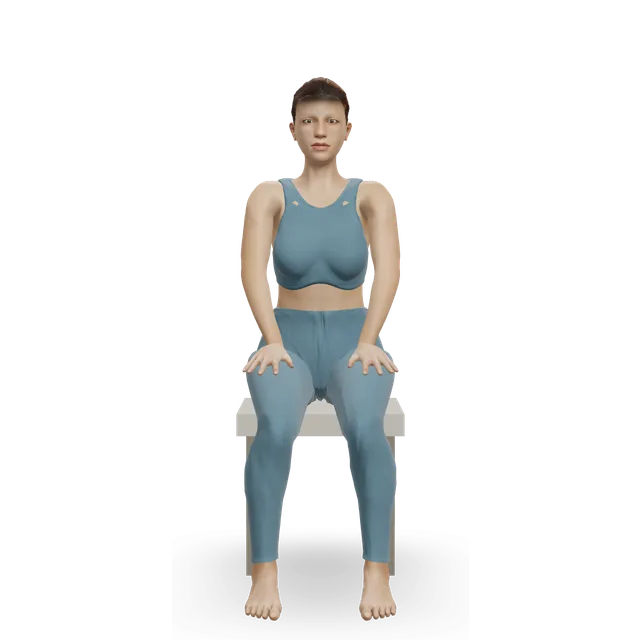
  • Sit tall in a chair or on a cushion, with your shoulders relaxed, and close your eyes or rest your gaze on the floor.
  • Breathe in slowly through your nose.
  • Breathe out slowly through your nose with your lips closed, making a gentle, low hum, until the breath runs out without straining.
  • Let the next breath come in naturally through your nose.
  • Repeat for 5 to 10 breaths, then breathe normally for a minute.
  • Keep your ears open. Some versions close the ears with the thumbs; if that makes your tinnitus more noticeable, leave it out (our suggestion).
  • Stop if you feel light-headed, and skip it if humming feels uncomfortable. Humming breath raised blood pressure a little during practice in healthy adults, so with high blood pressure that isn't controlled, keep to slow breathing.

Sources 44, 46

Skip fast, forceful breathingEmerging evidence

Breath of fire (kapalabhati) and bellows breath have no tinnitus evidence, raise heart rate and blood pressure while you do them, and caused more side effects than slow breathing in trials. US health advice tells beginners to avoid forceful breathing.

Sources 47, 48, 46

4-7-8 breathing, as the tinnitus trial taught it

From the trial's protocol (Kirazli 2026), which is also the move page's dose. If the hold makes you light-headed, shorten all the counts while keeping the same pattern, or use slow breathing with no holds instead. Leave out the hold with panic attacks or heart disease, as our breathing routine says.

  1. Sit comfortably somewhere calm.
  2. Breathe out fully through your mouth, with a whooshing sound.
  3. Close your lips and breathe in quietly through your nose for a count of 4.
  4. Hold your breath for a count of 7.
  5. Breathe out completely through your mouth for a count of 8, with the whoosh.
  6. That's one cycle. Do 4 cycles in the morning and 4 in the evening.

See the movement on the 3D figure: 4-7-8 breathing

The neck and jaw

Tinnitus that changes with the jaw or neckEmerging evidence

Some people can change the loudness or pitch of their tinnitus by moving their jaw or neck, which experts call somatic or somatosensory tinnitus. Tinnitus is more often reported by people with neck problems and with jaw joint problems (temporomandibular disorders): in 34 studies, about a third of people with jaw problems had tinnitus. These are observational studies of mixed quality.

Sources 49, 50, 51, 52

Treating the jaw or neck can help that kind of tinnitusEmerging evidence

In 38 people with tinnitus and neck complaints, 6 weeks of neck physiotherapy brought substantial improvement for about half straight afterwards, and for about a quarter 6 weeks later. In 61 people with jaw-related tinnitus, adding manual therapy to exercise and education helped more over 6 months. Reviews say the evidence is low quality. A dentist or physiotherapist treats the cause; yoga can't.

Sources 53, 54, 55, 56

In yoga: a relaxed jaw and gentle neck moves

Keep your jaw in its rest position: lips together, teeth slightly apart, and the tip of your tongue resting on the roof of your mouth. Move your neck slowly and in small ranges, and stop any movement that makes your tinnitus worse. This is our suggestion; our yoga for TMJ guide covers jaw pain and clenching.

Source 52

Sound, not silence

Have gentle sound on in the quiet partsStrong evidence

The NHS says "do not have total silence": listening to soft music or sounds may distract you from tinnitus. Tinnitus UK suggests gentle background sound during relaxation if quiet is unhelpful. In the final rest, yoga nidra or any long stillness, put on rain, waves or quiet music, or keep your eyes open and follow your breath.

Sources 3, 6, 25

Protect your ears in loud classesStrong evidence

The NHS advises wearing ear protection when you're exposed to loud noise. In a class with loud music, wear ear plugs, practise away from the speakers, or ask for the music to be turned down (our suggestion). Our spin class guide covers how loud classes can get.

Source 13

Breathe

Slow breathing: at least 5 minutes, regularly; 4-7-8 breathing: 4 cycles, twice a day, sitting, which is the trial's dose; breath reach: 5 breaths, breathing out for longer than in (the moves' pages).

Neck, shoulders and jaw

Chin tucks: 8 to 10, holding 3 to 5 seconds (our yoga for TMJ class). Neck CARs: with a sore neck, use separate nods, tilts and turns, each held 5 seconds, 5 times; upper trap release: 2 slow holds of 30 seconds each side; levator scapulae stretch: 20 to 30 seconds, 2 to 4 times each side; shoulder rolls: 10 to 15 slow circles each way (the moves' pages). Teeth apart throughout, and stop any move that makes your tinnitus worse.

Move gently

Cat-cow: 8 waves, slower than feels natural; thoracic rotation: 6 rotations each side, moving with the breath; mountain pose: 5 to 10 slow breaths (the moves' pages). Warrior II: 5 breaths each side (our beginner yoga flow), with a hand on a wall if you feel unsteady.

Rest with the sound on

Child's pose: 1 to 3 minutes, breathing into the back ribs; reclining bound angle: 2 to 5 minutes with a support under each thigh; corpse pose: at least 5 minutes, up to 10 (the moves' pages). Supine twist: 45 seconds each side (our bedtime stretch routine). Have soft background sound on.

What to change or leave out

Plough with the knees on the ears, and inversions "to clear the ears"

No study supports pressing the knees against the ears in plough (karnapidasana), or shoulder stands and headstands for tinnitus. They load the neck, head-down poses raise the pressure in the eyes within a minute, and US health advice tells beginners to avoid headstands and shoulder stands. With glaucoma or high blood pressure that isn't controlled, leave them out.

Sources 48, 57

Long breath holds and straining

Holding the breath raised blood pressure during practice in healthy adults. Keep the 4-7-8 hold comfortable or shorten it, and breathe out on effort rather than holding your breath.

Source 46

Closing your ears, and mudras

Closing your ears with your thumbs (shanmukhi mudra) is optional: leave it out if it makes your tinnitus more noticeable (our suggestion). We found no study of mudras, the hand gestures some pages recommend for the ears; they're fine as part of a calm sit, but not a treatment.

Source 58

Free classes

Start with the 20-minute yoga for tinnitus class on most days, or at least 3 times a week, with 4-7-8 breathing morning and evening (our editorial starting point). The yoga for stress class suits stressful days; the breathing routine includes 4-7-8 breathing; the TMJ and neck pain classes suit tinnitus with jaw clenching or a stiff neck; the bedtime and restorative sessions suit sleep. Have soft sound on in every final rest.

Yoga for tinnitus: a 20-minute calming class with the sound on

Twenty minutes of gentle yoga for tinnitus: slow and 4-7-8 breathing, neck, shoulder and jaw release, gentle movement, and a rest with soft background sound.

20 minBeginner14 movesNo equipment

Yoga for stress relief: a 20-minute class to breathe, loosen, move and slow down

Twenty minutes of yoga for stressful days: the NHS breathing exercise, neck, shoulder and spine moves, standing poses that warm you up, then a slow wind-down.

20 minBeginner13 movesA wall

Breathing exercises to relax

A 6-minute breathing routine: slow breathing, crocodile breathing, alternate nostril breathing, box breathing and 4-7-8 breathing.

6 minBeginner5 movesNo equipment

Yoga for TMJ and jaw tension: a 20-minute jaw, neck and breath class

A 20-minute yoga class for jaw pain and clenching: slow breathing, a relaxed jaw position, gentle neck and upper-back moves, and a long rest.

20 minBeginner11 movesA wall

Yoga for neck pain: a 20-minute gentle sequence

Twenty minutes of slow breathing, small neck movements, poses that keep your head supported or level, and upper-back strength, with nothing that loads the neck.

20 minBeginner14 movesA step

Bedtime stretch routine

A slow, 10-minute floor routine to unwind before sleep: child's pose, twists, happy baby and slow breathing.

10 minBeginner7 movesFirm cushion, A wall

Restorative yoga sequence: 45 minutes of supported rest

A 45-minute restorative yoga sequence: five fully supported poses held for 4 to 10 minutes each, with slow breathing and a long final rest.

45 minBeginner6 movesFirm cushion, A wall

10-minute desk yoga routine: seated and standing

Ten minutes of yoga at your desk, no mat needed: slow breathing, neck, shoulder, wrist and spine moves in your chair, then standing poses with a hand on the desk.

10 minBeginner13 movesA bench or box, A wall

Warning signs: when to see a GP

These follow the NHS tinnitus and hearing loss pages, with RNID's advice on tinnitus in one ear. A&E means accident and emergency. In the US, call 911 for 999, and use your doctor's urgent line or urgent care for NHS 111.

Go to A&E or call 999

Don't drive yourself to A&E: ask someone to drive you or call 999 for an ambulance.

  • You have tinnitus after a head injury.
  • You have tinnitus with sudden hearing loss, weakness in the muscles of your face, or a spinning sensation (vertigo).

Source 3

Ask for an urgent GP appointment

  • You have tinnitus that beats in time with your pulse.
  • You have sudden hearing loss in one or both ears: ask for an urgent GP appointment or get help from NHS 111. NICE asks for tinnitus with hearing loss that came on suddenly (over 3 days or less) in the past 30 days to be seen within 24 hours.
  • Your hearing has been getting worse over the last few days or weeks, or you have hearing loss with earache or discharge from the ear: an urgent GP appointment or NHS 111.

Sources 3, 13, 4

See a GP

  • You have tinnitus regularly or constantly.
  • Your tinnitus is getting worse.
  • Your tinnitus is bothering you: for example, it's affecting your sleep or concentration, or making you feel anxious and depressed.
  • You have tinnitus consistently in only one ear (RNID's advice).
  • You think your hearing is gradually getting worse.

Sources 3, 14, 13

If tinnitus is affecting your mental health

The NHS says a mental health emergency should be taken as seriously as a physical one, and that you will not be wasting anyone's time.

NICE asks doctors to refer someone with tinnitus and a high risk of suicide to a crisis team straight away.

  • Call 999 or go to A&E if your life is at risk: for example, you have seriously harmed yourself or taken an overdose, or you feel you can't keep yourself safe.
  • For urgent help in England, call 111 and select the mental health option, or use 111 online.
  • Call Samaritans on 116 123. It is free, any time, day or night.
  • In the US, call or text 988, the 988 Suicide and Crisis Lifeline, any time.

Sources 59, 60, 61, 4

Chest pain: call 999

Call 999 if:

  • you have chest pain that feels tight or like squeezing on your chest
  • you have chest pain that spreads to your arms, neck or jaw
  • you're having severe difficulty breathing: you're gasping, choking or not able to get words out
  • your lips or skin are pale, blue or grey (on brown or black skin, this may be easier to see on the palms of the hands)
  • someone has passed out and is not responding normally

Source 62

During practice

If a pose or breath makes your tinnitus louder, or brings on dizziness, fullness or pain in the ear, or a pounding in your head, come out slowly and breathe normally (our suggestion). A change in your usual tinnitus is a reason to see a GP, not to practise through it.

Source 3

Myths

"Yoga cures tinnitus"Mixed evidence

There's no universal cure. The yoga studies are small and mostly uncontrolled, and in the only randomised comparison, CBT-based training did better. Yoga can make tinnitus less bothersome by easing stress.

Sources 5, 7, 10

"Bhramari (humming bee breath) stops the ringing"Mixed evidence

One trial in 46 adults over 65 found lower loudness and annoyance ratings after 4 weeks, with no follow-up, and earlier studies weren't randomised. Try it as a calming breath, not a cure.

Sources 44, 45

"Headstands, shoulder stands and downward dog clear the ears"Mixed evidence

No study has tested this. Head-down poses raise eye pressure within a minute, and beginners are advised to avoid headstands and shoulder stands.

Sources 57, 48

"Mudras heal the ears"Mixed evidence

We found no study of mudras for tinnitus or hearing.

Source 58

"Tinnitus means you're going deaf"Strong evidence

Tinnitus is often linked with hearing loss, but it also happens with normal hearing, and it isn't usually a sign of anything serious. Get your hearing checked if it changes.

Sources 3, 15

"Silence is best for relaxing"Strong evidence

With tinnitus, the NHS says don't have total silence, and Tinnitus UK suggests gentle background sound.

Sources 3, 6

"Neck stretches cure tinnitus"Mixed evidence

In people with neck or jaw problems, physiotherapy eased tinnitus in small, low-quality trials. Nothing shows neck stretches help tinnitus without a neck or jaw problem.

Sources 53, 54, 56

Questions people ask

Can yoga help tinnitus?

It can help you live with it, not switch it off. The NHS suggests trying to relax and says deep breathing or yoga may help, and small studies found yoga eased tinnitus distress, but they were small and mostly had no proper comparison group.

Can yoga cure tinnitus?

No. There's no universal cure for tinnitus, and in the only randomised comparison, CBT-based coping training did better than yoga. Many people find tinnitus becomes less noticeable over time.

Which yoga is best for tinnitus?

No style has been tested against another. A calm practice with slow breathing, gentle neck and shoulder moves and a rest with soft background sound fits the NHS and Tinnitus UK advice. Avoid very loud classes, or wear ear plugs.

Does bhramari (humming bee breath) help tinnitus?

Possibly a little. In one trial of 46 adults over 65, 4 weeks of daily humming breath reduced how loud and annoying the tinnitus felt, but it hasn't been confirmed elsewhere. Keep your ears open if closing them makes the tinnitus more noticeable.

What breathing exercise is best for tinnitus?

Slow breathing with no holds, as the NHS teaches, is a good start. In one small trial, 4 cycles of 4-7-8 breathing morning and evening for 6 weeks lowered tinnitus handicap scores, though only 48 of 60 people were analysed and there was no follow-up.

Can stress make tinnitus worse?

Yes. Tinnitus UK says people under more stress are more likely to be troubled by their tinnitus, and it often starts or gets worse at stressful times. Calming practices and talking therapies help break that cycle.

Can neck or jaw problems cause tinnitus?

They can play a part: tinnitus is more common with neck and jaw joint problems, and some people can change their tinnitus by moving their jaw or neck. Treating the jaw or neck helped tinnitus in small trials, so see a dentist or physiotherapist for jaw or neck pain.

Is meditation or mindfulness good for tinnitus?

Yes, for the distress it causes. In one trial, mindfulness-based cognitive therapy reduced tinnitus severity more than relaxation training, and NICE includes it among the group therapies it recommends.

Why is my tinnitus louder when I lie still in yoga?

Quiet makes tinnitus more noticeable. Put on soft background sound for the final rest, keep your eyes open and follow your breath, or sit up.

Can yoga help me sleep with tinnitus?

It may help you relax at bedtime. About half of people with tinnitus sleep poorly, and worry about sleep keeps it going, so a calm wind-down with background sound can help. If poor sleep lasts, a GP can offer CBT for insomnia.

Can yoga make tinnitus worse?

It shouldn't, but loud music, long breath holds and a silent room can make it more noticeable. Wear ear protection in loud classes and stop any move that makes it louder.

When should I see a doctor about tinnitus?

Go to A&E or call 999 for tinnitus after a head injury, or with sudden hearing loss, weakness in your face or a spinning feeling. Ask for an urgent GP appointment for tinnitus that beats in time with your pulse, and see a GP if it's constant, getting worse, bothering you or only in one ear.

Sources

  1. Jarach 2022 · How common tinnitus is worldwide: 83 studies (systematic review and meta-analysis, JAMA Neurol)
  2. RNID · Tinnitus
  3. NHS · Tinnitus (last reviewed January 2024)
  4. NICE NG155 · Tinnitus: assessment and management (2020)
  5. Tinnitus UK · Self-help tips
  6. Tinnitus UK · Relaxation
  7. Gunjawate 2021 · Yoga and meditation for tinnitus: 5 studies (systematic review, J Laryngol Otol)
  8. Köksoy 2018 · Three months of yoga in 12 people with tinnitus (uncontrolled study, Int Arch Otorhinolaryngol)
  9. Niedziałek 2019 · Twelve weeks of yoga in 25 people with tinnitus against 13 without (controlled study, Complement Ther Clin Pract)
  10. Kröner-Herwig 1995 · CBT-based coping training or yoga for chronic tinnitus: 43 people (randomised trial, J Psychosom Res)
  11. Fuller 2020 · CBT for tinnitus: 28 trials, 2,733 people (Cochrane review)
  12. McKenna 2017 · Mindfulness-based cognitive therapy or relaxation training for chronic tinnitus: 75 people (randomised trial, Psychother Psychosom)
  13. NHS · Hearing loss (last reviewed May 2025)
  14. RNID · What to do if you have tinnitus
  15. Tinnitus UK · What is tinnitus?
  16. Biswas 2023 · Risk factors for tinnitus in cohort and case-control studies (systematic review and meta-analysis, J Assoc Res Otolaryngol)
  17. NHS · Long COVID (last reviewed August 2025)
  18. Long Covid UK (Long Covid Support) · Tinnitus and hearing changes
  19. Tinnitus UK · Tinnitus and stress
  20. RNID · Managing tinnitus and stress
  21. Hackenberg 2025 · Work stress, resilience and tinnitus in 4,933 working adults (cohort study, Medicina)
  22. Mumm 2026 · Life stress and tinnitus severity in 785 clinic patients (cross-sectional study, Otol Neurotol)
  23. Kleinstäuber 2021 · What predicts chronic, disabling tinnitus: 16 longitudinal studies (systematic review, Curr Top Behav Neurosci)
  24. Gu 2022 · Poor sleep in people with tinnitus: 7 studies, 3,041 people (meta-analysis, Eur Arch Otorhinolaryngol)
  25. Tinnitus UK · Tinnitus and sleep disturbance
  26. Jiang 2025 · Tinnitus and mental health: 22 studies (systematic review and meta-analysis, Am J Otolaryngol)
  27. Hackenberg 2023 · Tinnitus, depression and anxiety in 8,539 adults (population cohort, J Clin Med)
  28. McCray 2025 · Suicidal thoughts and behaviour in adults with tinnitus: 9 studies (systematic review and meta-analysis, Laryngoscope)
  29. Mølhave 2024 · Hospital-diagnosed tinnitus and suicide in Denmark (national cohort study, J Psychosom Res)
  30. Kutyba 2022 · Self-help tried by 460 tinnitus clinic patients (observational study, Int J Audiol)
  31. PubMed · Search for yoga, pranayama, bhramari or asanas and tinnitus: 18 records, 2 randomised trials (28 October 2026)
  32. Kothari 2024 · Mind-body therapies in ear, nose and throat conditions: randomised trials (review, Otolaryngol Head Neck Surg)
  33. Sattel 2025 · Therapist-guided internet treatments for chronic tinnitus: 37 trials (systematic review and meta-analysis, Telemed J E Health)
  34. Arif 2017 · Mindfulness meditation or relaxation therapy for tinnitus: 86 people (randomised trial, J Laryngol Otol)
  35. Rademaker 2019 · Mindfulness for tinnitus distress: 7 studies, 425 people (systematic review, Front Neurol)
  36. Beukes 2021 · Applied relaxation or full internet CBT for tinnitus: 126 people (randomised trial, Internet Interv)
  37. Chen 2023 · Physical activity and tinnitus in 3,826 US adults (cross-sectional study, Ear Hear)
  38. Carpenter-Thompson 2015 · Physical activity, tinnitus severity and quality of life (online survey, Ear Hear)
  39. Sharma 2025 · Physical activity and tinnitus (scoping review, Indian J Otolaryngol Head Neck Surg)
  40. NHS · Breathing exercises for stress (last reviewed June 2026)
  41. Fincham 2023 · Breathwork for stress and mental health: 12 trials for stress, 785 people (meta-analysis of randomised trials, Sci Rep)
  42. Laborde 2022 · Slow breathing and heart rate variability: 223 studies (systematic review and meta-analysis, Neurosci Biobehav Rev)
  43. Kirazli 2026 · 4-7-8 breathing for tinnitus: 60 people randomised, 48 analysed (randomised trial, Brain Behav; full text read)
  44. Ismail 2022 · Humming bee breath (bhramari) for tinnitus in 46 adults over 65 (randomised trial, Complement Ther Clin Pract)
  45. Kuppusamy 2018 · Humming bee breath (bhramari) and health: 6 studies, none randomised (systematic review, J Tradit Complement Med)
  46. Nivethitha 2021 · Heart rate and blood pressure during four yogic breathing techniques: 20 healthy adults (lab study, Int J Yoga)
  47. Mütze 2025 · Yogic breathing (pranayama) for mental disorders: 6 trials, 517 people (systematic review and meta-analysis, Front Psychiatry)
  48. NCCIH · Yoga: effectiveness and safety (US National Center for Complementary and Integrative Health)
  49. Bousema 2018 · Tinnitus with neck and jaw joint disorders: 22 studies (systematic review and meta-analysis, Trends Hear)
  50. Alghamdi 2026 · Jaw joint disorders and tinnitus: 34 studies, 47,349 people (systematic review and meta-analysis, BMC Oral Health)
  51. Michiels 2018 · Diagnostic criteria for somatosensory tinnitus (expert consensus, Trends Hear)
  52. Tinnitus UK · Tinnitus and disorders of the jaw joint (TMJ) and neck
  53. Michiels 2016 · Neck physiotherapy for tinnitus with neck complaints: 38 people (randomised trial, Man Ther)
  54. Delgado de la Serna 2020 · Jaw and neck manual therapy with exercise for tinnitus linked to jaw problems: 61 people (randomised trial, Pain Med)
  55. Michiels 2019 · Jaw treatment and tinnitus: 11 studies (systematic review, J Oral Facial Pain Headache)
  56. Canlı 2026 · Physiotherapy for neck pain with dizziness or tinnitus: 13 studies (systematic review, BMC Musculoskelet Disord)
  57. Jasien 2015 · Eye pressure in four head-down yoga poses: 10 people with glaucoma and 10 without (observational study, PLoS One)
  58. Europe PMC · Search for mudras and tinnitus, hearing or the ear: 110 records, none testing a mudra (28 October 2026)
  59. NHS · Where to get urgent help for mental health (past its review date: reviewed April 2023, review due April 2026)
  60. Samaritans · Contact a Samaritan: 116 123, free, any time
  61. 988 Suicide and Crisis Lifeline (US): call or text 988, any time
  62. NHS · Heart attack (last reviewed March 2026)

Exercise education, not a personal prescription, and clinical review of these guides is pending. If you are pregnant, have a health condition such as glaucoma, high blood pressure or osteoporosis, or have had recent surgery, check with a doctor, midwife or physiotherapist before starting, and stop for sharp or increasing pain. Health disclaimer.


















