Jaw release drill (controlled opening)
With the tongue resting on the roof of the mouth, you open the jaw slowly in a straight line and close it again, checking in a mirror that the chin doesn't swing to one side. An NHS hospital dental clinic teaches it for clicking, painful jaw joints. For jaw pain lasting 3 months or more, a 2023 BMJ guideline built on 153 trials strongly recommends home and supervised jaw exercise, without singling out any one drill.
Movement guide
Jaw release drill (controlled opening)
Make it easier or harder
Choose a version that fits your control and comfort.
Easier option
Use a smaller comfortable range in this same movement, with the support described in its guide. Ingram 2025 review of stretching and range of motion
Harder option
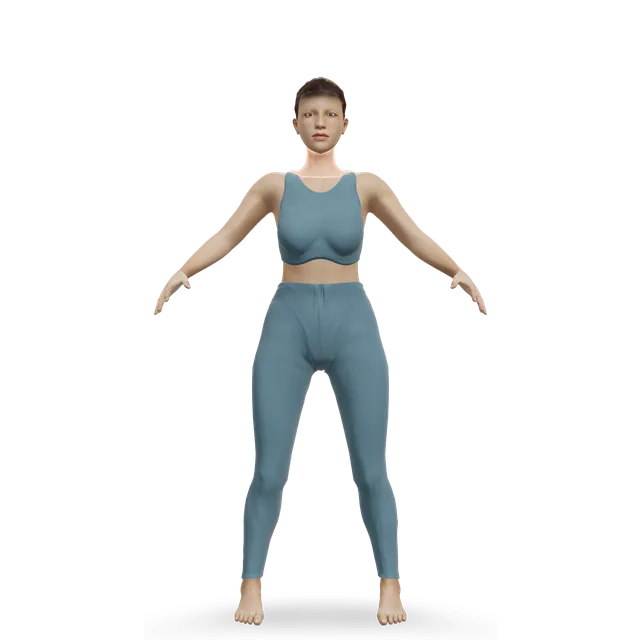 Rabbit pose (Sasangasana)Intermediate · No equipment
Similar move, intermediate grade.
Source-researched guide.
How to move
- Sit upright and let your teeth part slightly, lips together and the jaw relaxed.
- Rest the tip of your tongue on the roof of your mouth, just behind your upper front teeth.
- Keeping the tongue there, open your mouth slowly in a straight line, only as far as the tongue can stay up. Hold for about 5 seconds.
- Close just as slowly. For the first few times, watch in a mirror that your lower teeth move straight down, with no swing to one side.
Form cues
- Slow and straight matters more than wide.
- At rest, keep your teeth apart and your jaw loose.
- Avoid: opening so far that the jaw clicks or shifts.
Practice and cautions
Two 5-minute sessions a day: open, hold about 5 seconds, close and rest a few seconds, then repeat. Keep to that for the first week, as the University Hospitals Birmingham NHS leaflet advises, and give it 3 or 4 weeks.
It can make jaw pain a little worse for the first few days while the muscles get used to it: keep to the starting dose for the first week. Painful clicking, locking, or a jaw that swings noticeably to one side should be assessed by a dentist or physiotherapist. This is movement education, not an assessment or treatment prescription. Stop for sharp or increasing pain, dizziness, numbness or tingling; seek individual guidance for symptoms, injury or restrictions.
Sources and review status
Sources support the educational description; they do not establish that this exercise is suitable for you.
- University Hospitals Birmingham NHS 2026 · Exercises to improve the function of the jaw joints (tongue up, slow straight opening checked in a mirror, a 5-second hold, two 5-minute sessions a day) ↗
- Busse 2023 · Chronic jaw (TMD) pain: strong recommendations for home exercise and for supervised jaw exercise and stretching (clinical practice guideline, BMJ) ↗
- Yao 2023 · Treatments for chronic jaw pain compared across 153 trials: supervised jaw exercise and usual care with home exercise beat placebo (network meta-analysis, BMJ) ↗
- NHS · Temporomandibular disorder (TMD) (past its review date: reviewed June 2023, review due June 2026) ↗
No variation is labeled clinically validated.
What it works
Muscles
Main: Neck.
Anatomy: Levator scapulae, Sternocleidomastoid, Scalenes, Splenius capitis, Suboccipital muscles, Deep neck flexors.
Equipment
None: body weight and floor space.
Level
Beginner. See the easier and harder options above.
Similar moves
Browse more
Questions people ask
What muscles does the Jaw release drill (controlled opening) work?
Mainly the neck.
What equipment do I need for the Jaw release drill (controlled opening)?
No equipment: your body weight and a little floor space.
Is the Jaw release drill (controlled opening) good for beginners?
It is graded beginner, so it suits most people starting out. When it feels easy, try the Rabbit pose (Sasangasana).
How do I make the Jaw release drill (controlled opening) harder?
Progress to the Rabbit pose (Sasangasana). Follow that guide’s technique and any stated timing.