Pilates guide

Pilates after whiplash: the first weeks, neck control and movement, the upper back, getting back to normal, the evidence, and a class

Whiplash is a neck injury from a sudden movement of the head, usually in a car crash, a fall or sport. The advice that works is simple: once a serious injury has been ruled out, carry on with your everyday activities, keep your neck moving gently, and don't wear a collar. Most people get better within 2 to 3 months. Gentle Pilates, with your head supported, can be part of keeping moving.

No study has tested Pilates for whiplash, and the trials of Pilates for neck pain left whiplash out, so this guide says where its advice is borrowed. Our whiplash guide owns the recovery plan; this page fits Pilates around it, and never in place of a GP's or physiotherapist's advice.

It covers the warning signs to check first, when to start, gentle Pilates for the first weeks, neck control and the upper back if it's still bothering you, the moves to leave out, getting back to normal, and a 15-minute class for the first weeks.

The short version

First, rule out a serious injury

After a crash or fall, severe neck pain, not being able to move your head, tingling in the arms or legs, being 65 or over, or a dangerous crash or fall needs checking before any exercise. The warning signs below come first.

Sources 1, 2, 3

Then keep moving: everyday activity, gentle neck movement, no collar

The NHS says to keep doing everyday activities, which "might hurt a little but it will speed up your recovery", not to use a neck brace or collar, and not to rest your neck for long periods. Guidelines agree, and in trials, frequent gentle neck movement beat rest and a collar, while collars added nothing.

Sources 4, 5, 6, 7, 8

No study has tested Pilates for whiplash

We found no Pilates study in whiplash. A whiplash research centre rates Pilates as having no research behind it, the Australian guideline (third edition, 2014) lists it among treatments with "no evidence for or against", and the Pilates neck pain trials excluded people after whiplash. So Pilates is a way to stay active and build strength, not a whiplash treatment.

Sources 9, 10, 11, 12, 13

Most people recover, mostly in the first 3 months

Recovery is fastest in the first 3 months and then levels off; about half of people still notice some neck pain a year later. Roughly 45% recover quickly, 40% partly and 15% have lasting severe problems.

Sources 14, 15, 5

More treatment early isn't better

In a UK trial of 3,851 people, extra advice in the emergency department made no difference, and for people still struggling at 3 weeks, a few physiotherapy sessions helped a little at 4 months only. Guidelines advise against intensive exercise in the early weeks.

Sources 16, 5

If it lasts, neck-specific exercise has the best support

In 216 people with lasting whiplash, neck-specific exercise led by a physiotherapist beat advice to be generally active for a year, while 20 sessions of general exercise did no better than advice in 172 people. Pilates is general exercise with some neck-specific moves, so it sits alongside, not instead.

Sources 17, 18

First, check the warning signs

These are the warning signs from our neck pain and whiplash guides, word for word. Check them before any Pilates, and again if anything new appears. This is general information, not a diagnosis. A&E means accident and emergency; in the US, call 911 for 999, and use your doctor's urgent line or urgent care for NHS 111.

Call 999 or go to A&E after a neck injury

Call 999 or go to A&E after a neck injury if the person is unresponsive, has severe neck pain or cannot move their head, has fallen from a height such as 5 or more stairs, or is drunk or has taken recreational drugs. Do not drive yourself. Being 65 or over, a dangerous fall or crash (from more than 1 metre or 5 stairs, diving, a high-speed or rollover crash, being thrown from a vehicle, a bicycle collision or an accident on a motorised recreational vehicle), or tingling in the arms or legs after an injury puts you at high risk of a broken neck: get checked.

Call 999 or go to A&E: new problems walking, loss of bladder or bowel control, or a sudden loss of coordination, such as difficulty doing up buttons. These can be signs of pressure on the spinal cord.

Call 999 or go to A&E: a headache that came on suddenly and is extremely painful; numbness or weakness in the face or body; a drooping face, or being unable to lift both arms and keep them up; difficulty speaking, swallowing, balancing, walking or remembering; double vision or loss of vision; drowsiness or confusion. A torn neck artery often starts with headache and neck pain, sometimes with dizziness or tingling, so head or neck pain unlike any you have had before needs checking.

Sources 1, 4, 19

Signs of a stroke: call 999

Call 999 if you think you're having, or have had, a stroke, or you've had signs of a stroke in the last 24 hours, even if they've stopped. The NHS uses FAST:

  • Face: one side of your face may droop, and it might be hard to smile.
  • Arms: you may not be able to lift both arms and keep them there, because of weakness or numbness in one arm.
  • Speech: you may slur your words or sound confused.
  • Time: call 999.

Source 19

Other signs of a stroke

Other signs include weakness or numbness down one side, blurred vision or loss of sight, difficulty speaking or finding words, confusion and memory loss, feeling dizzy or falling over, a severe headache, and feeling or being sick. Don't drive yourself to A&E (accident and emergency).

Call 999: one side of the face droops, you can't lift both arms and keep them there because one is weak or numb, or your speech is slurred or confused. These are signs of a stroke, even if they stop.

Source 19

If you hit your head

Call 999 if someone has hit their head and has been knocked out and hasn't woken up, can't stay awake or keep their eyes open, has a fit, has fallen from a height of more than 1 metre or 5 stairs, has problems with their vision or hearing, has clear fluid coming from their ears or nose, has new numbness or weakness, has problems with walking, balance, understanding, speaking or writing, hit their head at high speed, or their behaviour has changed. Get help from NHS 111 if they're being sick, feel dizzy or take medicine that thins the blood. If you're told to go to A&E (accident and emergency), don't drive yourself there if you have hit your head.

Source 20

Concussion

The jolt that causes whiplash can also cause a concussion, the UK concussion guidelines say, so a headache, dizziness, poor concentration or feeling foggy after the injury may be concussion, which has its own graduated return to activity.

The UK concussion guidelines: "All those suspected of sustaining a concussion should be assessed by an appropriate onsite Healthcare Professional or by accessing the NHS by calling 111 within 24 hours of the injury." Call 999 for any of the red flags below.

Source 21

Get help the same day

Same day (NHS 111) after a neck injury, if any of these are new or getting much worse: severe neck pain; numbness or weakness in the arms or legs; clumsy hands (dropping things, or struggling with handwriting, buttons or zips); changes in bladder or bowel control; changed feeling around the bottom or genitals, or sexual problems such as recently being unable to have an orgasm or an erection; or feeling generally unwell. The same applies if you have a history of spinal problems, such as osteoporosis or rheumatoid arthritis.

Same day after whiplash (urgent GP appointment or NHS 111): severe pain despite taking paracetamol or ibuprofen; tingling or pins and needles on one or both sides of the body; problems walking or sitting upright; a sudden "electric shock" feeling in the neck and back, which may also go into the arms and legs; or weak hands, arms or legs. Don't drive or cycle until you've spoken to a GP or NHS 111.

Same day (urgent GP appointment or NHS 111): severe neck pain that starts suddenly or gets worse quickly; heaviness or weakness in the arms or legs; pins and needles in an arm along with neck or arm pain; or pain between the shoulder blades.

Same day: clumsiness in your hands, or numbness, pins and needles or weakness in one or both arms, that is getting worse; problems with balance or walking since the neck pain started; or neck pain with a severe headache.

Sources 1, 4, 22

See a GP or physiotherapist

  • Whiplash that hasn't improved after 1 week, painkillers that aren't helping, or you're worried about the pain: see a GP. In many areas you can refer yourself to NHS physiotherapy.
  • Still struggling about 3 weeks after the injury: in a large trial, a few physiotherapy sessions gave a small extra benefit.
  • Recovery is slow, or the pain is getting you down: the NHS mentions referral to physiotherapy, a pain specialist or psychological support.
  • Dizziness that lingers once the warning signs above have been ruled out: a physiotherapist can assess it.

Sources 4, 16, 5

Chest pain: call 999

Call 999: chest pain that spreads to your arm, neck or jaw, especially with breathlessness, sweating or feeling sick. It could be a heart attack.

Call 999 if:

  • You get sudden pain or discomfort in your chest that doesn't go away; it can feel like squeezing or pressure, burning or indigestion.
  • The pain spreads to your left or right arm, or your neck, jaw, stomach or back.
  • You have chest pain and feel sweaty, sick, light-headed or short of breath.
  • Someone faints while exercising, can't be woken within 1 minute, or has chest pain or a pounding, fluttering or irregular heartbeat.

Sources 23, 24

Breathlessness

Call 999 or go to A&E (accident and emergency) straight away for severe difficulty breathing (gasping, choking or not able to get words out), a chest that feels tight or heavy, pain that spreads to your arms, back, neck and jaw, lips or skin turning very pale, blue or grey, or sudden confusion. If you're more short of breath than usual, or your heart is racing, fluttering or skipping beats, contact NHS 111.

Source 25

Before you start

Before a class, tell the teacher about neck pain, arm symptoms, or a past neck injury or operation. The NHS advises getting advice from a GP or other health professional before following its exercise videos if you have a health problem, an injury or any symptoms, and stopping straight away if you feel pain or become unwell.

Source 26

Stop and get advice if

You feel any pain or become unwell, as the NHS advises for its Pilates videos, and especially for chest pain or pressure, unusual breathlessness, dizziness or fainting. If you have a health problem, an injury or any symptoms, get advice from a healthcare professional, such as a GP, before you start.

Source 26

What whiplash is

A neck injury from a sudden jolt

The NHS: "Whiplash is a neck injury caused by sudden movement of the head." It most often follows a traffic accident, a slip or fall, or a sports injury. The common symptoms are neck pain, stiffness and difficulty moving your head, headaches, and pain and muscle spasms in the shoulders and arms, and they can take several hours to start. NHS inform says there's often a delay of 24 to 48 hours, and that some people also get, for a short time, dizziness or blurred vision, nausea, jaw pain, memory loss or difficulty concentrating.

Sources 4, 27

The grades

Clinicians grade whiplash from 0 to IV: grade I is neck pain, stiffness or tenderness only; grade II adds physical signs such as less movement and tender points; grade III adds nerve signs such as weakness or changed reflexes; grade IV is a fracture or dislocation. This guide is for grades I and II. Grade III needs a clinician's plan first.

Source 11

Who needs a scanStrong evidence

After a crash or fall, doctors use a checklist, the Canadian C-spine rule, to decide who needs a scan; in the 8,924 adults it was built on, it picked up all 151 important neck injuries. NICE's head injury guideline asks for a scan with high-risk features such as being 65 or over, a dangerous crash or fall, or tingling in the arms or legs, or if the person can't turn their neck 45 degrees each way. It's a tool for clinicians, not a self-test.

Sources 3, 2

How it usually goesStrong evidence

A task force review found that about half of people with whiplash still report neck pain a year later. Recovery happens for many in the first 3 months and then levels off. In one group of 155 people, 45% had mild problems throughout, 39% moderate problems that eased by 3 months, and 16% severe problems that lasted a year; the US physiotherapy guideline gives about 45%, 40% and 15%. A pooled analysis of 27 studies found 38% still had neck pain at 12 months, with very different results between studies.

Sources 15, 14, 28, 5, 29

What predicts a slower recoveryEmerging evidence

High early pain, headache, high early disability and higher grades predicted a slower recovery, and so did stress after the crash, catastrophising (expecting the worst) and fear of moving; the details of the crash mostly didn't. That's why staying active and reassurance matter more than any one exercise.

Sources 30, 15, 31

Where Pilates fits

Pilates is mat and equipment exercise for the trunk, hips and shoulder blades, with controlled breathing. Much of classical mat work holds the head up off the mat or rolls onto the upper back and neck, which is what to change after whiplash. An NHS trust's whiplash leaflet says yoga and Pilates may help posture, without testing it. A teacher-training school advises teachers to refer clients when in doubt, to avoid big ranges lying face down at first, to start with seated and standing exercises, and to support the head. The neck-specific programme that helped in a Swedish trial also included exercises for the lower back, tummy and shoulder blades, which a Pilates class covers well.

Sources 32, 33, 34, 35

When to start, and how hard

From the first days: gentle movement

Once the warning signs have been ruled out, carry on with everyday activities and move your neck gently. NHS inform encourages gently moving your neck and shoulders straight after the injury and an early return to your normal hobbies, and the US physiotherapy guideline recommends posture and range-of-motion exercises, minimal collar use and reassurance that recovery is expected within 2 to 3 months. The Chartered Society of Physiotherapy also recommends keeping the neck mobile and carrying on with daily activities.

Sources 4, 27, 5, 36

Joining a class

Start with the short head-supported class on this page if it feels good. A gentle Pilates class can follow once small neck movements are comfortable, often after 2 or 3 weeks; rolling and upside-down moves and sustained head lifts wait longer. These start times are our editorial guidance, built from the guidelines and our whiplash guide's stages, not trial rules. The US guideline advises against intensive exercise in the early weeks. If you join a group, it may help you keep going: in a review of Pilates in older adults, people kept up group classes better than exercise at home.

Sources 5, 33, 37

The pain rule

NHS inform's neck exercise advice: during exercise, pain up to 5 out of 10 is acceptable; 6 or more is too much. Your neck should be no worse overall, and no worse the next morning. If it is, do fewer repetitions, move more slowly or rest longer between movements.

The NHS says everyday activity after whiplash may hurt a little and still speeds recovery. In the first weeks, guidelines advise against intensive, high-intensity training.

If an exercise sends pain, tingling or numbness down your arm, or extra symptoms last more than an hour, make it smaller or leave it out. Stop and get checked for dizziness, vision or speech problems, or any warning sign above.

Sources 38, 4, 5

No cracking or forcing

Until the injury and artery warning signs have been ruled out, do not crack your own neck or force it into end-of-range stretches. This is a cautious editorial suggestion based on the injury and artery guidance.

Sources 70, 71

What the evidence says

No study of Pilates in whiplash, so this section draws on the whiplash trials of movement and exercise, and on Pilates for everyday neck pain, and says which is which.

No Pilates study in whiplashStrong evidence

Our searches of PubMed, Europe PMC and ClinicalTrials.gov found no Pilates study in whiplash. A whiplash research centre at the University of Queensland rates Pilates for lasting whiplash as having no research and concludes it "cannot be recommended as an effective treatment for whiplash, either in the short or long term, because of the lack of scientific evidence". It adds that the one guideline in a review of whiplash guidelines that mentioned Pilates didn't recommend it; that review's abstract doesn't name the guideline, and its full text was blocked, so which guideline this was is our inference.

Sources 9, 10, 39

What the guidelines sayStrong evidence

The Australian whiplash guideline (third edition, 2014) lists Pilates among "Treatments where there is no evidence for or against": by consensus, such treatments may be used for short periods alongside proven ones, only if pain and disability scores keep improving, and the recommended treatments are preferred. Its earlier edition didn't recommend Pilates, and it says to stay active, do neck-specific exercise and not use collars. The US, Canadian and Dutch guidelines recommend staying active and exercise and advise against collars; the US and Dutch guidelines don't mention Pilates, and the Canadian guideline's summary doesn't name it.

Sources 11, 5, 6, 40

Pilates for everyday neck pain, which excluded whiplashMixed evidence

A 2025 review of 8 small trials (439 adults with neck pain for over 3 months) found Pilates lowered pain by about 1.5 points out of 10 against no exercise (very low certainty), while other exercise eased pain slightly more straight after treatment (low certainty). Another review found Pilates no better than other treatments at 3 months. The registrations of four of these trials excluded people after whiplash or spinal trauma, so the results apply to everyday neck pain, not whiplash. Single small trials found Pilates similar to, or slightly behind, neck stabilisation or home exercise, and an uncontrolled pilot of 13 people improved disability.

Sources 41, 42, 43, 12, 13, 44, 45, 46, 47

Early movement, not collars or restStrong evidence

In 97 people after car crashes, frequent gentle neck movements eased pain more than rest, a soft collar and gradual self-mobilisation, and the benefit lasted 3 years. A soft collar gave no obvious benefit in 108 people, and in 458 people a rigid collar did no better than acting as usual or active mobilisation; a review of 6 trials agrees. Across 15 trials (all at high risk of bias), active care beat passive care for pain.

Sources 7, 48, 8, 49, 50

More early treatment isn't betterStrong evidence

In the UK MINT trial (3,851 people), extra advice in the emergency department did no better than usual advice. For 599 people still struggling at 3 weeks, up to six physiotherapy sessions improved neck disability by 3.7 points out of 100 at 4 months, but not at 8 or 12 months. An early team-based programme did no better than usual care in 101 people, and the Cochrane review couldn't confirm or rule out any treatment.

Sources 16, 51, 52

Months later, advice did as well as a long programmeEmerging evidence

In the Australian PROMISE trial (172 people, 3 months to 5 years after their injury), 20 sessions of exercise did no better than one advice session for pain at 14 weeks, 6 months or a year. A review found no long-term gain from general exercise in whiplash, and a 2026 review rates the evidence for exercise against minimal care as low certainty.
Sources 18, 53, 54, 55

Neck-specific exercise for those still strugglingEmerging evidence

In 216 people in Sweden with lasting whiplash, neck-specific exercise led by a physiotherapist beat a prescription for general activity: at a year, 61% against 26% had at least halved their pain, though the difference had faded by 2 years. It started with gentle neck holds without resistance and built up over 12 weeks, with 2 physiotherapy sessions a week. In a waiting-list trial, people without treatment got worse.
Sources 35, 17, 56

Stress, fear and calm movementEmerging evidence

Adding stress management to exercise improved neck disability by about 10 points out of 100 in 108 people at risk of a slow recovery, and psychological treatments helped in a 2026 review of 11 trials (low certainty). In 113 people with lasting whiplash, body awareness therapy (slow movement, posture and breathing) did about as well as exercise therapy.

Sources 57, 58, 59

Neck exercise in generalEmerging evidence

For long-lasting neck pain, the best evidence is for strengthening the neck, shoulders and upper back (moderate quality), and stretching alone may not help. Gentle chin-nod training improves how the deep neck muscles work. No single type of exercise beat the others in an analysis of 40 trials, and a 2026 overview of 52 reviews found no clear winner.

Sources 60, 61, 62, 63

A strong core doesn't fix neck painEmerging evidence

In two small Turkish trials in neck pain, shoulder blade stabilisation beat core stabilisation for pain and disability, and adding core training to neck stability training "did not provide any additional significant benefit".

Sources 64, 65

Dizziness and concussionEmerging evidence

Dizziness and unsteadiness are common after whiplash and can last; in one trial group, 63% still reported dizziness at a year. Vestibular rehabilitation improved dizziness scores in the short term in lasting whiplash, on low-level evidence. Whiplash and concussion overlap, and the UK concussion guidelines say concussion can follow whiplash-type injuries.

Sources 66, 67, 5, 68, 21

The lying chin nod, step by step

From the Australian whiplash guideline's exercise sheet (third edition, 2014); our whiplash guide does 5 to 10 gentle holds.

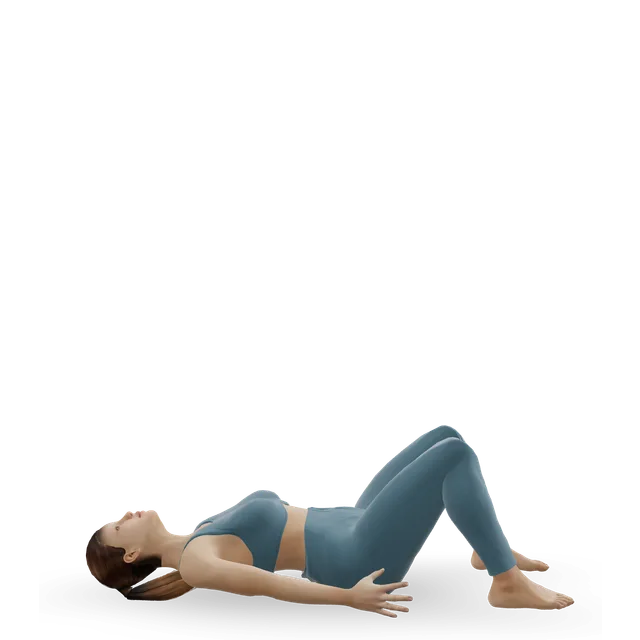
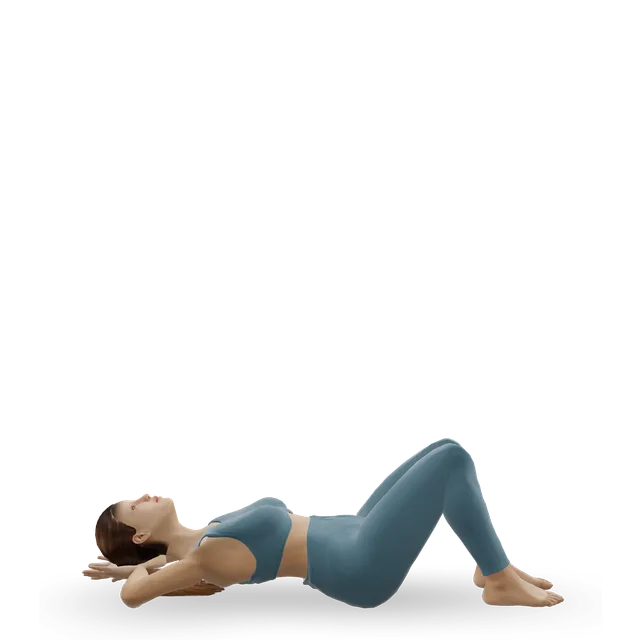
  1. Lie on your back with your knees bent and a soft pillow under your neck and head.
  2. Gently and slowly nod your head forward, as if to say yes.
  3. Feel the muscles at the front of your neck, and stop the nod just before they harden.
  4. Hold the nod for 5 seconds, then relax and let your head come back to where it started.
  5. Repeat up to 10 times, as the Australian guideline's exercise sheet says.

See the movement on the 3D figure: Lying chin tuck

Weeks 0 to 3: move a little, often, with your head supported

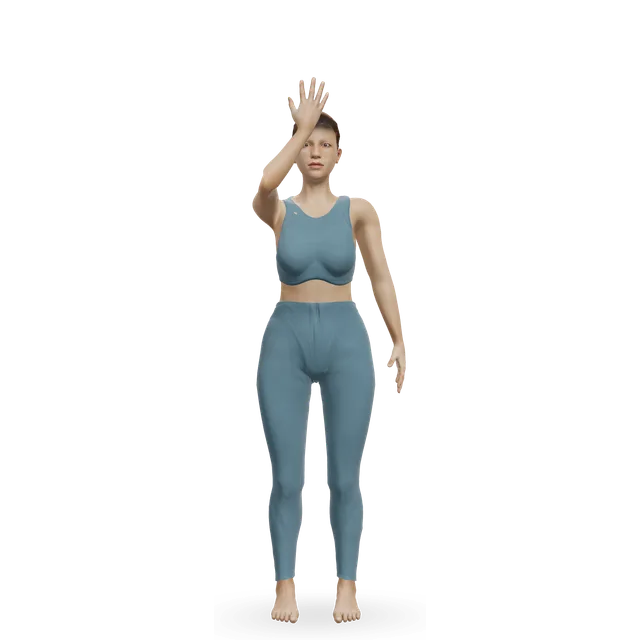
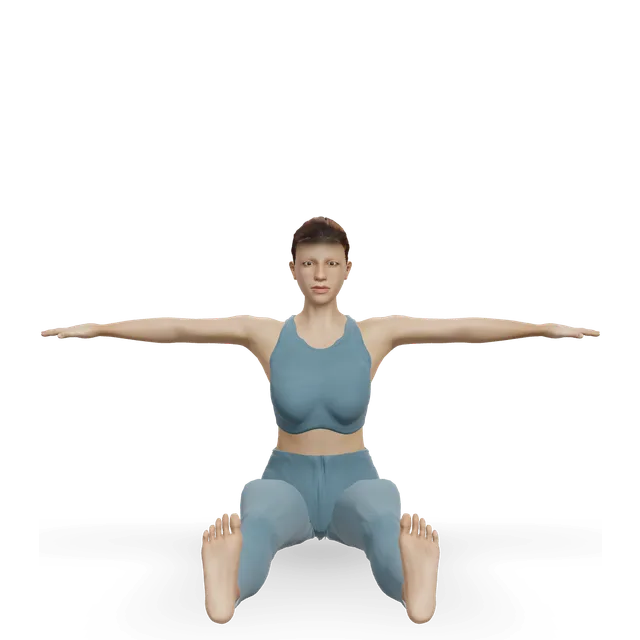
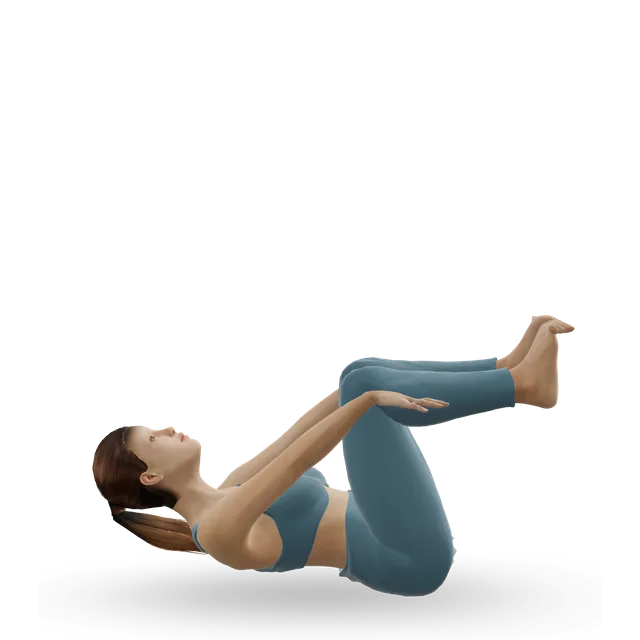
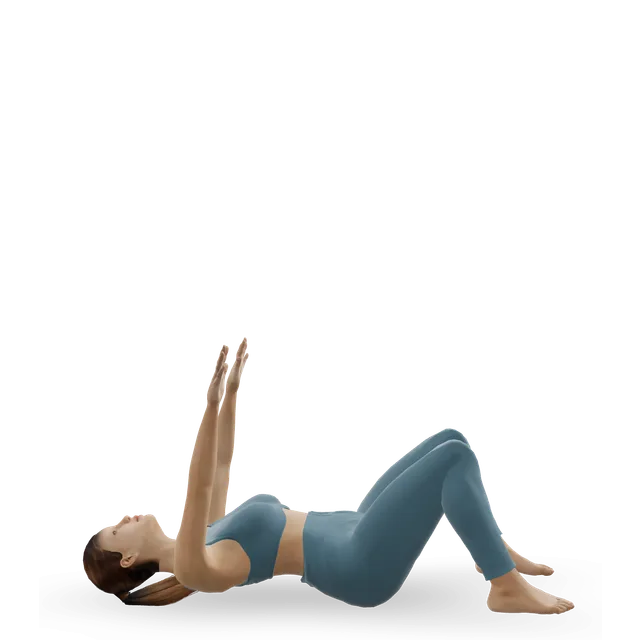
Only once the warning signs have been ruled out. Walking: daily, alongside your everyday activities. Neck movements: 2 to 3 reps each way, every hour or two, building to about 10, as small separate turns, tilts and nods rather than circles (our whiplash guide, from NHS inform). Chin tucks: 5 to 10, 2 to 3 times a day, and lying chin tucks: 5 to 10 gentle holds (our whiplash guide). Shoulder rolls: 10 each way (our whiplash guide). Thoracic rotation: "6 rotations per side, moving with the breath", the move page's dose, seated. Lateral breathing: "5 to 8 breaths at the start of every session", from the move page's dose. Knee folds: "2 sets of 5 to 10 each side, every other day", from the move page's dose, head down. Heel slides: "10 slow repetitions each side, once or twice a day", from the move page's dose. Dead bug heel taps, 5 each side, and pelvic tilt into bridge, 6 to 8 slow reps, weight on your shoulder blades (our Pilates for neck pain class). Breath reach: "5 breaths, exhale longer than inhale", the move page's dose, seated.

Weeks 3 to 12, if it's still bothering you: the upper back and shoulder blades

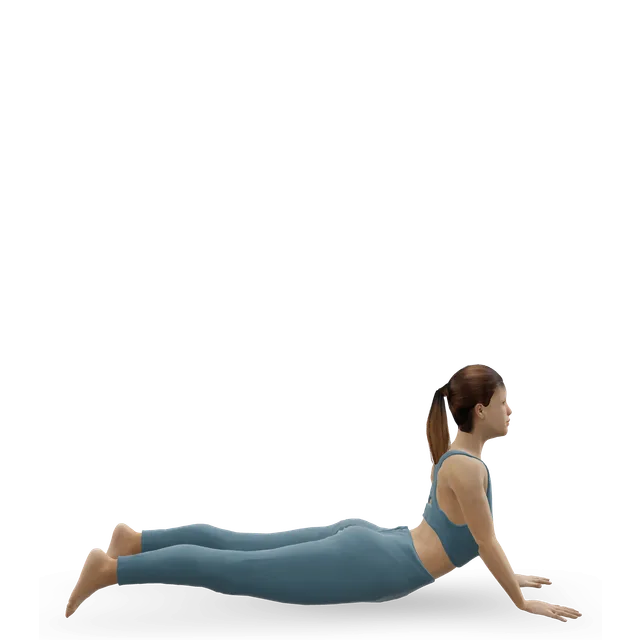
Two or three days a week. Neck holds: 3 to 5 holds of 5 to 10 seconds each direction, light effort, and chin tuck head lifts: 3 to 5 holds of 5 seconds (our whiplash guide); the neck holds' own page says: "Recent whiplash or any neurological symptoms means start with a clinician." Side-lying open book: 8 each side (our whiplash guide), within the range of the move page's dose. Y-T-W raises: 5 of each shape, 2 rounds, forehead on a towel; band rows: 2 to 3 sets of 10 to 15; wall angels: 8 slow slides (our whiplash guide). Swan: "5 to 6 reps", from the move page's dose, small lifts with your forehead down to start. Bird dog, one limb at a time: 5 each arm and leg (our Pilates for neck pain class). Cat-cow: "8 waves, slower than feels natural", the move page's dose, with the neck part small. Spine twist: "3 to 4 each side (the classical sequence uses 3)", and mermaid: "3 each direction, each side", from the move pages' doses, seated. Later in this stage, the chest lift with your hands supporting your head: "8 to 10 reps", from the move page's dose.

Moves to leave out while your neck hurts

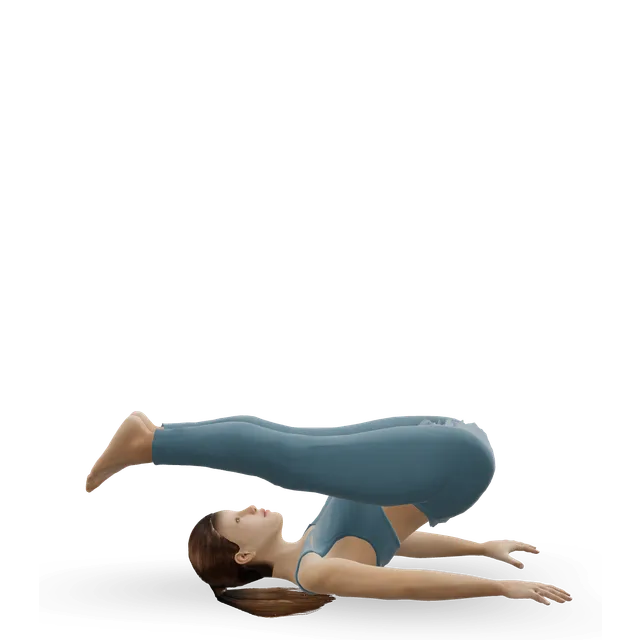
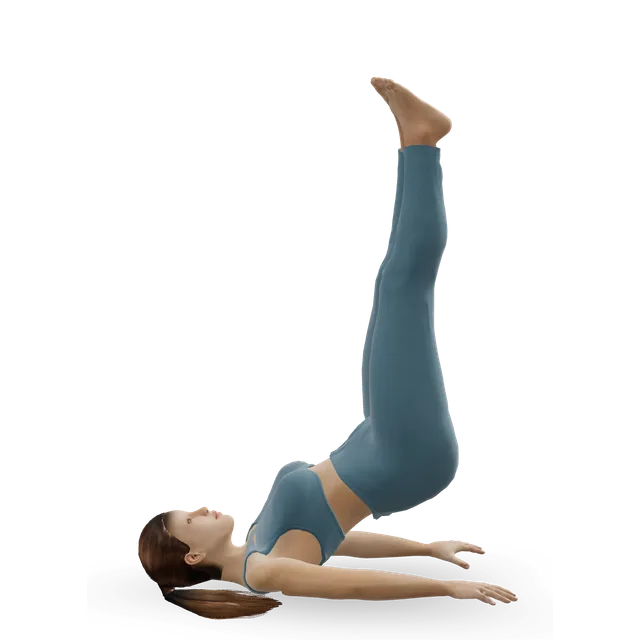
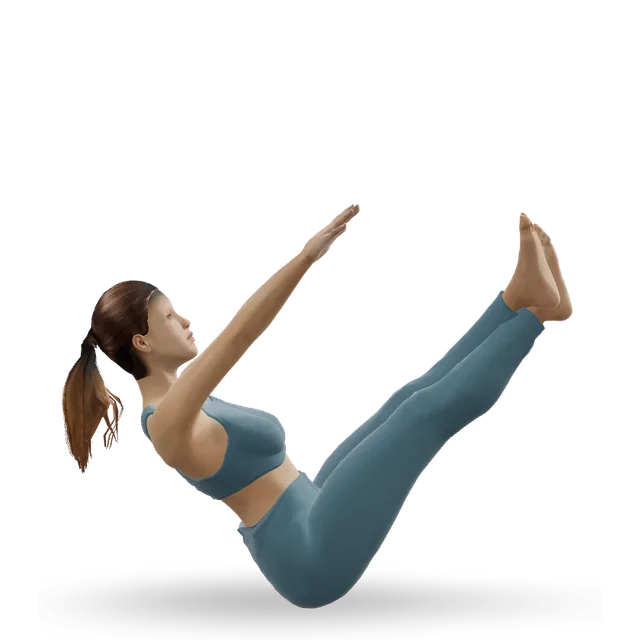
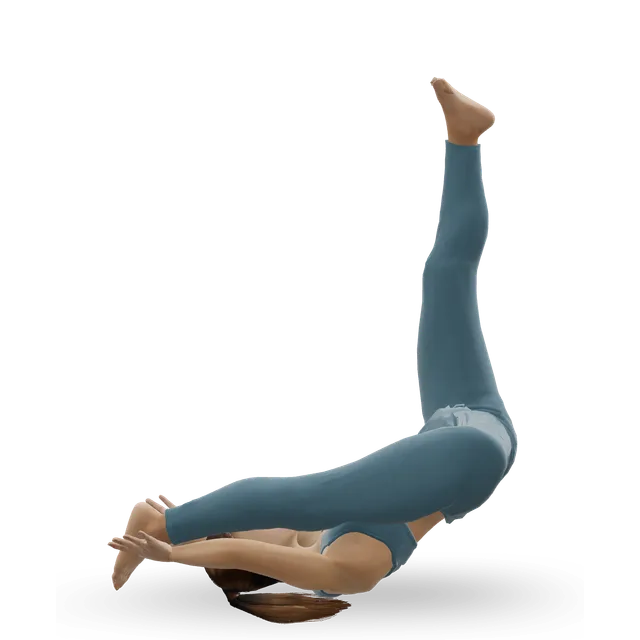
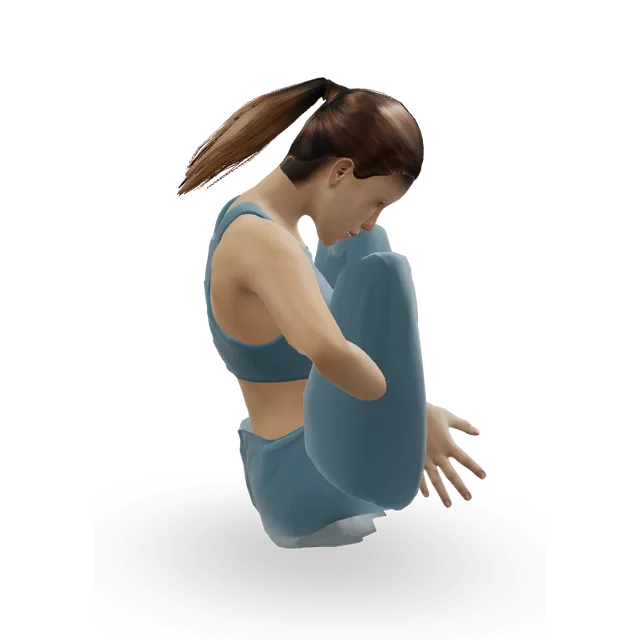
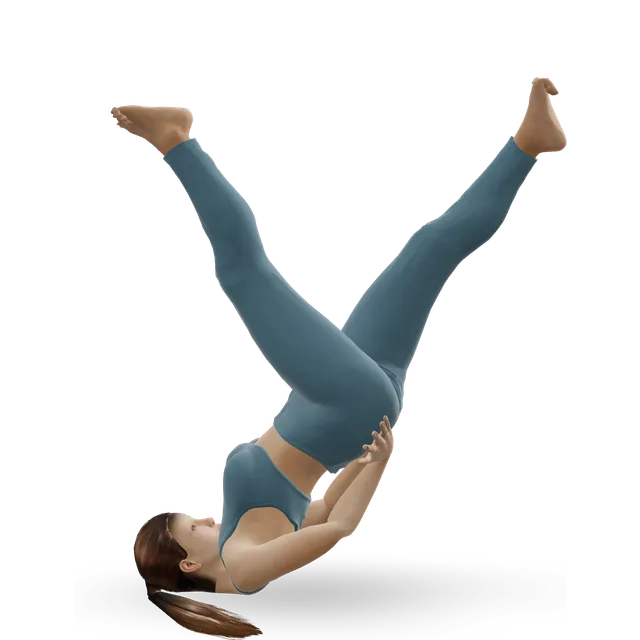
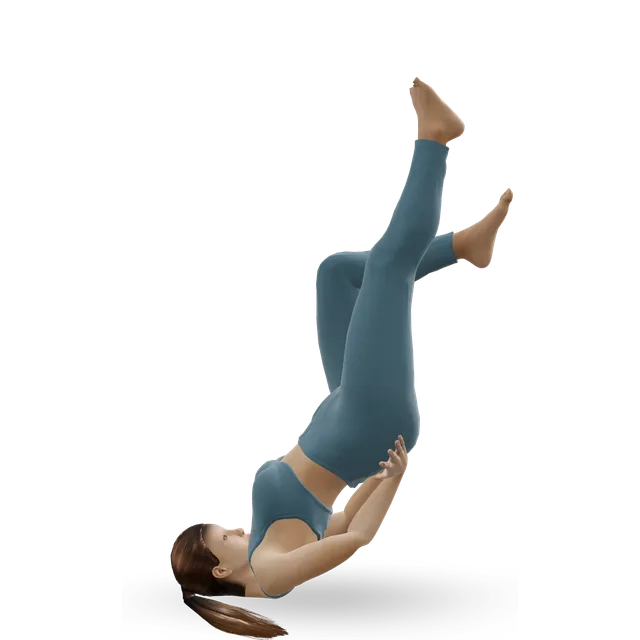
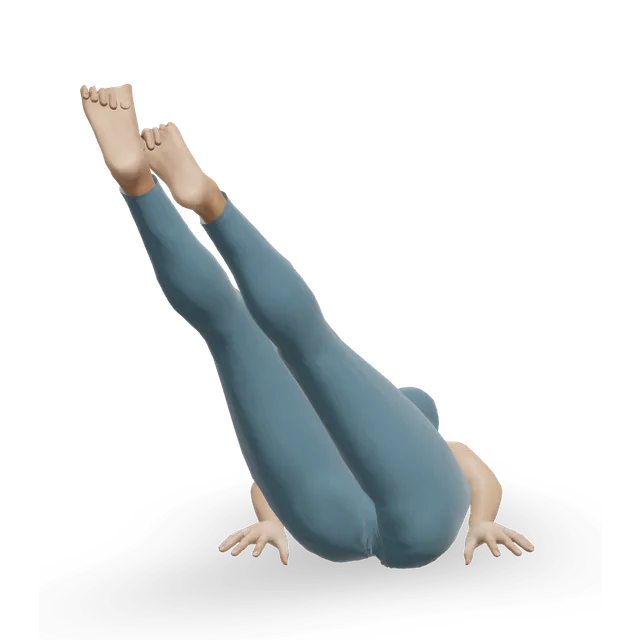
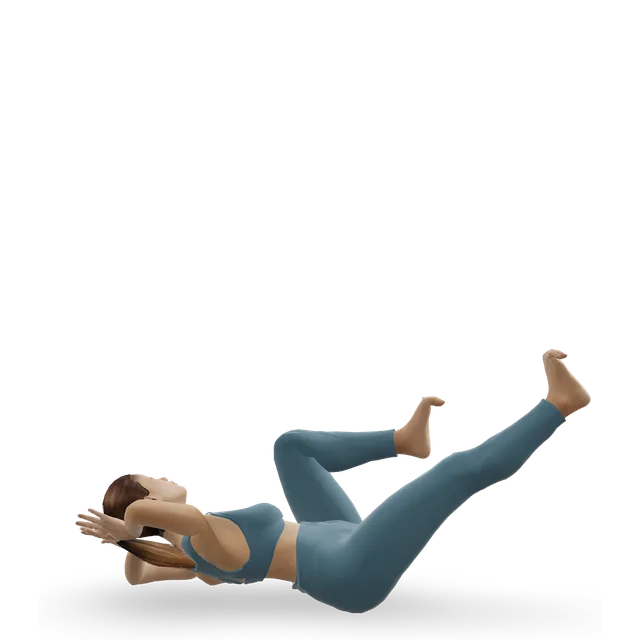
These put weight on the neck or upper back, roll onto it, or hold the head up for a long time; their own pages rule most of them out with a neck problem, and our Pilates for neck pain guide gives the same list. In the first weeks, also skip sustained head lifts such as the double-leg stretch, the criss-cross and the roll-up, big back bends, and on the reformer any overhead or upside-down work (our suggestion, from the guideline advice against intensive early exercise and a teacher-training school's advice).

If it's still bothering you after 3 months

Strength and confidence, not a cure

The US guideline suggests a gradual, individual programme of neck and upper back strength, endurance, flexibility and coordination for lasting whiplash. Neck-specific exercise with a physiotherapist has the best trial support, and a long general programme did no better than advice. A regular Pilates class can help your strength and confidence alongside that, not as a cure; our whiplash guide has the strength stage.

Sources 5, 18, 17

Help beyond exercise

When recovery is slow, the NHS mentions referral to a physiotherapist, a pain specialist or psychological support. In a trial, stress management added to exercise helped people at risk of a slow recovery.

Sources 4, 57

Reformer Pilates after whiplash

Head down, few changes of position

A classical reformer session includes the hundred, with the head lifted, and kneeling and overhead work. After whiplash, keep your head on the headrest in lying work, skip overhead and upside-down moves while your neck hurts, and choose seated and standing work at first. A teacher-training school also points out that getting in and out of positions can strain a sore neck, so keep changes of position few (our suggestion, from that advice).

Sources 33, 69

Classes to follow

Our 15-minute class is for the first weeks: seated and lying, head supported, with small neck movements and few changes of position. Its structure is our editorial choice, following our whiplash guide's first stage. The yoga class is the sister page's first-weeks class. If it's still bothering you after about 3 weeks, the 20-minute Pilates for neck pain class builds on it, and the neck and shoulder strength routine and neck strength workout suit the strength stage.

Walking alongside

Everyday activity is the first advice after whiplash; a walking plan helps you build it up.

Myths

"Wear a neck collar after whiplash"Strong evidence

The NHS says "do not use a neck brace or collar to support your neck", and NHS inform says a collar "can often make symptoms worse". A soft collar gave no benefit, a rigid collar did no better than acting as usual, and a review of 6 trials agrees.

Sources 4, 27, 48, 8, 49

"Rest your neck until the pain has gone"Strong evidence

The NHS advises against resting your neck for long periods; carrying on with everyday activities speeds recovery. Frequent gentle movement beat rest in a trial, with benefits at 3 years.

Sources 4, 7

"Whiplash always becomes chronic"Strong evidence

Most recovery happens in the first 3 months; roughly 45% recover quickly and 40% partly, while about 15% have lasting severe problems.

Sources 14, 5, 28

"Pilates is a proven treatment for whiplash"Strong evidence

No study has tested it, a whiplash research centre says it can't be recommended for lack of evidence, the Australian guideline lists it among treatments with no evidence for or against, and the Pilates neck pain trials excluded whiplash.

Sources 9, 10, 11, 12

"More therapy, sooner, means a faster recovery"Strong evidence

Extra early advice made no difference, a few physiotherapy sessions helped a little and briefly, and a long programme months later did no better than advice. Guidelines advise against intensive exercise early on.

Sources 16, 18, 5

"A strong core fixes neck pain"Emerging evidence

In everyday neck pain, Pilates was no better than other exercise, the best-supported exercise was strengthening the neck, shoulders and upper back, and in small trials shoulder blade work beat core work and adding core training added nothing.

Sources 41, 60, 64, 65

"You need a reformer for real Pilates after whiplash"Mixed evidence

The trials in everyday neck pain used mat, equipment or both, with similar results. After whiplash, mat work with your head supported is the simpler start (our suggestion).

Sources 43, 41

"If it still hurts at 3 months, something must be badly damaged"Emerging evidence

Lasting pain after whiplash is common and is predicted more by early pain, stress and fear of moving than by the crash itself. The warning signs, not the length of time, decide whether you need a scan.

Sources 15, 30

Questions people ask

Is Pilates good for whiplash?

It can be a gentle way to stay active and build strength once a serious injury has been ruled out, but it isn't a whiplash treatment: no study has tested it, and the Pilates neck pain trials left people with whiplash out. What helps most is carrying on with everyday activities and keeping your neck moving.

When can I start Pilates after whiplash?

Once the warning signs have been ruled out, gentle, head-supported seated and lying work can start in the first days if it feels good, alongside your everyday activities. Save head-lift ab work for later, and rolling or upside-down moves until your neck has settled; guidelines advise against intensive exercise in the early weeks.

Can I do Pilates after a car accident?

Check the warning signs first: after a crash, severe pain, not being able to turn your head, tingling in the arms or legs, being 65 or over, or a high-speed or rollover crash needs checking. If you hit your head or feel foggy, follow the concussion advice before any class.

Which Pilates exercises should I avoid after whiplash?

While your neck hurts, leave out moves that put weight on the neck or roll onto it, such as the roll-over, the jack knife, control balance, rolling like a ball and the seal, and the neck pull. In the first weeks also skip sustained head lifts and big back bends. Our Pilates for neck pain guide gives the same list.

Which Pilates exercises help after whiplash?

In the first weeks: lateral breathing, lying chin nods, knee folds, heel slides and side-lying open books, with small neck movements through the day. Then shoulder blade and upper back work, such as small swan lifts with your forehead down, Y-T-W raises and band rows. If it lasts, neck-specific exercise with a physiotherapist has the best support.

How much pain is OK in Pilates after whiplash?

Pain up to 5 out of 10 during exercise is acceptable, 6 or more is too much, and your neck should be no worse the next morning. If a move sends pain, tingling or numbness down your arm, make it smaller or leave it out.

Is reformer Pilates OK after whiplash?

With a teacher who knows about it, later on: keep your head on the headrest in lying work and skip overhead and upside-down work while your neck hurts. No study has tested the reformer after whiplash.

Should I wear a neck collar to do Pilates?

No. The NHS advises against a collar for whiplash because it doesn't help, and trials found no benefit.

How long does whiplash take to get better?

The NHS says it usually gets better within 2 to 3 months, but some people have symptoms for longer. Most recovery happens in the first 3 months, and about half of people still notice some neck pain a year later.

My neck still hurts months later. Will Pilates fix it?

Probably not on its own: 20 sessions of exercise did no better than advice months after whiplash, while neck-specific exercise with a physiotherapist helped more than general activity for a year. A regular class can still help your strength and confidence, and the NHS mentions physiotherapy, a pain specialist or psychological support when recovery is slow.

Can Pilates help dizziness after whiplash?

Not directly. Dizziness that lingers needs a physiotherapist's assessment, and new dizziness with a headache or with vision or speech problems needs urgent help. Keep head turns small and slow, and skip rolling moves until it settles.

Can Pilates cause neck pain?

Holding your head up too long, pulling on your head or rolling onto your neck can strain it, and our neck pain after Pilates guide explains the fixes. After whiplash, keep your head supported and the moves small.

Sources

  1. NHS inform · Neck injury
  2. NICE NG232 · Head injury: assessment and early management (2023): recommendations on imaging the neck (read in full)
  3. Stiell 2001 · The Canadian C-spine rule in 8,924 adults (diagnostic study, JAMA)
  4. NHS · Whiplash
  5. Blanpied 2017 · Neck pain: clinical practice guideline, revision 2017 (US physiotherapy guideline, JOSPT; read in full)
  6. Côté 2016 · Management of neck pain and associated disorders: a clinical practice guideline from the OPTIMa Collaboration (Canadian guideline, Eur Spine J)
  7. Rosenfeld 2003 · Early active movement after whiplash: 3-year follow-up of 97 people (RCT, Spine)
  8. Kongsted 2007 · A rigid collar, acting as usual or active mobilisation in 458 people after whiplash (RCT, Spine; has an erratum we couldn't open)
  9. PubMed · Our search for trials of Pilates in whiplash (2 November 2026; Europe PMC and ClinicalTrials.gov also searched)
  10. RECOVER Injury Research Centre, University of Queensland · Whiplash treatment options: Pilates (chronic whiplash; rating: no research)
  11. SIRA 2014 · Guidelines for the management of acute whiplash-associated disorders, third edition (State Insurance Regulatory Authority, New South Wales; archived copy read in full)
  12. Dunleavy 2016 · Pilates or yoga classes for chronic mechanical neck pain; its registration excluded recent whiplash (quasi-randomised trial, Physiotherapy)
  13. Sahiner Picak 2023 · Clinical Pilates for chronic non-specific neck pain; its registration excluded whiplash (RCT, Ir J Med Sci)
  14. Kamper 2008 · Course and prognostic factors of whiplash: 38 cohorts (meta-analysis, Pain)
  15. Carroll 2008 · Course and prognosis of neck pain after whiplash (Bone and Joint Decade Task Force review, Spine)
  16. Lamb 2013 · MINT: emergency department advice and physiotherapy for acute whiplash in 3,851 people (RCT, Lancet)
  17. Ludvigsson 2016 · The same trial at 1 and 2 years (RCT, J Rehabil Med)
  18. Michaleff 2014 · PROMISE: 20 exercise sessions or advice in 172 people with lasting whiplash (RCT, Lancet)
  19. NHS · Stroke: symptoms
  20. NHS · Head injury and concussion
  21. Sport and Recreation Alliance 2024 · UK concussion guidelines for non-elite (grassroots) sport (November 2024 update, accessible version; read in full)
  22. NHS · Neck pain (past its review date: reviewed April 2023, review due April 2026)
  23. NHS · Chest pain (past its review date: reviewed August 2023, review due August 2026)
  24. NHS · Fainting
  25. NHS · Shortness of breath
  26. NHS · Pilates video for beginners, with its safety advice
  27. NHS inform · Whiplash
  28. Sterling 2010 · Recovery paths after whiplash in 155 people (cohort, Pain)
  29. Al-Khazali 2020 · Neck pain and headache after whiplash: 27 studies (meta-analysis, Pain)
  30. Walton 2013 · Risk factors for persistent problems after whiplash (meta-analysis, JOSPT)
  31. Ritchie 2016 · Recovery pathways and prognosis after whiplash (review, JOSPT)
  32. Pilates Method Alliance · Pilates history
  33. Merrithew 2016 · Ask the expert: what should you do with a client who has whiplash? (a teacher-training school's advice to teachers)
  34. Essex Partnership University NHS Foundation Trust · Whiplash (physiotherapy leaflet, 2025)
  35. Ludvigsson 2015 · Neck-specific exercise, with or without a behavioural approach, or a prescription of activity in 216 people with lasting whiplash (RCT, Clin J Pain; read in full)
  36. Chartered Society of Physiotherapy · Whiplash (2019)
  37. Denham-Jones 2022 · Pilates in older adults with chronic musculoskeletal conditions: 7 studies (systematic review, Musculoskeletal Care)
  38. NHS inform · Exercises for neck problems (including how to tell if you are exercising at the right level)
  39. Wong 2015 · Clinical practice guidelines for conditions related to traffic collisions: a systematic review by the OPTIMa Collaboration (Disabil Rehabil)
  40. KNGF 2016 · Dutch physiotherapy guideline for neck pain, which replaced its whiplash guideline (in Dutch)
  41. Lazoura 2025 · Pilates for chronic neck pain: 8 trials, 439 adults (meta-analysis, BMC Musculoskelet Disord; read in full)
  42. Martini 2022 · Pilates for neck pain: 5 trials (meta-analysis, J Bodyw Mov Ther)
  43. Cazotti 2018 · Pilates in 64 adults with chronic mechanical neck pain; its registration excluded past spinal trauma (RCT, Arch Phys Med Rehabil)
  44. Göz 2026 · Pilates with or without kinesiotape in office workers; excluded spinal trauma (RCT, Pain Res Manag; read in full)
  45. Akodu 2021 · Neck stabilisation or Pilates in 45 people with chronic neck pain (RCT, J Bodyw Mov Ther)
  46. Soysal Tomruk 2020 · Pilates or home exercise in 36 people with chronic neck pain (RCT, Cukurova Med J)
  47. Mallin 2013 · Six weeks of mat Pilates in 13 people with chronic neck pain (uncontrolled pilot, J Bodyw Mov Ther)
  48. Crawford 2004 · A soft collar after neck injury in 108 people (RCT, Injury)
  49. Ricciardi 2019 · Neck collars after whiplash: 6 trials (meta-analysis, Eur Spine J)
  50. Wiangkham 2015 · Active against passive care in acute whiplash: 15 trials (meta-analysis, PLoS One)
  51. Jull 2013 · Early multiprofessional care against usual care in 101 people with acute whiplash (RCT, Pain)
  52. Verhagen 2007 · Conservative treatments for whiplash: 23 trials (Cochrane review)
  53. Griffin 2017 · Exercise for whiplash-associated disorders (systematic review, JOSPT)
  54. Stewart 2007 · Exercise plus advice against advice alone after whiplash (RCT, Pain)
  55. Ferlito 2026 · Therapeutic exercise for whiplash-associated disorders: 5 trials (systematic review, Diseases)
  56. Peolsson 2016 · Neck-specific exercise against a waiting list in lasting whiplash (RCT, Arch Phys Med Rehabil)
  57. Sterling 2019 · Stress management added to exercise in 108 people after whiplash (RCT, Br J Sports Med)
  58. Al-Wardat 2026 · Psychological treatments in whiplash: 11 trials (meta-analysis, BMC Psychol; read in full)
  59. Seferiadis 2016 · Body awareness therapy against exercise therapy in 113 people with lasting whiplash (RCT, Disabil Rehabil)
  60. Gross 2015 · Exercises for neck pain: 27 trials (Cochrane review)
  61. Blomgren 2018 · Deep neck flexor training in neck pain: 12 trials (systematic review, BMC Musculoskelet Disord)
  62. de Zoete 2020 · Types of exercise for chronic non-specific neck pain: 40 trials (network meta-analysis, Br J Sports Med)
  63. Amin 2026 · Exercise for neck pain: an overview of 52 reviews (J Man Manip Ther)
  64. Ayan 2025 · Core or shoulder blade stabilisation by telerehabilitation in 41 young adults with chronic neck pain (RCT, Percept Mot Skills)
  65. Buyukturan 2017 · Neck stability training with or without core training in 50 people with a neck disc herniation (RCT, Eur J Pain)
  66. Treleaven 2017 · Dizziness, unsteadiness and visual problems after neck trauma (clinical commentary, JOSPT)
  67. Treleaven 2022 · Dizziness in 172 people with lasting whiplash (secondary analysis of a trial, BMC Musculoskelet Disord)
  68. Gil 2021 · Whiplash and concussion: two overlapping conditions (review, Neurochirurgie)
  69. Pilatesology 2024 · Classical reformer order and spring settings: basic (PDF; read in full)
  70. NICE NG41 · Spinal injury: assessment and initial management
  71. Rushton 2023 · International IFOMPT framework for checking the neck for artery problems before treatment (JOSPT)

Exercise education, not a personal prescription, and clinical review of these guides is pending. If you are pregnant, have a health condition or have had recent surgery, check with a doctor, midwife or physiotherapist before starting, and stop for sharp or increasing pain. Health disclaimer.