Yoga guide

Yoga for lymphoedema (lymphedema): after cancer treatment, arm and leg swelling, gentle movement, compression and skin care, and a class

Yoga is safe with lymphoedema (lymphedema in the US), or if you're at risk of it after cancer treatment. NICE (the National Institute for Health and Care Excellence) says there is no indication that physical activity causes or worsens it, and the UK's lymphoedema bodies and cancer charities name yoga among suitable activities. In the small trials, mostly in women with arm swelling after breast cancer, yoga helped how people felt and moved, but it didn't shrink the arm more than usual care.

So yoga goes alongside compression, skin care and your lymphoedema team, never instead of them. This guide covers what lymphoedema is and how lymph moves, what the yoga and exercise trials show, breathing, arm and leg swelling, wearing your garment, building up slowly, the poses to change (long holds, heat, going upside down), cellulitis, clots and new swelling, and a free 25-minute moving class with arm and leg options.

The short version

Yoga is safe with lymphoedema, and with a risk of it

NICE: "there is no indication that physical activity causes, or worsens, lymphoedema." The British Lymphology Society lists yoga among recommended activities, and the Lymphoedema Support Network, Macmillan, Breast Cancer Now and Cancer Research UK name it too. In the best-reported yoga trial, there were no harms from the yoga.

Sources 1, 2, 3, 4, 5, 6, 7

Yoga doesn't shrink swelling; compression and specialist care treat it

In the two published randomised trials that compared arm volume with usual care (68 women in all), yoga made no difference, and in the better-reported one the arm swelled more in the month after classes stopped. NICE: "Offer compression therapy as the first stage of lymphoedema management."

Sources 7, 8, 9, 10, 1, 11

What yoga can help: how you feel and move

In small trials, yoga eased symptoms, softened tissue and improved posture and quality of life in the short term; across 26 trials, it improved quality of life within 6 months more than usual care. Exercise in general improves pain, strength, fatigue and quality of life with lymphoedema, while barely changing the swelling.

Sources 7, 12, 8, 9, 13

Movement and deep breathing help lymph move

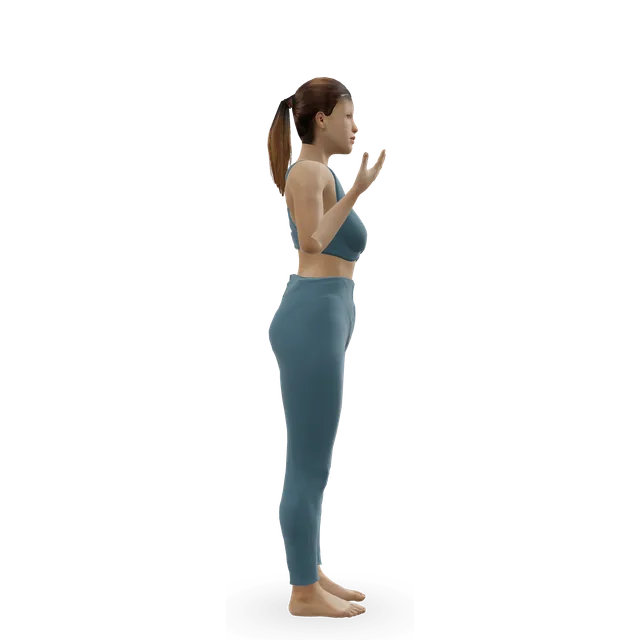
The NHS: "Unlike blood circulation, the lymphatic system has no central pump"; working muscles squeeze the lymph vessels. Cancer Research UK says deep breathing helps lymph flow by changing the pressure in your tummy and chest. Start with slow, deep breaths, then rhythmic arm or leg movements.

Sources 11, 6

Build up slowly, and keep moving rather than holding still

In the PAL (Physical Activity and Lymphedema) trials, weight lifting built up slowly didn't increase swelling and halved flare-ups, and didn't bring on lymphoedema in women at risk. If the limb swells, aches, feels hotter or takes longer to recover afterwards, do less next time. Macmillan advises avoiding static holds such as the plank.

Sources 14, 15, 3, 16

Wear your garment, skip the heat, and know cellulitis

UK charities say to wear your compression garment when you exercise, though not in water. The NHS says heat from saunas, steam rooms and sun beds "may increase the swelling", so we'd skip hot yoga. Cellulitis is the commonest complication: painful, hot, swollen skin needs help the same day.

Sources 3, 5, 17, 18

What lymphoedema is

Long-term swelling, usually in an arm or leg

The NHS: "Lymphoedema is a long-term (chronic) condition that causes swelling in the body's tissues. It can affect any part of the body, but usually develops in the arms or legs." Early on, the swelling may be soft, leave a dent when pressed, come and go, and be worse at the end of the day; the limb can feel aching and heavy. There's no cure, but it can usually be well controlled. The British Lymphology Society says swelling that lasts more than 3 months should be treated as lymphoedema.

Sources 18, 19, 20

Primary and secondary

Primary lymphoedema comes from faulty genes that affect how the lymphatic system develops, and is rare. Secondary lymphoedema is much more common: it follows damage to the lymph system, with "a particular risk of lymphoedema occurring after treatment for any cancer where lymph glands are removed", and also infection, inflammation, vein disease, a high body weight, injury and long spells without moving.

Sources 18, 21, 22

How many people, and after which cancers

The NHS says more than 200,000 people in the UK have it, and a South West London study found lymphoedema not caused by cancer treatment more common than generally thought. Across 72 studies, about 1 in 6 women developed arm lymphoedema after breast cancer, about 4 times more often after removal of the armpit lymph nodes than after a sentinel node biopsy; most people who've had nodes removed don't get it. In 408 Australian women, about 4 in 10 developed leg lymphoedema within 2 years of gynaecological cancer surgery. It also follows melanoma, vulval, prostate and other cancers, at rates that vary a lot between studies.

Sources 18, 23, 24, 5, 25, 26, 27, 28

How lymph moves

The NHS: the lymphatic system "uses the massaging effect of surrounding muscles to move the fluid. This is why exercise is important." Cancer Research UK says deep breathing "works by changing the pressure in your tummy (abdomen) and chest", and the British Lymphology Society's fact sheet says deep breathing "may be as important as limb exercises". Our yoga for lymphatic drainage guide covers the lab studies.

Sources 11, 21, 6, 2

Treatment, and where yoga fits

The NHS recommends decongestive lymphatic therapy: compression bandages or garments, skin care, exercises that use the muscles of the swollen limb, and specialist massage. It "is not a cure for lymphoedema, but it can help control the symptoms." After breast cancer, NICE makes compression the first stage. Yoga fits inside the exercise part, alongside the rest.

Sources 11, 1, 19

Specialist massage is different

A Cochrane review of 6 small trials found specialist lymphatic massage may add a little to compression bandaging, but it added nothing over a placebo massage in a blinded trial of 194 people, and NICE makes no recommendation on it. Yoga isn't massage: it's movement and breathing alongside your treatment.

Sources 29, 30, 1

What the evidence says

The exercise evidence is good on safety; the yoga trials are small, mostly in arm swelling after breast cancer, and none is in leg or primary lymphoedema.

Activity is safe, and the guidance says soStrong evidence

NICE: "Reassure people that there is no evidence that physical activity (including upper limb exercise) will worsen their lymphoedema and explain that it may improve their overall quality of life." Its committee noted the studies were small and at moderate to high risk of bias. NICE's guidance covers breast cancer only; there's no NICE guideline on leg lymphoedema after other cancers.

Source 1

Weight lifting built up slowly: the PAL trialsStrong evidence

In 141 women with arm lymphoedema, a year of slowly built-up weight lifting in a fitted garment didn't increase swelling (11% against 12% had a rise of 5% or more), and flare-ups were less common (14% against 29%). In 154 women at risk, 11% of lifters and 17% of controls developed lymphoedema. An unsupervised home programme didn't help in another trial of 351 women, whose authors suggest supervision may matter.

Sources 14, 15, 31

Exercise helps function more than swellingStrong evidence

Across 36 studies, exercise barely changed swelling against usual care but improved pain, upper-body function, strength, fatigue and quality of life. A Cochrane review found strength training didn't raise the risk of getting lymphoedema, provided symptoms are watched. An international roundtable calls strength training safe when built up slowly with supervision, but warns the breast cancer findings may not apply to lymphoedema after other cancers.

Sources 13, 32, 33, 34

Exercise may lower the risk of getting itEmerging evidence

Across 17 studies (2,739 people), people who exercised were about 30% less likely to develop lymphoedema after cancer treatment (risk ratio 0.71), with low certainty, and any kind of exercise seemed to count, even unsupervised.

Source 35

The yoga trials: no reduction in swellingStrong evidence

In the best-reported trial (28 women with early arm lymphoedema in Tasmania, 8 weeks of weekly classes plus a daily DVD), arm volume didn't differ at 8 weeks, and at 12 weeks, after classes stopped, it rose more in the yoga group. At 8 weeks, tissue was a little softer and symptoms better, "These benefits did not last on cessation of the intervention", and there were no harms from the yoga. A second report of the same trial found better posture and shoulder strength. In 40 women in Iran, 8 weeks of yoga improved physical and emotional functioning but not swelling.

Sources 7, 12, 8

Newer and uncontrolled studiesMixed evidence

A 2026 trial from Iran (112 women recruited by purposive sampling, 96 finished) reports less arm swelling, but we could read only its summary, which gives no numbers, so it can't be weighed. A preprint of 28 women found no change in volume with yoga or Pilates. Studies without a control group (21, 15 and 18 women) found no harm and little change in swelling.

Sources 36, 37, 38, 39, 40

What the reviews concludeStrong evidence

Two reviews found yoga hasn't been shown to reduce or prevent arm lymphoedema; a third found quality of life and movement improved in all 7 studies. A 2025 network analysis of 26 trials found yoga improved quality of life within 6 months (moderate certainty), while every therapy's effect on volume was very uncertain. A 2026 overview says the evidence for yoga "remains very uncertain for most patient-important outcomes", and an integrative oncology guideline found the evidence for yoga in lymphoedema too thin to recommend it.

Sources 41, 42, 43, 9, 10, 44

How yoga compares with other exerciseMixed evidence

No trial has compared yoga with walking, swimming or strength training for lymphoedema. The lymphoedema bodies name yoga alongside walking, swimming, cycling and weight training, and the international consensus says the benefits hold whatever the type of exercise. Our reading: yoga is one good choice for movement, breathing and comfort; strength built up slowly and regular walking add what yoga lacks.

Sources 2, 45, 3, 46

Deep breathing for lymphoedema

Cancer Research UK's deep breathing for lymphoedema, which it says also helps you relax. The evidence that breathing moves lymph is thin: in healthy volunteers the main lymph duct widened slightly on a full breath in, and breathing has only been tested inside self-care packages, so don't expect it to reduce swelling on its own.

  1. Sit up in a chair or in bed, or lie down.
  2. Relax your shoulders and upper chest, and rest one hand below your ribs.
  3. Take a slow, deep, comfortable breath in through your nose, feeling your hand rise as your tummy rises.
  4. Breathe out slowly through your mouth, so your tummy is flat again.
  5. Do this 5 times, before your arm or leg exercises and again at the end.

See the movement on the 3D figure: Slow breathing (6 breaths a minute)

What breathing does and doesn't do

Every UK source advises it

Cancer Research UK says deep breathing is "helpful for all types of lymphoedema, even head and neck swelling", the British Lymphology Society that it may be as important as limb exercises, and Breast Cancer Now that it can help lymph drainage.

Sources 6, 2, 5

The direct evidence is thinMixed evidence

In 33 healthy volunteers, the main lymph duct widened from 1.7 to 1.8 mm on a full breath in, a measure of width, not flow. Breathing has only been tested inside packages: gentle arm exercise with deep breathing in 38 women (no control group), a 10-minute self-care routine in a 43-woman pilot trial, and self-care with deep breathing in 126 people with filarial leg swelling in Ethiopia, which cut attacks of inflammation without changing leg size.

Sources 47, 48, 49, 50

Arm and leg swelling

Arm swelling after breast cancer

In the first weeks after surgery, your team's arm exercises come first; start a class once wounds have healed and your team agrees (our suggestion). Keep weight on your hands short (downward dog, plank, all fours), lower your arms between poses (Macmillan says not to lift your arm above shoulder height for too long), and build any band or weight work up slowly.

Sources 5, 51, 4, 16

Legs: exercise looks safe, with little researchMixed evidence

A 2025 review of 12 studies (367 people) found small positive effects of exercise on quality of life, function, pain and leg volume but couldn't make recommendations. After gynaecological cancer, across 7 studies (261 people), exercise didn't change leg volume, pain or heaviness and was safe, "with the only complication being cellulitis". Adding exercise to decongestive therapy in 40 women improved function without more swelling, and brisk walking for 6 months in 95 ovarian cancer survivors made no difference to leg swelling and did no harm, though 2 of 10 people in a small weight-lifting study developed cellulitis.

Sources 52, 53, 54, 55, 56

Preventing leg swellingEmerging evidence

In one open-label trial of 267 women after pelvic lymph node removal, leg lymphoedema developed in 9% with progressive resistance exercise, 28% with compression stockings and 43% with neither. It's a single-centre trial with a large effect, so it needs confirming.

Sources 57, 35

No yoga trial in legs or in primary lymphoedemaStrong evidence

Our searches found no yoga trial in leg lymphoedema after cancer or in primary lymphoedema. Yoga appears only as one station of a 7-woman water circuit and inside self-care packages for leg swelling from filariasis (a tropical infection) in India, which had no comparison groups. The leg advice here comes from exercise studies and guidance, not yoga trials.

Sources 58, 59, 60, 61

Skin and feet

The NHS advises keeping the skin clean, moisturised and free of cuts to prevent infection. With leg swelling, check your feet and between your toes before and after class, avoid straps or clothing that dig in, and use a cushion if a deep knee bend feels tight (our suggestion; cellulitis was the main complication in the leg studies).

Sources 17, 53

Compression, and building up

Wear your garment if you've been given one

The Lymphoedema Support Network: "Always wear your compression garments when you are exercising", though you don't need them in water; Breast Cancer Now and Macmillan agree. The British Lymphology Society says it's "generally best", and that some people are comfortable in lighter compression with no extra swelling. If your garment is uncomfortable, ask to have its fit checked.

Sources 3, 5, 4, 2

The trials found no difference either wayEmerging evidence

An upper-body strength session without compression didn't worsen arm lymphoedema in 25 women; after light exercise, the arm swelled a little with or without a sleeve and was back to normal within 24 hours in 31 women; garment use made no difference in a 12-week programme; and interval cycling with or without compression made no clinically relevant difference in 19 people with leg swelling. The international consensus says to decide individually. Follow your team.

Sources 62, 63, 64, 65, 46

Watch the limb, and build up slowly

If the limb swells, aches, feels hotter or takes longer to recover than your other limbs afterwards, do less next time. The British Lymphology Society: "Short, regular periods of activity with rests in between are better than long periods of activity". In the PAL trial, arm weights started at no weight or 1 pound and went up only after a week with no change in symptoms.

Sources 3, 45, 66

Building up arm strength the PAL way

Adapted from the PAL trial's methods, where upper-body weights started at no weight or 1 pound and went up by half a pound to a pound only when symptoms hadn't changed, and from the band dose in our Pilates for lymphoedema class.

  1. Wear your compression sleeve if you have one.
  2. Start with the lightest band, or no weight, for 1 set of 8 to 10 slow rows.
  3. Check your arm that evening and the next day.
  4. If nothing has changed after a week or two, add a little: a second set, or a slightly stronger band.
  5. If your arm swells, aches or feels heavier, skip a session or go back a step.
  6. After 2 or more missed sessions, start again a step lighter.

See the movement on the 3D figure: Band row

Breathe first, then neck, shoulders and spine

Slow breathing: 5 deep breaths; neck turns, tilts and nods: 5 turns and 5 tilts each way, then 5 chin-to-chest nods; shoulder rolls: 5 to 10 each way, then 5 shrugs (our lymphoedema exercises routine). Breath reach: "5 breaths, exhale longer than inhale"; cat-cow: "8 waves, slower than feels natural", seated with hands on your knees if weight on your hands bothers a swollen arm; thoracic rotation: "6 rotations per side, moving with the breath" (the move pages' doses).

Arm pumps (with arm swelling or a risk of it)

Chest swings: 5 to 10 slow swings, like breaststroke; elbow bends: 5 to 10 with the arm on a cushion; wrist circles: 5 to 10 each way; ball squeeze: 5 to 10 slow squeezes; tendon glides: 5 (our lymphoedema exercises routine, which follows Cancer Research UK's).

Leg pumps (with leg swelling or a risk of it)

Seated march: 10 each leg; seated calf raise: 10; ankle pumps and circles: 10 pumps, then 5 circles each way (our lymphoedema exercises routine; Cancer Research UK suggests the leg exercises at least twice a day). Calf raise: 10 with a hand on the wall (our Pilates for lymphoedema class). Walking: 10 minutes, outdoors counts (our postnatal exercises routine).

Gentle yoga that keeps moving (with a chair)

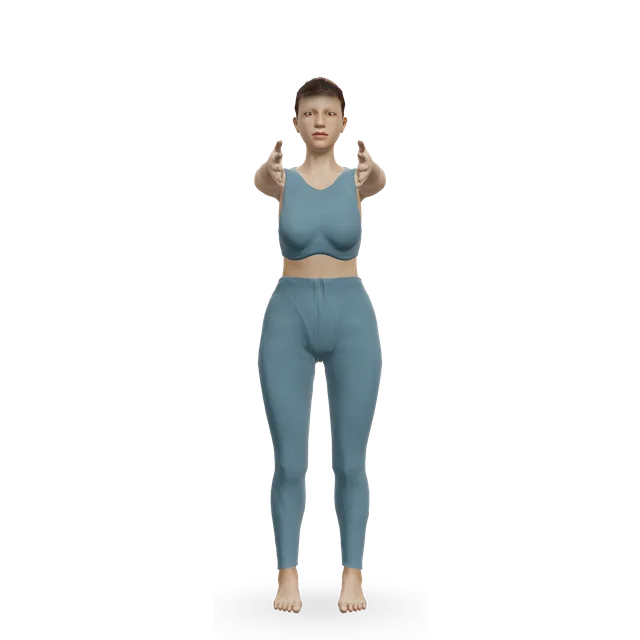
Mountain pose: 5 slow breaths, a hand on the chair; chair pose: 2 holds of 3 to 5 breaths; warrior II: 3 to 5 breaths each side, arms lower if they feel heavy; bridge: 6 to 8 slow lifts, moving, not held (our gentle yoga for cancer class). Sit to stand: 8 (our Pilates for lymphoedema class).

Arm strength, built up slowly

Band row: 1 set of 8 to 10 with the lightest band; wall push-up: 1 set of 8, the gentlest way back to weight on your hands (our Pilates for lymphoedema class). Build up as in the steps above.

Rest with the limb raised

Legs up the wall: 2 minutes, or calves on a chair; with heart failure, or kidney or liver disease that causes fluid build-up, ask your doctor first, as its page says (our yoga for the pelvic floor class). Corpse pose: "Lie still for at least 5 minutes, up to 10", a swollen arm resting on a cushion (the move page's dose).

Long holds, heat and going upside down

Keep moving rather than holding stillMixed evidence

Macmillan: "Avoid exercises where you use your muscles without moving your body. These are called static contractions. For example, avoid the plank position." No study has tested long yoga holds in lymphoedema; the long holds in an Indian programme for filarial leg swelling were done in bandages after massage, which isn't evidence that they help.

Sources 16, 45, 61

Skip hot yogaMixed evidence

No study has tested hot yoga with lymphoedema. The NHS says heat from saunas, steam rooms and sun beds "may increase the swelling", and Breast Cancer Now that saunas can increase swelling. NICE found no consistent evidence that heat raises the risk of getting lymphoedema, and in the PAL trials only sauna use, in 13 women, predicted new arm swelling. Skipping the hot room is our suggestion, as a precaution.

Sources 67, 17, 5, 1, 68

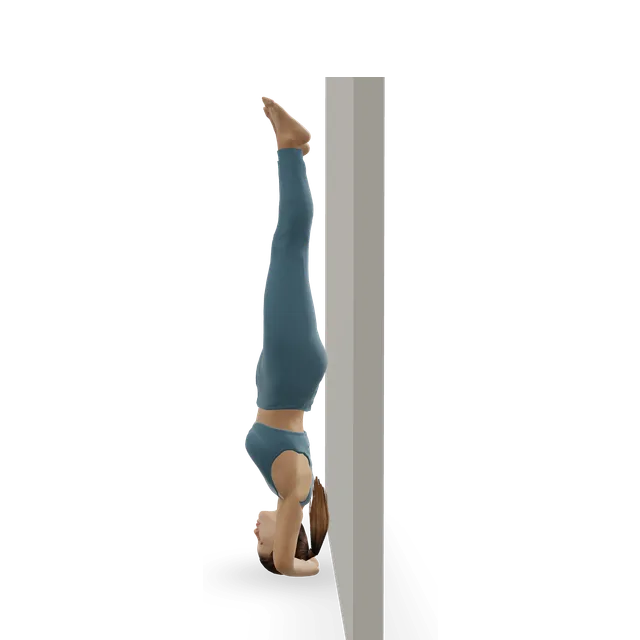
Going upside down adds nothing provenMixed evidence

Our search found no study of inversions in lymphoedema. Raising the swollen limb is standard advice, and the international consensus says simple elevation reduces swelling in some people, particularly in early lymphoedema. Legs up the wall or a cushion gives you that without weight on your neck and arms.

Sources 69, 11, 46

Poses to change, or leave out

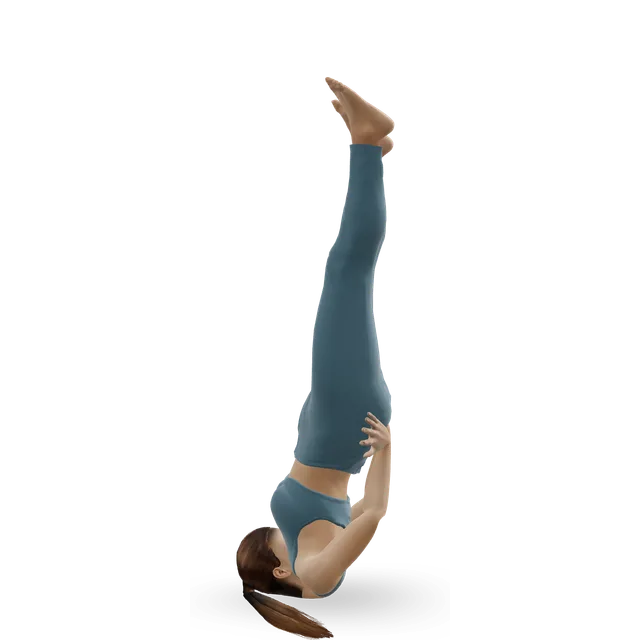
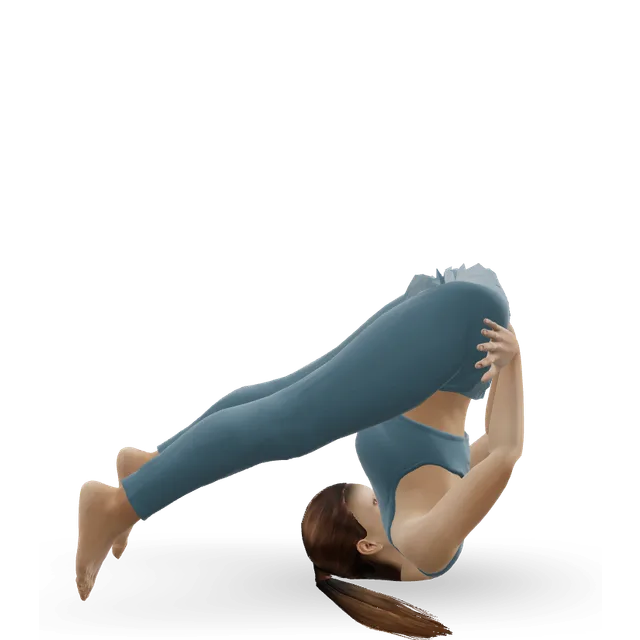
Keep planks, side planks and long holds in downward dog short or leave them out, as Macmillan advises against static holds; lower your arms between poses; leave out headstands, shoulder stands and the plough, which don't drain lymph and put weight on the neck and arms; avoid straps or anything tight on the swollen limb; skip hot rooms; and no yoga while you have cellulitis. Our suggestions, following Macmillan and the NHS; none of these has been tested.

Lymphatic drainage claims, and lipoedema

No pose has been shown to drain lymph better than walking and moving, which our lymphatic drainage guide explains. Lipoedema is a build-up of fat, usually in both legs and sparing the feet, not lymph; our lipoedema guide covers what helps.

A 25-minute moving class and other workouts

Our 25-minute class starts with deep breathing, works the arm or leg pumps (or both, about 30 minutes), keeps every pose moving or briefly held, and ends with the limb raised: 2 or 3 times a week, with the daily lymphoedema routine and walking on most days (our editorial starting point). The class is our suggestion and untested. Wear your garment if you have one, check the limb that evening and the next day, and skip it while you have cellulitis.

Yoga for lymphoedema: a 25-minute moving class with arm and leg options, no long holds and no heat

A 25-minute yoga class for lymphoedema: deep breathing, arm or leg pumps, gentle standing poses with a chair and a rest with the swollen limb raised.

25 minBeginner21 movesOther / check instructions, bench or box

Lymphoedema exercises: a daily routine for arm and leg swelling

A 15-minute daily routine for lymphoedema: deep breathing, neck and shoulders, then an arm block and a leg block to keep the muscle pump working.

15 minBeginner14 movesOther / check instructions, bench or box

Gentle yoga for cancer: a 25-minute supported class with no twists

A 25-minute gentle yoga class for during and after cancer treatment: slow breathing, seated loosening, standing poses with a chair and a long rest. No twists.

25 minBeginner14 movesBench or box, firm cushion

Gentle yoga after breast cancer: a 25-minute class for the shoulder, chest and breath, with no planks, no twists and no weight on your arms

A 25-minute gentle yoga class after breast cancer treatment: breathing, the breast team's arm stretches done slowly, standing poses at a chair and supported rest.

25 minBeginner16 movesBench or box, wall

Pilates for lymphoedema: a 25-minute moving class with arm and leg options

A 25-minute Pilates class for lymphoedema: breathing first, shoulder and leg pumping moves, side-lying work and light strength built up slowly, with no long holds.

25 minBeginner17 movesWall, band

Calf pump exercises for varicose veins and heavy legs

A 15-minute calf pump routine for varicose veins and heavy, swollen legs: ankle pumps, calf raises, a brisk walk, calf stretches and legs up to finish.

15 minBeginner10 movesBench or box, wall

Seated chair yoga: 15 minutes, no standing

A 15-minute chair yoga routine done entirely sitting: slow breathing, neck, shoulder and wrist stretches, seated twists and side bends, and a calm finish.

15 minBeginner16 movesBench or box

A walking plan

The walking plan builds up over 8 weeks, towards the international advice of about 150 minutes of activity a week.

Cellulitis, clots and other warning signs

These are the warning signs from our exercise for lymphoedema, Pilates for lymphoedema and yoga for cancer guides, word for word. Use the numbers your team gave you. This is general information, not a diagnosis. A&E means accident and emergency; in the US, call 911 for 999.

Call 999 or go to A&E: cellulitis with signs of sepsis

If you have cellulitis with any of these, which can be signs of sepsis:

  • A very high temperature, or feeling hot, cold or shivery.
  • A fast heartbeat or fast breathing.
  • Purple patches on the skin (these may be harder to see on brown or black skin).
  • Feeling dizzy or faint, or confused.
  • Cold, clammy or pale skin, or not responding.

Sources 70, 71

Call 999: a clot in the lungs

Also call 999 for pain and swelling in a limb with breathlessness or chest pain, which can mean a blood clot has reached the lungs.

Call 999 or go to A&E if breathing suddenly becomes difficult, if pain in your chest or upper back comes on suddenly with breathlessness or a very fast heartbeat, or if someone passes out. Do not drive yourself. It can be a blood clot that has reached the lungs.

Source 72

Urgent GP appointment or NHS 111, the same day

  • The skin of the swollen or at-risk area is painful, hot and swollen, perhaps red (harder to see on brown or black skin), or you feel unwell with flu-like symptoms: this can be cellulitis, and early antibiotics help.
  • Throbbing pain and swelling in one limb with red, blue or darkened skin or swollen veins, which can be a DVT (it can happen in an arm too).
  • Antibiotics for cellulitis aren't helping after 48 hours.

Sources 70, 72

A swollen, painful leg

Same day (urgent GP appointment or NHS 111): throbbing pain in one leg (rarely both), usually the calf or thigh; swelling in one leg (rarely both); red, blue or darkened skin around the painful area, which may be harder to see on brown or black skin; or swollen veins. This can be a deep vein thrombosis (DVT). It is more likely after surgery, a hospital stay, 3 or more days in bed, a journey of over 4 hours, pregnancy or a recent birth, cancer, a previous clot, or contraception or hormone replacement therapy (HRT) that contains oestrogen.

Source 72

If you have cellulitis

Rest and raise the limb. If your compression garment hurts, take it off, and put it back on as soon as you can tolerate it. Go back to your normal activity once you feel better, and have your garment's fit checked, as the limb may be more swollen afterwards. If you've been given a "rescue pack" of antibiotics after a previous attack, start it at the first familiar symptoms and get medical advice as soon as you can.

The NHS calls cellulitis the most common complication of lymphoedema. In one specialist clinic, as reported in the BLS and LSN cellulitis guideline, 37.6% of people had had cellulitis at least once and 23.3% more than once. Keeping the swelling under control lowers the risk: in a trial of 84 people with long-term leg swelling and repeated cellulitis, wearing compression cut further attacks from 40% to 15%.

Sources 73, 71, 18

See a GP, or your cancer or lymphoedema team

  • New swelling in an arm or leg, especially after cancer treatment: early swelling can come and go, and after breast cancer treatment Breast Cancer Now says to get advice as soon as you notice it. A GP can refer you to a specialist lymphoedema service. New swelling after cancer treatment needs checking for other causes first.
  • Signs of a skin infection, such as redness or heat, as soon as possible.
  • Swollen legs, ankles or feet that haven't improved after a few days, or symptoms of lipoedema.

Sources 5, 18

During and after yoga

If the swollen or at-risk arm or leg changes during or after yoga, stop and ask your lymphoedema specialist. Our exercises for lymphoedema guide lists the signs of infection that need urgent help.

If the swollen or at-risk area changes during or after exercise, stop and get in touch. Talk to them before you start a new activity, and after surgery, follow the exercises and limits your surgical team gives you. The ACSM roundtable recommends a medical check before exercise for people with lymphoedema after cancer, and medical clearance while lymphoedema is flaring.

A joint pain that is sharp, gets worse during a session, lingers into the next day or changes how you move is a reason to use an easier version, and to see a GP or physiotherapist if it keeps happening (the rule in our plans). Muscle soreness for a day or two after something new is normal. In a hot class, stop if you feel dizzy, sick or unwell; our hot yoga guide lists the signs of heat illness.

You can say no to any hands-on adjustment, and a teacher registered with Yoga Alliance must get your explicit consent each time.

Sources 16, 3, 34

During cancer treatment: call 999

  • Chest pain that feels tight or like squeezing, or spreads to your arms, neck or jaw; severe difficulty breathing; or collapse.
  • Difficulty breathing that comes on suddenly, or pain in your chest or upper back: these can be signs of a blood clot in the lungs (a pulmonary embolism). Don't drive yourself to A&E.

Sources 75, 76

During cancer treatment: stop exercising

Macmillan says stop exercising if you get any sudden symptoms, including:

  • Feeling dizzy, chest pain, a racing heart, breathing problems or feeling sick.
  • Unusual back or bone pain, or unusual muscle pain.
  • A headache that doesn't go away.

Source 16

During cancer treatment: call your care team

Use the number you were given (or NHS 111 if you're not sure how to contact your care team) if, during treatment, you have:

  • A temperature over 37.5°C or below 36°C, or you suddenly feel unwell even with a normal temperature.
  • Signs of an infection, such as feeling shivery, a sore throat, a cough, diarrhoea, or needing to pee a lot or pain when peeing.
  • Throbbing or cramping pain, swelling and warmth in a leg or arm, which can be signs of a blood clot. Sudden breathlessness or chest pain means 999.

Sources 77, 78

What's normal

Some soreness or stiffness for 2 to 3 days after exercise, and tiredness during it, is common. Go by how you feel on the day, not the class plan.

Source 16

Chest pain or fainting while exercising: call 999

Call 999 if:

  • You get sudden pain or discomfort in your chest that doesn't go away; it can feel like squeezing or pressure, burning or indigestion.
  • The pain spreads to your left or right arm, or your neck, jaw, stomach or back.
  • You have chest pain and feel sweaty, sick, light-headed or short of breath.
  • Someone faints while exercising, can't be woken within 1 minute, or has chest pain or a pounding, fluttering or irregular heartbeat.

Sources 79, 80

Unusual breathlessness

Call 999 or go to A&E (accident and emergency) straight away for severe difficulty breathing (gasping, choking or not able to get words out), a chest that feels tight or heavy, pain that spreads to your arms, back, neck and jaw, lips or skin turning very pale, blue or grey, or sudden confusion. If you're more short of breath than usual, or your heart is racing, fluttering or skipping beats, contact NHS 111.

Source 81

Head-down poses, bones and pregnancy

With glaucoma, or high blood pressure that isn't under control, skip headstands, shoulder stands and long head-down holds. With osteoporosis, swap deep forward folds for a flat-back hinge from the hips, and twist smoothly. In pregnancy, our yoga in pregnancy guide covers the changes. NCCIH advises beginners to avoid headstands, shoulder stands, the lotus position and forceful breathing.

Sources 82, 83

Before you start

The NHS advises getting advice from a healthcare professional first if you have a health problem, an injury or symptoms, or have recently had a heart attack or an operation.


Myths

"Yoga will drain the swelling, so you won't need compression"Strong evidence

In the randomised trials, yoga didn't reduce arm volume against usual care, and in the best-reported one the arm swelled more after classes stopped. NICE makes compression the first stage of treatment; yoga goes alongside it.

Sources 7, 8, 1

"Exercise makes lymphoedema worse"Strong evidence

NICE says there's no evidence that physical activity, including arm exercise, worsens lymphoedema, and across 36 studies exercise didn't worsen swelling and improved pain, strength, fatigue and quality of life.

Sources 1, 13

"Never lift with your lymphoedema arm"Strong evidence

In the PAL trial, slowly built-up weight lifting didn't increase swelling and flare-ups were less common, and in women at risk it didn't bring lymphoedema on. An older international document advised avoiding heavy lifting; the later trials changed that advice. Build up slowly.

Sources 14, 15, 74

"Rest a swollen limb as much as you can"Strong evidence

The NHS: "Reduced movement can therefore lead to lymphoedema because the fluid in the lymphatic system does not get moved along." The exception is cellulitis: rest and raise the limb until you feel better.

Sources 21, 73

"Inversions and headstands drain the lymph"Mixed evidence

No study shows it. Simple elevation helps mainly in early lymphoedema, and legs up the wall or a cushion gives you that without weight on your neck and arms.

Sources 69, 46

"Hot yoga helps you sweat out the fluid"Mixed evidence

Sweat isn't lymph, and the NHS says heat from saunas and steam rooms may increase the swelling. No study has tested hot yoga with lymphoedema; we'd skip the hot room.

Sources 17, 67

"You must never exercise without your sleeve"Emerging evidence

Small trials found sessions without a garment didn't worsen swelling, and the international consensus calls it an individual decision. UK charities still advise wearing it, so follow your team.

Sources 62, 64, 46, 3

"Yoga is only for arm swelling"Emerging evidence

The yoga trials were in arms, but the lymphoedema bodies recommend activity wherever the swelling is, and leg exercise studies found it safe apart from cellulitis. Use the leg options and check your feet.

Sources 2, 53

"Lymphatic yoga is a special sequence"Mixed evidence

Nothing has been studied under that name. Movement, deep breathing and walking are what the guidance recommends to help lymph move.

Sources 58, 6

Questions people ask

Is yoga good for lymphoedema (lymphedema)?

It's safe, and it can help you feel better and move more easily: in small trials, mostly after breast cancer, yoga improved symptoms and quality of life in the short term. It hasn't been shown to reduce swelling, so keep up your compression and lymphoedema plan.

Can yoga reduce lymphoedema swelling?

Not on the evidence so far. In the two published randomised trials that compared arm volume with usual care, yoga made no difference, and in one the arm swelled more after the classes stopped. A 2026 trial reported less swelling, but its summary gives no numbers.

Is yoga safe after breast cancer if I'm at risk of lymphoedema?

Yes, once your team's early arm exercises are done and your wounds have healed. NICE says there's no indication that physical activity causes or worsens lymphoedema, and slowly built-up weight lifting didn't bring it on in women at risk.

Can yoga help lymphoedema in the legs?

Probably as exercise, but no yoga trial has tested it. Leg exercise studies found exercise safe, with cellulitis the main problem, so use the leg pumps, walk, raise your legs to rest and check the skin on your feet.

Which yoga poses help lymphoedema?

No pose has been shown to drain lymph. Gentle, moving poses with slow, deep breathing suit it best: arm or ankle pumps, cat-cow, standing poses held briefly, bridges and rest with the limb raised. Our 25-minute class puts them in order.

Which yoga poses should I avoid with lymphoedema?

Long static holds such as the plank, as Macmillan advises, long spells with your arm above shoulder height, and hot rooms. Keep weight on your hands short with arm swelling, and avoid anything tight on the swollen limb.

Should I wear my compression garment for yoga?

If you've been given one, UK lymphoedema charities say to wear it when you exercise, though not in water. Small trials found no harm from exercising without one, so if it's uncomfortable, ask your team.

Is hot yoga OK with lymphoedema?

We'd skip it. The NHS says heat from saunas and steam rooms may increase the swelling, and no study has tested hot yoga with lymphoedema.

Is chair yoga good for lymphoedema?

Yes, it's a good way in: seated breathing, shoulder rolls, arm pumps, a seated march and ankle pumps all work the muscle pump. Add standing poses and walking as you're able.

My arm looks more swollen after yoga. Should I stop?

A little extra swelling straight after exercise can happen and should settle; in a small trial it was back to normal within 24 hours. If it doesn't settle, or the limb aches, feels hotter or takes longer to recover, do less next time and contact your lymphoedema specialist.

Can I do yoga with cellulitis?

No. Cellulitis needs treatment with antibiotics; rest and raise the limb, and go back to activity once you feel better. Painful, hot, swollen skin needs an urgent GP appointment or NHS 111 the same day.

Is yoga good for lipoedema?

Lipoedema is a build-up of fat, not lymph, so yoga won't drain it, though gentle exercise is part of looking after it. Our exercise for lipoedema guide covers what helps.

Sources

  1. NICE NG101 · Early and locally advanced breast cancer: lymphoedema recommendations and rationale (last updated April 2025; read in full)
  2. British Lymphology Society · Lymph facts: movement and physical activity (fact sheet, reviewed April 2023; read in full)
  3. Lymphoedema Support Network · Your questions answered (reviewed October 2025; read in full)
  4. Macmillan Cancer Support · Managing lymphoedema with physical activity (past its review date: reviewed March 2023, review due March 2026; Macmillan says it is being reviewed; read in full)
  5. Breast Cancer Now · Lymphoedema, and managing lymphoedema (reviewed May 2024; read in full)
  6. Cancer Research UK · Exercise, positioning and lymphoedema (reviewed May 2026; read in full)
  7. Loudon 2014 · Yoga for arm lymphoedema after breast cancer: 28 women (randomised pilot trial, BMC Complement Altern Med; read in full)
  8. Pasyar 2019 · Yoga for arm lymphoedema after breast cancer: 40 women (randomised pilot trial, Eur J Oncol Nurs)
  9. Aguilera-Eguía 2025 · Physical therapies for arm lymphoedema after breast cancer: 26 trials, 1,203 people (network meta-analysis, J Clin Med; read in full)
  10. Aguilera-Eguía 2026 · Exercise for arm lymphoedema after breast cancer: 9 reviews (overview of systematic reviews, J Clin Med; read in full)
  11. NHS · Lymphoedema: treatment (past its review date: reviewed March 2023, review due March 2026)
  12. Loudon 2016 · Yoga, posture and shoulder movement in the same trial: 23 women analysed (randomised pilot trial, BMC Complement Altern Med)
  13. Hayes 2022 · Exercise and cancer-related lymphoedema: 36 treatment and 12 prevention studies (systematic review and meta-analysis, Med Sci Sports Exerc)
  14. Schmitz 2009 · Weight lifting in 141 women with arm lymphoedema: the PAL trial (randomised trial, N Engl J Med)
  15. Schmitz 2010 · Weight lifting in 154 women at risk of arm lymphoedema (randomised trial, JAMA)
  16. Macmillan Cancer Support · Exercising safely (past its review date: reviewed November 2023, review due November 2026; Macmillan says it is being reviewed; read in full)
  17. NHS · Lymphoedema: prevention (past its review date: reviewed March 2023, review due March 2026)
  18. NHS · Lymphoedema (past its review date: reviewed March 2023, review due March 2026)
  19. Cancer Research UK · Lymphoedema and cancer (reviewed May 2026; read in full)
  20. British Lymphology Society · What is lymphoedema? (read in full)
  21. NHS · Lymphoedema: causes (past its review date: reviewed March 2023, review due March 2026)
  22. Smeltzer 1985 · Primary lymphoedema in 125 children and young people (case series and review, Pediatrics)
  23. Moffatt 2003 · Lymphoedema and chronic swelling in South West London (prevalence study, QJM)
  24. DiSipio 2013 · How often arm lymphoedema follows breast cancer: 72 studies (systematic review and meta-analysis, Lancet Oncol)
  25. Hayes 2017 · Leg lymphoedema after gynaecological cancer in 408 women (cohort study, Gynecol Oncol)
  26. Huang 2017 · Leg lymphoedema after vulval cancer: 27 studies (systematic review and meta-analysis, Medicine)
  27. Cormier 2010 · Lymphoedema after cancers other than breast cancer: 47 studies, 7,779 people (systematic review and meta-analysis, Cancer)
  28. Clinckaert 2022 · Leg and genital lymphoedema after prostate cancer treatment: 18 studies (systematic review, Cancers)
  29. Ezzo 2015 · Manual lymphatic drainage for arm lymphoedema after breast cancer: 6 trials (Cochrane review)
  30. De Vrieze 2022 · Manual lymphatic drainage or placebo massage added to decongestive therapy: 194 people (randomised trial, J Physiother)
  31. Schmitz 2019 · Home exercise and weight loss in 351 overweight women with arm lymphoedema: the WISER Survivor trial (randomised trial, JAMA Oncol)
  32. Stuiver 2015 · Preventing arm lymphoedema after breast cancer treatment: 10 trials, 1,205 people (Cochrane review)
  33. Hasenoehrl 2020 · Resistance exercise and arm lymphoedema: 29 studies (systematic review and meta-analysis, Support Care Cancer)
  34. Campbell 2019 · Exercise guidelines for cancer survivors (international roundtable consensus, Med Sci Sports Exerc; read in full)
  35. Plinsinga 2026 · Exercise and the risk of developing lymphoedema: 17 studies, 2,739 people (systematic review and meta-analysis, JNCI Cancer Spectr; read in full)
  36. Movafegh 2026 · Yoga for arm swelling after breast cancer: 112 women recruited by purposive sampling, 96 completed (randomised trial, Br J Community Nurs; abstract only, which gives no numbers)
  37. Zabit 2024 · Yoga, clinical Pilates or control in 28 women with arm lymphoedema (randomised trial, preprint not peer reviewed; read in full)
  38. Mazor 2018 · Yoga in 21 women at risk of arm lymphoedema after breast cancer (study without a control group, J Altern Complement Med)
  39. Lai 2017 · Yoga arm exercise and swelling in 15 breast cancer survivors (pilot study without a control group, Rehabil Nurs)
  40. Douglass 2012 · Women who chose to continue or stop yoga after a 4-week programme: 18 women at 6 months (non-randomised follow-up, J Lymphoedema; read in full)
  41. Wei 2019 · Yoga for arm lymphoedema after breast cancer (systematic review, Complement Ther Clin Pract)
  42. Wanchai 2020 · Yoga and arm lymphoedema after breast cancer: 5 studies (systematic review, J Health Res)
  43. Saraswathi 2021 · Yoga for lymphoedema, movement and quality of life after breast cancer: 7 studies (systematic review, Int J Yoga; read in full)
  44. Greenlee 2017 · Society for Integrative Oncology guideline on integrative therapies during and after breast cancer treatment (guideline, CA Cancer J Clin; read in full)
  45. British Lymphology Society · EveryBodyCan: get moving with lymphoedema, and its specific exercises guide (leaflets; read in full)
  46. International Society of Lymphology 2023 · The diagnosis and treatment of peripheral lymphoedema (consensus, Lymphology; read in full)
  47. Hinton 2022 · Breathing, body position and the width of the main lymph duct: 33 healthy volunteers (ultrasound study, Clin Anat)
  48. Moseley 2005 · Gentle arm exercise and deep breathing in 38 women with arm lymphoedema (study without a control group, Lymphology)
  49. Arinaga 2019 · A 10-minute daily self-care routine with deep breathing for arm lymphoedema: 43 women (randomised pilot trial, Tohoku J Exp Med)
  50. Douglass 2020 · Adding self-massage and deep breathing to self-care for leg lymphoedema in Ethiopia: 126 people (cluster randomised trial, J Clin Med)
  51. Breast Cancer Now · Exercises after breast cancer surgery (reviewed February 2024; read in full)
  52. Wittenkamp 2025 · Exercise for leg lymphoedema: 12 studies, 367 people (systematic review, Acta Oncol; read in full)
  53. Hsu 2024 · Exercise for leg lymphoedema after gynaecological cancer: 7 studies, 261 people (systematic review and meta-analysis, Eur J Oncol Nurs)
  54. Do 2017 · Adding exercise to decongestive therapy in 40 women with leg lymphoedema (pilot randomised trial, Gynecol Oncol)
  55. Iyer 2018 · Brisk walking and leg lymphoedema in 95 ovarian cancer survivors (randomised trial, Cancer)
  56. Katz 2010 · Weight lifting in 10 people with leg lymphoedema (pilot study, Arch Phys Med Rehabil)
  57. Zhang 2024 · Resistance exercise to prevent leg lymphoedema after pelvic node removal in 267 women (open-label randomised trial, Asia Pac J Oncol Nurs; a 2025 correction changes only dates and an age criterion; read in full)
  58. PubMed · Our search for yoga studies in lymphoedema: 49 records, none a yoga trial in leg lymphoedema after cancer or in primary lymphoedema (2 November 2026)
  59. Dionne 2018 · A water circuit including yoga in 7 women with leg lymphoedema (pilot study without a control group, J Altern Complement Med)
  60. Narahari 2023 · Integrative self-care, including yoga, for leg lymphoedema from filariasis: 1,698 people (retrospective study, Br J Dermatol)
  61. Aggithaya 2015 · Yoga within integrative care and walking in filarial leg lymphoedema: 98 people (observational pilot, Int J Yoga)
  62. Singh 2015 · An upper-body strength session with and without compression in 25 women with arm lymphoedema (randomised crossover trial, Lymphology)
  63. Johansson 2005 · Light resistance exercise with and without a sleeve in 31 women (crossover trial, Lymphology)
  64. Singh 2016 · Compression use during a 12-week exercise trial in 41 women (study, Asia Pac J Clin Oncol)
  65. Wittenkamp 2025 · Interval cycling with and without compression in 19 people with leg lymphoedema (randomised crossover trial, Support Care Cancer)
  66. Schmitz 2009 · The PAL trial's methods: how the weights were built up (trial protocol, Contemp Clin Trials; read in full)
  67. Europe PMC · Our search for studies of hot or heated yoga with cancer or swelling: 2 records, neither relevant (2 November 2026)
  68. Showalter 2013 · Everyday exposures, including saunas, and new arm swelling in 295 women in the PAL trials (cohort analysis, Ann Surg Oncol; read in full)
  69. Europe PMC · Our search for studies of inversions or head-down positions in lymphoedema: 21 records, none testing them (2 November 2026)
  70. NHS · Cellulitis (read in full)
  71. British Lymphology Society and Lymphoedema Support Network 2025 · Guidelines on the management of cellulitis in lymphoedema (read in full)
  72. NHS · DVT (deep vein thrombosis) (read in full)
  73. Lymphoedema Support Network · About cellulitis (past its review date: reviewed April 2023, review due April 2026; read in full)
  74. International Lymphoedema Framework 2006 · Best practice for the management of lymphoedema (international consensus; read in full)
  75. NHS · Heart attack (last reviewed March 2026)
  76. NHS · Pulmonary embolism (last reviewed October 2026)
  77. Macmillan Cancer Support · Infection (past its review date: reviewed March 2022, review due March 2025)
  78. NHS · Chemotherapy (last reviewed February 2025)
  79. NHS · Chest pain (past its review date: reviewed August 2023, review due August 2026)
  80. NHS · Fainting
  81. NHS · Shortness of breath
  82. Jasien 2015 · Eye pressure in four common yoga positions: 10 people with glaucoma and 10 without (lab study, PLoS One)
  83. NCCIH 2023 · Yoga: effectiveness and safety (US National Center for Complementary and Integrative Health)

Exercise education, not a personal prescription, and clinical review of these guides is pending. If you are pregnant, have a health condition such as glaucoma, high blood pressure or osteoporosis, or have had recent surgery, check with a doctor, midwife or physiotherapist before starting, and stop for sharp or increasing pain. Health disclaimer.