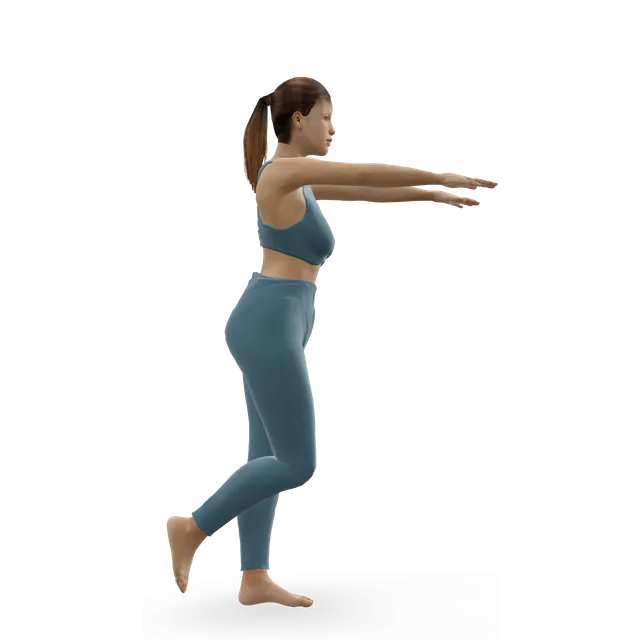
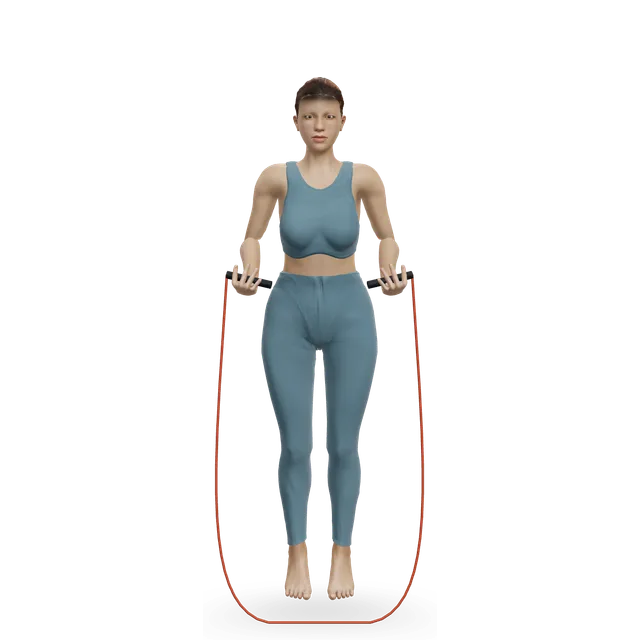
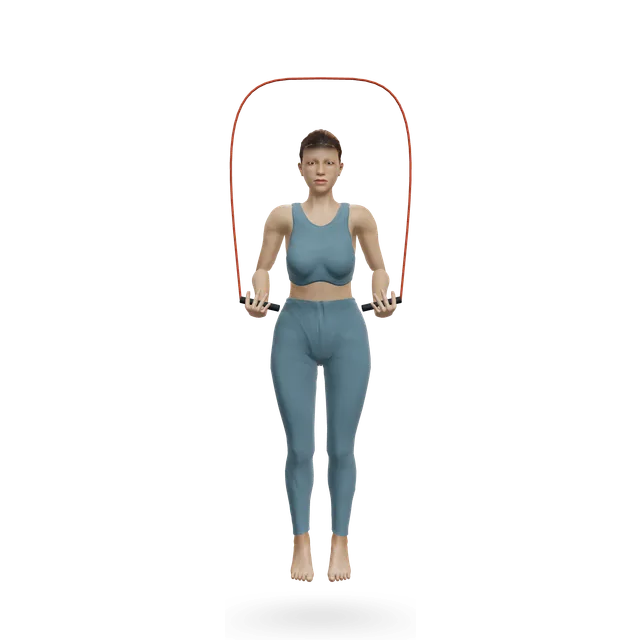
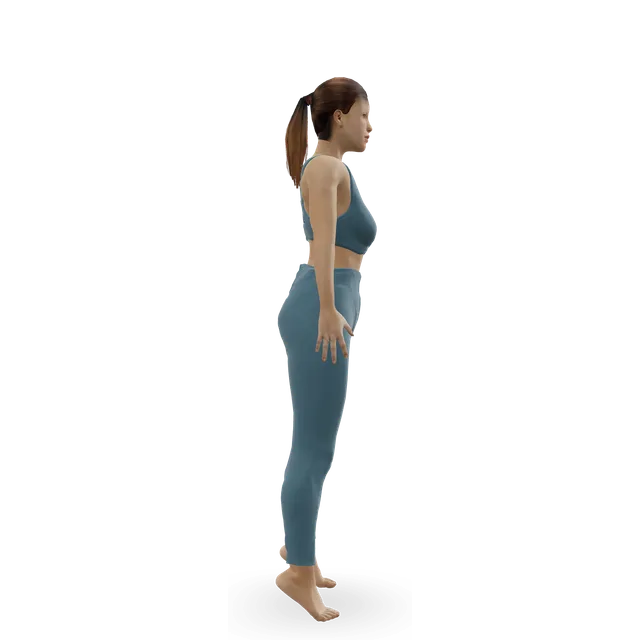
Pain guide · Leg pain

Shin pain from jump rope: shin splints, stress fractures, floors, landings and what helps

Shin pain from jump rope is usually shin splints: a long, tender strip along the inner edge of the shin bone after more rounds, more days or harder skipping than your legs are used to, often on a hard floor. Each bounce lands at about 3 to 4.5 times your body weight on the front of your foot, about twice a second, so by our arithmetic 10 minutes is well over a thousand landings. One spot on the bone you can point to is different, because it can be a stress fracture, and tightness that builds at the same point in every session can be exertional compartment syndrome. Shorter rounds 2 or 3 days a week, low, soft bounces, a forgiving floor and cushioned trainers usually help, and jump rope isn't bad for your shins when it's built up gradually. No study has counted shin pain in rope skippers, so most of what this guide says is borrowed from runners and military recruits (our reading), and it says where each piece of advice comes from.

This guide starts with the signs that need help, from a 999 call for sudden, severe pain with a tight, swollen leg or chest pain while skipping, to a same-day check through the National Health Service's 111 line (NHS 111) or a general practitioner (GP) for a swollen, painful calf or a leg you can't put weight on after a fall, and a GP for one sore spot on the bone. It then maps the causes by where it hurts, explains what the studies of landings, floors, shoes and shin bones show, and don't, shows how to change your skipping today, and gives a three-stage plan with a 3D demo of every move, back to the rope.

When to get help first

Exercise is for pain that has been checked or is clearly mild and settling.

Get urgent medical help if

  • Call 999 or go to A&E: sudden, severe pain in a muscle, which may be worse when you stretch it, with swelling, numbness, weakness or pins and needles, or tightness or difficulty moving the leg. This can be acute compartment syndrome, which needs surgery as soon as possible. It usually follows an injury or a bandage or cast that is too tight, but rarely it can follow very hard exercise. Do not drive yourself to A&E.
  • Call 999 or go to A&E after an injury if the leg is twisted or bent, a bone is sticking out, there's a bad cut or wound, or there are signs of shock: cold, sweaty skin, a fast or weak pulse, fast or shallow breathing, or blue, grey, pale or blotchy skin or lips. While you wait, don't move the leg or put weight on it, and don't eat or drink in case you need surgery.
  • Same day (NHS 111): after an injury, the leg is very painful or the pain is getting worse, there's a lot of swelling or bruising, it hurts to put weight on it, or it's very stiff or hard to move.
  • Ask for an urgent GP appointment or get help from NHS 111: sudden swelling, redness, heat and pain in the calf, which could be a blood clot. Go to A&E: severe pain after an injury, which can mean a broken bone; or you cannot put any weight on the leg.
  • Same day (urgent GP appointment or NHS 111): throbbing pain in one leg (rarely both), usually the calf or thigh; swelling in one leg (rarely both); red, blue or darkened skin around the painful area, which may be harder to see on brown or black skin; or swollen veins. This can be a deep vein thrombosis (DVT). It is more likely after surgery, a hospital stay, 3 or more days in bed, a journey of over 4 hours, pregnancy or a recent birth, cancer, a previous clot, or oestrogen-containing contraception or HRT.
  • Call 999 or go to A&E if breathing suddenly becomes difficult, if pain in your chest or upper back comes on suddenly with breathlessness or a very fast heartbeat, or if someone passes out. Do not drive yourself. It can be a blood clot that has reached the lungs.
  • Call 999 or go to A&E: a leg that is suddenly cold, pale, numb, weak or very painful. A sudden loss of blood supply to a leg is a vascular emergency.
  • Get help from NHS 111: you have shin splints and the pain is severe, or you've injured your shin.
  • Ask for an urgent GP appointment or get help from NHS 111: the skin on your shin is painful, hot and swollen. It could be cellulitis, a skin infection, which is usually on the lower legs. With a very high temperature, a fast heartbeat or fast breathing, purple patches, dizziness, confusion, or cold, clammy or pale skin, call 999 or go to A&E.
  • Same day (urgent GP appointment or NHS 111): new difficulty lifting the front of your foot or toes (foot drop), or a foot that slaps down or catches as you walk, especially if it is getting worse. Weakness in both legs, or with numbness around the genitals or bottom or bladder or bowel changes, is the 999 emergency above.
  • Call 999: chest pain that feels tight or like squeezing on your chest; chest pain that's spreading to your arms, neck or jaw; severe difficulty breathing (you're gasping, choking or not able to get words out); lips or skin that are pale, blue or grey (on brown or black skin this may be easier to see on the palms of the hands); or someone who has passed out and is not responding normally. It could be a heart attack. Don't drive yourself to A&E.
  • Get help from NHS 111: pain or tightness in your chest, neck, shoulders, jaw or arms that comes and goes, often brought on by exercise, stress, emotion or cold and easing after a few minutes' rest. It can be angina, a sign of a heart problem. If you've been diagnosed with angina, get help from NHS 111 too if it feels worse than before, is happening more often, lasts longer or happens when you're resting.
  • Someone who faints while exercising, or who has fainted and can't be woken within a minute, has chest pain or a pounding, fluttering or irregular heartbeat, or hasn't fully recovered.
  • Same day (call NHS 111, or go to A&E if you feel very unwell): after a big or unusual session, such as a first spin class, a workout of 100 back squats, or intervals of wall sits, squats, lunges and jumps, a challenge or a new class, muscle pain, swelling or weakness far worse than the session explains, and dark pee (red, brown, tea or cola coloured), sometimes starting hours or days later. Dark pee isn't always there, so muscles far sorer, more swollen or weaker than the session explains still need the same-day check. It can be rhabdomyolysis, a breakdown of muscle that can harm the kidneys.
  • Same day (urgent GP appointment or NHS 111): sudden, severe pain in one joint, with swelling, a change in skin colour or difficulty moving it, especially if you feel unwell, hot, cold or shivery or have a high temperature (although not everyone has one). It could be an infection in the joint, gout or calcium crystals (pseudogout), and only a sample of fluid from the joint can tell them apart.
  • Call 999 or go to A&E: a child or teenager with sudden pain in the hip, knee or thigh, or who can't put any weight on their leg. Same day (urgent GP appointment or NHS 111): a child or teenager who is limping. Hip problems in children can sometimes be felt in the thigh or knee.
  • Same day: leg weakness that is getting worse; new leg pain with a history of cancer, HIV, TB or inflammatory arthritis; or leg pain with a fever, feeling unwell, loss of appetite, unexplained weight loss or night sweats.
  • Call 999 or go to A&E: leg pain with numbness around the genitals or bottom, new trouble starting or controlling peeing, not knowing when you need to poo or losing control of it, sciatica in both legs, or weakness or numbness in both legs that is severe or getting worse. These can be signs of cauda equina syndrome, which needs treating in hospital as soon as possible.

See a doctor or physiotherapist if

  • Pain in one spot on the shin or a foot bone that you can point to with a fingertip, worse with impact and later present at rest or at night: a possible stress fracture.
  • Pain in one spot on the shin or a foot bone that you can point to with a fingertip, worse with impact and later present at rest or at night: a possible stress fracture. Stop running and jumping until it has been checked.
  • Pain in the middle of the foot that is hard to pinpoint, on the outer edge of the midfoot, or on the front of the shin bone in a running or jumping athlete. These sites heal less well and need prompt assessment, often with a scan.
  • You keep getting pain, numbness, swelling or difficulty moving part of your leg when you exercise: see a GP, who can check whether it is compartment syndrome or something else.
  • Numbness or weakness that stays after exercise, or a foot that slaps down or catches when you run.
  • Tightness in the shin or calf, with tingling on the top of the foot or a foot that slaps down, that comes on at the same point in every run and eases within minutes of stopping: see a GP or sports physiotherapist. It can be exertional compartment syndrome.
  • Calf pain or cramps during exercise with tingling in the foot, often in both legs, in a young athlete: ask about popliteal artery entrapment, a rare problem with the artery behind the knee.
  • Shin pain that is not settling after a few weeks of changing your training, or is getting worse: see a GP. The NHS says to see one if you've tried things to help with shin splints but the pain is getting worse or it's not getting better.
  • Bone pain that comes back during the return to running and doesn't settle when you cut back, or no improvement after 6 to 8 weeks of taking load off the bone: stop running and contact your GP or physiotherapist.
  • Pain that comes on when you walk a set distance and goes after a few minutes' rest, especially if you smoke or have diabetes. Exercise treats it well, but it needs a diagnosis first.
  • Burning, tingling or numbness on the outer shin and the top of the foot that keeps coming back with exercise or tight boots: see a GP. A nerve can be squeezed there.
  • See a GP if you have pain or tenderness in a bone, particularly if it's worse at night, or a lump or swelling.
  • A stress fracture from ordinary activity, more than one stress fracture, periods that have stopped or become irregular, or worries that you're eating too little for your training: see a GP about bone health and energy intake.
  • See a GP if your child has leg pain in 1 leg; in the morning, or when walking or playing; bad enough to stop them walking or make them limp; in 1 joint; with a rash, swelling or unusual bruising; with a high temperature; or if they seem unusually tired or are not eating or are losing weight.

Where does it hurt?

Location narrows the likely causes; it does not diagnose.

A long, tender strip along the inner edge of the shin bone, sore during and after your rounds, after more skipping than usual

Usually shin splints (medial tibial stress syndrome), the commonest pattern in our reading.

Read: Shin splints →
One spot on the bone you can point to with a fingertip, worse with every landing, later aching at rest or at night

A possible stress fracture, which an early X-ray can miss: stop jumping and get it checked.

Read: Stress fracture →
One spot on the sharp front edge of the shin bone in someone who jumps a lot

A stress fracture at a site that heals less well: get it checked promptly.

Read: Stress fracture →
Soreness in the muscle beside the sharp front edge of the shin after a new routine or a lot of one-leg hops, with no single sore spot on the bone

Usually the muscles at the front of the shin that lift and steady the foot, which worked harder in one-leg skipping in a lab study. Our shin pain guide covers them.

Read: Shin pain →
Tightness or cramping in the shin or calf that builds at the same point in every session and fades within minutes of stopping

Possibly exertional compartment syndrome, sometimes with tingling on the top of the foot.

Read: Exertional compartment syndrome →
A red welt or bruise on the front of the shin where the rope hit it on a missed double-under

A rope strike, as the double-under move page warns. It settles like any bruise.

Burning, tingling or numbness on the outer shin and the top of the foot

A squeezed nerve on the outer shin, or tight laces: see the warning signs.

Read: Shin pain →
The calf rather than the shin: soreness, a sudden pull, a cramp or the Achilles

Our calf pain from jump rope guide tells them apart.

Read: Calf pain from jump rope →
The ball of the foot, the arch, the heel or the top of the foot

Our jump rope foot guide covers floors, shoes and a plan back.

Read: Foot pain from jump rope →
The knees when you skip or land

Our jumping knee guide covers landings and a plan back.

Read: Knee pain when jumping →
One calf and shin throbbing and swollen, with red, blue or darkened skin

A possible blood clot (DVT): get help the same day.

A child aged about 3 to 12 with aching in both legs in the evening or at night, gone by morning

Usually growing pains. Pain in one leg, in the day or with a limp needs a GP.

Read: Growing pains →
A teenager with a tender bump just below the kneecap, worse with jumping

Osgood-Schlatter disease, which our guide covers.

Read: Osgood-Schlatter →

Understand it

What nobody has countedEmerging evidence

No study counts shin pain, shin splints or stress fractures in rope skippers. The one trial that started inactive adults on rope skipping (10 minutes a day, 5 days a week) found more injuries and drop-outs than in joggers, without saying where. A review of 21 rope training studies, mostly in young people, reports fitness gains and gives no injury figures in its summary, and in US emergency data, jump ropes were linked to 21.5% of children's injuries from home exercise equipment, mostly cuts and knocks rather than overuse.

The nearest group studied is aerobic dance. In 411 students and instructors followed for 16 weeks, the shin or leg, foot and ankle accounted for nearly two-thirds of injuries, and injury rates depended on how the programme was designed and run, not on the brand of shoe or the type of floor. So this page builds its map from lab studies of skipping, shin bone strain studies, reviews of shin splints and bone stress injuries in runners and recruits, and NHS, Health New Zealand and orthopaedic pages. Applying the runners' and recruits' evidence to rope skipping is our reading.

Sources 1, 2, 3, 4

What skipping asks of the shinEmerging evidence

People bounce at about 2.2 hops a second by preference, and rope labs use the same rate. In two small studies, each of 10 physical education students (5 men and 5 women) skipping in shoes at that rate, landings peaked at about 3.3 to 3.6 times body weight on one leg and about 4.3 to 4.6 on two, mostly through the front of the foot; in 20 Muay Thai athletes each contact lasted about 0.28 seconds. Elite double-unders landed at about 5.3 to 5.9 times body weight, with contacts as short as 93 milliseconds at top speed, and in 16 young competitive skippers double-unders and the speed step made the ankle absorb 39% to 114% more power than running.

By our arithmetic, 5 one-minute rounds are about 660 landings and 10 minutes well over 1,000. In 16 teenage boys, the two-foot bounce landed with a lower peak force and loading rate than the alternate-foot step and leaned more on the calf muscles, and in 12 elite skippers faster rope turning made the bounce smaller and stiffer, with the ankle bending through about 21 degrees instead of 53.

Sources 5, 6, 7, 8, 9, 10, 11, 12

How the shin bone copesEmerging evidence

No study has measured shin bone strain during rope skipping. In strain gauge studies of up to 6 volunteers, drop jumps from as high as 52 cm strained the inner shin bone no more than fast running, because people soaked up the energy by bending the knee and ankle more; zigzag hopping was among the highest-strain exercises; and strain rose once the muscles were tired. Stiff, straight-leg landings raised the forces and put more of the work on the calf.

Bone stress injuries come from too many and too large loading cycles: an expert review estimates that a 10% rise in bone strain halves the number of cycles bone can take before it fails, and that bone largely stops responding after about 20 loading cycles in a row, recovering over 4 to 8 hours. That short rounds, low, soft bounces and rest days protect the shin follows from these studies; it is our reading for skipping.

Sources 13, 14, 15, 16, 17

Who gets itEmerging evidence

In runners, shin splints affected 5% to 35% across studies, and previous shin splints (a risk ratio of 3.74), being female (1.71), a higher body mass index and fewer years of running raised the risk. Another review of runners and military recruits found that tight calves were clearly not a risk factor, and a third added a previous running injury. In US college sport, stress fractures were 1.43 times as common in the preseason, when training ramps up, and the shin bone was the second commonest site (21.9%). An orthopaedic page adds low energy intake, less than 7 hours' sleep, no rest days, worn shoes and hard surfaces such as concrete, and an NHS trust's leaflet says stress fractures are often caused by overuse such as repeatedly jumping up and down.

These are runners, recruits and college athletes, not skippers. In our reading, shin pain from jump rope is most likely in people new to the rope or coming back after a break, in a daily or 30-day challenge, with a jump to double-unders or the speed step, on concrete, in worn or thin shoes or barefoot on a hard floor, and in anyone not eating enough for their training.

Sources 18, 19, 20, 21, 22, 23

When a scan or test mattersStrong evidence

Shin splints are diagnosed from the story and an examination. For one spot on the bone, a doctor checks for bone tenderness and may ask you to hop: in one study a painful hop picked up every shin stress fracture but was also painful in many people without one, so a pain-free hop makes one unlikely. An X-ray comes first, but it can look normal early, when a magnetic resonance imaging (MRI) scan shows the swelling in the bone, and a crack on the front of the shin bone marks a high-risk injury. Exertional compartment syndrome is tested by measuring the pressure in the muscles before and after exercise.

Sources 24, 22, 25, 26, 27

How it usually goesEmerging evidence

The NHS says shin splints usually get better within a few weeks, and an orthopaedic page advises being pain-free for at least 2 weeks before going back to exercise. In sports medicine studies it takes longer: athletes on a graded running programme took a mean of about 102 to 118 days to finish it. A stress fracture usually takes 6 to 8 weeks to heal, and as long as you can feel pain, the bone is still fragile. More than 90% of athletes returned to sport after a bone stress injury, those on the inner shin in about 44 days on pooled data, while those on the front of the shin had more complications; in professional basketball, 69.2% of players with shin bone stress injuries returned to play.

The NHS says exertional compartment syndrome often needs no treatment, with surgery an option if it doesn't settle. No one can promise a date, which is why the plan builds strength while the rope comes back.

Sources 24, 27, 28, 29, 30, 31, 26
What helps, and how strong the evidence is

Lower, fewer, softer: changes from lab studies and health-service advice, untested for painEmerging evidence

No trial has tested a change to jump rope for shin pain. Short rounds 2 or 3 days a week come first, because daily skipping from scratch brought more injuries and drop-outs, and bone recovers its responsiveness with hours of rest. Low, soft, bent-knee landings follow the strain studies. Plain two-foot bounces come before the alternate-foot step, the speed step and double-unders, which land harder or make the ankle work harder. A forgiving floor follows the NHS, Health New Zealand and an orthopaedic page, which name hard surfaces among the causes.

Sources 1, 17, 13, 16, 11, 10, 9, 24, 29, 22

Floors and shoes help less clearly than people thinkMixed evidence

On softer surfaces people stiffen their legs, so the bounce stays much the same. Shoes slowed how fast skipping landings built up compared with bare feet (about 44 against 62 times body weight a second) without lowering the peak, and better-cushioned shoes lowered shin shock in drop landings in 19 basketball players. But across 12 trials of 11,240 runners and recruits, no running shoe type prevented leg injuries, and in aerobic dance the shoe and the floor didn't change injury rates. Comfortable cushioned trainers and a wooden floor or mat are sensible; how much you skip matters more.

Sources 32, 33, 34, 35, 4

A graded return does the workEmerging evidence

In a trial of 74 athletes with shin splints, a graded running programme on its own did as well as the same programme plus calf stretching and strengthening, or plus a compression stocking. Athletes moved up a phase only if pain stayed below 4 out of 10. A review of 11 trials found no treatment for shin splints free enough of bias to recommend. For a stress fracture, Health New Zealand says stop the activity, rest the bone and keep fit with swimming or aqua jogging, and never play through pain; an NHS sports medicine service's return to running starts once 30 minutes of fast walking is pain-free. That the rope comes back after walking and jogging, in short rounds, is our suggestion.

Sources 28, 36, 29, 37

Strength helps prevent injuries; stretching doesn'tStrong evidence

Neuromuscular training (strength, balance and landing work) prevented shin splints across 4 trials of 3,887 people, with high certainty, while shock-absorbing insoles and stretching programmes didn't. Across 25 trials of 26,610 people, strength training cut sports injuries to about a third, and stretching showed no effect. These trials are mostly in runners, recruits and team sports. The plan builds the calves, the front of the shin and the hips alongside the return, not instead of it.

Sources 38, 39

Medicines, braces and other treatmentsMixed evidence

The NHS suggests paracetamol or ibuprofen gel, and an ice pack wrapped in a towel for up to 20 minutes every 2 to 3 hours. Braces, compression stockings, laser and electrical treatments haven't been shown to help shin splints. A stress fracture on the front of the shin needs a specialist's plan.

Sources 24, 36, 30

How much pain is OK while you exercise?

Strength work: mild discomfort. Skipping: below about 4 out of 10. A sore spot on the bone: no pain at allEmerging evidence

This guide uses our shin pain guide's rule. Strength work: mild discomfort is fine if it has settled by the next day, as our shin splints guide says. NHS inform's calf and ankle exercises allow up to 5 out of 10 (0 to 3 minimal, 4 to 5 acceptable, 6 to 10 too much), with pain no worse the morning after.

Running with shin splints: in the Dutch trial, runners kept pain below 4 out of 10 during the run, and if it reached 4 or more straight after or the next day, they stayed in the phase and cut 2 minutes. Our shin splints guide is stricter, asking for running that is pain-free or close to it. Either is a reasonable choice; the trial's rule is one trial's rule.

A sore spot on the bone: no pain at all there during, after or the next day. Health New Zealand says stop exercising as soon as you feel pain and never play through it, and on the NHS sports medicine service's walk-jog programme you step down a level if the pain comes back.

Tightness that builds in every run: walk as soon as the familiar tightness starts and never carry on past about 3 out of 10, as our exertional compartment syndrome guide says; stop the session for numbness, tingling or a slapping foot. In trials of long-lasting muscle and joint pain, exercise that allowed some pain did no worse than pain-free exercise.

Expert guidance on bone stress injuries says the right load causes no symptoms during, after or the day after loading. Health New Zealand says stop exercising as soon as you feel pain, and never play through it; an NHS trust says if the pain comes back, do less and let it settle.

Chest discomfort that comes on with effort, such as brisk walking or stairs, and eases within a few minutes of rest, or feels tight, squeezing or heavy, or comes with breathlessness, sweating or feeling sick, is not a pain-rule question: that is how angina and heart attacks behave. Stop, and follow the warning signs.

For jump rope (our suggestion, built on the same rules): judge each session by the rounds themselves, straight after and the next morning, as the Dutch trial did with runs. Use the floor, the shoes, the height, the round length, the number of rounds and the days a week at which the strip along your shin stays below 4 out of 10 and is no worse the next day, aiming for 0 to 3. Calf soreness that fades within a day or two is the calves working, not the shin. Pain at one spot on the bone, pain that builds through the rounds rather than holding steady, or tightness that builds in every session is a reason to stop that session, not to push on, and one spot on the bone stops the jumping until it has been checked. Change one thing at a time. Severe pain with a tight, swollen leg, numbness or weakness, one swollen, throbbing calf and chest pain aren't pain-rule questions: see the warning signs.

Sources 28, 29, 37, 17

The exercise plan: 3 stages

Start at the first stage. Each move opens a full guide with a 3D demo.

Stage 1

Off the rope: settle the shin, keep your fitness

About the first 1 to 3 weeks: stop the skipping that hurts, keep fit without impact, and start calf and ankle work, as the NHS and an orthopaedic page advise. One spot on the bone you can point to goes to our stress fracture guide and your clinician first, and tightness that builds in every session to our exertional compartment syndrome guide.

Recumbent exercise bike demonstrated on the 3D figure3D demoRecumbent exercise bikeBeginner · Cardio machine

10 to 20 minutes at a moderate effort to start, building towards 30 (our editorial starting point). Moderate means you can talk but not sing, and those minutes count towards the 150 a week the NHS recommends. The resistance sets the effort: the Compendium rates stationary cycling from very light to very vigorous. · The move page's dose. Only if it's pain-free at any sore bone; swimming counts the same, as the NHS and Health New Zealand suggest

Harder: Stationary cycling

Elliptical trainer demonstrated on the 3D figure3D demoElliptical trainerBeginner · Cardio machine

10 to 20 minutes at a moderate effort to start, building towards 30 (our editorial starting point). Moderate means you can talk but not sing, and those minutes count towards the 150 a week the NHS recommends. · The move page's dose. Only if it's pain-free; an orthopaedic page names the elliptical as a substitute

Harder: Stair-stepper machine

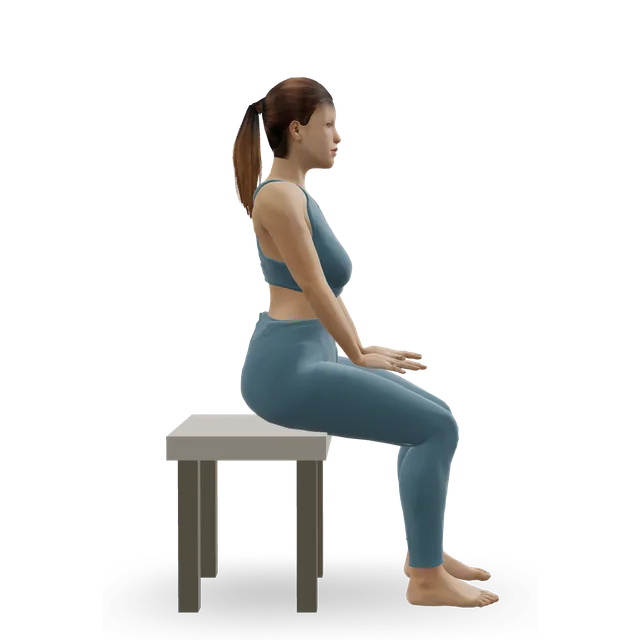
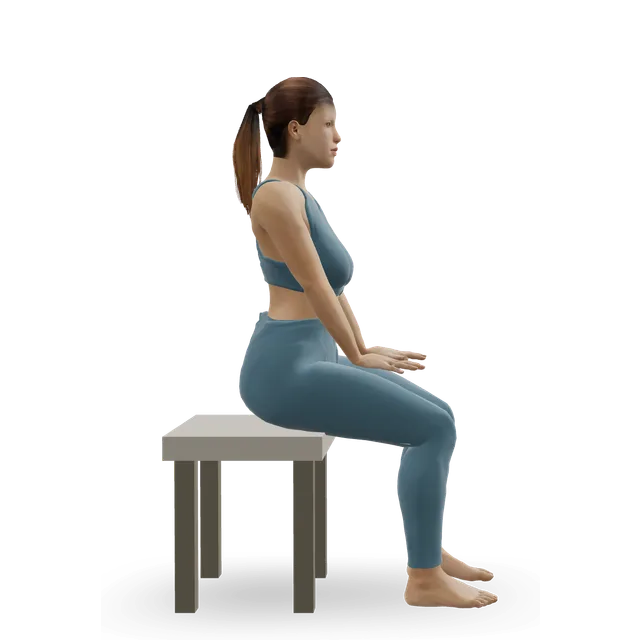
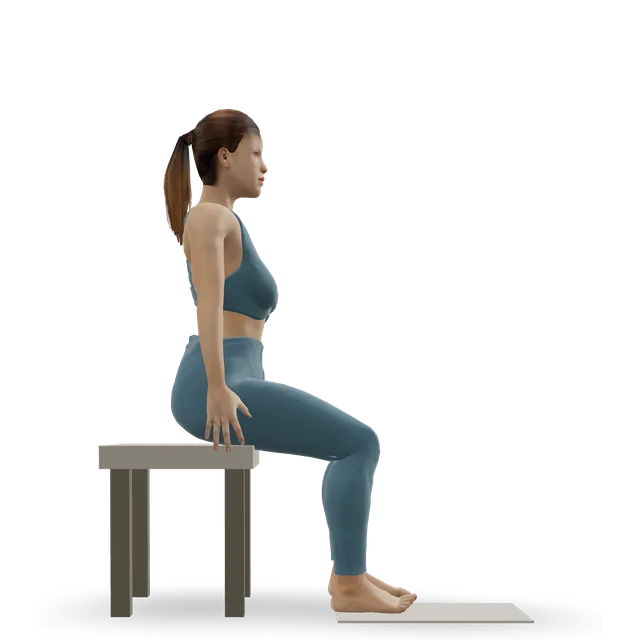
Seated bent-knee calf raise (soleus raise) demonstrated on the 3D figure3D demoSeated bent-knee calf raise (soleus raise)Beginner · A bench or box

3 sets of 15, if pain-free · As in our shin splints guide (editorial)

Harder: Slow calf raise

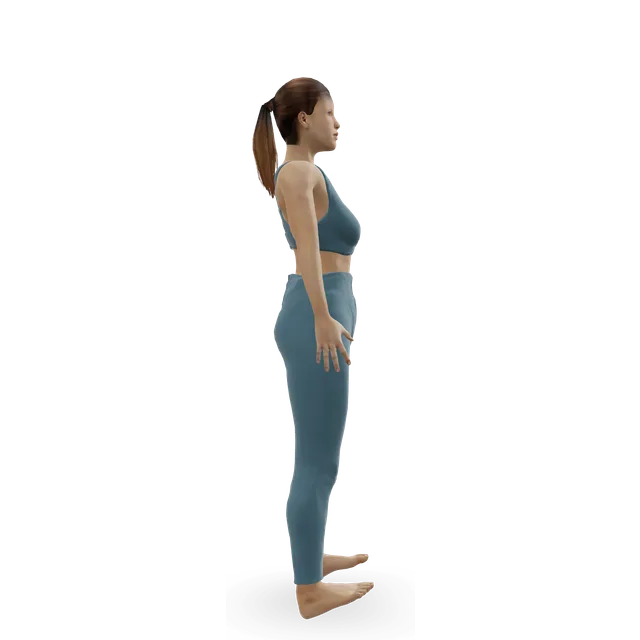
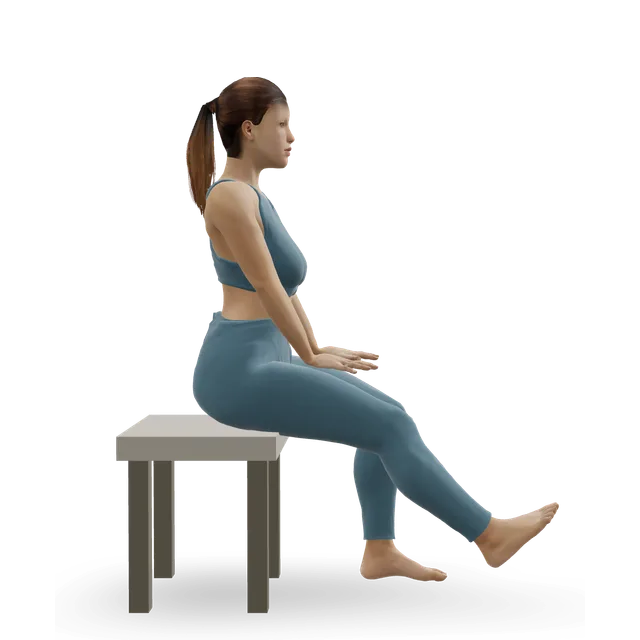
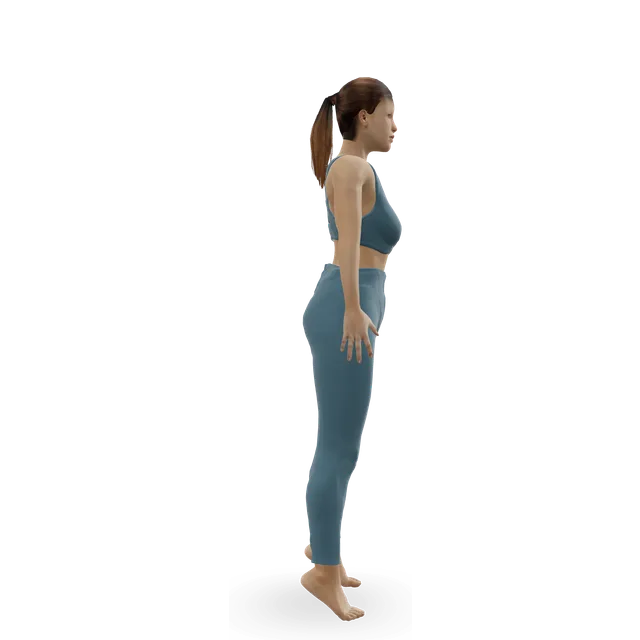
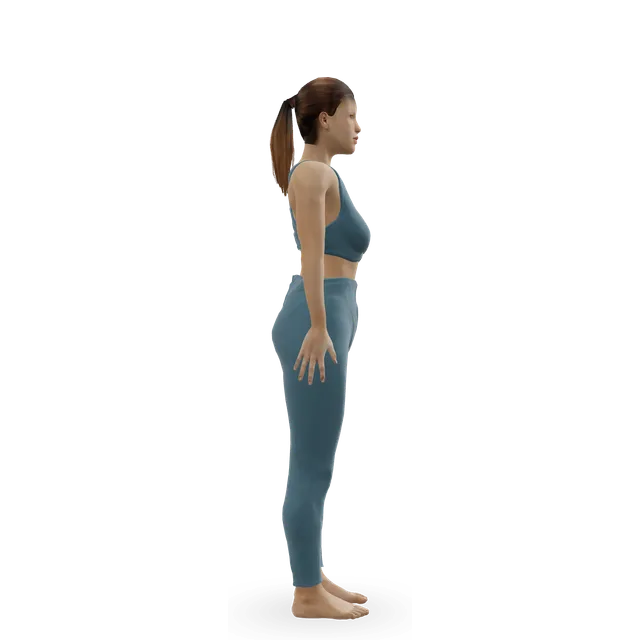
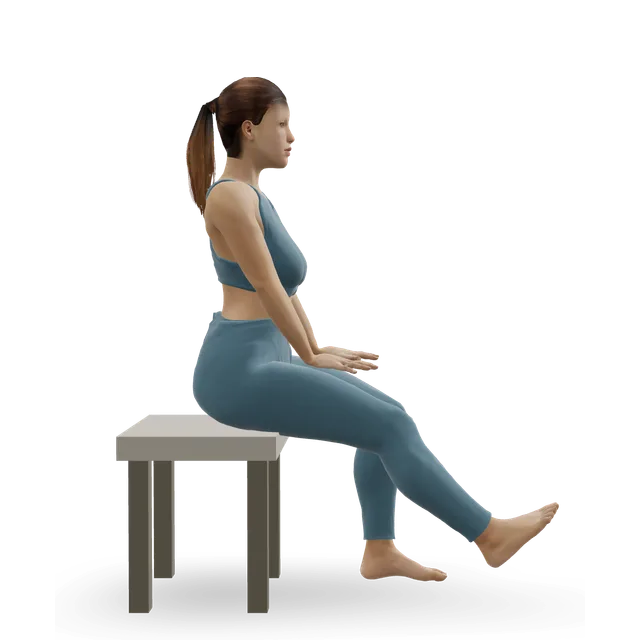
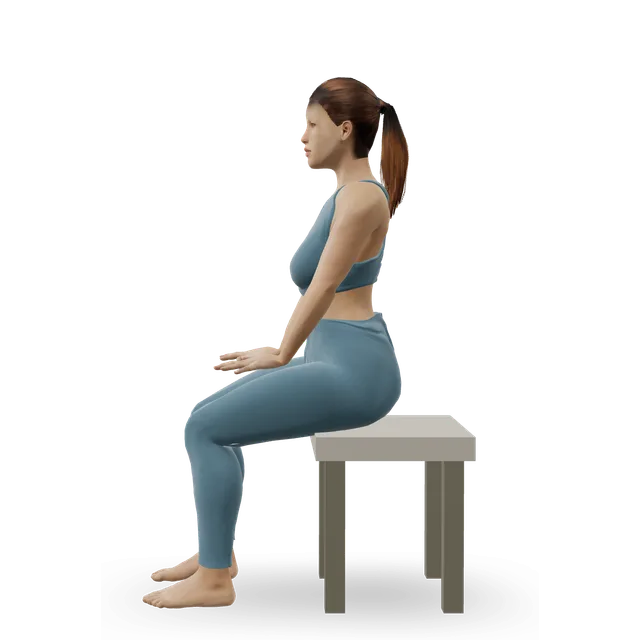
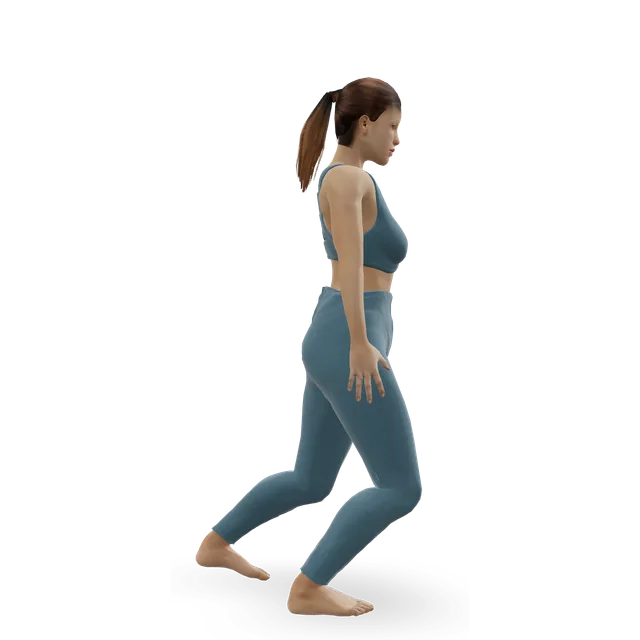
Tibialis raise demonstrated on the 3D figure3D demoTibialis raiseBeginner · No equipment

2 sets of 15 · As in our shin splints guide (editorial). Leave it out while the muscle beside the front edge of the shin is sore, or with tightness that builds in every session

Harder: Single-leg tibialis raise

Ankle circles demonstrated on the 3D figure3D demoAnkle circlesBeginner · No equipment

10 slow circles each way with each foot (our editorial starting point). An NHS leaflet suggests doing ankle range of movement exercises regularly through the day while an ankle is stiff. · The move page's dose

Harder: Ankle CARs (controlled articular rotations)

Move on when: Walking, including brisk walking, is pain-free, and pressing along the shin is less tender (our suggestion, as in our shin pain guides).

Follow along: a timer, a cue and the next move, one step at a time.
Stage 2

Build: calf and shin endurance, then cardio without jumping

About weeks 2 to 6, strength 2 or 3 days a week: calves and shin muscles strong enough for hundreds of landings, single-leg control, and cardio without the rope. Calf exercises added nothing to graded running in the Dutch trial, so this stage runs alongside the return, not instead of it.

Slow calf raise demonstrated on the 3D figure3D demoSlow calf raiseBeginner · A wall

3 sets of 15 · As in our shin splints guide (editorial)

Easier: Seated bent-knee calf raise (soleus raise) · Harder: Standing dumbbell calf raise

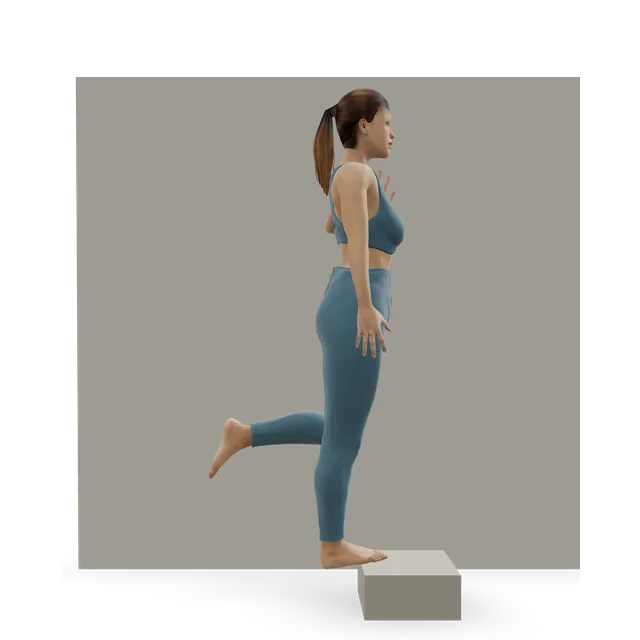
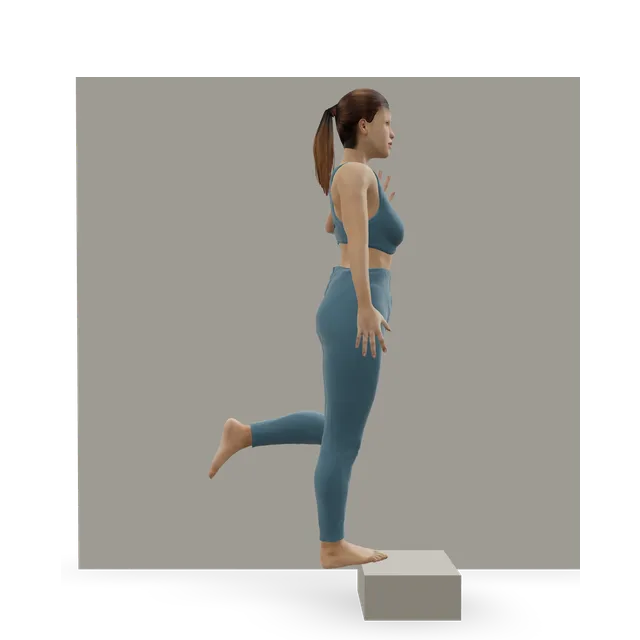
Single-leg calf raise from a step demonstrated on the 3D figure3D demoSingle-leg calf raise from a stepIntermediate · A step + A wall

Build towards 3 sets of 15 to 20 slow reps each leg · As in our shin splints guide (editorial). Face the step and keep a hand on a rail, as the move page says

Easier: Slow calf raise · Harder: Single-leg pogo hops

Heel walk demonstrated on the 3D figure3D demoHeel walkBeginner · No equipment

3 sets of 20 m · As in our shin splints guide (editorial); leave it out while the muscle at the front of the shin is sore

Easier: Tibialis raise · Harder: Single-leg tibialis raise

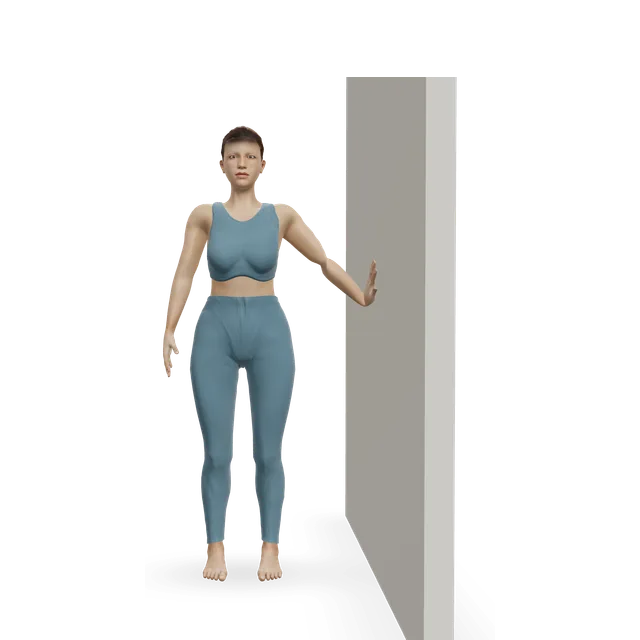
Single-leg stand demonstrated on the 3D figure3D demoSingle-leg standBeginner · A wall

3 holds of 30 s each leg · As in our shin splints guide (editorial)

Easier: Tandem stance and heel-to-toe walk · Harder: Single-leg reach matrix

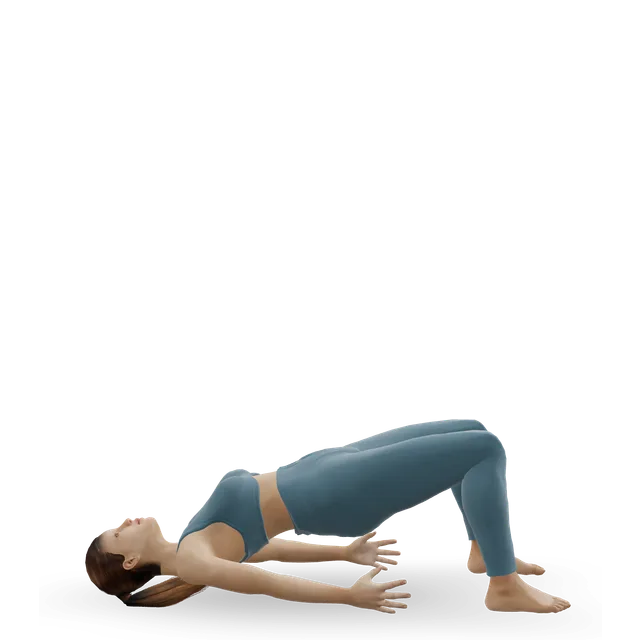
Glute bridge demonstrated on the 3D figure3D demoGlute bridgeBeginner · No equipment

3 sets of 12 · As in our shin splints guide (editorial)

Easier: Pelvic tilt into bridge · Harder: Single-leg glute bridge

Step jack (low-impact jumping jack) demonstrated on the 3D figure3D demoStep jack (low-impact jumping jack)Beginner · No equipment

30 to 45 seconds within a circuit, 2 to 3 rounds: an editorial starting point. No trial has tested this move on its own. Any rhythmic activity at a talk-but-not-sing effort counts as moderate activity in NHS guidance, and short bouts count. · The move page's dose. Cardio with no jumping, our jump rope guide's swap

Easier: Seated march · Harder: Jumping jack

Move on when: 30 minutes of brisk walking is pain-free, and 20 slow single-leg calf raises and 30 seconds of easy hopping on the spot are pain-free, the checks in our shin splints guide. After a stress fracture, your clinician's plan, and at least 30 minutes of pain-free fast walking, come first.

Follow along: a timer, a cue and the next move, one step at a time.
Stage 3

Bounce, then the rope

From about weeks 4 to 8, as the shin allows, 2 or 3 rope sessions a week with a day off between: impact back in small steps, then the rope at a low dose, then your usual sessions, one change at a time by the written steps below. No study has tested a return to jump rope after shin pain, so the order is editorial, following our jump rope and shin splints guides.

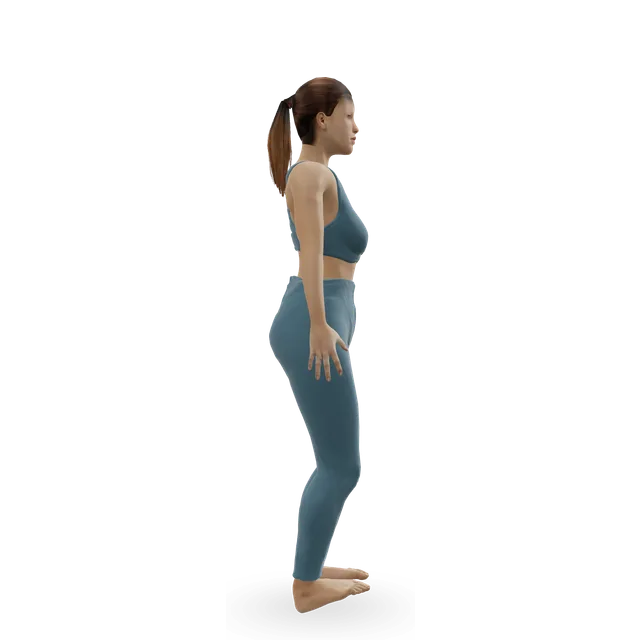
Ankle bounces (mini pogo) demonstrated on the 3D figure3D demoAnkle bounces (mini pogo)Beginner · No equipment

3 sets of 20, landing quietly · As in our shin splints guide (editorial); only once any sore spot on the bone is pain-free, as the move page says

Harder: Pogo hops

Pogo hops demonstrated on the 3D figure3D demoPogo hopsIntermediate · No equipment

3 sets of 20 · As in our shin splints guide (editorial); once ankle bounces are easy

Easier: Ankle bounces (mini pogo) · Harder: Single-leg pogo hops

Single-leg hop and stick demonstrated on the 3D figure3D demoSingle-leg hop and stickIntermediate · No equipment

3 sets of 5 each leg · As in our shin splints guide (editorial), as a control check; a hop that hurts at one spot on the bone needs checking

Easier: Standing broad jump with stuck landing · Harder: Alternate-leg bounding

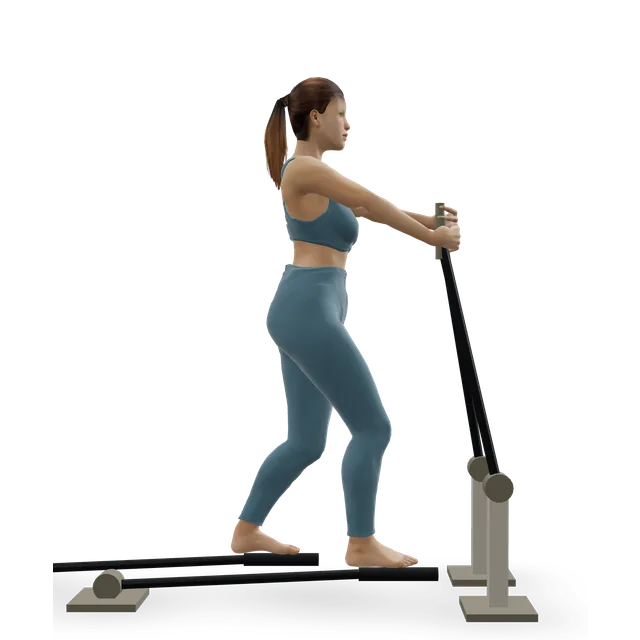
Jump rope (basic bounce) demonstrated on the 3D figure3D demoJump rope (basic bounce)Intermediate · A jump rope

5 rounds of 30 to 60 seconds with equal rest (our editorial starting point), adding no more than a few minutes in all each week. · The move page's dose. Two-foot bounces about a centimetre high on a forgiving floor, 2 or 3 days a week

Easier: Ankle bounces (mini pogo) · Harder: Double-unders (jump rope)

Double-unders (jump rope) demonstrated on the 3D figure3D demoDouble-unders (jump rope)Advanced · A jump rope

5 to 10 minutes of short practice sets, ending each before your form slips (our editorial starting point). Once they are consistent, 5 rounds of 20 to 30 with full rest. · The move page's dose. Last, only if you used them before, and only once your usual rope sessions pass the pain rule

Easier: Jump rope (basic bounce)

Move on when: Your usual rope sessions pass the pain rule for 2 weeks; then longer rounds, the alternate-foot step, speed work and double-unders, one at a time, adding no more than a few minutes a week, as our jump rope guide says. Keep calf raises twice a week. If a session flares the shin, go back to the last session that was fine for a few days, not to nothing (editorial).

Follow along: a timer, a cue and the next move, one step at a time.

What to change for now

Your jump rope for now (written steps)

Our 3D figure shows the bounce, not the rope, the floor or your shoes. These steps come from our jump rope guide and move pages, lab studies of skipping and landing, and NHS, Health New Zealand and orthopaedic pages; where a step is our suggestion or our reading, it says so. None has been tested against shin pain.

  • 1. Stop the rope while the shin is sore: the NHS says don't carry on with the exercise that caused shin splints, and switch to gentle exercise such as yoga or swimming while it heals.
  • 2. Volume: when the rope comes back, 5 rounds of 30 to 60 seconds with equal rest, 2 or 3 days a week with a day off between, adding no more than a few minutes in all each week (our jump rope guide and move page); daily skipping from scratch brought more injuries and drop-outs in a small trial. Our jump rope guide's build-up: weeks 1 and 2, 5 rounds of 30 seconds; weeks 3 and 4, 45 seconds; weeks 5 and 6, 60 seconds; then rounds of 2 to 3 minutes.
  • 3. Height: about a centimetre, just enough to clear the rope, as our jump rope guide says; high, loopy jumps add impact (our reading).
  • 4. Landings: soft, on the balls of your feet, knees slightly bent; for single bounces your heels can lightly touch down (our jump rope guide). Bent-knee landings let the joints take energy away from the shin bone in strain studies.
  • 5. Floor: a wooden or sprung floor, a gym mat or a rubber floor, not concrete (the NHS, Health New Zealand and an orthopaedic page name hard surfaces). A mat helps less than you'd think, because legs stiffen on soft surfaces.
  • 6. Shoes: comfortable cushioned trainers that fit and aren't worn out; shoes slowed how fast skipping landings built up compared with bare feet. Barefoot skipping on a hard floor waits (our suggestion).
  • 7. Style: two-foot bounces first; the alternate-foot step, the speed step, crossovers and double-unders later, one at a time.
  • 8. Rope length: stand on the middle and pull the handles to between your chest and armpits, as our jump rope guide says, so you don't have to jump high to clear it.
  • 9. End a round when your landings get loud, your timing goes or the shin starts to ache (our jump rope guide's rule; our suggestion for the shin): tired muscles let more strain through to the bone.
  • 10. Rest days: a day off between rope sessions, and no two hard impact days in a row (our suggestion, from bone's need for recovery).
  • 11. Boxing, CrossFit and classes: step jacks, a fast march or standing punches for the rope rounds until stage 3 passes, as our jump rope guide's no-jump swaps say, and double-unders last.
  • 12. Eat enough for your training, and see a GP about bone health if your periods have stopped or you've had more than one stress fracture, as the warning signs say.
  • 13. Other impact (running, court sports and plyometrics) comes back after the rope passes the pain rule, one at a time (our suggestion).

Sources 24, 1, 13, 29, 22, 32, 33, 11, 10, 15, 17

After a stress fracture (written steps)

Your clinician's plan comes first. Then, once 30 minutes of fast walking is pain-free, the NHS sports medicine service's jog-walk weeks every other day, stepping down a level if pain comes back, then rope-free bounces, then the rope at the starting dose above. That jumping comes after running is our suggestion, in line with expert advice to bring impact back gradually.

Sources 37, 17, 29

Positions to swap, and why

Habit or positionWhy it mattersInstead
Skipping on through one spot on the bone that hurts with every landingIt could be a stress fracture, and Health New Zealand says never play through the pain.Stop jumping and get it checked; cycle only if it's pain-free at the bone.Try: Recumbent exercise bike
Daily sessions or a 30-day challenge from day oneDaily skipping from scratch brought more injuries and drop-outs than jogging in a small trial.2 or 3 sessions a week, short rounds, with step jacks on other days.Try: Step jack (low-impact jumping jack)
Skipping on concrete in worn or thin shoesThe NHS, Health New Zealand and an orthopaedic page name hard surfaces and worn shoes.A wooden or sprung floor or a mat, and cushioned trainers.
High, loopy jumps and stiff, straight-leg landingsStiff landings raised forces, and bent-knee landings spared the shin bone in strain studies.About a centimetre off the floor, knees soft.
Double-unders, the speed step or crossovers while the shin is soreThey land harder and make the ankle work harder than running.Two-foot bounces, later.Try: Jump rope (basic bounce)
Long rounds until your form falls apartTired muscles let more strain through to the bone.End the round when landings get loud or your timing goes.
Barefoot skipping on a hard floorBare feet loaded faster than shoes in a lab study.Cushioned trainers.
Buying a thick mat or new shoes as the fixLegs stiffen on soft surfaces, and no shoe type prevented injuries in trials.Fewer, shorter rounds and the graded plan.
Stretching the calves or rolling the shin as the cureNeither has been shown to treat shin splints, and tight calves weren't a risk factor.The graded return and calf strength.Try: Slow calf raise
Heel walks or tibialis raises while the front shin muscle is soreThey work those muscles directly, as our shin pain guide says.Seated calf raises and ankle circles first.Try: Seated bent-knee calf raise (soleus raise)
Skipping on through tightness that builds in every sessionIt can be exertional compartment syndrome.Stop at the first tightness, and see our exertional compartment syndrome guide.
Resting until it stops hurtingA graded return within a pain limit did the work in the trial.The bike, swimming and the stage 1 moves.Try: Elliptical trainer

Routines to follow

Beginner jump rope workout

A first jump rope session in about 20 minutes: a springy warm-up, five short rope rounds with equal rest, calf and shin work, and calf stretches.

20 minBeginner7 movesA jump rope, A wall

Springy starter: calf strength and gentle bounces

A beginner's springy session: calf strength first, then heel drops, calf springs and gentle bounces, building towards skipping and pogo hops.

20 minBeginner11 movesA wall, A step

Low-impact cardio workout (no jumping)

A 25-minute standing cardio circuit with no jumping: marching, step jacks, sit-to-stands, punches, step-ups and wall push-ups, with a seated option for most moves.

25 minBeginner9 movesA bench or box, A step

Calf workout: straight-knee and bent-knee raises with a step

A 25-minute calf workout with a step and a dumbbell: single-leg raises for the big calf muscle, then seated raises for the soleus, with gym swaps for each move.

25 minIntermediate7 movesA wall, A step

Foot and ankle strengthening routine: toes, arches, calves and balance

A 15-minute barefoot routine for stronger toes, arches, calves and ankles, finishing with balance. You need only a towel, a wall and a resistance band.

15 minBeginner11 movesA wall, Other / check instructions

Injury prevention exercises for runners

Foot, calf, balance and hop exercises taken from the running trials with positive results, in a 25-minute home routine for 3 or 4 days a week.

25 minBeginner11 movesOther / check instructions, A bench or box

Yoga for shin splints: a 25-minute class with calf, shin and hip strength, and no jumping

A 25-minute yoga class for shin splints: seated and standing calf work, the tibialis raise, hip strength, short standing poses and rest, with no jumping.

25 minBeginner15 movesA bench or box, A wall

Impact-free Pilates for shin splints: a 25-minute class for calf and shin endurance, the hips and one-leg balance

A 25-minute Pilates class with no impact for shin splints: calf and shin endurance, hip and trunk work on the mat, and one-leg balance while you rest from running.

25 minBeginner14 movesA bench or box, A wall

Boxing fitness workout: shadow boxing and bag rounds

A 35-minute boxing workout with no sparring: a warm-up, three shadow boxing rounds, optional bag rounds, a punching finisher and core work.

35 minBeginner10 movesA band, A wall

More moves for this area

Questions people ask

Why do my shins hurt when I jump rope?

Usually shin splints, from more rounds, more days or harder skipping than your legs are used to, often on a hard floor. Each bounce lands at about 3 to 4.5 times your body weight, so 10 minutes is over 1,000 landings by our arithmetic. Cut the rounds, jump lower and skip on a forgiving floor.

Can jumping rope cause shin splints?

It can, especially when you start or restart with too much too soon, or skip on hard surfaces, which the NHS names among the causes of shin splints. Daily skipping from scratch brought more injuries than jogging in a small trial. Start with short rounds 2 or 3 days a week.

Is it shin splints or a stress fracture?

Shin splints hurt along a longer strip on the inner edge of the shin. A stress fracture is one spot you can point to with a fingertip, worse with every landing and later at rest or at night. If you think it's a stress fracture, stop jumping and get it checked.

Can I jump rope with shin splints?

Not while it's flaring: the NHS says don't carry on with the exercise that caused it, and switch to gentle exercise such as swimming. Once walking and easy hopping are pain-free, bring the rope back in short rounds, keeping the shin below about 4 out of 10 and no worse the next day, as one trial's runners did.

How do I jump rope without getting shin splints?

Build up slowly, 2 or 3 sessions a week with a day off between, jump about a centimetre high, land softly with your knees slightly bent and skip on a wooden floor or mat rather than concrete. Keep your calves and hips strong: strength, balance and landing training prevented shin splints in pooled trials.

Does a jump rope mat help shin splints?

A little at most: people stiffen their legs on softer surfaces, so the bounce stays much the same. A mat beats concrete, but how much you skip matters more.

Should I jump rope barefoot or in shoes?

In shoes for now: shoes slowed how fast skipping landings built up compared with bare feet. Comfortable, cushioned trainers that fit are enough; no shoe type has been shown to prevent leg injuries.

Why does the front of my shin hurt when I skip?

A sore muscle beside the sharp front edge after a new routine or lots of one-leg hops is usually the muscles that steady your foot, which worked harder in one-leg skipping in a lab study. A welt where the rope hit you is a bruise. One spot on the front edge of the bone needs checking for a stress fracture, a site that heals less well.

Is jump rope bad for your shins?

Not when it's built up gradually: rope training improved fitness in trials, and the injuries in the one rope trial came with daily sessions from scratch. Start low and slow.

Can jumping in general, such as jumping jacks or box jumps, cause shin splints?

It can, for the same reason: more impact than your legs are used to, too soon. Our reading is that the same steps apply: fewer, lower, softer jumps on a forgiving floor, built up gradually, with calf strength work alongside.

How long do shin splints from jump rope take to heal?

The NHS says a few weeks, but athletes on a graded return took about 3 to 4 months to get back to hard running. A stress fracture usually takes 6 to 8 weeks to heal. No one can promise a date.

When should I see a doctor?

Call 999 for sudden, severe pain with a tight, swollen leg, numbness or weakness, or chest pain or fainting while skipping; get help the same day for a swollen, throbbing calf or a leg you can't put weight on after a fall. See a GP for one spot on the bone that hurts, pain at night, or shin pain that isn't settling after a few weeks. In the US, call 911 where this page says 999.

Related exercise guides

Other pain guides

Sources

  1. Buyze 1986 · Six weeks of rope skipping or jogging in 26 inactive adults (training study, Phys Sportsmed)
  2. Singh 2022 · Jump rope training and fitness in young people: 21 studies, 1,021 participants (meta-analysis, J Sports Sci)
  3. Martinez 2011 · Home exercise equipment injuries in US children, 1990 to 2008 (emergency department data, Clin Pediatr)
  4. Garrick 1986 · Injuries in aerobic dance in 411 people (prospective study, Am J Sports Med)
  5. Farley 1991 · Preferred hopping frequency in people (lab study, J Appl Physiol)
  6. Yu 2022 · Jump rope shoes and leg loads in 5 men and 5 women (lab study, Bioengineering)
  7. Yu 2023 · Shoes, plantar pressure and muscle activity in rope jumping in 5 men and 5 women (lab study, Int J Environ Res Public Health)
  8. Kaewjaratwilai 2025 · Leg loads and muscle activity in barefoot rope jumping in 20 Muay Thai athletes (lab study, Sports)
  9. Zhang 2026 · Fast double-unders in 3 world and 5 junior national champions (biomechanics study, Life)
  10. Bruce 2023 · Joint loads in double-unders, the speed step and running in 16 young competitive skippers (lab study, Sports Biomech)
  11. Lin 2022 · Two-foot and alternate-foot rope jumping in 16 teenage boys (lab study, Children)
  12. Zhou 2025 · Rope speed and ankle movement in 12 elite skippers (lab study, Bioengineering)
  13. Milgrom 2000 · Shin bone strain in drop jumps and running in up to 6 volunteers (in vivo strain study, Br J Sports Med)
  14. Milgrom 2001 · Shin bone strain in home exercises, including zigzag hopping, in 2 volunteers (in vivo strain study, Am J Phys Med Rehabil)
  15. Yang 2011 · What in vivo bone strain studies show (review, J Musculoskelet Neuronal Interact)
  16. Devita 1992 · Soft and stiff landings and the work of the leg joints in 8 athletes (lab study, Med Sci Sports Exerc)
  17. Warden 2021 · Preventing bone stress injuries in runners with the right workload (review, Curr Osteoporos Rep)
  18. Newman 2013 · Risk factors for shin splints in runners: 10 studies (systematic review and meta-analysis, Open Access J Sports Med)
  19. Hamstra-Wright 2015 · Risk factors for shin splints in runners and soldiers: 21 studies (systematic review and meta-analysis, Br J Sports Med)
  20. Reinking 2017 · Risk factors for shin splints in active people: 22 studies (systematic review and meta-analysis, Sports Health)
  21. Rizzone 2017 · Stress fractures in US college athletes, 2004 to 2014 (surveillance study, J Athl Train)
  22. AAOS OrthoInfo · Stress fractures
  23. Gloucestershire Hospitals NHS Foundation Trust · Caring for a stress fracture (patient leaflet)
  24. NHS · Shin splints (past its review date: reviewed February 2023, review due February 2026)
  25. Hoenig 2022 · Bone stress injuries (review, Nat Rev Dis Primers)
  26. NHS · Compartment syndrome
  27. AAOS OrthoInfo · Shin splints
  28. Moen 2012 · A graded running programme alone, with calf exercises or with a compression stocking, for shin splints in 74 athletes (randomised trial, Sports Med Arthrosc Rehabil Ther Technol)
  29. Health New Zealand Te Whatu Ora · Stress fractures of the foot and shin bone (updated July 2026)
  30. Hoenig 2023 · Return to sport after low-risk and high-risk bone stress injuries: 76 studies, 2,974 injuries (meta-analysis, Br J Sports Med)
  31. Khan 2018 · Lower limb bone stress injuries in professional basketball players (cohort study, Sports Health)
  32. Ferris 1997 · Leg stiffness on hard and soft surfaces during hopping (lab study, J Appl Physiol)
  33. Li 2023 · Rope skipping barefoot or in shoes in 14 experienced skippers (lab study, Bioengineering)
  34. Wei 2018 · Landing height, shoe cushioning and shin shock in 19 basketball players (lab study, PLoS One)
  35. Relph 2022 · Running shoes for preventing running injuries: 12 trials, 11,240 people (Cochrane systematic review)
  36. Winters 2013 · Treatments for shin splints: 11 trials (systematic review, Sports Med)
  37. Oxford University Hospitals NHS Foundation Trust (OxSport) · Return to running programme (patient leaflet, September 2024)
  38. Marques 2025 · Preventive interventions for medial tibial stress syndrome (meta-analysis, Gait & Posture)
  39. Lauersen 2014 · Exercise to prevent sports injuries: 25 trials, 26,610 people (systematic review and meta-analysis, Br J Sports Med)

Exercise education, not a diagnosis or treatment plan. It is written from the guidelines and studies listed above; review by a clinician is pending. If your pain follows an injury, is severe, is getting worse, or comes with any warning sign listed on this page, get it assessed. Health disclaimer.