Pilates guide

Pilates for fibromyalgia: what the trials show and how to start gently

Exercise is the best-supported treatment for fibromyalgia, and Pilates is one good way to do it. In trials, Pilates eased pain a little and made fibromyalgia less of a burden on daily life compared with usual care. Against other exercise, it did no better, so the best choice is one you enjoy and can keep doing.

The key is to start lower than you think and build up slowly, pacing yourself so a good day doesn't turn into a flare. This guide covers what the trials show, how to start and pace yourself, what to do in a flare-up, the advice of the National Institute for Health and Care Excellence (NICE) and the new symptoms that need a GP, with a gentle 20-minute class. It isn't advice for myalgic encephalomyelitis or chronic fatigue syndrome (ME/CFS).

The short version

Exercise is the main treatment

NICE offers supervised group exercise for long-lasting pain without another cause, which includes fibromyalgia, and names no type. European guidelines make exercise their only strong recommendation, and the NHS lists it as one of the 3 main treatments.

Sources 1, 2, 3

Pilates helps a little against usual care

Across 6 trials (265 people), pain fell by about 0.7 points out of 10, and the impact of fibromyalgia on daily life by about 7 points out of 100.

Source 4

No better than other exercise

In the newest review (2026, read as an abstract), Pilates did no better than other exercise, at very low to low certainty, and trials against aerobic and water exercise found similar gains.

Sources 5, 6, 7

Start lower than the trials

Trials began with 1 set of 8 of each move, twice a week, and built up over 3 months. Start smaller still if you need to.

Sources 8, 9

Pace yourself

Feeling a bit worse at first is common and isn't damage. Balance activity and rest so good days don't turn into flares.

Sources 10, 2

This isn't advice for ME/CFS

If activity is followed by a delayed crash that takes days to recover from, see a GP: NICE advises against graded exercise for ME/CFS.

Sources 11, 12

Fibromyalgia, and how Pilates fits

What fibromyalgia is

"A long-term condition that causes pain all over the body", the NHS says, with increased sensitivity to pain, stiffness, poor sleep and tiredness, problems with memory and concentration ("fibro-fog"), headaches and irritable bowel syndrome. It's more common in women, usually starts between 25 and 55, and may affect nearly 1 in 20 people to some degree. NICE counts it as chronic primary pain: long-lasting pain that no other condition explains.

Sources 13, 14, 1

Symptoms come and go

Symptoms can get better or worse with stress, changes in the weather and how active you are. NICE describes a flare-up as "a sudden, temporary worsening of symptoms", whose cause may not be found.

Sources 14, 1

Why exercise can hurt at first

In most people, exercise briefly dampens pain. In a lab study of women with fibromyalgia, that pain-dampening response didn't switch on during muscle contractions, which is one reason to start gently.

Sources 15, 16

How Pilates fits

Pilates is low-impact, can be done lying, sitting or standing, can be made very small and slow, and mixes strength, flexibility and breathing, which suits the NHS's suggestion of aerobic or strengthening exercise plus relaxation every day. Clinical Pilates, taught by physiotherapists, was the form used in several trials. It's one choice among many: NICE doesn't name a type of exercise.

Sources 17, 9, 18, 19

What the evidence says

Against usual care: a small benefitEmerging evidence

Across 6 trials (265 people), read in full, Pilates reduced pain by about 0.7 points on a 0 to 10 scale, and the Fibromyalgia Impact Questionnaire (FIQ, a 0 to 100 score of how much fibromyalgia affects daily life) by about 7 points, compared mostly with usual care or no exercise. The trials were small and of mixed quality, and none reported harms. In a 6-month trial of live online Pilates-based exercise 3 times a week (68 adults, read in full), the revised FIQ improved by about 12 points against usual care, with better sleep and mood; online clinical Pilates also beat the same exercises given on paper.

Sources 4, 20, 21, 18

Against other exercise: no betterMixed evidence

In the newest review (2026, read as an abstract), 7 trials since 2020 found that Pilates did no better than other active exercise for pain or daily impact, at very low to low certainty. Trials against aerobic exercise (98 people and 46 women) and water aerobics (42 women) found similar gains, and in a 2024 review, Pilates wasn't clearly better for pain than aerobic or mind-body exercise.

Sources 5, 6, 7, 22, 4

Rankings: near the top in the short term, at low certaintyEmerging evidence

Network analyses of 50 to 59 trials ranked Pilates among the best types of exercise in the short term, with water exercise, strength training and aerobic plus flexibility training, at low or very low certainty. In the longer term, dance, mixed exercise and strength training ranked best.

Sources 23, 24, 25

Tiredness, sleep and moodEmerging evidence

Online clinical Pilates eased tiredness more than the same exercises on paper, and the 6-month online programme improved sleep, depression and stress but not anxiety. Across 21 trials of mind-body exercise, sleep and depression improved, and experts rate mind-body exercise a core treatment for pain, tiredness and sleep problems.

Sources 18, 21, 26, 27

Exercise in generalStrong evidence

Cochrane reviews found that aerobic exercise probably improves quality of life and may ease pain a little, mixed exercise probably improves physical function and tiredness, and strength training may improve function and pain, at low to moderate certainty. Programmes that met the American College of Sports Medicine's exercise guidance did better.

Sources 28, 29, 30, 31

Keeping going mattersEmerging evidence

In the first Pilates trial, most gains had faded 12 weeks after classes ended, and for aerobic exercise, long-term benefits lasted for pain and function but not for quality of life. Group programmes lose about 1 in 5 people. NICE encourages staying active for the longer term.

Sources 20, 28, 32, 1

Tai chiEmerging evidence

In a trial of 226 people, tai chi eased fibromyalgia symptoms more than aerobic exercise at 24 weeks, and 24 weeks of tai chi beat 12.

Source 33

What NICE, European guidelines and the NHS say

NICE

"Offer a supervised group exercise programme to people aged 16 years and over to manage chronic primary pain. Take people's specific needs, preferences and abilities into account." The committee didn't name a type of exercise. Most of its evidence was supervised group exercise in women with fibromyalgia or long-lasting neck pain; exercise was good value, with no harms seen except more people dropping out.

Sources 1, 19

European guidelines

Exercise was the only "strong for" recommendation from EULAR (the European Alliance of Associations for Rheumatology), with aerobic and strengthening exercise both fine, on land or in water. Meditative movement such as tai chi and yoga got a weaker recommendation, and Pilates isn't mentioned.

Source 2

Experts and other guidelines

An international panel of 17 experts rated aerobic exercise, education, sleep habits and CBT (cognitive behavioural therapy) core treatments, and mind-body exercise core for pain, tiredness and sleep. The 2026 Brazilian guideline recommends aerobic and strength exercise and doesn't mention Pilates.

Sources 27, 34

The NHS

The NHS lists exercise, talking therapies and medicines as the 3 main treatments, says regular exercise "has been shown to help reduce pain and improve overall quality of life", and says the type "should be something you enjoy and can continue doing long-term". Its self-help advice includes relaxing every day.

Sources 3, 17

How to start gently

What the trials did

A 12-week mat programme started with 1 set of 8 of each move twice a week, built to 2 sets of 10 in the second month and 3 sets of 8 in the third. Another trial ran 60-minute sessions (10 minutes of warm-up, 40 of Pilates and 10 of cool-down) with 8 to 10 repetitions, and taught breathing first. Others moved people on only when 10 repetitions felt controlled, ended with relaxation, and let symptoms guide progress.

Sources 8, 9, 35, 21

Doses from European guidelines

EULAR summarises the trials as aerobic exercise for at least 20 minutes a day (or 2 bouts of 10) on 2 to 3 days a week, and strength work with at least 8 repetitions, 2 to 3 times a week, in programmes of 2.5 to 24 weeks.

Source 2

Our starting point

Start smaller than the trials if you need to: 15 to 20 minutes, the easiest versions, and stop while you still feel you could do more. Add a few minutes or a second set every week or two if you haven't had a flare (our editorial starting point).

Sources 8, 10

Supervised, in a group or online

NICE offers supervised group programmes. One-to-one and group clinical Pilates both helped, live online classes worked over 6 months, and online classes did better than the same exercises on paper.

Sources 1, 9, 21, 18

Pacing

What pacing means

"Pacing means balancing activity and rest so you don't overdo it on good days or feel worse after doing too much", Arthritis UK says. Exercise improves tiredness and pain control, "but it's important to pace yourself".

Source 10

On good days

"On a good day it is important to pace yourself; overdoing it may simply make matters worse. Rest is also important. Listen to your body when it tells you to slow down", Fibromyalgia Action UK says.

Source 36

Build up slowly

Gradually increasing how much exercise you do can improve your symptoms, Arthritis UK says, and fibromyalgia "doesn't seem to cause long-term damage to your body". The trial programmes built up over 3 months.

Sources 10, 8

Feeling worse, and flare-ups

Feeling worse at first

"Although patients may initially notice a deterioration in symptoms, exercise is generally considered safe, especially when practised under supervision", EULAR says. One trial warned people to expect "a tolerable increase in pain and fatigue in the short term", and in other trials, some people had more pain, soreness or tiredness during or after exercise.

Sources 2, 35, 29

In a flare

NICE asks clinicians to reassess you, accept that a cause may not be found, review your plan and look into any new symptoms. Drop back to a shorter, easier session, or just breathing and gentle movement, for a few days, then build up again slowly (our suggestion, in line with pacing advice). Our gentle class has a stop point for bad days.

Sources 1, 10

Soreness or a flare?

Muscle soreness a day or two after new or harder exercise happens to everyone and fades within days; a flare is a wider worsening of your usual symptoms. Our guide to sore muscles explains the difference.

Fibromyalgia is not ME/CFS

A different condition, different advice

NICE advises against exercise programmes with fixed increases (graded exercise therapy) for ME/CFS, and notes that the crash after activity is often delayed by hours or days; the NHS says graded exercise therapy is not recommended for it. If that pattern sounds familiar, see a GP; our ME/CFS guide covers pacing for it.

Sources 11, 12

Moves to start with

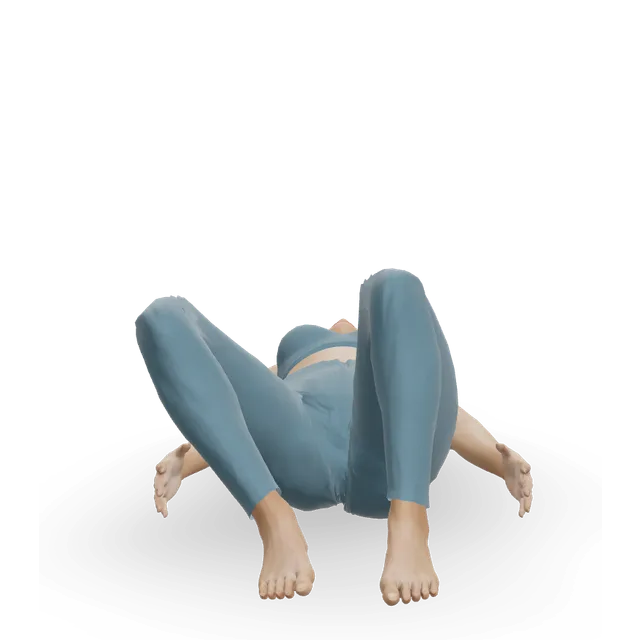
Start with 1 set of 8 of each, as the trial programme did in its first month, with your head resting for the curl-up moves; build to 2 sets of 10 over the following weeks if you tolerate it.

Light strength

European guidelines summarise strength work as at least 8 repetitions, 2 to 3 times a week: start with 1 set of 8, and a light band for the row.

Stretch and rest

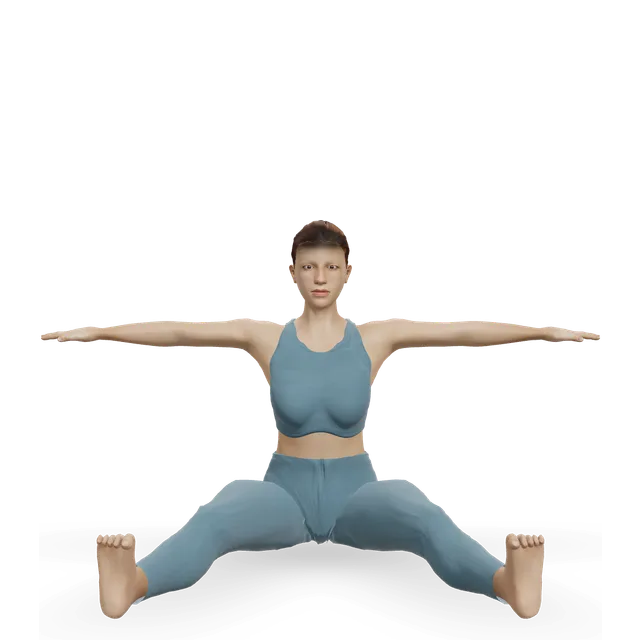
Finish with gentle rotation and at least 5 minutes of lying still; two of the trial programmes ended with relaxation.

What to leave out at first

Rolling, momentum and long holds

Leave out the roll-up, the teaser, rolling like a ball, the open-leg rocker and control balance at first: they need momentum or put weight on your neck. Skip the kneeling side kick if kneeling or leaning on a wrist hurts, and keep holds short (our suggestion, in line with each move's caution).

Pushing too hard

One case report described nerve pain in the pelvis in a woman with fibromyalgia after intense Pilates. Build up slowly rather than pushing through pain.

Source 37

Classes to follow

Start with our gentle 20-minute class, which has a stop point for bad days; the flare-up routine suits the worst days, and the arthritis and somatic classes are other gentle options.

Gentle Pilates for fibromyalgia: a 20-minute paced class

A gentle 20-minute Pilates class for fibromyalgia, built on the trial programmes: 8 of each move, a stop point for bad days, and rest to finish.

20 minBeginner13 movesNo equipment

Chronic pain flare-up routine: gentle movement for a bad day

A 10-minute routine for a pain flare-up: slow breathing, small gentle moves lying and sitting, a short stroll if you can, then rest. Repeat later in the day.

10 minBeginner10 movesA band, A bench or box

Pilates for arthritis: a 25-minute joint-friendly class (no kneeling)

A gentle 25-minute Pilates class for arthritis: lying, side-lying, chair and standing moves, with no kneeling or weight on your hands, and flare-day options.

25 minBeginner16 movesA bench or box, Something with weight

Slow somatic Pilates class: 20 minutes, every move optional

A slow, 20-minute Pilates class with time to notice your breath and how each move feels. Every move is optional and you can pause or stop at any point.

20 minBeginner12 movesNo equipment

Seated chair Pilates: 15 minutes, no standing

A 15-minute chair Pilates class done entirely sitting down, in a chair or wheelchair: breathing, spine moves, and leg and arm strength with water bottles.

15 minBeginner13 movesA bench or box, Something with weight

10-minute starter workout

A 10-minute session for low-energy days: marching, sit-to-stands, wall push-ups, step-ups and bridges, then a short walk. Doing a little counts.

10 minBeginner7 movesA bench or box, A wall

Low-impact cardio workout (no jumping)

A 25-minute standing cardio circuit with no jumping: marching, step jacks, sit-to-stands, punches, step-ups and wall push-ups, with a seated option for most moves.

25 minBeginner9 movesA bench or box, A step

A walking plan

For the aerobic side, built up slowly: repeat a week, or drop back, if a step brings on a flare.

New symptoms, and when to see a GP

New symptoms that don't fit

NICE asks clinicians to "consider investigating and managing any new symptoms", and the NHS notes that swollen joints can point to arthritis rather than fibromyalgia. Get checked for these (the last is our advice, in line with NICE):

  • A painful joint with swollen skin around it that feels hot, or joint pain with feeling unwell or a high temperature: ask for an urgent GP appointment or call 111.
  • Sudden severe pain in one joint, with swelling or a change in colour: this can be a joint infection, so get help urgently from a GP or 111.
  • Weight loss you can't explain: see a GP.
  • New weakness, numbness or tingling that isn't your usual pattern: see a GP.

Sources 1, 38, 39, 40, 41

Call 999

For sudden weakness or numbness on one side of your body, a drooping face, or slurred or confused speech: these are signs of a stroke. In the US, call 911.

Source 42

A delayed crash after activity

If activity is regularly followed by a worsening out of proportion to what you did, coming hours or days later and taking days to recover from, see a GP: it can be a sign of ME/CFS.

Sources 11, 12

Low mood

If low mood, anxiety or poor sleep are getting on top of you, see a GP: talking therapies are one of the NHS's 3 main treatments. If you need help now, call 111 and select the mental health option, or call Samaritans free on 116 123, any time; call 999 if a life is at risk. In the US, call or text 988.

Sources 3, 43, 44, 45

Myths

"Exercise makes fibromyalgia worse"Strong evidence

Exercise is the main recommended treatment. You may feel a bit worse at first, but exercise is generally safe, and fibromyalgia doesn't seem to cause long-term damage to your body.

Sources 2, 10

"Pilates is the best exercise for fibromyalgia"Mixed evidence

In the newest review (2026, read as an abstract), Pilates did no better than other exercise, and network analyses ranked it high only in the short term and at low certainty.

Sources 5, 25

"Pilates is a proven, safe and effective treatment"Mixed evidence

The trials are small, the certainty is low to very low, and few recorded harms carefully. Pilates helps about as much as other exercise, which is still worth having.

Sources 4, 5

"Mat Pilates is too hard, so start on a reformer"Emerging evidence

In a trial of 28 women, home mat Pilates and reformer Pilates improved symptoms about equally. Start with easy mat moves.

Source 46

"Rest until the pain settles"Strong evidence

NICE encourages staying active, and pacing means balancing activity and rest, not stopping. Long rest tends to make it harder to start again (our view).

Sources 1, 10, 36

"Graded exercise is harmful, so exercise is wrong for fibromyalgia"Strong evidence

NICE advises against graded exercise therapy for ME/CFS, which is a different condition. For fibromyalgia, NICE offers supervised group exercise, and Arthritis UK says building up gradually can improve symptoms.

Sources 11, 1, 10

Questions people ask

Is Pilates good for fibromyalgia?

It can help. Across 6 trials, Pilates eased pain by about 0.7 points out of 10 and reduced the impact on daily life, compared with usual care or no exercise. It works about as well as other exercise, so it's a good choice if you enjoy it.

Is Pilates better than other exercise for fibromyalgia?

Not as far as trials show. In the newest review, Pilates did no better than other active exercise, and trials against aerobic exercise and water aerobics found similar gains, at low certainty. NICE recommends a supervised group exercise programme without naming a type.

Is yoga or Pilates better for fibromyalgia?

Neither has been shown to be better. In a 2024 review, Pilates wasn't clearly better for pain than mind-body exercise such as yoga, and experts rate mind-body exercise as a core treatment for pain, tiredness and sleep. Our exercise for fibromyalgia guide covers tai chi and yoga.

Can Pilates make fibromyalgia worse?

You may feel more sore or tired at first, which is common and not harmful. If a session leaves you much worse the next day, you did too much: drop back to what felt manageable and build up more slowly. Serious harm hasn't been reported in trials, though few looked for it carefully.

How do I start Pilates with fibromyalgia?

Start smaller than you think: trials began with one set of 8 of each move, twice a week, and built up over 3 months. Choose easy moves lying down, keep sessions short at first, and stop before you're tired. Our 20-minute gentle class follows this plan.

How often should I do Pilates with fibromyalgia?

Twice a week, as in most trials, is a good start; some trials used 3 sessions a week. Add gentle walking, cycling or swimming on other days, building up slowly.

What are the best Pilates exercises for fibromyalgia?

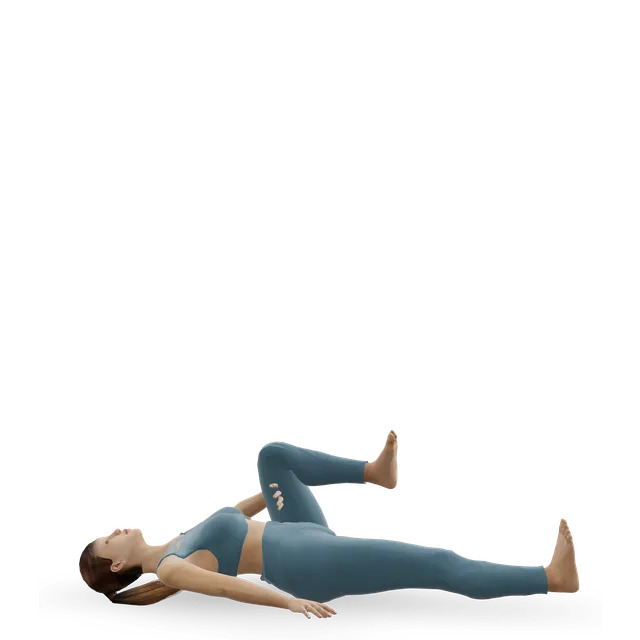
The trials used simple mat moves: a pelvic lift, leg circles, the single-leg stretch, side kicks, the swan and the saw, starting with 8 of each. Use the easiest versions with your head resting, and skip moves that roll you onto your neck or need momentum.

Should I do Pilates during a flare-up?

Do less, not nothing. Drop back to a shorter, easier session, or just breathing and gentle movement, then build up again slowly as the flare settles. If you have new symptoms with a flare, see a GP.

Is reformer Pilates good for fibromyalgia?

It can be, but you don't need it. In a trial of 28 women, reformer Pilates and home mat Pilates improved symptoms about equally. Choose the one you can do regularly.

Can online Pilates help fibromyalgia?

Yes, in trials. Live online classes 3 times a week for 6 months improved symptoms, sleep and mood, with good attendance and no harms, and online clinical Pilates did better than the same exercises on paper.

Does the NHS recommend Pilates for fibromyalgia?

The NHS recommends exercise as one of the 3 main treatments, and says it should be something you enjoy and can keep doing. It doesn't name Pilates, and neither does NICE, which offers supervised group exercise of any type.

Is this advice right if I have ME/CFS?

No. ME/CFS is a different condition, and NICE advises against graded exercise for it. If activity is followed by a delayed crash that takes days to recover from, see a GP and follow NICE's ME/CFS guidance.


Sources

  1. NICE NG193 · Chronic pain in over 16s: assessment and management of chronic primary pain (guideline, 2021)
  2. Macfarlane 2017 · EULAR revised recommendations for the management of fibromyalgia (guideline, Ann Rheum Dis; read in full)
  3. NHS · Fibromyalgia: treatment (past its review date: reviewed October 2022, review due October 2025)
  4. Nithuthorn 2024 · Pilates for pain and quality of life in fibromyalgia: 6 trials (systematic review and meta-analysis, J Clin Med; read in full)
  5. Rodríguez-Fuentes 2026 · Pilates for fibromyalgia: 7 trials since 2020 (systematic review and meta-analysis, Appl Sci; read as an abstract)
  6. Franco 2023 · Pilates or aerobic exercise for fibromyalgia in 98 people, with costs (RCT, Eur J Pain)
  7. de Medeiros 2020 · Mat Pilates or water aerobics in 42 women with fibromyalgia (RCT, Adv Rheumatol)
  8. Silva 2019 · Mat Pilates or water aerobics for fibromyalgia: the trial protocol (protocol, BMJ Open; read in full)
  9. Çağlayan 2021 · One-to-one or group clinical Pilates in women with fibromyalgia (RCT, Eur J Rheumatol; read in full)
  10. Arthritis UK · Fibromyalgia: symptoms, causes and treatment
  11. NICE NG206 · ME/CFS: diagnosis and management (guideline, 2021)
  12. NHS · ME/CFS (myalgic encephalomyelitis or chronic fatigue syndrome): treatment
  13. NHS · Fibromyalgia (past its review date: reviewed October 2022, review due October 2025)
  14. NHS · Fibromyalgia: symptoms (past its review date: reviewed October 2022, review due October 2025)
  15. Lannersten 2010 · Pain relief during exercise in women with fibromyalgia or shoulder pain (lab study, Pain)
  16. Rice 2019 · How exercise eases pain, with and without chronic pain (review, J Pain)
  17. NHS · Fibromyalgia: self-help (past its review date: reviewed October 2022, review due October 2025)
  18. Sari 2025 · Online clinical Pilates in 30 women with fibromyalgia (RCT, Clin Rheumatol)
  19. NICE NG193 · Rationale for exercise programmes for chronic primary pain (guideline, 2021)
  20. Altan 2009 · Pilates in 50 women with fibromyalgia (pilot RCT, Arch Phys Med Rehabil)
  21. Marantidou 2026 · Six months of live online Pilates-based exercise in 68 adults with fibromyalgia (RCT, J Rehabil Med; read in full)
  22. Baglan Yentur 2026 · Pilates or aerobic exercise in 46 women with fibromyalgia (RCT, Clin Rheumatol)
  23. Rodríguez-Domínguez 2026 · Which exercise helps women with fibromyalgia most: 59 trials (network meta-analysis, Musculoskelet Sci Pract)
  24. Rodríguez-Domínguez 2025 · Exercise for pain in women with fibromyalgia: 51 trials (network meta-analysis, Braz J Phys Ther; read in full)
  25. Wang 2025 · Types of exercise for fibromyalgia pain: 50 trials (Bayesian network meta-analysis, Eur J Pain)
  26. Zhang 2026 · Mind-body exercise for fibromyalgia: 21 trials (systematic review and meta-analysis, J Phys Act Health)
  27. Kundakci 2022 · Non-drug treatments for fibromyalgia: an international expert consensus (Delphi study, Semin Arthritis Rheum)
  28. Bidonde 2017 · Aerobic exercise for fibromyalgia: 13 trials (Cochrane systematic review)
  29. Bidonde 2019 · Mixed exercise for fibromyalgia: 29 trials (Cochrane systematic review)
  30. Busch 2013 · Resistance exercise for fibromyalgia: 5 trials (Cochrane systematic review)
  31. Han 2024 · Exercise that meets ACSM guidance for fibromyalgia: 19 trials (meta-analysis, Front Physiol)
  32. Pursley 2025 · Group activity programmes for fibromyalgia: 17 studies (scoping review, J Frailty Sarcopenia Falls)
  33. Wang 2018 · Tai chi or aerobic exercise for fibromyalgia in 226 people (RCT, BMJ)
  34. Heymann 2026 · Brazilian fibromyalgia guideline, part 1: non-drug treatment (guideline, Adv Rheumatol; read in full)
  35. Franco 2019 · Pilates or aerobic exercise for fibromyalgia: the trial protocol (protocol, BMC Rheumatol; read in full)
  36. Fibromyalgia Action UK · About fibromyalgia
  37. Yıldırım 2019 · Pudendal nerve pain after Pilates in a woman with fibromyalgia (case report, Turk J Phys Med Rehabil)
  38. NHS · Fibromyalgia: diagnosis (past its review date: reviewed October 2022, review due October 2025)
  39. NHS · Joint pain
  40. NHS · Septic arthritis
  41. NHS · Unintentional weight loss
  42. NHS · Symptoms of a stroke
  43. NHS · Where to get urgent help for mental health (past its review date: reviewed April 2023, review due April 2026)
  44. Samaritans · Contact a Samaritan: 116 123, free, any time
  45. SAMHSA (US Substance Abuse and Mental Health Services Administration) · 988 Suicide and Crisis Lifeline
  46. Caglayan 2023 · Reformer or home mat Pilates in 28 women with fibromyalgia (RCT, Reumatol Clin)

Exercise education, not a personal prescription, and clinical review of these guides is pending. If you are pregnant, have a health condition or have had recent surgery, check with a doctor, midwife or physiotherapist before starting, and stop for sharp or increasing pain. Health disclaimer.