Pilates
Same-order chair Pilates for dementia: a 25-minute class to do together
This class is for doing together. Sit beside or facing each other, keep the same moves in the same order every time, and show each move as you say it, in a few words. It follows the pattern of our chair classes and the NHS sitting and balance exercises, and adds a short standing block at the chair for leg strength and balance, which falls guidelines recommend for people with mild to moderate dementia. No trial has tested Pilates in people with dementia, so the order and doses are our editorial choice. It won't slow dementia; it's a gentle, shared activity that keeps legs and balance working. Twice a week is what most dementia exercise trials used.
Arrive and breathe (about 3 minutes)
- Beginner · Abs · 3D demoSit tall, hands on your lower ribs; easy breaths, no countingHarder: Roll-up (Pilates)
- Seated upper-back lift (sit tall, shoulders back)3 holds of 3 to 5 sBeginner · Back, Shoulders, Neck · 3D demoSit tall, shoulders backEasier: Elbows backHarder: Prone Y-T-W raises


Joints (about 4 minutes)
- Shoulder rolls5 each wayBeginner · Shoulders, Back, Neck · 3D demoShoulders up, back and downHarder: Shoulder CARs (controlled articular rotations)
- Seated march1 minBeginner · Hip flexors, Quads, Abs · 3D demoHold the sides of the seatHarder: Standing march
- Ankle circles5 each way, each footBeginner · Calves, Shins · 3D demoCircle your footHarder: Ankle CARs (controlled articular rotations)



Seated Pilates (about 7 minutes)
- Thoracic rotation3 each sideBeginner · 3D demoSeated, arms crossed: turn to look behind you, slowly (the demo shows it standing)Easier: Side-lying open bookHarder: World's greatest stretch
- Seated overhead side bend2 each side, 10 s holdsBeginner · Back, Abs · 3D demoReach up and overHarder: Overhead lat stretch at a bench (elbows on the bench)
- Seated knee extension (chair)5 each legBeginner · Quads · 3D demoStraighten the leg, then lower it slowlyEasier: Quad set (static quads)Harder: Leg extension
- Isometric chest squeeze (palm press)5 holds of 5 sBeginner · Chest, Shoulders, Triceps · 3D demoPalms together, or a cushion between them; keep breathingHarder: Machine chest fly (pec deck)
- Breath reach5 breathsBeginner · 3D demoArms up as you breathe in, down as you breathe out (the demo shows it standing)Harder: Slow breathing (6 breaths a minute)



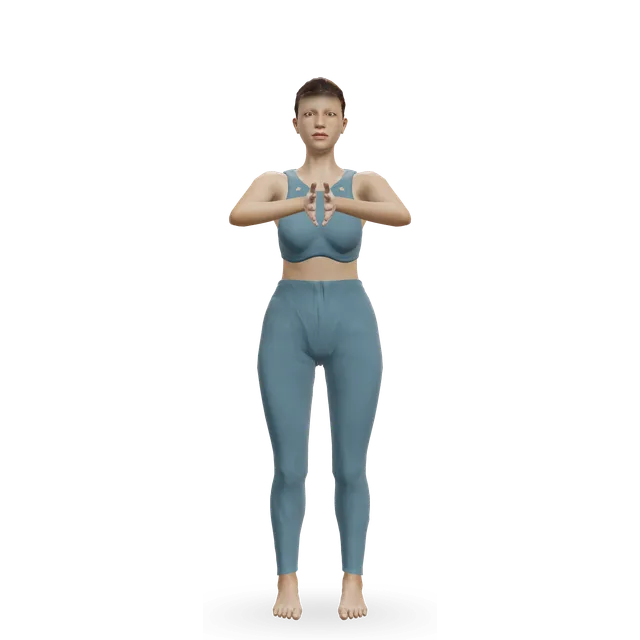

Standing at the chair, optional (about 7 minutes)
- Beginner · Quads, Glutes, Triceps · 3D demoChair back against a wall; someone beside youHarder: Bodyweight squat
- Standing march1 minBeginner · Hip flexors, Abs, Glutes · 3D demoHold the back of a second chair or a counterEasier: Seated marchHarder: Standing band hip flexion
- Slow calf raise5 to 8Beginner · Calves · 3D demoUp on your toes, down slowly, holding onEasier: Seated bent-knee calf raise (soleus raise)Harder: Standing dumbbell calf raise
- Beginner · Hip abductors, Glutes, Abs · 3D demoA hand on the chair or wall; leg out to the side, body tallHarder: Lateral band walk, band at the feet
- Semi-tandem stance2 holds of 10 s, each foot in frontBeginner · Calves, Hip abductors · 3D demoOne foot half a step ahead; a hand on the chairHarder: Tandem stance and heel-to-toe walk
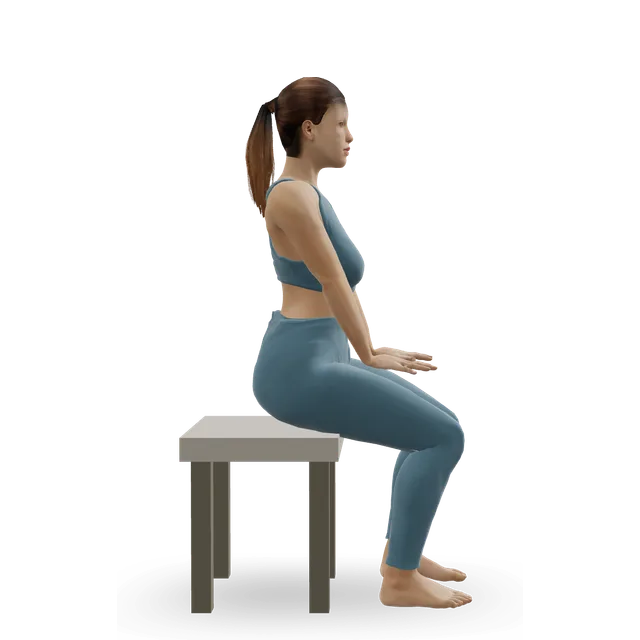


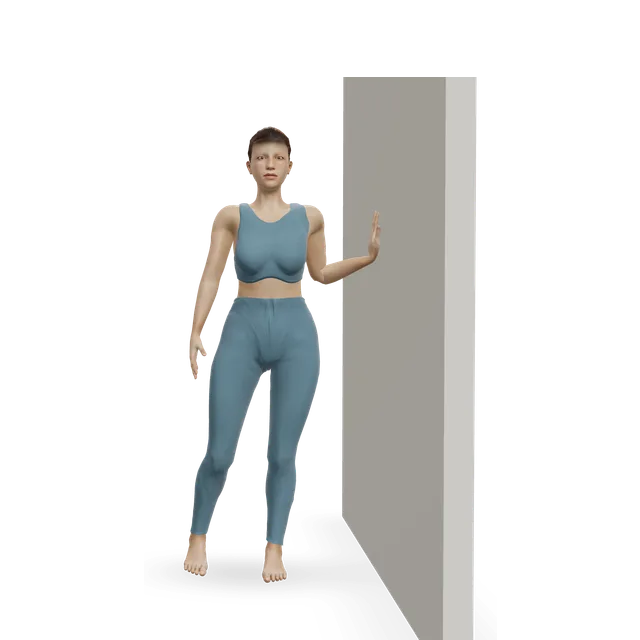
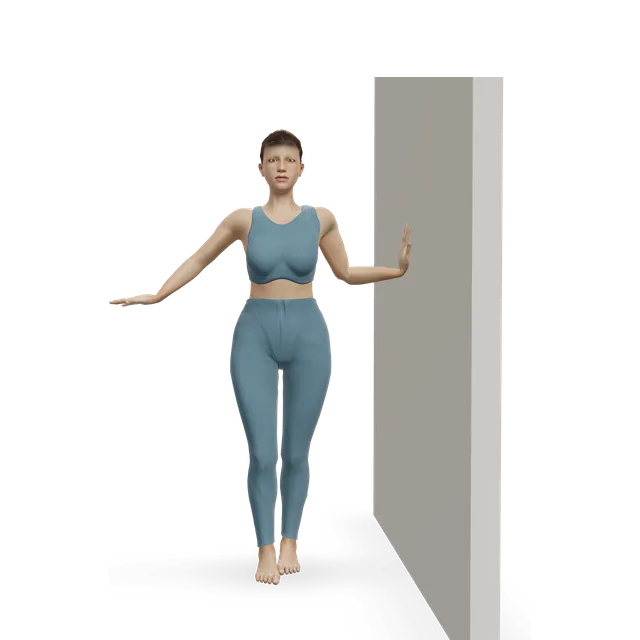
Rest, sitting (about 3 minutes)
- Slow breathing (6 breaths a minute)2 to 3 minBeginner · 3D demoSitting, eyes closed if you like; breathe slowly, with no holdingEasier: Breath reachHarder: Crocodile breathing (prone diaphragmatic breathing)

Tips
- Sit beside or facing each other and do it together, with the same moves in the same order every time. Show each move as you say it, in a few words, and use the person's name.
- Before you start, check the person is comfortable, has had a drink and been to the toilet, and is settled. If they're upset or unwell, stop and try another day.
- The standing block is optional: do it only with someone beside the person and the chair against a wall, and skip it on tired days. With moderate to severe dementia, frailty or regular falls, start with a trained teacher or physiotherapist, as the UK activity guidelines suggest.
- Choose the person's best time of day, often the morning, in a calm room without music or other people talking (our suggestion).
- Twice a week is what most trials used. Shorter sessions on more days are fine (our suggestion).
- Stop and get help for chest pain, a fall, dizziness that doesn't pass, or sudden confusion: the warning signs are on our Pilates for dementia guide.
- It won't slow dementia; it's a gentle, shared activity. For falls, add our strength and balance exercises for seniors, with support.
The doses are suggested starting points, not a prescription. Choose a range you can control and stop for sharp or increasing pain, numbness or tingling. Get individual advice after an injury or surgery, or if you are pregnant or managing a health condition.
Guides that recommend it
Find more moves like these
More pilates




Beginner Pilates workout
A 20-minute mat Pilates workout for complete beginners. It covers breathing, spine position and the foundation moves, each with an easier option.
20 minBeginner13 movesNo equipment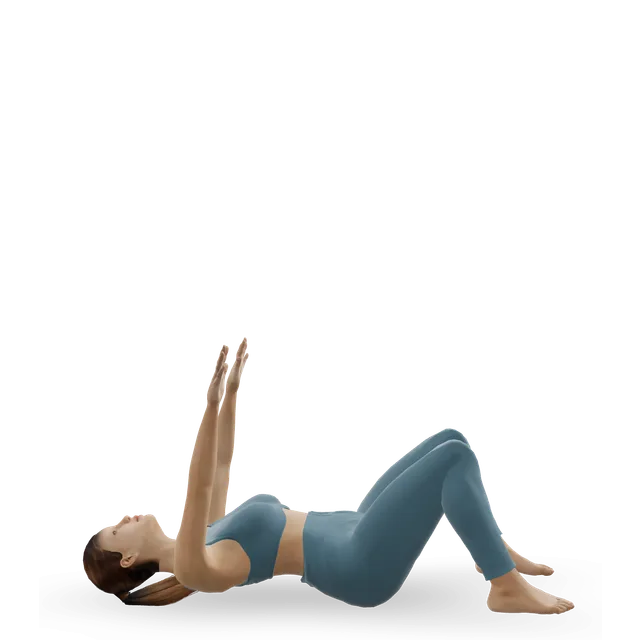

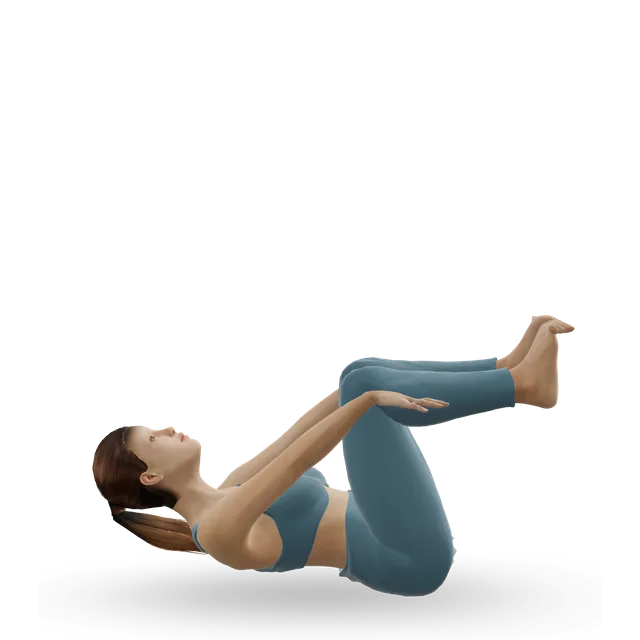
10-minute Pilates abs
Ten minutes of the classic Pilates abdominal series: the hundred, the roll-up and the series of five, with a plank to finish.
10 minIntermediate11 movesNo equipment
Full-body mat Pilates workout
A 30-minute intermediate mat Pilates class that follows the classical order, from the hundred to the push-up, with prep versions of the hardest moves.
30 minIntermediate22 movesNo equipmentQuestions people ask
How long does the same-order chair pilates for dementia: a 25-minute class to do together take?
About 25 minutes, including any warm-up and cool-down listed. Shorten it by doing fewer rounds; lengthen it by adding one.
What equipment do I need?
You need: A bench or box, Something with weight, A wall. Each move links to its guide, where you can find an alternative if you are missing something.
Is it suitable for beginners?
It is written for beginners. 6 of its 16 moves have an easier option listed beside them if you need one.
How do I make it easier or harder?
Use the easier or harder option listed under each move, change the number of rounds, or adjust the rest. Progress one change at a time.