Pilates
Seated-and-standing Pilates for COPD: a 25-minute class with pursed-lip breathing and an optional side-lying block
Getting a little out of breath is part of this, and it isn't harmful. Breathe out through pursed lips on every effort ("blow as you go"), and stop to recover, sitting and leaning forward, whenever you need to. The class stays upright because lying flat makes some people with COPD more breathless; the side-lying block is optional. If you use oxygen when you move, use it on your usual setting. Pulmonary rehabilitation comes first: ask your GP or respiratory team, and use this class alongside it or afterwards, with walking or cycling on other days. No trial has tested this class: the order and doses are our editorial choice, from our breathe and move COPD workout and chair Pilates classes.
Settle, seated (about 3 minutes)
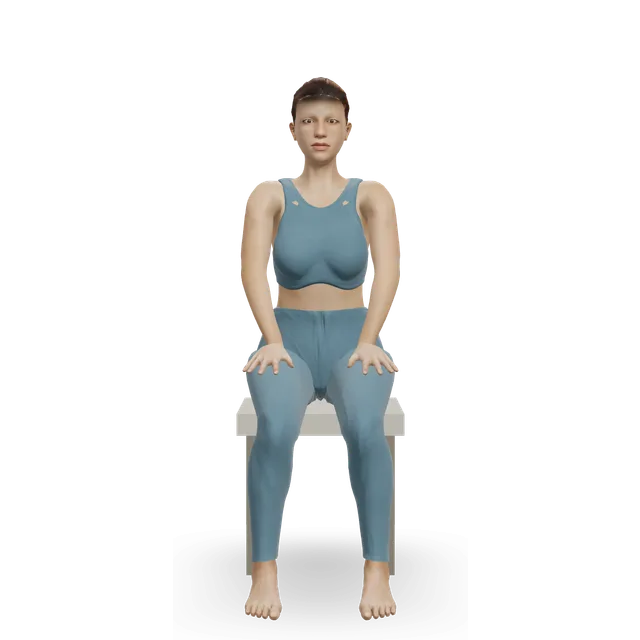
- Pursed-lip breathing1 minBeginner · 3D demoSitting, or leaning forward with your forearms on your thighs
- Beginner · Abs · 3D demoHands on your lower ribs; breathe out through pursed lips. If your COPD team agrees, let your tummy move rather than holding it inHarder: Roll-up (Pilates)

Seated warm-up (about 4 minutes)
- Seated march1 to 2 minBeginner · Hip flexors, Quads, Abs · 3D demoSwing your arms gentlyHarder: Standing march
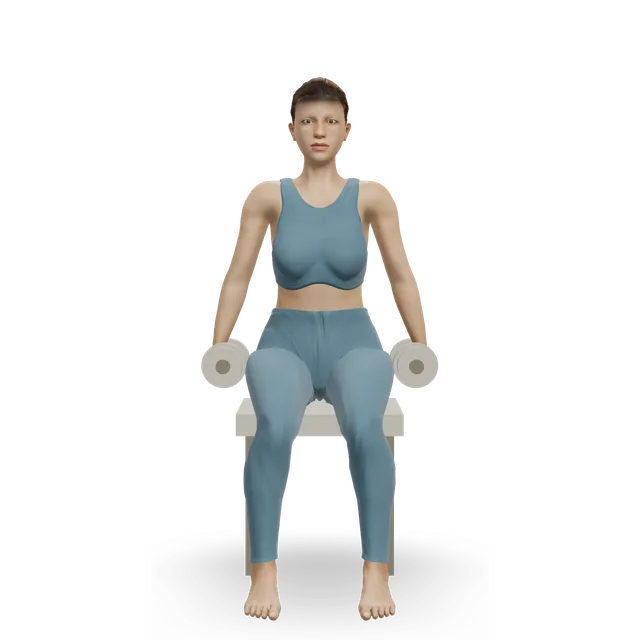
- Shoulder rolls10 each wayBeginner · Shoulders, Back, Neck · 3D demoSlow; breathe out as your shoulders roll back and downHarder: Shoulder CARs (controlled articular rotations)
- Thoracic rotation5 each sideBeginner · 3D demoSeated, arms crossed, hips facing forward; breathe out as you turn (the demo shows it standing)Easier: Side-lying open bookHarder: World's greatest stretch
- Breath reach5 breathsBeginner · 3D demoArms rise as you breathe in, only as high as is comfortable, and lower as you breathe out through pursed lipsHarder: Slow breathing (6 breaths a minute)




Standing at a chair (about 6 minutes; 1 round, 2 when you're ready)
- Sit to stand from a chair8 to 10Beginner · Quads, Glutes, Hamstrings · 3D demoBlow as you go: breathe in before you stand, and out through pursed lips as you standEasier: Sit to stand, pushing on the thighsHarder: Bodyweight squat
- Wall push-up8 to 10Beginner · Chest, Triceps, Shoulders · 3D demoBreathe out as you push awayHarder: Push-up
- Beginner · Calves · 3D demoHolding a chair backEasier: Seated bent-knee calf raise (soleus raise)Harder: Standing dumbbell calf raise
- Beginner · Hip abductors, Glutes, Abs · 3D demoA hand on the wall or chair back; lift the leg out to the side without leaningHarder: Lateral band walk, band at the feet
- Pursed-lip breathing30 to 60 sBeginner · 3D demoRecover sitting, leaning forward, until your breathing settles




Seated strength, arms low (about 5 minutes)
- Seated knee extension (chair)10 each legBeginner · Quads · 3D demoBreathe out as you straighten the kneeEasier: Quad set (static quads)Harder: Leg extension
- Band row10Beginner · Back, Biceps, Shoulders · 3D demoA light band; breathe out as you pullHarder: Supported single-arm dumbbell row
- Beginner · Shoulders · 3D demoLight weights or none; breathe out as you lift. Arm work can make you breathless, so go slowlyEasier: Band lateral raiseHarder: Smith machine upright row
- Seated upper-back lift (sit tall, shoulders back)5 holds of 3 to 5 sBeginner · Back, Shoulders, Neck · 3D demoSit tall, draw your shoulder blades back and lift your breastbone; keep breathingEasier: Elbows backHarder: Prone Y-T-W raises



Side-lying, optional (about 4 minutes)
- Side kick (Pilates side kick series)8 each sideBeginner · Hip flexors, Glutes, Hip abductors · 3D demoHead resting on your lower arm or a pillow; skip this block if lying down makes you more breathlessHarder: Side-lying leg circles (Pilates side kick series)
- Clamshell10 each sideBeginner · Hip abductors, Glutes · 3D demoA pillow under your headEasier: Supine isometric hip abduction (belt press)Harder: Lateral band walk
- Side-lying open book5 each sideBeginner · Back, Chest, Shoulders · 3D demoBreathe in as you open, out as you closeHarder: Thoracic rotation



Seated cool-down (about 3 minutes)
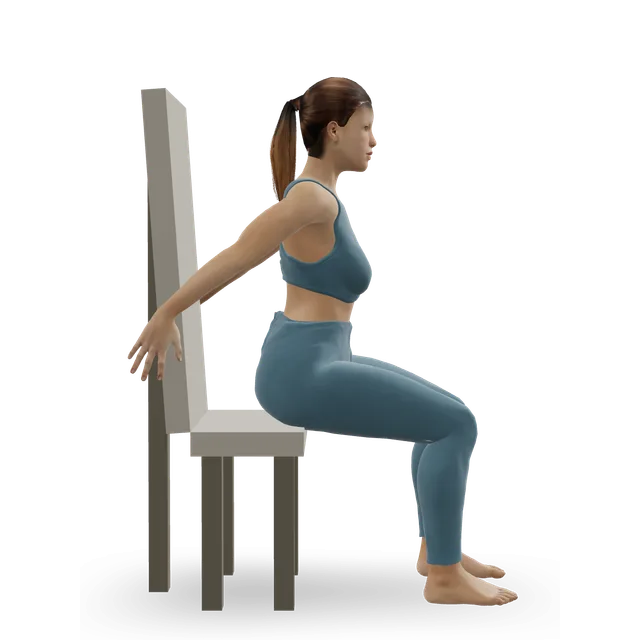
- Chair chest and shoulder stretch2 holds of 15 to 20 sBeginner · Shoulders, Biceps, Chest · 3D demoHold the backrest behind you and lift your chest; keep breathing, and ease off if the front of a shoulder pinchesHarder: Behind-the-back stick shoulder stretch
- Mermaid (Pilates seated side bend)3 each direction, each sideBeginner · Back, Abs, Shoulders · 3D demoSeated on a chair; reach only as high as is comfortable; breathe out as you bendHarder: Side bend (Pilates)
- Beginner · 3D demoSitting, with gentle breathing controlEasier: Breath reachHarder: Crocodile breathing (prone diaphragmatic breathing)


Tips
- Start with one round of the standing block, and add the second when you can finish the first without a long rest.
- Use the talk test: if you can say "this activity is going to do me good" without stopping for breath, you can work a little harder; if you can only say one word at a time, slow down.
- If you use oxygen when you move, use it on your usual setting and check you have enough. Keep the tubing clear of your feet (our suggestion).
- Keep your reliever inhaler with you, and wait 1 to 2 hours after a meal before you start.
- Stop and get advice if you have chest pain or tightness, feel more breathless than usual, dizzy, sick, clammy or very cold, or start wheezing.
- Call 999 if you find it very hard to breathe or can't speak, your chest feels tight or heavy, or your lips or skin turn very pale, blue or grey.
- During a flare-up, skip the class and follow your action plan. Come back with the seated blocks when your symptoms are near your usual.
- Walk or cycle on most other days: this class is strength and breathing control, not the endurance part of pulmonary rehab.
The doses are suggested starting points, not a prescription. Choose a range you can control and stop for sharp or increasing pain, numbness or tingling. Get individual advice after an injury or surgery, or if you are pregnant or managing a health condition.
Guides that recommend it
Find more moves like these
More pilates




Beginner Pilates workout
A 20-minute mat Pilates workout for complete beginners. It covers breathing, spine position and the foundation moves, each with an easier option.
20 minBeginner13 movesNo equipment

10-minute Pilates abs
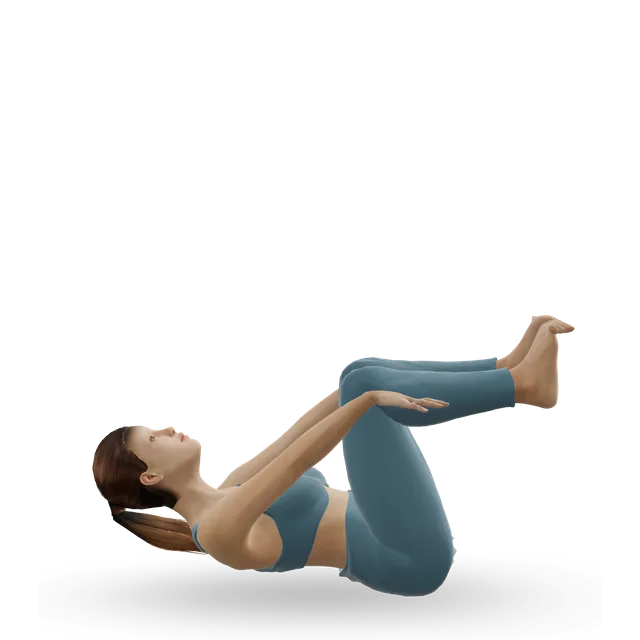
Ten minutes of the classic Pilates abdominal series: the hundred, the roll-up and the series of five, with a plank to finish.
10 minIntermediate11 movesNo equipment
Full-body mat Pilates workout
A 30-minute intermediate mat Pilates class that follows the classical order, from the hundred to the push-up, with prep versions of the hardest moves.
30 minIntermediate22 movesNo equipmentQuestions people ask
How long does the seated-and-standing pilates for copd: a 25-minute class with pursed-lip breathing and an optional side-lying block take?
About 25 minutes, including any warm-up and cool-down listed. Shorten it by doing fewer rounds; lengthen it by adding one.
What equipment do I need?
You need: A bench or box, A wall, Something with weight, A band, An anchor point, A dumbbell. Each move links to its guide, where you can find an alternative if you are missing something.
Is it suitable for beginners?
It is written for beginners. 8 of its 20 moves have an easier option listed beside them if you need one.
How do I make it easier or harder?
Use the easier or harder option listed under each move, change the number of rounds, or adjust the rest. Progress one change at a time.