Pilates
Chair-to-mat Pilates for bigger bodies: a 30-minute class standing, at a chair and on the mat, with a chair-only option
A 30-minute Pilates class for plus-size and bigger bodies, shaped like a routine published for people living with obesity: a short warm-up, a main block with few changes of position, and a cool-down. It starts standing and at a chair, shows a supported way down to the mat and up again, and keeps your head and shoulders propped if lying flat makes you breathless. If you'd rather not use the floor today, swap the mat block for the chair option in the tips. You need a sturdy chair, a wall, a thick mat, cushions and a folded towel for your knees. The order and timings are our editorial choice.
Warm up
- Standing march2 minBeginner · Hip flexors, Abs, Glutes · 3D demoHold the back of a chair; arms swingingEasier: Seated marchHarder: Standing band hip flexion
- Beginner · Abs · 3D demoSeated near the front of a chair, hands on your lower ribsHarder: Roll-up (Pilates)
- Shoulder rolls10 slow circles each wayBeginner · Shoulders, Back, Neck · 3D demoShoulders easyHarder: Shoulder CARs (controlled articular rotations)



Standing strength, at a wall and chair
- Sit to stand from a chair2 sets of 8 to 10Beginner · Quads, Glutes, Hamstrings · 3D demoFeet a little wider than your hips; push on your thighs if you need toEasier: Sit to stand, pushing on the thighsHarder: Bodyweight squat
- Wall push-up2 sets of 10Beginner · Chest, Triceps, Shoulders · 3D demoHands on the wall at chest height, body in one lineHarder: Push-up
- Beginner · Hip abductors, Glutes, Abs · 3D demoA hand on the wall; lift without leaningHarder: Lateral band walk, band at the feet
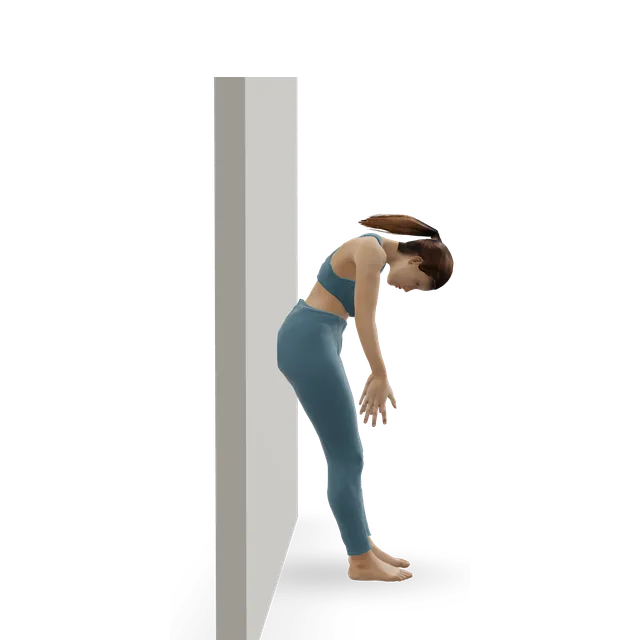
- Wall roll-down (wall Pilates)3 slow repsBeginner · Abs, Back, Hamstrings · 3D demoBack against the wall, hands on your thighs; roll down only as far as is comfortableHarder: Roll-up (Pilates)



Down to the mat
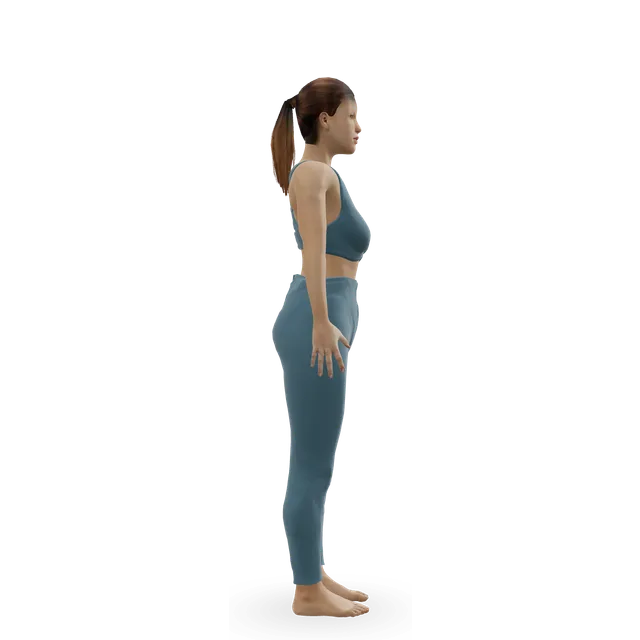
- Get up and down from the floor1 slow cycle downBeginner · Quads, Glutes, Abs · 3D demoA chair or sofa in front of you: hands on the seat, one knee down onto the towel, then the other, then hands and knees, then sit or lieEasier: Sit to stand from a chairHarder: Bodyweight get-up
Supported mat moves
- Pelvic tilt into bridge8 slow repsBeginner · Glutes, Abs, Hamstrings · 3D demoHead and shoulders on a cushion or wedge if lying flat feels breathless; feet wider than your hipsHarder: Glute bridge
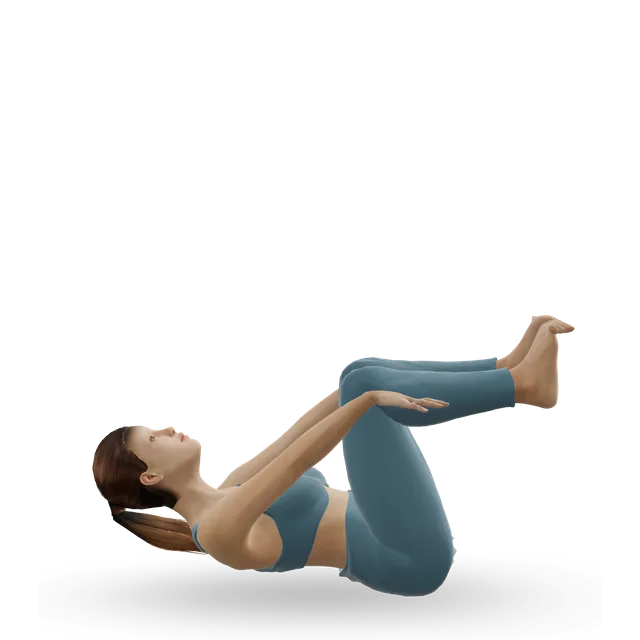
- Knee fold6 each sideBeginner · Abs, Hip flexors · 3D demoLift one foot a few centimetres, pelvis stillEasier: Supine heel slideHarder: Dead bug heel taps
- Beginner · Abs, Neck · 3D demoHands behind your head to support your neck; lift only as far as is easyHarder: Single-leg stretch (Pilates one leg stretch)
- Clamshell10 each sideBeginner · Hip abductors, Glutes · 3D demoHead on a pillow, a cushion between your kneesEasier: Supine isometric hip abduction (belt press)Harder: Lateral band walk
- Side-lying leg raise8 each sideBeginner · Hip abductors, Glutes · 3D demoBend the top knee to make it easierEasier: Lateral band walkHarder: Lateral band walk, band at the feet
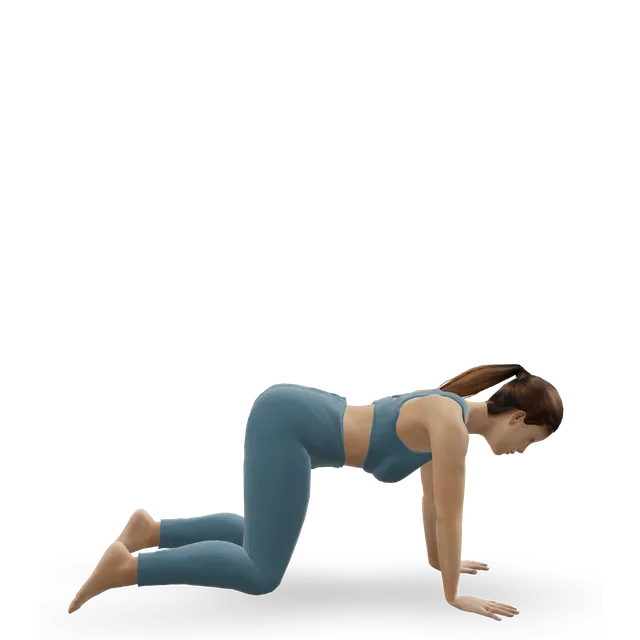
- Bird dog, one limb at a time5 each arm and legBeginner · Abs, Back, Glutes · 3D demoKnees on a folded mat; forearms on a cushion or fists if your wrists acheEasier: Side-lying tummy draw-inHarder: Bird dog
- Knee hover (Pilates tabletop hover)3 holds of 15 sBeginner · Abs, Shoulders, Quads · 3D demoOn your forearms, knees down if you need toHarder: Straight-arm plank (high plank)






Up from the mat
- Get up and down from the floor1 slow cycle upBeginner · Quads, Glutes, Abs · 3D demoHands and knees, one foot forward, hands on the chair seat, then push up to stand, breathing outEasier: Sit to stand from a chairHarder: Bodyweight get-up
Cool down, seated
- Thoracic rotation5 each side, 5 s holdsBeginner · 3D demoArms crossed on your chest, hips facing forwardEasier: Side-lying open bookHarder: World's greatest stretch
- Seated overhead side bend2 each side, 10 to 20 sBeginner · Back, Abs · 3D demoReach one arm up and over, both sitting bones on the seatHarder: Overhead lat stretch at a bench (elbows on the bench)
- Seated upper-back lift (sit tall, shoulders back)5 holds of 3 to 5 sBeginner · Back, Shoulders, Neck · 3D demoSit tall and lift your breastboneEasier: Elbows backHarder: Prone Y-T-W raises



Tips
- Chair-only option: replace the floor blocks with seated upper-back lifts (5 holds of 3 to 5 s), seated knee extensions (8 each leg) and a seated march (1 min), as in our chair Pilates classes.
- Twice a week as your strength days, with walking or swimming on other days towards 150 minutes a week. Measure progress by strength and stamina, not only the scales.
- Check first if you have chest pain or unusual breathlessness on effort, very high blood pressure, or diabetes treated with medicines that can cause hypos.
- Some aching that settles is normal at first; a hot, swollen joint needs rest from strengthening.
- Props help: a thick or doubled mat, cushions or a wedge, a folded towel for your knees and a sturdy chair.
The doses are suggested starting points, not a prescription. Choose a range you can control and stop for sharp or increasing pain, numbness or tingling. Get individual advice after an injury or surgery, or if you are pregnant or managing a health condition.
Guides that recommend it
Find more moves like these
More pilates


Beginner Pilates workout
A 20-minute mat Pilates workout for complete beginners. It covers breathing, spine position and the foundation moves, each with an easier option.
20 minBeginner13 movesNo equipment

10-minute Pilates abs
Ten minutes of the classic Pilates abdominal series: the hundred, the roll-up and the series of five, with a plank to finish.
10 minIntermediate11 movesNo equipment
Full-body mat Pilates workout
A 30-minute intermediate mat Pilates class that follows the classical order, from the hundred to the push-up, with prep versions of the hardest moves.
30 minIntermediate22 movesNo equipmentQuestions people ask
How long does the chair-to-mat pilates for bigger bodies: a 30-minute class standing, at a chair and on the mat, with a chair-only option take?
About 30 minutes, including any warm-up and cool-down listed. Shorten it by doing fewer rounds; lengthen it by adding one.
What equipment do I need?
You need: A bench or box, A wall. Each move links to its guide, where you can find an alternative if you are missing something.
Is it suitable for beginners?
It is written for beginners. 9 of its 18 moves have an easier option listed beside them if you need one.
How do I make it easier or harder?
Use the easier or harder option listed under each move, change the number of rounds, or adjust the rest. Progress one change at a time.