Pilates
Supported Pilates for muscular dystrophy: a 20-minute class sitting, then lying, with holds instead of lowering
A gentle class for people with muscular dystrophy, built from holds and supported positions rather than lowering movements, with no head lifts, planks or kneeling on your hands. It starts sitting, moves to lying with your head on a pillow (a firm bed is fine), and finishes sitting tall. You need a stable chair, a pillow, a soft ball or cushion and a belt. Do it with your neuromuscular team's agreement, after the heart checks they advise. No trial has tested this class, so its structure is our editorial choice, from Muscular Dystrophy UK's advice and experts' advice for Duchenne and Becker. Stop well before you tire: you should feel recovered within 1 to 2 hours.
Warm up, sitting (about 4 minutes)
- Seated march2 minBeginner · Hip flexors, Quads, Abs · 3D demoEasy pace, sitting tall in a stable chair or your wheelchairHarder: Standing march
- Shoulder rolls5 each wayBeginner · Shoulders, Back, Neck · 3D demoSmall circles if a shoulder is weak or soreHarder: Shoulder CARs (controlled articular rotations)
- Ankle circles10 each way, each footBeginner · Calves, Shins · 3D demoSlowlyHarder: Ankle CARs (controlled articular rotations)



Lying, head on a pillow (about 7 minutes; a firm bed is fine)
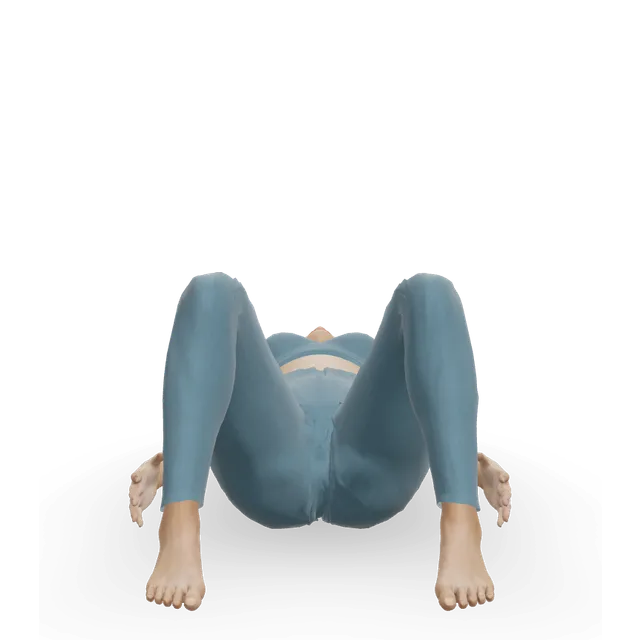
- Beginner · Abs · 3D demoBreathe into the sides of your ribs; never hold your breathHarder: Roll-up (Pilates)
- Pelvic tilt into bridge6 slowBeginner · Glutes, Abs, Hamstrings · 3D demoTilt only; lift a little only if it's easyHarder: Glute bridge
- Glute bridge6 holds of 5 to 10 sBeginner · Glutes, Hamstrings, Abs · 3D demoLift a little and hold, or just squeeze your buttocks; rest as long as you heldEasier: Pelvic tilt into bridgeHarder: Single-leg glute bridge
- Lying adductor ball squeeze6 holds of 5 to 10 sBeginner · Adductors, Abs · 3D demoA soft ball or cushion between your kneesHarder: Copenhagen plank
- Supine isometric hip abduction (belt press)3 to 5 holds of 5 to 10 sBeginner · Hip abductors, Glutes, Abs · 3D demoA belt round your thighs: press your knees out gentlyHarder: Lateral band walk
- Supine heel slide5 each sideBeginner · Hip flexors, Hamstrings, Quads · 3D demoSlide the heel along the mat; don't lift itHarder: Hip windshield wipers
- Side-lying open book5 each sideBeginner · Back, Chest, Shoulders · 3D demoRoll onto your side first; head on a pillowHarder: Thoracic rotation






Sitting tall (about 7 minutes)
- Seated upper-back lift (sit tall, shoulders back)3 to 5, holding 3 to 5 sBeginner · Back, Shoulders, Neck · 3D demoDraw your shoulder blades back and lift your breastboneEasier: Elbows backHarder: Prone Y-T-W raises
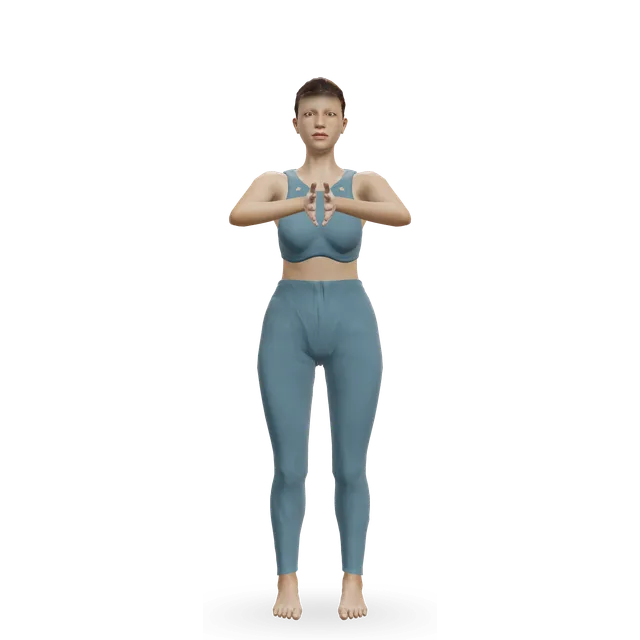
- Isometric chest squeeze (palm press)6 holds of 5 to 10 sBeginner · Chest, Shoulders, Triceps · 3D demoPalms together at chest height; keep breathingHarder: Machine chest fly (pec deck)
- Ball squeeze6 holds of 5 to 10 s, each handBeginner · Forearms · 3D demoA soft ball and a firm but comfortable squeezeEasier: Tendon glides (hand tendon gliding exercises)Harder: Band finger extension
- Seated knee extension (chair)8 to 12 each legBeginner · Quads · 3D demoNo ankle weight; lift and lower slowly, and stop before you tireEasier: Quad set (static quads)Harder: Leg extension
- Thoracic rotation5 each side, 5 s holdsBeginner · 3D demoArms crossed on your chest, hips facing forwardEasier: Side-lying open bookHarder: World's greatest stretch
- Breath reach5 breathsBeginner · 3D demoArms rise only as high as is comfortableHarder: Slow breathing (6 breaths a minute)





Cool down (about 2 minutes)
- Beginner · 3D demoSitting, at a comfortable paceEasier: Breath reachHarder: Crocodile breathing (prone diaphragmatic breathing)

Tips
- Do the class 2 to 3 days a week, not on consecutive days, as a US Becker booklet and Muscular Dystrophy UK advise for holds and strengthening.
- Stay at or below 4 to 6 on a 10-point effort scale, keep breathing, and you should feel recovered within 1 to 2 hours.
- Stop, rest and tell your physiotherapist if you feel weaker within 30 minutes of exercise, have soreness that lasts more than a day or two, severe cramps, heavy limbs, shaking or jerky movements, or are too tired for the next day.
- Urine the colour of black tea or cola after exercise means A&E (accident and emergency).
- If you can't get down to the floor, do the sitting blocks only.
- Add repetitions, not resistance, and skip anything your physiotherapist has told you to avoid.
- For low-impact cardio on other days, use our muscular dystrophy home routine: cycling, a pedal exerciser or swimming.
The doses are suggested starting points, not a prescription. Choose a range you can control and stop for sharp or increasing pain, numbness or tingling. Get individual advice after an injury or surgery, or if you are pregnant or managing a health condition.
Guides that recommend it
Find more moves like these
More pilates



Beginner Pilates workout
A 20-minute mat Pilates workout for complete beginners. It covers breathing, spine position and the foundation moves, each with an easier option.
20 minBeginner13 movesNo equipment

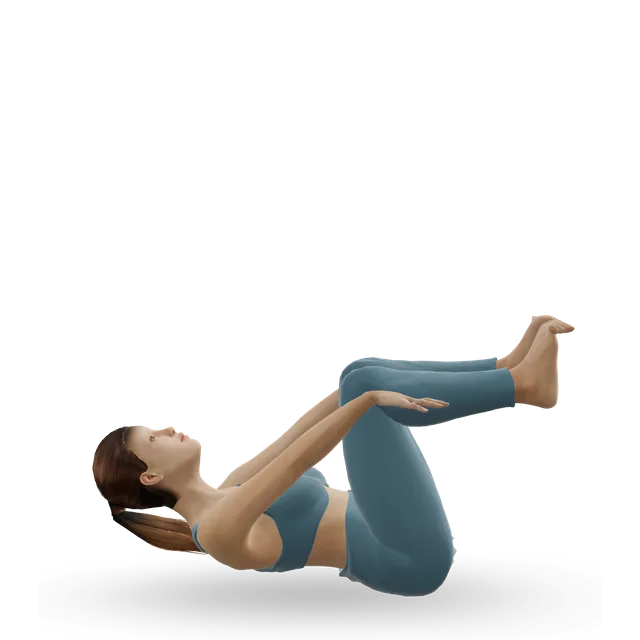
10-minute Pilates abs
Ten minutes of the classic Pilates abdominal series: the hundred, the roll-up and the series of five, with a plank to finish.
10 minIntermediate11 movesNo equipment
Full-body mat Pilates workout
A 30-minute intermediate mat Pilates class that follows the classical order, from the hundred to the push-up, with prep versions of the hardest moves.
30 minIntermediate22 movesNo equipmentQuestions people ask
How long does the supported pilates for muscular dystrophy: a 20-minute class sitting, then lying, with holds instead of lowering take?
About 20 minutes, including any warm-up and cool-down listed. Shorten it by doing fewer rounds; lengthen it by adding one.
What equipment do I need?
You need: A bench or box, Other / check instructions, A band, Something with weight. Each move links to its guide, where you can find an alternative if you are missing something.
Is it suitable for beginners?
It is written for beginners. 6 of its 17 moves have an easier option listed beside them if you need one.
How do I make it easier or harder?
Use the easier or harder option listed under each move, change the number of rounds, or adjust the rest. Progress one change at a time.