Is Pilates good for muscular dystrophy?
It can be, adapted to your type and strength: Muscular Dystrophy UK and an NHS neuromuscular service both recommend adapted Pilates. No study has tested it, so treat it as the gentle strength, posture and flexibility work your team agrees, beside low-impact cardio.
Can Pilates slow or reverse muscular dystrophy?
No. There's no cure, and no exercise has been shown to slow the condition. Exercise helps fitness, function, mood and tiredness alongside medical care.
What Pilates moves are safe with muscular dystrophy?
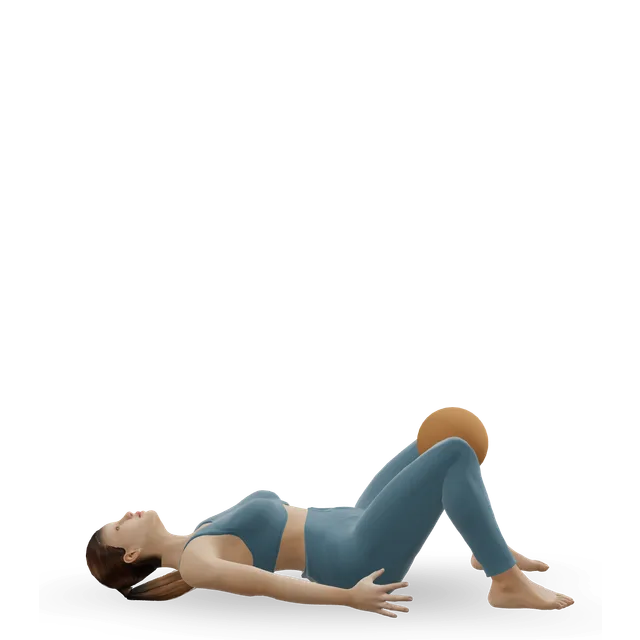
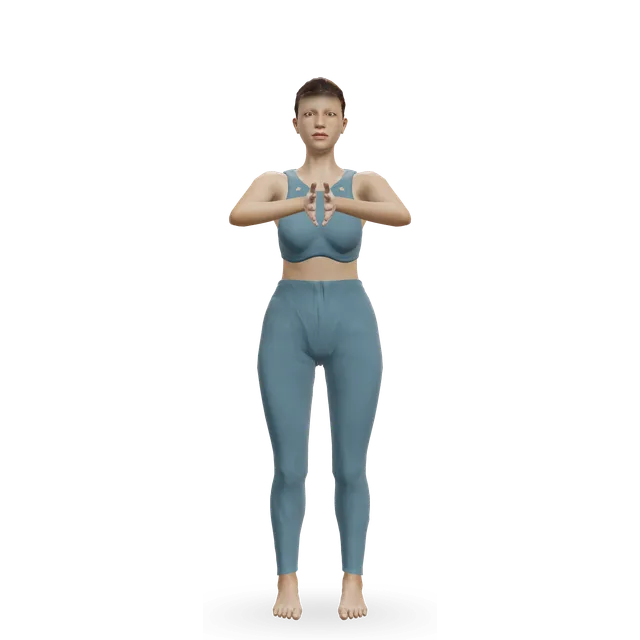
Holds in supported positions: a small bridge hold, a ball squeeze between the knees, a belt press, seated back lifts and palm presses, gentle twists, and slow rib breathing. Our 20-minute supported class puts them together, with no head lifts or repeated lowering.
What Pilates moves should I avoid?
Head-lift curls and the Hundred if your neck or tummy muscles are weak, planks and push-ups with weak shoulder blades, moves that lower your legs or body slowly over and over, and rolling or legs-overhead moves. Your physiotherapist may add others for your type.
Is Pilates good for FSHD?
It can suit FSHD if you keep weight off weak shoulder blades and keep your head down for tummy work, because FSHD often weakens the muscles round the shoulder blades and the lower tummy. Cycling has the best evidence in FSHD.
Is Pilates good for myotonic dystrophy?
It may help as gentle strength and balance work: an Italian expert consensus allows yoga and Pilates very carefully, and the US myotonic dystrophy guide suggests supporting the neck for core exercises. Get your heart checked first, as heart rhythm problems are often silent.
Can I do Pilates with Duchenne or Becker?
With your team's agreement and a heart check, yes, as holds and supported moves, never to exhaustion. In Duchenne, holding exercises built strength without signs of damage in small studies; avoid repeated lowering, jumping and heavy resistance.
How hard should Pilates feel with muscular dystrophy?
Moderate at most: you should be able to talk in full sentences, stay at or below 4 to 6 out of 10, and feel recovered within 1 to 2 hours. Stop if your muscles shake or your movements become jerky.
What are the signs I've overdone it?
Feeling weaker within 30 minutes of exercise, soreness that lasts more than a day or two, severe cramps or heavy limbs, or being too tired for the next day: stop, rest and tell your physiotherapist. Urine the colour of black tea or cola after exercise means A&E.
Can I do Pilates in a wheelchair or in bed?
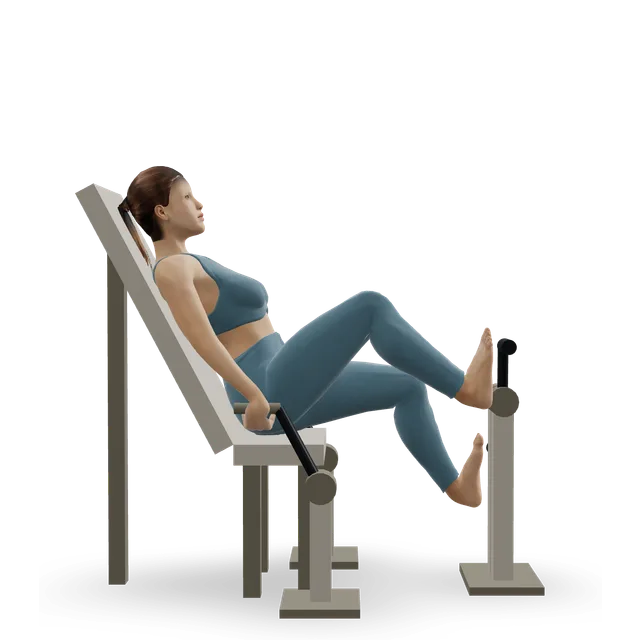
Yes: the seated and lying parts of a class work in a wheelchair, a firm chair or a bed, and an NHS neuromuscular service has Pilates videos in sitting and with support. Almost no trials include wheelchair users, so go by how you feel and your team's advice.
Is reformer Pilates OK with muscular dystrophy?
Possibly, with light springs and a teacher who knows your condition, but springs make it easy to overdo lowering movements. Start with mat or chair Pilates, and ask your physiotherapist first.
Is Pilates safe for children with muscular dystrophy?
Chair-based or mat-based Pilates is one of the activities Muscular Dystrophy UK suggests for children with limited mobility, with the physiotherapy team's advice and only the stretches they recommend. Children should stop for pain, breathlessness or too much tiredness.