A useful part of the week, not a treatment
Exercise hasn't been shown to slow prostate cancer or change PSA (prostate-specific antigen). The Pilates Method Alliance's own blog says "Movement cannot cure cancer."
Pilates guide
Pilates can be a useful part of your week during and after prostate cancer treatment, with your team's agreement, but it doesn't treat the cancer. The only Pilates trials are for leaking after prostate removal: in two small trials, a weekly class did about as well as pelvic floor exercises with electrical stimulation. On hormone therapy, the evidence is for supervised strength and aerobic exercise, which Pilates with a band can add to, not replace.
Pilates sits beside your cancer care, never in place of it. This guide covers Pilates after a prostatectomy (when to start, the squeeze first, leaking), on hormone therapy (tiredness, muscle, hot flushes and your bones), during radiotherapy and chemotherapy, and with cancer in the bones, the moves to change, and the warning signs that need help straight away. It ends with a free 30-minute class with a band, for strength, balance and the pelvic floor.
Exercise hasn't been shown to slow prostate cancer or change PSA (prostate-specific antigen). The Pilates Method Alliance's own blog says "Movement cannot cure cancer."
In two small Brazilian trials, a weekly Pilates class did about as well as pelvic floor exercises with electrical stimulation, and better than no treatment, 4 months after prostate removal. Nothing else has been tested.
NICE (the National Institute for Health and Care Excellence) recommends supervised pelvic floor training for at least 3 months. No squeezes while the catheter is in. Most men start to improve 1 to 6 months after surgery.
NICE offers supervised strength and aerobic exercise at least twice a week for 12 weeks, which improves quality of life and walking. Pilates with a band or light weights can sit beside it.
Fractures are more common on hormone therapy, and Pilates hasn't been shown to protect bone. Keep your head down in curl-ups, leave out rolling and loaded forward bending, and do balance work next to a counter.
A temperature during chemotherapy, new back or bone pain, signs of spinal cord compression and not being able to pee all need help straight away (below).
The NHS: "Prostate cancer does not always need treatment." If it hasn't spread, your team may suggest monitoring it. Treatments include surgery to remove the prostate (a radical prostatectomy), radiotherapy and hormone therapy, and chemotherapy if the cancer has spread. "Hormone therapy alone does not cure prostate cancer, but it can slow it down and help symptoms."
Source 19
You'll usually have a catheter for about 7 to 10 days, and most men can't fully control their bladder when it first comes out. Prostate Cancer UK: "Most men start to see an improvement one to six months after surgery. Some men leak urine for a year or more and others never fully recover". In the trial figures NICE reproduces, 19 in 100 men offered surgery had moderate to severe leaking at 6 months and 13 in 100 at 6 years.
Hormone therapy (androgen deprivation therapy) can cause "a decrease in muscle tissue and an increase in body fat", bone loss that can start in the first year, hot flushes and low mood. NICE asks teams to tell men that tiredness "is a recognised side effect of this therapy, and might not be because of their prostate cancer". Tiredness is likely to be worse with more than one treatment at a time.
Prostate Cancer UK says hormone therapy "might increase the chance of developing heart disease, stroke and type-2 diabetes". The research disagrees on how much: observational studies found more non-fatal heart and blood vessel disease, but in 8 randomised trials (4,141 men) hormone therapy wasn't linked with more heart deaths. It's a reason for checks and regular walking or other aerobic exercise, never a reason to stop treatment, which is your team's decision.
The pelvic floor muscles support your bladder and bowel and help control leaks. Prostate Cancer UK teaches the squeeze and says "Some types of exercise such as Pilates and yoga may also help to strengthen the pelvic floor muscles", though the page cites no study. Our Pilates for the prostate guide teaches the squeeze, the release and the knack.
Source 8
Mostly lying, side-lying, kneeling and seated work for the trunk, hips and spine. It's light activity (1.8 to 2.8 METs, multiples of the energy you use at rest). Many classic moves round the spine forward or twist it, which bone guidance asks you to change with thin bones or cancer in the bones. In 20 women, only the roll-ups, of 22 Pilates exercises, kept tummy pressure up longer than standing up from a chair; no study has measured men, but it's why long curls are the first moves to make smaller if you leak.
Pelvic floor exercises carry the evidence after surgery, and supervised strength and aerobic exercise on hormone therapy. Pilates rests on a handful of small studies, all about leaking after surgery.
One team compared a weekly Pilates class (10 sessions), pelvic floor exercises with electrical stimulation, and no treatment, starting about 4 weeks after surgery. Pad-free at about 4 months: 57.7%, 50% and 22.6% (85 men); and continent: 59%, 54% and 26% (104 men). Stronger squeeze readings didn't predict who became dry.
Both trials are small, from one centre, with short follow-up, and their trial registrations list different numbers enrolled from the papers, so they may share participants. We could read only their summaries.
One small trial of 42 men compared Pilates or Kegel squeezes with biofeedback against Kegels alone, but its summary doesn't say which group did Pilates. Other studies from the same hospital (37 to 48 men) had no group without Pilates, so they can't separate it from natural recovery. Their programme was daily 45-minute sessions for 2 months, lying, then sitting and standing, with pelvic floor squeezes.
An analysis of 26 trials (2,650 men) is often quoted as concluding that "Pilates may be associated with worse outcomes". Its Pilates results rest only on the two Brazilian trials. Pilates was better than routine care for becoming dry, and worse only on the weight of pads used in 24 hours, a result that may be an artefact of the modelling on two small trials that may share participants.
Source 32
A 2025 review of Pilates in people with cancer, mostly breast cancer, reports benefits for quality of life and night-time peeing in prostate cancer, but its only prostate study is the first Brazilian trial, whose summary doesn't mention night-time peeing. We couldn't read either in full.
Our searches found no Pilates trial in men on hormone therapy, for tiredness, bone, body composition or mood, during radiotherapy or chemotherapy, or with advanced prostate cancer.
Across 18 trials (1,477 men on hormone therapy), supervised exercise improved disease-specific quality of life and walking, with moderate certainty, and injuries were rare. The newest network analysis (41 trials) ranked combined strength and aerobic training best for quality of life, and strength training best for muscle. In small trials, strength and aerobic exercise preserved or rebuilt muscle and limited fat gain.
Across 16 trials (1,574 men), there was "no evidence of benefit for disease progression, cardiovascular health, or sexual function", and no deaths from exercise. Combined training didn't change PSA.
The one large trial testing whether exercise helps men with advanced prostate cancer live longer (INTERVAL-GAP4) closed early after recruiting 17% of its target, and its results hadn't been published when we searched in November 2026. Claims that exercise cuts prostate cancer deaths come from observational studies, which can't show cause.
"Offer supervised pelvic floor muscle training to men with stress urinary incontinence caused by prostatectomy. Advise them to continue the exercises for at least 3 months before considering other options." This is in NICE's guideline on urinary symptoms in men (CG97); the prostate cancer guideline (NG131) adds access to specialist continence services.
Most men improve with time whatever they do. In a Cochrane review (50 trials, 4,717 men), training didn't clearly help men still leaking at 12 months (57% against 62% still leaking), and a 2023 Cochrane review calls the value of these treatments "uncertain", with most trials at high risk of bias. In the UK MAPS trial, four one-to-one sessions made no difference at a year (76% against 77%). A 2026 analysis of 7 trials favoured training at a year, with low certainty.
Prostate Cancer UK suggests starting pelvic floor exercises "four to six weeks before the surgery". Across 12 trials (1,365 men), training before surgery helped continence at 3 months but not at 6 or 12, and a stricter 2026 review agreed.
Avoid heavy exercise for the first 4 to 6 weeks; short walks are fine if your surgeon suggests them. Start pelvic floor exercises only once the catheter is out, and ask your surgical team before floor-based ab work. If you're having hormone therapy or the cancer has spread to your bones, avoid activities where you could fall.
Prostate Cancer UK also advises: "Avoid lifting heavy objects or doing manual work for eight weeks after surgery."
Our suggestion: walk from early on, as your team advises, then add gentle lying and seated Pilates with the squeeze built in once your surgical team agrees floor work is fine. Leave curl-ups, roll-ups and the band and step work in our class until heavy lifting is allowed and they don't make you leak.
Prostate Cancer UK: "Tighten the muscles strongly before and during activities that cause you to leak urine". Make the move smaller, squeeze before it, or swap a long curl for a head-down move such as the knee fold. Our Pilates for the prostate guide covers leaking in class in detail.
Source 8
"Offer people who are starting or having androgen deprivation therapy supervised resistance and aerobic exercise at least twice a week for 12 weeks to reduce fatigue and improve quality of life." International guidance suggests strength training at least twice a week, with at least 2 sets of 8 to 15 repetitions, alongside aerobic exercise. Our exercise for prostate cancer guide covers the doses.
Prostate Cancer UK lists "body weight exercises, yoga or Pilates" among exercises that build muscle and strength, and says "Gentle resistance exercise, such as lifting light weights or using elastic resistance bands, is particularly good if you're on hormone therapy and are at risk of bone thinning." No trial has tested Pilates on hormone therapy. Our reading: Pilates with a band or light weights can be one of your strength sessions or sit beside the supervised programme, but a mat class with no added load is unlikely to match what the trials used.
The strongest evidence is a 2024 Cochrane review of resistance training in people with many kinds of cancer, which found it probably eases tiredness during treatment. Reviews in prostate cancer itself disagree: one of 30 trials found combined training reduced tiredness, one of 20 found no clear effect, and a network analysis found benefit at very low certainty. Prostate Cancer UK: "Remember, any activity is better than none. Start doing what you can and build up slowly."
NICE: "Tell people that there is no good-quality evidence for the use of complementary therapies to treat troublesome hot flushes." No trial has tested Pilates for hot flushes or low mood on hormone therapy. Our suggestion: a cool room, layers and water. Our Pilates for stress and anxiety and Pilates for depression guides cover mood.
In 121 men starting radiotherapy, both strength and aerobic exercise eased tiredness in the short term, and strength training also helped quality of life over 24 weeks. Prostate Cancer UK says it's safe to do pelvic floor exercises "during and after your course of treatment". No Pilates trial exists during radiotherapy; gentle mat or chair Pilates on days you feel up to it is our suggestion.
"If your white blood cell count is too low, you're at risk of getting infections, which can make you very unwell." Macmillan: "While your number of white blood cells is reduced, your cancer doctor might advise you to avoid busy public places." Our suggestion: use online or home classes then, and don't exercise with a temperature.
In a large US study of men over 65 who lived at least 5 years after diagnosis, 19.4% of those on hormone therapy had a fracture, against 12.6% of those not on it. In 154 men on hormone therapy, a year of impact and strength training slowed bone loss in the spine (about 1% against 2%), but a 2025 review of 18 trials found exercise didn't significantly increase bone density. Prostate Cancer UK: "We don't yet know whether exercise can help to prevent bone thinning in men who are on hormone therapy. But regular exercise may help to keep you strong and prevent falls that could lead to broken bones."
International cancer exercise experts advise avoiding high-impact loads, hard bending or arching of the trunk, bending with added weight and fast twisting when bones are thin or the cancer has spread to them. Macmillan: "Some people with bone problems may also be advised to avoid exercises where you repetitively bend forward at the waist. This includes toe-touching and sit-ups." In Pilates, that means head-down curl-ups and no rolling, roll-ups, roll-overs or fast twists.
In 57 men with cancer in the bones, 3 months of supervised exercise planned to avoid loading the affected bones improved physical function and leg strength, with "no exercise-related adverse events or skeletal fractures". Experts advise starting "with active movement and no load or weight" and progressing slowly, with a professional experienced in cancer. Macmillan: "If you have secondary bone cancer in the spine or hip, check with your healthcare team whether this is safe for you to do."
Our reading of this guidance: with cancer in the spine, ribs or pelvis, leave out curl-ups (the hundred and leg stretches with the head up), roll-ups and roll-downs, rolling moves, legs-overhead moves, twists such as the saw and spine twist, and deep side bends. Keep a neutral spine with leg, arm and breathing work, and check each new move with your team.
Speak to your GP, nurse or hospital doctor before you start, especially if you have joint or muscle problems. Check with your doctor before high-impact exercise such as running, or contact sport, if you're on hormone therapy or the cancer has spread to your bones.
Source 12
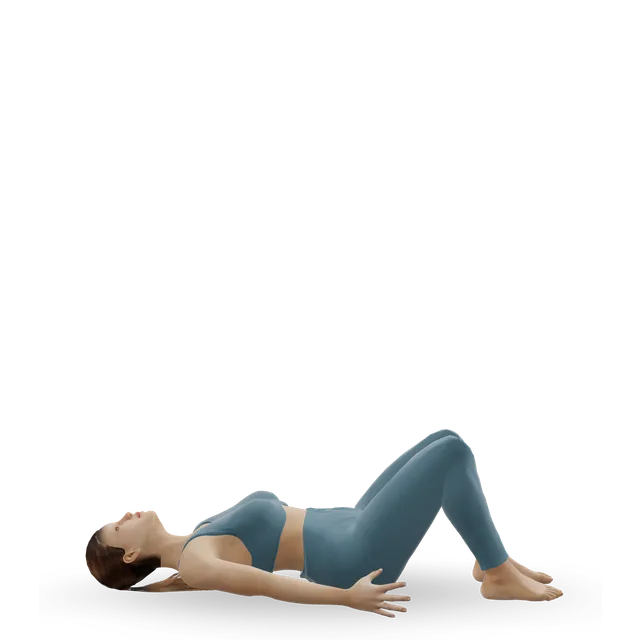
Pelvic floor exercise: start with 8 slow holds of up to 10 seconds and 8 quick squeezes, three times a day, and build towards 10 of each, never while a catheter is in; pelvic floor relaxation: 5 to 10 slow breaths, 1 to 3 times a day; lateral breathing: 5 to 8 breaths (from the move pages' doses); heel slide: 8 each side, squeezing as the heel slides away; knee fold: 5 to 8 each side (our Pilates for men's pelvic floor class).
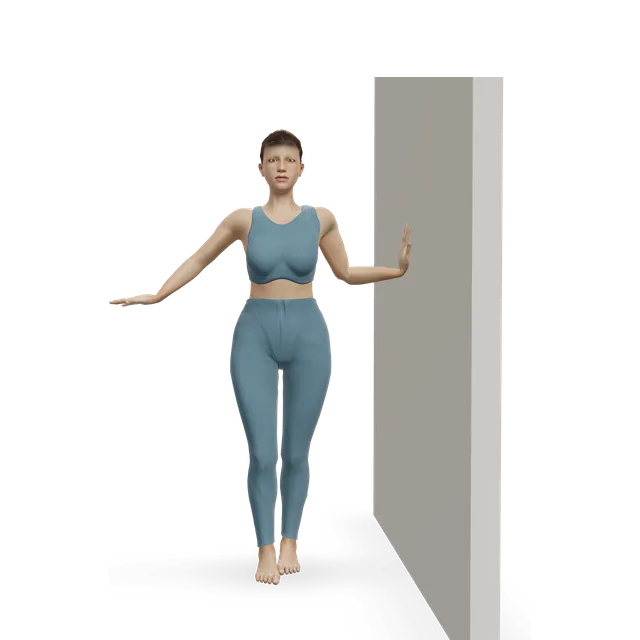
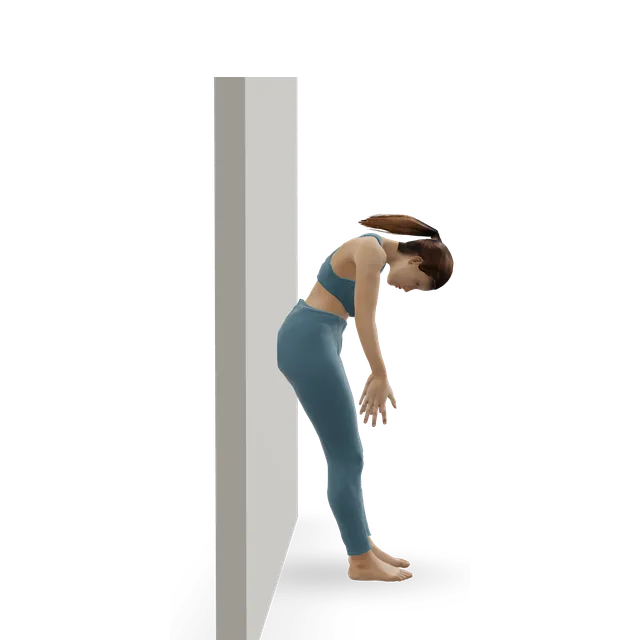
Sit to stand: 2 sets of 5 slow, squeezing just before you stand; band row: 2 sets of 10 to 15; wall push-up: 5 to 10; glute bridge: 2 sets of 12, lifting as one piece with your back in neutral; step-up: 2 sets of 8 reps each side, a hand on a rail (our counter-to-mat class for women over 60; building the wall push-up to 2 sets is our suggestion); band pull-apart: 2 sets of 12 to 15 (our Pilates for posture class); slow calf raise: 8 to 10, hands on a counter (our Pilates for cancer class). Check the band and its anchor before every set.
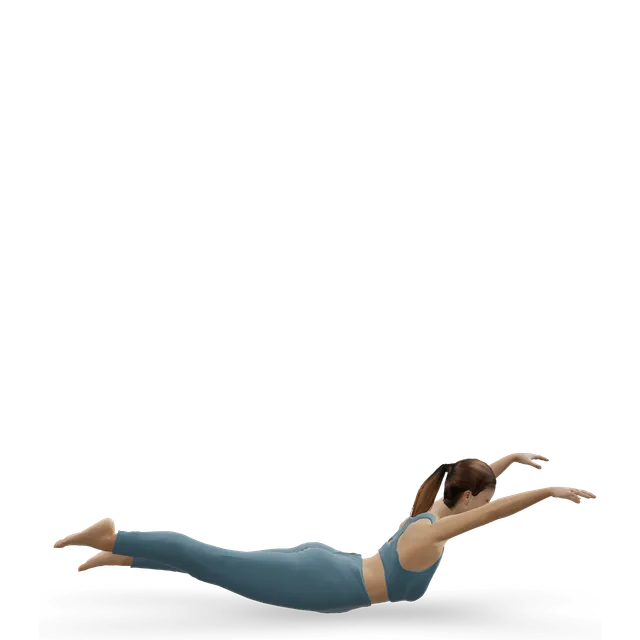
Dead bug heel taps: 6 each side, head down (our counter-to-mat class for women over 60); clamshell: 8 each side, squeezing as the knee opens (our Pilates for men's pelvic floor class); side kick: 8 to 10 each side (from the move page's dose), not lying on a sore surgical side or a port; seated upper-back lift: 3 to 5 repetitions, each held 3 to 5 seconds (from the move page's dose), skipping it with cancer in the spine unless your team agrees; swimming, slow version only: 3 to 5 each side, each held 3 to 5 s (our Pilates for osteoporosis class), left out with cancer in the spine unless your team agrees.
Semi-tandem stance: 2 holds of 10 to 20 s (our Pilates for cancer class); single-leg stand: 3 holds of 5 to 10 s each side, fingertips on the counter (our counter-to-mat class for women over 60); side-stepping: 10 steps each way next to a counter (from the move page's dose).
Seated march: 1 to 2 minutes as a warm-up, and breath reach: 5 breaths, exhale longer than inhale (from the move pages' doses); seated knee extension: 8 each leg, squeezing as the knee straightens (our Pilates for men's pelvic floor class); shoulder rolls: 10 slow circles each way (our Pilates for cancer class).
No squeezes while the catheter is in, no floor ab work until your team agrees, and no heavy lifting for 8 weeks. Then walking, and lying and seated moves with gentle squeezes.
Swap the roll-up, wall roll-up, teaser and long curl-ups such as the hundred for head-down moves such as the knee fold, and squeeze before you stand, bend or lift (our suggestion, as our Pilates for the prostate guide advises).
Use head-down versions of the hundred and single-leg stretch, and leave out rolling like a ball, the roll-over and the teaser, as their move pages advise with osteoporosis. Leave out the jack knife and deep rounding such as the spine stretch forward and the saw too (our suggestion, from the bone guidance above).
Prostate Cancer UK: "If you're on hormone therapy or have cancer that has spread to the bones, check with your doctor before doing high-impact exercises such as running and contact sports." That includes jumping and the reformer's jump board.
Source 12
Avoid hot Pilates, keep the room cool and have water to hand (our suggestion).
Our Pilates for prostate cancer class combines the squeeze, band and chair strength, head-down trunk work and balance at a counter. No trial has tested it: its structure is our editorial choice, from the international cancer exercise guidance, Prostate Cancer UK's advice and the site's men's pelvic floor and older women's classes, and it doesn't replace the supervised programme NICE offers. If the cancer has spread to your bones, or your treatment affects your bones, agree the class with your team first. The men's pelvic floor class comes first after surgery; the cancer class suits tired days and chemotherapy; and the osteoporosis class suits thinner bones.
A 30-minute Pilates class for men during and after prostate cancer treatment: the pelvic floor squeeze, band and chair strength, head-down mat work and balance.
30 minBeginner20 movesWall, bench or boxA 20-minute men's pelvic floor Pilates class: find the squeeze and the release, then use it lying, seated and standing, for leaks after prostate surgery and erections.
20 minBeginner14 movesBench or box, something with weightA gentle 25-minute Pilates class for during and after cancer treatment: breathing, shoulders, legs and balance, with no curls, twists, planks or rolling.
25 minBeginner17 movesBench or box, bandA 25-minute Pilates workout for osteoporosis and osteopenia: the Royal Osteoporosis Society's swaps for rounding moves, plus back strength and balance.
25 minBeginner16 movesWall, bench or boxA 5-minute daily pelvic floor workout for women and men: slow holds and quick squeezes, three times a day, with how to find the right muscles.
5 minBeginner2 movesNo equipmentAn 8-minute routine for a tight pelvic floor: slow breathing and comfortable positions to help the muscles let go, with no strengthening squeezes.
8 minBeginner5 movesFirm cushionStrength and balance in one session: squats, Romanian deadlifts, push-ups, rows, step-ups, back extensions, carries and single-leg balance.
45 minBeginner14 movesWall, dumbbellA 20-minute beginner mat Pilates session for over-50s with no deep or repeated rounding of the spine, plus back strengthening and standing balance.
20 minBeginner13 movesWallFor the strength and walking parts of the week, with your team's agreement: the men over 50 plan, the walking plan, or the band plan if you'd rather train at home.
A 12-week workout plan for men over 50: three strength days with power and balance work, cardio and recovery, at the gym or at home, with a 4-day option.
3 training days45 minBeginner6 days a weekA free 8-week walking plan for beginners: build to 150 minutes of brisk walking a week, with intervals, hills and two short strength sessions.
6 training days40 minBeginner3 days a weekAn 8-week resistance band workout plan: three full-body sessions a week at home or away, with how to choose bands, add tension and anchor them safely.
3 training days35 minBeginnerThese are the warning signs of our cancer, prostate and yoga for prostate cancer guides, word for word, with the chest pain and stop lines our other Pilates guides use; lines marked our suggestion are new, in the words of the charity or service named. Use the numbers your team gave you. This is general information, not a diagnosis. A&E means accident and emergency; in the US, call 911 for 999, and use your doctor's urgent line or urgent care for NHS 111.
Call 999, and don't drive yourself to A&E, for:
Call 999 for chest pain that feels tight or squeezing or spreads to your arms, neck or jaw, severe difficulty breathing, or collapse. Call 999 too if difficulty breathing comes on suddenly, or you have pain in your chest or upper back: these can be signs of a blood clot in the lungs (a pulmonary embolism). Don't drive yourself to A&E (accident and emergency).
The NHS also says call 999 or go to A&E for possible sepsis, if someone is breathing very fast; is confused, has slurred speech or isn't making sense; has blue, pale or blotchy skin; has a very high or very low temperature, feels hot or cold to the touch, or is shivery; or has a rash that doesn't fade when you press it.
Use the 24-hour number you were given, or NHS 111 if you can't reach them, if during treatment you have:
Source 18
Spinal cord compression is when cancer presses on the spinal cord. Contact your hospital team straight away, even at the weekend, and go to A&E if you can't reach anyone, if you have any of these:
Our suggestion, in Prostate Cancer UK's words: "Don't wait to see if your symptoms get better and don't worry if you think it's an inconvenient time, such as the evening or weekend."
Source 16
Don't exercise if you feel unwell or have pain, sickness or other unusual symptoms, and stop if they start while you're exercising. Have new or worsening bone pain checked by your team before you carry on, and after a fall with pain or a new limp, get checked, as fractures are more likely on hormone therapy (our suggestion). Our cancer guide's warning signs list the signs of spinal cord compression, which needs help straight away.
Our suggestion, in Macmillan's words: stop exercising if you get any sudden symptoms, including feeling dizzy, chest pain, a racing heart, breathing problems, feeling sick, unusual back or bone pain, unusual muscle pain, or a headache that does not go away. "Speak to a doctor straight away if you notice any of these, or any other symptoms."
Source 50
Our suggestion, in Prostate Cancer UK's words: if you suddenly and painfully can't pee, "it needs treating straight away. If this happens, call your doctor or nurse, or go to your nearest accident and emergency (A&E) department." Tell them what treatment you've had.
Source 20
Contact your hospital team if:
Source 9
Our suggestion, in the NHS's words: "If you think you have blood in your pee, you need to get it checked, even if there's only a small amount or you're not sure it's blood." Ask for an urgent GP appointment or get help from NHS 111.
Prostate Cancer UK says blood in the urine can be "quite a common symptom of radiation cystitis" after radiotherapy, and to tell your doctor or nurse so they can check whether it's the treatment or an infection. The urgent line above still applies.
Get help from NHS 111: pain or tightness in your chest, neck, shoulders, jaw or arms that comes and goes, often brought on by exercise, stress, emotion or cold and easing after a few minutes' rest. It can be angina, a sign of a heart problem. If you've been diagnosed with angina, get help from NHS 111 too if it feels worse than before, is happening more often, lasts longer or happens when you're resting.
Get help from NHS 111: you're suddenly more short of breath than usual; you have chest pain and you feel sick or are being sick; or you have chest pain and you feel like your heart is racing, going too slowly, skipping a beat or fluttering.
Source 54
Call 999 or go to A&E (accident and emergency) straight away for severe difficulty breathing (gasping, choking or not able to get words out), a chest that feels tight or heavy, pain that spreads to your arms, back, neck and jaw, lips or skin turning very pale, blue or grey, or sudden confusion. If you're more short of breath than usual, or your heart is racing, fluttering or skipping beats, contact NHS 111.
Source 60
You feel any pain or become unwell, as the NHS advises for its Pilates videos, and especially for chest pain or pressure, unusual breathlessness, dizziness or fainting. If you have a health problem, an injury or any symptoms, get advice from a healthcare professional, such as a GP, before you start.
Source 61
The NHS advises getting advice from a healthcare professional first if you have a health problem, an injury or symptoms, or have recently had a heart attack or an operation.
If you have a heart condition, follow your cardiac team's advice on how hard to work, and stop for the warning signs above. People with long-term conditions may wish to ask their specialist before starting. With uncontrolled high blood pressure, avoid straining against a held breath; the high blood pressure guide has more.
Source 61
No trial shows exercise slows prostate cancer or changes PSA, and the trial designed to test survival closed early without results. The Pilates Method Alliance's own blog says movement can't cure cancer.
NICE recommends supervised pelvic floor training for men who leak after prostate removal, and Prostate Cancer UK teaches men the squeeze.
Two small trials found it about as good as pelvic floor exercises with stimulation at 4 months, and most men improve with time whatever they do. Pilates goes alongside the squeezes, not instead of them.
The same analysis found Pilates better than routine care for becoming dry; the worse result was on pad weight, from the same two small trials, and may be a modelling artefact.
Source 32
Macmillan: "Being active before, during and after cancer treatment is safe. But before starting any physical activity plan, it is important to talk to a healthcare professional first." Guidelines recommend aerobic and strength exercise during treatment, and NICE offers it on hormone therapy.
Supervised exercise improved quality of life and walking in 18 trials, and Prostate Cancer UK says regular activity "can help to reduce fatigue".
No study has tested Pilates for bone in men, and even impact and strength training gave mixed results for bone density. What Pilates can help with is balance and leg strength, which lower the chance of a fall.
In 57 men with cancer in the bones, a programme planned around the affected bones improved function with no fractures. Agree what you do with your team.
No trial has tested it, and NICE says there's no good-quality evidence for complementary therapies for hot flushes.
It can be a good part of your week during and after treatment, with your team's agreement, but it doesn't treat the cancer. The only Pilates trials are for leaking after surgery. For tiredness, muscle and quality of life on hormone therapy, the evidence is for strength and aerobic exercise, which Pilates with a band can add to.
Yes, once your surgical team agrees: walk early, start pelvic floor exercises when the catheter is out (usually after about 7 to 10 days), and add gentle lying and seated Pilates when floor work is cleared. Avoid heavy exercise for the first 4 to 6 weeks and heavy lifting for 8 weeks.
In two small Brazilian trials, a weekly Pilates class did about as well as pelvic floor exercises with electrical stimulation at 4 months. Supervised pelvic floor training is still the first treatment, for at least 3 months, and most men improve over time.
Usually, with changes: keep your head down in curl-ups, leave out rolling and deep forward bending, do balance work next to a counter and add a band or light weights. Check with your doctor before high-impact exercise.
Exercise probably helps, mostly strength training with some aerobic exercise, though reviews in prostate cancer disagree and Pilates on its own hasn't been tested. On very tired days, a few seated or lying moves still count.
It hasn't been shown to. Even impact and strength training gave mixed results for bone density; what Pilates can do is help balance and leg strength, which lower the chance of a fall.
Often yes, but only with your team's agreement and a plan around the affected bones: no curl-ups, rolling, twists or legs-overhead moves near spinal lesions. In one trial of 57 men, a programme planned this way improved function with no fractures.
Gentle Pilates is usually fine if you feel up to it and your team agrees. During chemotherapy, if your white cell count is low, exercise at home rather than in a busy studio, and don't exercise with a temperature.
After surgery, floor ab work until your team agrees; with thin bones, rolling, roll-ups, roll-overs and deep rounding; with cancer in the spine, twists and curl-ups too. If a move makes you leak, make it smaller or swap it.
Pilates hasn't been tested for erection problems after prostate cancer treatment. Our Pilates for erectile dysfunction guide covers pelvic floor training and what else helps, and your team can talk you through treatments.
Twice a week is a sensible start, alongside walking or other aerobic exercise. On hormone therapy, add the supervised strength and aerobic programme NICE offers, at least twice a week for 12 weeks.
Stop for chest pain, dizziness or unusual breathlessness. Get help straight away for a temperature during chemotherapy, new back or bone pain, leg weakness or numbness, or if you can't pee; the warning signs on this page list who to call.
Exercise education, not a personal prescription, and clinical review of these guides is pending. If you are pregnant, have a health condition or have had recent surgery, check with a doctor, midwife or physiotherapist before starting, and stop for sharp or increasing pain. Health disclaimer.