Pilates
Band and chair Pilates for prostate cancer: a 30-minute class for strength, balance and the pelvic floor (head down, no twists)
A 30-minute class for men during and after prostate cancer treatment, including on hormone therapy, with your team's agreement. It finds the pelvic floor squeeze and release, warms up at a counter, builds strength with a chair and a band, works the trunk on the mat with your head down and no twists, and finishes with balance beside a counter. You need a firm chair, a resistance band anchored at chest height, a counter or worktop, the bottom stair or a low step with a rail, and a mat (or do the mat block on a firm bed). No trial has tested this class, so its structure is our editorial choice, and it doesn't replace the supervised strength and aerobic programme NICE offers on hormone therapy. If the cancer has spread to your bones, or your treatment affects your bones, agree the class with your team first. Not while a catheter is in.
Find the squeeze and the release (about 3 minutes)
- Pelvic floor exercise (Kegel)8 slow squeezes held up to 10 s, then 8 quick squeezesBeginner · Pelvic floor · 3D demoLying or sitting; squeeze as if stopping your pee and holding in wind, then let go fully
- Pelvic floor relaxation (reverse Kegel)5 slow breathsBeginner · Pelvic floor · 3D demoLet the pelvic floor soften as you breathe in

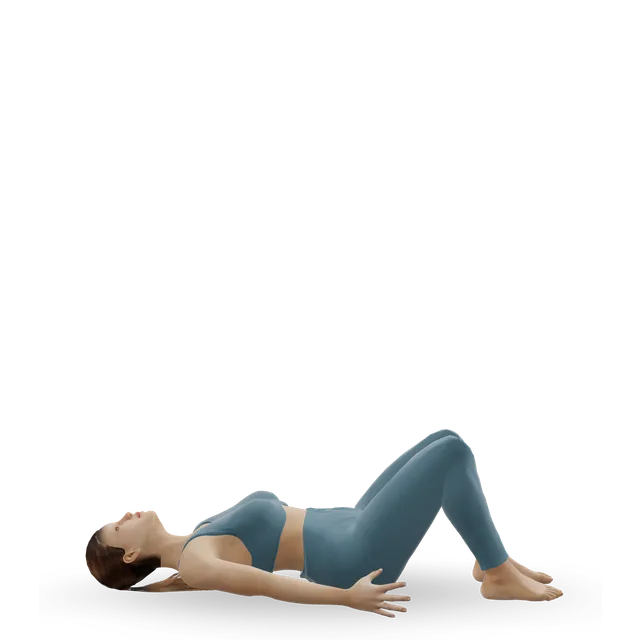

Warm up at a counter (about 4 minutes)
- Standing march2 minBeginner · Hip flexors, Abs, Glutes · 3D demoEasy pace, a hand on the counter if you likeEasier: Seated marchHarder: Standing band hip flexion
- Shoulder rolls10 slow circles each wayBeginner · Shoulders, Back, Neck · 3D demoSmall circles; keep them small with a port or line inHarder: Shoulder CARs (controlled articular rotations)
- Side-stepping (sideways walking)10 steps each wayBeginner · Hip abductors, Glutes, Adductors · 3D demoAlong the counter, hips levelHarder: Lateral band walk



Strength with a chair and a band (about 12 minutes)
Rest 60 to 90 s between sets
- Sit to stand from a chair2 sets of 5 slowBeginner · Quads, Glutes, Hamstrings · 3D demoSqueeze your pelvic floor just before you stand, and stand with your legs, not your armsEasier: Sit to stand, pushing on the thighsHarder: Bodyweight squat
- Band row2 sets of 10 to 15Beginner · Back, Biceps, Shoulders · 3D demoCheck the band and the anchor first; stop 2 to 3 reps short of failureEasier: Seated upper-back lift (sit tall, shoulders back)Harder: Supported single-arm dumbbell row
- Wall push-up2 sets of 8 to 12Beginner · Chest, Triceps, Shoulders · 3D demoHands on the wall at chest height; breathe out as you pushHarder: Push-up
- Step-up2 sets of 8 reps each sideBeginner · Glutes, Quads, Hamstrings · 3D demoThe bottom stair or a low, sturdy step, a hand on a rail; squeeze as you step upEasier: Low step-upHarder: Dumbbell step-up
- Band pull-apart2 sets of 12 to 15Intermediate · Shoulders, Back · 3D demoArms at shoulder height; squeeze your shoulder blades back without shruggingEasier: Prone Y-T-W raisesHarder: Tuck back lever
- Slow calf raise8 to 10Beginner · Calves · 3D demoBoth hands on the counter; rise, pause, lower slowlyEasier: Seated bent-knee calf raise (soleus raise)Harder: Standing dumbbell calf raise






On the mat, head down and spine long (about 7 minutes; or on a firm bed)
- Glute bridge2 sets of 12Beginner · Glutes, Hamstrings, Abs · 3D demoLift as one piece with your back in neutral; squeeze on the way upEasier: Pelvic tilt into bridgeHarder: Single-leg glute bridge
- Dead bug heel taps6 each sideBeginner · Abs, Hip flexors · 3D demoHead down; the pelvis stays stillEasier: Bent-knee fall-outHarder: Forearm plank
- Knee fold5 to 8 each sideBeginner · Abs, Hip flexors · 3D demoSqueeze, then lift one knee to above your hip; keep your back stillEasier: Supine heel slideHarder: Dead bug heel taps
- Clamshell8 each sideBeginner · Hip abductors, Glutes · 3D demoSqueeze as the knee opens; relax as it closesEasier: Supine isometric hip abduction (belt press)Harder: Lateral band walk
- Side kick (Pilates side kick series)8 each sideBeginner · Hip flexors, Glutes, Hip abductors · 3D demoHead on your arm; not lying on a sore surgical side or a portEasier: Side-lying leg raiseHarder: Side-lying leg circles (Pilates side kick series)





Sit, balance, let go (about 4 minutes)
- Seated upper-back lift (sit tall, shoulders back)3 to 5, each held 3 to 5 sBeginner · Back, Shoulders, Neck · 3D demoA small lift; skip it with cancer in the spine unless your team agreesEasier: Elbows backHarder: Prone Y-T-W raises
- Semi-tandem stance2 holds of 10 to 20 sBeginner · Calves, Hip abductors · 3D demoOne foot half a step ahead, a hand on the counterHarder: Tandem stance and heel-to-toe walk
- Single-leg stand3 holds of 5 to 10 s each sideBeginner · Hip abductors, Calves, Glutes · 3D demoFingertips on the counter; hips levelEasier: Tandem stance and heel-to-toe walkHarder: Single-leg reach matrix
- Pelvic floor relaxation (reverse Kegel)5 slow breathsBeginner · Pelvic floor · 3D demoSitting; a full release to finish



Tips
- Do it twice a week, with walking or cycling on other days. On hormone therapy, NICE offers a supervised strength and aerobic programme: this class can sit beside it, not replace it.
- If the cancer has spread to your bones, or your treatment affects your bones (such as hormone therapy), agree this class with your team first. With cancer in the spine, ribs or pelvis, leave out the bridge, the dead bug and the upper-back lift unless they agree, and keep to the counter and chair blocks.
- Not while a catheter is in. After surgery, ask your team before floor work, and leave the step-ups and band work until heavy lifting is allowed (Prostate Cancer UK says 8 weeks).
- If a move makes you leak, make it smaller and squeeze just before it.
- Tired day? Do the first and last blocks only. Any activity is better than none.
- During chemotherapy, if your white cell count is low, do it at home rather than in a busy studio.
- With hot flushes, keep the room cool and have water to hand.
- Stop and get advice for the warning signs on our Pilates for prostate cancer guide, including new bone or back pain.
The doses are suggested starting points, not a prescription. Choose a range you can control and stop for sharp or increasing pain, numbness or tingling. Get individual advice after an injury or surgery, or if you are pregnant or managing a health condition.
Guides that recommend it
Find more moves like these
More pilates



Beginner Pilates workout
A 20-minute mat Pilates workout for complete beginners. It covers breathing, spine position and the foundation moves, each with an easier option.
20 minBeginner13 movesNo equipment

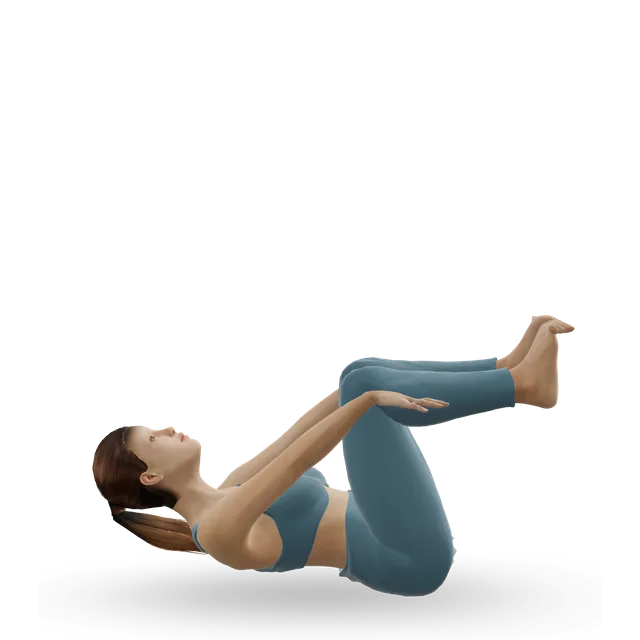
10-minute Pilates abs
Ten minutes of the classic Pilates abdominal series: the hundred, the roll-up and the series of five, with a plank to finish.
10 minIntermediate11 movesNo equipment
Full-body mat Pilates workout
A 30-minute intermediate mat Pilates class that follows the classical order, from the hundred to the push-up, with prep versions of the hardest moves.
30 minIntermediate22 movesNo equipmentQuestions people ask
How long does the band and chair pilates for prostate cancer: a 30-minute class for strength, balance and the pelvic floor (head down, no twists) take?
About 30 minutes, including any warm-up and cool-down listed. Shorten it by doing fewer rounds; lengthen it by adding one.
What equipment do I need?
You need: A wall, A bench or box, A band, An anchor point, A step. Each move links to its guide, where you can find an alternative if you are missing something.
Is it suitable for beginners?
It is written for beginners. 13 of its 20 moves have an easier option listed beside them if you need one.
How do I make it easier or harder?
Use the easier or harder option listed under each move, change the number of rounds, or adjust the rest. Progress one change at a time.