Most thumb breaks heal in a cast or splintStrong evidence
The NHS says a doctor or nurse may straighten the thumb under local anaesthetic, put it in a splint or cast or strap it, and give a tetanus injection or antibiotics if there's a cut; complicated breaks may need surgery. US orthopaedic surgeons treat breaks that haven't moved far, or are in the middle of the bone, in a cast or splint that holds the thumb (a thumb spica) for 4 to 6 weeks. A Plymouth NHS hand therapy leaflet treats most thumb fractures in a cast or splint for 4 to 6 weeks in total, leaving the other fingers free to move, and hand surgeons say many hand fractures need no operation.
Breaks of the thumb's smaller bones that haven't moved can be managed in a splint or strapping for comfort: an East Sussex NHS service uses it as needed for 3 weeks and doesn't routinely follow them up.
Sources 10, 1, 14, 6, 15
Breaks at the base: usually surgery, but no trialsMixed evidence
US orthopaedic surgeons say Bennett's and Rolando fractures almost always need surgery, and a hand surgery review describes poor results when displaced base breaks are treated without it, because the base joint needs to be restored. They're usually fixed with thin wires through the skin (Kirschner wires, or K-wires), sometimes with screws or a plate.
There are no randomised trials. A 2022 review of 13 studies (558 people) couldn't recommend one method; across the studies, 9% reported arthritis, 13% pain, and 2% needed another operation. In a UK series of 49 people treated with wires, the average arm disability score was a low 7.75 out of 100 at 5.5 years, and 85% got back unrestricted movement with hand therapy; in published series, open surgery led to further procedures in 4% to 20% and lasting numbness in 5% to 28%, so the authors suggest wires first. In 32 people, wires and open fixation did equally well 7 years on, and a 2025 review of three techniques found similar function, with arthritis common after all of them.
Sources 1, 5, 4, 16, 3, 9
The long term after a Bennett's fracture: studies disagreeMixed evidence
All the long-term studies are small, old or uncontrolled. Of 17 people treated without surgery and reviewed after 26 years, all had lost some movement and grip, and their X-rays showed the joint partly out of place with arthritis, though only 7 had symptoms. Of 25 treated mostly in plaster and reviewed 5 to 16 years on, 10 had no symptoms and 2 had significant ones. Of 20 treated with closed setting and plaster, 18 were satisfied after 13 years, 7 had arthritis, and 2 had severe, painful arthritis.
After surgery, 18 people about 11 years on had few symptoms, but all had lost some strength and almost all had arthritis. Most of the people in these studies were treated decades ago, before surgery was used as widely.
Sources 17, 12, 18, 11
Thumb exercises: NHS hand therapy practice, no trialsEmerging evidence
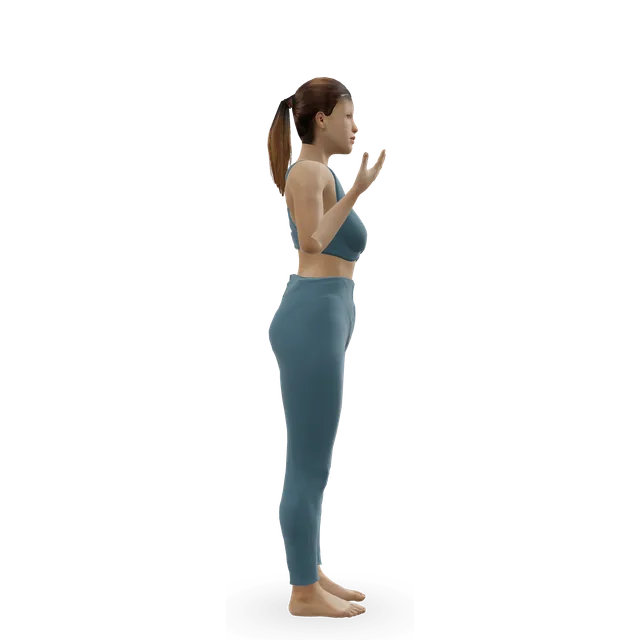
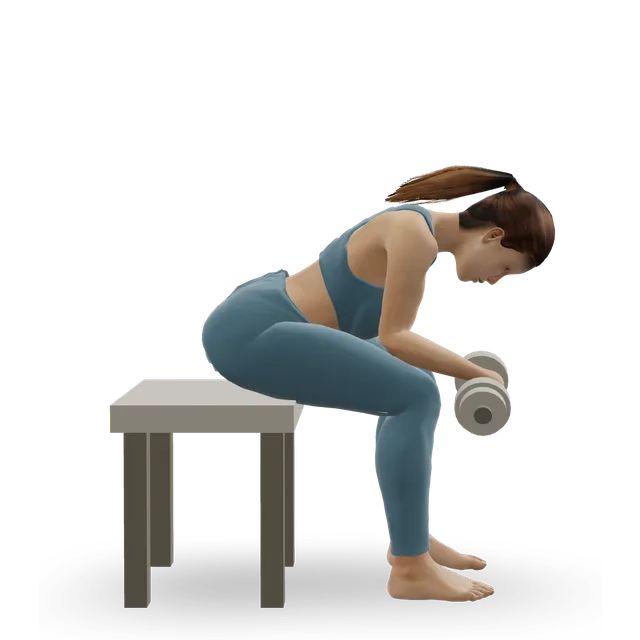
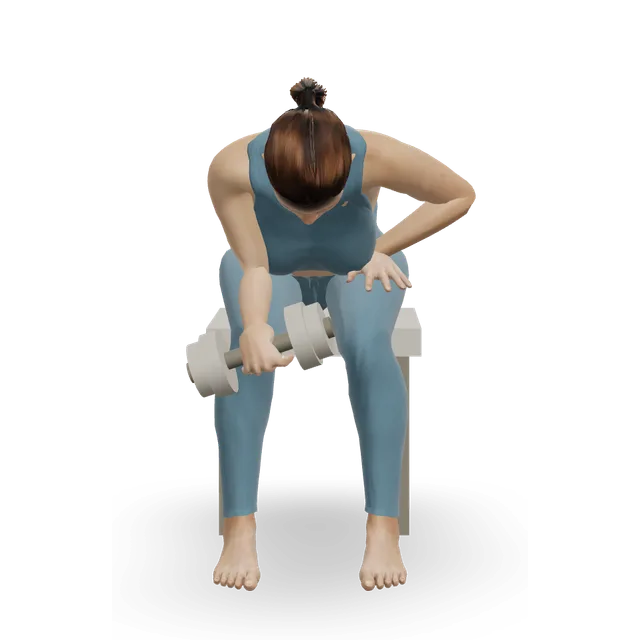
We found no trial of exercises after a thumb fracture, only small case series. NHS hand therapy leaflets agree on the order. Once the clinic allows, active exercises for each joint: bending the tip with the knuckle held still, bending the knuckle with the base held still, touching each fingertip and sliding down to the little finger's base, lifting the thumb away from the palm and out to the side, and big thumb circles. East Kent's dose is 4 to 6 of each, 4 times a day, holding the end for 5 seconds; Cambridge also uses 5-second holds; and East Sussex uses 5 of each, several times a day, for a break of the thumb's smaller bones.
Then gentle stretches with the other hand: 5 to 10 times, 4 to 5 times a day, held for 5 seconds (Cambridge), or longer holds of 30 seconds (Dorset). Then grip and pinch: squeezing a soft ball, playdough or a plastic bottle for 30 to 60 seconds, picking up small objects, turning keys, crafts and squeezing clothes pegs (East Sussex).
Sources 19, 2, 20, 21, 15, 6
How grip and pinch come backEmerging evidence
The NHS says full strength can take 3 to 4 months. Small case series after surgery give a guide: pinch was 92% and grip 89% of the other hand 4 months after screw fixation (24 people); all of 16 people were back to their previous activity 12 weeks after fixation and an early exercise programme; and 18 people had the same pinch strength in both hands about 2.5 years after wires and an external frame. These are small studies with no comparison group.
Sources 10, 13, 22, 23
Back to heavy use and sportEmerging evidence
A Plymouth NHS hand therapy leaflet allows light use only, up to the weight of a cup of tea, while the thumb is supported; daily activities from 4 weeks (6 after an operation); heavy work and non-contact sport from at least 6 weeks (8 after an operation); and contact sport, especially boxing, from at least 12 weeks. US orthopaedic surgeons suggest a protective splint for 6 to 8 weeks after you go back to sport. This is one NHS service's advice, past its review date and untested in trials.
Sources 6, 1