Pilates guide

Pilates for your joints: stiff and painful joints, whether Pilates is good or bad for them, arthritis and flares, and the evidence

Pilates is a low-impact way to move your joints through their range and strengthen the muscles around them, which is what guidelines recommend for joint pain. The National Institute for Health and Care Excellence (NICE) offers exercise to everyone with osteoarthritis and says it isn't harmful to the joints. In knee osteoarthritis, small trials found Pilates eased pain more than doing nothing and about as much as other exercise.

It isn't better than other exercise, and it's light, so it works best alongside walking or cycling and some strength work with weights or bands. It doesn't cure arthritis or rebuild cartilage, and it doesn't replace a diagnosis, medicines for inflammatory arthritis or gout, physiotherapy or surgery.

This guide answers whether Pilates is good or bad for your joints, what to do about stiffness, how much ache is all right, what to do in a flare (and why gout is different), the moves to start with and the ones to change for sore knees, hands, hips, very flexible joints and thin bones, and the warning signs that need a doctor the same day. It ends with joint-friendly classes to follow.

The short version

Moving painful joints is part of looking after them

NICE offers tailored exercise to everyone with osteoarthritis and says exercise "is not harmful to osteoarthritic joints". In 49 studies of exercise lasting up to 30 months in people with painful knees, joints didn't wear faster.

Sources 1, 2, 3

Pilates is low impact, and light

A traditional mat class uses about 1.8 METs (multiples of the energy you use at rest), and Pilates in general 2.8, below the 3 where moderate activity starts. So it trains control, range and endurance rather than your heart or heavy strength.

Source 4

For knee arthritis, about as good as other exercise

Small trials found Pilates eased knee osteoarthritis pain more than doing nothing and about as much as other exercise. The evidence is thin: the comparison with no exercise rests on 3 trials of 66 people.

Sources 5, 6

No type of exercise wins

Choose what you'll keep doing, and add walking or cycling and some strength work with load: Pilates is no better than other exercise for strength.

Sources 7, 8, 9

Some ache is fine; sharp or lingering pain isn't

Pain up to about 5 out of 10 that has settled by the next morning is all right. In trials, exercising into some pain did no worse than pain-free exercise.

Sources 10, 11

Long stiffness or a hot, swollen joint needs a doctor

Stiffness that eases within half an hour fits osteoarthritis. Stiffness for longer after waking, swelling in several joints, or a hot, swollen joint needs a GP, and sometimes the same day (warning signs below).

Sources 12, 1

Is Pilates good or bad for your joints?

Exercise doesn't wear joints outStrong evidence

NICE's committee "wanted to reassure people with osteoarthritis and healthcare professionals that exercise is not harmful to osteoarthritic joints". Across 49 studies (48 of them randomised trials) of exercise lasting 3 to 30 months in adults over 45 with knee pain, there were no serious harms, no increase in pain, no faster damage on scans and no more knee replacements. The National Rheumatoid Arthritis Society (NRAS): "There is no evidence to suggest that regular, even intensive exercise will harm your joints."

Sources 2, 3, 13

Loading the knee didn't harm cartilageEmerging evidence

A review of 9 trials that scanned knee cartilage with MRI (magnetic resonance imaging) found knee-loading exercise "seems to not be harmful" for cartilage in people with, or at risk of, knee osteoarthritis. The quality of the evidence was low.

Source 14

No study has counted injuries in Pilates classes

Our searches found no study of injury rates among people who do Pilates. In the knee trials, only 2 of 11 reported side effects at all (none serious), and reviewers noted that "active monitoring was limited". So the answer to "is Pilates bad for my joints" leans on the evidence for exercise in general.

Sources 15, 6, 5

Some extra aches are common when you startEmerging evidence

In the 2024 Cochrane review of exercise for knee osteoarthritis, exercise may have caused more side effects than usual care (low certainty), with no serious harms in the long-term studies. NICE asks clinicians to explain that joint pain may increase when you start, and that regular exercise still helps.

Sources 16, 1

What a Pilates class asks of your joints

Mat Pilates is done lying, side-lying, sitting, kneeling and standing, slowly and with the breath, and a mat class has no jumping (the reformer's jump board is the exception). The parts that can bother sore joints are kneeling (knees), weight on your hands (wrists and fingers), deep hip bending (hips, and new hip replacements), rounding and legs-overhead moves (the spine and neck), and pushing very flexible joints to the end of their range. Each has a swap, below. The NHS has a free 32-minute Pilates class for arthritis that needs only a mat and a cushion.

Sources 4, 17

Stiff and painful joints

Joint pain is common, and has many causes

The NHS: "Joint pain is common, especially as you get older." It can come from a sprain or strain, osteoarthritis, bursitis, rheumatoid arthritis, gout or, rarely, a joint infection, and "Perimenopause and menopause can also cause aching and painful joints due to lowered levels of oestrogen". Our joint pain in the menopause guide covers that. "Do not self-diagnose, see a GP if you're worried."

Source 12

Osteoarthritis is the commonest reason

Worldwide, about 595 million people had osteoarthritis in 2020, and the knee is the commonest joint. The NHS calls it the most common type of arthritis, usually starting in the late 40s, with pain and stiffness that are worse when you haven't moved for a while and sometimes a grating or crackling sound in the joint.

Sources 18, 19, 20

Short stiffness, or long stiffness

NICE diagnoses osteoarthritis without scans in people aged 45 or over with joint pain on activity and either no morning stiffness or stiffness that lasts no longer than 30 minutes. The NHS asks you to see a GP if your joints are stiff for more than 30 minutes after waking up. For suspected inflammatory arthritis, such as rheumatoid arthritis, NICE asks GPs to refer urgently when the small joints of the hands or feet, or more than one joint, are swollen.

Sources 1, 12, 21

Flares come and go

A flare is a temporary worsening of pain, swelling and stiffness, worse than your normal, and the NHS says flare-ups can last several days. In 67 people with knee pain who kept a daily diary, flares lasted a median of 8 days and were about twice as likely in the 2 days after kneeling, squatting, climbing stairs or heavy lifting.

Sources 1, 19, 22

Very flexible joints

With joint hypermobility syndrome, "The main treatment is improving muscle strength and fitness so your joints are better protected", and the NHS says "do not overextend your joints just because you can". Our Pilates for hypermobility guide covers it.

Source 23

What the evidence says

Exercise is a core treatment for osteoarthritisStrong evidence

NICE: "For all people with osteoarthritis, offer therapeutic exercise tailored to their needs (for example, local muscle strengthening, general aerobic fitness)." European (EULAR), international (OARSI) and American College of Rheumatology guidelines agree, and EULAR's 2025 update keeps physical activity as standard care in inflammatory arthritis and osteoarthritis.

Sources 1, 24, 25, 7, 26

Knees: exercise helps a littleStrong evidence

In the 2024 Cochrane review (139 trials, 12,468 people), exercise improved knee pain by about 9 points out of 100 against placebo or attention control (low certainty) and about 13 points against no treatment or usual care (low certainty), and function by about 11 to 13 points (moderate certainty). Most trials were at unclear or high risk of bias.

Source 16

Hips and hands: smaller effectsStrong evidence

The 2026 Cochrane review of hip osteoarthritis (18 trials, 1,368 people) found exercise "probably reduces pain slightly", by about 7 points out of 100, an amount "unlikely to be clinically meaningful". In hand osteoarthritis, exercise eased pain by about half a point out of 10, from low-quality evidence.

Sources 27, 28

Pilates for knee osteoarthritis: small trialsEmerging evidence

A 2025 review of 11 trials (476 people) found Pilates eased pain more than no exercise (3 trials, 66 people, low-quality evidence) but not more than conventional exercise (5 trials, 210 people, very low quality), and knee range of movement improved more with Pilates (2 trials, 70 people). A second review of 8 trials (322 people) found the same pattern, with signs that small trials with disappointing results may be missing.

Sources 5, 6

Network analyses rank Pilates highly, on thin dataMixed evidence

One analysis of 38 trials ranked Pilates and tai chi best among mind-body exercise for knee pain and function, but noted few large or low-bias trials. Another, of 29 trials, gave Pilates the highest chance of improving function but no clear effect on pain, at low or very low certainty. The largest, of 217 trials of all kinds of exercise, ranked aerobic exercise best overall. Rankings like these don't show that Pilates is best.

Sources 29, 30, 31

Adults over 50 with joint and muscle conditionsEmerging evidence

A review of 7 studies (397 people, 73% women) found Pilates eased back pain, neck pain and knee osteoarthritis, and "Overall Pilates was as effective as other exercise". No serious side effects were reported.

Source 32

The spineEmerging evidence

In long-lasting low back pain, the Cochrane review (10 trials, 510 people) found Pilates eased pain more than minimal treatment (low-quality evidence) and was no better than other exercise for disability. Network analyses rank Pilates near the top, but no type of exercise is clearly better. Our Pilates for back pain guide has the detail.

Sources 33, 34, 35

Range, balance and strengthEmerging evidence

Against no exercise, Pilates improved balance, strength, flexibility and function scores in 39 studies of adults over 60, mostly at low certainty, and sit-and-reach flexibility in adult women. Against other exercise, it did no better for strength in 24 trials of adults over 60.

Sources 36, 37, 9

Hips, hands and shoulders: no Pilates trials

Our searches found Pilates trials only in knee osteoarthritis, none in hip, hand or shoulder osteoarthritis; the Cochrane hip review includes none. For those joints, the case rests on exercise in general. Our rheumatoid arthritis and ankylosing spondylitis guides cover the small Pilates trials in inflammatory arthritis.

Sources 15, 27

Cartilage and inflammation

No trial shows that Pilates rebuilds cartilage, reverses osteoarthritis or reduces inflammation in it. In inflammatory arthritis and gout, medicines control the inflammation; Pilates is a way to stay active alongside them.

Source 15

How often, how hard, and how it should feel

How often

Arthritis UK suggests strengthening on at least two days a week and balance work on two days. The knee trials used 2 or 3 sessions a week for 6 to 10 weeks. NICE's committee thought supervised exercise likely to help more than exercising alone. Our editorial starting point: two Pilates sessions a week, with walking, cycling or swimming on other days towards the NHS's 150 minutes a week.

Sources 8, 5, 2, 38

How it should feel

Some pain is all right. Our arthritis guide counts pain of 0 to 2 out of 10 as safe and up to 5 as acceptable if it has settled by the next morning. The 0 to 2 and up to 5 bands come from a training programme for severe hip and knee osteoarthritis, where 93% of sessions stayed at acceptable pain or below; across long-term muscle and joint pain, exercising into some pain did no worse than pain-free exercise.

Sources 10, 11, 1

Hot or swollen joints

Arthritis UK: "If your joints are hot or swollen because of your condition, it's sometimes a good idea to focus on stretching exercises and avoid strengthening exercises until they settle down." A hot, swollen joint with a high temperature needs help the same day (warning signs below).

Source 8

Mat, chair or reformer

The knee trials mostly used mat classes, and the NHS arthritis class needs only a mat and a cushion. No trial has compared mat and reformer Pilates for osteoarthritis or general joint pain. Chair Pilates suits days when the floor is hard.

Sources 5, 17, 15

Pilates and the rest of your week

Because Pilates is light and no better than other exercise for strength, treat it as the control, range and confidence part of your week, alongside walking or cycling (aerobic exercise ranked best for knee osteoarthritis) and some strength work with load (our reading).

Sources 4, 9, 31

Breathe, then move each joint gently

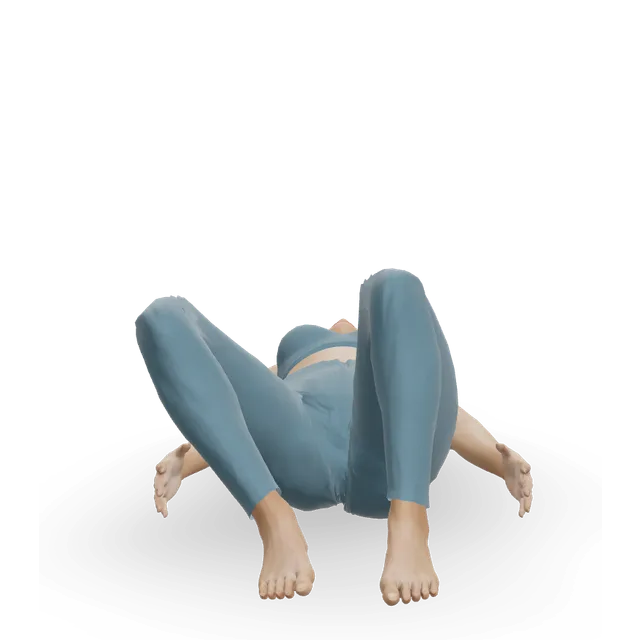
Lateral breathing: 5 to 8 breaths; heel slide: 10 slow repetitions each side; ankle circles: 5 slow circles each way with each ankle; hip windshield wipers: 10 slow passes side to side, 2 rounds; shoulder rolls: 10 to 15 slow circles each way; tendon glides: 4 to 6 of each position, holding each for 5 seconds (from the move pages' doses). These also make a flare-day set.

Strength around your hips and knees, with no kneeling

Pelvic tilt into bridge: 8 slow reps, lifting only as high as is comfortable; clamshell: 10 each side; sit to stand: 5 slow reps, hands on your thighs if you need them (our Pilates for arthritis class); side kick: 8 to 10 each side, on a folded towel if the bottom hip is sore; single-leg circle: 5 circles each direction, each leg, kept small; seated knee extension: 3 sets of 10 to 15 each leg, in the bent-knee half if the full range hurts; wall side leg lift: 10 to 12 each side (from the move pages' doses).

Your spine, in every direction, in a small range

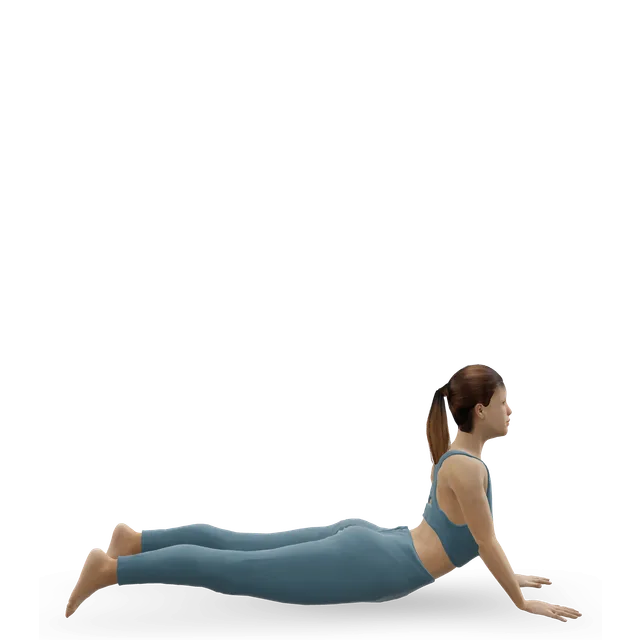
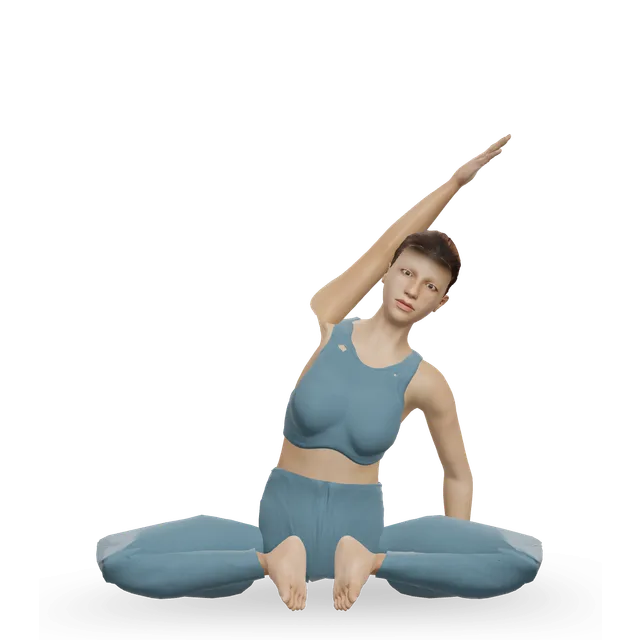
Cat-cow: 8 waves, slower than feels natural, and thoracic rotation: 6 rotations per side, moving with the breath (the move pages' doses); open book: 8 to 10 slow openings each side; swan: 5 to 6 reps, kept small if arching pinches; mermaid: 3 each direction, each side, on a chair if side-sitting bothers your knees or hips (from the move pages' doses).

Your standing joints and balance

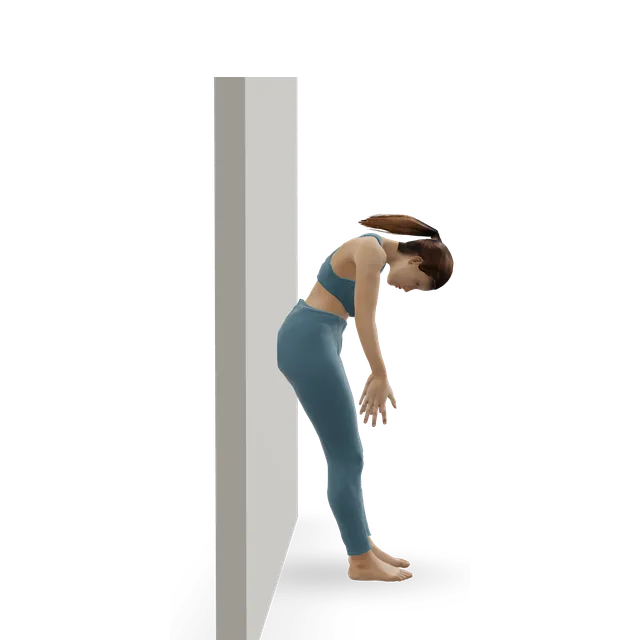
Single-leg stand: up to 30 s each side, a hand near the wall (our Pilates for arthritis class); side-stepping: 10 steps each way next to a counter (from the move page's dose); slow calf raise and wall push-up: 10 to 15 reps each, stepping closer to the wall if your wrists or shoulders complain (our joint care workout).

Moves to change for sore or flexible joints

Painful knees

Pad or skip kneeling moves such as the knee hover, bird dog and kneeling side kick, and do the mermaid on a chair, as our Pilates for arthritis guide suggests. Kneeling and squatting came before knee flares in the diary study. Leave out the reformer's jump board while your knees are sore (our suggestion; no study has tested it).

Sources 22, 15

Sore hands and wrists

Make fists or use your forearms, or swap planks, leg pulls, the side bend and push-ups for lying or chair moves (our suggestion, as in our Pilates for arthritis and wrist pain guides). Tendon glides keep the fingers moving.

A new hip or knee

Follow your surgical team's limits on bending and kneeling. Our Pilates after hip replacement and knee replacement guides list the moves to leave out while a new joint recovers.

Very flexible joints

Work in the middle of your range and keep knees and elbows soft; the saw and spine stretch forward pages already say "stop the reach before the end of your range rather than hanging into it". Strength and control matter more than stretch.

Source 23

Thin bones

Avoid deep or repeated rounding of your back, especially with a weight, and rolling moves; our Pilates for osteoporosis guide has the swaps.

In a flare

What a flare is

A flare is a temporary worsening of pain, swelling and stiffness, worse than your normal, that can disturb sleep and activity. The NHS says flares can last several days.

Sources 1, 19

Do less, not nothingStrong evidence

The National Rheumatoid Arthritis Society's steps: relative rest, doing less than usual; ice or heat for 15 to 20 minutes; keep the joints moving; return gently, with only a few repetitions; then gradually work back. Arthritis UK suggests slow, gentle movement rather than stopping, cutting the load first and then the number of sets, and never forcing a movement.

Arthritis UK: "The general advice is to focus on slow and gentle movement during a flare up, rather than stopping altogether." The NHS: "do not completely stop moving the affected joint".

Sources 13, 39, 12

What to drop, and for how long

Leave strengthening until hot or swollen joints settle, and keep to breathing and gentle range, such as heel slides, ankle circles and hand glides. High-intensity, high-impact or high-volume exercise is the most likely to aggravate symptoms. A flare can last several days; if an activity always brings one on, avoid it.

Sources 8, 39, 19, 40

A gout flare is differentStrong evidence

In a gout attack, the NHS says to "rest and raise the limb" and "do not put pressure on the joint". Leave Pilates for the hot joint until the pain and swelling have gone down; gentle work for the rest of you is reasonable if you feel well (our suggestion). Our Pilates for gout guide covers it.

Source 41

Classes to follow

Start with the 25-minute Pilates for arthritis class twice a week: it has no kneeling, no weight on your hands and a flare-day stop point. The joint care workout adds load and moves every joint; the mobility class suits stiff joints without arthritis; chair Pilates suits days when the floor is hard; the knee, hip and hypermobility classes each focus on one need; and the flare-up routine is for bad days.

Pilates for arthritis: a 25-minute joint-friendly class (no kneeling)

A gentle 25-minute Pilates class for arthritis and stiff joints: lying, chair and standing moves, with no kneeling or weight on your hands, and flare-day options.

25 minBeginner16 movesBench or box, something with weight

Joint care workout: move and strengthen every joint

A 25-minute session for healthy joints: slow circles to take every joint through its range, then a strength circuit for hips, knees, ankles, shoulders and grip.

25 minBeginner13 movesWall, bench or box

Mobility Pilates: a 25-minute class for your spine, hips and shoulders, from standing to the floor and back

A 25-minute Pilates mobility class: standing joint circles, spine and hip work on the mat, strength at the end of your range, then sit-to-stands and balance.

25 minBeginner18 movesWall, bench or box

Chair Pilates workout

A 20-minute chair Pilates workout for beginners and older adults: breathing, sitting tall, gentle spine and leg moves, and a standing finish at the chair.

20 minBeginner14 movesBench or box, something with weight

Seated chair Pilates: 15 minutes, no standing

A 15-minute chair Pilates class done entirely sitting down, in a chair or wheelchair: breathing, spine moves, and leg and arm strength with water bottles.

15 minBeginner13 movesBench or box, something with weight

Pilates for knee pain: a 25-minute class with no kneeling

A 25-minute Pilates class for sore knees and knee arthritis: lying and side-lying leg work, shallow squats and balance, with no kneeling at all.

25 minBeginner15 movesBench or box, something with weight

Every-direction hip Pilates for arthritis: a 25-minute class with no deep bends and a flare-day stop point

A 25-minute Pilates class for hip arthritis: hip movement in every direction, lying and standing strength, and balance, with no deep bends and a flare-day stop.

25 minBeginner19 movesBand, wall

Pilates for hypermobility: a supported 20-minute class

A 20-minute Pilates class for hypermobile joints, HSD and hEDS: supported positions first, mid-range control, slow changes and steady breathing.

20 minBeginner17 movesOther / check instructions, band

Chronic pain flare-up routine: gentle movement for a bad day

A 10-minute routine for a pain flare-up: slow breathing, small gentle moves lying and sitting, a short stroll if you can, then rest. Repeat later in the day.

10 minBeginner10 movesBand, bench or box

Plans

The beginner Pilates plan builds a habit of 3 short classes a week; the seniors plan adds strength, balance and walking; the walking plan builds to 150 minutes a week.

Warning signs: when to get help

These are the warning signs of our joints, arthritis and gout guides, word for word, with the chest pain and stop lines our other Pilates guides use. This is general information, not a diagnosis. A&E means accident and emergency; in the US, call 911 for 999, and use your doctor's urgent line or urgent care for NHS 111.

Call 999 (911 in the US) or go to A&E

If you have very bad joint pain after a fall or injury, you can't walk or put weight on a joint, a joint has moved out of place, or you have tingling or no feeling around the joint after an injury.

Source 12

Get an urgent GP appointment or help from NHS 111

If you have joint pain and the skin around it is swollen and feels hot, or joint pain and you feel generally unwell, have a high temperature or feel hot, cold or shivery. A joint infection (septic arthritis) usually develops quickly over a few days and needs checking straight away. In the US, contact your doctor or urgent care.

Sources 12, 42

Arthritis: get help the same day if

Ask for an urgent GP appointment or get help from NHS 111. In the US, use your doctor's urgent line or urgent care.

  • You have severe pain and swelling in just 1 joint that started suddenly.
  • Your pain doesn't get better with painkillers, such as paracetamol.
  • The skin around your joint is red or hot (redness may be harder to see on brown and black skin).
  • You have sore joints with a high or low temperature, or you feel hot, cold or shivery.
  • You have sore joints and conjunctivitis, or sore eyes and problems with your vision.
  • You have sore joints and pain when you pee, discharge from your penis or vagina, or a rash or sores on your genitals.

Source 19

Gout, or a joint infection

Same day: a sudden, very painful, hot, swollen, red joint, often the big toe but sometimes the middle of the foot (the midfoot) or the ankle, especially with a high temperature, feeling shivery or being unable to eat. It may be gout, but it could be a joint infection (septic arthritis), which is urgent.

If you have sudden pain and swelling in a joint and:

  • The pain is getting worse.
  • You also have a very high temperature, or feel hot, cold or shivery.
  • You also feel sick or can't eat.

Sources 41, 42

Why it matters

These can be signs of an infection inside the joint (septic arthritis), which usually needs treatment in hospital.

Source 42

Stiffness that may be inflammatory arthritis

Pain and stiffness on both sides of the body that is worse after not moving, such as when you wake up, can be rheumatoid arthritis, and the NHS advises seeing a GP if your joints are stiff for more than 30 minutes after waking. Our rheumatoid arthritis guide covers exercise for it.

Source 12

See a GP

If joint pain is stopping you doing normal activities or affecting your sleep, the pain or swelling is getting worse or keeps coming back, it hasn't improved after 2 weeks of treating it at home, your joints are stiff for more than 30 minutes after waking up, or your child has joint problems. In many areas you can refer yourself to NHS physiotherapy through community musculoskeletal (MSK) services.

Source 12

Very flexible joints with symptoms

See a GP if you think you or your child have joint hypermobility syndrome: for example, you keep getting pain and stiffness in your joints, sprains and strains, or joints that pop out, or you often feel tired even after rest.

Source 23

Chest pain or fainting while exercising: call 999

Call 999 if:

  • You get sudden pain or discomfort in your chest that doesn't go away; it can feel like squeezing or pressure, burning or indigestion.
  • The pain spreads to your left or right arm, or your neck, jaw, stomach or back.
  • You have chest pain and feel sweaty, sick, light-headed or short of breath.
  • Someone faints while exercising, can't be woken within 1 minute, or has chest pain or a pounding, fluttering or irregular heartbeat.

Sources 43, 44, 45

Unusual breathlessness

Call 999 or go to A&E (accident and emergency) straight away for severe difficulty breathing (gasping, choking or not able to get words out), a chest that feels tight or heavy, pain that spreads to your arms, back, neck and jaw, lips or skin turning very pale, blue or grey, or sudden confusion. If you're more short of breath than usual, or your heart is racing, fluttering or skipping beats, contact NHS 111.

Source 46

Stop the session if

You feel any pain or become unwell, as the NHS advises for its Pilates videos, and especially for chest pain or pressure, unusual breathlessness, dizziness or fainting. If you have a health problem, an injury or any symptoms, get advice from a healthcare professional, such as a GP, before you start.

Source 47

Before you start

The NHS advises getting advice from a healthcare professional first if you have a health problem, an injury or symptoms, or have recently had a heart attack or an operation.

If you have a heart, lung or joint condition, are pregnant or have recently been unwell, start gently and read our guide for your condition. Muscle soreness for a day or two after a new exercise is common and fades as you repeat it.

Breathe out as you lift, and don't hold your breath.

Start where you're comfortable: chair, wall and standing versions all count. Our Pilates for plus-size bodies guide covers getting up and down from the floor and the equipment that helps.

Source 47

Myths

"Exercise wears out your joints"Strong evidence

NICE says exercise isn't harmful to osteoarthritic joints, long-term exercise didn't speed joint damage in 49 studies, and knee-loading exercise didn't harm cartilage (low-quality evidence). Recreational runners even had less hip and knee arthritis than people who didn't run, in observational studies that can't prove cause.

Sources 2, 3, 14, 48

"Pilates is bad for arthritic knees"Emerging evidence

In small trials, Pilates eased knee osteoarthritis pain more than no exercise and about as much as other exercise. Kneeling and the jump board are the parts to change.

Sources 5, 6

"Pilates is low impact, so it's all your joints need"Emerging evidence

It's light activity and no better than other exercise for strength. NICE pairs muscle strengthening with general aerobic fitness, so add walking or cycling and some strength work with load.

Sources 4, 9, 1

"Rest a painful joint completely"Strong evidence

The NHS says not to stop moving a painful joint completely, and in an arthritis flare, slow, gentle movement beats stopping. Gout is the exception: rest the hot joint during an attack.

Sources 12, 39, 41

"Any pain means you're doing damage"Emerging evidence

Some pain when you start is expected, and exercising into some pain did no worse than pain-free exercise. Pain above 5 out of 10, pain that lingers into the next day, or a hot, swollen joint are different.

Sources 1, 11, 10

"Stiff joints just need more stretching"

With very flexible joints, the NHS says not to overextend them just because you can: strength and control come first. Long stiffness after waking can be inflammatory arthritis and needs a GP, not a deeper stretch.

Sources 23, 12

"Pilates reduces inflammation in your joints"

We found no trial showing it does in osteoarthritis. Inflammatory arthritis and gout need medical treatment; Pilates sits alongside it.

Source 15

"The reformer is gentler on joints than the mat"

No trial has compared them for joint pain, and the knee trials mostly used mat classes. Choose what you'll keep doing.

Sources 15, 5

Questions people ask

Is Pilates good for your joints?

For most people, yes: it's a low-impact way to move your joints through their range and strengthen the muscles around them, which is what guidelines recommend. In knee osteoarthritis, small trials found it eased pain more than doing nothing and about as much as other exercise. It isn't better than other exercise, so choose it if you'll keep it up.

Is Pilates bad for your joints?

Not for healthy or arthritic joints: NICE says exercise isn't harmful to osteoarthritic joints, and long-term exercise didn't speed joint damage in 49 studies. No study has counted injuries in Pilates classes, so this rests on the evidence for exercise in general. The parts that can bother sore joints are kneeling, weight on your hands, deep hip bending after a hip replacement and pushing very flexible joints too far, and each has a swap.

Is Pilates good for stiff joints?

Gentle Pilates moves each joint through its range, and in older adults it improved flexibility and balance scores against no exercise. Everyday stiffness that eases within half an hour of moving is common. Stiffness that lasts more than 30 minutes after waking, or swollen joints, needs a GP.

Is Pilates good for joint pain?

It can help as part of regular exercise, which eases knee osteoarthritis pain a little and improves function. Some aching when you start is normal and usually settles. A hot, swollen joint needs help the same day.

Is Pilates low impact on the knees?

Yes: a mat class has no jumping, and you can do it lying, sitting and standing. With sore knees, pad or skip kneeling moves and leave out the reformer's jump board.

Should Pilates hurt my joints?

Some ache is fine, up to about 5 out of 10, if it has settled by the next morning. Sharp pain, pain that gets worse during a session or lingers into the next day, or a joint that swells means doing less next time. See a GP or physiotherapist if it keeps happening.

Why do my joints hurt after Pilates?

Usually from doing more than you're used to, kneeling on sore knees or putting weight on sore wrists; make the move smaller or use the swap. Our knee, hip, wrist and shoulder pain after Pilates guides cover each joint. A hot, swollen joint with a temperature needs help the same day.

Can I do Pilates in an arthritis flare?

Keep moving gently: do less, cut the load, and keep to breathing and gentle range until it settles. Gout is different: rest the hot joint during an attack and come back once the pain and swelling have gone down.

Is Pilates good for hypermobile joints?

Yes, if it works on strength and control in the middle of your range rather than stretching further. Our Pilates for hypermobility guide has the details and a class.

Does Pilates reduce inflammation in the joints?

Not in osteoarthritis, as far as trials show. Inflammatory arthritis and gout need medical treatment, and Pilates is a way to stay active alongside it.

Is reformer or mat Pilates better for your joints?

No trial has compared them for joint pain. The knee trials mostly used mat classes, and the NHS arthritis class needs only a mat and a cushion; choose what you'll keep doing.

How often should I do Pilates for my joints?

Two or three sessions a week is what the knee trials used. Add walking, cycling or swimming, and some strength work with weights or bands on at least two days a week.

Sources

  1. NICE NG226 · Osteoarthritis in over 16s: diagnosis and management (guideline, 2022: recommendations; read in full)
  2. NICE NG226 · Osteoarthritis in over 16s: rationale and impact (guideline, 2022; read in full)
  3. Quicke 2015 · Is long-term physical activity safe for older adults with knee pain? 49 studies (systematic review, Osteoarthritis Cartilage)
  4. Herrmann 2024 · 2024 Adult Compendium of Physical Activities, with its conditioning exercise list (J Sport Health Sci)
  5. de Oliveira 2025 · Pilates for knee osteoarthritis: 11 trials, 476 people (systematic review and meta-analysis, Int J Rheum Dis; read in full)
  6. Zhang 2025 · Pilates for knee osteoarthritis: 8 trials, 322 people (systematic review and meta-analysis, Ann Med)
  7. Kolasinski 2020 · American College of Rheumatology and Arthritis Foundation guideline for hand, hip and knee osteoarthritis (guideline, Arthritis Rheumatol; read in full; a 2021 erratum corrects one figure)
  8. Arthritis UK · What type of exercise should I do?
  9. Oliveira 2024 · Pilates and strength in adults over 60: 24 trials, 1,190 people (systematic review and meta-analysis, J Bodyw Mov Ther)
  10. Ageberg 2010 · A training programme with a pain rule for 76 people with severe hip or knee osteoarthritis: the NEMEX study (feasibility study, BMC Musculoskelet Disord; read in full)
  11. Smith 2017 · Should exercises be painful in long-lasting muscle and joint pain? 7 trials, 385 people (meta-analysis, Br J Sports Med)
  12. NHS · Joint pain
  13. National Rheumatoid Arthritis Society · Physical activity and exercise, and exercising in a flare
  14. Bricca 2019 · Knee-loading exercise and cartilage on MRI: 9 trials (systematic review, Br J Sports Med)
  15. PubMed · Our searches for Pilates trials in osteoarthritis, Pilates injuries, Pilates and inflammation, and mat against reformer Pilates (4 November 2026): 24, 97, 29 and 4 records in PubMed; every osteoarthritis trial was in the knee, and no study counted injuries in Pilates classes
  16. Lawford 2024 · Exercise for knee osteoarthritis: 139 trials, 12,468 people (Cochrane review)
  17. NHS · Arthritis Pilates video workout (32-minute class; page text past its review date: reviewed August 2022, review due August 2025)
  18. GBD 2021 Osteoarthritis Collaborators 2023 · How common osteoarthritis is worldwide, 1990 to 2020 (Global Burden of Disease analysis, Lancet Rheumatol)
  19. NHS · Arthritis
  20. NHS · Osteoarthritis: symptoms (past its review date: reviewed March 2023, review due March 2026)
  21. NICE NG100 · Rheumatoid arthritis in adults: management (guideline: recommendations; read in full)
  22. Parry 2019 · Flare-ups of knee pain in 67 people keeping a daily diary (diary study, Osteoarthritis Cartilage)
  23. NHS · Joint hypermobility syndrome (past its review date: reviewed August 2023, review due August 2026)
  24. Moseng 2024 · EULAR recommendations for the core non-drug care of hip and knee osteoarthritis: 2023 update (recommendations, Ann Rheum Dis)
  25. Bannuru 2019 · OARSI guidelines for the non-surgical care of knee, hip and polyarticular osteoarthritis (guideline, Osteoarthritis Cartilage)
  26. Rausch Osthoff 2026 · EULAR recommendations for physical activity in inflammatory arthritis and osteoarthritis: 2025 update (recommendations, Ann Rheum Dis)
  27. Hall 2026 · Exercise for hip osteoarthritis: 18 trials, 1,368 people (Cochrane review)
  28. Østerås 2017 · Exercise for hand osteoarthritis: 7 trials (Cochrane review)
  29. Gao 2025 · Mind-body exercise for knee osteoarthritis: 38 trials, 2,561 people (network meta-analysis, J Orthop Surg Res)
  30. Pan 2026 · Mind-body exercises in middle-aged and older adults with knee osteoarthritis: 29 trials, 2,095 people (network meta-analysis, Front Med)
  31. Yan 2025 · Types of exercise for knee osteoarthritis: 217 trials, 15,684 people (network meta-analysis, BMJ)
  32. Denham-Jones 2022 · Pilates in adults over 50 with long-term muscle and joint conditions: 7 studies, 397 people (systematic review, Musculoskeletal Care)
  33. Yamato 2015 · Pilates for low back pain: 10 trials, 510 people (Cochrane review)
  34. Fernández-Rodríguez 2022 · Types of exercise for long-lasting low back pain: 118 trials (network meta-analysis, JOSPT)
  35. Comachio 2025 · Benefits and harms of exercise for low back pain: 70 reviews (umbrella review, J Sport Health Sci)
  36. Fernández-Rodríguez 2021 · Pilates, physical performance and falls risk in adults over 60: 39 studies (systematic review and meta-analysis, Physiotherapy)
  37. Bajčetić 2026 · Pilates and fitness in adult women: 12 studies, about 540 women (systematic review and meta-analysis, Sports)
  38. NHS · Physical activity guidelines for adults aged 19 to 64
  39. Arthritis UK · How to maintain movement during a flare-up
  40. NHS · Rheumatoid arthritis: living with (past its review date: reviewed March 2023, review due March 2026)
  41. NHS · Gout (past its review date: reviewed August 2023, review due August 2026)
  42. NHS · Septic arthritis
  43. NHS · Chest pain (past its review date: reviewed August 2023, review due August 2026)
  44. NHS · Heart attack
  45. NHS · Fainting
  46. NHS · Shortness of breath
  47. NHS · Pilates for beginners (exercise video, with safety information)
  48. Alentorn-Geli 2017 · Recreational and competitive running and hip and knee osteoarthritis: 25 studies (meta-analysis, JOSPT)

Exercise education, not a personal prescription, and clinical review of these guides is pending. If you are pregnant, have a health condition or have had recent surgery, check with a doctor, midwife or physiotherapist before starting, and stop for sharp or increasing pain. Health disclaimer.