Exercise is part of treatment, alongside medicines
The NHS says medicines are the main treatment, and to exercise regularly. US and European rheumatology guidance recommends physical activity as part of care.
Pilates guide
Exercise is recommended for psoriatic arthritis alongside your medicines, which are the main treatment. One small trial has tested Pilates: in 48 women in Turkey, mat Pilates twice a week for 12 weeks improved everyday movement, disease activity scores, tiredness and quality of life compared with medicines alone. It is so far an unreviewed master's thesis with a conference abstract, and its disease score includes patient-rated pain, so treat it as encouraging, not settled.
Pilates suits psoriatic arthritis because it's low impact and works the spine, hips and trunk, but it needs adapting for sore heels, swollen fingers, a stiff spine and skin that flares where it rubs. This guide covers those changes, what to do in a flare and on tired days, the reformer, and the classes to follow, with the warning signs that need help the same day.
The NHS says medicines are the main treatment, and to exercise regularly. US and European rheumatology guidance recommends physical activity as part of care.
In 48 women, mat Pilates twice a week for 12 weeks improved everyday function, disease activity, tiredness and quality of life against medicines alone. It's an unreviewed thesis with a conference abstract, and the disease score includes patient-rated pain, which expectation can move.
Strength training improved function, and hard interval training raised fitness without raising inflammation on scans.
No jumping or long standing in a heel flare, no weight on flat hands with swollen fingers or sore wrists, and padding or changes for kneeling and for skin that flares where it rubs (our suggestions).
Keep to gentle movement and breathing, and leave strengthening of hot, swollen joints until they settle. Ask your team about a flare plan.
Heart disease is more common with psoriatic arthritis, so add walking or other aerobic exercise. Get help the same day for a hot, swollen joint with a high temperature or a painful red eye.
Source 11
The NHS describes "a long-term condition that causes joint pain, swelling and stiffness", with swollen fingers or toes, nail changes and "feeling drained of energy". "Symptoms can be worse first thing in the morning and may improve with exercise."
Source 1
In 266 studies of people with psoriasis, about 1 in 5 had psoriatic arthritis (the Psoriasis and Psoriatic Arthritis Alliance, PAPAA, says about 3 in 10). The NHS says to see a GP for joint pain, stiffness and swelling that keeps coming back, even if you don't have psoriasis.
Inflammation where tendons and ligaments attach to bone (enthesitis) affects about 4 in 10 at some point, most often at the Achilles tendon and the sole of the heel, and usually settles without a change of treatment. About a quarter get whole swollen fingers or toes (dactylitis), and about 6 in 10 have nail changes. In an international study of 409 people, about 1 in 4 had the spine or the joints at the base of the spine involved on scans.
About half have significant tiredness (fatigue). At any time about 1 in 10 are in a flare, and about 1 in 5 have one a year. Heart and circulation disease is more common (11 studies), and Arthritis UK lists exercising regularly among the ways to lower the risk.
Psoriasis can appear where "shoes, clothing or jewellery rub the skin", and in skin folds it "can be made worse by friction and sweating". PAPAA says "Psoriasis is not generally affected by the chlorine in swimming pool water". In Pilates, that means mats, kneeling, reformer straps and sweat in heated classes.
Anti-inflammatory painkillers, steroid injections, disease-modifying medicines (DMARDs) such as methotrexate and biological treatments. Some of these lower your resistance to infection, which is why the joint infection and methotrexate lines are in the warning signs.
Source 1
Low-impact strength for the hips, trunk and legs, spinal extension and rotation, which NICE's exercise programme for spinal disease includes, breathing, and a choice of positions that can spare the heels, hands and knees. The trial used mat Pilates twice a week (our reading of why it suits).
In Izmir, Turkey, 48 women aged 18 to 65 with psoriatic arthritis were randomised to mat Pilates led by a physiotherapist (groups of 8, 60 minutes twice a week for 12 weeks) or their usual medicines alone; 43 finished. Pilates improved everyday tasks such as putting on socks and getting up from lying, a function score, a disease activity score (it fell by 6.5 points against 1.9), spine movement, tiredness, anxiety and quality of life. Lower back bending and low mood didn't change. No serious side effects were reported; about a quarter had muscle soreness for 3 to 4 days.
It's a master's thesis, presented as a conference abstract and not yet peer reviewed as a journal paper. It included only women, had no comparison class, and the disease activity score includes patient-rated pain, which expectation can move. Our searches found no other Pilates study in psoriatic arthritis.
In 41 people in Brazil, strength training twice a week for 12 weeks improved function and disease activity scores against medicines alone. In 67 people in Norway, hard interval training for 11 weeks raised fitness but didn't clearly change disease activity or pain, and scans showed "no clear evidence of objectively measured increased inflammation".
Reviews find few, small exercise trials in psoriatic arthritis, mostly at low or very low certainty, with improvements in function, pain and quality of life and no sign that exercise causes flares. For fatigue in psoriatic arthritis, the evidence is still inconclusive.
US rheumatologists conditionally recommend exercise over no exercise in active psoriatic arthritis, and low-impact exercise such as tai chi, yoga or swimming over high-impact exercise such as running (low and very low quality evidence). European guidance advocates physical activity as part of standard care. GRAPPA, an international psoriatic arthritis group, conditionally recommends physiotherapy for sore tendon attachments. The NHS says to exercise regularly, with low-impact exercise.
In ankylosing spondylitis, a related spinal arthritis, Pilates improved function in a trial of 55 people, and a 2026 network of 59 trials found Pilates improved disease activity, function and pain against usual care. These studies didn't report including people with psoriatic arthritis. Our Pilates for ankylosing spondylitis guide covers them.
In 84 people, avoiding aggravating activities went with less inflammation at tendon attachments on ultrasound, but a badminton session didn't change pain in 16 people, and hard interval training didn't increase inflammation on scans. Load heels and tendons gradually; there's no evidence that Pilates harms them.
None of these changes has been tested in a trial; they are our suggestions, from the moves' own cautions and the advice of the charities named.
Skip jumping, the reformer's jump board and long standing during a heel flare, and use off-feet strength work. Gentle calf holds and the plantar fascia stretch load the heel gradually. See your team if heel or tendon pain doesn't settle.
Source 15
Avoid weight on flat hands in the push-up, leg pulls, side bend and knee hover: use fists, forearms or a wall, or leave them out. Tendon glides keep stiff fingers moving.
Back extension (the swan, swimming), rotation (the spine twist, the open book) and side bending (the mermaid), with deep breathing, follow NICE's programme for spinal disease. With a stiff or fused spine, the rolling and legs-overhead moves are out, as their move pages say.
Source 10
Use your own mat and a towel, pad kneeling, wear soft, loose layers, pad reformer straps over sore skin, rinse off after class, and skip heated rooms when your skin is flaring.
Arthritis UK says to "focus on slow and gentle movement during a flare up, rather than stopping altogether". NICE suggests a flare plan that covers self-care such as exercises and stretching.
Keep sore joints moving gently through their range a few times a day, lower the intensity (for example, 15-minute strolls instead of 30-minute walks), and stretch rather than strengthen hot, swollen joints until they settle. If discomfort lasts more than a couple of hours after exercise, do less next time, not nothing. Ask your team about a flare plan.
Leave strengthening until hot or swollen joints settle, and keep to breathing and gentle range, such as heel slides, ankle circles and hand glides. High-intensity, high-impact or high-volume exercise is the most likely to aggravate symptoms. A flare can last several days; if an activity always brings one on, avoid it.
Fatigue fell more with Pilates than without in the one trial, but across studies the evidence on fatigue is inconclusive. Short, gentle sessions are easier to keep up on tired days (our suggestion).
Never stop or change your psoriatic arthritis medicines because of exercise or a flare without your team (our suggestion; the NHS says medicines are the main treatment).
If you feel feverish or unwell, rest rather than exercise, as the warning signs say.
Source 1
Lateral breathing: "5 to 8 breaths at the start of every session" (the move page's dose). Cat-cow: "8 waves, slower than feels natural" (the move page's dose), on fists or forearms if your hands are sore. Heel slide: "10 slow repetitions each side, once or twice a day" (the move page's dose). Ankle circles: "5 slow circles each way with each ankle, morning and evening" (the move page's dose). Tendon glides: "4 to 6 of each position, holding each for 5 seconds, up to 4 times a day" (the move page's dose). Wrist and forearm flow: 1 minute, small and gentle (our editorial starting point).
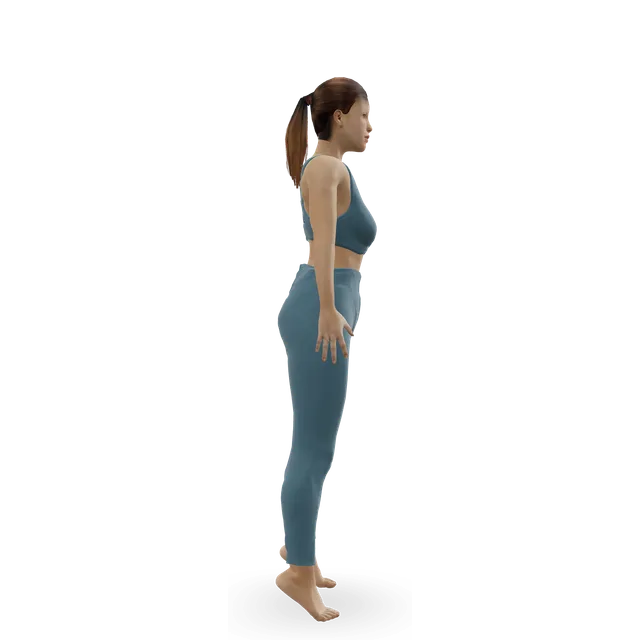
 3D demoLateral breathing (Pilates breathing)Beginner · No equipment
 3D demoCat-cowBeginner · No equipment
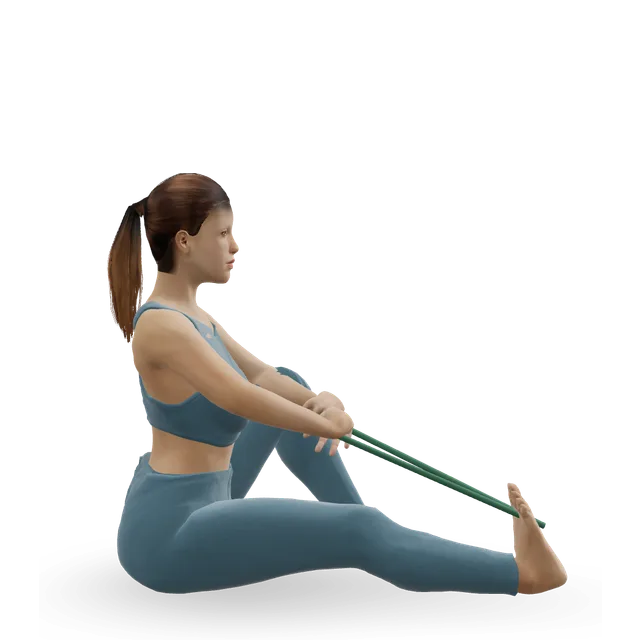
 3D demoSupine heel slideBeginner · No equipment
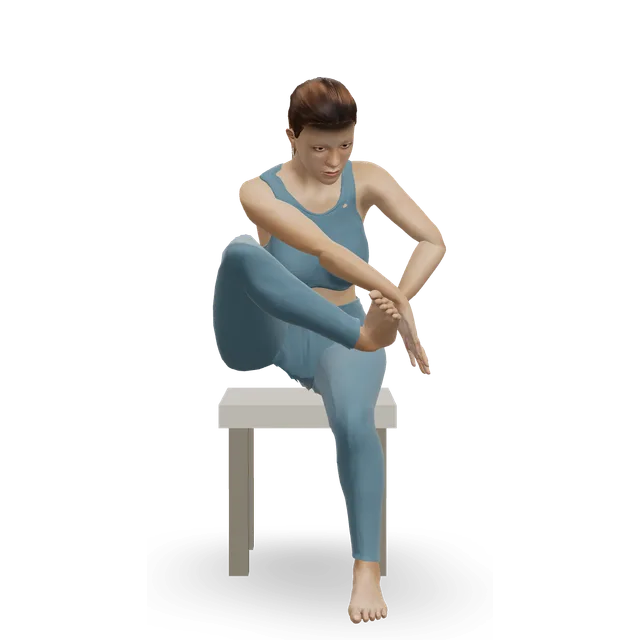
 3D demoAnkle CARs (controlled articular rotations)Beginner · No equipment
 3D demoTendon glides (hand tendon gliding exercises)Beginner · No equipment
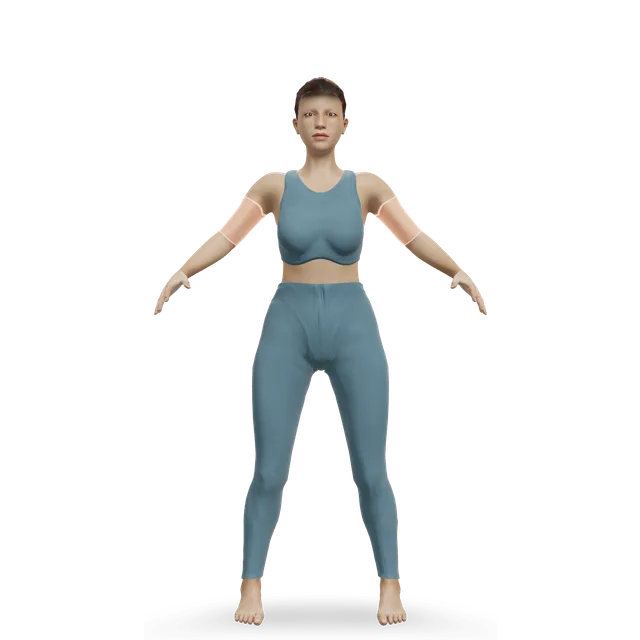
 3D demoWrist & forearm flowBeginner · No equipment
Swan: "5 to 6 reps" (the move page's dose), arms by your sides if your hands are sore. Swimming: 1 or 2 sets of 20 seconds (adapted from the move page's dose). Spine twist: "3 to 4 each side" (the move page's dose), sitting on a block or a chair if your hips are stiff. Mermaid: "3 each direction, each side" (the move page's dose), cross-legged or on a chair. Side-lying open book: "8 to 10 slow openings each side, pausing 2 seconds at the end" (the move page's dose). Wall angel: 6 to 8 slow reps (our editorial starting point).
 3D demoSwan (Pilates swan dive)Intermediate · No equipment
 3D demoSwimming (Pilates)Intermediate · No equipment
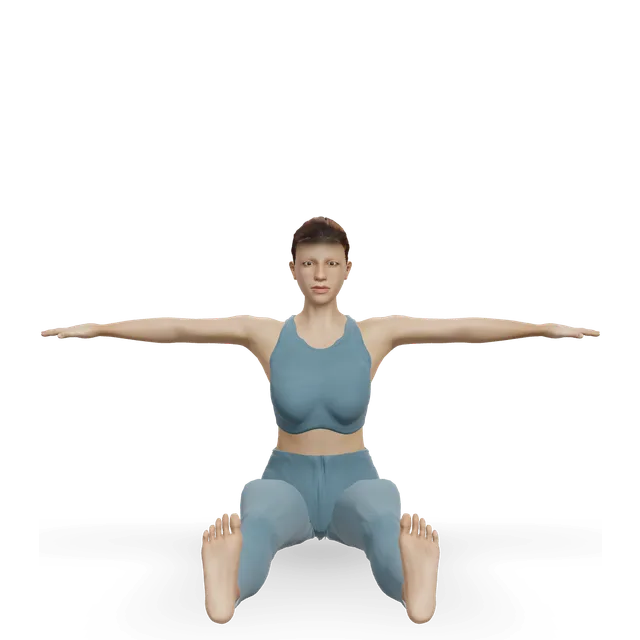 3D demoSpine twist (Pilates)Beginner · No equipment
 3D demoMermaid (Pilates seated side bend)Beginner · No equipment
 3D demoSide-lying open bookBeginner · No equipment
 3D demoWall angelBeginner · A wall
The trial used moves like these. Hundred: "50 beats to start, building to 100 (the classical count)" (the move page's dose). Single-leg stretch: "6 to 10 each side" (the move page's dose). Pelvic tilt into bridge: 8 to 10 slow lifts (our editorial starting point). Side kick: "8 to 10 each side" (the move page's dose). Clamshell: 10 each side, and sit to stand: 2 sets of 8 to 10 (our editorial starting points). Wall side leg lift: "10 to 12 each side" (the move page's dose). Skip the hundred and other curl-ups in a flare.
 3D demoHundred (Pilates)Intermediate · No equipment
 3D demoSingle-leg stretch (Pilates one leg stretch)Intermediate · No equipment
 3D demoPelvic tilt into bridgeBeginner · No equipment
 3D demoSide kick (Pilates side kick series)Beginner · No equipment
 3D demoClamshellBeginner · No equipment
 3D demoSit to stand from a chairBeginner · A bench or box
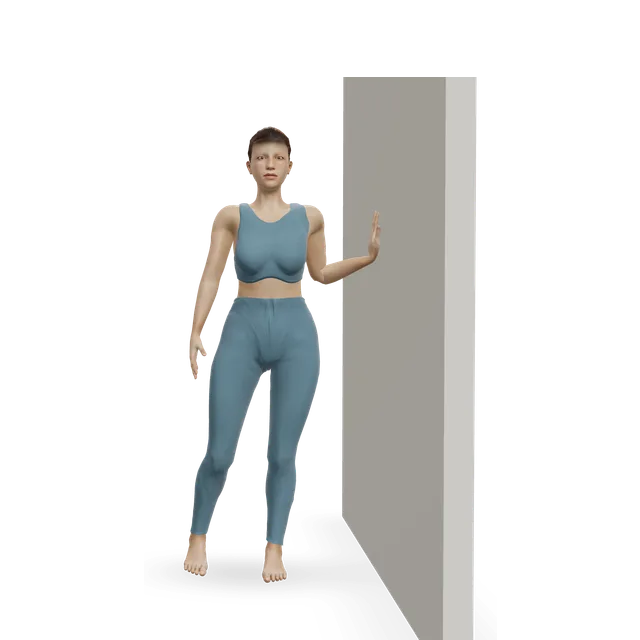 3D demoWall side leg lift (standing side kick at the wall)Beginner · A wall
Plantar fascia stretch: "3 to 5 holds of 10 to 30 seconds, 2 to 3 times a day" (the move page's dose). Calf raise hold: "5 holds of 30 to 45 seconds, once or twice a day" (the move page's dose), keeping pain at about 5 out of 10 or less, as its page says. Seated calf raise: 2 sets of 10 (our editorial starting point).
Our suggestions, from the moves' own cautions and the charities' advice.
The Pilates push-up, leg pull front and back, side bend and knee hover, and the reformer's long stretch: fists, forearms or a wall, or leave them out with swollen fingers or sore wrists.
The kneeling side kick and kneeling on the reformer: pad it, or leave it out with sore knees or skin plaques on the knees.
Source 21
The jump board and long standing on hard floors: leave out with heel pain.
The roll-over, jack knife, rolling like a ball and the seal: their move pages already say to leave them out with a stiff or fused spine.
Stop short with hot, swollen joints. With thin bones, from long-term steroids or after the menopause, the move pages' osteoporosis changes apply.
Pilates for arthritis is the closest to the trial: 25 minutes with no kneeling, including the hundred, single-leg stretch, side kicks and spine twist, plus tendon glides and ankle circles; skip the curl-ups in a flare. The lupus class needs no weight on your hands, the ankylosing spondylitis class works the spine, and the yoga for psoriasis class keeps the room cool and nothing on your hands or knees.
A gentle 25-minute Pilates class for arthritis: lying, side-lying, chair and standing moves, with no kneeling or weight on your hands, and flare-day options.
25 minBeginner16 movesA bench or box, Something with weightA 30-minute Pilates class for lupus with no weight on your hands: a gentle warm-up, balance at a counter, standing and mat strength, and a stretching cool-down.
30 minBeginner16 movesA wall, A bench or boxA 25-minute Pilates class for ankylosing spondylitis and axial SpA: breathing, spinal extension, rotation and hip work, with no rolling or weight on the neck.
25 minBeginner20 movesA wallA 25-minute yoga class for psoriasis: seated and standing poses with nothing on your hands or knees, at room temperature, and a long rest to finish.
25 minBeginner17 movesA bench or box, Firm cushionA 25-minute Pilates class for heel pain: sole and calf stretches before you stand, mat Pilates lying down, heel raises every second day, and short standing work.
25 minBeginner15 movesA bench or box, Other / check instructionsA 15-minute chair Pilates class done entirely sitting down, in a chair or wheelchair: breathing, spine moves, and leg and arm strength with water bottles.
15 minBeginner13 movesA bench or box, Something with weightThe daily stretches and strengthening moves from the SARAH hand trial and NHS hand therapy leaflets: finger bends, finger walking, wrist circles, squeezes and pinches.
15 minBeginner7 movesA dumbbell, A bench or boxThe walking plan builds the aerobic exercise the guidelines advise alongside strength and flexibility work.
These are our psoriatic arthritis exercise guide's lines and our other arthritis guides' lines, word for word, and the heart lines from our other Pilates guides. This is general information, not a diagnosis. A&E means accident and emergency; in the US, call 911 for 999, and use your doctor's urgent line or urgent care for NHS 111.
If you have psoriasis and your skin quickly turns red with white, pus-filled bumps that join together, patches on your feet turn yellow-brown and fill with pus, or red, scaly, pus-filled bumps appear on the tips of your fingers and toes, especially with a fast heartbeat, a high temperature, or feeling hot, cold or shivery.
Source 39
Get help the same day for a hot, swollen joint with a fever, or severe pain and swelling that came on suddenly in one joint.
Infection in a joint (septic arthritis) is more likely if your immune system is weakened. Ask for an urgent GP appointment or contact NHS 111 if you have:
Source 40
NICE asks for an eye assessment the same day for symptoms of eye inflammation (uveitis), such as eye pain, redness, sensitivity to light or blurred vision. The NHS says to ask for an urgent GP appointment or contact NHS 111; untreated, it can cause the loss of some or all of your vision.
Call 999 if your lips, mouth, throat or tongue suddenly swell, or you're struggling to breathe. Tell your doctor or call 111 immediately if you get:
Source 42
Call 999 or go to A&E: loss of feeling or numbness around the genitals or bottom, new trouble peeing or controlling your bladder or bowels, changes in genital sensation during sex or problems with erections or orgasm, or pain, tingling, weakness or numbness in both legs. These are signs of cauda equina syndrome, which needs treating in hospital urgently. Don't drive yourself.
Source 43
Stop if exercise brings sharp pain or swelling, and check how you're doing the move before trying again with less. Stop and get help for chest pain, palpitations (your heart pounding or fluttering) or unusual breathlessness, and rest if you feel feverish or unwell.
Call 999 or go to A&E (accident and emergency) straight away for severe difficulty breathing (gasping, choking or not able to get words out), a chest that feels tight or heavy, pain that spreads to your arms, back, neck and jaw, lips or skin turning very pale, blue or grey, or sudden confusion. If you're more short of breath than usual, or your heart is racing, fluttering or skipping beats, contact NHS 111.
Source 44
You feel any pain or become unwell, as the NHS advises for its Pilates videos, and especially for chest pain or pressure, unusual breathlessness, dizziness or fainting. If you have a health problem, an injury or any symptoms, get advice from a healthcare professional, such as a GP, before you start.
Source 45
The NHS advises getting advice from a healthcare professional first if you have a health problem, an injury or symptoms, or have recently had a heart attack or an operation.
Source 45
The guidelines recommend exercise as part of care, strength training improved function in a trial, and hard interval training didn't increase inflammation on scans. Hot, swollen joints are rested from strengthening, not from movement.
Arthritis UK advises slow, gentle movement during a flare rather than stopping altogether.
Source 9
The one Pilates trial in psoriatic arthritis used mat Pilates only. The reformer is an option, with care for straps on sore feet and kneeling on sore knees.
Source 4
Medicines are the main treatment. Exercise works alongside them, and the one Pilates trial is small and not yet a journal paper.
PAPAA says pool chlorine generally doesn't. Friction and sweat can bother psoriasis in skin folds, so rinse off and wear soft, loose clothes.
Heel enthesitis often settles without a change of treatment. Swap to off-feet work and load the heel gradually, and see your team if it doesn't settle.
Source 15
Probably, as one way to exercise. In the one trial, 48 women who did mat Pilates twice a week for 12 weeks moved more easily and had lower disease activity scores, less tiredness and better quality of life than women on medicines alone. It's a single small trial, not yet a journal paper.
It hasn't been tested; the trial used mat Pilates. The reformer is low impact and fine for many people: pad the straps and the kneeling, and skip the jump board with sore heels.
In the trial, no serious problems were reported, though about a quarter had muscle soreness for 3 to 4 days. Stop if a move brings sharp pain or swelling, and see your team if pain, heat and swelling last more than a few days after exercise.
Scale back rather than stop: gentle range of movement and breathing, no strengthening of hot, swollen joints, then build back up. Ask your team about a flare plan.
Anything with weight on flat hands, such as the push-up, leg pulls and side bend: use fists, forearms or a wall, or leave them out. Tendon glides keep stiff fingers moving.
Heel and Achilles pain from enthesitis is common in psoriatic arthritis. Skip jumping and long standing during a heel flare, use off-feet strength work and gentle calf holds, and see your team if it doesn't settle.
In spinal arthritis, Pilates improved function and disease activity in trials in ankylosing spondylitis, and NICE's programme for spinal disease includes back extension, mobility and deep breathing. Our Pilates for ankylosing spondylitis guide covers it.
Tiredness fell more with Pilates than without in the one trial, but across psoriatic arthritis studies the evidence on fatigue is inconclusive. Short, regular sessions are easier to keep up on tired days.
Sweat and friction can irritate psoriasis in skin folds. Wear soft, loose layers, use your own mat and towel, rinse off after class, and skip heated rooms when your skin is flaring.
The trial used 60 minutes twice a week for 12 weeks. Add walking or other aerobic activity on other days, because heart disease is more common with psoriatic arthritis.
Yes. Medicines are the main treatment for psoriatic arthritis, and exercise works alongside them. Never stop or change them without your team.
Exercise education, not a personal prescription, and clinical review of these guides is pending. If you are pregnant, have a health condition or have had recent surgery, check with a doctor, midwife or physiotherapist before starting, and stop for sharp or increasing pain. Health disclaimer.