Back pain: call 999 or go to A&E
Call 999 or go to A&E: loss of feeling or numbness around the genitals or bottom, new trouble peeing or controlling your bladder or bowels, changes in genital sensation during sex or problems with erections or orgasm, or pain, tingling, weakness or numbness in both legs. These are signs of cauda equina syndrome, which needs treating in hospital urgently. Don't drive yourself.
Call 999 or go to A&E: back pain with chest pain, or back pain that started after a serious accident, such as a car crash.
Source 50
Back pain: get help the same day
Same day (GP or NHS 111): back pain and you feel hot, cold, shivery or generally unwell, or severe pain that starts suddenly or is getting worse quickly.
Same day: leg weakness that is getting worse.
Source 50
Back pain: see a GP
Back pain that hasn't improved after a few weeks of looking after it at home, stops you doing day-to-day activities, worries you, or you're struggling to cope.
Unexplained weight loss, or a lump, swelling or change in the shape of your back.
Pain that doesn't improve with rest or is worse at night, or pain that is worse when you sneeze, cough or poo.
Pain at the top of the back, between the shoulders, rather than in the lower back.
Source 50
During yoga: the back pain rule
Some discomfort during exercise is fine, and it does not mean you are doing damage: the WHO counts "hurt does not necessarily mean harm" among the messages people with back pain need. Aim for pain you would call mild to moderate, no more than about 5 out of 10. It should settle within an hour or so, and your back should be no worse the next morning. If it is worse, do less next time (fewer reps, a smaller range, a lighter load), not nothing.
Source 50
Stress, low mood or burnout
If you are thinking about suicide or can't keep yourself safe, call 999 or go to A&E. For urgent help, call Samaritans free on 116 123, any time, or in England call 111 and select the mental health option. In the US, call or text 988.
Sources 51, 52, 53
Sleep problems: see a GP
Changing your sleep habits hasn't helped, you've had trouble sleeping for months, or it's affecting your daily life in a way that makes it hard to cope.
Your breathing stops and starts while you sleep, you make gasping, snorting or choking noises, or you always feel very tired in the day. If someone has seen it happen, it can help to bring them with you.
Sources 54, 55, 56
Driving home after nights
Don't drive when you feel sleepy. With confirmed sleep apnoea and excessive sleepiness, you must not drive until it's under control.
Sources 54, 55
A painful, swollen leg
Pain and swelling in a leg with breathlessness or chest pain: a blood clot may have travelled to the lungs.
Throbbing pain and swelling in one leg, usually the calf or thigh, with red, blue or darkened skin or swollen veins: a possible blood clot (DVT).
Source 57
Standing keeps getting harder
If standing all shift keeps getting harder week after week, despite breaks and comfortable shoes, see a GP or physiotherapist. In many areas you can refer yourself to NHS physiotherapy, and your manager or occupational health service can help with changes at work (our suggestion).
Sources 50, 23
Pregnant: stop exercising and get advice
Stop exercising and get advice (in the US, call your obstetrician) if you have:
- bleeding from the vagina
- fluid gushing or leaking from the vagina
- regular, painful contractions
- tummy pain
- dizziness or feeling faint
- shortness of breath before you start exercising
- chest pain
- a headache
- muscle weakness
- calf pain or swelling
Sources 58, 59
Pregnant: get help, whether or not you were exercising
Before 12 weeks, contact your GP surgery or early pregnancy unit; from 12 to 19 weeks, your midwife or early pregnancy unit; from 20 weeks, your midwife or maternity unit. Always call 999 (911 in the US) if you think it's a life-threatening emergency. The NHS lists these among the symptoms to get help for:
- a change in your baby's movements
- fluid leaking from your vagina, or vaginal bleeding
- a high temperature
- itchy skin
- stomach, pelvic or back pain that worries you
- breathlessness that comes on suddenly, or with chest pain or dizziness
- a severe headache, sudden vision problems, or sudden swelling of your face, hands, legs or feet
- severe vomiting
Source 59
Back pain in pregnancy
Contact your GP or midwife urgently if you have back pain in your second or third trimester, as it could be a sign of early labour, or back pain with a fever, bleeding from your vagina, pain when you pee, or pain under your ribs on one or both sides. Call 999 or go to A&E if you lose feeling in one or both legs, your bottom or your genitals.
Source 60
Chest pain or fainting: call 999
Call 999 if:
- You get sudden pain or discomfort in your chest that doesn't go away; it can feel like squeezing or pressure, burning or indigestion.
- The pain spreads to your left or right arm, or your neck, jaw, stomach or back.
- You have chest pain and feel sweaty, sick, light-headed or short of breath.
- Someone faints while exercising, can't be woken within 1 minute, or has chest pain or a pounding, fluttering or irregular heartbeat.
Sources 61, 62
Unusual breathlessness
Call 999 or go to A&E (accident and emergency) straight away for severe difficulty breathing (gasping, choking or not able to get words out), a chest that feels tight or heavy, pain that spreads to your arms, back, neck and jaw, lips or skin turning very pale, blue or grey, or sudden confusion. If you're more short of breath than usual, or your heart is racing, fluttering or skipping beats, contact NHS 111.
Source 63
During yoga
A joint pain that is sharp, gets worse during a session, lingers into the next day or changes how you move is a reason to use an easier version, and to see a GP or physiotherapist if it keeps happening (the rule in our plans). Muscle soreness for a day or two after something new is normal. In a hot class, stop if you feel dizzy, sick or unwell; our hot yoga guide lists the signs of heat illness.
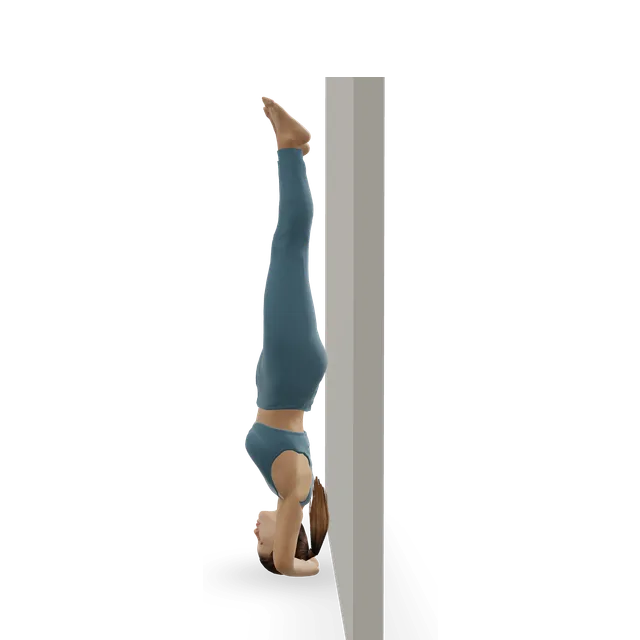
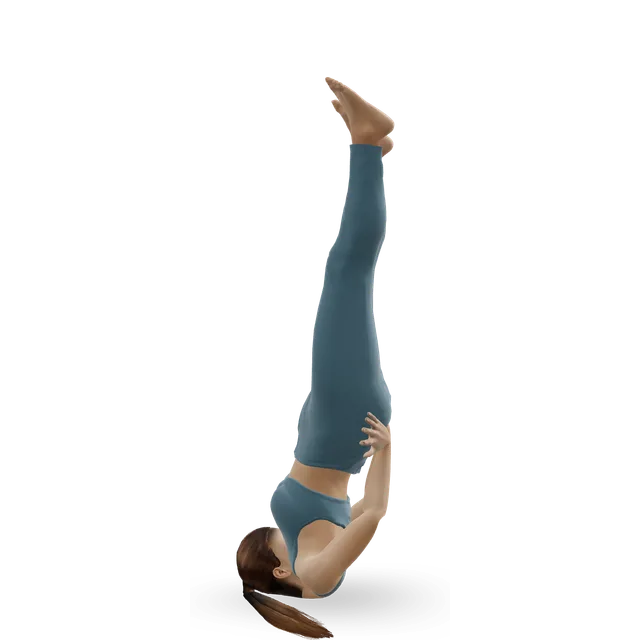
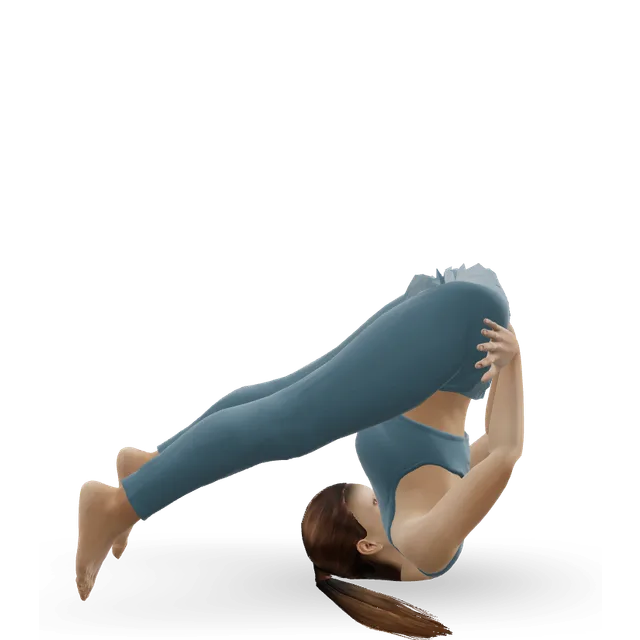
With glaucoma, or high blood pressure that isn't under control, skip headstands, shoulder stands and long head-down holds. With osteoporosis, swap deep forward folds for a flat-back hinge from the hips, and twist smoothly. In pregnancy, our yoga in pregnancy guide covers the changes. NCCIH advises beginners to avoid headstands, shoulder stands, the lotus position and forceful breathing.
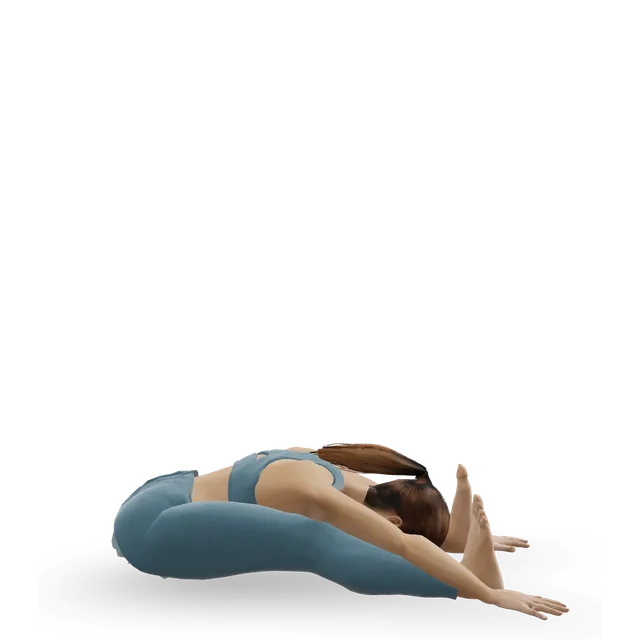
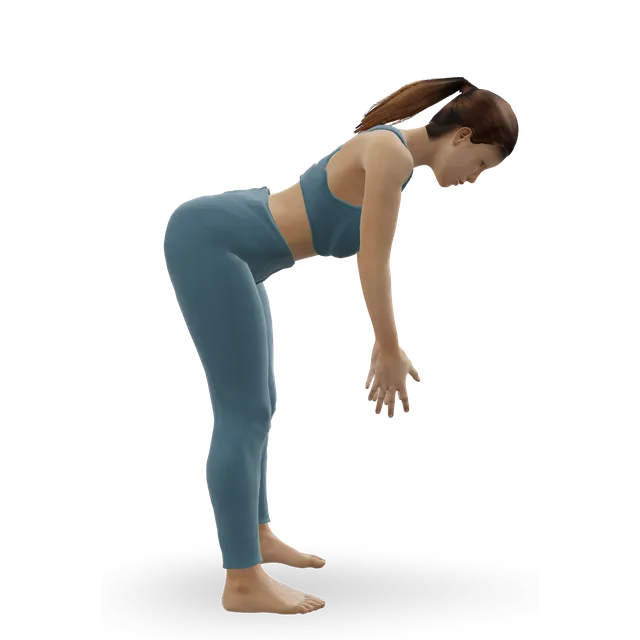
Modify or avoid exercises that round your back deeply or repeatedly, especially with a weight: sit-ups, toe touches, Pilates roll-downs and curl-ups, and extreme yoga forward folds. Bend from the hips instead. You do not need to avoid bending, twisting or lifting altogether: move smoothly and keep your upper back straight.
You can say no to any hands-on adjustment, and a teacher registered with Yoga Alliance must get your explicit consent each time.
Sources 41, 64
Who should check first
The PAR-Q+ (Physical Activity Readiness Questionnaire for Everyone) asks about a heart condition or high blood pressure, chest pain, dizziness or losing consciousness, other long-term conditions and their medicines, a bone or joint problem that activity could make worse, and being told to exercise only under supervision. If you answer yes to any, check with your GP or a qualified exercise professional first. If you're over 45 and not used to hard exercise, ask a qualified exercise professional before the hardest sessions, and delay if you're ill.
Source 65
Work, not just you
If pain or exhaustion comes from handling without equipment, short staffing or missed breaks, report it and talk to occupational health, your manager or your union representative (our suggestion).
Sources 5, 6, 29
Before you start
The NHS advises getting advice from a healthcare professional first if you have a health problem, an injury or symptoms, or have recently had a heart attack or an operation.