Yoga guide

Yoga for veterans: back pain, PTSD and trauma-sensitive classes, sleep, injuries and chair yoga, what the evidence shows, and a class

Yoga can help some veterans move more easily with back pain and feel calmer and safer in their body, as an addition to care, never instead of it. In trials run in the US Department of Veterans Affairs (VA), twice-weekly classes eased back pain a little, and trauma-sensitive yoga helped symptoms of post-traumatic stress disorder (PTSD) over 3 months in women veterans, though guidelines say the evidence isn't strong enough to recommend yoga as a PTSD treatment. Trauma-focused therapy is what helps most people with PTSD.

If you're struggling now, help is in the first section of this page: in the UK, 999, 111 and Samaritans on 116 123, and in England Op COURAGE; in the US, the Veterans Crisis Line (dial 988 then press 1, or text 838255).

This guide covers back pain, PTSD and what a trauma-sensitive class is like, sleep, chair yoga and yoga after injury, and ends with a free 25-minute class you can do sitting or standing at a chair, where every pose is your choice.

If you need help now

Get help straight away

The NHS says a mental health emergency should be taken as seriously as a physical one, and that you will not be wasting anyone's time.

  • Call 999 or go to A&E if your life is at risk: for example, you have seriously harmed yourself or taken an overdose, or you feel you can't keep yourself safe.
  • For urgent help in England, call 111 and select the mental health option, or use 111 online.
  • Call Samaritans on 116 123. It is free, any time, day or night.

Sources 1, 2, 3, 4

Veterans' services

Veterans, reservists and people leaving the forces in England: Op COURAGE, the NHS mental health service for veterans. You can contact it yourself, or ask a GP or a charity to refer you.

US veterans: call 988 and press 1 for the Veterans Crisis Line, or text 838255.

  • The Veterans Crisis Line (US) is 24/7, confidential crisis support for veterans and their loved ones: dial 988 then press 1, chat live, or text 838255. You don't have to be enrolled in VA benefits or health care to connect.

Sources 5, 6, 7

The short version

Yoga is an addition to treatment, never a replacement

US and UK guidelines recommend trauma-focused therapy first for PTSD and make no recommendation for or against yoga. The VA's own PTSD centre says yoga is shown to be safe for people with PTSD, but it's not recommended as a treatment for PTSD.

Sources 8, 9, 10, 11

In veteran trials, yoga eased PTSD symptoms for a while

Trauma-sensitive yoga did about as well as group therapy over 3 months in 131 women veterans after military sexual trauma, but the people rating symptoms knew who had which treatment. A 16-week programme helped at the end of treatment but not 7 months later. Across trials, people rated their own symptoms as better, but clinicians' ratings didn't clearly change.

Sources 12, 13, 14

Back pain: one trial helped a little, one didn't

Twice-weekly classes for 12 weeks helped back pain and everyday function a little in one VA trial; weekly classes did no better than a self-care book in another. The VA and Department of Defense (DoD) back pain guideline makes no recommendation for or against yoga.

Sources 15, 16, 17

A trauma-sensitive class is built on choice

Every pose is optional, the teacher invites rather than instructs, nobody touches you without asking, and you can keep your eyes open and stay sitting or standing. Slow breathing suits most people; skip breath holds and fast breathing if they unsettle you.

Sources 12, 18, 19

Sleep, chair yoga and injuries: little tested

No trial in veterans has made sleep its main outcome; cognitive behavioural therapy for insomnia (CBT-I) is the recommended treatment. There's no trial of chair yoga in veterans, and none in veterans with amputation or spinal cord injury, so chair and wall versions and your rehab team's advice are the way in.

Sources 20, 21

Pain and PTSD come from service, not weakness

In UK ex-regulars who deployed in a combat role, probable PTSD was about three times as common as in support roles, and US veterans report pain more often than non-veterans.

Sources 22, 23

Pain, PTSD and service

How many veteransStrong evidence

The 2021 Census counted 1,853,112 veterans in England and Wales, 3.8% of residents aged 16 and over. In the US there were 15.7 million veterans in 2024, 29.1% of them aged 75 or over. Many are older adults, so chair and standing-at-a-chair options matter.

Sources 24, 25

PainStrong evidence

In a US national survey, 65.5% of veterans reported pain in the past 3 months and 9.1% severe pain, against 56.4% and 6.4% of non-veterans. Severe pain was commoner in veterans with back pain.

Source 23

PTSD and mental healthStrong evidence

In 8,093 serving and ex-serving UK personnel, 6.2% had probable PTSD, rising to 17.1% in ex-serving regulars who had deployed in a combat role, against 5.7% in support roles. In the US, the VA says about 7 in 100 veterans will have PTSD at some point, more among women veterans, and that war zone deployment, training accidents and military sexual trauma can lead to it.

Sources 22, 26

What treats PTSDStrong evidence

Individual trauma-focused therapy, such as cognitive processing therapy (CPT), prolonged exposure or eye movement desensitisation and reprocessing (EMDR). NICE notes that combat trauma can involve situations with no right answer, which can leave shame or guilt, and that people with PTSD may be apprehensive or ashamed and may avoid treatment.

Sources 8, 9

Yoga in the VAStrong evidence

Yoga is one of the complementary approaches the VA must make available to veterans, and the VA says 84% of its sites offer it. Its PTSD centre suggests talking with your mental health provider about how such practices might support your wellbeing during or after PTSD treatment.

Sources 27, 28, 11

Back pain

Twice a week helped a littleEmerging evidence

In 150 veterans with chronic low back pain at a VA centre in California, two 60-minute hatha yoga classes a week for 12 weeks, with practice at home, didn't change everyday function more than waiting at 12 weeks, but did by 6 months (2.5 points on a 24-point scale). Pain eased a little more than waiting, by less than the 1 point out of 10 that most people would notice. Opioid use fell in both groups equally. Pain's interference with life, tiredness and quality of life also favoured yoga.

Sources 15, 29

Once a week didn't beat a bookEmerging evidence

In 120 mostly older veterans with several health conditions, 12 weekly yoga classes, adapted with chairs, straps and blocks, were no better for pain or function than a self-care book. More of the yoga group said they felt much better (39% against 19%), but under half went to 9 or more classes.

Source 16

The guideline: neither for nor againstStrong evidence

The VA and DoD's 2022 back pain guideline found insufficient evidence to recommend for or against yoga, after suggesting it as part of exercise in 2017. It suggests a structured exercise programme led by a clinician.

Source 17

Back pain in generalEmerging evidence

Across 21 trials, yoga gave a small improvement in back pain and function compared with no exercise, about the same as other exercise, with more minor flare-ups than doing nothing. In 75 Gulf War veterans, yoga and pain-focused cognitive behavioural therapy (CBT) didn't differ on the main pain measures.

Sources 30, 31

What this means

Yoga is one reasonable way to stay active with back pain, twice a week if you can, about as good as other exercise. It doesn't replace a physiotherapy or pain programme, and it hasn't been shown to cut painkiller use (our reading of these trials). If you'd rather try Pilates, our Pilates for veterans guide covers it.

PTSD: what the veteran trials show

Our yoga for PTSD guide covers trauma-sensitive yoga for everyone, the full evidence and guidelines, and breathing in more depth.

Therapy first; yoga neither recommended nor ruled outStrong evidence

The VA and DoD recommend individual trauma-focused therapy and find insufficient evidence for or against yoga, adding that such practices might have other benefits for wellbeing and should be supported in people who want them. NICE made no yoga recommendation, noting that 46% of people dropped out of yoga in its trials. The American Psychological Association (APA) found insufficient evidence either way.

Sources 8, 9, 10

Trauma-sensitive yoga in women veteransEmerging evidence

In 131 women veterans with PTSD after military sexual trauma, at two VA systems, 10 weekly 1-hour trauma-sensitive yoga groups did about as well over 3 months as 12 weekly 90-minute groups of cognitive processing therapy, and more finished (65% against 46%). But the people rating symptoms knew which group each woman was in, the therapy was given in groups rather than one to one, follow-up was only 3 months, and therapy completers kept improving while yoga levelled off.

Source 12

A 16-week programme: helpful, then fadedEmerging evidence

In 209 people with PTSD, 91% of them veterans, a 16-week yoga programme lowered PTSD symptoms more than a wellness programme at the end of treatment, but not 7 months later. Feeling better in yourself and less stigma explained the benefit best, not body awareness.

Sources 13, 32

A breathing programmeEmerging evidence

In 85 veterans, a yoga breathing programme with about twice the contact time did no worse than one-to-one therapy on a PTSD checklist for a year, but worse on depression at a year. A Kripalu yoga trial lost most of its participants and found no difference, and the largest planned trial, in 192 veterans, hasn't reported yet.

Sources 33, 34, 35

Pooled: self-rated, short-termMixed evidence

Across 20 trials, people rated their own PTSD symptoms as better straight after yoga, but the difference didn't last and clinicians' ratings didn't clearly change. Against an attention control, the effect was small and uncertain. A 2026 review of veterans found low-quality evidence that movement-based yoga may not reduce PTSD symptoms.

Sources 14, 36, 37

Pain and PTSD togetherEmerging evidence

Across 30 trials, mind-body therapies, yoga among them, didn't beat other active treatments for PTSD or pain, while trauma-focused treatments helped both. The authors say treatment for both should include a trauma-focused therapy part.

Source 38

What a trauma-sensitive class is like

Choice, not ordersStrong evidence

Trauma-sensitive yoga is built on noticing your body, invitational language, choice, no pressure, and a teacher who practises alongside you. The UK's working definition of trauma-informed practice rests on safety, trust, choice, collaboration, empowerment and cultural consideration, and says it is not itself a treatment.

Sources 12, 18

What you can ask for (our suggestions)

From these principles, a class can offer:

  • Eyes open, and sitting or standing poses before any lying down.
  • A place near the door, and the same order each week.
  • Every pose optional, with a chair or wall version.
  • No hands-on adjustment unless you agree, each time.
  • A quiet room without sudden noises or loud music.
  • Permission to stop, sit and look around at any point.

Sources 18, 9, 52

BreathingEmerging evidence

Slow breathing suits most people. In a trial in 74 people with PTSD, adding fast breathing and breath holds to therapy led some to report anxiety or a feeling of being constricted, and one had a flashback during a breath hold. Skip breath holds and fast breathing such as breath of fire if they unsettle you.

Sources 19, 51

Things can come upEmerging evidence

Meditation and mind-body practices can bring a temporary rise in anxiety or low mood for some people, including people with no history of mental health problems. Feeling emotional in a pose is common; it isn't a sign that anything is being released, and you can stop at any time.

Sources 40, 39

Sleep

Little tested in veteransMixed evidence

No trial of yoga or yoga nidra in veterans has made sleep its main outcome. In the breathing programme trial, sleep diaries improved a little with both treatments, but sleep measured on a wrist monitor didn't change. Small studies without a comparison group, including yoga nidra in women veterans, report better sleep.

Sources 41, 42

What treats insomniaStrong evidence

The VA and DoD recommend CBT-I for chronic insomnia and find insufficient evidence for or against yoga. A gentle evening practice can sit alongside it; if lying still with your eyes closed brings up memories, sit up and keep your eyes open (our suggestion).

Source 20

Chair yoga, injuries and older veterans

No chair yoga trials in veteransStrong evidence

Our searches found no trial of chair yoga in veterans, and no yoga study in veterans with an amputation or spinal cord injury.

Source 21

What has been triedMixed evidence

A pilot of yoga after stroke, run through a VA centre, found no difference from a waiting list. Telehealth yoga was acceptable to older rural veterans but didn't ease loneliness. In older veterans after cancer, the yoga had to be adapted a lot for each person.

Sources 43, 44, 45

Getting started

The VA's yoga guidance says yoga can be used by most people, including courses for wheelchair users, and that a clinician should check first if other health issues might pose risks. Use the chair and wall versions in this guide, and ask your physiotherapist or rehab team first after an amputation, spinal cord injury, brain injury or stroke.

Source 28

Arrive, sitting

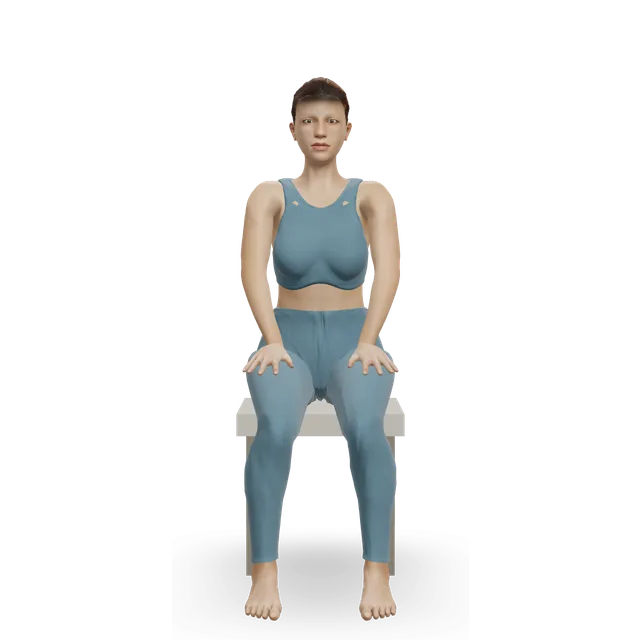
Eyes open, feet on the floor. Slow breathing: "At least 5 minutes, done regularly as part of your daily routine" (the move page's dose), with no holds and counting optional. Seated march: "1 to 2 minutes as a warm-up" (the move page's dose). Breath reach: "5 breaths, exhale longer than inhale" (the move page's dose), sitting or standing.

Back and spine, in a chair

Seated side bend: "Hold 10 to 20 seconds, 2 or 3 times each side" (the move page's dose), both sitting bones on the chair. Thoracic rotation: "6 rotations per side, moving with the breath" (the move page's dose). Cat-cow: "8 waves, slower than feels natural" (the move page's dose), seated with your hands on your knees, or on all fours if that feels right. Table slide: "10 slow repetitions, 1 to 3 times a day" (the move page's dose).

Standing, with a chair beside you

Mountain pose: "Stand for 5 to 10 slow breaths, 2 or 3 times" (the move page's dose), a hand on the chair if you like. Sit to stand, 8 slow reps from a firm chair (our desk yoga class). Chair pose, 2 holds of 3 to 5 breaths; warrior II, 5 breaths each side, as deep or as shallow as you like; tree pose, 5 breaths each side, hand on the chair (all our trauma-sensitive yoga practice).

For the lower back, lying or sitting (optional)

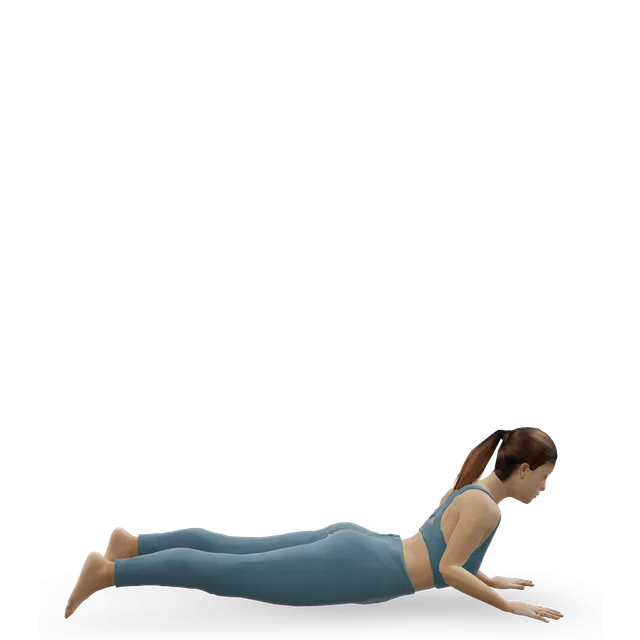
Pelvic tilts, 8 slow tilts, and low cobra, 5 lifts with 2 breaths at the top (both our yoga for back pain class); skip low cobra if arching sends symptoms down a leg. Knees to chest: "Hold 20 to 30 seconds, 2 to 4 times" (the move page's dose). Hip windshield wipers: "10 slow passes side to side, 2 rounds" (the move page's dose). Child's pose: "Hold 1 to 3 minutes, breathing into the back ribs" (the move page's dose); skip it if folding forward with your head down feels uneasy.

Finish, sitting up

Easy pose, 2 minutes, or sit on the chair, eyes open, resting your gaze on something in the room (our trauma-sensitive yoga practice). Corpse pose only if lying still feels safe: "Lie still for at least 5 minutes, up to 10" (the move page's dose), knees bent, eyes open is fine.

Poses to change or leave out

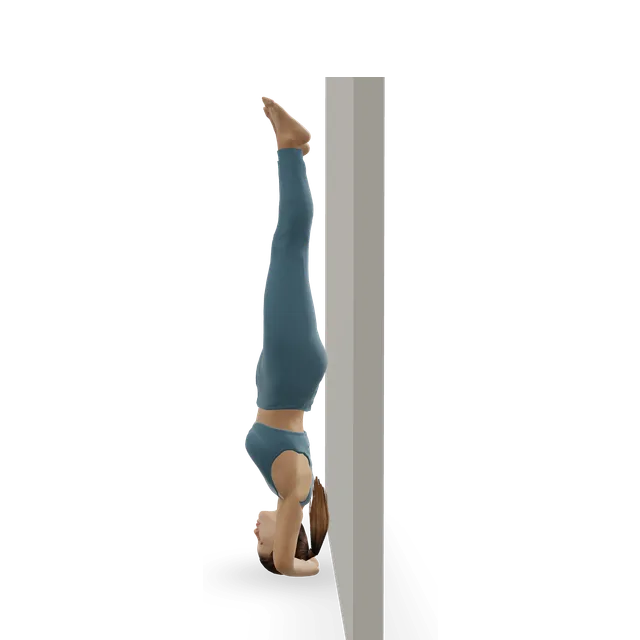
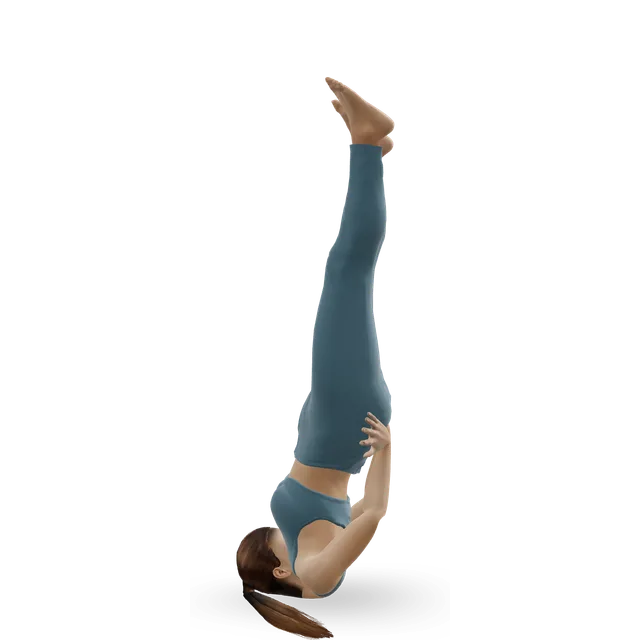
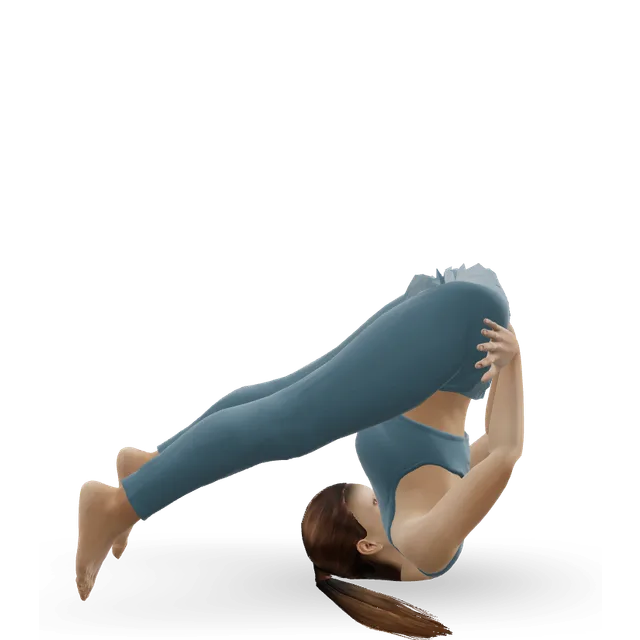
Leave out breath holds and fast breathing: skip the holds in box and 4-7-8 breathing, and any breath of fire; use slow breathing instead. Lying still with your eyes closed, poses on all fours or face down, and child's pose with your head down are always optional. Leave out headstands, shoulder stands and plough. In a wheelchair or after an amputation, use the seated versions and ask your rehab team about standing work.

A class and practices to follow

Our 25-minute class: our own selection, sitting then standing at a chair with an optional back block, untested as a whole. Our trauma-sensitive yoga practice is the core class for PTSD; seated chair yoga and the wheelchair workout need no standing.

Yoga for veterans: a 25-minute class you can choose your way through, sitting, then standing at a chair, with a back block and an eyes-open finish

A 25-minute yoga class for veterans: sitting, then standing at a chair, an optional back block and an eyes-open finish, with every pose your choice.

25 minBeginner15 movesBench or box

Trauma-sensitive yoga: a gentle practice where you choose

A gentle 20-minute yoga practice, sitting and standing with your eyes open, where every pose is optional and you can stop at any point.

20 minBeginner11 movesBench or box

Seated chair yoga: 15 minutes, no standing

A 15-minute chair yoga routine done entirely sitting: slow breathing, neck, shoulder and wrist stretches, seated twists and side bends, and a calm finish.

15 minBeginner16 movesBench or box

Chair yoga for seniors

A free 20-minute chair yoga class for older adults: slow breathing, gentle seated stretches and twists, standing poses holding the chair, and a calm finish.

20 minBeginner18 movesBench or box, something with weight

Yoga for back pain (gentle beginner sequence)

A gentle 20-minute yoga sequence for back pain, based on the first weeks of a 12-week trial programme: lying, all-fours and standing poses, then rest.

20 minBeginner12 movesFirm cushion

Wheelchair workout: seated cardio and shoulder-protecting strength

A 30-minute workout in your wheelchair: a warm-up, seated cardio, four shoulder exercises from a trial programme, and stretches for the front of the shoulders.

30 minBeginner14 movesBench or box, band

Gentle yoga for beginners

A 25-minute gentle yoga class for complete beginners and over-50s: slow breathing, a warm-up, supported standing poses, floor poses and a closing rest.

25 minBeginner14 movesNo equipment

Warning signs and where to get help

These are the warning signs from our yoga for PTSD, back pain, Pilates for nurses and yoga guides, word for word, with the veterans' services in their own words. This is general information, not a diagnosis. A&E means accident and emergency; in the US, call 911 for 999.

Call 999 (911 in the US) or go to A&E now

Call 999 or go to A&E if:

  • Your life is at risk: for example, you have seriously harmed yourself or taken an overdose.
  • You feel you may be about to harm yourself, or you can't keep yourself or someone else safe.

Sources 1, 2

Get urgent help today

In England, call 111 and select the mental health option, use 111 online, or ask for an urgent GP appointment.

Call Samaritans free on 116 123, any time, day or night (UK and Ireland). If you're under 19, you can also call Childline on 0800 1111.

Text SHOUT to 85258, any time.

Contact your mental health crisis team if you have one.

In the US, call or text 988, the 988 Suicide and Crisis Lifeline, any time. Veterans can call 988 and press 1, or text 838255.

Sources 1, 2, 3, 4, 6, 7

Veterans and service leavers

In England, Op COURAGE is the NHS mental health service for people leaving the forces, reservists, veterans and their families. You can contact it yourself or through a GP or a charity, however long ago you left.

Source 5

Veterans' services in their own words

What each service says about itself:

  • Veterans Crisis Line (US): "Available 24/7: Dial 988 then Press 1, chat live, or text 838255." "Your call is free and confidential, and you decide how much information to share."
  • Op COURAGE (England): "Op COURAGE is an NHS mental health specialist service designed to help serving personnel due to leave the military, reservists, armed forces veterans and their families." "It does not matter how long ago you left the armed forces or how long you served for."
  • Combat Stress (UK-wide), as the NHS describes it: "The helpline number is 0800 138 1619, and it's available 24 hours a day, 365 days a year."
  • Veterans' NHS Wales: a "Specialised, priority service for individuals who have served in the Armed Forces"; it takes self-referrals. Tel: 029 2183 2261. It isn't a crisis line.
  • Northern Ireland: physiotherapy and psychological help "is available to eligible veterans to counter physical and mental conditions caused by or made worse by military service". Telephone: 07387050564. It isn't a crisis line.
  • VALOUR (UK-wide): "VALOUR is a UK-wide service that helps veterans and their families find the support they need." "You don't have to be in crisis to use VALOUR." 0808 1914 218.
  • GOV.UK: "Tell your GP you've served in the armed forces. It doesn't matter how long you served or when you left the armed forces."

Sources 7, 5, 46, 47, 48, 49

See a GP or your mental health team

If you're 18 or over (or 16 or over in some areas), you can also refer yourself to NHS talking therapies without seeing a GP.

The NHS says don't stop taking PTSD medicine unless you're told to by a doctor, even if you feel better.

Sources 50, 9

During or after yoga

A flashback, panic or feeling cut off from your surroundings: stop, sit with your feet on the floor, look around and breathe slowly, then tell your therapist (our suggestion).

A breathing exercise brings on panic, dizziness, tingling or a feeling of being smothered: stop it and breathe normally.

If yoga keeps making symptoms worse, change the setting or the type of practice rather than pushing through, and talk to your therapist (our suggestion).

Sources 19, 51, 9

Touch

You can say no to any hands-on adjustment, and a teacher registered with Yoga Alliance must get your explicit consent each time.

Source 52

Back pain: call 999 or go to A&E

Call 999 or go to A&E: loss of feeling or numbness around the genitals or bottom, new trouble peeing or controlling your bladder or bowels, changes in genital sensation during sex or problems with erections or orgasm, or pain, tingling, weakness or numbness in both legs. These are signs of cauda equina syndrome, which needs treating in hospital urgently. Don't drive yourself.

Call 999 or go to A&E: back pain with chest pain, or back pain that started after a serious accident, such as a car crash.

Source 53

Back pain: get help the same day

Same day (GP or NHS 111): back pain and you feel hot, cold, shivery or generally unwell, or severe pain that starts suddenly or is getting worse quickly.

Same day: leg weakness that is getting worse.

Source 53

Back pain: see a GP

Back pain that hasn't improved after a few weeks of looking after it at home, stops you doing day-to-day activities, worries you, or you're struggling to cope.

Pain that doesn't improve with rest or is worse at night, or pain that is worse when you sneeze, cough or poo.

Unexplained weight loss, or a lump, swelling or change in the shape of your back.

Source 53

Chest pain or fainting: call 999

Call 999 if:

  • You get sudden pain or discomfort in your chest that doesn't go away; it can feel like squeezing or pressure, burning or indigestion.
  • The pain spreads to your left or right arm, or your neck, jaw, stomach or back.
  • You have chest pain and feel sweaty, sick, light-headed or short of breath.
  • Someone faints while exercising, can't be woken within 1 minute, or has chest pain or a pounding, fluttering or irregular heartbeat.

Sources 54, 55

Unusual breathlessness

Call 999 or go to A&E (accident and emergency) straight away for severe difficulty breathing (gasping, choking or not able to get words out), a chest that feels tight or heavy, pain that spreads to your arms, back, neck and jaw, lips or skin turning very pale, blue or grey, or sudden confusion. If you're more short of breath than usual, or your heart is racing, fluttering or skipping beats, contact NHS 111.

Source 56

During yoga

A joint pain that is sharp, gets worse during a session, lingers into the next day or changes how you move is a reason to use an easier version, and to see a GP or physiotherapist if it keeps happening (the rule in our plans). Muscle soreness for a day or two after something new is normal. In a hot class, stop if you feel dizzy, sick or unwell; our hot yoga guide lists the signs of heat illness.

With glaucoma, or high blood pressure that isn't under control, skip headstands, shoulder stands and long head-down holds. With osteoporosis, swap deep forward folds for a flat-back hinge from the hips, and twist smoothly. In pregnancy, our yoga in pregnancy guide covers the changes. NCCIH advises beginners to avoid headstands, shoulder stands, the lotus position and forceful breathing.

Modify or avoid exercises that round your back deeply or repeatedly, especially with a weight: sit-ups, toe touches, Pilates roll-downs and curl-ups, and extreme yoga forward folds. Bend from the hips instead. You do not need to avoid bending, twisting or lifting altogether: move smoothly and keep your upper back straight.

Source 57

Sleep problems: see a GP

Changing your sleep habits hasn't helped, you've had trouble sleeping for months, or it's affecting your daily life in a way that makes it hard to cope.

Your breathing stops and starts while you sleep, you make gasping, snorting or choking noises, or you always feel very tired in the day. If someone has seen it happen, it can help to bring them with you.

Sources 58, 59, 60

Before you start

The NHS advises getting advice from a healthcare professional first if you have a health problem, an injury or symptoms, or have recently had a heart attack or an operation.


Myths

"Yoga cures PTSD, or can replace therapy"Strong evidence

The VA says yoga is not recommended as a treatment for PTSD, and guidelines put trauma-focused therapy first. Self-rated benefits fade, clinicians' ratings don't clearly change, and treatment for pain with PTSD needs a trauma-focused part.

Sources 11, 8, 14, 38

"Trauma is stored in the hips and released by poses"Mixed evidence

No study we found tests this. Feeling emotional in a pose is common and not a sign that trauma is leaving the body; trauma-focused therapy is what treats PTSD.

Source 9

"Yoga cut veterans' opioid use"Emerging evidence

In the VA trial cited for this, opioid use fell in both groups equally. In the other VA trial, pain medicine use didn't differ.

Sources 15, 16

"Breath of fire and breath holds help trauma"Emerging evidence

In one trial, fast breathing and breath holds unsettled some people with PTSD, and one had a flashback during a breath hold. Slow breathing is the gentler choice.

Source 19

"Yoga is only for flexible people, or not for veterans"Emerging evidence

The VA trial classes used chairs, straps and blocks, and the VA's guidance says most people can use yoga, including wheelchair users.

Sources 16, 28

Questions people ask

Is yoga good for veterans?

It can help some veterans with back pain, stress and PTSD symptoms, as an addition to care. In VA trials, yoga eased back pain a little in one trial and not in another, and trauma-sensitive yoga helped PTSD symptoms over 3 months in women veterans. It's safe for most people, but no guideline recommends it as a treatment for PTSD.

Does yoga help veterans with PTSD?

It may ease symptoms for a while, but it isn't a treatment on its own. Trauma-focused therapy is what helps most, and guidelines make no recommendation for or against yoga. Use yoga alongside therapy or while you wait for it; our yoga for PTSD guide covers trauma-sensitive yoga in full.

What is trauma-sensitive yoga?

A gentle class built on choice: invitational language, every pose optional, no pressure and no hands-on adjustments without your agreement. It follows trauma-informed principles of safety, trust, choice, collaboration, empowerment and cultural consideration.

Is chair yoga good for veterans?

Yes, as a way to move with pain, injury or limited balance, though no trial has tested chair yoga in veterans. The VA says most people can use yoga, including wheelchair users, and our class can be done sitting.

Is yoga nidra good for veterans?

Small studies without a comparison group, including women veterans after military sexual trauma, reported benefits, but there are no good trials. Lying still with your eyes closed can bring up memories for some people, so keep your eyes open or sit up if you need to, and keep going with therapy.

Can yoga help back pain from service?

A little, for some people: twice-weekly classes for 12 weeks helped function at 6 months in one VA trial, but once a week did no better than a self-care book in another. The VA and DoD back pain guideline neither recommends nor rules it out.

Can yoga help me sleep?

It hasn't been properly tested for sleep in veterans. CBT for insomnia is the recommended treatment, and a gentle evening practice can sit alongside it.

Will yoga let me cut my pain medicine?

It hasn't been shown to: in the VA trial, opioid use fell in both groups equally. Don't change any medicine without talking to your prescriber.

What if a pose brings up a flashback?

Stop, sit with your feet on the floor, look around the room and breathe slowly, then tell your therapist. Skip breath holds and fast breathing if they unsettle you, and leave out any pose that doesn't feel safe.

Can I do yoga after an amputation or with a spinal cord injury?

Yes, with seated and wall versions and your rehab team's advice first. No study has tested yoga in veterans with an amputation or spinal cord injury, so our amputee and spinal cord injury guides are the place to start.

Does the VA offer yoga?

Yes: yoga is one of the complementary approaches the VA must make available to veterans, and it says 84% of its sites offer it. Ask your VA care team; in the UK, ask your GP or Op COURAGE about mental health support.

Where can I get help right now?

In the UK, call 999 in an emergency, 111 and select the mental health option, or Samaritans on 116 123; in England, Op COURAGE supports veterans. In the US, dial 988 then press 1 for the Veterans Crisis Line, or text 838255.

Sources

  1. NHS · Where to get urgent help for mental health (past its review date: reviewed April 2023, review due April 2026)
  2. NHS · Help for suicidal thoughts
  3. Samaritans · Contact a Samaritan: 116 123, free, any time
  4. SAMHSA · 988 Suicide and Crisis Lifeline (US Substance Abuse and Mental Health Services Administration)
  5. NHS · Mental health support for veterans, service leavers and reservists, including Op COURAGE and the Combat Stress helpline
  6. US Department of Veterans Affairs, National Center for PTSD · How common is PTSD in adults? (with the Veterans Crisis Line: 988, then 1)
  7. Veterans Crisis Line (US) · Dial 988 then press 1, text 838255 or chat, 24/7 (read in full)
  8. VA/DoD 2023 · Clinical practice guideline for the management of PTSD and acute stress disorder (read in full)
  9. NICE NG116 · Post-traumatic stress disorder: recommendations and evidence review (National Institute for Health and Care Excellence; read in full)
  10. APA 2025 · Clinical practice guideline for the treatment of PTSD in adults (American Psychological Association; read in full)
  11. US Department of Veterans Affairs, National Center for PTSD · Complementary and integrative health (CIH) and PTSD (read in full)
  12. Zaccari 2023 · Trauma-sensitive yoga or group cognitive processing therapy: 131 women veterans after military sexual trauma (randomised trial, JAMA Netw Open; read in full)
  13. Davis 2020 · A 16-week yoga programme for PTSD: 209 veterans and civilians (randomised trial, Psychol Trauma)
  14. Nejadghaderi 2024 · Yoga for PTSD: 20 trials, 954 people (systematic review and meta-analysis, Psychiatry Res; read in full)
  15. Groessl 2017 · Yoga for 150 military veterans with chronic low back pain (randomised trial, Am J Prev Med; read in full)
  16. Roseen 2023 · Weekly yoga or a self-care book for 120 veterans with chronic low back pain (randomised trial, J Gen Intern Med; read in full)
  17. VA/DoD 2022 · Clinical practice guideline for the diagnosis and treatment of low back pain (US Department of Veterans Affairs and Department of Defense; read in full)
  18. Office for Health Improvement and Disparities 2022 · Working definition of trauma-informed practice (UK government guidance; read in full)
  19. Haller 2023 · Yoga breathing with breath holds added to trauma-focused CBT: 74 people (randomised trial, Front Psychiatry; read in full)
  20. VA/DoD 2025 · Clinical practice guideline for chronic insomnia disorder and obstructive sleep apnea (read in full)
  21. PubMed · Searches for yoga studies in veterans with amputation (0 records) or spinal cord injury (2, neither relevant), and chair yoga in veterans (10, none a chair yoga study) (1 November 2026)
  22. Stevelink 2018 · Mental health of 8,093 serving and ex-serving UK personnel after Iraq and Afghanistan (cohort study, Br J Psychiatry; read in full)
  23. Nahin 2017 · Severe pain in US veterans compared with non-veterans: 67,696 adults (national survey, J Pain)
  24. ONS 2022 · UK armed forces veterans, England and Wales: Census 2021, with the 2024 and 2025 estimates (Office for National Statistics; read in full)
  25. US Census Bureau 2025 · Veterans Day 2025: facts for features (2024 American Community Survey; read in full)
  26. US Department of Veterans Affairs, National Center for PTSD · How common is PTSD in veterans? (read in full)
  27. Veterans Health Administration 2022 · Directive 1137: provision of complementary and integrative health (read in full)
  28. US Department of Veterans Affairs, Whole Health Library · Yoga (clinician overview; read in full)
  29. Groessl 2020 · Secondary outcomes of the same veterans' back pain trial (Int J Yoga Therap; read in full)
  30. Wieland 2022 · Yoga for chronic non-specific low back pain: 21 trials, 2,223 people (Cochrane review)
  31. Bayley 2021 · Yoga or CBT for chronic pain in 75 Gulf War veterans (randomised trial, J Psychiatr Res)
  32. Davis 2023 · What explained the benefit in the same yoga trial (secondary analysis, Acta Neuropsychiatr)
  33. Bayley 2022 · A yoga breathing programme or cognitive processing therapy: 85 veterans with PTSD symptoms (non-inferiority trial, BMJ Open; read in full)
  34. Reinhardt 2018 · Kripalu yoga for veterans with PTSD: 51 randomised, 15 analysed (randomised trial, J Clin Psychol)
  35. Lang 2021 · Yoga or non-aerobic exercise for 192 veterans with PTSD (trial protocol, Contemp Clin Trials Commun)
  36. Cramer 2018 · Yoga for PTSD: 7 trials, 284 people (systematic review and meta-analysis, BMC Psychiatry)
  37. Ashoorion 2026 · Complementary approaches for PTSD in veterans: 40 studies, 3,321 people (rapid review and meta-analysis, J Mil Veteran Fam Health; read in full)
  38. O'Donnell 2026 · Non-drug treatments for chronic pain with PTSD: 30 trials, 3,245 people (systematic review and meta-analysis, Pain; read in full)
  39. Zaccari 2026 · Self-managed yoga, meditation and tai chi for chronic pain and PTSD: 27 reviews (umbrella review, J Gen Intern Med)
  40. Farias 2020 · Adverse events in meditation: 83 studies (systematic review, Acta Psychiatr Scand)
  41. Mathersul 2023 · Sleep in the veterans' breathing programme and CPT trial (secondary analysis, Depress Anxiety)
  42. Pence 2014 · iRest yoga nidra for women veterans after sexual trauma: 15 enrolled, 10 finished (pilot study, Int J Yoga Therap)
  43. Schmid 2012 · Yoga after stroke: 47 people, through a VA medical centre (pilot randomised trial, Stroke)
  44. Teo 2025 · Telehealth yoga for loneliness: 70 rural older VA patients (randomised trial, Aging Ment Health)
  45. King 2014 · Yoga therapy adapted for 14 older veterans after cancer (pilot study, Int J Yoga Therap)
  46. Office for Veterans' Affairs and Ministry of Defence 2024 · Managing your mental health as a veteran (GOV.UK; read in full)
  47. Veterans' NHS Wales · Mental health service for people who have served (read in full)
  48. Ministry of Defence · Support for veterans in Northern Ireland and the Republic of Ireland (GOV.UK, updated September 2025; read in full)
  49. Office for Veterans' Affairs · VALOUR: the UK-wide veteran support service (GOV.UK campaign site; read in full)
  50. NHS · PTSD (post-traumatic stress disorder)
  51. Marchant 2025 · Box, 4-7-8 and 6-breaths-a-minute breathing compared (lab study, Appl Psychophysiol Biofeedback)
  52. Yoga Alliance · Code of conduct: consent before hands-on adjustments
  53. NHS · Back pain
  54. NHS · Chest pain (past its review date: reviewed August 2023, review due August 2026)
  55. NHS · Fainting
  56. NHS · Shortness of breath
  57. NCCIH 2023 · Yoga: effectiveness and safety (US National Center for Complementary and Integrative Health)
  58. NHS · Insomnia
  59. NHS · Sleep apnoea
  60. NHS · Snoring (past its review date: reviewed August 2023, review due August 2026)

Exercise education, not a personal prescription, and clinical review of these guides is pending. If you are pregnant, have a health condition such as glaucoma, high blood pressure or osteoporosis, or have had recent surgery, check with a doctor, midwife or physiotherapist before starting, and stop for sharp or increasing pain. Health disclaimer.