Pilates
After-shift Pilates for nurses: a 20-minute class with your legs up, a gentle lower back, hips, neck and shoulders, and a wind-down for sleep
A gentle 20-minute Pilates class for after a shift, including a night shift. It starts with your legs up after hours on your feet, takes the lower back through small, comfortable movements, works the hips and upper back lying on your side, moves on all fours, eases the neck and shoulders sitting down, and ends with slow breathing to wind down. There are no hard trunk holds, nothing loaded and no standing balance, on purpose. It doesn't replace your employer's equipment, breaks or moving and handling training. No trial has tested this class.
Legs up and breathe
- Legs up the wall (Viparita Karani)3 to 5 minBeginner · Hamstrings, Calves · 3D demoOr lie with your legs on cushions; prop up your upper body if lying flat makes you dizzy. Ask your eye doctor first with glaucoma, and don't raise your hips with high blood pressure that isn't under controlHarder: Plow pose (Halasana)
- Beginner · Abs · 3D demoLegs still resting up; breathe into the sides of your ribsHarder: Roll-up (Pilates)
- Ankle circles10 pumps, then 5 circles each wayBeginner · Calves, Shins · 3D demoPoint and pull your toes, then circle each ankleHarder: Ankle CARs (controlled articular rotations)



A gentle lower back
- Pelvic tilt into bridge6 slow repsBeginner · Glutes, Abs, Hamstrings · 3D demoSmall range at firstHarder: Glute bridge
- Dead bug heel taps6 each sideBeginner · Abs, Hip flexors · 3D demoBack resting on the floor; breathe out as each heel lowersEasier: Bent-knee fall-outHarder: Forearm plank
- Hip windshield wipers10 slow passesBeginner · Glutes, Adductors · 3D demoKnees together, small and slowEasier: Supine heel slideHarder: 90/90 switch



Hips and upper back, on your side
- Clamshell10 each sideBeginner · Hip abductors, Glutes · 3D demoA pillow between your knees if your hips are soreEasier: Supine isometric hip abduction (belt press)Harder: Lateral band walk
- Side-lying open book5 each sideBeginner · Back, Chest, Shoulders · 3D demoPause at the end of each opening; a cushion under your headHarder: Thoracic rotation


On all fours
- Cat-cow6 slow roundsBeginner · Back, Abs · 3D demoPain-free rangeHarder: Half lord of the fishes (Ardha Matsyendrasana)
- Bird dog5 each sideBeginner · Back, Abs, Glutes · 3D demoHold each for 3 breaths; fists if your wrists are soreEasier: Bird dog, one limb at a timeHarder: Bear crawl


Neck and shoulders, sitting
- Chin tuck5 reps, 3 s holdBeginner · Neck · 3D demoSlide your head straight back, as if making a double chin, without tipping your nose downEasier: Lying chin tuckHarder: Isometric neck holds (four-way)
- Thoracic rotation5 each sideBeginner · 3D demoSeated, arms crossed on your chest; turn only as far as is comfortableEasier: Side-lying open bookHarder: World's greatest stretch


Wind down
- Beginner · Back, Shoulders, Glutes · 3D demoKnees wide if your hips or a bump need roomHarder: Extended puppy pose (Uttana Shishosana)
- Beginner · 3D demoIn for about 4, out for about 6, no holdsEasier: Breath reachHarder: Crocodile breathing (prone diaphragmatic breathing)


Tips
- After a shift or on a day off, two or three times a week (our suggestion). On days off, our Pilates for back pain or Pilates strength classes are stronger sessions.
- After a night shift, keep the lights low and go to bed when you feel sleepy; the Health and Safety Executive advises avoiding vigorous exercise before sleep. Don't drive when you feel sleepy.
- Stop or shrink any move that sends pain, pins and needles or numbness further down your leg, as our back pain rule says.
- In pregnancy, after the first trimester, prop your upper body up on pillows instead of lying flat, and skip the legs-up block if it makes you dizzy.
- To get up after the legs-up block, roll onto your side, sit for a minute or so, then stand slowly.
- This class doesn't replace your employer's equipment, breaks or moving and handling training.
The doses are suggested starting points, not a prescription. Choose a range you can control and stop for sharp or increasing pain, numbness or tingling. Get individual advice after an injury or surgery, or if you are pregnant or managing a health condition.
Guides that recommend it
Find more moves like these
More pilates


Beginner Pilates workout
A 20-minute mat Pilates workout for complete beginners. It covers breathing, spine position and the foundation moves, each with an easier option.
20 minBeginner13 movesNo equipment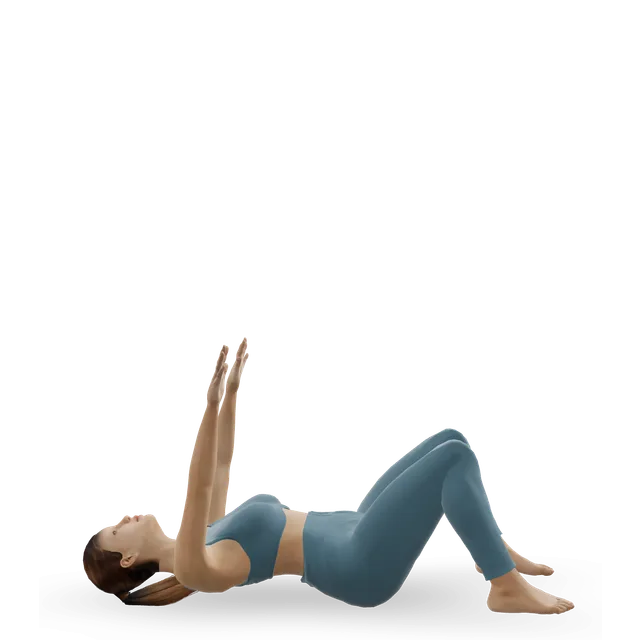

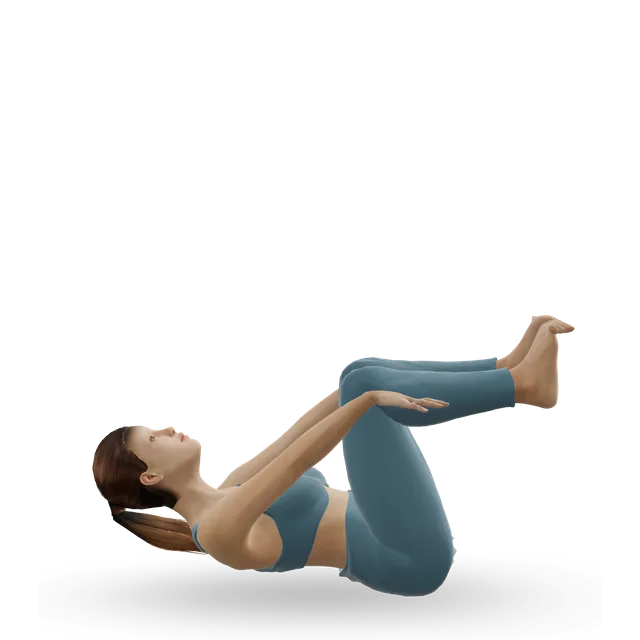
10-minute Pilates abs
Ten minutes of the classic Pilates abdominal series: the hundred, the roll-up and the series of five, with a plank to finish.
10 minIntermediate11 movesNo equipment
Full-body mat Pilates workout
A 30-minute intermediate mat Pilates class that follows the classical order, from the hundred to the push-up, with prep versions of the hardest moves.
30 minIntermediate22 movesNo equipmentQuestions people ask
How long does the after-shift pilates for nurses: a 20-minute class with your legs up, a gentle lower back, hips, neck and shoulders, and a wind-down for sleep take?
About 20 minutes, including any warm-up and cool-down listed. Shorten it by doing fewer rounds; lengthen it by adding one.
What equipment do I need?
You need: A wall. Each move links to its guide, where you can find an alternative if you are missing something.
Is it suitable for beginners?
It is written for beginners. 7 of its 14 moves have an easier option listed beside them if you need one.
How do I make it easier or harder?
Use the easier or harder option listed under each move, change the number of rounds, or adjust the rest. Progress one change at a time.