Pain guide · Foot pain

Foot pain when standing up: first steps after rest, the heel and arch, stiff joints and what helps

Foot pain when you stand up after sitting, or on your first steps out of bed, is common, and it's usually plantar heel pain: the band under the foot stiffens while you rest, so the first steps hurt and then ease as you get going. Stiffness at the back of the heel points to the Achilles, and a stiff midfoot or big toe from mid-life to arthritis. It isn't a sign of a heel spur, and most of it improves, though it can take months.

A few signs need help first, from a 999 call or accident and emergency (A&E) to the National Health Service's 111 line (NHS 111), a general practitioner (GP) or your foot team: a hot, red, swollen joint, any new foot problem if you have diabetes, a snap at the back of the heel, a foot that turns cold and pale, or several joints swollen and stiff for more than 30 minutes in the morning. This guide covers those, what the spot points to, what to do before you stand, slippers and shoes, and a three-stage plan with a 3D demo of every move that ends with long sits, standing days and walks.

When to get help first

Exercise is for pain that has been checked or is clearly mild and settling.

Get urgent medical help if

  • Call 999 or go to A&E: after an injury, you heard a crack, the foot or ankle has changed shape or points at an odd angle, a bone is sticking out, there is a bad cut over it, you're in severe pain, or the toes look blue or white, feel numb or are cold to touch. These can mean a broken bone. Don't drive yourself.
  • Same day (NHS 111 or an urgent treatment centre): after an injury, you can't put weight on it or walk more than a few steps, the pain is very bad or getting worse, there is a lot of swelling or bruising or it is getting worse, it feels very stiff, or it's not feeling any better after treating it yourself. Get the same help if you also have a very high temperature, or feel hot, cold or shivery: this could be an infection. If you think it's broken, don't treat it yourself.
  • Same day: a sudden snap or pop at the back of the heel or calf, or a feeling of being kicked there, then walking flat-footed and being unable to push off, stand on tiptoe or climb stairs. It could be an Achilles tendon rupture or a broken heel bone. Go to A&E or a minor injuries unit, or contact NHS 111.
  • Same day: a sudden, very painful, hot, swollen, red joint, often the big toe but sometimes the middle of the foot (the midfoot) or the ankle, especially with a high temperature, feeling shivery or being unable to eat. It may be gout, but it could be a joint infection (septic arthritis), which is urgent.
  • Call 999 or go to A&E: a red, hot, swollen foot with a very high temperature, feeling hot, cold or shivery, a fast heartbeat or fast breathing, purple patches on the skin (which may be less obvious on brown or black skin), feeling dizzy or faint, confusion or disorientation, cold, clammy or pale skin, or unresponsiveness or loss of consciousness.
  • Same day: skin on the foot that is painful, hot and swollen. It could be a skin infection (cellulitis).
  • Same day: you have diabetes and a new foot problem, such as an ulcer or wound, signs of infection, or a hot, swollen foot with a change in colour, even if it doesn't hurt. Contact your diabetes foot team or GP: NICE asks for these to reach a specialist foot service within 1 working day, and a suspected Charcot foot is kept off weight until it has been checked.
  • If you have diabetes, see your local foot team urgently, within 24 hours, for a change in the colour or shape of your foot (especially a red, hot, swollen toe, ankle or foot), part of your foot feeling much colder or hotter than usual, new blisters, cuts or wounds (especially ones you can see but don't feel), a cut or wound that smells bad or is leaking fluid or pus, or new or unexplained pain in your foot. Meanwhile sit or lie down, take the weight off it and raise it.
  • Call 999 or go to A&E: you have diabetes and a foot ulcer with a fever or signs of sepsis, an ulcer with poor circulation, a possible deep infection of the soft tissues or bone in the foot (with or without an ulcer), or gangrene. NICE asks for these to go straight to hospital.
  • Call 999 or go to A&E: a foot or leg that is suddenly cold, pale, numb, weak or very painful without an injury. A sudden loss of blood supply is a vascular emergency.
  • Contact a GP immediately (or NHS 111 if you can't): severe burning foot pain that carries on even when you're resting, skin turning pale, shiny, smooth and dry, wounds or ulcers on your feet that don't heal, or toes that become cold and numb, then turn red and then black. The blood supply to the foot may be failing.

See a doctor or physiotherapist if

  • Pain that isn't better after 2 weeks of looking after it yourself, is getting worse, keeps coming back, or stops you doing normal things.
  • Tingling or loss of feeling in the foot, or a foot that feels weak.
  • Any foot pain if you have diabetes: foot problems can be more serious.
  • Swollen, stiff, painful joints at the balls of both feet, or in several joints, especially with stiffness that lasts longer than 30 minutes after getting up: see a GP. NICE asks GPs to refer suspected rheumatoid arthritis urgently when the small joints of the hands or feet are affected, even if blood tests are normal.
  • Pain where tendons attach to the heel with no clear mechanical cause that lasts, is in several places, or comes with back pain without a clear cause, psoriasis, inflammatory bowel disease, eye inflammation (uveitis), a recent gut or urinary infection, or a close relative with spondyloarthritis or psoriasis: the National Institute for Health and Care Excellence (NICE) advises a rheumatologist's assessment for spondyloarthritis, a type of inflammatory arthritis.
  • Joint pain, stiffness and swelling that keep coming back, or a swollen toe or finger: see a GP, even if you don't have psoriasis. It can be psoriatic arthritis, which a specialist (a rheumatologist) treats.
  • See a GP if you have symptoms of gout for the first time (sudden, severe pain in a joint with hot, swollen, red skin), or you have gout and your usual treatments aren't helping.
  • One spot on a foot bone that hurts with every step and later at night: a possible stress fracture.
  • Heel pain after a fall, pain at night, or one spot on the heel bone you can point to: a possible stress fracture.
  • Pain, tingling or loss of feeling in your feet, loss of balance or weakness, or a cut or ulcer on your foot that isn't getting better: see a GP. These can be early signs of nerve damage (peripheral neuropathy).

Where does it hurt?

Location narrows the likely causes; it does not diagnose.

Under the heel, towards the inner side, sharp on the first steps after sleeping or sitting, easing as you get going

Usually plantar heel pain (plantar fasciitis), often worse again after long standing. Our plantar fasciitis guide has the full heel plan.

Read: Plantar fasciitis (plantar heel pain) →
Heel pain more generally, or not sure which part of the heel

Our heel pain guide maps the exact spot, heel spurs and the warning signs.

Read: Heel pain →
The centre of the heel pad, a deep bruise-like ache, both heels, worse barefoot on hard floors and with long standing

Often the heel fat pad, which hurts less on the first steps than plantar fasciitis.

Read: Heel fat pad syndrome →
The back of the heel or the cord above it, stiff and sore on the first steps in the morning or after sitting

Usually the Achilles tendon. A sudden snap there needs help the same day.

Read: Achilles tendinopathy →
The arch, sore on the first steps

Usually plantar heel pain felt in the arch; along the inner ankle with the arch dropping, the tibialis posterior tendon.

Read: Arch pain →
A stiff, achy midfoot from about 50, stiff after rest and loosening within about 30 minutes

Often osteoarthritis of the midfoot joints.

Read: Pain on top of the foot →
A stiff, sore big toe joint, worst when you start moving and pushing off

Often big toe arthritis, the commonest spot for foot osteoarthritis.

Read: Big toe arthritis →
Several small joints at the balls of both feet, or toes, swollen and stiff for more than 30 minutes after getting up

Possibly an inflammatory arthritis such as rheumatoid arthritis: see a GP, as the warning signs say.

A sudden, very painful, hot, red, swollen joint, often the big toe, often starting overnight

Possibly gout, or an infection with a fever: get help the same day, as the warning signs say. Our big toe guide covers gout.

Read: Big toe pain →
Burning, tingling or numbness under the inner ankle and into the sole, worse standing and walking, eased by raising the foot

Possibly the tibial nerve squeezed at the ankle (tarsal tunnel syndrome), which is uncommon.

Read: Tarsal tunnel syndrome →
Burning, tingling or numbness in both feet, starting in the toes

Possibly nerve damage (peripheral neuropathy), most often from diabetes: see a GP.

One spot on a bone, the heel when squeezed or a foot bone, that hurts with each step after more walking than usual

A possible stress fracture: stop the walking that hurts and get it checked.

Read: Stress fracture →
A stiff ankle in the morning

Our ankle arthritis guide covers it.

Read: Ankle arthritis and stiff ankles →
Pain that builds through a day on your feet, rather than on standing up

Our foot pain when walking guide covers shoes, insoles and long days on your feet.

Read: Foot pain when walking →
Foot pain at night

Our night guide covers the causes and how to settle it.

Read: Foot pain at night →
Burning foot pain at rest, with pale, shiny skin or sores that don't heal

Possibly a failing blood supply: contact a GP immediately, as the warning signs say.

Understand it

Why the first steps hurtStrong evidence

Standing up loads the foot all at once after it has been still, so problems that stiffen with rest show up on the first steps. The commonest is plantar heel pain (plantar fasciitis). The NHS says it's more likely if "the pain is much worse when you first start walking after sleeping or resting" and gets better as you move but worse if you stand, walk or run for a long time. The US physiotherapy guideline's first feature is heel pain "most noticeable with initial steps after a period of inactivity".

It's common: 9.6% of UK adults aged 50 and over had it in the past month in a survey of 5,109 people, and Dutch GPs saw 3.8 new cases per 1,000 people a year, more in women. The NHS says you're more likely to get it aged 40 to 60, after starting exercise on hard surfaces, with a tight calf, if you do a lot of standing or walking, or if you're overweight. In one small study, a stiff ankle, a higher body weight and being on your feet most of the workday went with it.

Sources 1, 2, 3, 4, 5

First-step pain is a clue, not a diagnosisEmerging evidence

No study has measured how well first-step pain diagnoses plantar heel pain. In 250 people at one heel pain clinic, 88% of those with plantar fasciitis had first-step pain, but so did 43% of those with a thinned heel fat pad. The guideline treats it as one feature among several, so this guide uses it as a starting point, not a diagnosis.

Sources 6, 2

Other causes that stiffen with restStrong evidence

The Achilles tendon: "It is common to have pain when you get up in the morning, or when you start to walk after resting for a while", an NHS trust leaflet says. Dutch GPs saw 2.35 new cases per 1,000 adults a year, and only about a third were linked to sport.

Osteoarthritis: the NHS describes "increased pain and stiffness when you have not moved your joints for a while", and NICE diagnoses it from 45 when morning stiffness lasts 30 minutes or less. Painful foot osteoarthritis affects about 1 in 6 UK adults aged 50 and over (16.7%), most often at the big toe (7.8%) and the joints of the midfoot.

Rheumatoid arthritis often starts in "the small joints in the hands and feet", and its morning stiffness "often lasts longer" than osteoarthritis's 30 minutes, the NHS says. NICE asks GPs to refer suspected rheumatoid arthritis urgently when the small joints of the hands or feet are affected, even if blood tests are normal, because early treatment can prevent joint damage.

Sources 7, 8, 9, 10, 11, 12, 13, 14

Gout, the heel's tendon attachments and infectionStrong evidence

Gout comes on with a "rapid onset (often overnight)" of severe pain, redness and swelling, most often in the big toe joint, NICE says. In 724 people followed for a year, attacks were 2.36 times as likely to start between midnight and 8am as in the daytime. 2.49% of people in UK general practice records had gout in 2012. An attack "usually lasts 1 to 2 weeks if left untreated", the NHS says, and a hot joint with a fever could be an infection instead, which is urgent.

Heel pain where tendons attach to the bone, with psoriasis, back pain that eases with movement, or eye or bowel inflammation, can be a spondyloarthritis, and NICE advises a rheumatologist's assessment. In psoriatic arthritis, 41.6% have tendon-attachment inflammation (enthesitis) somewhere.

Sources 18, 19, 20, 21, 22, 15, 16, 17

Nerves, bones and the circulationEmerging evidence

Tarsal tunnel syndrome, a squeezed nerve behind the inner ankle, causes burning, tingling or numbness in the sole that "usually worsen with weight-bearing activities (prolonged standing or walking)" and eases with the foot raised; it's uncommon (0.8% of one heel pain clinic). Burning or numb feet on both sides can be peripheral neuropathy, which affects almost 1 in 10 people aged 55 and over in the UK, most often from diabetes.

A stress fracture of the heel bone hurts with activity and later at rest, and squeezing the sides of the heel hurts; X-rays often look normal early (only 15% of heel stress injuries in military recruits showed on X-ray), so MRI may be needed. A severe burning pain in the feet that carries on at rest, with pale, shiny skin or sores that don't heal, can mean the blood supply is failing, the NHS says.

Sources 23, 24, 6, 25, 26, 27, 28

Heel spurs don't explain first-step painStrong evidence

Heel spurs showed on X-rays in 15.5% of 400 people without heel pain and in 55% of 216 adults aged 62 to 94. They're commoner with heel pain (over 8 times as likely across 7 X-ray studies), but a spur didn't predict how heel pain went over 5 to 15 years. The American Academy of Orthopaedic Surgeons (AAOS) says "Heel spurs do not cause plantar fasciitis pain", and treatment doesn't need the spur removed.

Sources 29, 30, 31, 32, 33

When a scan or test helpsStrong evidence

Not at first for typical heel or Achilles pain: the heel pain guideline says imaging is "usually not indicated" until simple treatment has been tried, and "imaging is not required to diagnose Achilles tendinopathy". A suspected stress fracture needs MRI (or another scan) if X-rays are normal. Suspected rheumatoid arthritis needs X-rays of the hands and feet and blood tests, which shouldn't delay referral; gout, a blood urate test, and a joint fluid sample if it's unclear; a suspected Charcot foot with diabetes, an X-ray taken standing, then MRI if it's normal. Osteoarthritis from 45 with typical symptoms is diagnosed without imaging.

Sources 2, 35, 27, 14, 18, 36, 11

How it usually goes: often monthsMixed evidence

Figures differ by setting. In 174 people referred to a Danish hospital, 80.5% still had heel symptoms at a year, 50% at 5 years and 44% at 15 years, more often in women and with both heels affected. The AAOS says "More than 90% of patients with plantar fasciitis will improve within 10 months", but it cites no study. In trials, 68% improved over 12 weeks of simple care, and 92% were satisfied 2 years after starting a sole stretch.

NHS inform expects new foot pain to "begin to settle within 6 weeks". Most people with Achilles pain need "6 to 9 months of rehabilitation", an NHS trust says; a gout attack lasts 1 to 2 weeks untreated; and a heel stress fracture takes 6 to 8 weeks to heal. No one can promise a date.

Sources 32, 33, 39, 40, 41, 7, 21, 26
What helps, and how strong the evidence is

Stretch the sole before your first stepsStrong evidence

In 101 people with heel pain for at least 10 months, a plantar fascia stretch done before the first steps beat a standing calf stretch for first-step pain at 8 weeks; the trials used 10 holds of 10 seconds, 3 times a day, with the first set "prior to the first steps in the morning or after prolonged sitting or inactivity". At 2 years, 92% were satisfied. The heel pain guideline gives sole and calf stretching its top grade for short- and long-term pain, and a best-practice guide found the sole stretch had the largest short-term effect on first-step pain.

Sources 38, 39, 2, 43, 33

Heavy, slow heel raisesEmerging evidence

In 48 people with plantar fasciitis, single-leg heel raises with a towel under the toes every second day, slow and heavy, gave better foot function at 3 months than daily stretching (29 points on a foot function score), but not at 1, 6 or 12 months. In 70 people, a self-chosen and a set heavy programme did equally well, though few had acceptable symptoms by 12 weeks. The guideline recommends strengthening the foot and ankle.

Sources 44, 45, 2

Shoes, slippers, heel pads and insolesMixed evidence

The NHS says "wear shoes with cushioned heels and good arch support; use insoles or heel pads in your shoes", "do not wear flip-flops or backless slippers; try not to walk barefoot on hard surfaces", and don't walk or stand for long periods. No trial has compared slippers with going barefoot, so this is health-service advice rather than tested treatment.

Across 19 trials (1,660 people), shaped insoles eased pain slightly more than fake insoles at 7 to 12 weeks, a change of uncertain importance, and custom-made ones did no better than off-the-shelf ones. The guideline says not to rely on insoles alone for short-term pain.

Sources 1, 42, 46, 2

Night splints, injections and shockwaveMixed evidence

The heel pain guideline recommends 1 to 3 months of night splints for people who "consistently have pain with the first step in the morning", though no new studies have tested them; adding a night splint made no difference in a trial of 116 people, while 37 people did better during a month of wearing one. A steroid injection "may slightly reduce heel pain up to one month but not subsequently" across 39 trials, with rare ruptures of the plantar fascia, and the AAOS says injections into the Achilles tendon aren't recommended. NICE says the evidence for shockwave is "inconsistent"; a best-practice guide places it after taping, stretching and education.

Sources 2, 40, 47, 48, 49, 50, 43

Standing at work and body weightEmerging evidence

Being on your feet most of the workday went with plantar heel pain in one small study. A Canadian occupational-safety body advises changing position often, using a seat or footrest, mats rather than concrete (but not thick foam), and shoes with arch support, and a review by US occupational-health researchers found mats, insoles and sit-stand options reduce discomfort after hours of standing. None of this has been tested in heel pain, and no UK health-service page on long standing was found.

A higher body weight is strongly linked with heel pain in people who aren't athletes, but there is little evidence on whether losing weight eases foot pain; the NHS lists it as one option if you're overweight.

Sources 5, 51, 52, 53

The Achilles and arthritis: load and moveStrong evidence

For Achilles pain, the 2024 guideline puts "tendon loading exercise, with loads as high as tolerated" first, at least 3 times a week, and in a trial of 38 people, carrying on with running and jumping under a pain-monitoring rule did no harm compared with rest. For foot osteoarthritis, NICE's core treatments are exercise and, where it applies, weight management, and the NHS adds suitable footwear.

Sources 35, 7, 11, 54, 55

How much pain is OK while you exercise?

Up to about 5 out of 10, no worse the next morning, and first steps easing week by weekEmerging evidence

The foot hub's rule, now with NHS inform's foot exercise page behind it: "0 to 3 - minimal pain; 4 to 5 - acceptable pain; 6 to 10 - excessive pain", and "your pain should be no worse the morning after you've exercised". If it's worse the next day, do a little less (a smaller range, fewer repetitions), not nothing. For the heavy heel raises, the move page's caution applies: if heel pain is clearly worse the next morning, lighten the load.

The exceptions, from the foot hub: pain in one spot on a bone should be pain-free, because it could be a stress fracture; burning, tingling or numbness means stop that movement; and with numb feet, pain won't warn you, so check your skin after exercise.

For first steps (our suggestion): a sharp first step that eases within a few minutes of walking is the usual pattern and isn't a sign of damage. The test is the trend: first steps a little easier each week. If they're getting worse, or pain now builds through the day, cut back standing and walking for a few days and keep the stretches going.

Sources 56, 44

The exercise plan: 3 stages

Start at the first stage. Each move opens a full guide with a 3D demo.

Stage 1

Settle: get the foot ready before you stand, and cushion the first steps

About the first 2 weeks. A short routine sitting on the bed or a chair before you stand, cushioned shoes or slippers for the first steps (the written steps below), and seated foot and calf work through the day. With pain clearly under the heel, our plantar fasciitis guide has the full heel plan; at the back of the heel, our Achilles guide's. With a hot, swollen joint, one sore spot on a bone, diabetes with a new foot problem, or numb feet, use the warning signs first.

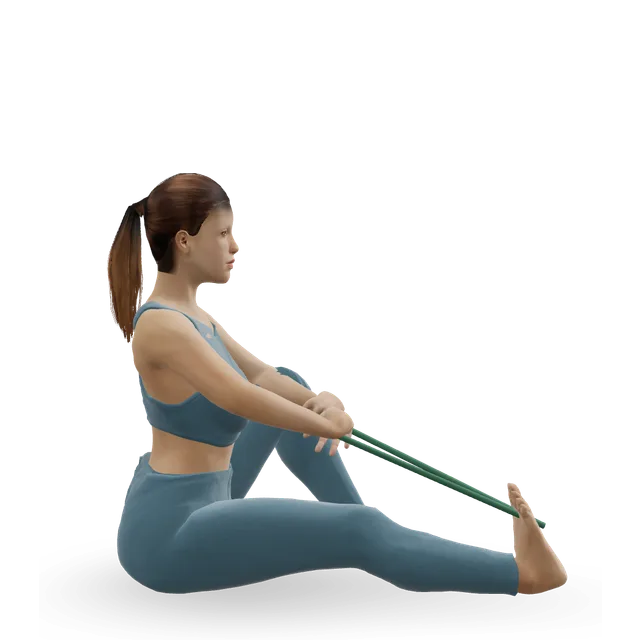
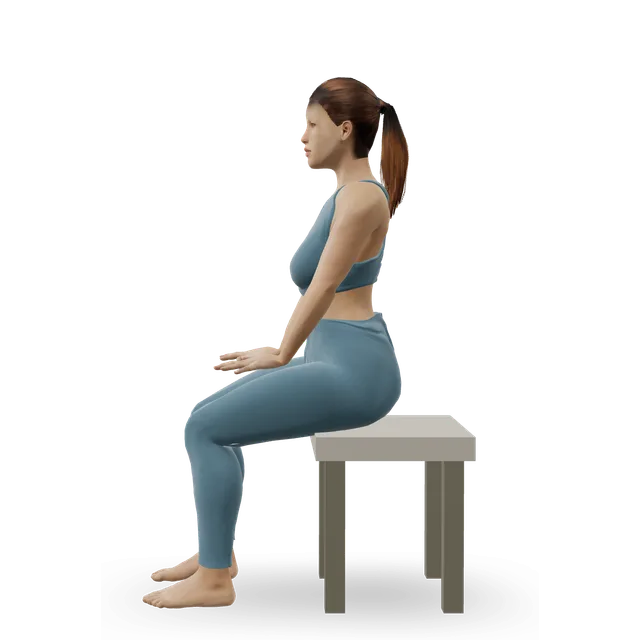
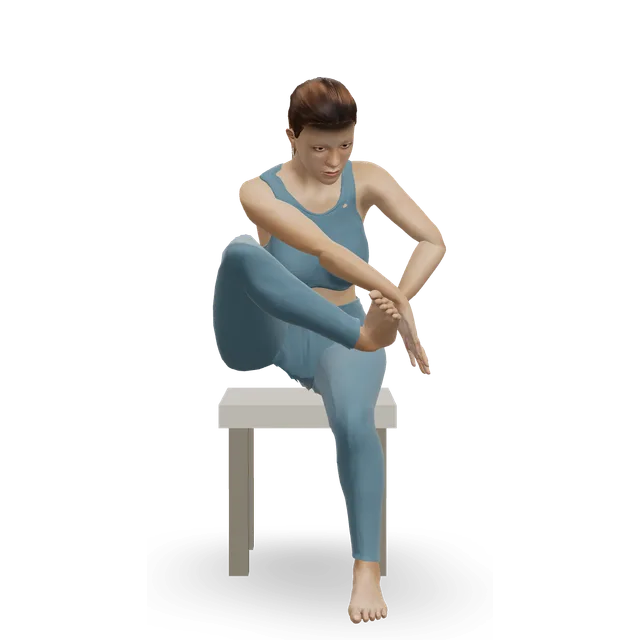
Plantar fascia stretch (seated) demonstrated on the 3D figure3D demoPlantar fascia stretch (seated)Beginner · A bench or box

10 holds of 10 s, 3 times a day: the first set before your first steps in the morning, and again before standing after a long sit · The trials' dose (DiGiovanni, also used by Rathleff); the move page gives 3 to 5 holds of 10 to 30 s, the guideline's range across trials

Harder: Toes-tucked kneeling (toe squat)

Seated calf stretch with a towel demonstrated on the 3D figure3D demoSeated calf stretch with a towelBeginner · Other / check instructions

3 holds of 30 s each side, sitting up in bed or on a chair · As in our plantar fasciitis guide; the guideline pairs calf with sole stretching

Harder: Wall calf stretch (gastrocnemius)

Ankle CARs (controlled articular rotations) demonstrated on the 3D figure3D demoAnkle CARs (controlled articular rotations)Beginner · No equipment

5 slow circles each way with each ankle, morning and evening, before you stand up · The move page's dose (an editorial starting point); doing them before standing is our suggestion

Easier: Ankle circles · Harder: Toes-tucked kneeling (toe squat)

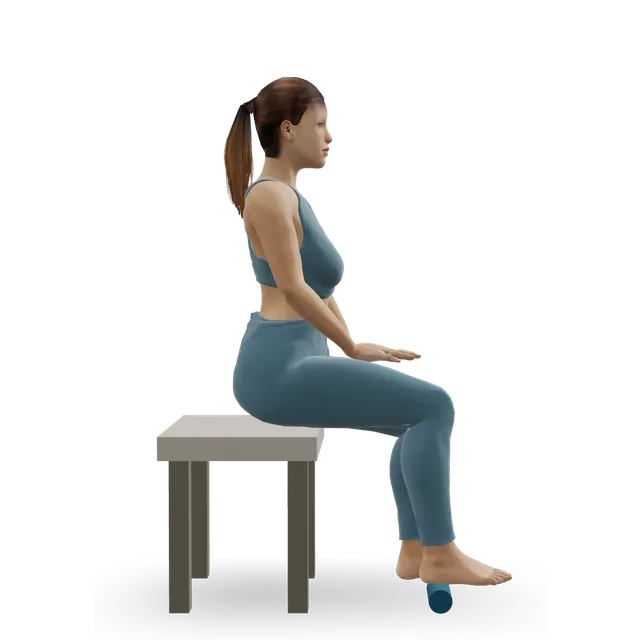
Seated bent-knee calf raise (soleus raise) demonstrated on the 3D figure3D demoSeated bent-knee calf raise (soleus raise)Beginner · A bench or box

2 to 3 at a time, little and often, building to sets of 8, 2 to 3 times a day, up to 2 sets of 15 · NHS inform's seated heel raise and pacing, as our heel pain guide uses it

Harder: Slow calf raise

Towel toe curl demonstrated on the 3D figure3D demoTowel toe curlBeginner · Other / check instructions + A bench or box

2 to 3 at a time, building to sets of 8, up to 2 sets of 15 · NHS inform's toe curl and pacing, done with a towel, as in our heel pain guide

Easier: Big toe press (seated toe-flexor hold) · Harder: Short foot + toe splay

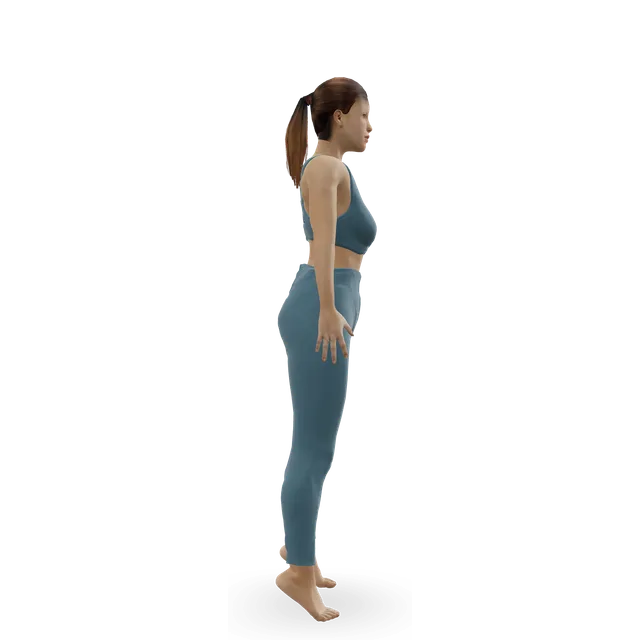
Isometric calf raise hold demonstrated on the 3D figure3D demoIsometric calf raise holdBeginner · A wall

5 holds of 30 to 45 s, once or twice a day, on both feet, with pain no more than about 5 out of 10 · The move page's dose (an editorial starting point); for stiffness at the back of the heel

Easier: Seated bent-knee calf raise (soleus raise) · Harder: Slow calf raise

Move on when: Your first steps are easing or steady, the routine before you stand takes the edge off them, and your foot is no worse the next morning (editorial).

Follow along: a timer, a cue and the next move, one step at a time.
Stage 2

Build: strength for the calf and the sole

About weeks 2 to 6: the heavy heel raise from the heel pain trial every second day, calf stretches, balance and practising standing up, while long sits and standing get a little longer by the written steps below.

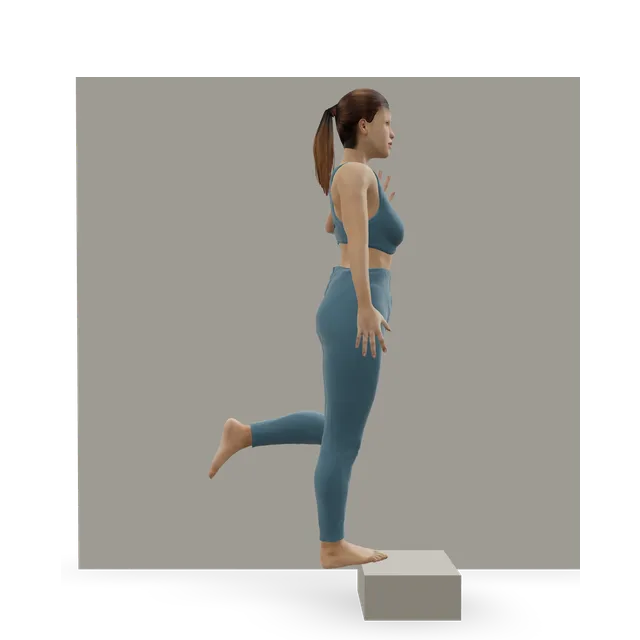
Heel raise with a towel under the toes demonstrated on the 3D figure3D demoHeel raise with a towel under the toesIntermediate · A step + Other / check instructions

Every second day: both feet, then one, at a load you can lift about 12 times, for 3 sets · The move page's dose, from the heavy heel-raise trial; for pain under the heel

Easier: Slow calf raise · Harder: Standing dumbbell calf raise

Slow calf raise demonstrated on the 3D figure3D demoSlow calf raiseBeginner · A wall

3 sets of 12 to 15, on flat ground · As in our plantar fasciitis guide; on flat ground for pain at the back of the heel

Easier: Seated bent-knee calf raise (soleus raise) · Harder: Standing dumbbell calf raise

Wall calf stretch (gastrocnemius) demonstrated on the 3D figure3D demoWall calf stretch (gastrocnemius)Beginner · A wall

Hold 20 to 30 s, 2 to 3 sets, 2 to 3 times a day · NHS inform's standing calf stretch and stretching dose, as our heel pain guide uses it

Easier: Seated calf stretch with a towel · Harder: Heel-on-step calf and hamstring stretch

Soleus wall stretch demonstrated on the 3D figure3D demoSoleus wall stretchBeginner · A wall

Hold 20 to 30 s, 2 to 3 sets, 2 to 3 times a day · NHS inform's stretching dose, for the bent-knee calf stretch

Easier: Seated calf stretch with a towel · Harder: Toes-tucked kneeling (toe squat)

Single-leg stand demonstrated on the 3D figure3D demoSingle-leg standBeginner · A wall

3 holds of 30 s each leg, in shoes, a hand near a support · As in our heel pain guide

Easier: Tandem stance and heel-to-toe walk · Harder: Single-leg reach matrix

Sit to stand from a chair demonstrated on the 3D figure3D demoSit to stand from a chairBeginner · A bench or box

5 to 10 slow stands, feet flat and in shoes, after the stage 1 routine, once or twice a day · Editorial: it practises the movement that hurts once the foot is warmed up

Easier: Sit to stand, pushing on the thighs · Harder: Bodyweight squat

Move on when: 3 sets of 12 single-leg towel heel raises stay within the pain rule (our plantar fasciitis guide's check), you can stand up after a long sit with only a mild first step, and your foot is no worse the next morning.

Follow along: a timer, a cue and the next move, one step at a time.
Stage 3

Heavier, then long sits, standing days and walks come back

From about week 6, the heavy work every second day: heavier and single-leg strength and balance for longer walks, while standing and walking time build up by the written steps below. Expect months rather than weeks.

Heel raise with a towel under the toes demonstrated on the 3D figure3D demoHeel raise with a towel under the toesIntermediate · A step + Other / check instructions

3 sets every second day, building over several weeks from about 12 reps to about 8 heavier reps, adding a backpack or dumbbell · The move page's dose, as in the trial's set programme

Easier: Slow calf raise · Harder: Standing dumbbell calf raise

Single-leg calf raise from a step demonstrated on the 3D figure3D demoSingle-leg calf raise from a stepIntermediate · A step + A wall

3 sets of 10 to 12 each leg · As in our plantar fasciitis guide; on flat ground, not off a step, for pain at the back of the heel, as our Achilles and Haglund's guides say

Easier: Slow calf raise · Harder: Single-leg pogo hops

Step-up demonstrated on the 3D figure3D demoStep-upBeginner · A step

3 sets of 8 to 10 each side · As in our heel fat pad guide

Easier: Low step-up · Harder: Dumbbell step-up

Tandem stance and heel-to-toe walk demonstrated on the 3D figure3D demoTandem stance and heel-to-toe walkBeginner · A wall

3 to 5 lengths, beside a wall or rail · As in our foot pain guide (an NHS ankle leaflet's dose)

Easier: Semi-tandem stance · Harder: Single-leg stand

Treadmill walking demonstrated on the 3D figure3D demoTreadmill walkingBeginner · Cardio machine

Add a few minutes of standing and walking a week, on the flat · Editorial, as in our plantar fasciitis and heel pain guides; walking outdoors counts the same

Harder: Treadmill jogging

Move on when: Our suggestion: your usual sitting, standing and walking leave your first steps no worse the next morning. Keep the heavy heel raises once or twice a week, and if a busy week brings it back, go back to the stage 1 routine for a few days rather than stopping.

Follow along: a timer, a cue and the next move, one step at a time.

What to change for now

Before you stand, and the first steps (written steps)

Our 3D figure can't show these. They come from the heel pain trials, the NHS, NHS inform and the AAOS; where a step is our suggestion, it says so.

  • 1. Before you get out of bed, sit up and do the sole stretch (10 holds of 10 seconds) and a towel calf stretch (the trials and the AAOS); circle your ankles a few times (our suggestion).
  • 2. Keep supportive slippers or shoes with a back and a cushioned heel by the bed and put them on before your first steps; don't wear flip-flops or backless slippers, and try not to walk barefoot on hard surfaces (the NHS).
  • 3. Use heel pads or soft insoles in the shoes you wear most (the NHS).
  • 4. After a long sit, at a desk, in the car or watching a film, do the sole stretch and a few ankle circles before you stand, then take the first steps slowly, holding a support if you need to (our suggestion, after the trials' stretch "after prolonged sitting").
  • 5. While it's sore, get up and move for a minute or two every 30 to 60 minutes when you sit for long, so the foot doesn't stiffen as much (our suggestion).
  • 6. Stairs: lead with your good leg going up and with the sore foot coming down, and use a handrail (NHS inform).
  • 7. Ice: an ice pack or a bag of frozen peas in a towel for up to 20 minutes every 2 to 3 hours, and paracetamol or ibuprofen gel, or ibuprofen tablets if you need them (the NHS). No ice if your circulation or feeling is poor (NHS inform).
  • 8. A gout attack: rest and raise the foot, keep it cool, take your treatment as soon as possible, and try to keep bedclothes off the joint at night (the NHS).

Sources 39, 33, 1, 42, 41, 21

Standing at work (written steps)

These come from a Canadian occupational-safety body and a review by US occupational-health researchers; no UK health-service page on long standing was found, and none of this has been tested in heel pain.

  • 1. Change position often, and use a seat whenever you can or a footrest to shift your weight.
  • 2. Stand on wooden, cork or rubber-covered floors or mats rather than concrete, but not on thick foam mats.
  • 3. Wear shoes with arch support and cushioning; a small heel can ease the strain on the Achilles, and very high heels are best avoided.
  • 4. Ask your employer about these changes. NHS inform says staying at or returning to work is the best way to get better.

Sources 51, 52, 41

Long sits and standing come back (written steps)

No study has tested how to build these back. These steps are our suggestion.

  • 1. Note how long you can sit or stand before the first steps afterwards are sharp, and break up spells just before that point.
  • 2. When your first steps have been no worse the next morning for 3 or 4 days, add 10 to 15 minutes before the break.
  • 3. If a long day brings it back, go back to shorter spells and the stage 1 routine for a few days.

Positions to swap, and why

Habit or positionWhy it mattersInstead
Walking barefoot on hard floors, or in flip-flops or backless slippers, first thingThe NHS advises against both with heel pain.Cushioned slippers or shoes with a back, kept by the bed.
Getting straight up and walking off after a long sit or a night's sleepThe first steps are the worst; the heel pain trials stretched the sole before them.The sole stretch and a few ankle circles first.Try: Plantar fascia stretch (seated)
Standing still for hours on hard floorsBeing on your feet most of the day went with heel pain in a small study.Change position, use a seat or footrest, and stand on a mat.
Forcing a deep calf stretch through sharp first-step painA gentle stretch held longer does the job.The seated towel calf stretch.Try: Seated calf stretch with a towel
Heel drops off a step with pain at the back of the heelPain at the heel bone often reacts badly to dropping below the step, as the move page says.Raises on flat ground.Try: Slow calf raise
Counting on a steroid injection or a custom insole to fix itAn injection helps for up to a month at most, and custom insoles did no better than off-the-shelf ones.Stretching, heel raises and heel pads.
Walking on a hot, swollen joint or one sore spot on a boneIt may be a gout attack, an infection or a stress fracture.Rest it and get it checked, as the warning signs say.
With diabetes and numb feet, carrying on with a blister, a cut or a new hot patchNICE and Diabetes UK treat these as urgent.Take the weight off it and contact your foot team.

Routines to follow

More moves for this area

Questions people ask

Why do my feet hurt when I stand up after sitting?

Most often it's plantar heel pain: the band under the foot stiffens while you rest, so the first steps hurt and then ease as you get going. Stiffness at the back of the heel points to the Achilles, and a stiff midfoot or big toe from mid-life to arthritis. Where it hurts is the best clue, so start with the map.

Why do my feet hurt when I get out of bed in the morning?

The same causes, after a longer rest: the NHS says plantar heel pain is much worse when you first start walking after sleeping. If several joints in both feet are swollen and stiff for more than 30 minutes, see a GP, as it may be rheumatoid arthritis.

Is first-step heel pain a heel spur?

Usually the spur isn't the cause. Spurs show on X-rays of many people without heel pain, and they don't predict how heel pain goes. The American Academy of Orthopaedic Surgeons says heel spurs don't cause plantar fasciitis pain.

What can I do before I stand up?

Stretch the sole of your foot before your first steps: in the trials, 10 holds of 10 seconds, 3 times a day, the first set before getting out of bed and again after a long sit. Add a towel calf stretch and a few ankle circles, then put on cushioned slippers or shoes.

Should I wear slippers or go barefoot at home?

While it hurts, wear cushioned slippers or shoes with a back: the NHS says don't wear flip-flops or backless slippers, and try not to walk barefoot on hard surfaces. No trial has compared them, so this is health-service advice rather than a tested treatment.

Why are my feet stiff when I stand up?

Stiffness after rest that wears off within about 30 minutes is typical of osteoarthritis, which is common in the big toe and midfoot after 50. Stiffness that lasts longer, with swollen joints, can be an inflammatory arthritis and needs a GP; NICE asks for urgent referral when the small joints of the feet are affected.

Could it be gout?

If a joint, usually the big toe, became suddenly very painful, hot, red and swollen, often overnight, it may be gout. Get help the same day, especially with a high temperature, because a joint infection can look the same.

Why does the back of my heel hurt when I stand up?

Usually it's the Achilles tendon: pain when you get up in the morning or start walking after resting is common. Loading the tendon gradually is the first treatment. A sudden snap at the back of the heel needs help the same day.

Do insoles, heel pads or night splints help?

Heel pads and soft insoles are a cheap first step the NHS suggests. Shaped insoles helped slightly at 7 to 12 weeks in trials, and custom-made ones were no better than off-the-shelf ones. Night splints have mixed trial results and suit people whose first steps stay painful despite stretching.

Do I need an X-ray or scan?

Usually not for typical heel or Achilles pain. You may need one for a suspected stress fracture, which early X-rays often miss, or for a suspected inflammatory arthritis or gout.

How long will it take?

Often months. In a hospital study, half still had heel symptoms at 5 years, but in a trial 92% were satisfied 2 years after starting the sole stretch. See a GP if it isn't better after 2 weeks of looking after it yourself.

My feet hurt after standing all day. Is that the same thing?

Partly: being on your feet most of the day goes with plantar heel pain, but pain that builds through the day is a different pattern from pain on standing up. Change position often, use a mat or a seat where you can, and wear cushioned shoes; our foot pain when walking guide covers long days on your feet.

Related exercise guides

Other pain guides

Sources

  1. NHS · Plantar fasciitis
  2. Koc 2023 · Heel pain: plantar fasciitis, revision 2023 (clinical practice guideline, JOSPT)
  3. Thomas 2019 · Plantar heel pain in 5,109 UK adults aged 50 and over (population survey, BMC Musculoskelet Disord)
  4. Rasenberg 2019 · Plantar heel pain in Dutch general practice (incidence study, Br J Gen Pract)
  5. Riddle 2003 · Risk factors for plantar fasciitis: 50 people and 100 controls (case-control study, JBJS)
  6. Yi 2011 · Causes of plantar heel pain in 250 clinic patients (retrospective study, Ann Rehabil Med)
  7. Guy's and St Thomas' NHS Foundation Trust · Achilles tendinopathy (patient leaflet, 2024)
  8. de Jonge 2011 · Achilles tendinopathy in Dutch general practice (incidence study, BJSM)
  9. NHS · Osteoarthritis: symptoms (past its review date: reviewed March 2023, review due March 2026)
  10. Roddy 2015 · Painful foot osteoarthritis in UK adults aged 50 and over (population study, Ann Rheum Dis)
  11. NICE NG226 · Osteoarthritis in over 16s: diagnosis and management (2022)
  12. NHS · Rheumatoid arthritis (past its review date: reviewed March 2023, review due March 2026)
  13. NHS · Rheumatoid arthritis: symptoms (past its review date: reviewed March 2023, review due March 2026)
  14. NICE NG100 · Rheumatoid arthritis in adults: management
  15. NICE NG65 · Spondyloarthritis in over 16s: diagnosis and management
  16. Pignon 2025 · Enthesitis in psoriatic arthritis: 212 studies (systematic review and meta-analysis, Joint Bone Spine)
  17. NHS · Psoriatic arthritis (past its review date: reviewed September 2023, review due September 2026)
  18. NICE NG219 · Gout: diagnosis and management (2022)
  19. Choi 2015 · Gout attacks start more often at night: 724 people followed for a year (case-crossover study, Arthritis Rheumatol)
  20. Kuo 2015 · Rising prevalence of gout in the UK, 1997 to 2012 (primary care database study, Ann Rheum Dis)
  21. NHS · Gout (past its review date: reviewed August 2023, review due August 2026)
  22. NHS · Septic arthritis
  23. Rodríguez-Merchán 2021 · Tarsal tunnel syndrome (review, EFORT Open Rev)
  24. Tu 2018 · Heel pain: diagnosis and management (review, American Family Physician)
  25. NHS · Peripheral neuropathy (past its review date: reviewed October 2022, review due October 2025)
  26. American Academy of Orthopaedic Surgeons, OrthoInfo · Stress fractures of the foot and ankle
  27. Sormaala 2006 · Stress injuries of the heel bone found on MRI in military recruits (MRI study, JBJS)
  28. NHS · Peripheral arterial disease (PAD)
  29. Prichasuk 1994 · Heel spurs in 400 people without heel pain and 82 with it (case-control study, Clin Orthop Relat Res)
  30. Menz 2008 · Heel spurs in 216 older people (cross-sectional study, J Foot Ankle Res)
  31. McMillan 2009 · Imaging in plantar heel pain: 23 studies (systematic review and meta-analysis, J Foot Ankle Res)
  32. Hansen 2018 · Plantar fasciitis followed for 5 to 15 years in 174 people (hospital cohort, OJSM)
  33. American Academy of Orthopaedic Surgeons, OrthoInfo · Plantar fasciitis and bone spurs
  34. Lemont 2003 · Plantar fasciitis as a degenerative process without inflammation: 50 surgical specimens (J Am Podiatr Med Assoc)
  35. Chimenti 2024 · Midportion Achilles tendinopathy, revision 2024 (clinical practice guideline, JOSPT)
  36. NICE NG19 · Diabetic foot problems: prevention and management
  37. Diabetes UK · Serious foot problems
  38. DiGiovanni 2003 · A plantar fascia stretch vs an Achilles stretch for chronic heel pain in 101 people (RCT, JBJS)
  39. DiGiovanni 2006 · The plantar fascia stretch at 2 years (RCT follow-up, JBJS)
  40. Probe 1999 · A night splint added to standard care for plantar fasciitis in 116 people (RCT, Clin Orthop Relat Res)
  41. NHS inform · Foot and toe problems
  42. NHS · Heel pain
  43. Morrissey 2021 · Managing plantar heel pain: a best-practice guide from 51 trials (BJSM)
  44. Rathleff 2015 · Heavy heel raises with a towel under the toes vs stretching for plantar fasciitis in 48 people (RCT, Scand J Med Sci Sports)
  45. Riel 2019 · Self-dosed vs set heavy heel raises for plantar heel pain in 70 people (RCT, J Physiother)
  46. Whittaker 2018 · Foot orthoses for plantar heel pain: 19 trials (systematic review and meta-analysis, BJSM)
  47. Powell 1998 · Night splints for heel pain in 37 people (randomised crossover trial, Foot Ankle Int)
  48. David 2017 · Steroid injections for plantar heel pain: 39 trials (Cochrane review)
  49. American Academy of Orthopaedic Surgeons, OrthoInfo · Achilles tendinitis
  50. NICE HTG200 · Extracorporeal shockwave therapy for refractory plantar fasciitis (2009)
  51. Canadian Centre for Occupational Health and Safety · Working in a standing position: basic information (2022)
  52. Waters 2015 · Health risks of prolonged standing at work and what helps (review, Rehabil Nurs)
  53. Butterworth 2012 · Body mass index and foot disorders: 25 studies (systematic review, Obes Rev)
  54. NHS · Osteoarthritis (past its review date: reviewed March 2023, review due March 2026)
  55. Silbernagel 2007 · Carrying on with sport under a pain-monitoring model in Achilles tendinopathy (RCT, AJSM)
  56. NHS inform · Exercises for foot problems (including how to tell if you're exercising at the right level)
  57. NHS · Cellulitis

Exercise education, not a diagnosis or treatment plan. It is written from the guidelines and studies listed above; review by a clinician is pending. If your pain follows an injury, is severe, is getting worse, or comes with any warning sign listed on this page, get it assessed. Health disclaimer.