What a swing asks of the hip, and what no study has countedEmerging evidence
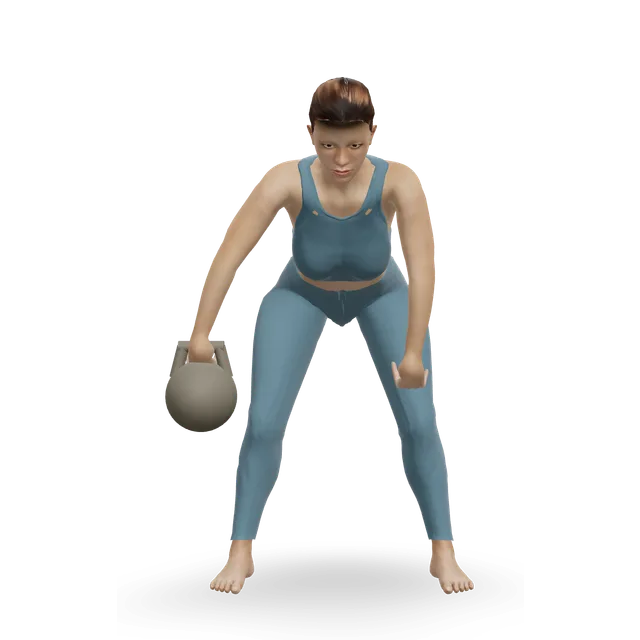
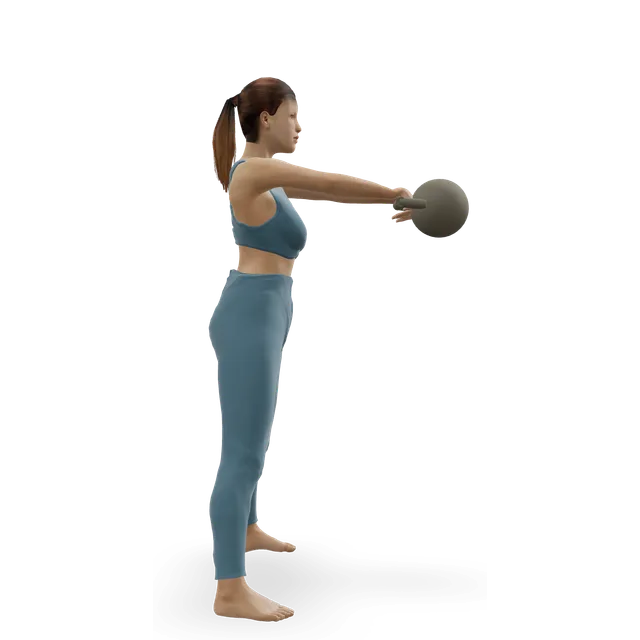
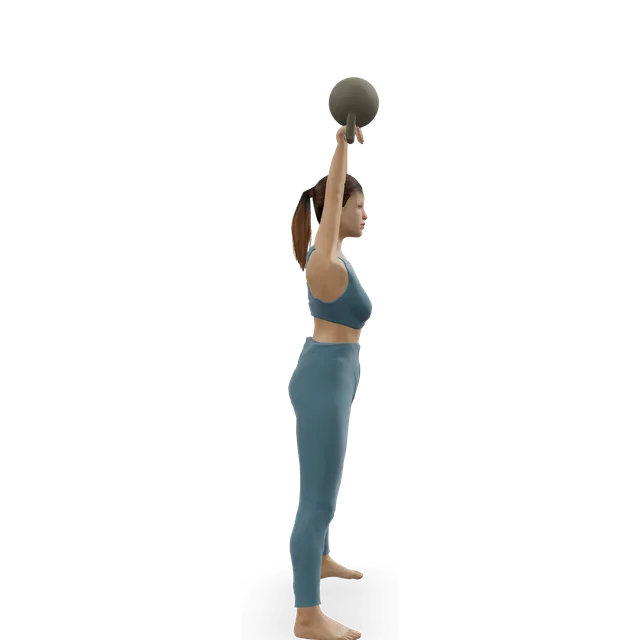
A swing is a fast hip hinge: your hips push back as the bell is hiked between your thighs, then snap forward so it floats out in front, with your knees bending only a little and your shins nearly vertical, as the American Council on Exercise (ACE) teaches it. In 15 experienced adults, the hip bent about 70 degrees at the bottom of chest-height and overhead swings, and the hip's peak load was almost five times the knee's. Novices swinging to eye height bent the hip about 85 degrees. The glutes worked at about 75% of a maximal effort in 19 novices and 80% in 7 men with a 16 kg bell, and the swing favoured the inner hamstring. Heavier bells raised the load at the hip in 30 adults, and in overhead swings the hip's work rose with the bell while the knee's barely changed.
No study has counted hip pain from swings. A review of 99 kettlebell publications found three injury case reports (a wrist tendon, muscle breakdown and a forearm stress fracture) and no adverse events reported in trials, and in US emergency departments kettlebells were named in 0.8% of women's and 0.1% of men's weight-training injuries, with no breakdown by body part. So the map on this page comes from what each cause is known to do (our reading).
Sources 1, 2, 3, 4, 5, 6, 7, 8, 9
The top of the swing: measured swings finish near straightEmerging evidence
Coaches teach a tall finish: StrongFirst calls leaning back or arching the lower back at the top a common error, and says full extension at the top comes through the hips to reach a standing plank, not by leaning back. What has been measured: 15 experienced women finished the chest-height swing at about a straight hip, and touched about 10 degrees past straight in the overhead swing before bending again; novices finished within about 10 degrees of straight, though that study is unclear about which side. No study has measured leaning back or arching at the top of a swing, or linked it to hip pain.
So a pinch or pull at the front of the hip as you snap tall is our reading: it fits the front of the joint and the hip flexors being stretched and pressed at the end of the movement. In a computer model of a slow face-down leg lift, the force on the front of the hip was highest at the most extended angle and rose by about 19% of body weight when the glutes were weakened. That is a model, not people and not a swing, and the authors call for studies before advising people to avoid going past straight.
Sources 10, 11, 3, 12, 13
The bottom of the swing: a fairly shallow hingeEmerging evidence
A hinge bends the hip only about 70 to 85 degrees, less than a deep squat, so a deep pinch in the groin at the bottom is less likely from depth alone. It is more likely, in our reading, when the hike turns into a squat, your stance is very wide or your knees cave in, combining bend with the hip turning in: the positions an NHS impingement trial asked people to avoid (extremes of hip flexion, abduction and internal rotation).
The only study comparing swing styles measured the hamstrings, which worked harder in the hinge, not the hip joint. Novices changed their swing within a day of practice, and in overhead swings 11 of 39 gym-goers rounded their lower back past a 30-degree limit, while those who tipped the pelvis forward rounded less.
Sources 2, 3, 14, 15, 16, 17
The front of the hip and the hip flexorsEmerging evidence
The international groin pain agreement says iliopsoas-related groin pain is more likely with pain on lifting the knee against resistance or stretching the hip flexors, and a 2026 review says it is provoked by resisted hip flexion, rising from a chair, stairs or prolonged hip extension. A tall swing finish stretches the front of the hip, so a pull there fits, though no study names the swing as a cause.
Sources 18, 19
The outer hip and the sitting boneEmerging evidence
Outer hip tendon pain mostly occurs in mid-life, in people who exercise and people who don't, and more often in women; hip adduction, the knee drifting across the body, compresses the tendons. An NHS trust leaflet says avoid hanging on one hip, crossing your legs and bringing the knee across your body. Whether stance width or one-armed swings matter hasn't been studied (our reading only).
Deep buttock pain at the sitting bone is the hamstring tendon. It is compressed by sitting, stretching and deep hip bending, and in a trial's physiotherapy programme deep hinges came back late and fast, springy work last. Applying that to the swing's hike is our reading.
Sources 20, 21, 22, 23
Who gets itEmerging evidence
Our reading: people who squat the swing or let their knees cave, who lean back to finish or chase height with their arms, who jump to a heavier bell, long timed sets or swing challenges (late in long rounds the push into the floor rose while hip power fell in 16 trained men), who come to swings with a hip already sore from running, squatting or sitting, and mid-life women with outer hip tendon pain.
Sources 24, 20
When a scan or test mattersStrong evidence
Not at first. Hip impingement is diagnosed from symptoms, examination and imaging together, and plain X-rays come first, with a magnetic resonance imaging (MRI) scan only for more detail. Scans have to match your symptoms: a cam-shaped hip showed in 37% of 2,114 hips without symptoms (55% in athletes), and labral tears in 54% of hips without pain. Outer hip and hamstring tendon pain are usually diagnosed by examination. A test matters after a fall or if you can't bear weight, for a hot hip with a fever, a teenager's pop at the hip bone, a pop at the sitting bone with bruising, catching or locking, a lump, and pain that hasn't settled after 6 weeks with a normal X-ray.
Sources 25, 26, 27, 28, 29
How it usually goesMixed evidence
No study follows hip pain from swings. The NHS says see a GP if hip pain hasn't improved after 2 weeks of treating it at home. In specialist clinics, 59% of 88 people with hip-related pain without arthritis were satisfied with non-surgical care at a year, and in a UK trial, physiotherapist-led care improved a 100-point hip score from about 36 to about 50 over a year. For outer hip tendon pain, 51 of 66 people reported success at 8 weeks with education and exercise, and an NHS trust leaflet says two thirds see it resolve within a year. Muscle soreness after a new session settled within 3 days in older beginners. No one can promise a date.
Sources 30, 31, 32, 33, 21, 34