What a swing asks of the knee, and what no study has countedEmerging evidence
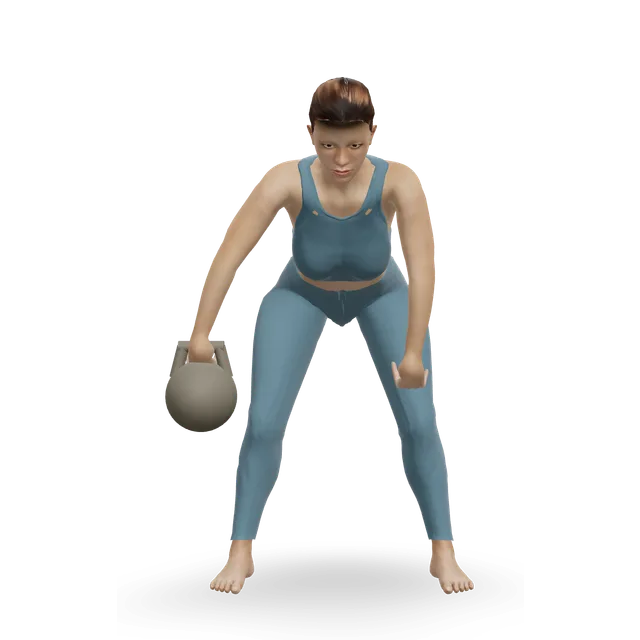
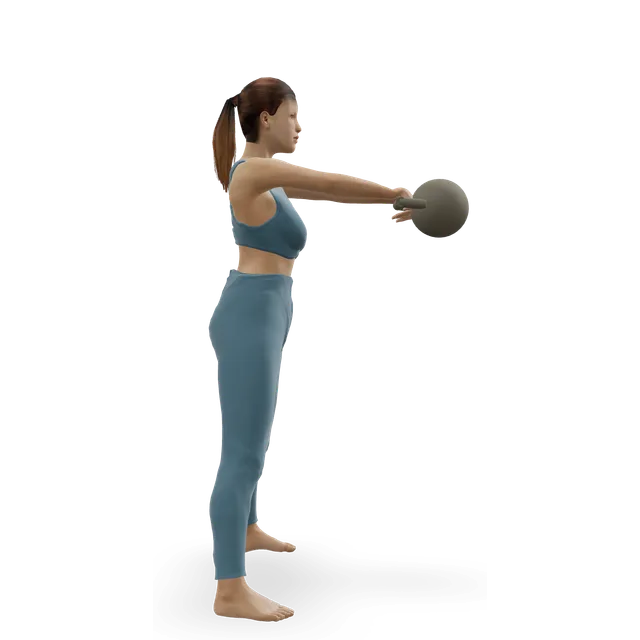
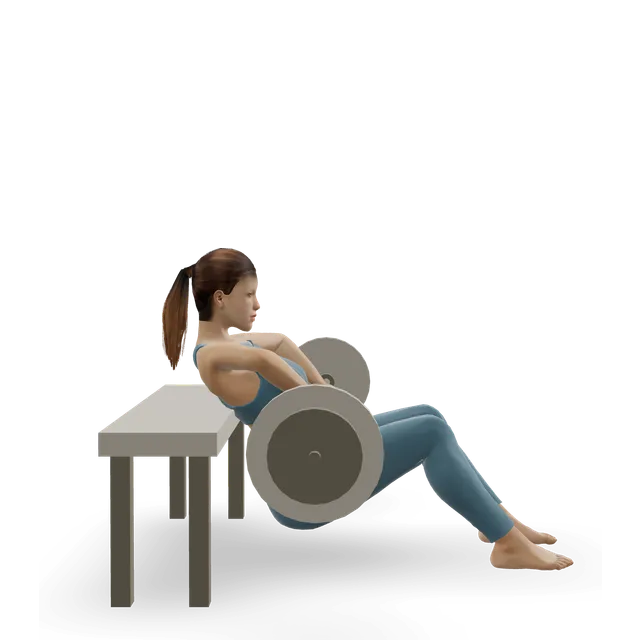
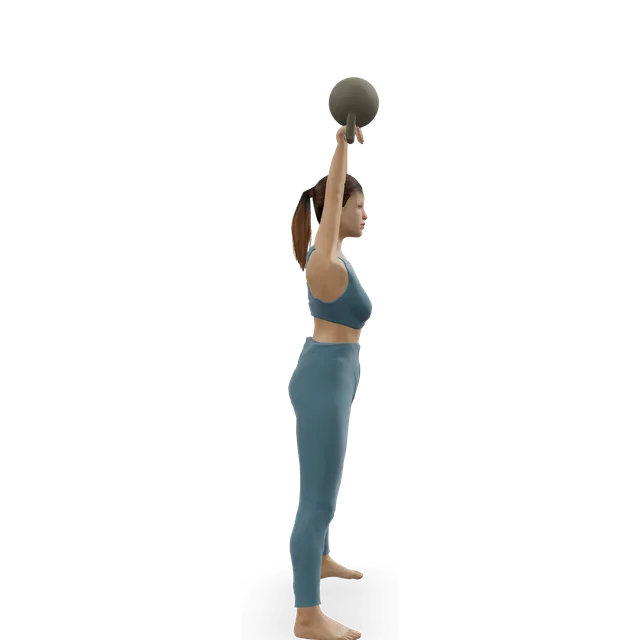
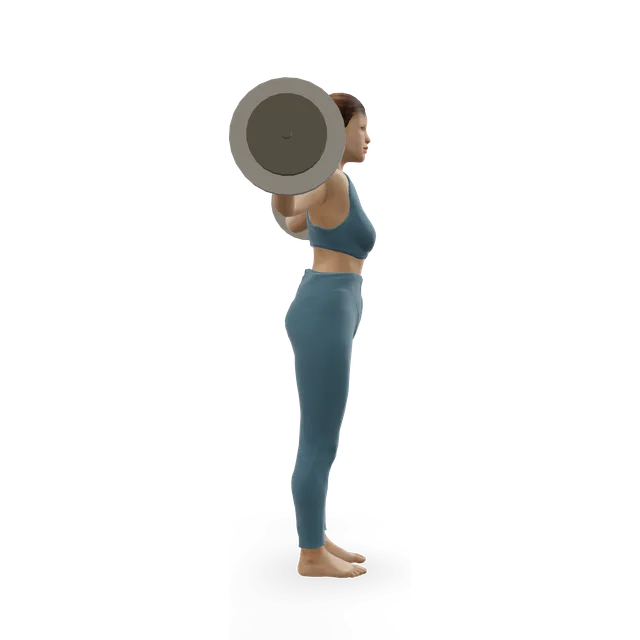
A swing is a hip hinge done fast: the hips push back as the bell is hiked between the thighs, then snap forward so it floats out in front, with the knees bending only a little and the shins nearly vertical. In 15 adults, the knees bent to about 61 degrees at the bottom, and the peak knee straightening load was about a fifth of the hip's (0.50 against 2.34 in units of body weight times height), with no difference between chest-height and overhead swings. In 18 women doing overhead swings with 8, 12 and 16 kg bells, the hip's work rose with the bell while the knee's loads changed very little; in 30 adults, heavier bells raised the load at the lower back, hip and ankle while avoiding excessive load at the knee. For comparison, the peak knee straightening load in 11 sprinters was 155 newton metres in a back squat, 66 in a hip thrust and 24 in a deadlift.
The knee load varied a lot between people, so form matters. No study has measured the load on the kneecap or the patellar tendon in a swing, or counted knee pain from swings, so the map on this page comes from what each condition is known to do (our reading).
Sources 1, 2, 3, 4
Hinge, squat and the top of the swing: what is measured and what is our readingEmerging evidence
In squat studies, leaning the trunk forward raises the hip's share of the work and lowers the knee's. So a squat-style swing, with the knees forward and the hips dropping, likely asks more of the knee; that is our reading of squat biomechanics. The only study comparing swing styles, in 14 people, measured the hamstrings, which worked harder in the hinge, not the knee. Novices learning from a video bent their knees less within a week, and late in 30-second rounds the push into the floor rose while hip power fell in 16 experienced men, which fits the site's swing guide: tired swings turn into squats.
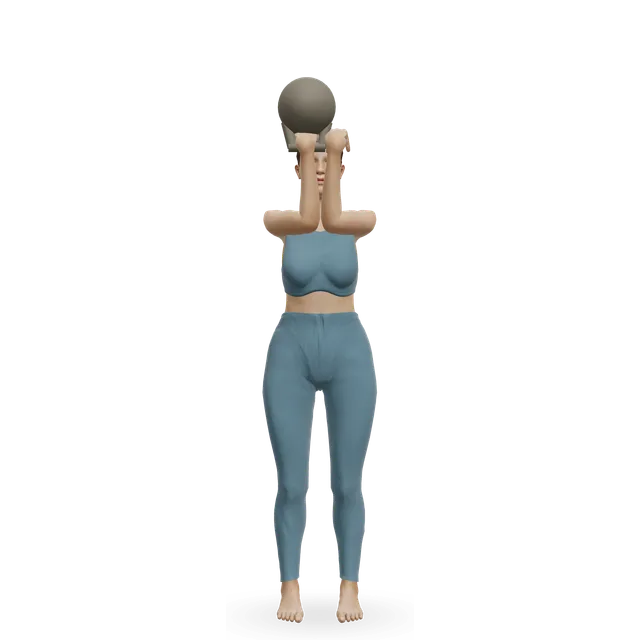
At the top, the site's swing guide finishes tall with the glutes squeezed and the thigh muscles tight. Snapping the knees back past straight is different: our fat pad guide links pain below the kneecap with the knee forced fully straight or pushed back, and our deadlift knee guide says stand tall with straight knees, not snapped back. Applying that to swings is our reading; nobody has measured the knee at the top of a swing. A stance wider than about one and a half shoulder widths raised the side-to-side load on the knee by 23% in squats, and turning the feet out about 30 degrees cut it by about half; how that carries over to swings hasn't been studied.
Sources 5, 6, 7, 8
Where it hurts, and how common each cause is
No study counts the causes of knee pain in swings, so these figures come from other groups.
- Around or behind the kneecap: kneecap (patellofemoral) pain is common in active young adults; 7.6% of 7,518 military recruits developed it during training.
- The patellar tendon: one point at the lower tip of the kneecap; no study counts it in swings.
- The inner knee below the joint: the pes anserine tendons and bursa; the evidence is thin, with one comparison of injections in 180 people and no exercise trial.
- The back of the knee and thigh: swings work the glutes at about three quarters of a maximal effort and the hamstrings hard, favouring the inner hamstring (semitendinosus), so its tendons at the back of the knee can complain.
- Next-day soreness: in 32 adults aged 59 to 79 starting kettlebell classes, 71% had some delayed muscle soreness, and all of it settled within 3 days.
Sources 9, 10, 11, 12, 13, 14
Who gets itEmerging evidence
People new to swings who squat them; people who jump to a heavier bell, long sets, intervals or swing challenges; people whose kneecap or tendon is already sore from running, jumping or squatting; people whose knees bend back past straight; and older beginners (our reading). The knee made up 14% of injuries across 28 studies of high-intensity functional training and 18% across 25 studies of CrossFit, but neither separates swings, and US emergency department data count kettlebells with all resistance training.
No kettlebell trial has reported a knee injury: a review of 99 kettlebell publications found no adverse events reported in trials, though it couldn't tell whether that reflected safety or poor reporting; in 32 older adults, 12 weeks of classes brought 4 minor problems, none at the knee; and the workplace kettlebell trial reported neck, shoulder and back outcomes only. Serious causes are uncommon: a torn ligament or tendon, a locked knee, an infected joint or bursa and a clot are in the warning signs.
Sources 15, 16, 17, 18, 14, 19
When a scan helps, and what it can't tell youStrong evidence
Not at first for kneecap, tendon or inner knee pain, which are recognised by examination. A Dutch guideline starts with exercise and adds other treatments only if there is no clinically relevant change after 6 weeks for kneecap pain or 12 weeks for patellar tendon pain, and says imaging adds little for the tendon. Years after kneecap pain, 48 of 50 people had no arthritis on X-ray.
Scans and tests matter for a knee that locks or won't straighten, a pop with fast swelling, a suspected tendon tear, a fall that meets the broken bone check, a hot, swollen knee, which may need fluid taken off and tested, and a swollen, painful calf, which the NHS says should be referred for an ultrasound scan within 24 hours.
Sources 20, 21, 22, 23, 24
How it usually goesMixed evidence
No study follows knee pain from swings. The NHS says knee pain can often be treated at home and you should start to feel better in a few days, and to see a GP if it doesn't improve within a few weeks. Kneecap pain is often slower: in 310 people, 55% and 40% had not recovered well at 3 and 12 months, and pain lasting more than 2 months at the start was the most consistent sign of a slower recovery, so it pays to start early. Of 60 people followed up 5 to 8 years later, 57% reported an unfavourable recovery, though almost none had arthritis. Patellar tendon pain improved over 24 weeks of progressive loading in a trial, and 76% felt recovered 5 years on. No one can promise a date.
Sources 22, 25, 21, 26, 27