What a deadlift asks of the knee, and what no study has countedEmerging evidence
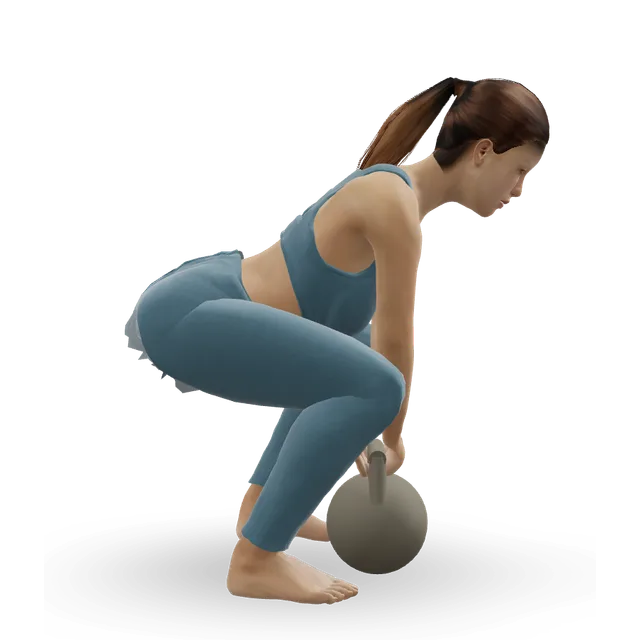
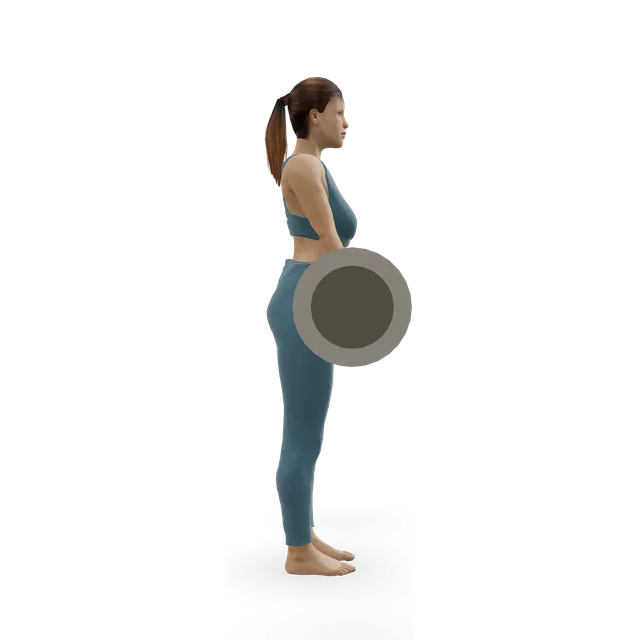
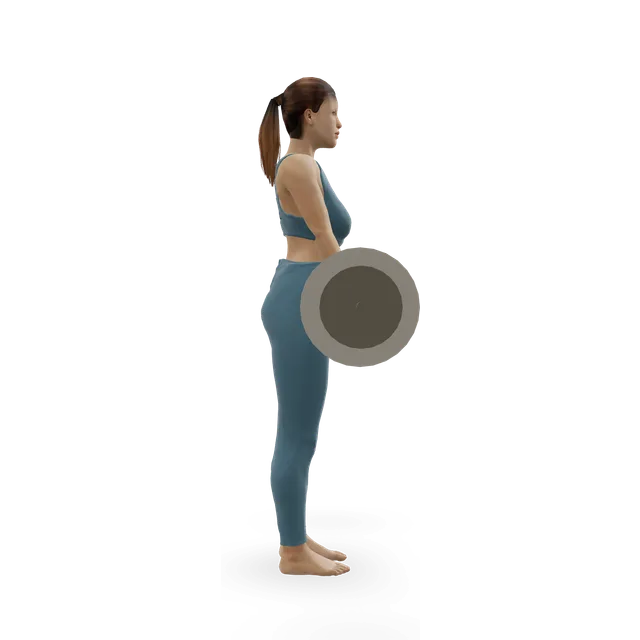
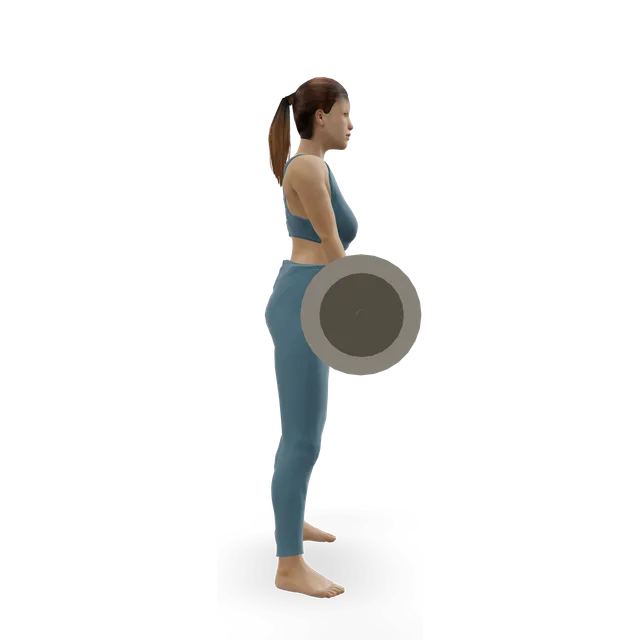
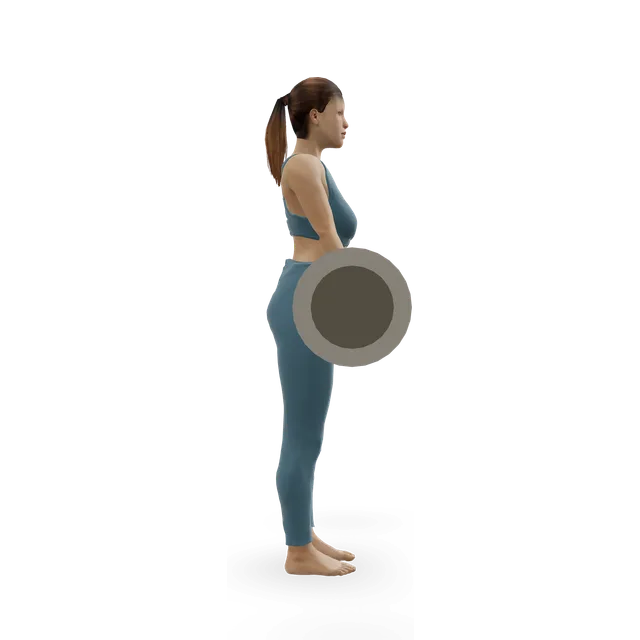
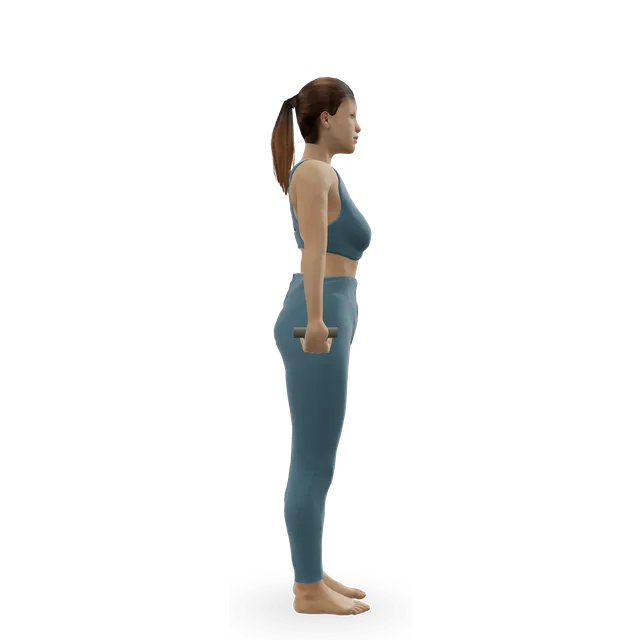
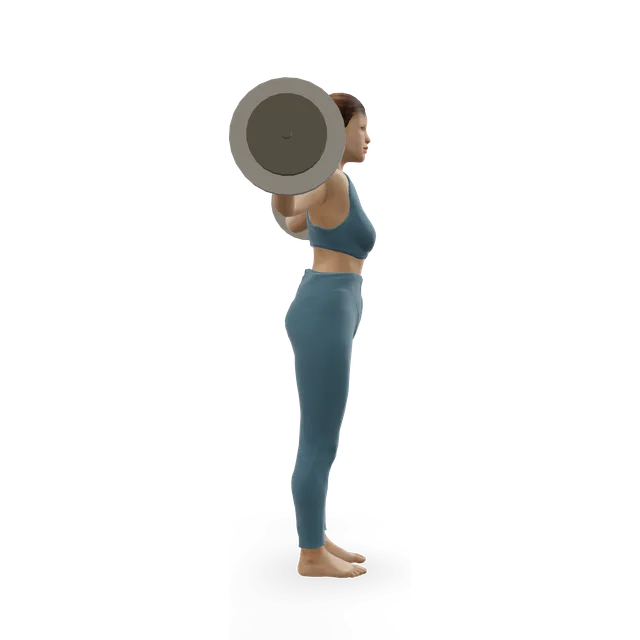
A deadlift lifts the bar from the floor by straightening the hips and knees together, and the hips do most of the work. In 28 trained adults, the deadlift's peak knee extensor moment was about half the back squat's (1.18 against 2.14 newton metres per kilogram) and the work done at the knee about a quarter. In 30 experienced men, both conventional and sumo pulls started with the knees well bent, and the knees straightened as the bar rose past them. In a conventional pull, the thigh muscles then switch from straightening the knee to resisting a bend as the bar travels up the thighs.
Sumo worked the front of the thigh harder early in the pull and added side-to-side load through the knee, with the knees angled out at the start. The trap (hexagonal) bar shifted load from the back and hips to the knee in 19 powerlifters, worked the front of the thigh harder in 20 men and bent the knees more in 11 women. The Romanian deadlift keeps the knees soft and fixed while the hamstrings, especially the inner one, do the work.
No study has measured the load on the kneecap or the patellar tendon in a deadlift, the bar against the shins, or locked knees, or counted knee pain from deadlifts. So the map on this page comes from what each cause is known to do.
Sources 1, 2, 3, 4, 5, 6, 7, 8, 9
Who gets itEmerging evidence
People new to the deadlift who set up too low or too far from the bar; lifters with sore kneecaps or tendons from squatting, jumping or running, whom the start of the pull or the trap bar provokes (our reading); sumo lifters whose knees cave in or whose stance is wider than their knees can follow; people who lock or snap their knees back in stiff-legged and Romanian pulls; and people who add load fast.
In powerlifting, the knee is a less common injury site than the lower back and shoulder, and less common than in weightlifting. One survey of 104 powerlifters linked current knee injuries with using lifting straps more often, which the authors could only speculate about. A US Army public health fact sheet says deadlift injuries are mostly to the knee and lower back, citing powerlifting reviews. No study gives the share of each cause in deadlifts. Serious causes are uncommon: a torn tendon, a locked knee, an infected bursa or joint and a clot are in the warning signs.
Sources 10, 11, 12, 13, 2
The back of the kneeEmerging evidence
Pain at the back of the knee usually comes from the soft tissues and tendons: the hamstrings, the calf and the popliteus. Semimembranosus tendon pain aches at the inner back corner just below the joint. Problems of the hamstring tendons at the knee are uncommon, pes anserine bursitis at the inner knee is the commonest of them, and most settle without surgery.
A Baker's cyst is a soft lump at the back of the knee that may be more visible standing and worse after walking. Pain or swelling in the leg that suddenly gets worse can be a burst cyst or a blood clot in a deep vein (deep vein thrombosis, DVT), which look alike and need a same-day check.
Sources 14, 15, 16, 17
When a scan helps, and what it can't tell youStrong evidence
Not at first for kneecap, tendon or inner knee pain, which are recognised by examination. In 991 adults aged 50 to 90, 61% of those with a meniscal tear on magnetic resonance imaging (MRI) had had no knee pain in the past month, and in knees without symptoms or injury, meniscal tears showed in about 10% and cartilage defects in about 24%, more with age.
Scans and tests matter for a knee that locks, a suspected quadriceps or patellar tendon tear, a fall or twist that meets the Ottawa knee rule (98.5% sensitive for fractures), a lump behind the knee or a swollen calf, and a hot, swollen knee or bursa, which may need fluid taken off and tested.
Sources 18, 20, 21, 22, 23, 24, 16, 19
How it usually goesMixed evidence
No study follows knee pain from deadlifts. The NHS says knee pain can often be treated at home and you should start to feel better in a few days, and to see a GP if it doesn't improve within a few weeks. Kneecap pain is often slower: of the 60 people who replied 5 to 8 years after two trials (of 310), 57% hadn't recovered well, though 48 of 50 had no arthritis on X-ray, and pain that had lasted longer at the start predicted a worse outcome. Patellar tendon pain improved over 24 weeks of loading in a trial. No one can promise a date.
Sources 25, 26, 27, 15