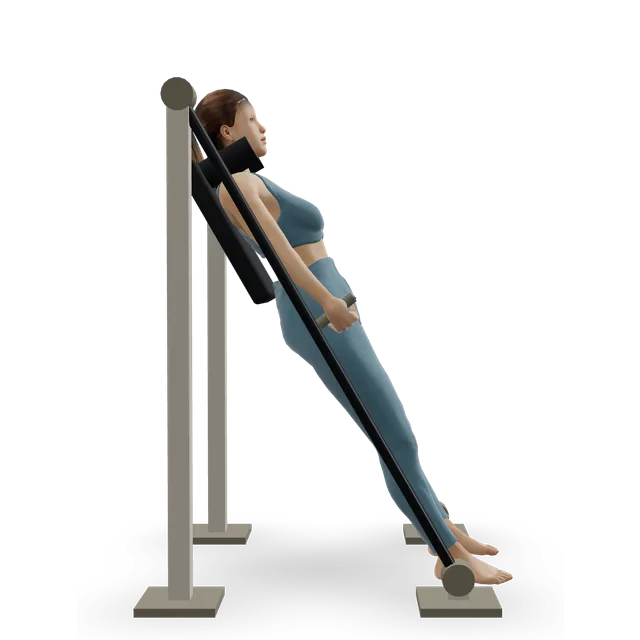
The leg press isn't bad for your knees, and depth is the main dialEmerging evidence
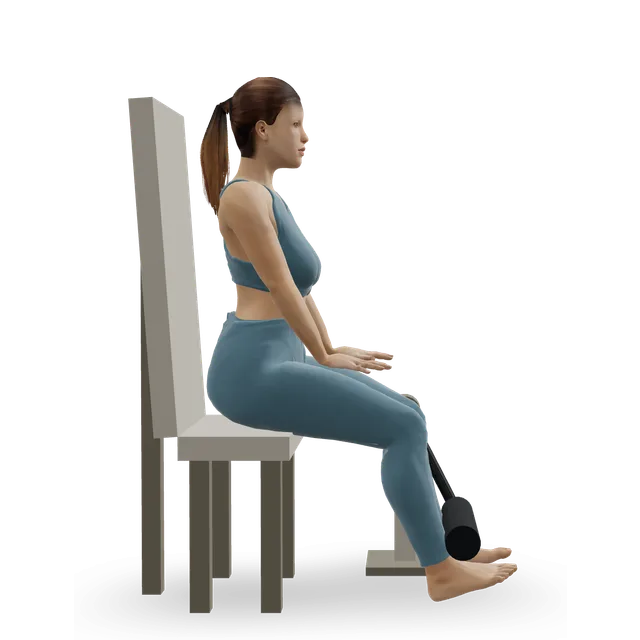
In 10 experienced lifters, the leg press put no force on the ACL in any variation, and knee forces were generally lower than in the squat over the range. They rose with knee bend, though: at 90 degrees the peak force behind the kneecap was similar in both, about 4,500 to 5,000 newtons, and the researchers suggest the range from straight to 50 degrees of bend for people who want to keep knee forces down.
Against the leg extension, kneecap stress was higher on the leg extension near straight (0 and 30 degrees) and higher on the leg press when deeper (60 and 90 degrees), crossing at about 48 degrees (20 adults). The load on the back cruciate ligament also rises with knee bend on the leg press, peaking around 90 degrees, lower than in the barbell squat. These are lab studies in healthy lifters; none measured pain. For muscle, 23 trained lifters grew their thighs as well pressing to 100 degrees of bend as through the full range over 8 weeks, though across exercises in general a full range tends to do better than a partial one.
Sources 2, 3, 4, 23, 24, 25, 26, 27
Foot position matters less than gym charts claimEmerging evidence
In the one study that measured knee forces, feet high or low on the platform made no difference to them, and nor did toes straight or turned out 30 degrees; a narrow stance raised the force behind the kneecap by about 18% over the range. Foot height shifts which muscles work (low feet more thigh, high feet more glutes, in 14 women), but a review calls these effects not compelling. So our foot height advice is a comfort choice, not a proven fix (editorial).
Sources 3, 4, 28, 1
Locking out: coaching advice, not testedEmerging evidence
No study has tested locking out on the leg press or counted lockout injuries. The American Council on Exercise says don't hyperextend (lock out) your knees, the National Academy of Sports Medicine says locking out removes tension and stresses the joint, and the largest tendon trial pressed to a fully straight leg without locking or hyperextending the knee. One case report describes both knees dislocating during weight training at low speed, without a blow; its abstract doesn't name the exercise, and its authors advise against locking out on any leg press or squat. Soft knees at the top cost nothing, so keep them, but a single locked rep isn't a reason to panic.
With knees that naturally bend back, 16 women with knee pain tolerated twice-weekly heavy machine training including the leg press, with no major harms and less pain (a case series), and the NHS says don't overextend your joints just because you can.
Sources 29, 30, 31, 32, 33, 34
Kneecap pain: exercise first, and the leg press is one of the optionsStrong evidence
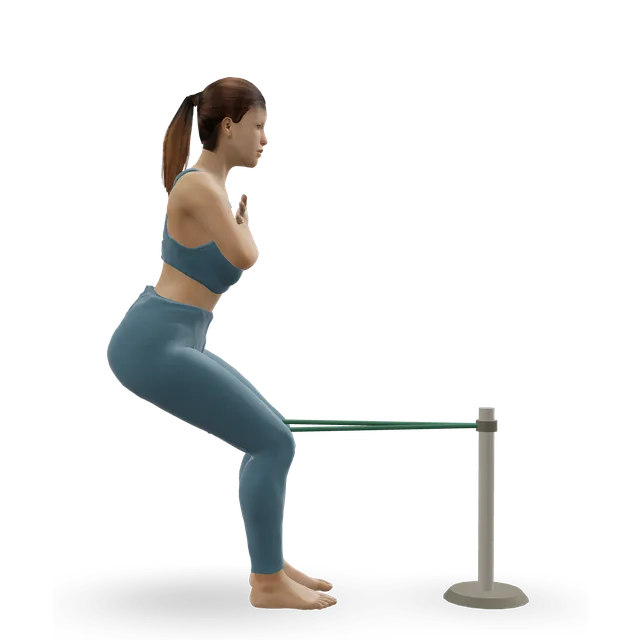
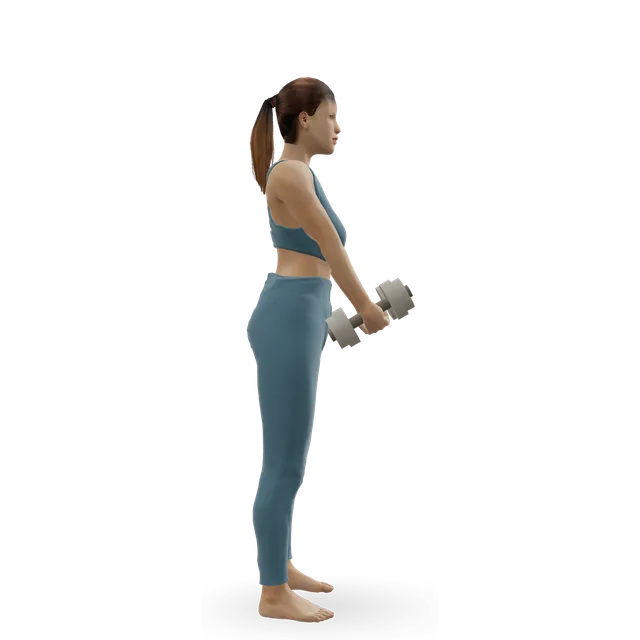
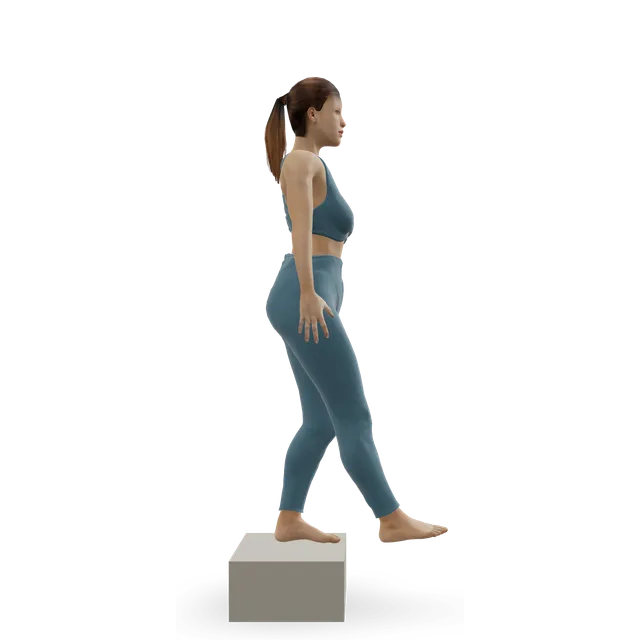
A clinical guideline and two international consensus statements put exercise first for kneecap pain, with hip and knee strengthening together; a Dutch guideline from 2025 asks for at least 6 to 12 weeks, adjusted to your pain as you go. In a Cochrane review, exercise eased pain on activity by about 1.5 points out of 10 against no exercise (5 studies, 375 people, very low quality), and adding hip work to knee work eased it by a further 2.2.
A seated leg press did as well as knee extensions in 45 men over 6 weeks, and leg presses with or without squeezing the knees together beat no exercise in 89 people over 8 weeks. Across 79 kneecap pain studies, 13 used a leg press, at a median of 3 sets of 10, a median range from straight to 45 degrees of bend (up to 90), and a median 70% of the most you could lift once (one-repetition maximum, 1RM). None went beyond 90 degrees, and the review says depth limits rest mainly on lab work in healthy people.
Sources 7, 35, 36, 37, 17, 38, 39, 40
Patellar tendon pain: holds, then slow heavy pressesEmerging evidence
In the largest trial (76 people), daily single-leg holds on the leg extension by preference, or the leg press (5 holds of 45 seconds at about 60 degrees of bend, building towards 70% effort), then single-leg presses every second day (4 sets of 15 between about 10 and 60 degrees, building to 4 sets of 6 with more load, then towards 90 degrees and a straight leg without locking), kept at 3 out of 10 pain or less, did better than painful decline squats at 24 weeks. The difference was 9 points on a 100-point tendon score, with a wide margin of uncertainty (1 to 16).
Heavy slow resistance (squats, leg presses and hack squats) kept its benefit at half a year, unlike a steroid injection; 90% of 1RM did no better than 55% with the same total work; and across 6 comparisons, no single programme stood out (low certainty). The Dutch guideline asks for at least 12 weeks, and one review warns that rehab can be slow and sometimes frustrating.
Sources 31, 41, 42, 43, 8, 17
A worn meniscus and knee arthritis: the leg press in the trialsStrong evidence
In 140 middle-aged adults with a worn meniscus tear, 12 weeks of exercise matched keyhole surgery at 2 years; its programme included a single-leg leg press started at 90 degrees of knee bend, building from 2 sets of 15 to 4 sets of 6, 2 to 3 times a week.
For knee arthritis, NICE offers therapeutic exercise to everyone and warns pain may rise at first, and across 139 trials exercise eased pain by about 9 to 13 points out of 100 (low certainty), with no type clearly better. In 377 adults over 50 with knee arthritis, heavy single-leg presses up to 90% of 1RM didn't ease pain more than lighter training over 18 months, didn't worsen it on average, and brought more minor side effects. The UK ESCAPE-pain programme uses home exercises without a leg press.
Sources 44, 14, 45, 46, 47