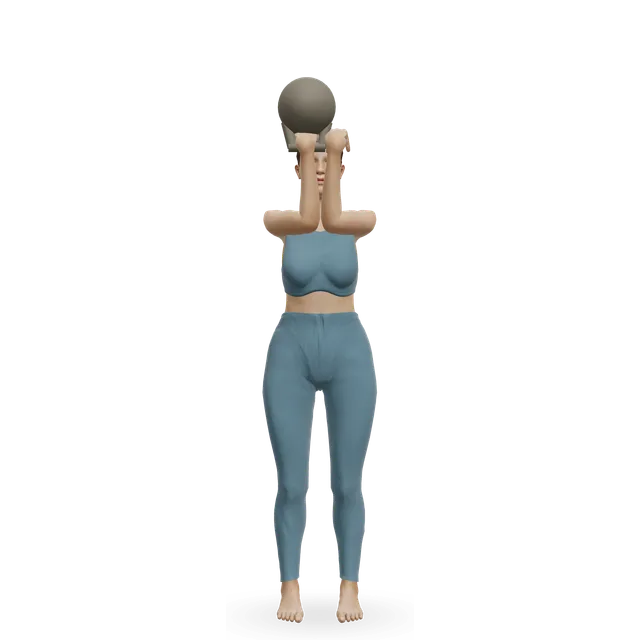
How to do a kettlebell snatch: from the swing to overhead, the punch-through and your shoulders
A kettlebell snatch takes the bell from between your legs to a locked arm overhead in one movement. Your hips throw it, it floats up close to your body, and you punch your hand up through the handle so it lands softly on the back of your forearm. It's an advanced lift, learnt after the one-arm swing, the clean and the high pull.
The evidence is small: lab studies of 7 to 22 men, and one 4-week trial in 9 women in which snatch intervals raised aerobic fitness by about 6%. No study has measured the shoulder in a snatch, or how often snatching causes injuries.
This guide covers the technique step by step with 3D demos, what to learn first, looking after your hands, how heavy and how many, snatch tests and 15-second intervals, and when to swing or clean instead.
Hike the bell, drive your hips, let it float up close to your body, and punch your hand up through the handle as it passes your head, so the bell lands on the back of your forearm with your arm locked over your shoulder. Pressing it out at the top doesn't count in the one published instructor test.
A trainer certified by the American Council on Exercise (ACE) calls it "probably the most complicated and nuanced kettlebell exercise" and says to learn the one-arm swing, the clean and the high pull first.
With a 24 kg bell, snatches and two-handed swings produced similar mechanical work in 22 men. The snatch lifted the body's centre of mass further (22 against 18 cm), and the swing did more of its work forwards.
A 16 kg snatch test reached 82.7% of maximal oxygen uptake and 98% of maximum heart rate in 10 men, and 4 weeks of snatch intervals (15 seconds on, 15 seconds off) raised aerobic fitness by about 6% in 9 female college footballers. In kettlebell work generally, heart rate runs ahead of the aerobic work done.
In 12 experienced lifters, grip strength fell by about 10 kg after a 6-minute set. Build your reps slowly, and look after blisters as the NHS advises: cover them, don't burst them, and give that hand a rest until they heal.
While you learn, 3 to 5 sets of 2 to 5 each side with full rest (the editorial starting point on our one-arm snatch move page), with your press bell or lighter. The three kettlebell injury reports a 2019 review found each seemed to involve doing too much too soon.
The bell travels from the backswing to a straight arm overhead in one uninterrupted movement, stops still at the top, and comes back down to the backswing without touching your chest or shoulder. In the one published instructor test, a rep is a "no count" if the elbow doesn't lock, the bell is pressed out to finish, or you don't stop still at the top.
In kettlebell sport (girevoy sport), competitors snatch for 10 minutes with one change of hands, every rep fixed motionless overhead. Coaches divide the lift into the drop, the re-grip, the backswing, the forward swing, the pull and the "hand insertion": the punch-through.
The barbell snatch is a two-handed Olympic lift caught in a squat, covered in our snatch guide. The kettlebell snatch is a one-arm swing that finishes overhead: a different, lighter skill.
What it works
Your hips and legs drive it, as in a swing, with more of the work going upwards. Compared with a one-arm swing, the swing-style snatch drew less activity from the back muscles beside the spine and more from the obliques on the opposite side in 14 trained adults. Your grip works hard, and your shoulder holds the bell overhead, though no study has measured the shoulder's load. Muscle activity isn't muscle growth.
In 4 elite kettlebell sport lifters snatching 32 kg, the bell's path was similar from lifter to lifter and very consistent within each, and the authors thought body size and limb length most likely to change how efficiently each moved, as a 2019 review describes it.
The only snatch training trial was in women, and the published instructor test sets lighter bells for women (12 or 16 kg, against 20, 24 or 28 kg for men, by body weight) and a shorter test from age 65. We found no snatch study in adults over 50.
Built on the snatch steps of an ACE-certified trainer (reprinted by ACE), the lockout rules of the published instructor test, and our snatch move pages, including the bail.
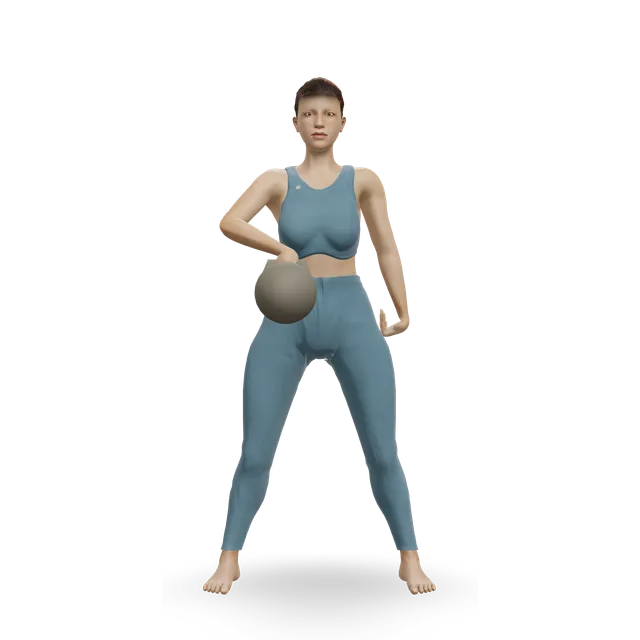
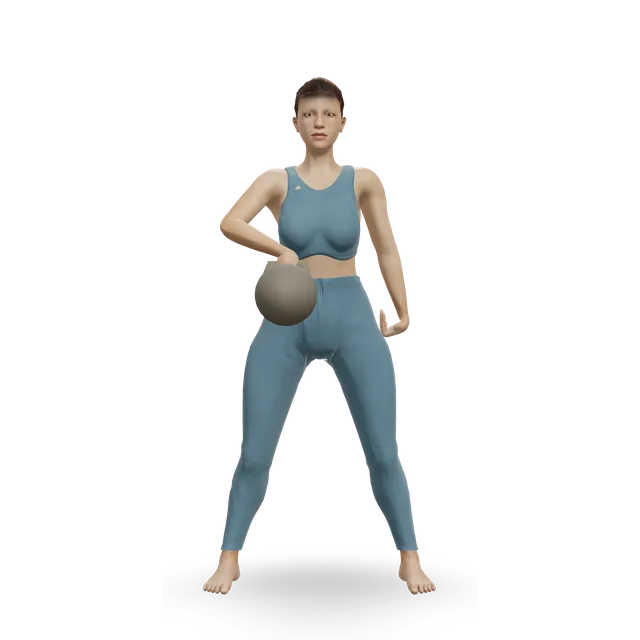
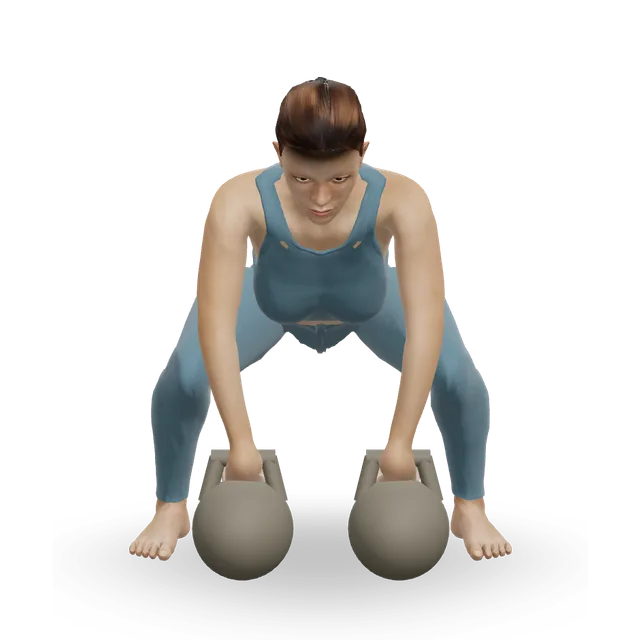
Set the bell on the floor about 30 cm in front of your toes, feet about shoulder-width apart. Hinge, grip the handle lightly with one hand and tilt the bell towards you.
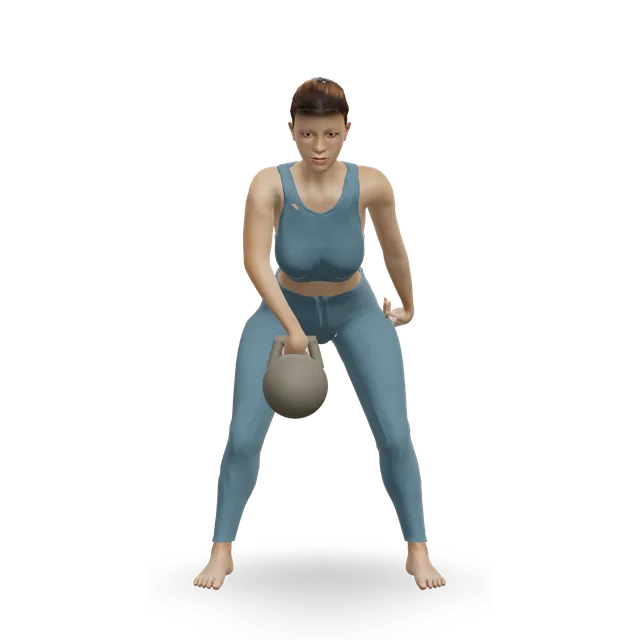
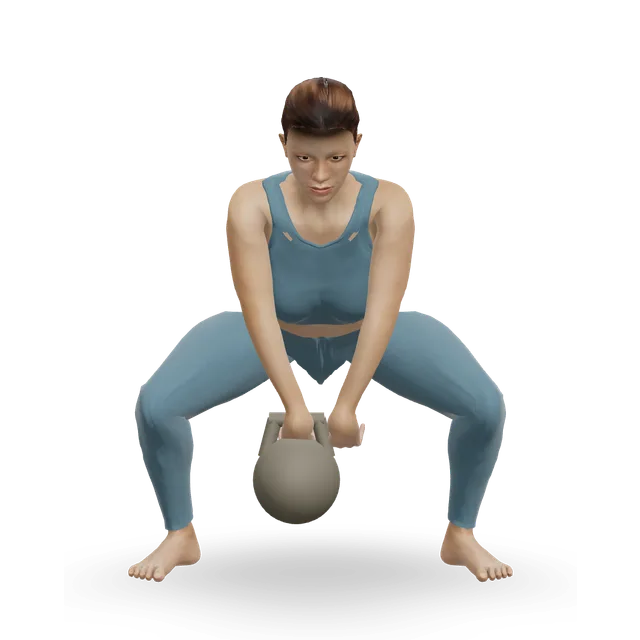
Hike it back between your thighs, knees soft and back flat, eyes forward.
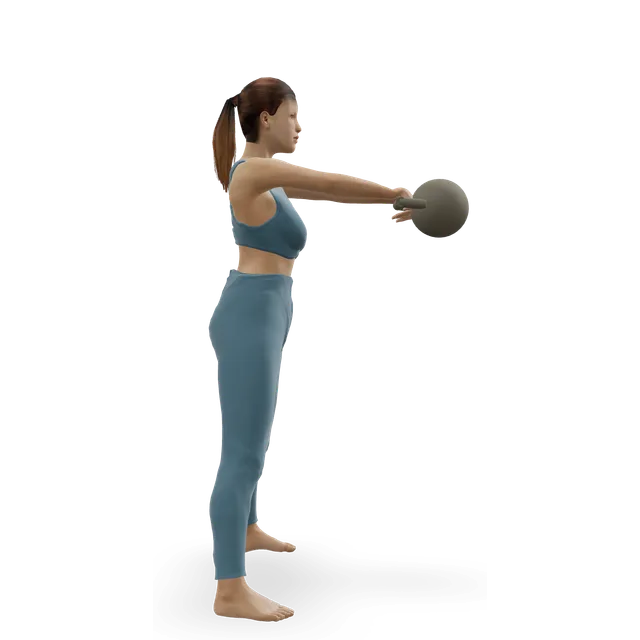
Press your feet into the floor, squeeze your glutes and drive your hips through, so the bell swings forward and up close to your body, elbow slightly bent.
As it passes chest height, let it float above your hand so its base points to the ceiling. It rises because your hips threw it, not because your arm pressed it.
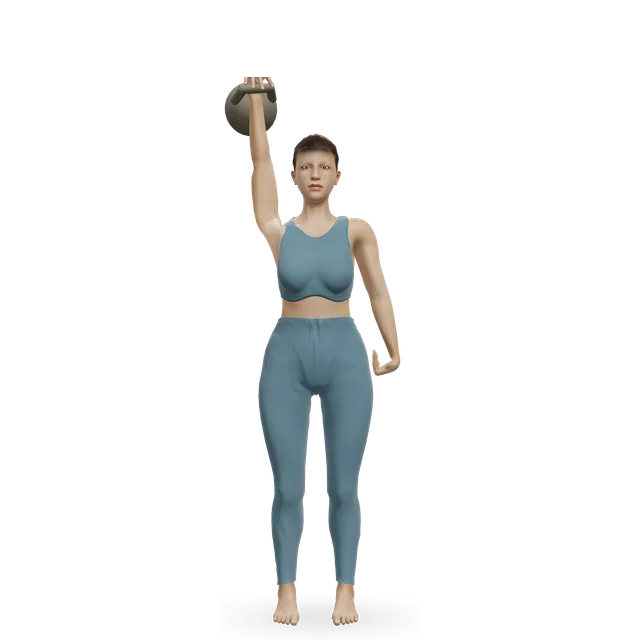
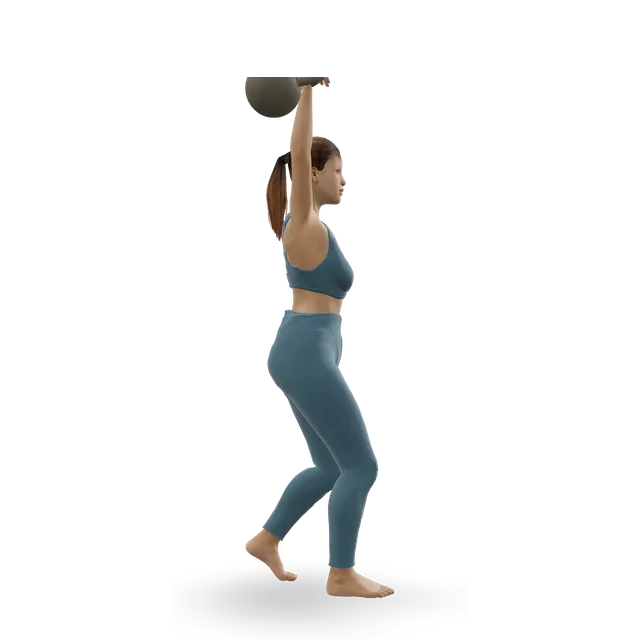
As the side of the bell reaches the outside of your wrist, punch your hand up through the handle, so the bell rolls onto the back of your forearm.
Lock out: arm straight over your shoulder, legs straight, glutes tight. Pause until you and the bell are still.
Keep the bell close and let it fall, turning your hand so the bell hangs below it. As your forearm reaches your body, hinge, and let the bell swing back between your thighs into the next rep.
Park it on the floor after the last rep, then change hands. To bail from overhead, steer the bell forward and down into a swing and park it, or let go forward and step back.
Loading the 3D figure…
Drag to turn
Gets into position, then repeats the movement. Technical checks passed; qualified exercise review is pending.
Doses come from our move pages and workouts where named; the move-on points are our editorial suggestions.
Step 1: the one-arm swing and the clean
The ACE-certified trainer's order: the one-arm swing, the clean and the high pull before the snatch. Our clean guide takes you from the swing to the clean. Move on when your cleans land quietly on each side. There's no 3D demo of the one-arm swing.
From a swing, pull the bell up close to your body to about chest height, elbow high, then let it fall back: the snatch's path without the punch. There's no 3D demo of the one-arm high pull; the nearest is the two-handed sumo high pull, at 2 to 3 sets of 8 to 12 stopping with 2 or 3 reps in reserve (its move page's dose), elbows no higher than your shoulders. For the one-arm version, 3 sets of 5 each side (editorial). Move on when the bell travels close every rep.
Step 3: a locked arm overhead
An overhead carry, 2 walks of 10 to 15 m each arm with a light bell (our get-up practice), only if you can hold your arm straight overhead without pain. Our overhead press guide's wall check is the test: arms towards the wall overhead without your lower back lifting off it.
Step 4: the snatch
3 to 5 sets of 2 to 5 each side, resting fully between sets (its move page's dose). Move on when 5 snatches a side land softly and lock out still.
Step 5: snatch intervals
15 seconds on and 15 seconds off, alternating hands, built up over weeks towards the 20 minutes a 4-week trial used (the build-up below is our editorial suggestion).
The split snatch (a lunge catch) and the double snatch (two bells) at 3 to 5 sets of 2 to 5, each side for the split snatch (their move pages' doses). Neither is needed; learn them only if you want them.
How long it takes
No study has timed it. Move on by the checks above rather than the calendar.
Getting the details right
The float
Keep the bell close on the way up. Once it passes chest height, let it float above your hand rather than heaving it: the trainer's steps have its base pointing at the ceiling just before you punch through.
Punch up as the side of the bell reaches the outside of your wrist, so it rolls onto your forearm rather than flipping over and slamming down. A thud on the back of your wrist means your timing is late.
Finish with your arm straight, your knees straight and the bell still for a moment, as the published test requires. A bell that wobbles overhead, or an arm that finishes the job with a press, means it's too heavy or your hips are doing too little.
Let the bell fall close to your body, turning your hand so it hangs below, and hinge only as your forearm reaches your body. Loosen your grip as it falls and re-grip in the backswing, as kettlebell sport lifters do, to spare your hands.
Don't wrestle a bell that's off line. Steer it forward and down into a swing and park it, or let go forward and step back, as our move page advises. Clear the space in front of and behind you before every set.
Breathing
Breathe out sharply as your hips drive the bell up and in as it falls, as in our swing guide (our editorial suggestion). Don't hold your breath through a set.
Your hands, wrists and forearms
Why the hands suffer
In 12 experienced lifters snatching 24 kg for 6 minutes, grip strength fell by 9.8 kg, and the force on the bell fell between the first and last reps of the set. Hands that aren't used to it blister and tear.
Hold the handle lightly on the way up and re-grip in the backswing (coaching practice), and add reps a little at a time. The published instructor test allows chalk, and tape only over open wounds, but not gloves or wrist wraps.
The NHS advises keeping a blister clean, covering it with a soft plaster or padded dressing, not bursting it, and not using the equipment that caused it until it heals. Get help from NHS 111 if a blister is very painful, keeps coming back or looks infected.
The bell is flipping over instead of rolling. Keep it closer and punch through earlier, or go lighter for a few sessions (our move page's advice).
Too much, too soonMixed evidence
A 2019 review describes a forearm stress fracture in a kettlebell sport competitor who had recently trained more often and harder; it began after one-arm snatches with 24 kg. A sore spot you can point to on a forearm bone that hurts with activity needs a GP within days, as our forearm pain guide says.
Swing-like output, more of it upwardEmerging evidence
22 men did 3 sets of 8 snatches and two-handed swings with 24 kg on a force plate. The mechanical work was similar, but the snatch lifted the body's centre of mass further (22 against 18 cm), and more of the swing's push went forwards (23% of it, against 14% in the snatch).
12 experienced lifters snatched 24 kg for 6 minutes, about 14 reps a minute with one change of hands. The force on the bell peaked at 814 to 885 newtons, the push into the floor reached about twice body weight, the force on the bell fell over the set, and grip strength fell by 9.8 kg.
A moderate load on the lower backEmerging evidence
With a 16 kg bell in 7 men, compression on the lower spine was about 3,000 newtons at the bottom of a swing to snatch and about 1,600 with the bell overhead, similar to the swing. The authors called the spine loads "quite conservative" in every style they tested.
In 14 trained adults, the swing-style snatch drew less activity from the back muscles beside the spine than a one-arm swing, and more from the obliques on the opposite side. With 16 kg, most trunk muscles worked harder in the swing to snatch than in the swing, and the glutes less, on average, though most of those differences weren't statistically significant.
In a graded 16 kg snatch test, 10 men reached an oxygen uptake of 37.6 ml per kg per minute, 82.7% of their maximum on a rowing machine, and 98% of their maximum heart rate.
Snatch intervals raised aerobic fitness in one small trialEmerging evidence
9 female college footballers added 20 minutes of 15:15 snatch intervals three times a week to their off-season training for 4 weeks. Their maximal oxygen uptake rose by 2.3 ml per kg per minute, about 6%, with no change in 8 teammates doing circuit training. Their bells were 12 kg, as a 2019 review describes them.
Heart rate overstates the aerobic workEmerging evidence
In 12 minutes of swings, heart rate averaged 87% of maximum while oxygen use was 65% of maximum, and 8 weeks of workplace kettlebell training didn't change aerobic fitness. A 2019 review judged hardstyle kettlebell training "not the most effective form of exercise for improving cardiovascular capacity".
No study of the shoulder or of injury ratesMixed evidence
We found no study of shoulder load or injury in the kettlebell snatch, and no study of how often kettlebell sport or snatching injures people. The kettlebell injury reports in a 2019 review were three single cases, each seemingly from a training-load error.
Your press bell or lighter (our editorial suggestion): the bell our kettlebell plan says you can press 5 to 8 times each side with 2 or 3 reps to spare. Choose by that test, not by a chart or by sex.
While you're learning
3 to 5 sets of 2 to 5 each side, resting fully between sets: the editorial starting point on our one-arm snatch move page. For power, moderate loads and about 24 reps of a lift a session or fewer worked best across 137 reviews.
Once 5 crisp snatches each side are easy: 15 seconds of snatches, then 15 seconds' rest, swapping hands each round. The trial used 20 minutes, 3 times a week, for 4 weeks, with 12 kg bells as a 2019 review describes them. Our editorial build-up: 5 minutes (10 rounds) at first, adding 2 or 3 minutes a week, 2 or 3 times a week at most. End a round early if the bell starts to land hard or your grip goes.
"Swings, cleans and snatches are power moves: end each set or round while every rep is still fast and crisp, well before you tire", as our kettlebell plan says.
How often
Once or twice a week as power work, never on top of a full swing interval session (our suggestion). The NHS's 150 minutes a week of moderate aerobic activity still apply: snatches don't replace your walks, runs or rides.
Reps and rounds first, then the next bell, which is usually 4 kg heavier. In a 6-week trial of swings, a fixed 20 kg bell built as much strength as one stepped up every 2 weeks.
One kettlebell school's instructor course asks for 100 snatches in 5 minutes, any number of hand changes, with 12 or 16 kg for women and 20, 24 or 28 kg for men by body weight, and 50 in 3 minutes from age 65. It's a certification standard for coaches, not a target for beginners.
A coaching snatch cadence test gave consistent results (a reliability of 0.94), but it needs "a high degree of proficiency in executing the snatch", so it suits experienced lifters, not clinics or beginners.
A snatch test measures how well you snatch. It isn't a fitness norm, and no study links a score to health. If you like a target, compare yourself with yourself, with the same bell and the same rules.
Your shoulders and your back
Shoulders: no evidence either wayMixed evidence
We found no study of the shoulder in the snatch, so claims that it's risky, or that it builds bulletproof shoulders, go beyond the evidence. What is clear is that you need a pain-free, straight arm overhead first. With a painful, stiff or unstable shoulder, swing and clean instead.
Spine loads in the swing to snatch were moderate and similar to the swing's in a lab study of 7 men. If your lower back, not your hips, is doing the work, go back to swings and deadlifts for a week.
In US emergency departments, dropped equipment caused about 12% of men's and 19% of women's resistance-training injuries, and being hit by equipment 4 to 6%. Snatch where nothing and no one is in front of, behind or beside you.
The bell stalls at head height and your arm finishes the job. Drive harder with your hips, or use a lighter bell.
The bell slamming your forearm
You're punching through late. Keep the bell close and punch as it reaches your wrist.
The bell drifting forward overhead
Lock out with your arm by your ear and the bell over your shoulder; if it won't stay there, it's too heavy.
Leaning back at the top
Your lower back takes the load. Stand tall, glutes tight, ribs down.
Gripping hard all the way
Torn skin and a tired grip. Loosen on the way up and re-grip in the backswing.
Casting the bell out wide on the way down
It drags you forward. Keep it close as it falls, and hinge only as your forearm reaches your body.
Too many reps too soon
Sore hands, wrists or forearms that linger. Build up over weeks, and end each set while every rep is crisp.
Who should change the snatch
A painful, stiff or unstable shoulder
Swing and clean instead until you can hold a straight arm overhead without pain. After a dislocation, stop short of any feeling that the shoulder might slip, as our shoulder dislocation guide says.
Wrist or forearm pain
Swings and kettlebell deadlifts, which have no catch, until it settles, as our wrist pain lifting guide suggests.
Back pain
Deadlifts, then swings, before snatches. Keep pain to about 5 out of 10 or less, settling within an hour, and stop for pain that spreads down a leg, as our back pain guides advise.
High blood pressure, heart disease or glaucoma
A snatch test drove heart rate to 98% of its maximum. Keep sets short and easy, breathe out through each rep, and check with your doctor first if your condition isn't controlled. With a pacemaker or defibrillator, ask before upper-body training, as the American Heart Association advises.
Not the time to learn the snatch: the NHS advises against starting a new vigorous activity, and Tommy's says to avoid exercises where a weight could hit your bump or you could lose your balance.
Only with no spinal fractures and confident technique, as our swing guide says of swings, since the snatch starts with the same hinge. The UK consensus advises avoiding repeated and loaded forward bending.
Work up in order, at the move pages' doses unless named: the one-arm clean at 3 to 5 sets of 5 each side, the sumo high pull at 2 to 3 sets of 8 to 12, the overhead carry at 2 walks of 10 to 15 m each arm (our get-up practice) and the snatches at 3 to 5 sets of 2 to 5 (each side for one bell); the one-arm swing and the one-arm high pull have no 3D demo.
Wall angels, 8 slow slides, as your overhead reach check, and face pulls, 2 sets of 15 (our overhead press technique workout); band external rotations, 12 to 15 each arm (our shoulder mobility and stability routine); farmer's carries, 3 walks of 30 m (our grip strength workout); and swing intervals while the snatch is still being learnt.
The swing interval workout's advanced option swaps the swings for 15:15 snatch intervals, alternating hands. Learn the clean first in the clean and press practice session, and the swing in Learn the kettlebell swing.
If you get chest pain or pressure, feel faint or dizzy, are unusually breathless, or your heart races or beats irregularly during exercise, as our plans advise. The American Heart Association says these need immediate medical evaluation.
For chest pain that comes on suddenly and doesn't go away, feels like squeezing or pressure, or spreads to your arms, neck, jaw, stomach or back; arm pain that comes on suddenly with pressure, heaviness or squeezing across your chest; severe difficulty breathing; palpitations that don't go away, or come with chest pain, breathlessness or feeling faint; someone who faints while exercising; or a headache that starts suddenly and is extremely painful. Don't drive yourself to A&E.
After an injury, if you can't move your arm, your shoulder looks out of place or has changed shape, or it's painful, bruised or swollen. Call 999 for an ambulance if you can't get there yourself, and don't try to put it back in yourself.
For sudden or very bad shoulder pain, an arm you can't move, pins and needles that don't go away, or a shoulder that's hot or cold to touch; severe wrist pain, or a snap, grinding or popping noise when you hurt it; or back pain with feeling hot, cold, shivery or generally unwell. In the US, contact your doctor or urgent care.
If back pain comes with pain, tingling, weakness or numbness in both legs; loss of feeling around your genitals or anus; difficulty peeing, or peeing or pooing yourself; changes in how your genitals feel during sex; or chest pain.
If shoulder pain is getting worse or hasn't improved after 2 weeks; wrist pain hasn't improved after 2 weeks or comes with tingling; arm pain doesn't go away after a few weeks; after any faint; or for dizziness that keeps coming back. A sore spot on a forearm bone that hurts with activity needs a GP within days, as our forearm pain guide says.
See a GP if you think you have a hernia. Get help from NHS 111 if you have a hernia and pain in or around it, a bloated tummy, sickness, constipation, a high temperature or sudden confusion. Call 999 or go to A&E only for a femoral hernia (a small lump at the top of your thigh, in your groin) with very bad tummy pain, sickness, being unable to fart or poo, a high temperature or sudden confusion.
"The snatch is too dangerous for beginners"Mixed evidence
No study has measured snatch injury rates, spine loads were moderate in one lab study, and the kettlebell injury reports in a 2019 review each seemed to involve a training-load error. The honest answer: it's an advanced lift, learnt after the swing, the clean and the high pull, with volume built slowly. Not dangerous, but not a first lift either.
"Snatch tests tell you how fit you are"Mixed evidence
Timed snatch tests are certification or sport standards, and a coaching cadence test needs a high degree of snatch skill. No study ties a score to health.
"Your heart rate shows how much cardio you're doing"Emerging evidence
In kettlebell swings, heart rate ran well ahead of oxygen use (87% of maximum heart rate at 65% of maximum oxygen uptake). Snatches did push oxygen uptake high in one lab test, but judge your sets by crisp reps, not your heart rate.
Spine loads were moderate and similar to the swing in one lab study, and the swing-style snatch drew less activity from the back muscles beside the spine than a one-arm swing. Hinge well and stop when your back, not your hips, takes over.
The trial that raised aerobic fitness used 12 kg bells, as a 2019 review describes them, and power grows best with moderate loads. A light bell snatched crisply does the job.
Hike the bell back, drive your hips, let it float up close to your body, and punch your hand up through the handle as it passes your head, so it lands on the back of your forearm with your arm locked overhead. Then let it fall back into the backswing for the next rep. Learn the one-arm swing, the clean and the high pull first.
Is the kettlebell snatch safe for beginners?
It's an advanced lift, best learnt after the one-arm swing, the clean and the high pull. No study has measured how often snatching causes injuries; the kettlebell injury reports in one review each seemed to come from doing too much too soon. Start light, with short sets.
What muscles does the kettlebell snatch work?
Your hips and legs drive it, as in a swing, with more of the work going upwards. It also taxes your grip and the shoulder that holds the bell overhead, and in one study it worked the obliques on the opposite side harder than a one-arm swing.
What is the kettlebell snatch test?
A timed test of how many snatches you can do: kettlebell sport counts the most in 10 minutes with one change of hands, and one instructor course asks for 100 in 5 minutes with a set bell. They're standards for competitors and coaches, not fitness norms.
What weight kettlebell should I snatch?
Start with your press bell or lighter, chosen by our kettlebell plan's test rather than a chart. The one snatch training trial used 12 kg bells. Move up only when every rep lands softly and locks out still.
How many kettlebell snatches should I do?
While you're learning, 3 to 5 sets of 2 to 5 each side with full rest. For fitness, 15 seconds on and 15 seconds off, alternating hands, built up over weeks towards the 20 minutes a 4-week trial used. End each set while every rep is still crisp.
Why do kettlebell snatches hurt my forearm?
The bell is flipping over and slamming down instead of rolling onto your wrist. Keep it close and punch through earlier, or go lighter. A sore spot on a forearm bone that hurts with activity needs a GP within days.
How do I stop kettlebell snatches tearing my hands?
Hold the handle lightly on the way up and re-grip in the backswing, add reps slowly, and use chalk if you like. If a blister forms, don't burst it; cover it, and give that hand a rest until it heals.
Are kettlebell snatches good cardio?
They can be: a 16 kg snatch test pushed oxygen uptake to 83% of maximum, and 4 weeks of snatch intervals raised aerobic fitness by about 6% in one small trial. But heart rate overstates the aerobic work in kettlebell training, so keep walking, running or cycling too.
Are kettlebell snatches bad for your shoulders or back?
Lower-back loads were moderate and similar to the swing's in a lab study. No study has measured the shoulder, so you need a pain-free, straight arm overhead first; with a painful or unstable shoulder, swing and clean instead.
Kettlebell snatch or barbell snatch?
They're different lifts. The kettlebell snatch is a one-arm swing that finishes overhead; the barbell snatch is a two-handed Olympic lift caught in a squat, which our snatch guide covers.
Exercise education, not a personal prescription, and clinical review of these guides is pending. Check with a GP before starting hard training if you have a heart condition, chest pain, dizziness or breathlessness when active, and stop for sharp or increasing pain. Health disclaimer.