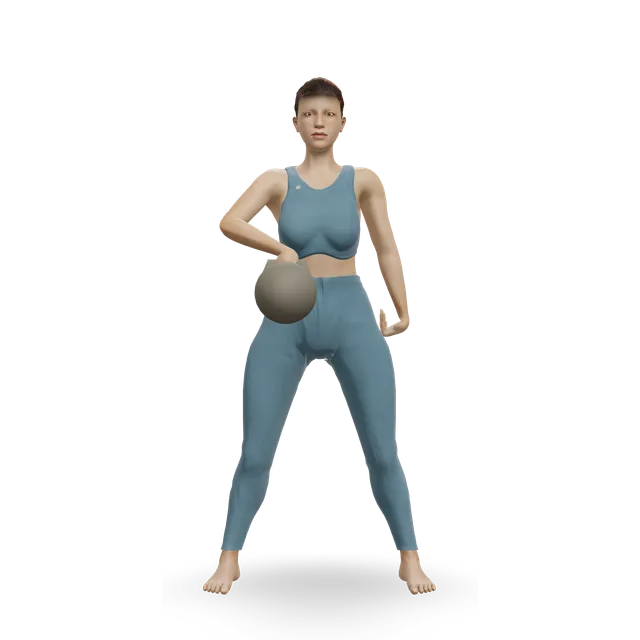
Pain guide · Wrist and hand pain

Wrist pain with kettlebells: the bell on your forearm, grip, the rack, the thumb side and what helps

Wrist pain with kettlebells usually comes from the bell's path: in cleans and snatches a bell that loops out wide flips over your hand and lands hard on the back of your wrist and forearm. A wrist bent back in the rack or overhead, a tight or off-centre grip and torn skin from the handle are the other common causes. Where it hurts is the best clue: a bruised band across the back of the forearm is the bell's impact, the middle of the back of the wrist a pinched joint lining or a hidden ganglion, the thumb side de Quervain's, the little-finger side the cartilage cushion there (the triangular fibrocartilage complex, or TFCC), and tingling a nerve. Swings and deadlifts while it settles, the elbow in, a relaxed grip and a straight wrist usually help, and kettlebells aren't bad for wrists.

This guide starts with the signs that need help, from accident and emergency (A&E) for a wrist that is out of shape, numb or cold after a fall or a dropped bell, to a same-day check through the National Health Service's 111 line (NHS 111) or a general practitioner (GP) for pain at the base of the thumb after a fall or a blow, a hot, swollen wrist with a high temperature or a hand that has lost feeling. It then maps the causes by where it hurts, explains what the studies of kettlebells, grip, wrist position, guards and the nerves show, and don't, shows how to change your cleans, snatches and presses today, and gives a three-stage plan with a 3D demo of every move, from swings back to the snatch.

When to get help first

Exercise is for pain that has been checked or is clearly mild and settling.

Get urgent medical help if

  • Call 999 or go to A&E after an injury (don't drive yourself) if the arm, wrist or hand is numb, tingling or has pins and needles; a bone is sticking out or a bad cut is bleeding heavily; or the wrist, thumb or a finger has changed shape, is at an odd angle, or has turned blue, grey, white or cold.
  • Call 999 or go to A&E: sudden, severe pain in a muscle of the forearm or hand, which may be worse when you stretch it, with swelling, numbness, weakness or pins and needles, or tightness or difficulty moving the fingers. This can be acute compartment syndrome, which needs surgery as soon as possible. It usually follows an injury, a crush, or a cast or bandage that is too tight. Do not drive yourself to A&E.
  • Call 999, even if it passes: sudden weakness or numbness in one arm, with a drooping face or slurred speech. These are signs of a stroke.
  • Call 999: chest pain that spreads to your arm, neck or jaw. It could be a heart attack.
  • Go to an urgent treatment centre or A&E if you heard a crack or snap when you hurt it, or the pain is severe and you can't move the thumb or hold things.
  • Same day (NHS 111): severe wrist pain; you feel faint, dizzy or sick from the pain, or you feel unwell, hot, cold or shivery; you heard a snap, grinding or popping noise when you hurt it; you can't move your wrist or hold things; your wrist has changed shape or colour; a lump on your wrist is very painful, hot or red (redness may be harder to see on brown and black skin); or you have lost the feeling in part or all of your hand. These might be signs of a broken wrist or an infection.
  • Same day (NHS 111, an urgent treatment centre or an urgent GP appointment): a wrist or hand injury that is very painful, getting worse, very swollen or bruised, stiff, or that you can't use. It may be broken. Get the same help if you also have a very high temperature, or feel hot, cold or shivery: this could be an infection.
  • Same day: after a fall onto an outstretched hand, pain or tenderness at the base of the thumb on the back of the wrist (the hollow called the snuffbox), even if the wrist moves well or the first X-ray was normal. A broken scaphoid can hide on the first X-ray and is slow to heal if it's missed, so ask what follow-up is planned.
  • Same day: after a missed clean, a dropped bar or a catch that forced your wrist back hard, pain or tenderness in the hollow at the base of the thumb on the back of the wrist (the snuffbox), even if the wrist moves well. A broken scaphoid can hide on the first X-ray, so get it checked and ask what follow-up is planned (our suggestion).
  • Same day: after a kettlebell slammed onto your wrist or forearm, a dropped bell or a fall forced your wrist back, a bone that is very tender to press, swelling over the bone, or pain in the hollow at the base of the thumb (the snuffbox), even if the wrist moves well. Get it checked through NHS 111 or an urgent treatment centre: a broken bone can hide on the first X-ray (our suggestion).
  • Same day (NHS 111): after an injury, the forearm locks so you can't turn the palm up or down, or the end of the forearm bone on the little-finger side clunks or sticks up at the back of the wrist. The joint between the forearm bones may have come out of place.
  • Same day (urgent GP appointment or NHS 111): sudden, severe pain in one joint, with swelling, a change in skin colour or difficulty moving it, especially if you feel unwell, hot, cold or shivery or have a high temperature (although not everyone has one). It could be an infection in the joint, gout or calcium crystals (pseudogout), and only a sample of fluid from the joint can tell them apart.
  • Same day: you have lost the feeling in part or all of your hand.
  • Contact your GP practice urgently (or NHS 111 if it's closed): clumsiness in your hands, or numbness, pins and needles or weakness in one or both arms that is getting worse.
  • Same day: both hands numb or clumsy (dropping things, trouble with buttons or handwriting), especially with unsteady walking or falls. Pressure on the spinal cord in the neck can do this, and it is often first mistaken for carpal tunnel syndrome.
  • A child who can't feel or move their fingers or thumb after the injury: go straight to A&E.
  • Get help from NHS 111 if a blister is very painful or keeps coming back, or looks infected: hot, with green or yellow pus, or red skin around it.

See a doctor or physiotherapist if

  • Not improved after 2 weeks of looking after it at home, getting worse, keeps coming back, or stopping you doing normal activities. In many areas you can refer yourself to NHS physiotherapy.
  • Any tingling or loss of feeling in the hand or wrist.
  • Carpal tunnel symptoms that are getting worse, not going away, or not helped by treatment at home; sooner if the thumb is weak or the muscle at the base of the thumb looks thinner.
  • You have diabetes and a hand problem: the NHS says hand problems can be more serious if you have diabetes.
  • Constant numbness in the ring and little fingers, a weak or clumsy hand, or visible wasting of the muscle between the thumb and index finger. Ask about referral: one NHS referral guide treats permanent numbness or wasting as urgent.
  • Pins and needles that keep coming back or are constant, wherever they are in the hand.
  • See a GP if your wrist is painful, warm, swollen and stiff, or you have wrist pain and also feel unwell with a high temperature.
  • The wrist feels unstable or weak, or clicks with pain: see a GP or physiotherapist. It may need a hand specialist to check it.
  • After a fall onto your hand, pain in the middle of the back of the wrist with a painful click or clunk, a weaker grip, or pain and swelling that haven't settled after a few days, even if the X-ray was normal: see a GP or physiotherapist and ask whether a hand specialist should check the wrist ligaments. A torn ligament between the wrist bones is best repaired within about 4 to 6 weeks.
  • A deep ache in the middle of the back of the wrist that keeps coming back when you load it, often with a weaker grip, even if an X-ray was normal: see a GP or physiotherapist and ask whether a scan is needed. A hidden ganglion or, rarely, Kienböck's disease (loss of blood supply to a wrist bone) can be missed on early X-rays.
  • A fall on the hand more than about 4 weeks ago that still hurts at the base of the thumb, and was never X-rayed or put in a splint: get it checked. UK hand surgeons ask for a scan and may advise an operation after a delay of more than 4 weeks.
  • One spot on a forearm bone that you can point to, sore with activity and when you turn your palm up and down, in a young athlete who twists, swings or takes weight on the hands: stop that sport and see a GP within days. A stress fracture of the forearm can be missed on an X-ray, and an MRI (magnetic resonance imaging) scan may be needed.
  • Forearm pain and tightness that builds during every ride, row, climb or grip session and eases soon after stopping, sometimes with numbness or a weak grip: see a GP or sports doctor. It can be exertional compartment syndrome of the forearm.
  • A teenager whose wrist still hurts the day after lifting, cleans, handstands or push-ups, or whose wrist is swollen: stop putting weight through the hands and see a GP or sports doctor. In growing athletes it can be a stress injury of the growth plate.
  • A lump that gets bigger, is hard or doesn't move.
  • Swollen, stiff joints in several fingers or both hands, with morning stiffness lasting more than 30 minutes. NICE asks GPs to refer suspected rheumatoid arthritis urgently when the small joints of the hands or feet, or more than one joint, are affected, or there has been a delay of 3 months or longer between the symptoms starting and seeking medical advice, even if blood tests are normal.

Where does it hurt?

Location narrows the likely causes; it does not diagnose.

A bruised, tender band across the back of the forearm or wrist where the bell lands in cleans and snatches

The bell's impact: it is looping wide and flipping over your hand, or a late punch-through slams it down. A path and timing problem, worse with a tight grip, so fix the path rather than toughen up.

The middle of the back of the wrist, worse loaded bent back in the rack, a get-up or a push-up

Often the joint lining pinched, a hidden ganglion or a wrist ligament (our reading of an expert review). A straight wrist and swings in place of cleans take the bend out first.

Read: Wrist pain bending back →
The back of the wrist with a painful click or clunk, often after a fall on the hand

Possibly a wrist ligament (the scapholunate ligament): get it checked.

Read: Wrist sprain or fracture →
The thumb side of the wrist, worse lifting the thumb or gripping with the thumb up

Often de Quervain's tenosynovitis. In one case, repeated knocks from an off-centre grip split a thumb tendon there.

Read: De Quervain's tenosynovitis →
The little-finger side, sometimes clicking, with a weaker grip, worse turning the forearm or gripping hard

Often the TFCC or the tendon beside it. The pain rule is lower on this side.

Read: TFCC tear →
The hollow at the base of the thumb after a fall, a dropped bell or the bell slamming onto the wrist

A possible broken scaphoid, which can hide on the first X-ray: get it checked the same day, even if the wrist moves well.

Read: Scaphoid fracture →
One spot on a forearm bone, sore with training and later at rest, after a jump in sets or sessions

A possible bone stress injury: one kettlebell sport competitor had a stress fracture of the forearm. Early X-rays can miss it: see a GP within days.

Read: Forearm pain →
Blisters or torn skin on the palm or fingers where the handle sits

Common with snatches and swings. Cover a blister, don't burst it, and give that hand a rest from the bell until it heals.

Tingling in the thumb, index and middle fingers in the rack, overhead or at night

Carpal tunnel syndrome: the pressure on the nerve rises with the wrist bent back. A straighter wrist helps; tingling that lasts needs a GP.

Read: Carpal tunnel syndrome →
Tingling in the ring and little fingers, with the elbows bent deep

Usually the ulnar nerve at the elbow.

Read: Ulnar nerve entrapment →
A smooth lump on the back of the wrist

Often a ganglion, which usually needs no treatment.

Read: Ganglion cyst →
A deep central ache that keeps coming back when you load the wrist, with a weaker grip

Rarely Kienböck's disease or a hidden ganglion, which early X-rays can miss: see a GP.

Read: Kienböck's disease →
The forearm muscles ache and tighten in every grip session, easing soon after

Usually tired forearm muscles; if it builds every time, with numbness or a weak grip, our forearm pain guide covers exertional compartment syndrome.

Read: Forearm pain →
The same wrist pain with a barbell clean

Our cleans wrist guide covers the catch, the rack and the hook grip.

Read: Wrist pain in cleans →
The wrist hurts pressing a barbell or dumbbells overhead

Our overhead press wrist guide covers where the bar sits in the hand.

Read: Wrist pain overhead pressing →
A teenager's wrist, sore the day after lifting or handstands

Possibly a stress injury of the growth plate: stop weight through the hands and get it checked.

Read: Gymnast's wrist →

Understand it

What a kettlebell asks of the wrist, and what no study has measuredEmerging evidence

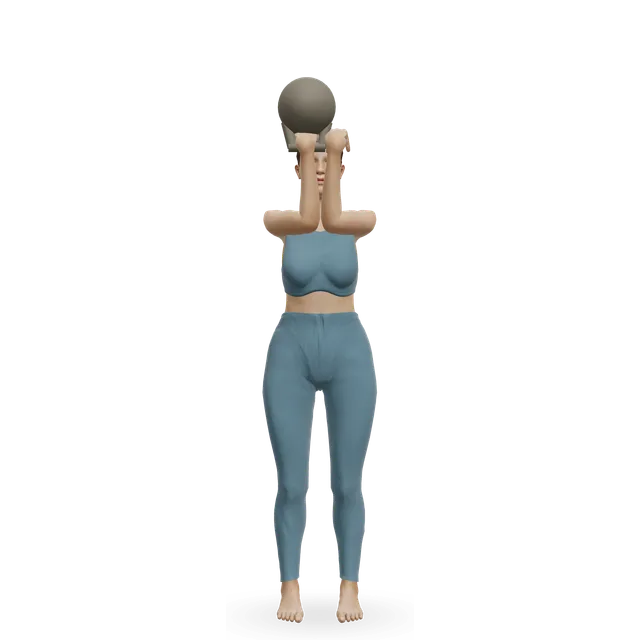
A kettlebell's weight hangs below and behind the handle, so in a clean or snatch the bell has to travel round your hand to land on the back of your forearm. In the rack, the American Council on Exercise (ACE) describes the bells resting "on your arm and chest while you maintain a tight and straight back", and its double clean says "pull the kettlebell in at the hip and rotate it around your wrist". The press starts with the wrist neutral and turns from a neutral to a palm-forward position as the bell goes up, as the National Strength and Conditioning Association (NSCA) teaches it.

If the bell loops out wide, it flips over the top of the hand and lands with a thud; if the timing is late in a snatch, it slams down at the top, as our kettlebell clean and snatch guides explain.

No study has measured the forces on the wrist or forearm in a kettlebell lift. The one force study measured the bell and the floor: in 12 experienced lifters snatching 24 kg for 6 minutes, grip strength in the working hand fell by about 10 kg over the set. So the mechanisms on this page are our reading, from coaching texts, a few case reports and studies of the pressure on the nerve at the wrist.

Sources 1, 2, 3

How common it is, and who gets itEmerging evidence

No study counts wrist pain from kettlebells. A 2019 review of 99 kettlebell publications found 3 published case reports of injury and no adverse events in the trials, and said bruising and discomfort from the bell's repeated impact on the forearm are not unusual in beginners.

Across weight training, the wrist and hand are among the most commonly injured areas. Of 270 CrossFit athletes, 20.4% had hurt a hand or wrist, three-quarters of them the wrist, and 29.1% of those hurt the same area again. In US emergency departments, the wrist and hand were 13.5% of 15,348 resistance training injuries, and dropped weights and crushes were the commonest cause of upper limb weightlifting injuries; kettlebells were named in very few cases.

Who gets it, in our reading: people learning the clean or snatch, people using a small, light cast-iron bell or adding volume quickly (snatch tests, long sets, challenges), people who grip hard or hold the handle off-centre, and people whose wrists already hurt.

Sources 4, 5, 6, 7, 8

The forearm bruise, and when knocks aren't harmlessEmerging evidence

A bruised, tender band across the back of the forearm just above the wrist is the bell's impact. Usually it fades once the bell stops landing hard (our reading). But repeated knocks aren't always harmless: in a 39-year-old man, repeated impact from an off-centre grip on the handle split a thumb tendon at the wrist. He was free of symptoms within 3 weeks in a wrist and thumb splint and back to kettlebell training after 3 months, and the authors advised that kettlebell users with de Quervain's be assessed before a steroid injection.

One spot on a forearm bone that is sore with training, and later at rest, is different: a kettlebell sport competitor had a stress fracture of the radius after increasing how often and how hard she trained. Early X-rays can be normal, and a review says magnetic resonance imaging (MRI) is most useful for spotting an early stress reaction.

Sources 4, 9, 10

How the causes are told apartEmerging evidence

An ache in the middle of the back of the wrist, worse when the wrist is loaded bent back, points to a pinched joint lining, a hidden ganglion, a wrist ligament or, rarely, Kienböck's disease; an expert review notes this kind of pain is more common than the research would suggest. A smooth lump there is often a ganglion, and the NHS says most don't need treatment.

The thumb side, worse lifting the thumb, points to de Quervain's, and British hand surgeons note that some mild cases recover over a few weeks without treatment. The little-finger side, sometimes with clicking or a weaker grip, points to the TFCC or the tendon beside it: in 72 people with stable TFCC tears treated without surgery, 30% had fully recovered at 6 months and 50% at a year, and across 8 studies (425 people) non-surgical care did about as well as surgery.

Blisters and torn skin where the handle crosses the palm are common with snatches and swings; the NHS says cover a blister, don't burst it, and don't use what caused it until it heals.

Sources 11, 12, 13, 14, 15, 16

The bent-back wrist and the nervesStrong evidence

Tingling in the thumb, index and middle fingers in the rack, overhead or at night points to the median nerve (carpal tunnel). Bending the wrist fully back raised the pressure in the carpal tunnel from 2.5 to 30 millimetres of mercury (mmHg) in healthy wrists, and from 32 to 110 in people with carpal tunnel syndrome. A quarter of 37 healthy people passed 30 mmHg by about 33 degrees of extension, and the pressure was lowest with the wrist almost straight.

The NHS lists repeatedly bending your wrist or gripping hard among the risks for carpal tunnel syndrome. Tingling in the ring and little fingers with the elbows bent deep points instead to the ulnar nerve at the elbow (our ulnar nerve guide).

Sources 17, 18, 19, 20

When a scan or test mattersStrong evidence

Not at first for gradual pain without warning signs: the NHS starts with looking after it at home, and a GP if it hasn't improved after 2 weeks or there is tingling.

After a fall, a dropped bell or a hard blow, an X-ray looks for a fracture, but 9.0% of injured wrists with a normal first X-ray had a hidden scaphoid fracture, and no single sign rules one out, so the National Institute for Health and Care Excellence (NICE) says consider MRI first for a suspected scaphoid fracture. A deep central ache that keeps coming back, or a sore spot on a forearm bone, may need an MRI; a nerve test is for tingling that doesn't settle.

Sources 21, 22, 23, 11, 10, 20

How it usually goesEmerging evidence

No study follows wrist pain from kettlebells. NHS inform says many hand and wrist problems begin to settle within 6 weeks. A forearm bruise usually fades over days to a couple of weeks once the bell stops landing on it (our reading).

In CrossFit athletes with hand or wrist injuries, 58.2% hadn't healed or took longer than a month to feel fully healed, yet 72.8% were back to unmodified training within a month, which argues for building back gradually. Half of stable TFCC tears recovered fully within a year, and the man with the split thumb tendon was back to kettlebell training after 3 months. No one can promise a date.

Sources 24, 6, 14, 9

What helps, and how strong the evidence is

Changing the path, grip and wrist position: coaching, never tested against painEmerging evidence

No trial has tested a change to kettlebell technique for wrist pain. The changes on this page come from coaching texts and our kettlebell clean and snatch guides: the elbow close so the bell travels near the body, the hand turning round the handle early, a relaxed grip in the middle of the handle, and a straight wrist in the rack and overhead. Two pieces of evidence support parts of it: an off-centre grip let the handle strike the thumb side of the wrist in one case report, and carpal tunnel pressure was lowest with the wrist almost straight. Grip strength fell by about 10 kg over a 6-minute snatch set in a lab study, which is why sets are kept short and crisp.

Sources 1, 2, 9, 19, 3

Sleeves, guards and wraps: padding, not a fixMixed evidence

No study has tested sleeves or guards for kettlebells. Snowboard wrist guards cut the risk of wrist injury in falls (relative risk 0.23), a different problem. In 48 male gymnasts aged 8 to 22 with wrist pain, a brace eased pain over 3 weeks with no comparison group, and guards changed wrist angles and loading in 23 young female gymnasts.

Wrist wraps didn't change grip strength (35.7 against 35.6 kg) in a crossover trial of 54 CrossFit athletes, and in one survey wraps had been used about a third of the time before people's wrist injuries. A long sleeve or a padded forearm guard can stop the bruising while you fix the path (our suggestion).

Sources 25, 26, 27, 28, 6

Exercise for the wrist: borrowed from NHS wrist programmesEmerging evidence

No trial has tested a rehab programme for kettlebell wrist pain. The plan borrows NHS inform's pacing for new hand exercises (2 to 3 repetitions at a time) and an Oxford NHS wrist booklet written for after a broken wrist: a weight you can lift 10 times before the wrist tires, building to 3 sets of 10, with weight through the hands built up from a table to a wall to the floor. The NHS says keep your hands and wrists moving with gentle exercises, and don't lift heavy objects or grip anything too tightly while it's sore. For the little-finger side, the plan uses our TFCC guide's light forearm rotations. In kettlebell trials themselves, the review found no harms.

Sources 29, 30, 21, 4

Splints and specialist care for the named causesEmerging evidence

For carpal tunnel syndrome, the NHS suggests a splint that keeps the wrist straight, possibly for up to 6 weeks, and cutting down on bending the wrist and gripping hard. For de Quervain's, a wrist and thumb splint; the case report advises assessment before a steroid injection if repeated knocks may have damaged the tendon. For a stable TFCC tear, non-surgical care first. A suspected scaphoid fracture is splinted and scanned.

Sources 20, 13, 9, 15, 23

How much pain is OK while you exercise?

Up to 5 out of 10, settled within half an hour, and lower on the little-finger sideEmerging evidence

This guide uses the wrist hub's rule, as our cleans and front squat wrist guides do. Some discomfort during these exercises is fine and doesn't mean you are doing damage. Keep it to about 5 out of 10 or less. It should settle within half an hour or so, and your hand should be no worse the next morning. If it is, do fewer, smaller or lighter next time, not nothing. An NHS wrist rehabilitation booklet uses the same limit: an unpleasant stretch of about 5 out of 10 that settles within 30 minutes. Tingling and numbness are different: stop and get advice if an exercise brings them on and they don't fade quickly, or if your grip or thumb gets weaker.

On the little-finger side (our suggestion, as in our TFCC guide), keep pain to about 3 out of 10: that side is the TFCC's, which is slow to settle, and only half of stable tears had fully recovered by a year. NHS inform's hand exercises use the same limit of 5 out of 10 and add that pain should be no worse the morning after, and in 7 trials of long-lasting pain, none in the wrist, exercise into some pain did no worse than pain-free exercise.

For kettlebells (our suggestion, built on the same rule): judge each set by its last reps and the wrist half an hour later. Use the lift (deadlifts and swings, then dead cleans, hang cleans, cleans from the swing, presses, then snatches), the bell and the set length at which the wrist stays at 5 out of 10 or less (3 on the little-finger side) and settles within half an hour, with the hand no worse the next morning. A bruise that is sore only to touch isn't a pain-rule question: the fix is the path, so drop back to the last lift that landed quietly. Tingling or numbness, a painful click or clunk, pain in the snuffbox after a blow or a fall, a sore spot on a forearm bone, and a teenager's wrist that is still sore the next day aren't pain-rule questions: see the warning signs.

Sources 30, 29, 31, 14

The exercise plan: 3 stages

Start at the first stage. Each move opens a full guide with a 3D demo.

Stage 1

Hinge without the catch, keep the wrist moving

About the first 2 weeks: keep training the hips, legs and grip with no bell landing on the wrist and no weight through a bent-back wrist, move the wrist and forearm daily, and start still holds for a sore tendon. No cleans, snatches, get-ups or presses from the rack for now. With a diagnosed condition (a TFCC tear, de Quervain's, a broken scaphoid or wrist, a forearm stress fracture, a ganglion, carpal tunnel syndrome, gymnast's wrist), that guide's plan comes first; after a fracture or surgery, your team's plan does.

Wrist & forearm flow demonstrated on the 3D figure3D demoWrist & forearm flowBeginner · No equipment

2 or 3 slow reps of each movement at a time, every hour or so, adding 1 or 2 every few days, then sets of 8 · NHS inform's pacing for hand exercises, as in our cleans and front squat wrist guides

Easier: Wrist circles · Harder: Wrist flexor stretch

Reverse wrist curl demonstrated on the 3D figure3D demoReverse wrist curlBeginner · A dumbbell + A bench or box

If the back of the wrist or the little-finger side is sore: 5 holds of 30 to 45 s, once a day, palm down, wrist level, forearm supported · As in our cleans and front squat wrist guides (editorial): still holds first

Easier: Wrist-extensor eccentrics · Harder: Plate pinch

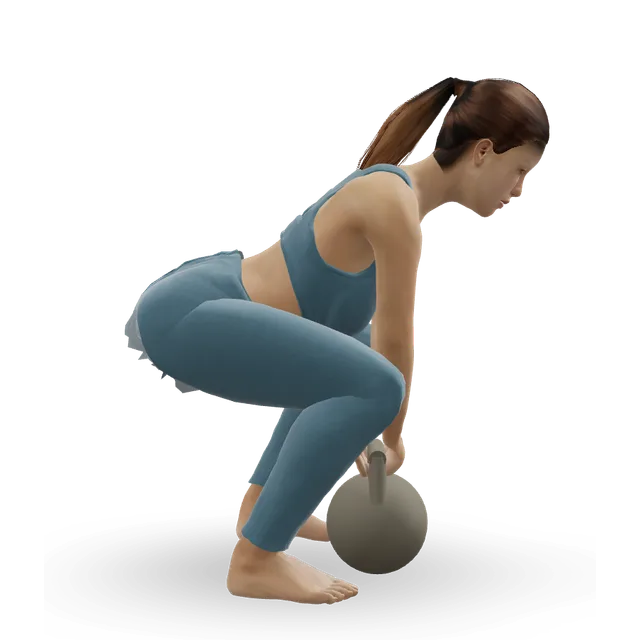
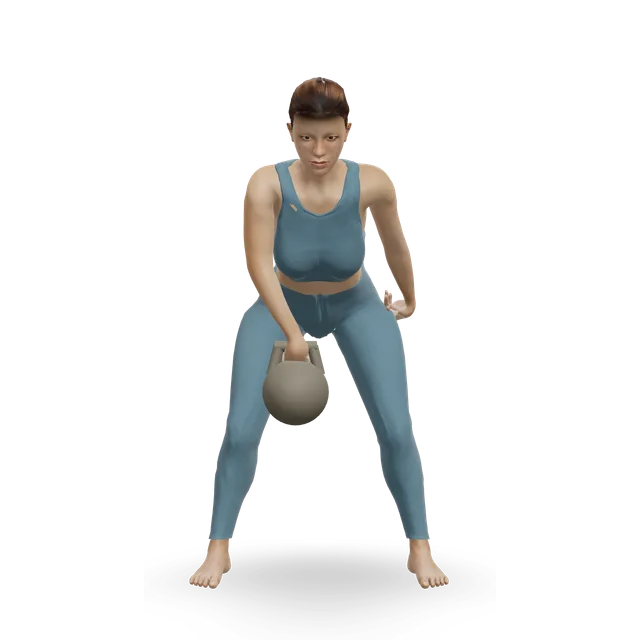
Kettlebell deadlift demonstrated on the 3D figure3D demoKettlebell deadliftBeginner · A kettlebell

3 sets of 5, setting the bell down each rep, the handle across the palm, wrist straight, grip relaxed · Our kettlebell swing guide's deadlift step (editorial)

Easier: Hip-hinge practice · Harder: Dumbbell Romanian deadlift

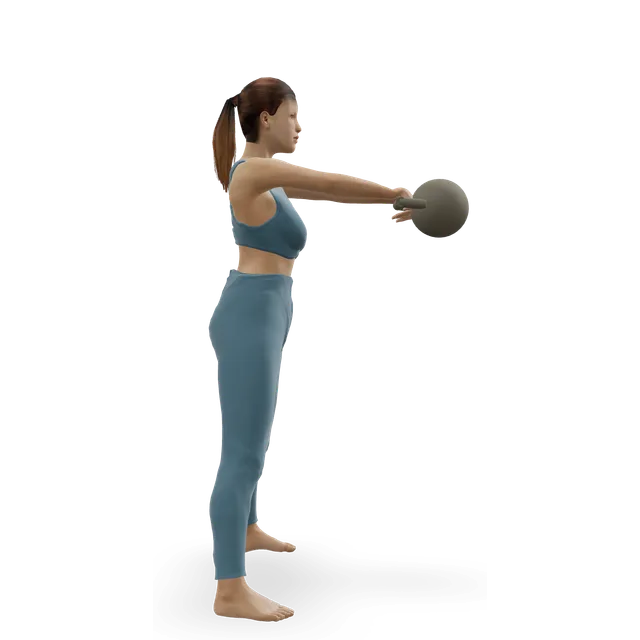
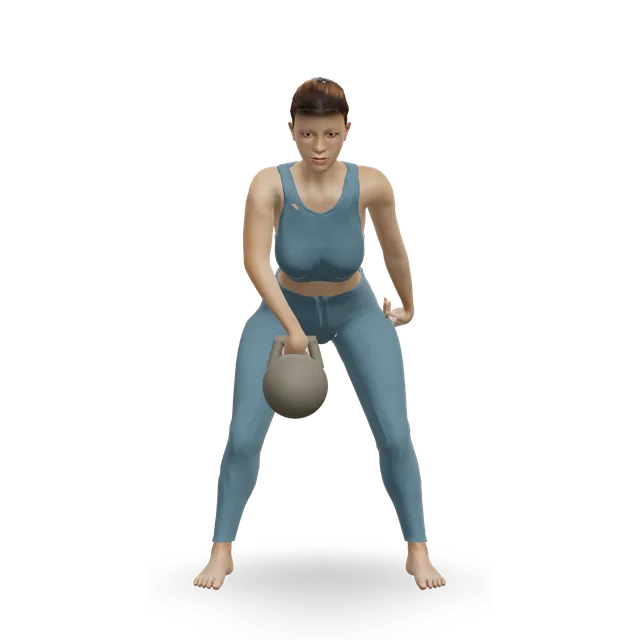
Kettlebell swing demonstrated on the 3D figure3D demoKettlebell swingIntermediate · A kettlebell

6 to 8 sets of 5 to 8 to chest height, two hands, about one set a minute, ending each set while every rep is crisp · Our kettlebell swing guide's editorial starting point. No catch, so no bell on the wrist, as our lifting wrist guide suggests

Easier: Kettlebell deadlift · Harder: Kettlebell clean

Dumbbell goblet squat demonstrated on the 3D figure3D demoDumbbell goblet squatIntermediate · A dumbbell

3 or 4 sets of 8 to 12, stopping about 2 reps short of failure, the bell held by the horns, wrists straight · As in our front squat wrist guide (editorial)

Easier: Bodyweight squat · Harder: Barbell front squat

Suitcase carry demonstrated on the 3D figure3D demoSuitcase carryIntermediate · A dumbbell + A kettlebell

2 walks of 30 m each side, wrist straight · Our kettlebell workout's dose, as our kettlebell clean guide gives it (editorial)

Easier: Farmer's carry · Harder: Overhead carry (waiter's walk)

Move on when: Gripping a bell, a bag or a dumbbell is comfortable, the holds pass the pain rule, and the wrist is no worse the next morning (as in our cleans wrist guide).

Follow along: a timer, a cue and the next move, one step at a time.
Stage 2

Load the forearm, then rack the bell without the bang

About weeks 2 to 6, strength every other day: forearm strength in every direction, weight back through the hands step by step, and the clean relearned from the floor with every rep landing quietly.

Wrist curls demonstrated on the 3D figure3D demoWrist curlsBeginner · A dumbbell

10 slow reps, holding each for a count of 5, with a weight that tires the wrist by the tenth; building to 3 sets of 10, every other day · The Oxford NHS wrist booklet's dose, written for after a broken wrist (borrowed), as in our cleans wrist guide

Easier: Wrist-extensor eccentrics · Harder: Plate pinch

Reverse wrist curl demonstrated on the 3D figure3D demoReverse wrist curlBeginner · A dumbbell + A bench or box

The same: 10 slow reps with a 5-count hold, building to 3 sets of 10, every other day · The Oxford booklet's dose (borrowed)

Easier: Wrist-extensor eccentrics · Harder: Plate pinch

Dumbbell forearm rotation demonstrated on the 3D figure3D demoDumbbell forearm rotationBeginner · A dumbbell + A bench or box

Only if the little-finger side is sore: a light hammer, up to about 200 g, held by the handle, 3 sets of 15 · As in our TFCC guide, from one trial's hand therapy programme (borrowed)

Easier: Wrist-extensor eccentrics · Harder: Plate pinch

Wall push-up demonstrated on the 3D figure3D demoWall push-upBeginner · A wall

Hands flat on a table, then a wall, holding 5 to 10 s with about a quarter, then a half, three-quarters and all of the weight you can put through them; then 2 to 3 sets of 10 · The Oxford booklet's weight-bearing steps, then our push-up wrist guide's dose, as in our cleans wrist guide (editorial)

Harder: Push-up

Kettlebell dead clean demonstrated on the 3D figure3D demoKettlebell dead cleanIntermediate · A kettlebell

3 to 5 sets of 5 each side, resting until the next set can be just as crisp (our editorial starting point). · The move page's dose. Your press bell or lighter, elbow in, hand turning early, until every rep lands quietly on your forearm, as our kettlebell clean guide says

Easier: Cable pull-through · Harder: Clean

Kettlebell halo demonstrated on the 3D figure3D demoKettlebell haloBeginner · A kettlebell

2 to 3 sets of 5 to 8 slow circles each way with a light bell, as part of a warm-up (our editorial starting point). · The move page's dose. The bell held by the horns with straight wrists: grip and shoulder work with no catch

Harder: Kettlebell halo with overhead extension

Move on when: 3 sets of 10 wrist bends both ways pass the pain rule, weight through flat hands on a wall or table is comfortable, and 3 sets of dead cleans land quietly and pass the rule, with the wrist fine the next morning, for a week (editorial, from the Oxford progression as our cleans wrist guide uses it).

Follow along: a timer, a cue and the next move, one step at a time.
Stage 3

Back to cleans, presses and snatches

From about weeks 4 to 8, often later: the hang clean, the clean from the swing, the press from the rack, then the snatch, one change at a time by the written steps below, with forearm work kept going. No study has tested a return to kettlebell lifts after wrist pain, so the order is editorial, following our kettlebell clean and snatch guides.

Kettlebell hang clean demonstrated on the 3D figure3D demoKettlebell hang cleanIntermediate · A kettlebell

3 to 5 sets of 5 each side, resting until the next set can be just as crisp (our editorial starting point). · The move page's dose. From a still hang, each rep landing quietly

Easier: Cable pull-through · Harder: Double kettlebell alternating hang clean (see-saw)

One-arm kettlebell clean from a hike demonstrated on the 3D figure3D demoOne-arm kettlebell clean from a hikeIntermediate · A kettlebell

3 to 5 sets of 5 each side, resting until the next set can be just as crisp (our editorial starting point). · The move page's dose. The clean from the swing, once hang cleans pass the rule for a week

Easier: Cable pull-through · Harder: Clean

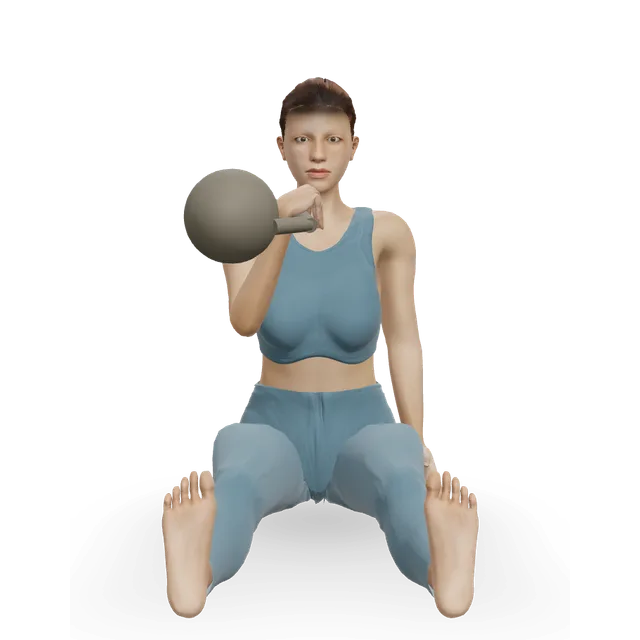
Seated kettlebell press demonstrated on the 3D figure3D demoSeated kettlebell pressIntermediate · A kettlebell

2 to 3 sets of 5 to 8 each side, stopping 2 or 3 reps short, wrist straight and forearm upright under the bell · Our kettlebell press guide's seated step (editorial); the press starts with the wrist neutral, as the NSCA teaches it

Easier: Anti-gravity press · Harder: Push press

One-arm kettlebell snatch demonstrated on the 3D figure3D demoOne-arm kettlebell snatchAdvanced · A kettlebell

3 to 5 sets of 2 to 5 each side, resting fully between sets (our editorial starting point). In the ACSM 2026 position stand, power improved most with moderate loads, 30 to 70% of a one-rep max, and no more than about 24 reps of a lift a session. · The move page's dose. Last, with a light bell, punching through early; build sets slowly, as grip tires fast in long sets

Easier: Heaving snatch balance · Harder: Double kettlebell snatch

Farmer's carry demonstrated on the 3D figure3D demoFarmer's carryIntermediate · A dumbbell + A kettlebell

3 walks of 20 to 30 m, wrists straight · As in our cleans and front squat wrist guides (editorial)

Harder: Suitcase carry

Reverse wrist curl demonstrated on the 3D figure3D demoReverse wrist curlBeginner · A dumbbell + A bench or box

2 sets of 10 to 15, twice a week, with wrist curls the same, kept up for a few months · Editorial, as our cleans wrist guide keeps forearm work going; 29.1% of CrossFit athletes with a hand or wrist injury hurt the same area again

Easier: Wrist-extensor eccentrics · Harder: Plate pinch

Move on when: Your usual sessions pass the pain rule for 2 weeks. Heavier bells, double bells, long sets and snatch tests come back one at a time; if a session flares it, go back a stage for a few days, not to nothing (editorial).

Follow along: a timer, a cue and the next move, one step at a time.

What to change for now

Your cleans, snatches and presses for now (written steps)

Our 3D figure can't show your grip, where the bell lands or your timing. These steps come from coaching, our kettlebell clean, snatch and press guides and the case report; where a step is our suggestion, it says so. No trial has tested a change to kettlebell technique for wrist pain.

  • 1. Swap the catch for now: swings and kettlebell deadlifts, which have no catch, in place of cleans and snatches while it settles, as our lifting wrist and kettlebell clean guides suggest; goblet squats in place of front squats from the rack (editorial).
  • 2. Fix the path: elbow close to your ribs so the bell travels up near your body, and loosen your grip and turn your hand round the handle early, as the bell passes your waist, so it rolls onto your forearm rather than flipping over (our kettlebell clean guide, from ACE's "rotate it around your wrist"). Learn it with dead cleans from the floor, then hang cleans, before cleans from the swing.
  • 3. Snatch: punch your hand up through the handle as the side of the bell reaches your wrist, and loosen your grip on the way up, re-gripping in the backswing (our kettlebell snatch guide). A thud on the back of the wrist means the timing is late.
  • 4. Grip the middle of the handle, relaxed, with the handle across the palm: an off-centre grip let the handle strike the thumb side of the wrist in the case report, and a death grip stops the handle turning so the bell flips onto the wrist (our kettlebell clean guide).
  • 5. A straight wrist in the rack and overhead, forearm upright, the bell resting on the back of the forearm against your chest, as the NSCA's press starts; a straighter wrist keeps the pressure on the nerve lower.
  • 6. The bell: your press bell or lighter while you learn, as our kettlebell clean guide says. If a very small cast-iron bell sits awkwardly on your wrist, try a slightly different hand position or a competition bell, which keeps the same size at every weight (our kettlebell clean guide).
  • 7. Short, crisp sets: end each set while every rep is crisp, because tired reps loop wide and bang the forearm (editorial). Build snatch volume slowly: grip strength fell by about 10 kg over a 6-minute set.
  • 8. A long sleeve or a padded forearm guard can stop the bruising while you fix the path (our suggestion); no study has tested them for kettlebells. Chalk helps your grip.

Sources 1, 2, 9, 19, 3

Everyday life, CrossFit and kettlebell sport (written steps)

Our suggestions unless a source is named.

  • 1. The NHS says keep your hands and wrists moving with gentle exercises, and don't lift heavy objects or grip anything too tightly while it's sore.
  • 2. In CrossFit workouts, scale kettlebell cleans and snatches to swings or dumbbell hang cleans, and Turkish get-ups to the top half, until the last stage passes the pain rule; get-ups with a hand on the floor follow our push-up wrist guide.
  • 3. Kettlebell sport: long sets and 10-minute snatch or long-cycle tests come back last, adding a minute at a time, with chalk. The forearm stress fracture in the review followed a jump in training.
  • 4. A torn blister: the NHS says cover it and don't use the equipment that caused it until it heals, so train the other hand or the legs meanwhile.
  • 5. Desk and phone work: our typing wrist guide.

Sources 21, 16, 4

Positions to swap, and why

Habit or positionWhy it mattersInstead
Cleans and snatches that bang the forearmThe bell is looping wide (our kettlebell clean guide); repeated knocks split a tendon in one case.Swings and deadlifts, then dead cleans.Try: Kettlebell dead clean
A death grip on the handleIt stops the handle turning, so the bell flips and lands hard (our kettlebell clean guide).A relaxed grip, the hand turning early.Try: Kettlebell hang clean
An off-centre gripThe handle struck the thumb side of the wrist in the case report.Grip the middle of the handle.
A wrist bent back in the rack or overheadThe pressure on the nerve in the carpal tunnel rises as the wrist bends back.Wrist straight, forearm upright.Try: Seated kettlebell press
A late punch-through in the snatchThe bell slams onto the back of the wrist (our kettlebell snatch guide).Swings now; snatches last.Try: Kettlebell swing
Long snatch sets or challenges while it's soreGrip strength fell about 10 kg in a 6-minute set, and a forearm stress fracture followed a jump in training.Short, crisp sets.
Turkish get-ups with weight on a bent-back wristIt loads the middle of the back of the wrist (our reading of an expert review).The top half only for now; goblet squats meanwhile.Try: Dumbbell goblet squat
Pushing through tingling in your fingersThe pressure on the nerve rises with the wrist bent back.A straight wrist, and see a GP if it lasts.Try: Wrist & forearm flow
Counting on wraps or guardsWraps didn't change grip strength in a trial, and guards are untested for kettlebells.Fix the path; a sleeve while you do (our suggestion).
Bursting a blister or training on torn skinThe NHS says cover it and rest that hand from what caused it until it heals.Chalk, a lighter grip, the other hand meanwhile.
Resting the wrist completely for weeksThe NHS says keep the hands and wrists moving with gentle exercises.The stage 1 moves.Try: Wrist & forearm flow
Training on after a fall, a dropped bell or a blow with pain at the base of the thumbA broken scaphoid can hide on the first X-ray.Get it checked the same day.

Routines to follow

Learn the kettlebell swing

A 25-minute practice session for your first kettlebell swings: hip hinge drills, kettlebell deadlifts, then short sets of swings with a park after each.

25 minBeginner8 movesA wall, A kettlebell

Kettlebell swing workout: 12-minute intervals

A 20-minute kettlebell swing workout: 30 seconds of swings, 30 seconds of rest, building to the 12 rounds a training trial used, then carries.

20 minIntermediate7 movesA kettlebell, A dumbbell

Kettlebell workout

A 30-minute full-body kettlebell workout: deadlifts, swings, cleans, presses, rows, halos and carries.

30 minIntermediate9 movesA kettlebell, A dumbbell

Learn the kettlebell clean and press

A 35-minute practice session for the kettlebell clean and press: hinge and swing, the clean in three steps, then strict presses from the rack, with one bell.

35 minIntermediate12 movesA kettlebell, A dumbbell

Wrist and forearm routine

Wrist mobility and forearm strength for desk work, climbing, push-ups and handstands.

10 minBeginner7 movesA wall, A dumbbell

Grip strength workout: squeezes, curls, carries and hangs

A 20-minute grip session: warm up the wrists and fingers, train the hand and forearm muscles, then carry and hang to load your grip the way everyday life does.

20 minBeginner10 movesOther / check instructions, A band

CrossFit warm-up and mobility routine: shoulders, wrists, hips and ankles

A 15-minute warm-up and mobility routine for CrossFit-style training: easy rowing, shoulder, wrist, hip and ankle mobility, shoulder-blade work and squats.

15 minBeginner14 movesCardio machine, A wall

More moves for this area

Questions people ask

Why does my wrist hurt with kettlebells?

Usually the bell is looping out wide in cleans and snatches and landing hard on the back of your wrist and forearm, or your wrist is bent back in the rack or overhead. Keep your elbow in, loosen your grip as your hand turns, and keep your wrist straight in the rack. Swings and deadlifts keep you training while it settles.

How do I stop the kettlebell hitting my wrist in a clean?

Keep the bell close, elbow near your ribs, and turn your hand round the handle early, as the bell passes your waist, so it rolls onto your forearm. Practise dead cleans from the floor with your press bell or lighter until every rep lands quietly; our kettlebell clean guide has the steps.

Why does my forearm hurt after kettlebell cleans or snatches?

Usually bruising where the bell lands, which is common while people learn. It should fade once the bell stops landing hard. One sore spot on a forearm bone that hurts with training, and later at rest, is different: see a GP within days.

Why does my wrist hurt after kettlebell swings?

Swings have no catch, so it's usually the grip: a tight squeeze, the wrist curled or bent back at the top, or an off-centre hold. Hold the middle of the handle with a relaxed grip and a straight wrist. Pain on the thumb side or the little-finger side can point to a tendon (de Quervain's) or the TFCC.

Should I wear wrist guards or sleeves for kettlebells?

A sleeve or a padded guard can protect your forearm while you fix the path, but no study has tested them for kettlebells, and wrist wraps didn't change grip strength in a trial. Treat them as padding, not a fix.

Why does my wrist hurt when I press a kettlebell?

Usually the wrist is bent back under the bell, with the bell hanging off the hand. Start from a rack with the wrist straight and the forearm upright, and press the bell straight up; go lighter while it settles.

Why does the thumb side of my wrist hurt?

Often de Quervain's, worse lifting the thumb or gripping with the thumb up, and an off-centre grip let the handle knock the thumb tendons in one case. A splint and changing your grip usually help; see a GP or physiotherapist if it isn't settling.

Why does the little-finger side of my wrist hurt?

Often the TFCC or the tendon beside it, especially with clicking or a weaker grip. Keep pain there to about 3 out of 10. Half of stable TFCC tears had fully recovered within a year without surgery.

Why do my fingers tingle with kettlebells?

A nerve is being pressed: the pressure in the carpal tunnel rises as the wrist bends back. Straighten your wrist in the rack and overhead, and see a GP if the tingling lasts or your hand feels weak.

Could my wrist be broken?

After a fall, a dropped bell or a hard blow, pain in the hollow at the base of the thumb needs checking the same day, even if the wrist moves well: about 1 in 11 injured wrists with a normal first X-ray had a hidden scaphoid fracture. A wrist that is out of shape, numb or cold needs 999 or A&E. A bruise from the bell that is sore only to touch, with a wrist that moves and grips normally, is the common, harmless case.

Are kettlebells bad for your wrists?

No study shows it: the trials reported no harms, and only a few injury reports have been published. A good path, a relaxed grip and a straight wrist usually keep them comfortable.

When should I see a doctor?

See a GP if your wrist isn't better after 2 weeks of looking after it, or you have tingling or loss of feeling. Get help the same day for a hot, swollen wrist with a high temperature or pain at the base of the thumb after a fall or a blow, and call 999 or go to A&E for a wrist that is out of shape, numb, white or cold after an injury. In the US, call 911 where this page says 999.

Related exercise guides

Other pain guides

Sources

  1. American Council on Exercise 2015 · Advanced kettlebell workout: double swings, cleans, front squats and presses (expert article)
  2. NSCA · The one-arm kettlebell press (excerpt from the Exercise Technique Manual for Resistance Training, Human Kinetics)
  3. Ross 2017 · Forces during a 6-minute kettlebell snatch set in 12 experienced lifters (lab study, PeerJ)
  4. Meigh 2019 · Kettlebell training in clinical practice: 99 publications (scoping review, BMC Sports Sci Med Rehabil)
  5. Keogh 2017 · Injuries across the weight-training sports: 20 studies (systematic review, Sports Med)
  6. Tawfik 2021 · Hand and wrist injuries in 270 CrossFit athletes (survey, Cureus)
  7. Coffey 2026 · Ten years of resistance-training injuries treated in US emergency departments: 15,348 cases (registry study, J Strength Cond Res)
  8. Lee 2026 · Upper limb weightlifting injuries in US emergency departments (national surveillance, Orthop J Sports Med)
  9. Karthik 2013 · A split thumb tendon after repeated knocks from a kettlebell (case report, BMC Sports Sci Med Rehabil)
  10. Bojovic 2026 · Bone stress injuries of the arm in athletes (narrative review, Int Orthop)
  11. Hanson 2022 · Pain in the middle of the back of the wrist in athletes (expert review, Orthop J Sports Med)
  12. NHS · Ganglion cyst
  13. British Society for Surgery of the Hand (BSSH) · De Quervain's syndrome (patient information)
  14. Lee 2019 · The natural history of TFCC tears without joint instability in 72 people (cohort study, Clin Orthop Relat Res)
  15. Choi 2024 · Non-surgical care of TFCC tears: 8 studies, 425 people (systematic review, J Wrist Surg)
  16. NHS · Blisters
  17. Gelberman 1981 · Carpal tunnel pressures with the wrist bent (lab study, J Bone Joint Surg Am)
  18. Keir 2007 · Wrist posture and carpal tunnel pressure thresholds in 37 adults (lab study, Hum Factors)
  19. Weiss 1995 · The wrist position with the lowest carpal tunnel pressure (lab study, J Bone Joint Surg Am)
  20. NHS · Carpal tunnel syndrome
  21. NHS · Wrist pain
  22. Coventry 2023 · Which signs predict a hidden scaphoid fracture? 8 studies, 1,685 wrists (diagnostic review, Emerg Med J)
  23. NICE NG38 · Fractures (non-complex): assessment and management (guideline, 2016)
  24. NHS inform · Wrist, hand, finger and thumb problems
  25. Russell 2007 · Wrist guards and wrist injuries in snowboarders (systematic review, Clin J Sport Med)
  26. Trevithick 2020 · A wrist brace for 48 gymnasts with wrist pain (study with no comparison group, J Hand Ther)
  27. Hart 2023 · Wrist guards and wrist mechanics in 23 young gymnasts (lab study, Am J Sports Med)
  28. Takemura 2023 · Wrist wraps and grip strength in 54 CrossFit athletes (randomised crossover trial, Acta Ortop Bras)
  29. NHS inform · Exercises for wrist, hand and finger problems
  30. Oxford University Hospitals NHS · Wrist fractures: information and exercises for patients (patient booklet, 2024)
  31. Smith 2017 · Painful or pain-free exercise for long-lasting pain: 7 trials, 385 people (systematic review and meta-analysis, Br J Sports Med)

Exercise education, not a diagnosis or treatment plan. It is written from the guidelines and studies listed above; review by a clinician is pending. If your pain follows an injury, is severe, is getting worse, or comes with any warning sign listed on this page, get it assessed. Health disclaimer.