Pain guide · Wrist and hand pain

Wrist pain when overhead pressing: the bar in your hand, the bent-back wrist, grip and swaps

Wrist pain when you overhead press, whether a barbell military press, a dumbbell shoulder press or a machine, often seems to come from the bar sitting back in your fingers, behind the forearm, so your wrist folds back under the weight; that is our reading of push-up and cadaver studies, because no study has measured the wrist in an overhead press. Where it hurts is the best clue: an ache across the back of both wrists is usually load the wrist isn't used to, a sharp pain in the middle of the back of the wrist points to a pinched joint lining or a hidden ganglion, a painful click under load to a wrist ligament, the little-finger side to the cartilage cushion there (the triangular fibrocartilage complex, or TFCC) or the tendon beside it, the thumb side to a tendon, and tingling in your fingers to a nerve. The bar low in your palm with your wrists over your elbows, your thumbs round the bar and a lighter load usually help, and palms-in dumbbells or a landmine press keep your shoulders training meanwhile. Wraps make the wrist feel steadier but haven't been shown to add strength or ease pain.

This guide starts with the signs that need help, from accident and emergency (A&E) for a wrist that is out of shape, numb or cold after a missed lift or a fall, and a 999 call for chest pain that spreads to your arm, neck or jaw, to a same-day check through the National Health Service's 111 line (NHS 111) or a general practitioner (GP) for pain at the base of the thumb after the bar drove your wrist back, a hot, swollen wrist with a high temperature, or lost feeling in your hand. It then maps the causes by where it hurts, explains what the studies of grip width, dumbbells, machines and wraps show, and don't, shows how to change your press today, and gives a three-stage plan with a 3D demo of every move, from landmine and dumbbell presses back to the bar.

When to get help first

Exercise is for pain that has been checked or is clearly mild and settling.

Get urgent medical help if

  • Call 999 or go to A&E after an injury (don't drive yourself) if the arm, wrist or hand is numb, tingling or has pins and needles; a bone is sticking out or a bad cut is bleeding heavily; or the wrist, thumb or a finger has changed shape, is at an odd angle, or has turned blue, grey, white or cold.
  • Same day (NHS 111): severe wrist pain; you feel faint, dizzy or sick from the pain, or you feel unwell, hot, cold or shivery; you heard a snap, grinding or popping noise when you hurt it; you can't move your wrist or hold things; your wrist has changed shape or colour; a lump on your wrist is very painful, hot or red (redness may be harder to see on brown and black skin); or you have lost the feeling in part or all of your hand. These might be signs of a broken wrist or an infection.
  • Same day (NHS 111, an urgent treatment centre or an urgent GP appointment): a wrist or hand injury that is very painful, getting worse, very swollen or bruised, stiff, or that you can't use. It may be broken. Get the same help if you also have a very high temperature, or feel hot, cold or shivery: this could be an infection.
  • Same day: after a fall onto an outstretched hand, pain or tenderness at the base of the thumb on the back of the wrist (the hollow called the snuffbox), even if the wrist moves well or the first X-ray was normal. A broken scaphoid can hide on the first X-ray and is slow to heal if it's missed, so ask what follow-up is planned.
  • Same day: after a missed overhead lift in which the bar drove your wrist back, pain or tenderness at the base of the thumb on the back of the wrist (the snuffbox), even if the wrist moves well. A broken scaphoid can hide on the first X-ray (our suggestion).
  • Same day (NHS 111): after an injury, the forearm locks so you can't turn the palm up or down, or the end of the forearm bone on the little-finger side clunks or sticks up at the back of the wrist. The joint between the forearm bones may have come out of place.
  • Same day (urgent GP appointment or NHS 111): sudden, severe pain in one joint, with swelling, a change in skin colour or difficulty moving it, especially if you feel unwell, hot, cold or shivery or have a high temperature (although not everyone has one). It could be an infection in the joint, gout or calcium crystals (pseudogout), and only a sample of fluid from the joint can tell them apart.
  • Call 999 or go to A&E: sudden, severe pain in a muscle of the forearm or hand, which may be worse when you stretch it, with swelling, numbness, weakness or pins and needles, or tightness or difficulty moving the fingers. This can be acute compartment syndrome, which needs surgery as soon as possible. It usually follows an injury, a crush, or a cast or bandage that is too tight. Do not drive yourself to A&E.
  • Same day: you have lost the feeling in part or all of your hand.
  • Contact your GP practice urgently (or NHS 111 if it's closed): clumsiness in your hands, or numbness, pins and needles or weakness in one or both arms that is getting worse.
  • Same day: both hands numb or clumsy (dropping things, trouble with buttons or handwriting), especially with unsteady walking or falls. Pressure on the spinal cord in the neck can do this, and it is often first mistaken for carpal tunnel syndrome.
  • Call 999, even if it passes: sudden weakness or numbness in one arm, with a drooping face or slurred speech. These are signs of a stroke.
  • Call 999: chest pain that spreads to your arm, neck or jaw. It could be a heart attack.
  • Get help from NHS 111: pain or tightness in your chest, neck, shoulders, jaw or arms that comes and goes, often brought on by exercise, stress, emotion or cold and easing after a few minutes' rest. It can be angina, a sign of a heart problem. If you've been diagnosed with angina, get help from NHS 111 too if it feels worse than before, is happening more often, lasts longer or happens when you're resting.
  • Call 999 or go to A&E if breathing suddenly becomes difficult, if pain in your chest or upper back comes on suddenly with breathlessness or a very fast heartbeat, or if someone passes out. Do not drive yourself. It can be a blood clot that has reached the lungs.
  • Someone who faints while exercising, or who has fainted and can't be woken within a minute, has chest pain or a pounding, fluttering or irregular heartbeat, or hasn't fully recovered.
  • Call 999: a sudden headache that is extremely painful and doesn't go away, during or after a heavy lift or at any other time, or weakness or numbness in one arm or down one side of the body. A bleed on the brain may be more likely when lifting something heavy.
  • Same day (urgent GP appointment or NHS 111): throbbing or cramping pain, swelling, redness and warmth in one arm. These can be signs of a blood clot caused by thoracic outlet syndrome, which can be life-threatening if not treated quickly.

See a doctor or physiotherapist if

  • Not improved after 2 weeks of looking after it at home, getting worse, keeps coming back, or stopping you doing normal activities. In many areas you can refer yourself to NHS physiotherapy.
  • Any tingling or loss of feeling in the hand or wrist.
  • Carpal tunnel symptoms that are getting worse, not going away, or not helped by treatment at home; sooner if the thumb is weak or the muscle at the base of the thumb looks thinner.
  • Constant numbness in the ring and little fingers, a weak or clumsy hand, or visible wasting of the muscle between the thumb and index finger. Ask about referral: one NHS referral guide treats permanent numbness or wasting as urgent.
  • See a GP if your wrist is painful, warm, swollen and stiff, or you have wrist pain and also feel unwell with a high temperature.
  • The wrist feels unstable or weak, or clicks with pain: see a GP or physiotherapist. It may need a hand specialist to check it.
  • After a fall onto your hand, pain in the middle of the back of the wrist with a painful click or clunk, a weaker grip, or pain and swelling that haven't settled after a few days, even if the X-ray was normal: see a GP or physiotherapist and ask whether a hand specialist should check the wrist ligaments. A torn ligament between the wrist bones is best repaired within about 4 to 6 weeks.
  • A deep ache in the middle of the back of the wrist that keeps coming back when you load it, often with a weaker grip, even if an X-ray was normal: see a GP or physiotherapist and ask whether a scan is needed. A hidden ganglion or, rarely, Kienböck's disease (loss of blood supply to a wrist bone) can be missed on early X-rays.
  • A fall on the hand more than about 4 weeks ago that still hurts at the base of the thumb, and was never X-rayed or put in a splint: get it checked. UK hand surgeons ask for a scan and may advise an operation after a delay of more than 4 weeks.
  • A teenager whose wrist still hurts the day after lifting, cleans, handstands or push-ups, or whose wrist is swollen: stop putting weight through the hands and see a GP or sports doctor. In growing athletes it can be a stress injury of the growth plate.
  • A lump that gets bigger, is hard or doesn't move.
  • Swollen, stiff joints in several fingers or both hands, with morning stiffness lasting more than 30 minutes. NICE asks GPs to refer suspected rheumatoid arthritis urgently when the small joints of the hands or feet, or more than one joint, are affected, or there has been a delay of 3 months or longer between the symptoms starting and seeking medical advice, even if blood tests are normal.
  • You have diabetes and a hand problem: the NHS says hand problems can be more serious if you have diabetes.

Where does it hurt?

Location narrows the likely causes; it does not diagnose.

Both wrists, a dull ache across the back during heavy sets, settling within the hour

Usually load the wrist isn't used to, often with the bar back in the fingers (our reading). The bar low in the palm, lighter sets and palms-in dumbbells usually help.

Read: Wrist pain when lifting weights →
The middle of the back of the wrist, sharp at the bottom of the press or at the end of the bend

Often the joint lining being pinched (dorsal impingement) or a hidden ganglion. A straighter wrist and a lighter load usually help.

Read: Wrist pain bending back →
The back of the wrist, with a painful click or clunk under load

Possibly the ligament between two of the wrist bones (the scapholunate ligament): get it checked.

Read: Wrist sprain or fracture →
The little-finger side, worse gripping hard, with a narrow grip or turning the forearm, sometimes clicking

Often the TFCC or the tendon beside it (the ECU tendon). Palms-in dumbbells, a firm rather than crushing grip and a lower pain ceiling usually help.

Read: TFCC tear →
The thumb side at the base of the thumb, worse lifting the thumb or gripping

Often de Quervain's tenosynovitis.

Read: De Quervain's tenosynovitis →
Tingling in the thumb, index and middle fingers, often at night

Carpal tunnel syndrome: worse with the wrist bent and hard gripping. Tingling that lasts needs a GP.

Read: Carpal tunnel syndrome →
Tingling in the ring and little fingers, or a weaker grip

The ulnar nerve, usually at the elbow. Clawing fingers or wasting need a doctor.

Read: Ulnar nerve entrapment →
The palm or the heel of the hand, sore where the bar presses, with no tingling

Usually pressure from the bar (our reading). Keep the bar on the heel of the hand rather than in the fingers, and build up gradually.

Read: Wrist pain when benching →
Pain at the base of the thumb, tender in the hollow there, after a missed lift or a fall

A possible broken scaphoid, which can hide on the first X-ray: get it checked the same day, even if the wrist moves well.

Read: Scaphoid fracture →
A smooth lump on the back of the wrist

Often a ganglion, which is harmless and often goes on its own. A very painful, hot or red lump needs a same-day check.

Read: Ganglion cyst →
A deep ache in the middle of the back of the wrist that keeps coming back, with a weaker grip

Rarely Kienböck's disease, which early X-rays can miss: see a GP.

Read: Kienböck's disease →
A teenager's wrist, sore the day after pressing, cleans or handstands

Possibly a stress injury of the growth plate: no weight through the hand while it hurts, and get it checked.

Read: Gymnast's wrist →
The shoulder or the top of the shoulder rather than the wrist

The rotator cuff or the AC joint: our shoulder overhead press guide covers them.

Read: Shoulder pain overhead pressing →
The lower back when you press standing

Our lower back overhead press guide covers leaning back and bracing.

Read: Back pain overhead pressing →
The same wrist pain on the bench press, in the front rack or in curls

Our bench press wrist guide covers the bench; our front squat and curl wrist guides cover theirs.

Read: Wrist pain when benching →

Understand it

What an overhead press asks of the wrist, and what no study has countedEmerging evidence

In an overhead press the bar's weight comes down through the hands and forearms, first from the shoulders and then from arm's length overhead. With the bar low in the palm over the forearm bones and the wrist stacked over the elbow, the wrist holds a small bend; with the bar back in the fingers, behind the forearm, the wrist folds back and has to stop it bending further on every rep. The site's overhead press guide teaches the first and lists wrists bent back and elbows flared as a common mistake.

No study has measured the wrist in an overhead press: the only press study that included the wrist measured bench presses and cable exercises at 15% and 30% of body weight in 20 adults. In push-ups on a bent-back wrist, force travelled towards the back and the little-finger side of the wrist in 14 volunteers, and in 8 donated wrists a push-up position with the wrist bent back raised the pressure on the scaphoid's joint surface. That a bar sitting back in the fingers loads the wrist the same way, and is the usual cause of overhead press wrist pain, is our reading of these push-up and cadaver studies, not something measured. No study counts wrist pain from overhead pressing.

Sources 1, 2, 3

Grip width, dumbbells and machinesEmerging evidence

In 11 trained men doing seated barbell presses with narrow, medium and wide grips, narrower grips lifted more weight with more shoulder and elbow movement; wider grips pushed the bar outward more, and narrower grips inward. That study measured the bar, the shoulder and the elbow, not the wrist, so that a slightly narrower grip helps a wrist that folds back is our reading.

In 15 men, standing dumbbell presses lifted about 7% less than a standing barbell and about 10% less than seated dumbbells, with the most shoulder muscle activity. In 8 competitive bodybuilders, a shoulder press machine with a palms-in grip worked the shoulder muscles less than a barbell press, so a machine is a stepping stone rather than a full replacement. None of these studies measured the wrist.

Sources 4, 5, 6

Where it hurts, and what it often isEmerging evidence

A hand surgery review of pain in the middle of the back of the wrist in athletes describes the joint lining being pinched, with pain worse at full wrist extension and when loading the wrist bent back; hidden ganglia, to be considered in any athlete whose back-of-wrist pain gets worse bending back under load; and injuries of the scapholunate ligament, where a painful click or grinding when the wrist is loaded is a helpful clue, which athletes may notice in push-ups or the military press.

On the little-finger side, the ECU (extensor carpi ulnaris) tendon is a common source of pain with repeated loading, and the TFCC is the other common cause. On the thumb side, de Quervain's gives pain made worse by lifting the thumb, and UK hand surgeons say sport can aggravate it. Tingling in the thumb, index and middle fingers, often at night, is carpal tunnel syndrome, which the NHS links with frequently bending the wrist or gripping hard. A bar forcing the wrist back can break the scaphoid: two case reports describe it from a bench press, one found on a computed tomography (CT) scan 2 months later.

Sources 7, 8, 9, 10, 11, 12, 13, 14

Who gets it, and what is rareEmerging evidence

Weight-training sports have low injury rates compared with team sports, and the wrist and hand are among the common injury sites; in weightlifting, the hands and fingers made up about 15% of injuries. In 270 CrossFit athletes, 20.4% had had a hand or wrist injury, about three-quarters of them at the wrist, and 72.8% were back to unmodified training within a month. CrossFit participants were more likely to be injured than traditional weightlifters in a 411-person survey, corrected in 2020 in ways that don't change its conclusions, and switching between prescribed and scaled loads went with injury. A review of CrossFit says injuries to the shoulder, elbow and wrist are more common than in traditional weight training. Of 321 adults who practise handstands, 56.7% reported long-lasting wrist pain.

In our reading, the people it usually bothers are people new to overhead pressing or adding load quickly, people who let the bar sit back in the fingers, flare the elbows or press with their thumbs off the bar, lifters who also load the wrist bent back in push-ups, front squats, cleans and handstands, and athletes doing high-rep presses and push presses. Serious causes are uncommon: a broken scaphoid after a missed lift or a fall, a stress injury of a wrist bone in a young high-level athlete, which early X-rays can miss, a joint infection or gout, an inflammatory arthritis, and, rarely, a lump that grows or is hard.

Sources 15, 16, 17, 18, 19, 20, 21, 22, 23, 24

When a scan or test mattersEmerging evidence

Not at first for a gradual ache without warning signs: the NHS starts with home care and a GP if it isn't better after 2 weeks. After a missed lift or a fall with pain at the base of the thumb, an X-ray comes first, but a scaphoid fracture doesn't always show up on an X-ray right away, and the AAOS (American Academy of Orthopaedic Surgeons) describes a splint and a follow-up X-ray after 2 to 3 weeks, or an MRI (magnetic resonance imaging) scan. Back-of-wrist pain that keeps coming back when the wrist is loaded may need an ultrasound or MRI for a hidden ganglion or a ligament injury, while plain X-rays are typically normal in impingement; bone stress injuries of the wrist may not show on early X-rays either. Tingling that lasts needs a GP.

Sources 25, 12, 26, 7, 24

How it usually goesEmerging evidence

No study follows wrist pain from overhead pressing. The NHS expects wrist pain to improve with home care within 2 weeks, or to be checked, and a mild tendon injury to feel better within 2 to 3 weeks. A hand surgery review says most pinched joint lining settles within 2 to 3 months of rest, a splint and anti-inflammatory painkillers. A TFCC tear without an unstable forearm joint is slower: of 72 wrists treated without surgery, 30% had fully recovered at 6 months and 50% at a year. A broken wrist usually takes 6 to 12 weeks. Most powerlifters with an injury keep training with changes: only 16% of those injured stopped completely. No one can promise a date.

Sources 25, 27, 7, 9, 26, 28

What helps, and how strong the evidence is

The bar over the forearm: our reading of push-up and cadaver studiesEmerging evidence

No study has tested where the bar sits in the hand against wrist pain. A bent-back wrist under body weight sent force to the back and little-finger side of the wrist, and raised scaphoid joint pressure in donated wrists, so holding the bar low in the palm with the wrist stacked over the elbow is a sensible change by analogy, as the site's overhead press guide teaches.

Sources 2, 3

Grip width: more weight with a narrower grip, and no wrist dataEmerging evidence

A narrower grip lifted more weight in the seated barbell press in 11 trained men, and a wider grip pushed the bar outward more. The study measured the bar, the shoulder and the elbow, not the wrist, so a slightly narrower grip for a wrist that folds back is our reading.

Source 4

Dumbbells, a landmine and machines keep the shoulders trainingEmerging evidence

Standing dumbbells cost about 7% of the weight with more shoulder muscle activity in 15 men, and the site's overhead press guide gives palms-in dumbbells as its swap for wrist pain. A machine press with a palms-in grip worked the shoulders less than a barbell in 8 bodybuilders, so it is a short-term step. No study has measured the wrist in any of these.

Sources 5, 6

Wrist wraps: steadier, not strongerEmerging evidence

In a randomised crossover trial of 18 trained adults, flexible and stiff wrist wraps didn't change the most they could bench press once, their power or their bar speed; the wrist felt more stable in the wraps but less comfortable. In 54 CrossFit athletes, a wrap didn't change grip strength (35.7 against 35.6 kg). In the CrossFit survey, 34.5% of those with a wrist injury had worn wraps beforehand, which says nothing either way about protection. No study has tested wraps for wrist pain.

Sources 29, 30, 18

Rebuilding the wrist: NHS hand therapy, borrowedEmerging evidence

No trial has tested a programme for wrist pain from pressing, so the plan borrows NHS hand therapy advice written after wrist injuries. Cambridge's active wrist exercises use each movement 5 to 10 times, 4 to 5 times a day, with 5-second holds, and say a tightness or pulling is normal but a sharp pain means reducing the exercises or stopping for a couple of days. The site's wrist guides add still holds, weighted wrist curls both ways and weight back through the hand on a table, a wall and the floor, from NHS hand therapy booklets. The NHS says keep your hands and wrists moving with gentle exercises, and don't lift heavy objects or grip anything too tightly while it's sore.

Sources 31, 25

Splints, injections and specialist careEmerging evidence

The NHS suggests a night splint for carpal tunnel syndrome, for up to 6 weeks. UK hand surgeons suggest a splint that holds the thumb and wrist for de Quervain's, and say a steroid injection relieves the pain in about 70% of cases. For a pinched joint lining, rest, a splint and anti-inflammatory painkillers come first, and an injection often gives about 70% pain relief for several weeks. A TFCC tear with a stable joint gets at least 6 months of care without surgery first, and a torn scapholunate ligament is best repaired early, within about 6 weeks.

Sources 11, 10, 7, 9

How much pain is OK while you exercise?

Up to about 5 out of 10, settled within half an hour, no worse the next morning; about 3 on the little-finger sideEmerging evidence

This guide uses the wrist hub's rule, as our wrist movement guides do. Some discomfort during these exercises is fine and doesn't mean you are doing damage. Keep it to about 5 out of 10 or less. It should settle within half an hour or so, and your hand should be no worse the next morning. If it is, do fewer, smaller or lighter next time, not nothing. An NHS wrist rehabilitation booklet uses the same limit: an unpleasant stretch of about 5 out of 10 that settles within 30 minutes.

Tingling and numbness are different: stop and get advice if an exercise brings them on and they don't fade quickly, or if your grip or thumb gets weaker.

Don't rest the hand completely for long, either: for repetitive strain, the NHS says resting for more than a few days makes the area weaker and less flexible. If a joint becomes hot, red and swollen, stop and get it checked.

On the little-finger side, keep it lower: about 3 out of 10, as our TFCC tear, front squat and plank wrist guides do, from a review's targets that its authors call untested.

Cambridge's hand therapy leaflet agrees that a tightness or pulling is normal and that a sharp pain means doing less or stopping for a couple of days. In 7 trials of long-lasting muscle and joint pain, none in the wrist, exercise that allowed some pain did no worse than pain-free exercise.

For the overhead press (our suggestion, built on the same rule): judge each set by its last reps, and use the press (a landmine or machine, palms-in dumbbells, then forward-grip dumbbells, then the bar), the grip width and the load where your wrist stays at 5 out of 10 or less (3 on the little-finger side), settles within half an hour and is no worse the next morning. Tingling or numbness, a painful click or clunk, swelling, pain in the snuffbox after a missed lift, or chest pain, a sudden severe headache or feeling faint during a heavy press isn't a pain-rule question: see the warning signs. A teenager's sore growth plate gets no pain allowance.

Sources 31, 32

The exercise plan: 3 stages

Start at the first stage. Each move opens a full guide with a 3D demo.

Stage 1

Keep pressing without the bent-back wrist

About the first 2 weeks, shoulder work 2 or 3 times a week and wrist movement daily: keep the shoulders training with a straight wrist and the palm facing in, keep the wrist moving, and start still holds for a sore tendon. No barbell overhead press, push press, jerks, push-ups on flat hands or handstands for now. With a diagnosed condition (a TFCC tear, de Quervain's, a broken scaphoid or wrist, a ganglion, carpal tunnel syndrome, Kienböck's disease), that guide's plan comes first; after a fracture or surgery, your team's plan does.

Wrist & forearm flow demonstrated on the 3D figure3D demoWrist & forearm flowBeginner · No equipment

Each movement 5 to 10 times, 4 to 5 times a day, holding the end of each for 5 seconds, in a comfortable range · Cambridge University Hospitals' active wrist exercise dose, written for after a wrist injury (borrowed)

Easier: Wrist circles · Harder: Wrist flexor stretch

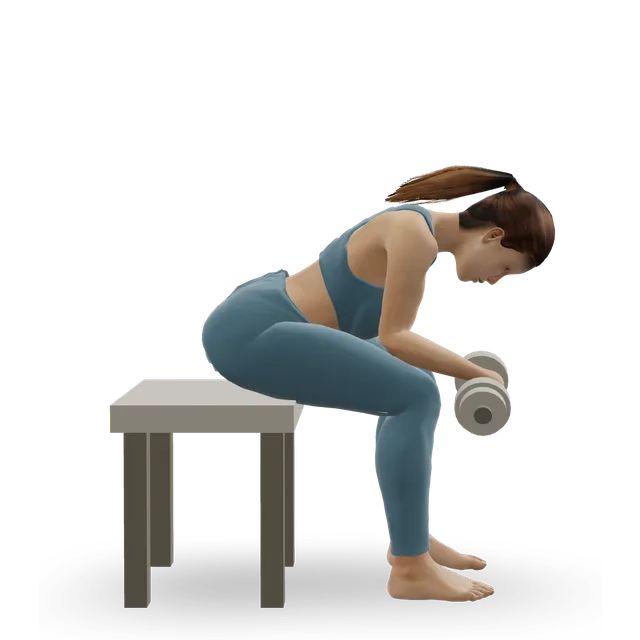
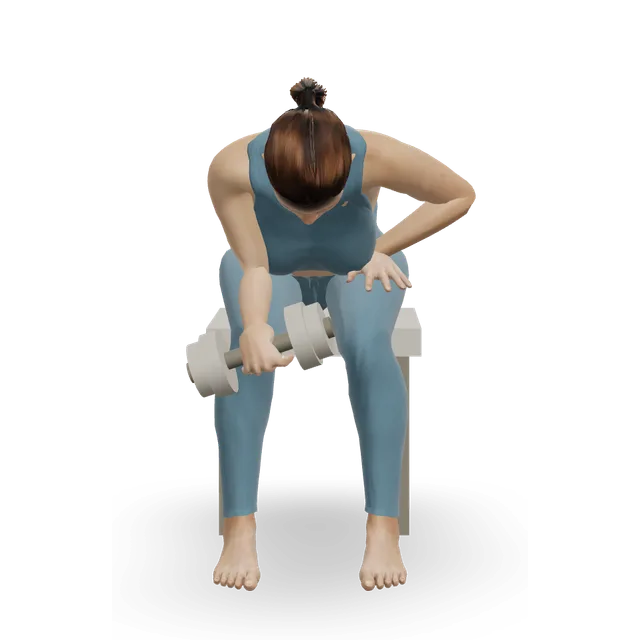
Reverse wrist curl demonstrated on the 3D figure3D demoReverse wrist curlBeginner · A dumbbell + A bench or box

If the back or little-finger side is sore: 5 still holds of 30 to 45 s, once a day, palm down, wrist level, forearm supported · As in our wrist bench press and lifting guides (editorial)

Easier: Wrist-extensor eccentrics · Harder: Plate pinch

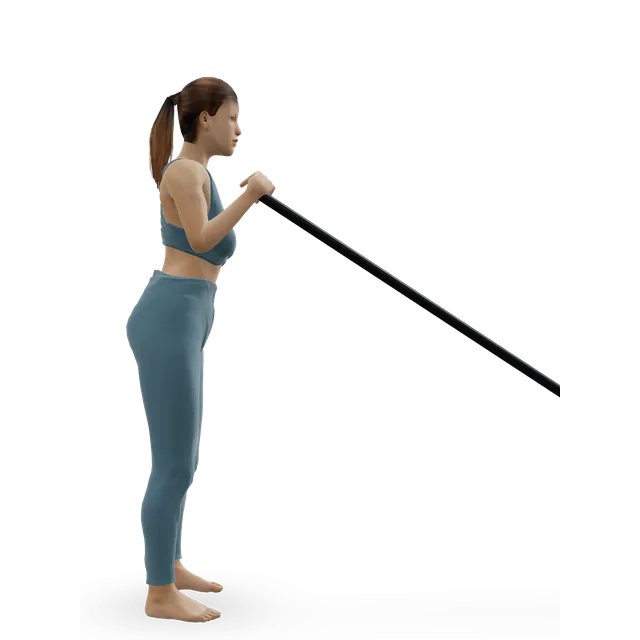
One-arm landmine jammer demonstrated on the 3D figure3D demoOne-arm landmine jammerIntermediate · A barbell

Pressed half-kneeling without the dip, as a landmine press: 3 sets of 8 to 12 each arm, the palm facing in · As in our shoulder overhead press guide (editorial). The jammer's own page doses the full move, with the dip, as a power exercise; that isn't part of this plan

Easier: Alternating front raise · Harder: Barbell clean and press

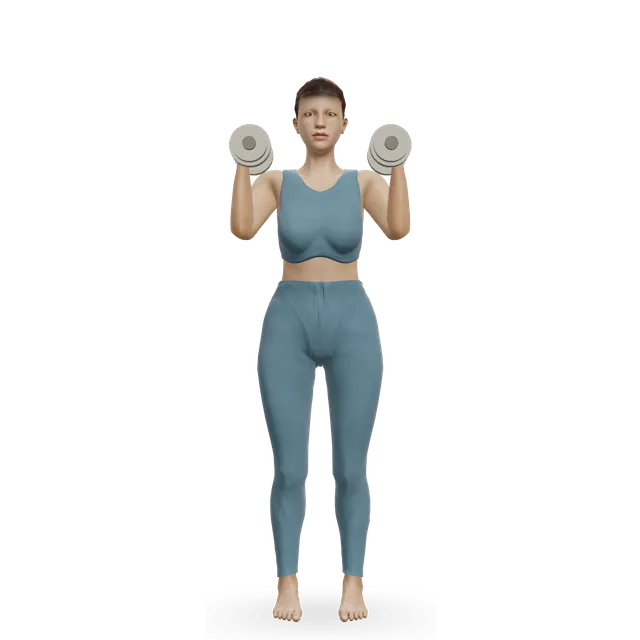
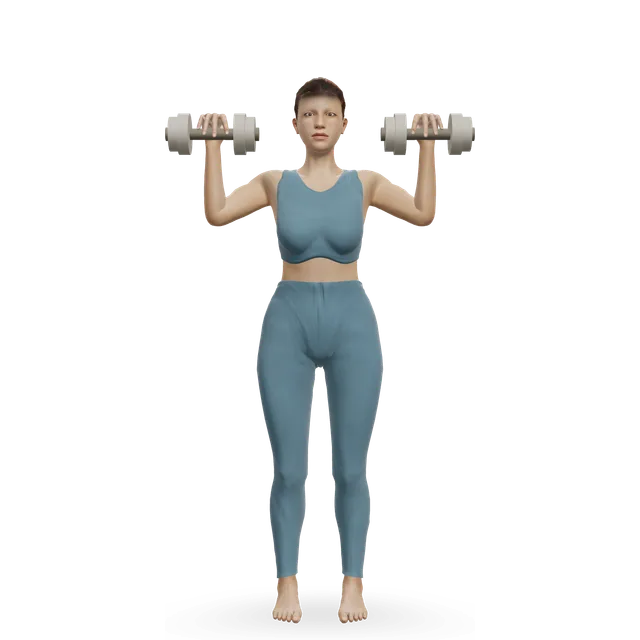
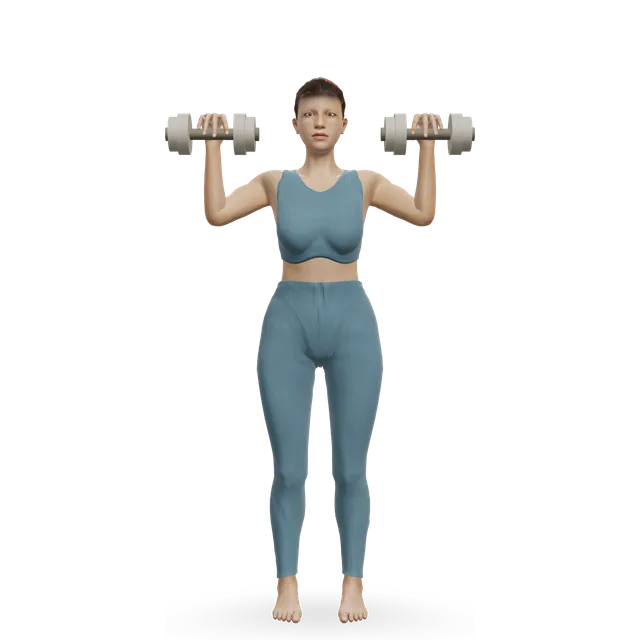
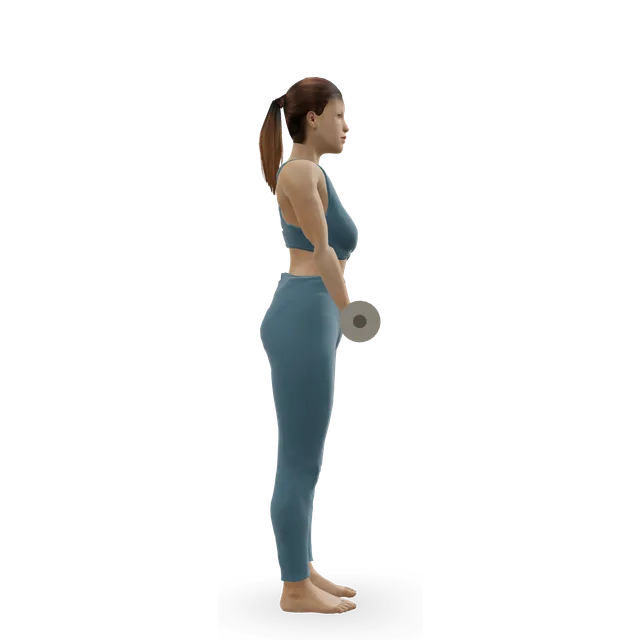
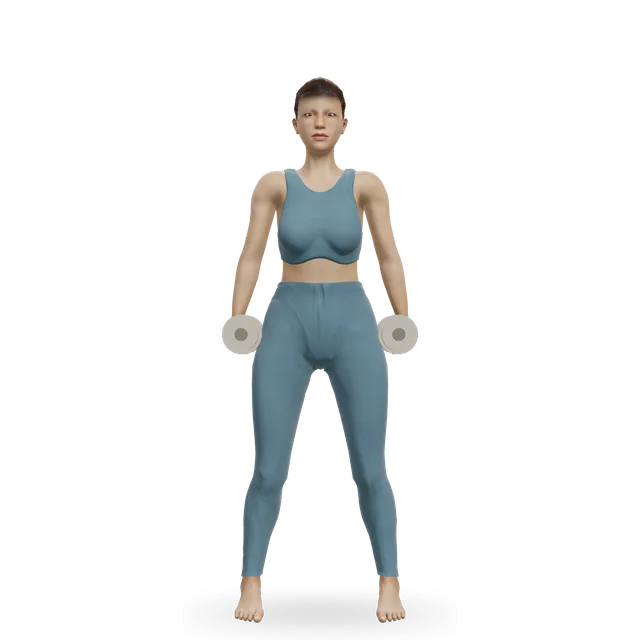
Standing palms-in dumbbell press demonstrated on the 3D figure3D demoStanding palms-in dumbbell pressIntermediate · A dumbbell

3 sets of 8 to 12, stopping 2 or 3 reps short, wrists straight · Our dumbbell shoulder press guide's editorial starting point (the move page gives no dose); our overhead press guide's swap for wrist pain

Easier: Anti-gravity press · Harder: Push press

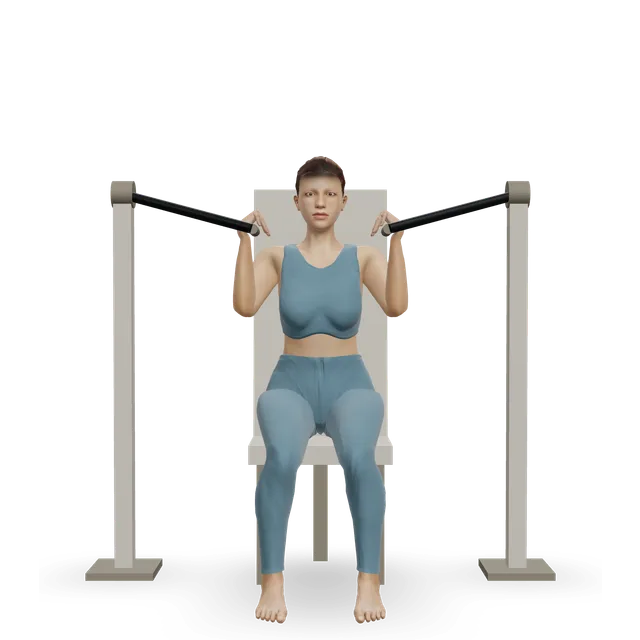
Plate-loaded shoulder press machine demonstrated on the 3D figure3D demoPlate-loaded shoulder press machineBeginner · Strength machine

2 to 3 sets of 8 to 12, stopping with 2 or 3 reps in reserve (our editorial starting point). · The move page's dose. Use palms-in handles if the machine has them

Harder: Alternating cable shoulder press

Move on when: Gripping a cup, a bag or a dumbbell is comfortable, palms-in and landmine presses pass the pain rule, and your wrist is no worse the next morning, for a week (editorial, as in our wrist bench press guide).

Follow along: a timer, a cue and the next move, one step at a time.
Stage 2

Load the forearm, then press with dumbbells

About weeks 2 to 6, strength work every other day: forearm strength in every direction, weight back through the hand step by step, and free-weight pressing with a straight wrist.

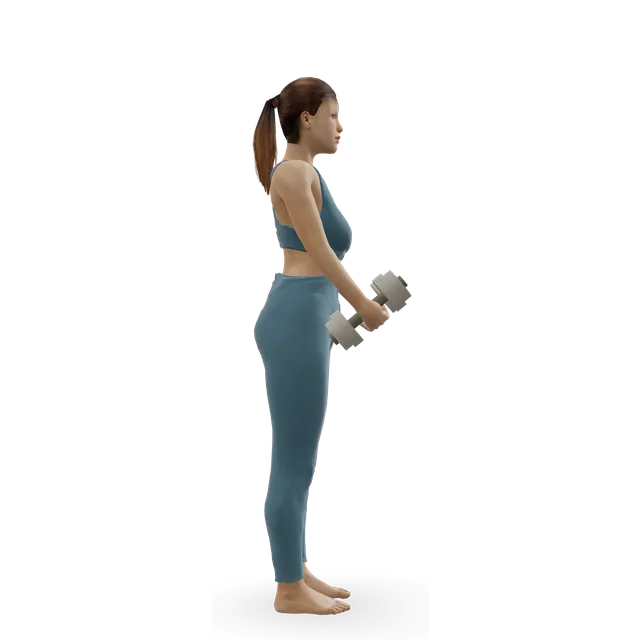
Wrist curls demonstrated on the 3D figure3D demoWrist curlsBeginner · A dumbbell

10 slow repetitions with a light weight, then a weight that tires the wrist by the tenth, holding each for a count of 5, building to 3 sets of 10 every other day · As in our wrist bench press and front squat guides, borrowed there from NHS hand therapy booklets

Easier: Wrist-extensor eccentrics · Harder: Plate pinch

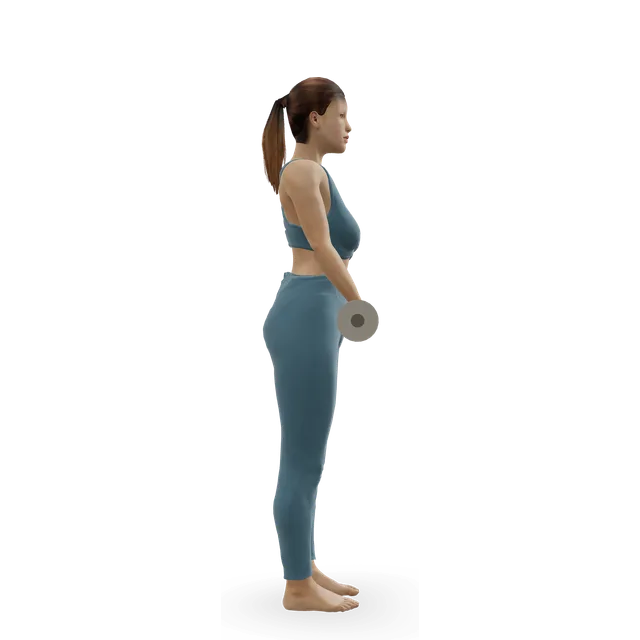
Reverse wrist curl demonstrated on the 3D figure3D demoReverse wrist curlBeginner · A dumbbell + A bench or box

The same, lowering slowly · As in our wrist bench press and front squat guides, borrowed there from NHS hand therapy booklets

Easier: Wrist-extensor eccentrics · Harder: Plate pinch

Dumbbell forearm rotation demonstrated on the 3D figure3D demoDumbbell forearm rotationBeginner · A dumbbell + A bench or box

2 sets of 10 · As in our wrist lifting and bench press guides (editorial)

Easier: Wrist-extensor eccentrics · Harder: Plate pinch

Wall push-up demonstrated on the 3D figure3D demoWall push-upBeginner · A wall

First as holds: hands flat on a table, then a wall, leaning with about a quarter, then a half, three-quarters and all of your weight for 5 to 10 s; then 2 to 3 sets of 10 · As in our wrist bench press and lifting guides, borrowed there from an NHS booklet written after a broken wrist

Harder: Push-up

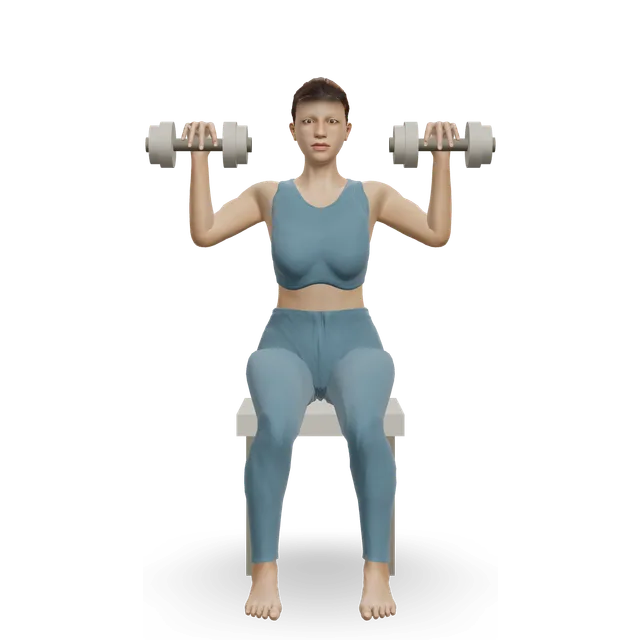
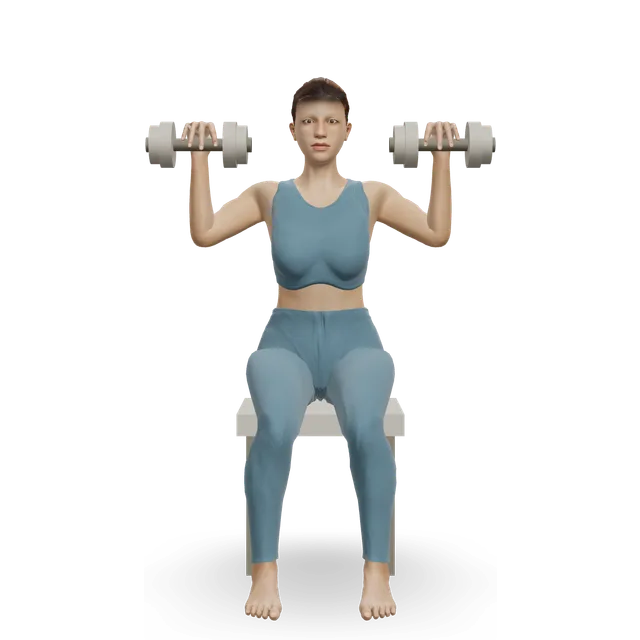
Seated dumbbell shoulder press demonstrated on the 3D figure3D demoSeated dumbbell shoulder pressIntermediate · A dumbbell + A bench or box

3 sets of 8 to 12, stopping 2 or 3 reps short, palms facing in at first, back supported · As in our shoulder overhead press guide (editorial; the move page gives no dose)

Easier: Machine shoulder press · Harder: Push press

Farmer's carry demonstrated on the 3D figure3D demoFarmer's carryIntermediate · A dumbbell + A kettlebell

3 walks of 20 to 30 m, light, wrists straight · As in our wrist lifting guide (editorial)

Harder: Suitcase carry

Move on when: 3 sets of 10 wrist bends both ways pass the pain rule, your full weight through flat hands on a table or wall is comfortable, palms-in dumbbell presses pass the rule, and your wrist is fine the next morning, for a week (editorial, as in our wrist bench press guide).

Follow along: a timer, a cue and the next move, one step at a time.
Stage 3

Back to the bar

From about weeks 4 to 6, often later, 2 or 3 sessions a week: your usual overhead pressing back, one change at a time by the written steps below. No study has tested a return to the overhead press after wrist pain, so the order is editorial.

Dumbbell shoulder press (kick-up start) demonstrated on the 3D figure3D demoDumbbell shoulder press (kick-up start)Intermediate · A dumbbell + A bench or box

2 to 3 sets of 8 to 12, stopping with 2 or 3 reps in reserve (our editorial starting point). · The move page's dose. Palms forward, wrists stacked over the elbows

Easier: Machine shoulder press · Harder: Behind-the-neck press

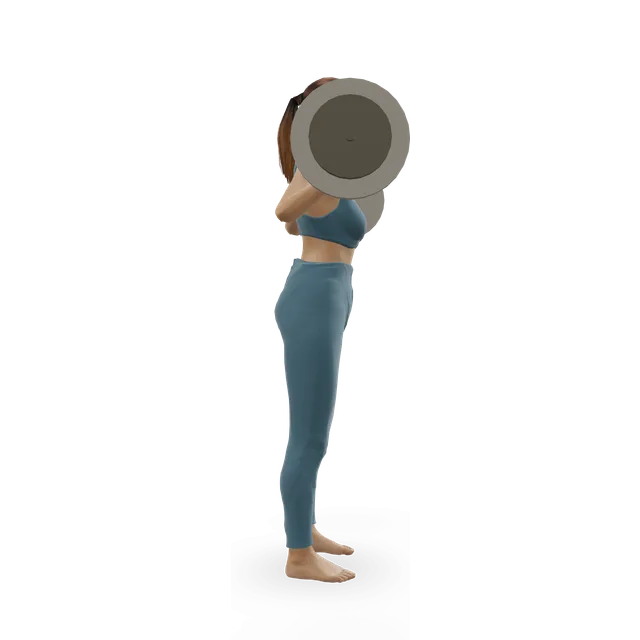
Standing overhead press demonstrated on the 3D figure3D demoStanding overhead pressIntermediate · A barbell + A dumbbell

The empty bar for 3 sets of 5, then add 1 to 1.25 kg a session while every rep is clean and within the pain rule, or start at about half your old working weight · As in our shoulder overhead press guide and overhead press guide (editorial; the move page gives no dose). The bar low in your palm, thumbs round it

Easier: Anti-gravity press · Harder: Push press

Standing dumbbell shoulder press demonstrated on the 3D figure3D demoStanding dumbbell shoulder pressIntermediate · A dumbbell

2 to 3 sets of 8 to 12, stopping with 2 or 3 reps in reserve (our editorial starting point). · The move page's dose

Easier: Machine shoulder press · Harder: Behind-the-neck press

Push press demonstrated on the 3D figure3D demoPush pressIntermediate · A barbell

3 sets of 3 to 5 with a light bar, once strict presses pass the rule · Editorial (the move page gives no dose). Last, only if you used it before

Easier: Standing overhead press · Harder: Power jerk (push jerk)

Reverse wrist curl demonstrated on the 3D figure3D demoReverse wrist curlBeginner · A dumbbell + A bench or box

2 sets of 10 to 15 twice a week, with wrist curls the same, kept up for a few months · As in our wrist bench press guide (editorial)

Easier: Wrist-extensor eccentrics · Harder: Plate pinch

Move on when: Your usual pressing sessions pass the pain rule for 2 weeks: then heavier sets, push presses, jerks, kettlebell and handstand work, one at a time. If a session flares it, go back a stage for a few days, not to nothing (editorial).

Follow along: a timer, a cue and the next move, one step at a time.

What to change for now

Your overhead press for now (written steps)

Our 3D figure can't show where the bar sits in your hand or your grip width. No trial has tested these changes for wrist pain; each step names its source or says it is our reading or suggestion.

  • 1. Hold the bar low in your palm, on the heel of the hand over the forearm bones, with your wrists stacked over your elbows and your thumbs round the bar, as our overhead press guide teaches. That a bar back in the fingers loads the bent-back wrist is our reading of push-up and cadaver studies.
  • 2. Grip just outside your shoulders so your forearms are vertical from the front and the side (our overhead press guide); if your wrists still fold back, bring your hands in a little (our reading: a narrower grip lifted more weight in a lab study that didn't measure the wrist).
  • 3. Elbows a little in front of the bar, not flared, so the bar doesn't sit behind your forearms (our overhead press guide).
  • 4. Lighter, 2 or 3 reps short of failure, no heavy singles while it's sore (editorial).
  • 5. Palms-in dumbbells, a landmine press or a machine with palms-in handles while it settles (our overhead press guide; editorial).
  • 6. Wraps on heavy sets only, if they make the wrist feel steadier; they didn't change strength in trials and haven't been tested for pain.
  • 7. Pressing in a rack, set the safety arms just below shoulder height (our overhead press guide), and decide in advance how you will lower or drop a failed rep, as the move page says; a bar drifting back drives the wrist back, as in one lifter's broken scaphoid.
  • 8. Daily life: the NHS says keep your hands and wrists moving with gentle exercises, don't lift heavy objects or grip anything too tightly while it's sore, and don't use heat for the first 2 to 3 days after an injury.

Sources 2, 3, 4, 29, 30, 13, 25

Back to your usual training (written steps)

No study has tested how overhead pressing comes back after wrist pain, so these steps are our suggestion unless a source is named.

  • 1. One change at a time: forward-grip dumbbells, then the barbell at about half your old weight, then push presses and jerks.
  • 2. The gym: push-ups, planks and burpees on handles, fists or a bench, as our push-up and plank wrist guides say; front squats with crossed arms or straps, as our front squat wrist guide says; the bench press as our bench press wrist guide says.
  • 3. CrossFit, weightlifting and kettlebell sport: strict presses before push presses and jerks, with the kettlebell resting on the forearm, not the wrist bent back.
  • 4. Typing and carrying shopping: split loads between both hands, carry bags with straight wrists, and take breaks from typing.
  • 5. Handstands come back last, as our wrist bending-back guide says.
  • 6. Keep forearm work twice a week for a few months.

Source 25

Positions to swap, and why

Habit or positionWhy it mattersInstead
Pressing with the bar back in your fingers and your wrists bent backThe bar sits behind the forearm and the wrist takes the strain, our overhead press guide says; that this shifts force to the back of the wrist is our reading of push-up and cadaver studies.The bar low in the palm with the wrists over the elbows, or palms-in dumbbells for now.Try: Standing palms-in dumbbell press
Pressing with your thumbs off the barThe bar can roll back into the fingers (our reading), and our bench press wrist guide says a thumbless grip lets the bar roll out of your hands.Thumbs wrapped round the bar.
A very wide gripWider grips pushed the bar outward more in a lab study.Just outside the shoulders, forearms vertical.
Elbows flared out to the sidesThe bar sits behind your forearms, our overhead press guide says.Elbows a little in front of the bar.
Heavy singles, push presses and jerks while it's soreMore load, faster, at the end of the wrist's range (our reading).Strict dumbbell presses for now.Try: Dumbbell shoulder press (kick-up start)
Squeezing the bar as hard as you can on every repThe NHS says don't grip tightly while it's sore, and hard gripping aggravates carpal tunnel syndrome.A firm, not crushing, grip, and a machine for now.Try: Plate-loaded shoulder press machine
Wraps on every set, or counting on them to heal itWraps changed how steady the wrist felt, not strength, and haven't been tested for pain.Wraps on heavy sets only, with forearm work.Try: Reverse wrist curl
Training through tingling in the fingersThat is a nerve, not a muscle.A machine with palms-in handles, and a GP if it lasts.Try: Plate-loaded shoulder press machine
Training through pain at the base of the thumb after a missed liftA broken scaphoid can hide on the first X-ray.Stop and get it checked the same day.
Push-ups and handstands on flat hands while it hurtsYour body weight goes through a bent-back wrist.Hands on a wall or a bench, or fists or handles.Try: Wall push-up
Resting the wrist completely for weeksThe NHS says keep your hands and wrists moving with gentle exercises.The first-stage moves.Try: Wrist & forearm flow
Heat on a freshly injured wristThe NHS says don't use heat for the first 2 to 3 days after an injury.Ice wrapped in a towel for up to 20 minutes every 2 to 3 hours.

Routines to follow

More moves for this area

Questions people ask

Why does my wrist hurt when I overhead press?

Often because the bar sits back in your fingers, behind the forearm, so your wrist folds back under the weight. That is our reading of push-up and cadaver studies, which found a bent-back wrist sends force to the back and little-finger side of the wrist. Hold the bar low in your palm with your wrists stacked over your elbows, go lighter, and press with palms-in dumbbells while it settles.

Should my wrists be straight or bent on the overhead press?

Close to straight, stacked over your elbows, with the bar on the heel of your hand, as our overhead press guide teaches. A small bend is normal; a wrist folded right back is the usual suspect. No study has measured the best angle.

How wide should my grip be to protect my wrists?

Just outside your shoulders, so your forearms are vertical from the front and the side. If your wrists still bend back, try bringing your hands in a little; a narrower grip lifted more weight in a lab study, but that study didn't measure the wrist.

Why does the back of my wrist hurt at the bottom of the press?

A sharp pain in the middle of the back of the wrist when it's loaded bent back is often the joint lining being pinched or a hidden ganglion. A straighter wrist and a lighter load usually help; if it keeps coming back with a weaker grip, see a GP or physiotherapist.

Why does my wrist hurt on the little-finger side?

Often the TFCC, a cartilage cushion there, or the tendon beside it. Palms-in dumbbells and a firm, not crushing, grip usually help; keep the pain to about 3 out of 10, and get it checked if it clicks or feels unstable.

Do wrist wraps help with the overhead press?

They make the wrist feel steadier, but in trials they didn't change strength or grip, and they haven't been tested for pain. Use them on heavy sets if they help, and build forearm strength alongside.

Is the dumbbell shoulder press easier on the wrists?

Often: with your palms facing in, the wrist can stay straight, and our overhead press guide gives palms-in dumbbells as its swap for wrist pain. You'll lift about 7% less than with a barbell standing, with as much shoulder work.

What about the shoulder press machine?

A fair short-term swap, especially with palms-in handles, though it worked the shoulders less than a barbell press in a lab study. Keep your wrists straight and your grip firm.

Why does my wrist hurt on the push press or jerk?

The bar goes overhead faster and heavier, and the wrist meets it at the end of its range (our reading). Leave push presses and jerks until strict pressing passes the pain rule.

Could my wrist be broken?

After a missed lift in which the bar drove your wrist back, or a fall, pain at the base of the thumb needs checking the same day, even if the wrist moves well, because a broken scaphoid can hide on the first X-ray. A wrist that is out of shape, numb or cold needs 999 or A&E.

How long will it take?

No one can promise a date. Most wrist pain improves within a couple of weeks of looking after it at home, or needs a GP; a TFCC tear can take months, with half fully recovered at a year.

When should I see a doctor?

Call 999 or go to A&E for a wrist that is out of shape, numb or cold after an injury, or call 999 for chest pain that spreads to your arm, neck or jaw. Get a same-day check for pain at the base of the thumb after a missed lift or a fall, a hot, swollen wrist with a high temperature, or lost feeling in your hand. See a GP if it isn't better after 2 weeks or you have tingling; in the US, call 911 where this page says 999.

Related exercise guides

Other pain guides

Sources

  1. Schütz 2022 · Shoulder, elbow and wrist movement and loads in chest exercises in 20 adults (lab study, Sports)
  2. Polovinets 2018 · Force through the wrist in push-ups on a bent-back and a straight wrist in 14 volunteers (lab study, J Hand Ther)
  3. Daly 2018 · Push-up position and wrist joint pressures in 8 donated wrists (cadaver study, J Hand Surg Am)
  4. Gundersen 2026 · Grip width in the seated barbell shoulder press in 11 trained men (lab study, Sports Biomech)
  5. Saeterbakken 2013 · Seated or standing, barbell or dumbbell shoulder presses in 15 men (lab study, J Strength Cond Res)
  6. Coratella 2022 · Front and back barbell and machine overhead presses in 8 bodybuilders (lab study, Front Physiol)
  7. Hanson 2022 · Pain in the middle of the back of the wrist in athletes: causes, treatment and return to play (review, Orthop J Sports Med)
  8. Thirumavalavan 2024 · Problems with the ECU tendon on the little-finger side of the wrist (review, Hand)
  9. Lee 2019 · TFCC tears without an unstable forearm joint, treated without surgery, in 72 wrists (cohort study, Clin Orthop Relat Res)
  10. British Society for Surgery of the Hand (BSSH) · De Quervain's syndrome
  11. NHS · Carpal tunnel syndrome
  12. American Academy of Orthopaedic Surgeons (OrthoInfo) · Scaphoid fracture of the wrist
  13. Heckmann 2008 · A broken scaphoid in an elite masters powerlifter after the bar drifted back (case report, Sportverletz Sportschaden)
  14. Mason 2015 · A broken scaphoid from a bench press in a 21-year-old cadet (case report, J Orthop Sports Phys Ther)
  15. Keogh 2017 · Injuries across the weight-training sports, 20 studies (systematic review, Sports Med)
  16. Aasa 2017 · Injuries among weightlifters and powerlifters: 9 studies (systematic review, Br J Sports Med)
  17. Tung 2024 · Injuries in weightlifting and powerlifting: 17 reports (updated systematic review, BMJ Open Sport Exerc Med)
  18. Tawfik 2021 · Hand and wrist injuries in 270 CrossFit athletes (survey, Cureus)
  19. Elkin 2019 · Injury and medical care in 122 CrossFit and 289 traditional weightlifting participants (cohort survey, Orthop J Sports Med; corrected 2020)
  20. Corrigendum to Elkin 2019: a retracted reference removed and two others fixed; conclusions unchanged (Orthop J Sports Med, 2020)
  21. Mehrab 2023 · Risk factors for injury in CrossFit: 3 cohorts, 691 people (systematic review, Int J Sports Med)
  22. Nicolay 2022 · Upper limb injuries in CrossFit athletes (review, Curr Rev Musculoskelet Med)
  23. Martonovich 2025 · Long-lasting wrist pain in 321 adults who practise handstands (online survey, J Funct Morphol Kinesiol)
  24. Bojovic 2026 · Bone stress injuries of the arm, wrist and hand in athletes (narrative review, Int Orthop)
  25. NHS · Wrist pain
  26. NHS · Broken arm or wrist
  27. NHS · Tendonitis (past its review date: reviewed June 2023, review due June 2026)
  28. Strömbäck 2018 · Injuries in 104 sub-elite powerlifters (cross-sectional survey, Orthop J Sports Med)
  29. Harris 2024 · Wrist wraps and bench press strength and power in 18 trained men and women (randomised crossover trial, J Strength Cond Res)
  30. Takemura 2023 · A wrist wrap and grip strength in 54 CrossFit athletes (randomised crossover trial, Acta Ortop Bras)
  31. Cambridge University Hospitals NHS · Hand therapy: active wrist exercises (patient leaflet)
  32. Smith 2017 · Should exercises be painful in long-lasting muscle and joint pain? 7 trials, 385 people (meta-analysis, BJSM)
  33. NHS · Heart attack

Exercise education, not a diagnosis or treatment plan. It is written from the guidelines and studies listed above; review by a clinician is pending. If your pain follows an injury, is severe, is getting worse, or comes with any warning sign listed on this page, get it assessed. Health disclaimer.