Sports training
Skateboarding warm-up: ankles, wrists, landings and how to fall
No warm-up has been tested on skateboarding injuries, so this one is ours, built on our warm-up guide and on the injuries that matter most: wrists, ankles and heads. It gets your ankles, hips and wrists moving, rehearses soft landings, and practises falling the way the Royal Society for the Prevention of Accidents (RoSPA) advises: crouch, land on the fleshy parts of your body and roll, and relax. Start with your kit, because helmets and wrist guards have the best evidence in board sports. You need your helmet, wrist guards and pads, and some grass or a mat for the fall practice.
Raise
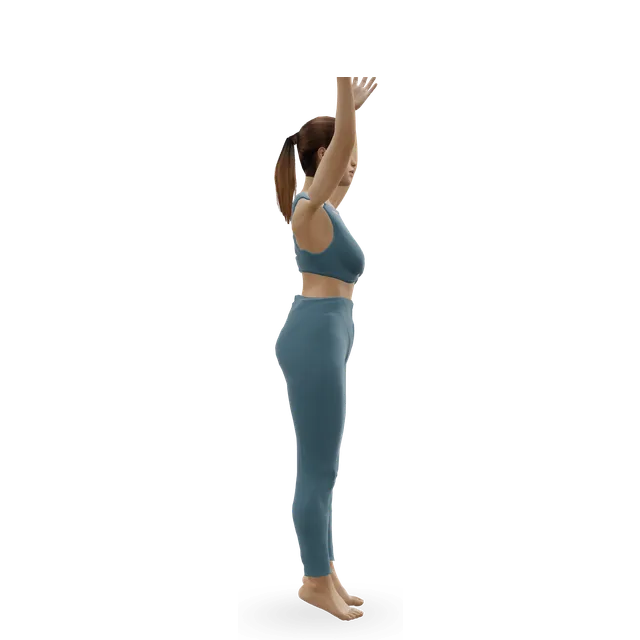
- Skipping2 × 20 mBeginner · Calves, Hip flexors, Quads · 3D demoSpringy. Or 2 to 3 minutes of easy pushing on flat groundEasier: Ankle bounces (mini pogo)Harder: Alternate-leg bounding

Ankles and hips
- Ankle CARs (controlled articular rotations)5 circles each way, each ankleBeginner · Calves, Shins · 3D demoSlow, full circlesEasier: Ankle circlesHarder: Toes-tucked kneeling (toe squat)
- Standing hip CARs2 slow circles each legBeginner · Glutes, Hip flexors, Hip abductors · 3D demoHold a railHarder: 90/90 hip lift-off
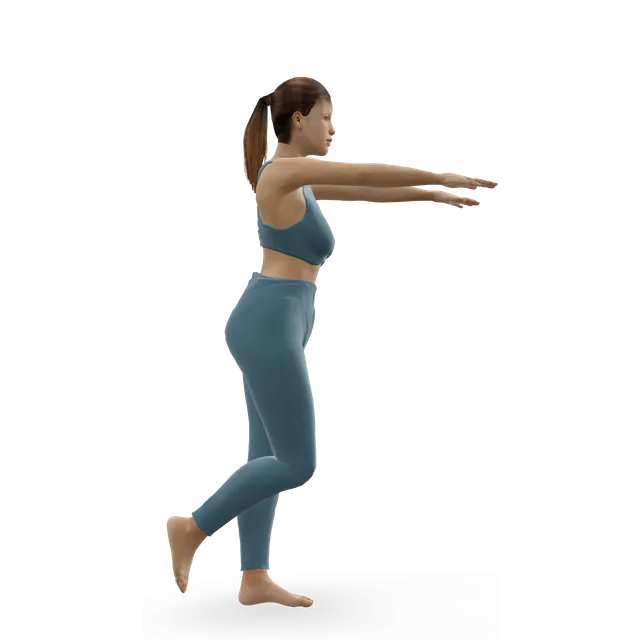
- World's greatest stretch3 each sideIntermediate · Hip flexors, Adductors, Glutes · 3D demoReach up as you turnEasier: Low lunge (Anjaneyasana)Harder: Active pancake lift-off




Wrists

Balance
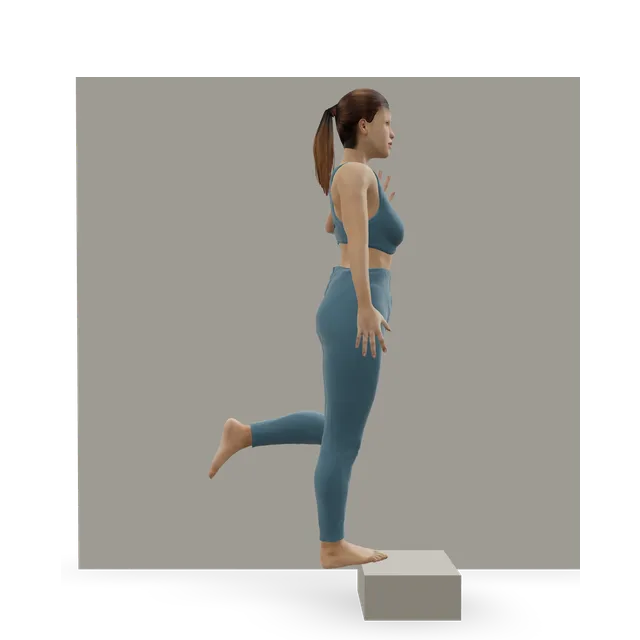
- Single-leg stand30 s each legBeginner · Hip abductors, Calves, Glutes · 3D demoSoft knee; close your eyes only when it's easyEasier: Tandem stance and heel-to-toe walkHarder: Single-leg reach matrix

Land
- Snapdown to athletic landing2 × 5, hold each landing 2 sBeginner · Quads, Glutes, Hamstrings · 3D demoLand quietly, hips backHarder: Box drop landing
- Single-leg hop and stick3 each legIntermediate · Quads, Glutes, Calves · 3D demoStick it, knee over your middle toesEasier: Standing broad jump with stuck landingHarder: Alternate-leg bounding
Practise falling (on grass or a mat)
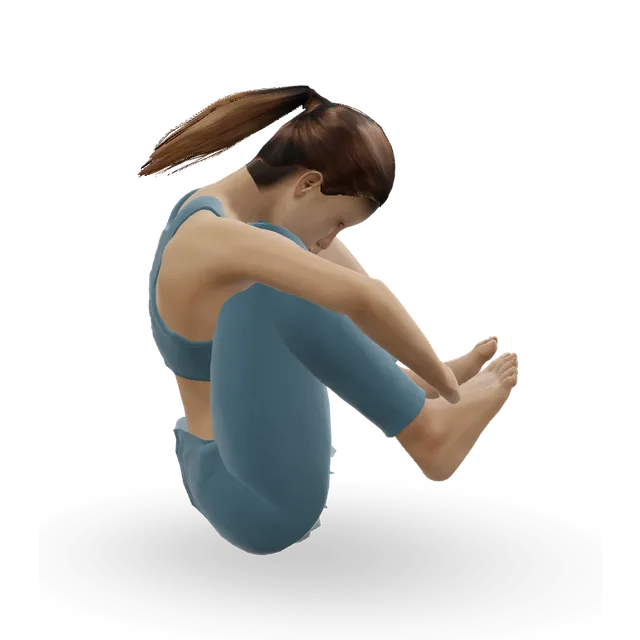
- Intermediate · Abs, Back, Hip flexors · 3D demoChin tucked, back rounded: the shape of a safe backward fall. Then, from a crouch, sit back and roll to one side, 3 times each sideHarder: Seal (Pilates)
Tips
- Helmet on and fastened every session, with wrist guards and pads, especially while you're learning. In US trauma data, skaters in helmets had about half the odds of a severe brain injury.
- Check your board for loose parts and the ground for holes, stones and debris: RoSPA puts over half of skateboarders' injuries down to uneven surfaces. Never skate in the road.
- Then skate: flat ground first, easy tricks before hard ones, building up to complicated tricks in stages. At skate parks, no snaking, and don't drop in unless it's clear.
- If you're losing your balance, crouch. If you fall, land on the fleshy parts of your body and roll rather than taking it on your arms. Children: jump off before you fall off.
- Any knock to the head: off the board for the day and checked within 24 hours. If in doubt, sit them out.
The doses are suggested starting points, not a prescription. Choose a range you can control and stop for sharp or increasing pain, numbness or tingling. Get individual advice after an injury or surgery, or if you are pregnant or managing a health condition.
Guides that recommend it
Find more moves like these
More sports training

Injury prevention exercises for runners
Foot, calf, balance and hop exercises taken from the running trials with positive results, in a 25-minute home routine for 3 or 4 days a week.
25 minBeginner11 movesOther / check instructions, A bench or box

Plyometrics for runners
A 20-minute hop and bound session for runners: ankle bounces to pogo hops, one-leg hops and bounding, building foot contacts slowly over 10 weeks.
20 minIntermediate8 movesCardio machine



Strength workout for cyclists (gym)
A 50-minute gym session for cyclists: heavy squats, one-leg presses, hip flexion and calf raises as in the cycling trials, plus jumps for bone.
50 minIntermediate13 movesCardio machine, A barbellQuestions people ask
How long does the skateboarding warm-up: ankles, wrists, landings and how to fall take?
About 12 minutes, including any warm-up and cool-down listed. Shorten it by doing fewer rounds; lengthen it by adding one.
What equipment do I need?
You need: A wall. Each move links to its guide, where you can find an alternative if you are missing something.
Is it suitable for beginners?
It is written for beginners. 5 of its 10 moves have an easier option listed beside them if you need one.
How do I make it easier or harder?
Use the easier or harder option listed under each move, change the number of rounds, or adjust the rest. Progress one change at a time.