Pain guide · Shoulder pain

Shoulder pain when deadlifting: the shoulder blades, a mixed grip and the biceps tendon, and swaps

Shoulder pain when you deadlift usually comes from the muscles around your shoulder blades working hard to hold the bar, or from a shoulder that pressing has already irritated and that complains when your arms hang under load. Where it hurts is the best clue: an ache around the shoulder blades points to those muscles, the front of the shoulder to the rotator cuff or the biceps tendon, one spot at the end of the collarbone to the acromioclavicular (AC) joint, and the tops of the shoulders into the neck to the upper traps. A mixed grip has one known risk, at the elbow: in filmed deadlifts, tears of the biceps tendon happened in the underhand arm. No study has measured the shoulder in a deadlift, so this guide says where each piece of advice comes from.

This guide starts with the signs that need help, from a 999 call for chest pain that spreads to your arm, neck or jaw, or accident and emergency (A&E) for a shoulder that looks out of place, to a same-day check through an urgent treatment centre, the National Health Service's 111 line (NHS 111) or a general practitioner (GP) for a pop with bruising at the front of the elbow, sudden weakness lifting the arm, worsening numbness in the arm, or a hot, swollen shoulder with a fever. It then maps the causes by where it hurts, explains what the studies of grips, straps and the rotator cuff show, and don't, shows how to change your grip, shoulders and bar today, and gives a three-stage plan with a 3D demo of every move, from kettlebell deadlifts and rotator cuff work back to the bar.

When to get help first

Exercise is for pain that has been checked or is clearly mild and settling.

Get urgent medical help if

  • Call 999 or go to A&E: after a fall or injury, your shoulder looks out of place or has changed shape, you cannot move your arm, or your shoulder is painful, bruised or swollen. Do not drive yourself, and do not try to put it back in yourself.
  • Call 999: shoulder or arm pain with chest pain that feels tight or squeezing, or chest pain that spreads to your arms, neck or jaw, especially with shortness of breath, sweating or feeling sick. It could be a heart attack.
  • Get help from NHS 111: pain or tightness in your chest, neck, shoulders, jaw or arms that comes and goes, often brought on by exercise, stress, emotion or cold and easing after a few minutes' rest. It can be angina, a sign of a heart problem. If you've been diagnosed with angina, get help from NHS 111 too if it feels worse than before, is happening more often, lasts longer or happens when you're resting.
  • Call 999: you suddenly can't fully lift both arms and keep them there, because of weakness or numbness in one arm, especially if one side of your face droops or you slur your words or sound confused. It could be a stroke. Call even if the signs have stopped.
  • Urgent treatment centre or A&E: a pop or snap and sudden pain during an effort, which could be a torn tendon. At the front of the elbow, with bruising and a bulge in the upper arm, don't wait for it to settle: a torn biceps tendon is best repaired within the first 2 to 3 weeks. If it happened weeks ago, still get it checked: repair is often still possible, though it may need a tendon graft.
  • Same day (GP or NHS 111): a sudden pop or snap with pain at the shoulder or upper arm during a lift, with or without a bulge low in the upper arm. It's usually a torn long head of the biceps. Most need no operation, but the rotator cuff can tear at the same time.
  • Same day (GP or NHS 111): sudden weakness lifting the arm after an injury or fall. A rotator cuff tear caused by an injury needs urgent referral to a shoulder specialist. After a dislocation in anyone over 40, the rotator cuff should be checked: about 40% have a tear.
  • Same day (GP or NHS 111): sudden or very bad shoulder pain; you cannot move your arm; the arm or shoulder is badly swollen or has changed shape; pins and needles that do not go away; no feeling in the arm; the arm is hot or cold to the touch; pain that started after an injury such as a fall; or severe pain in both shoulders.
  • Same day (GP or NHS 111): the shoulder or arm is hot, swollen or red, or you have a high temperature (although not everyone has one) or feel unwell. A joint infection needs same-day care.
  • Same day (urgent GP appointment or NHS 111): severe neck pain that starts suddenly or gets worse quickly; heaviness or weakness in the arms or legs; pins and needles in an arm along with neck or arm pain; or pain between the shoulder blades.
  • Same day: clumsiness in your hands, or numbness, pins and needles or weakness in one or both arms, that is getting worse; problems with balance or walking since the neck pain started; or neck pain with a severe headache.
  • Arm weakness or numbness that keeps getting worse, severe pain that painkillers and rest do not touch, or an unexplained fever.

See a doctor or physiotherapist if

  • Pain that is getting worse or has not improved after 2 weeks of looking after it yourself, or it is very hard to move your arm. In many areas you can refer yourself to physiotherapy.
  • Your shoulder has partly or fully come out of joint, or you worry it might.
  • Pins and needles or a cold arm alongside neck pain, or a new loss of strength or feeling in the arm that you cannot explain (a possible nerve problem).
  • No improvement after 6 weeks of exercise, or arm symptoms still there beyond 6 to 12 weeks.
  • Painful clicking or snapping at the front of the shoulder, or a feeling of something slipping there. The tendon can slip out of its groove, usually alongside a rotator cuff tear, so ask for an assessment.
  • Weakness turning the palm up (opening a jar, turning a key), or an ache at the front of the elbow that isn't easing after a few weeks of lighter loading.
  • A sudden pain or pop at the back of the armpit or below the shoulder blade during a hard pull, then bruising there or new weakness pulling your arm down and in: get it checked within days by a GP or sports medicine doctor, because a torn lat or teres major is rare, often missed at first, and bigger tears in athletes are sometimes repaired (our suggestion).
  • A shoulder blade that suddenly sticks out, or new weakness lifting, pushing or carrying: see a GP. Nerve tests may be needed to find which nerve is affected and how badly.
  • Pain on top of the shoulder with no injury that hasn't eased after 6 to 12 weeks of changing your training: ask a GP or physiotherapist for an assessment.
  • Not improving after a good 3 months of exercise, or the arm is clearly weak: ask for a specialist opinion.
  • A past history of cancer, an unexplained lump or swelling, weight loss, or pain that is constant and does not ease when you change position.
  • See a GP if you have pain and stiffness for more than a week, especially if you're over 50, it's in both shoulders (often the neck and hips too) and the stiffness lasts longer than 45 minutes in the morning. It can be polymyalgia rheumatica.

Where does it hurt?

Location narrows the likely causes; it does not diagnose.

Chest pain, or shoulder, neck, jaw or arm pain with chest tightness, breathlessness or sweating during a set

Call 999: it could be your heart. Don't wait to see if it passes.

Around or between the shoulder blades, both sides, an ache a day or two after heavy pulls or carries

Usually the muscles that hold your shoulder blades against the bar, which work hard low in the pull (our reading). It eases within days. Pain under one shoulder blade with a stiff neck or arm symptoms is different.

Read: Pain under the shoulder blade →
The tops of the shoulders and the side of the neck, near lockout or after shrugs and carries

The upper traps holding the bar. Stand tall at the top without shrugging; our neck deadlift guide covers this pain.

Read: Neck pain when deadlifting →
Deep at the front of the shoulder as your arms hang under the bar, often also sore on the bench or overhead press

Often the front of the joint or the rotator cuff, usually irritated by pressing first (our reading of lifting surveys).

Read: Front of shoulder pain →
A tender spot in the groove at the front of the upper arm, often in the underhand arm of a mixed grip

The long head of the biceps tendon. A double overhand or hook grip spares it for now (our suggestion).

Read: Biceps tendinitis (shoulder) →
The outside of the shoulder and upper arm, with a painful arc lifting the arm

Rotator cuff related pain, often called impingement, usually started by pressing. Exercise is the treatment.

Read: Shoulder impingement (rotator cuff pain) →
One spot on top of the shoulder at the end of the collarbone

The AC joint, which in lifters is most often irritated by the bench press. Changing your pressing usually helps.

Read: AC joint injury and pain →
Deep at the back of the shoulder

Often the rotator cuff or the back of the joint.

Read: Back of shoulder pain →
A sudden pop at the front of the elbow in the underhand arm, then bruising, a bulge in the upper arm and weakness turning the palm up

Possibly a torn biceps tendon at the elbow. It is rare, but get help the same day, as the warning signs say: repair does best early.

Read: Front of the elbow (biceps tendon) →
An ache at the front of the elbow in the underhand arm, worse turning the palm up, with no pop

Biceps tendon pain at the elbow. Leave the mixed grip out while it settles.

Read: Front of the elbow (biceps tendon) →
A sudden pop at the shoulder or upper arm with a bulge low in the arm

Usually a torn long head of the biceps, which rarely needs surgery, but get it checked the same day.

Read: Biceps tendinitis (shoulder) →
A sudden pain or pop at the back of the armpit or below the shoulder blade during a hard pull, then bruising

Rarely a torn lat or teres major muscle: get it checked within days, as the warning signs say.

A clunk, a slipping feeling or a dead arm

A shoulder that partly slips (instability). Get it assessed before heavy pulling.

Read: Shoulder dislocation and instability →
A shoulder blade that suddenly sticks out, or new weakness lifting, pushing or carrying

Rarely a nerve injury: see a GP.

Read: Winged scapula →
A stiff neck with pain over or under the shoulder blade, then pain, pins and needles or numbness down the arm

A trapped nerve in the neck, where the shoulder blade pain often comes first.

Read: Pinched nerve in the neck →
The same shoulder pain on the bench press, rows or squats

Our bench press, rows and squat shoulder guides cover those lifts.

Read: Shoulder pain when benching →
The lower back, the hip or the knee in the deadlift

Our deadlift guides for the back, the hip and the knee cover them.

Read: Back pain after deadlifts →
Pain and stiffness in both shoulders, from 50, worst in the morning

Possibly polymyalgia rheumatica, not a lifting problem: see a GP, as the warning signs say.

Understand it

What a deadlift asks of the shoulders, and what no study has measuredEmerging evidence

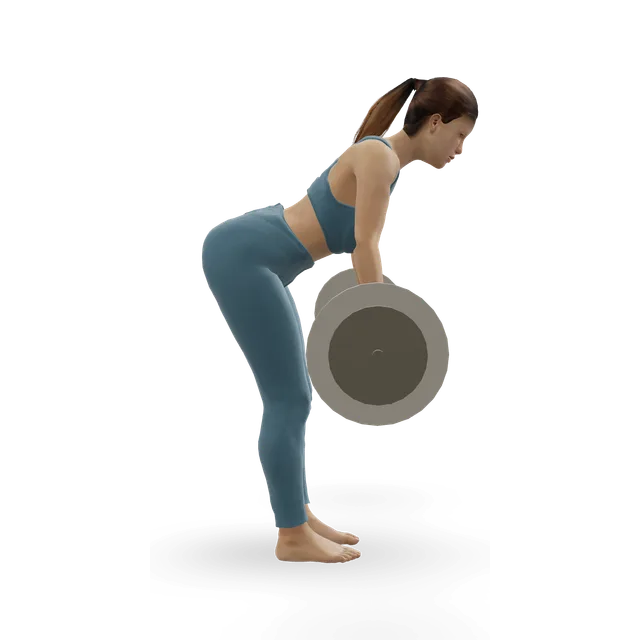
You hinge to the bar with your arms straight and pull until you stand tall. The arms only hang, but the load passes through the hands, the elbows, the biceps and the shoulder joint, and the muscles around the shoulder blades (the trapezius, the rhomboids and the serratus anterior) hold the blades against the bar's pull, with the lats keeping the bar close.

No study has measured the rotator cuff, the lats, the shoulder joint's load or the bar's rotation in any deadlift, with any grip. A review of deadlift muscle activity studies reports the legs and back. In 13 football players, the middle trapezius worked harder in the lower part of the pull and the upper trapezius in the last part, near lockout. The only grip study measured forearm muscles, and a thick-handle study reported shoulder muscle activity without splitting the muscles. So this page's map comes from those studies, filmed injuries, lifting surveys and trials of shoulder pain, and says where it uses our reading.

Sources 1, 2, 3, 4

Who gets it: patterns, not percentagesEmerging evidence

The shoulder is one of the commonest sore spots in lifting: 19.6% of powerlifting injuries pooled across reports, 21% of strongman injuries (the biceps 11%), and up to 36% of resistance training injuries in one review. Upper limb injuries are commoner in powerlifters over 40. Injury rates are low: 1.0 to 4.4 per 1,000 hours of powerlifting.

But the deadlift isn't the lift that gets the blame. In 104 Swedish powerlifters, 9 of 16 current shoulder injuries began in bench press training, while deadlift onset went with the lower back and pelvis. A review of injuries by lift found no shoulder injury reported from the deadlift. In United States (US) emergency departments, the commonest causes of gym shoulder injuries were overhead (21.6%) and pushing (14.5%) movements.

No study gives the share of each cause of shoulder pain in a deadlift. The patterns on this page are our reading: the muscles around the shoulder blades working hard on heavy or new pulls, a shoulder already irritated by pressing that complains when the arms hang under load, or the biceps tendon in the underhand arm of a mixed grip.

Sources 5, 6, 7, 8, 9, 10, 11, 12

The mixed grip and the biceps tendon at the elbowEmerging evidence

A mixed grip (one palm facing you, one facing away) holds more weight, and in 29 trained lifters it was the grip rated easiest at every load. Its one known risk is at the elbow, not the shoulder. In 35 filmed tears of the biceps tendon at the elbow in strength sports, 25 happened in deadlifts, and all 24 mixed-grip tears were in the underhand (palm forward) arm, with the elbow straight. Two more video series found deadlifting in 67% and 71% of filmed tears.

Videos can't give a rate, though: only 1 of 22 consecutive clinic patients with the tear had been deadlifting. The tear itself is rare, about 1.2 to 2.55 per 100,000 people a year, about 95% of them men, at an average age of about 46, and it is commoner in people who smoke or use steroids. So the site's deadlift guide keeps its advice: if you use a mixed grip, swap which hand is underhand, or use a hook grip or straps for your heaviest sets.

Sources 3, 13, 14, 15, 16, 17, 18

The front, the top and the back of the shoulderEmerging evidence

A sore biceps tendon in the groove at the front of the shoulder is treated with exercise and changed loading, but that rests on expert opinion rather than trials. A torn long head of the biceps rarely needs surgery, and most people keep good function.

Bone stress at the end of the collarbone (distal clavicle osteolysis) showed on X-ray in 7 of 25 competitive weightlifters and none of 25 men who didn't train, and bench pressing is the commonest activity behind it (49.1% of 483 patients in a review).

Rarer causes are on record: a torn lat or teres major, mostly in throwers but reported in weightlifters, and nerve injuries that make a shoulder blade stick out. In one clinic, 11 nerve injuries causing a winged shoulder blade were sport-related, and most of those people had lifted weights; one young weightlifter had a first rib fracture with a winged shoulder blade.

Sources 19, 20, 21, 22, 23, 24, 25

The neck can send pain to the shoulder bladeEmerging evidence

In 50 people with a trapped nerve in the neck, pain in the neck or shoulder blade area came before the arm symptoms in 70%, and a review of 86 studies found shoulder blade pain described in 72%. The link runs both ways: in 30 of 34 people with neck pain near the top of the shoulder blade, the pain eased at once after an injection into the shoulder. NHS inform says a trapped nerve usually starts to improve within 12 weeks.

Sources 26, 27, 28, 29

When a scan or test helps, and what it can't tell youStrong evidence

Not at first for an ache around the shoulder blades or a sore front of the shoulder that eases with changed training. In 96 shoulders without symptoms, a magnetic resonance imaging (MRI) scan showed a rotator cuff tear in 34%, and 54% over 60. The NHS says a health professional will examine you and might send you for tests such as an X-ray.

Tests matter for a suspected biceps tear at the elbow (an examination, sometimes an ultrasound or MRI, and soon, because repair is ideally done in the first 2 to 3 weeks), a shoulder that has slipped, sudden weakness after an injury, a shoulder blade that sticks out, pain on top of the shoulder that hasn't settled, and worsening nerve signs. Neck and shoulder problems often show together on scans, so a report has to match your symptoms.

Sources 30, 31, 18, 22, 32

How it usually goesEmerging evidence

Muscle aches settle within days. The NHS says shoulder pain usually needs 2 weeks of looking after before it starts to ease, and it can take 6 months or longer. In 349 people with new shoulder pain in general practice, 23% had fully recovered at a month and 59% at a year, faster when it followed overuse or a slight strain; across studies, about half of new episodes recover within 6 months, and neck pain alongside it predicts a slower course. In the largest rotator cuff trial, every group improved a lot over a year. Most injured powerlifters keep training with changes, and after a biceps tendon repair, 183 strength athletes all returned to their sport. No one can promise a date.

Sources 31, 33, 34, 35, 36, 10, 37

What helps, and how strong the evidence is

Exercise is the first treatment for rotator cuff painStrong evidence

In the GRASP trial of 708 adults with a new rotator cuff problem, up to six physiotherapy sessions of progressive exercise did no better over a year than one session of advice with a home programme, and both groups improved; the programmes focused on strengthening the back of the rotator cuff. In 102 people on a surgical waiting list, specific rotator cuff and shoulder blade exercises, with pain kept at 5 out of 10 or less, gave a good result in 69% against 24%, and 20% against 63% went on to choose surgery.

Across 7 trials (468 people), exercise that added load over time helped by about 15 points out of 100 against placebo or no treatment, while unloaded exercise didn't clearly help (low certainty). One self-managed loaded exercise did about as well as usual physiotherapy in 86 people. Hands-on treatment added to exercise gave only a small, uncertain benefit. These were people with rotator cuff pain, not lifters, so the plan borrows their kinds of exercise.

Sources 36, 38, 39, 40, 41, 42

Injections and surgery: less than people hopeStrong evidence

A steroid injection for rotator cuff pain helped a little at 8 weeks and not at a year in GRASP. Removing bone under the shoulder tip (subacromial decompression) did no better than a placebo operation at 6 months in 313 people, and no better than placebo surgery or exercise over 10 years in another trial. Surgery is not a shortcut for this kind of shoulder pain.

Sources 36, 43, 44

Grips and straps: what the studies measured, and what they didn'tEmerging evidence

Grip type changed forearm muscle work, not bar speed, in 29 lifters. Straps let 10 women do more reps with less loss of grip strength; in 16 men they didn't reduce the slowing of the bar at the same load, and a review found no evidence on long-term use. With straps alone, 20 men rounded their upper backs more at lockout than with a belt alone. One survey linked strap use with knee and upper back injuries, which may only mean that injured lifters reach for straps.

No study has measured the shoulder with any grip or with straps. So straps for the heaviest sets, when your grip gives out and you hunch or shrug to hold on, are a grip aid, not a shoulder treatment.

Sources 3, 45, 46, 47, 48, 10

No shrug at lockoutEmerging evidence

The upper trapezius worked harder in the last part of the deadlift than off the floor in 13 football players, and the shrug drew the most upper trapezius activity of 10 exercises in 30 adults. So shrugging the bar at the top adds trap work the deadlift doesn't need (our reading).

Sources 1, 49

A torn biceps tendon at the elbow: repair, and soonerEmerging evidence

After a full tear, repair kept about 26% more strength bending the elbow and 28% more turning the palm up than leaving it, in pooled studies with only 79 people treated without surgery; surgery brings its own problems, such as extra bone forming and short-lived numbness in about 10% each. Orthopaedic surgeons advise repair ideally in the first 2 to 3 weeks. Late repairs often still do well but more often need a tendon graft, and in 183 strength athletes a longer wait before surgery went with worse results.

Sources 50, 51, 52, 37, 18

Bone stress at the end of the collarbone usually settles with changed trainingEmerging evidence

In a review of 483 patients, most recovered with changed training and other non-surgical care, and 16% had surgery, usually after about 3 months. In an older series of 46 athletes, those not operated on improved only after changing or stopping their weight training. The bench press, not the deadlift, is the usual trigger.

Sources 22, 53

How much pain is OK while you exercise?

Up to about 5 out of 10 for the shoulder, 3 to 4 for the elbow, settled by the next sessionEmerging evidence

This guide uses the shoulder hub's rule, as our other shoulder guides do. During shoulder strengthening, pain up to about 5 out of 10 is acceptable, and a little is expected. By your next session it should be back to where it was before. If it isn't, use a lighter band or weight or a smaller range next time, not nothing. This is how the Holmgren trial set each person's load: pain was not allowed above 5 out of 10 during the exercises, and any increase had to settle back to the starting level before the next session; otherwise the load came down. If pain climbs week on week, or a warning sign appears, stop and get it checked.

For an ache at the front of the elbow in the underhand arm, the elbow hub's stricter rule applies. Some discomfort during forearm exercises is fine. Keep it mild: no more than about 3 to 4 out of 10. It should settle within an hour or so, and your elbow should be no worse the next morning. If it is worse, go lighter next time (a lighter weight, a bendier bar, fewer reps or a shorter hold), not nothing. When a set no longer causes any discomfort, it's time to progress.

NHS inform's shoulder exercises use the same bands (0 to 3 minimal, 4 to 5 acceptable, 6 to 10 excessive) and want your pain no worse the morning after, and in 7 trials of long-lasting pain, exercise into some pain did no worse than pain-free exercise.

For the deadlift (our suggestion, built on these rules): judge each set by its last reps, and choose the grip (double overhand, hook, straps, then mixed), the bar (trap bar, rack pull, then the floor) and the load at which your shoulder stays at 5 out of 10 or less and is back to its usual level by the next session. A pop, a clunk or a slipping feeling, pain or tingling running down the arm, or chest pain isn't a pain-rule question: see the warning signs.

Sources 39, 54, 55

The exercise plan: 3 stages

Start at the first stage. Each move opens a full guide with a 3D demo.

Stage 1

Keep hinging, settle the shoulder

About weeks 0 to 2, hinging 2 or 3 days a week and shoulder work 3 to 5 days a week: keep the hinge going with no barbell and no mixed grip, and start the rotator cuff and shoulder blade work. With a warning sign, get checked first; after a biceps tear, your surgical team's plan comes first. Doses are editorial unless a source is named.

Hip-hinge practice demonstrated on the 3D figure3D demoHip-hinge practiceBeginner · No equipment

2 to 3 sets of 10 · As in our deadlift back guide (editorial)

Harder: Kettlebell deadlift

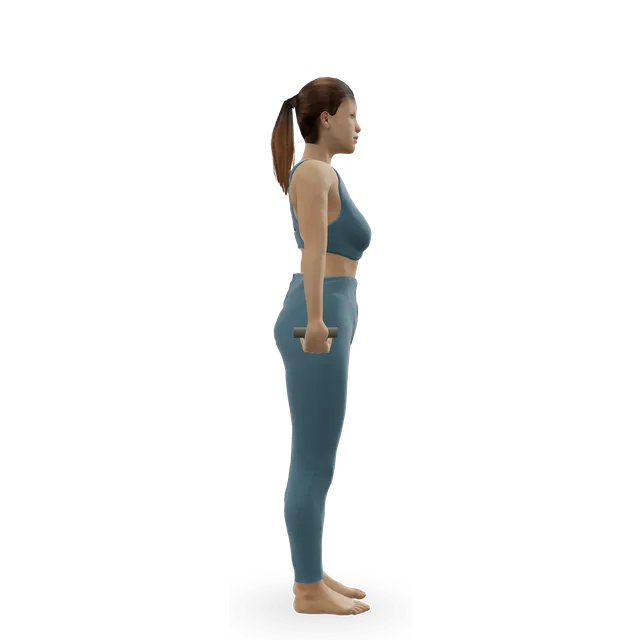
Kettlebell deadlift demonstrated on the 3D figure3D demoKettlebell deadliftBeginner · A kettlebell

3 sets of 8 to 10 with a light bell, standing tall at the top without a shrug · As in our deadlift back and neck guides (editorial)

Easier: Hip-hinge practice · Harder: Dumbbell Romanian deadlift

Standing band external rotation demonstrated on the 3D figure3D demoStanding band external rotationBeginner · A band + An anchor point

3 sets of 15, light band, slow return, elbow at your side · The Holmgren trial's sets and reps for its rotator cuff exercises, as our squat and bench press shoulder guides use them

Easier: Stick-assisted external rotation (lying) · Harder: Side-lying external rotation

Band row demonstrated on the 3D figure3D demoBand rowBeginner · A band + An anchor point

3 sets of 10 to 15, stopping 2 to 3 reps short of failure, with 60 to 90 seconds' rest · The move page's dose (an editorial starting point)

Harder: Supported single-arm dumbbell row

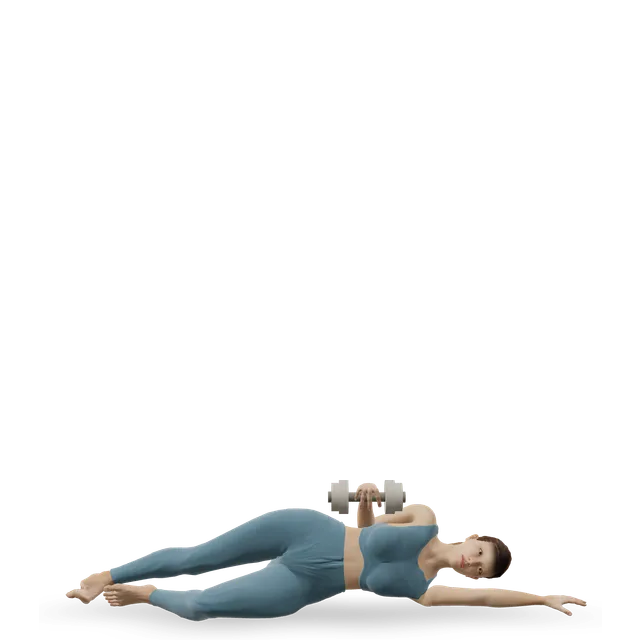
Side-lying open book demonstrated on the 3D figure3D demoSide-lying open bookBeginner · No equipment

8 to 10 slow openings each side, pausing 2 seconds at the end · The move page's dose (an editorial starting point). Keep it pain free with impingement symptoms, as the move page says

Harder: Thoracic rotation

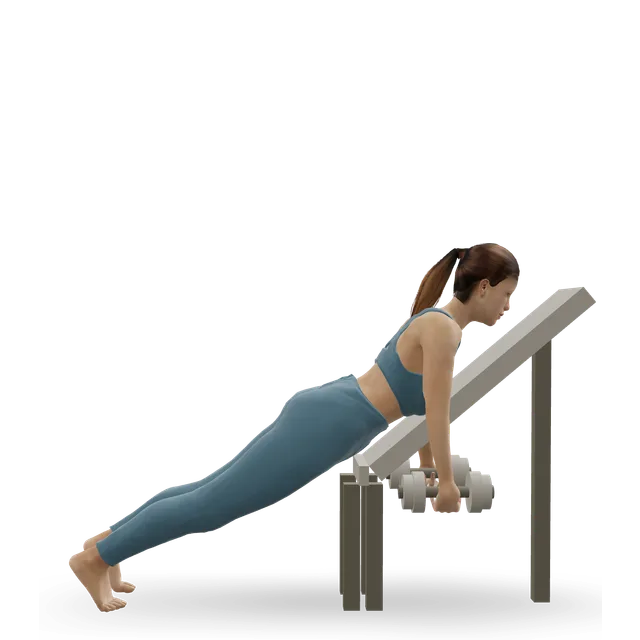
Scapular push-up (push-up plus) demonstrated on the 3D figure3D demoScapular push-up (push-up plus)Beginner · No equipment

2 or 3 sets of 10, on a wall or bench first · As in our squat shoulder guide (editorial)

Easier: Dumbbell shoulder-blade punch · Harder: Push-up

Move on when: Kettlebell deadlifts and the shoulder work pass the pain rule, and your shoulder is back to its usual level by the next session, for a week (editorial).

Follow along: a timer, a cue and the next move, one step at a time.
Stage 2

Load the shoulder blades and the grip

About weeks 2 to 6, 2 or 3 days a week: a heavier hinge with the arms hanging, stronger rotator cuff and shoulder blade muscles, and a grip that holds without a shrug.

Dumbbell Romanian deadlift demonstrated on the 3D figure3D demoDumbbell Romanian deadliftIntermediate · A dumbbell

3 sets of 8 to 10, to mid-shin or where your hamstrings stop you, shoulders down · As in our deadlift back guide (editorial)

Easier: Hip-hinge practice · Harder: Single-leg Romanian deadlift

Side-lying external rotation demonstrated on the 3D figure3D demoSide-lying external rotationBeginner · A dumbbell

3 sets of 15, lowering over about 3 s · The Holmgren trial's sets and reps; the 3 s lowering is editorial, as in our squat shoulder guide

Easier: Standing band external rotation · Harder: Cuban rotation

Prone Y-T-W raises demonstrated on the 3D figure3D demoProne Y-T-W raisesBeginner · No equipment

2 sets of 8 of each shape, building to 2 sets of 15 · As in our push-up shoulder and deadlift neck guides (editorial). Keep your neck long, as the move page says

Easier: Wall angel · Harder: Bent-over reverse fly

Face pull demonstrated on the 3D figure3D demoFace pullIntermediate · A band

3 sets of 12 to 15 · As in our squat shoulder guide (editorial)

Easier: Prone Y-T-W raises · Harder: Tuck back lever

Farmer's carry demonstrated on the 3D figure3D demoFarmer's carryIntermediate · A dumbbell + A kettlebell

3 walks of 20 to 30 m with a moderate weight, shoulders level and down · As in our deadlift back guide (editorial). The move page says use straps only once your trunk, not your grip, is the limit

Harder: Suitcase carry

Move on when: 3 sets of dumbbell Romanian deadlifts and carries pass the pain rule with no shrug, and side-lying outward rotation is comfortable for 3 sets of 15 with a heavier weight, for a week (editorial).

Follow along: a timer, a cue and the next move, one step at a time.
Stage 3

Back to the bar

From about week 4 to 6, later after a repair or a long-lasting rotator cuff problem: your usual deadlift back, one change at a time, by the written steps below. No study has tested a return to deadlifting after shoulder pain, so the order is editorial.

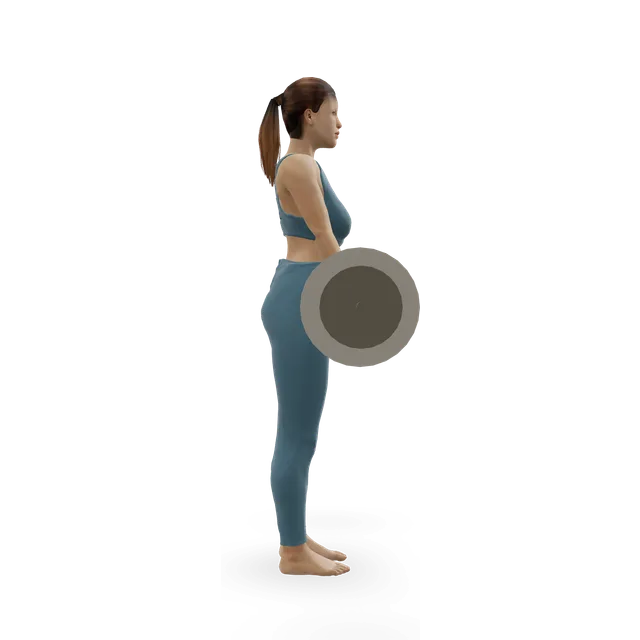
Trap bar (hex bar) deadlift demonstrated on the 3D figure3D demoTrap bar (hex bar) deadliftIntermediate · Other / check instructions

3 sets of 5 to 8 with 3 or more reps in reserve, from the high handles, at about half your old working weight · As in our deadlift back guide (editorial)

Easier: Dumbbell Romanian deadlift · Harder: Barbell suitcase deadlift

Rack pull demonstrated on the 3D figure3D demoRack pullAdvanced · A barbell

3 sets of 5, the bar just below the knee, double overhand, lowering the pins over the weeks · As in our deadlift back guide (editorial)

Easier: Dumbbell Romanian deadlift

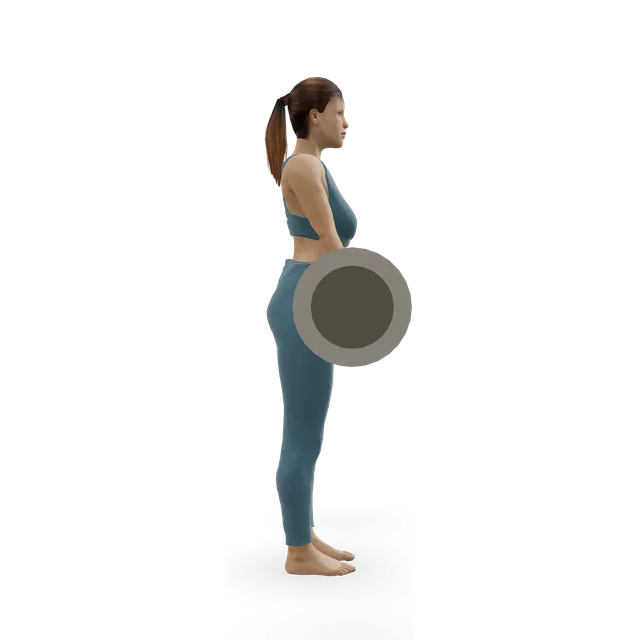
Barbell deadlift demonstrated on the 3D figure3D demoBarbell deadliftAdvanced · A barbell

Sets of 3 to 5 with 2 or 3 reps in reserve, double overhand or hook grip, adding about 5% to 10% a week while the pain rule holds; the mixed grip and heavy singles last · As in our deadlift back and neck guides (editorial)

Easier: Dumbbell Romanian deadlift · Harder: Deficit deadlift

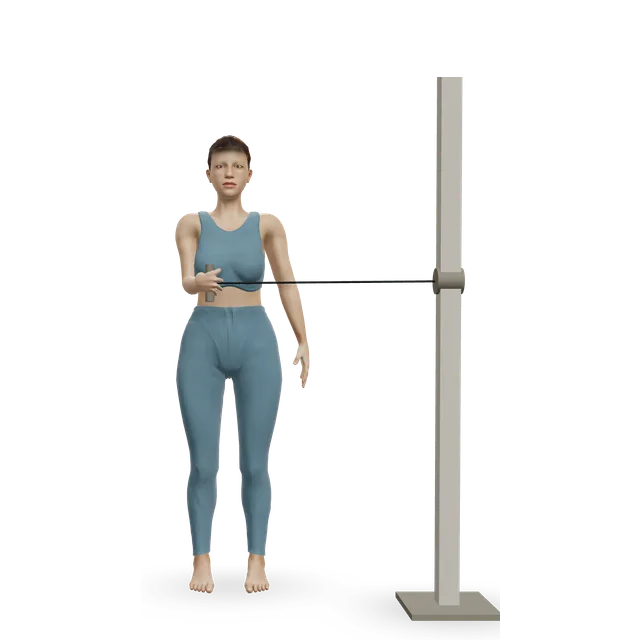
Cable external rotation demonstrated on the 3D figure3D demoCable external rotationBeginner · A cable machine

3 sets of 10 to 12, heavier than in stage 2 · As in our squat shoulder guide (editorial)

Harder: Side-lying external rotation

Face pull demonstrated on the 3D figure3D demoFace pullIntermediate · A band

3 sets of 12 to 15, twice a week, kept up · As in our squat shoulder guide (editorial)

Easier: Prone Y-T-W raises · Harder: Tuck back lever

Move on when: Your usual deadlift sessions pass the pain rule for 2 weeks: then heavier sets, then the mixed grip (swapping hands), then maximal singles. Keep rotator cuff and shoulder blade work twice a week; if a session flares the shoulder, go back a stage for a few days, not to nothing (editorial).

Follow along: a timer, a cue and the next move, one step at a time.

What to change for now

Your deadlift for now (written steps)

Our 3D figure can't show your grip, how you set your shoulder blades or straps. These steps come from the site's deadlift guide, lab studies and filmed injuries; no trial has tested a change to the deadlift for shoulder pain, and each step names its source or says it is our suggestion.

  • 1. Grip: double overhand with chalk for warm-ups and most work sets, a hook grip as the weight rises, and a mixed grip only for your heaviest sets, swapping which hand is underhand (our deadlift guide; every filmed mixed-grip tear was in the underhand arm, though videos can't give a rate).
  • 2. With pain at the front of the shoulder or elbow in the underhand arm, leave the mixed grip out for now (our suggestion).
  • 3. Straps: for the heaviest sets if your grip gives out first, so you don't hunch or shrug to hold on (our deadlift guide; a straps study measured grip, not the shoulder).
  • 4. Shoulder blades: before the bar leaves the floor, arms long and straight, shoulders drawn gently down and back, not crushed together, and the bar against your shins (our suggestion).
  • 5. The pull: keep the bar against your legs all the way up, then stand tall and stop, with no shrug and no lean back (our deadlift guide).
  • 6. Load: about half your old working weight, 2 or 3 reps in reserve and no maximal singles for now; add about 5% to 10% a week while the pain rule holds (editorial).
  • 7. Which bar: the trap bar's side handles, palms facing in, or a rack pull before the straight bar from the floor (our deadlift guide suggests the neutral handles for sore hands and elbows; no study has compared bars for shoulder pain).
  • 8. Your week: press and pull heavy on different days, and change your pressing first if pressing started it (our suggestion, from the lifting surveys).
  • 9. A pop, a tearing feeling or sudden weakness: put the bar down and get it checked the same day.

Sources 13, 14, 45, 1, 10

Today and everyday life (written steps)

These come from the NHS unless they say our suggestion.

  • 1. Keep the arm moving: the NHS says don't stop using your shoulder completely, as this can stop it getting better, and don't make up your own strenuous exercises or use heavy gym equipment while it hurts.
  • 2. Painkillers such as paracetamol or ibuprofen, and heat or cold packs wrapped in a tea towel, can help you keep moving.
  • 3. Lifting at work and carrying shopping: hold loads close, share them between both hands and put them down rather than shrug to hold on (our suggestion).
  • 4. Sleep: if night pain bothers you, lie on the other side or rest the arm on a cushion (our suggestion).
  • 5. Powerlifting and strongman: heavy deadlifts and bench or overhead pressing on different days while it settles; the mixed grip, stones and heavy carries come back last (our suggestion).

Source 31

Positions to swap, and why

Habit or positionWhy it mattersInstead
The same hand underhand on every heavy mixed-grip setEvery filmed mixed-grip deadlift tear of the biceps tendon was in the underhand arm, though videos can't give a rate.Double overhand or a hook grip for most sets; swap the underhand side, or use straps, for the heaviest.Try: Trap bar (hex bar) deadlift
A mixed grip with pain at the front of the shoulder or elbow in the underhand armIt loads the sore biceps tendon (our reading).Double overhand with chalk, or straps.Try: Rack pull
Shrugging or leaning back at lockoutIt isn't part of the lift, and the upper traps already work hardest near the top.Stand tall, shoulders down.Try: Face pull
Squeezing your shoulder blades together as hard as you canNo study supports it, and the muscles that hold the blades already work hard low in the pull (our reading).Set them down and back, then hold with steady effort.Try: Band row
The bar drifting away from your legsIt lengthens the lever on your hips and back, as our deadlift guide says, and pulls your shoulders forward (our reading).Keep the bar against your legs all the way up.Try: Kettlebell deadlift
Hanging on with a failing grip on heavy setsLifters hunch and shrug to hold the bar (our reading).Straps for the heaviest sets, chalk or a hook grip, and grip work on its own.Try: Farmer's carry
Heavy pressing on the same day as heavy pulls while it's sorePressing is the usual source of an irritated shoulder in lifters.Spread them out, and pull with your chest supported for now.Try: Chest-supported dumbbell row
Heavy shrugs, carries and stones while it's soreThey load the same muscles harder than the deadlift does.Lighter, fewer and later; shoulder blade work instead.Try: Prone Y-T-W raises
Pulling on after a pop, a tearing feeling or sudden weaknessA torn tendon is best repaired early.Stop and get it checked the same day.
Resting the arm completelyThe NHS says not using your shoulder at all can stop it getting better.Gentle movement and the first-stage moves.Try: Standing band external rotation
Stretching or rolling the front of the shoulder to open it upNo trial tests it for lifting shoulder pain; strength work has the evidence.Rotator cuff and upper back strength work.Try: Side-lying external rotation

Routines to follow

More moves for this area

Questions people ask

Why does my shoulder hurt when I deadlift?

Usually the muscles around your shoulder blades working hard to hold the bar, or a shoulder already irritated by pressing that complains when your arms hang under load. No study has measured the shoulder in a deadlift, so this is our reading of muscle studies and lifting surveys. Set your shoulders before you pull, keep the bar close, don't shrug at the top and go lighter for a while.

Why do my shoulder blades hurt after deadlifts?

The muscles that hold your shoulder blades against the bar work hard in the lower part of the pull, so an ache around or between the shoulder blades a day or two after heavy pulls is common and fades within days. Pain under one shoulder blade with a stiff neck, or pain or tingling down the arm, is different: it can come from a nerve in the neck.

Why does the front of my shoulder hurt when I deadlift?

Often the front of the joint, the rotator cuff or the biceps tendon, usually irritated by pressing first, or in the underhand arm of a mixed grip. Change your pressing, use a double overhand or hook grip, and do the rotator cuff work in the plan. Exercise is the main treatment for rotator cuff pain.

Is a mixed grip bad for your biceps or shoulders?

It's legal and holds more, but in filmed deadlift tears of the biceps tendon at the elbow, every mixed-grip tear was in the underhand arm. Videos can't say how often it happens, and the tear is rare, mostly in men in their 40s. Use a double overhand or hook grip for most sets and swap which hand is underhand on the heaviest, as our deadlift guide says.

I felt a pop in my arm while deadlifting. What should I do?

Stop and get it checked. A pop at the front of the elbow with bruising, a bulge and weakness turning the palm up can be a torn biceps tendon, which is best repaired within the first 2 to 3 weeks, so go to an urgent treatment centre or A&E. A pop at the shoulder with a bulge low in the upper arm is usually the long head of the biceps, which rarely needs an operation, but still get it checked the same day.

Should I use straps?

For your heaviest sets, if your grip gives out and you hunch or shrug to hold the bar: straps help you do more reps with less grip loss. They aren't a shoulder treatment, and our farmer's carry page says use them only once your trunk, not your grip, is the limit.

Can I deadlift with rotator cuff pain?

Usually, yes, with changes: a trap bar or rack pull, a lighter load, a double overhand grip, no shrug, and pain kept to 5 out of 10 or less and settled by your next session. Keep up rotator cuff exercises alongside, because exercise is the main treatment.

Is the trap bar easier on the shoulders?

Its side handles let your palms face in and keep the load beside you, and our deadlift guide suggests them for sore hands and elbows. No study has compared bars for shoulder pain, so it's a sensible swap rather than a proven fix.

Why does the top of my shoulder hurt after deadlifts?

One spot at the end of the collarbone is the AC joint, which in lifters is most often irritated by the bench press; if it hasn't eased after 6 to 12 weeks of changed training, get it assessed. An ache across the tops of the shoulders into the neck is the upper traps, which our neck deadlift guide covers.

Do I need a scan?

Usually not: rotator cuff tears show on scans of many shoulders that don't hurt. A pop with bruising, a shoulder that slipped, sudden weakness after an injury or worsening nerve signs need prompt assessment.

How long will it take?

Muscle aches fade within days. The NHS says shoulder pain usually needs 2 weeks of looking after before it eases and can take 6 months or longer, and about half of new episodes have settled by 6 months. No one can promise a date.

When should I see a doctor?

Call 999 for chest pain that feels tight or spreads to your arm, neck or jaw, and go to A&E if your shoulder looks out of place after a fall or a failed lift. Get help the same day for a pop with bruising, sudden weakness lifting the arm, worsening numbness or weakness in the arm, or a hot, swollen shoulder with a fever, and see a GP if it isn't better after 2 weeks. In the US, call 911 where this page says 999.

Related exercise guides

Other pain guides

Sources

  1. Escamilla 2002 · Muscle activity in sumo and conventional deadlifts, with and without a belt: 13 athletes (lab study, MSSE)
  2. Martín-Fuentes 2020 · Muscle activity in the deadlift and its variants (systematic review, PLoS One)
  3. Pratt 2020 · Grip type, sex and forearm muscle activity in the deadlift, in 29 athletes (EMG study, J Electromyogr Kinesiol)
  4. Krings 2021 · Fat grip attachments, strength and muscle activity in lifts (lab study, JSCR)
  5. Tung 2024 · Injuries in weightlifting and powerlifting: 17 reports (systematic review, BMJ Open Sport Exerc Med)
  6. Winwood 2014 · Injuries in 213 strongman athletes over a year (retrospective survey, J Strength Cond Res)
  7. Kolber 2010 · Shoulder injuries attributed to resistance training (review, JSCR)
  8. Siewe 2011 · Injuries and overuse syndromes in 245 powerlifters (survey, Int J Sports Med)
  9. Aasa 2017 · Injuries among weightlifters and powerlifters (systematic review, BJSM)
  10. Strömbäck 2018 · Injuries in 104 Swedish powerlifters (cross-sectional study, Orthop J Sports Med)
  11. Bengtsson 2018 · Injuries in powerlifting and the squat, bench press and deadlift (narrative review, BMJ Open Sport Exerc Med)
  12. Lee 2026 · Weightlifting injuries to the arms and hands in US emergency departments, 2021 to 2024 (registry study, Orthop J Sports Med)
  13. Kapicioglu 2021 · Deadlifts and distal biceps tendon tears: 35 online videos (video analysis, Orthop J Sports Med)
  14. Jukes 2022 · How distal biceps tendons tear: 57 videos and 22 patients (video analysis, Bone Jt Open)
  15. Lappen 2022 · How distal biceps tendons tear: 56 online videos (video analysis, BMC Musculoskelet Disord)
  16. Safran 2002 · Torn biceps tendons at the elbow: how common, and in whom (population study, Clin Orthop Relat Res)
  17. Kelly 2015 · Distal biceps tendon ruptures in a large population database (epidemiological study, Am J Sports Med)
  18. AAOS OrthoInfo · Biceps tendon tear at the elbow
  19. Wilk 2016 · Non-operative treatment of the painful long head of the biceps (review, Clin Sports Med)
  20. AAOS OrthoInfo · Biceps tendon tear at the shoulder
  21. Scavenius 1992 · Collarbone osteolysis in 25 Danish weightlifters and 25 controls (cross-sectional study, AJSM)
  22. Wilkinson 2026 · Risk factors and treatment of weightlifter's shoulder (distal clavicle osteolysis): 8 studies (scoping review, Shoulder Elbow)
  23. Lehane 2025 · Diagnosing and treating tears of the latissimus dorsi and teres major (review, JSES Rev Rep Tech)
  24. Ceylan 2025 · Causes of winged scapula in a nerve clinic: sport and weightlifting (retrospective case series, Res Sports Med)
  25. Remy 2026 · A first rib fracture with a winged shoulder blade after deadlifts in a 17-year-old (case report, Clin Pract Cases Emerg Med)
  26. Tanaka 2006 · Neck nerve roots as the source of neck and shoulder blade pain in 50 people (surgical series, Spine)
  27. Carmichael 2025 · Shoulder blade pain in a trapped neck nerve (scoping review of 86 studies, N Am Spine Soc J)
  28. Gorski 2003 · Shoulder impingement felt as neck pain in 34 people (retrospective case series, J Bone Joint Surg Am)
  29. NHS inform · Cervical radiculopathy
  30. Sher 1995 · MRI of 96 shoulders without symptoms (cross-sectional study, J Bone Joint Surg Am)
  31. NHS · Shoulder pain (past its review date: reviewed May 2023, review due May 2026)
  32. Sprowls 2026 · Shoulder pain that isn't the shoulder: neck and rotator cuff disease together (surgeon's review, JSES Rev Rep Tech)
  33. van der Windt 1996 · Shoulder disorders in general practice: what predicts recovery (cohort of 349 people, BJGP)
  34. Kuijpers 2004 · How shoulder disorders go: 16 cohort studies (systematic review, Pain)
  35. Kooijman 2015 · What predicts a poorer outcome in shoulder pain (systematic review, BMC Musculoskelet Disord)
  36. Hopewell 2021 · Progressive exercise vs best practice advice, with or without steroid injection, for rotator cuff disorders: GRASP (RCT, Lancet)
  37. Lappen 2025 · Distal biceps tendon repair in 183 competitive strength athletes (case series, Orthop J Sports Med)
  38. Keene 2020 · Developing the GRASP trial's physiotherapy-led exercise programmes (Physiotherapy)
  39. Holmgren 2012 · Specific exercise and the need for surgery in subacromial impingement (RCT, BMJ)
  40. Naunton 2020 · Progressive resisted exercise for rotator cuff pain: 7 trials (systematic review, Clin Rehabil)
  41. Littlewood 2016 · A single self-managed exercise against usual physiotherapy for rotator cuff tendinopathy: the SELF trial (randomised trial, Clin Rehabil)
  42. Page 2016 · Manual therapy and exercise for rotator cuff disease: 60 trials (Cochrane systematic review)
  43. Beard 2018 · Decompression vs placebo arthroscopy vs no treatment for subacromial pain: CSAW (placebo-controlled RCT, Lancet)
  44. Kanto 2025 · FIMPACT at 10 years: decompression against placebo surgery and exercise (randomised trial, BMJ)
  45. Trahey 2023 · Lifting straps and deadlift reps in 10 trained women (crossover study, J Strength Cond Res)
  46. Jukic 2023 · Lifting straps and bar speed loss in the deadlift, in 16 trained men (randomised crossover, Sports Health)
  47. Martins 2026 · Lifting straps: what the evidence shows (exploratory review, Int J Sports Physiol Perform)
  48. Fong 2022 · Belts and wrist straps in the deadlift: neck, back and speed in 20 men (lab study, Medicine)
  49. Ekstrom 2003 · Trapezius and serratus anterior activity in 10 exercises in 30 healthy adults (muscle activity study, JOSPT)
  50. Looney 2022 · Surgery vs non-surgical treatment of distal biceps tears (systematic review and meta-analysis, JSES)
  51. Cuzzolin 2021 · Surgery vs non-surgical management of distal biceps tendon tears (systematic review and meta-analysis, OJSM)
  52. Bajwa 2022 · Surgery for chronic distal biceps tears: 12 studies, 1,704 tears (systematic review, Orthop J Sports Med)
  53. Cahill 1982 · Osteolysis of the end of the collarbone in 46 male athletes (case series, JBJS)
  54. NHS inform · Exercises for shoulder problems
  55. Smith 2017 · Should exercises be painful in chronic musculoskeletal pain? (systematic review and meta-analysis, Br J Sports Med)
  56. NHS · Dislocated shoulder
  57. NHS · Heart attack
  58. NHS · Angina
  59. NHS · Septic arthritis

Exercise education, not a diagnosis or treatment plan. It is written from the guidelines and studies listed above; review by a clinician is pending. If your pain follows an injury, is severe, is getting worse, or comes with any warning sign listed on this page, get it assessed. Health disclaimer.