Load is the biggest risk
Pitching with a tired arm was the strongest risk factor for arm injury in young pitchers, and more than 100 innings a year went with 3.5 times the risk of serious injury. Pitch Smart's limits and rest days come first.
Pilates guide
What protects a throwing arm most is limiting pitch counts, resting and never throwing with a tired or sore arm. Pilates' part is the rest of the chain: turning through the trunk and hips both ways, endurance at the back of the shoulder on both arms, and one-leg control for the stride. Three small Pilates studies in baseball players exist, none with a comparison group, and none counted injuries.
So use Pilates on non-throwing days, beside your pitching programme, strength work and coaches, never instead of them.
This guide covers what the game asks of your body, what the Pilates and core training studies show, the throwing shoulder and elbow, the hips and trunk, softball pitchers and young players, the class to follow and the warning signs every thrower should know.
Pitching with a tired arm was the strongest risk factor for arm injury in young pitchers, and more than 100 innings a year went with 3.5 times the risk of serious injury. Pitch Smart's limits and rest days come first.
In 3 college pitchers, throwing speed rose in two and fell in one after mat Pilates; two Korean studies in teenagers had no comparison group. None counted injuries, and none was in softball.
Core training raised standing throw speed in handball and other overhead sports, but not jump or step throws; applying that to pitching is our reading. In one non-randomised study of high school pitchers, read as an abstract, faster throws after hip and trunk training came with more load on the elbow.
Turning through the trunk both ways, single-leg pelvic control (which went with fewer days missed in professionals) and the lead hip's rotation are what Pilates can add, on both sides.
Too little outward rotation, not inward, went with shoulder injury in professional pitchers, and strength training did at least as well as sleeper stretches in a trial.
Count pitches, share the pitching and plan rest days. The same Pilates suits windmill pitchers, with the shoulder work on both arms.
Experts describe throwing as a chain: the legs and trunk make the energy and pass it through the shoulder and elbow to the ball. In 90 softball pitchers, body speed, ground forces and pelvic rotation explained 57% of fastball speed. But a review of elbow stress studies found the links between the legs, trunk and elbow load uncertain, with mixed results.
In 69 adult pitchers, starting to turn the trunk before the front foot landed went with more load on the inside of the elbow. In 72 high school pitchers, turning the trunk out of order went with more shoulder rotation and force, without a difference in ball speed. These are lab associations.
In 347 professional pitchers, those with the poorest pelvic control on a single-leg test were 3 times as likely as the best to miss 30 days or more. Better control went with fewer walks and hits per inning in Minor League pitchers, and poorer control in single-leg balance went with later arm injury in 49 professionals. Associations in cohorts, not trials.
The lead hip's rotation went with ball speed in 19 professional pitchers, but across 17 studies, healthy young players had only 1 to 4 degrees more hip rotation than injured ones, too little for a firm rule.
Pitching with arm fatigue had pooled odds of 13.3 for injury, and more than 100 innings a year went with 3.5 times the risk of surgery or retiring injured over 10 years. Half of 476 pitchers aged 9 to 14 had elbow or shoulder pain in a season, more with more pitches. In US high schools, rules requiring rest between pitching days went with about two-thirds fewer shoulder and elbow injuries.
Operations to rebuild the elbow's inner ligament (the ulnar collateral ligament, UCL) rose about 9% a year in 15 to 19 year olds, who had over half of them. Across 83,215 professional injuries, hamstring strains were commonest and UCL injuries cost the most days.
The windmill pitch puts large forces on the shoulder, and no major fast-pitch league uses pitch count limits; as of 2023 there were none in the US or Canada. Little League softball limits innings, not pitches. Shoulder injuries were commoner in college than in high school softball.
Pilates trains trunk control, rotation both ways, single-leg balance, the hips and the back of the shoulder at low load. It doesn't replace pitch counts, rest, a throwing programme or strength and power training, or treat a sore elbow (our reading).
Source 33
Pitch counts, rest, a throwing programme and strength work carry the evidence. The Pilates studies are tiny.
Our searches found three Pilates studies in baseball players and none in softball. In the only one with a throwing outcome, 3 college pitchers did mat Pilates 2 or 3 times a week for about 10 weeks: two threw faster (by 3.6% and 5.3%) and one slower (by 2.3%), and their trunk and balance tests improved. The tester wasn't blinded.
In 11 middle-school players, 8 weeks of classical mat Pilates 3 times a week went with slightly more lean mass and stronger left knees, but trunk flexor strength fell; in 8 players aged 15, knee, trunk and shoulder strength rose. Both came from the same group, had no comparison group and studied growing teenagers, so the changes can't be put down to Pilates.
In 10 trials in overhead athletes, core training raised standing throw speed, but not step or jump throws. In 8 trials in 226 mostly teenage handball players, it added about 3.8 km/h to a standing throw and nothing to a jump throw. Across sports, the effect on throwing or hitting speed was small and uncertain, and in 30 handball trials resistance training, especially barbell lifts, raised throwing speed more consistently. Applying any of this to pitching is our reading.
In 46 college players, power-stability core training raised throwing speed more than endurance core training. Adding medicine ball training to lifting raised trunk rotation strength in 49 high school players, with no pitching outcome, and 6 weeks of mixed exercises made no difference in 19 college players.
In 54 high school pitchers, 8 weeks of hip and trunk strength training raised ball speed and also the load on the elbow; this is one non-randomised study, read as an abstract, and its authors suggest fewer pitches or longer rest as ball speed rises. In 71 high school players, movement screen training improved screen scores and balance while pitching speed fell.
Sixteen Japanese youth teams (237 players aged 9 to 11) were randomised to a 10-minute warm-up of stretches, mobility and balance at least once a week for a year: shoulder and elbow injuries were 1.7 against 3.1 per 1,000 practices and games. A non-randomised programme went with fewer inner-elbow injuries, and better turning of the non-throwing hip went with fewer injuries. It wasn't Pilates, but the moves overlap.
In 113 high school pitchers, 9.8% of those doing nightly outward-rotation strength work were injured over 150 days, against 22.6% doing sleeper stretches. The trial showed strength was at least as good, not better.
Across 25 trials, strength and balance training cut sports injuries and stretching didn't. The evidence linking core stability with arm injuries in throwers is limited.
In 296 professional pitchers, too little outward rotation in the throwing shoulder went with 2.2 times the risk of shoulder injury and 4 times the risk of surgery, while lost inward rotation didn't predict shoulder injury. Deficits of 5 degrees or more in total rotation or raising the arm went with elbow injury. An earlier study's link with lost inward rotation wasn't statistically significant.
Our reading, as on our baseball page: outward-rotation and shoulder-blade strength on both arms, and the cross-body stretch only on a side a physiotherapist has measured as tight. Leave the sleeper stretch out unless they've found a clear loss on one side.
Source 15
If you're hypermobile, don't use mobility work to push further: the NHS says "do not overextend your joints just because you can". See a GP if you think you have joint hypermobility syndrome: for example, your joints keep dislocating, or you keep getting sprains, strains, pain or stiffness.
Stop an exercise, or shrink its range, if you get the feeling the shoulder is about to slip out (editorial).
With a tired or sore throwing arm, keep to the hips, legs, trunk and breathing until it has been checked, and take weight off the arm (the leg pull front and back, push-up and side bend). Pilates never counts as rest for the arm if it loads it (our suggestion).
In 50 healthy college players, ultrasound showed the ulnar nerve slipping out of its groove at the elbow in 16%, without symptoms, often with a pop when throwing that can be mistaken for a ligament injury. Tingling into the ring and little fingers needs checking.
For children, Pitch Smart's limits and rest days matter most. Inner-elbow pain from throwing in a child or young teenager means stop throwing and get it checked, not stretch it.
Source 3
Our reading: turning the upper back both ways, the lead hip's inward turn and the back hip's front, single-leg pelvic control for the stride, and trunk endurance, on both sides, not only the throwing side.
In 812 Japanese high school players, reduced core stability had no link with back pain overall, but pitchers with pain on bending backwards were more likely to have reduced core stability.
Back pain that is worse arching back and has lasted more than a couple of weeks can be a stress fracture of the spine (spondylolysis): get it checked.
Source 51
Major League Baseball (MLB) and USA Baseball's Pitch Smart sets daily limits from 50 pitches at ages 7 and 8 to 105 at 17 and 18, rest days by the number thrown, no pitching on 3 days in a row and months off throwing every year. Our baseball page gives the full table.
Source 3
Our suggestion: once or twice a week on non-throwing days or after practice, for at least 6 to 8 weeks before you judge it. Before throwing, use the arm care warm-up on our baseball page.
Lateral breathing, 5 to 8 breaths at the start of every session (the move page's dose); thoracic rotation, 6 rotations per side (the move page's dose); side-lying open book, 8 to 10 slow openings each side (the move page's dose); spine twist, 3 to 4 each side (the move page's dose); saw, 3 to 4 each side (the move page's dose); criss-cross, 6 each side (the move page's dose), slowly.
 3D demoLateral breathing (Pilates breathing)Beginner · No equipment
 3D demoThoracic rotationBeginner · No equipment
 3D demoSide-lying open bookBeginner · No equipment
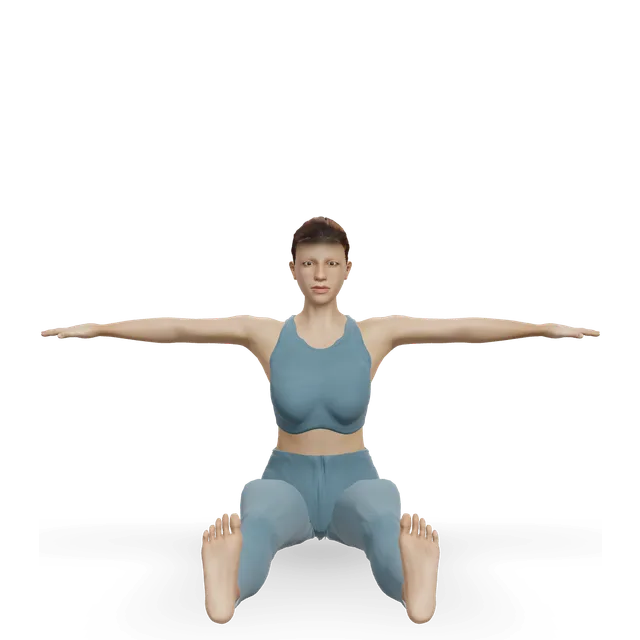 3D demoSpine twist (Pilates)Beginner · No equipment
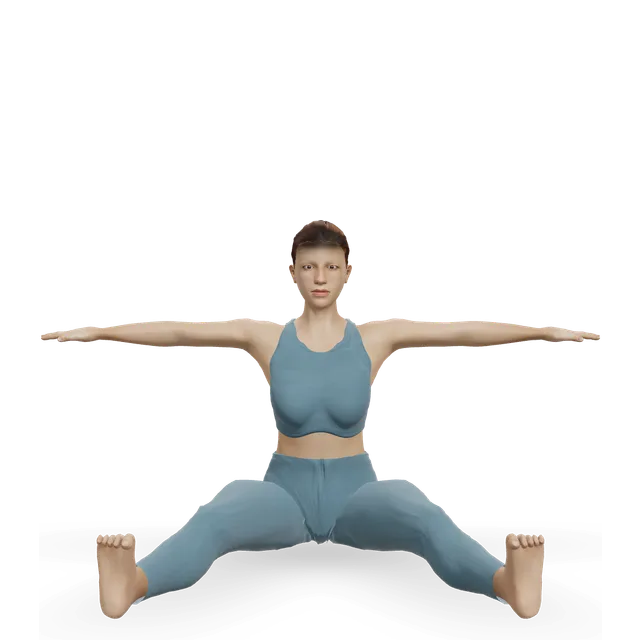 3D demoSaw (Pilates)Intermediate · No equipment
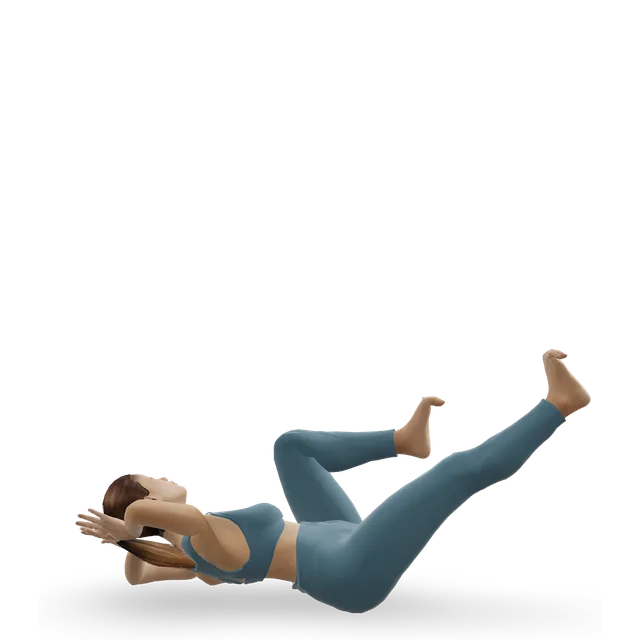 3D demoCriss-cross (Pilates)Intermediate · No equipment
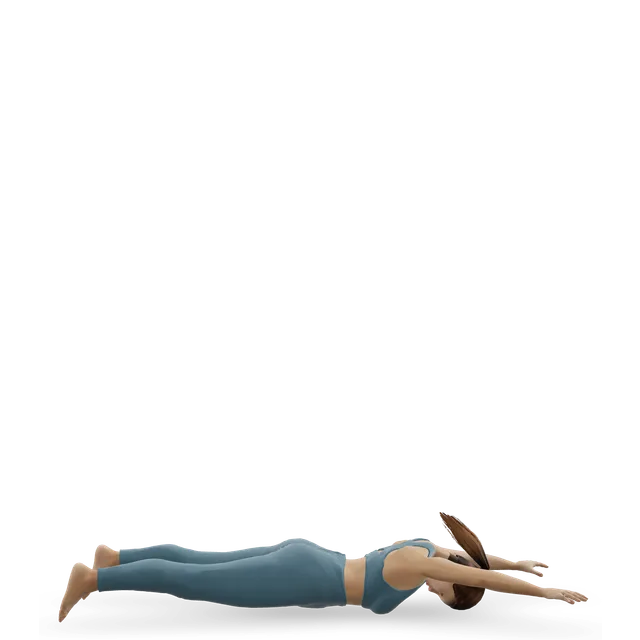
Y-T-W raises, 5 of each shape (our Pilates for tennis players class); band turn-outs, 2 sets of 12 each arm with your elbow at your side (our throwing arm strength workout); scapular push-ups, 2 sets of 10, on a wall with a sore shoulder, elbow or wrist (our Pilates for tennis players class); prone swimmers, 4 or 5 slow circles, 2 rounds, resting between rounds (the move page's dose); cross-body stretch, 2 holds of 20 seconds, only on a side a physiotherapist has found tight (our baseball arm care warm-up).
Hundred, 50 beats, and dead bug, 6 each side (our Pilates for tennis players class); knee side plank on your forearm, 2 holds of 20 seconds each side (our Pilates for tennis players class); half-kneeling Pallof press, 2 sets of 8 to 10 each side (our editorial starting point).
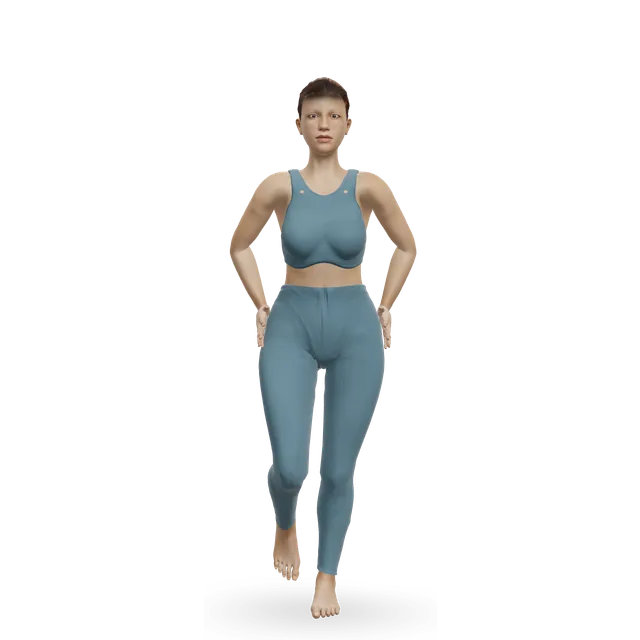
90/90 switch, 10 slow switches (the move page's dose); hip airplane, 2 sets of 5 slow turns each leg (the move page's dose), holding a counter; side kick, 8 each side, clamshell, 10 each side, and shoulder bridge, 3 kicks each leg (our Pilates for tennis players class); half-kneeling hip flexor stretch, 30 seconds each side with your knee padded (our Pilates for rugby players class).
 3D demo90/90 switchIntermediate · No equipment
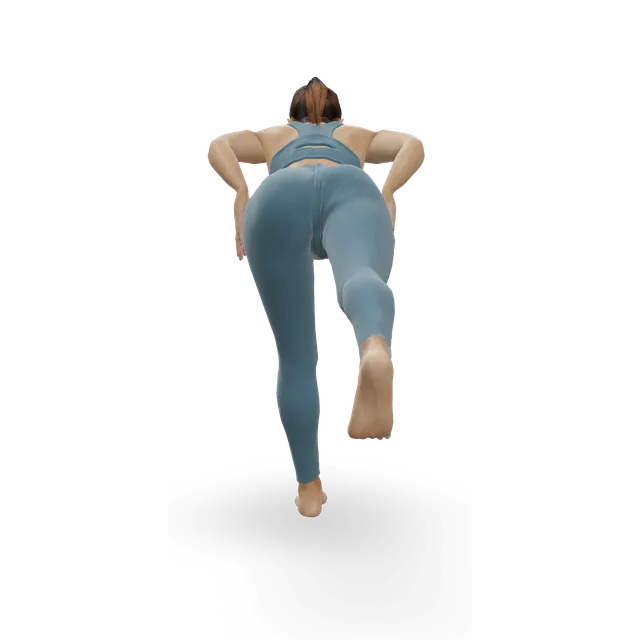 3D demoHip airplaneAdvanced · No equipment
 3D demoSide kick (Pilates side kick series)Beginner · No equipment
 3D demoClamshellBeginner · No equipment
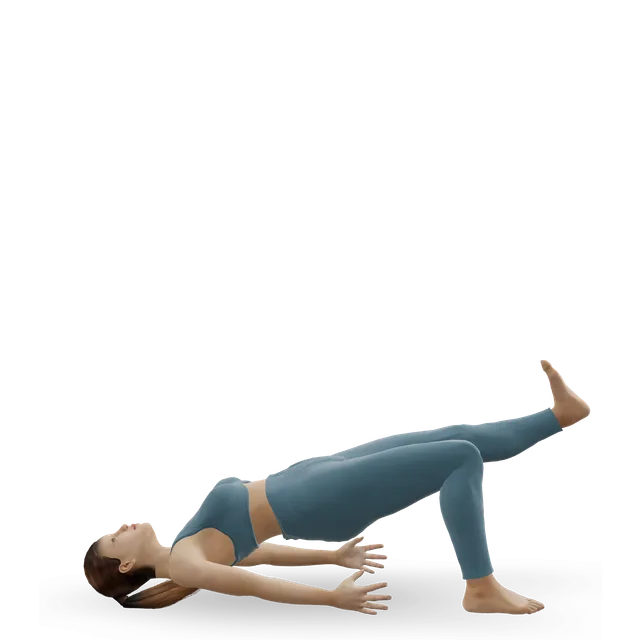 3D demoShoulder bridge (Pilates)Intermediate · No equipment
 3D demoHalf-kneeling hip flexor stretchBeginner · No equipment
Single-leg stand, 2 holds of 30 seconds each leg, fingertips on a wall at first (our Pilates for tennis players class); single-leg reach matrix, 3 rounds of 5 reaches in each direction, each leg (the move page's dose); wrist flexor stretch, 2 holds of 15 to 20 seconds each arm (our baseball arm care warm-up).
Leave it out unless a physiotherapist has measured a clear loss of inward rotation on one side; use the cross-body stretch first.
Keep weight off the arm (the leg pull front and back, push-up and side bend) and do only the hips, legs, trunk and breathing until it has been checked (our suggestion).
Leave out the swan, double-leg kick and rocking, and get it checked.
No moves that load the arm near the end of its range until a physiotherapist clears them.
Our Pilates for tennis players class works for throwers: rotation both ways, the back of the shoulder on both arms, hips and balance. Do it on non-throwing days, and keep weight off a sore throwing arm by doing the scapular push-ups on a wall or skipping them. Before practice and games, the arm care warm-up; for strength, the throwing arm workout.
A 25-minute Pilates class for tennis and padel players: trunk endurance, rotation both ways, shoulder blades, hips and single-leg balance, on a mat.
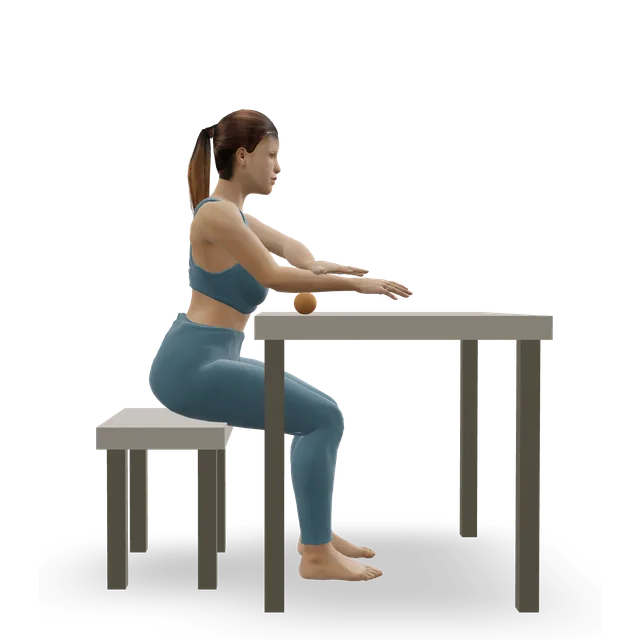
25 minBeginner19 movesA band, An anchor pointA 12-minute arm care warm-up for baseball and softball, built on a Japanese youth programme: an arm massage, shoulder, forearm and hip stretches, and balance.
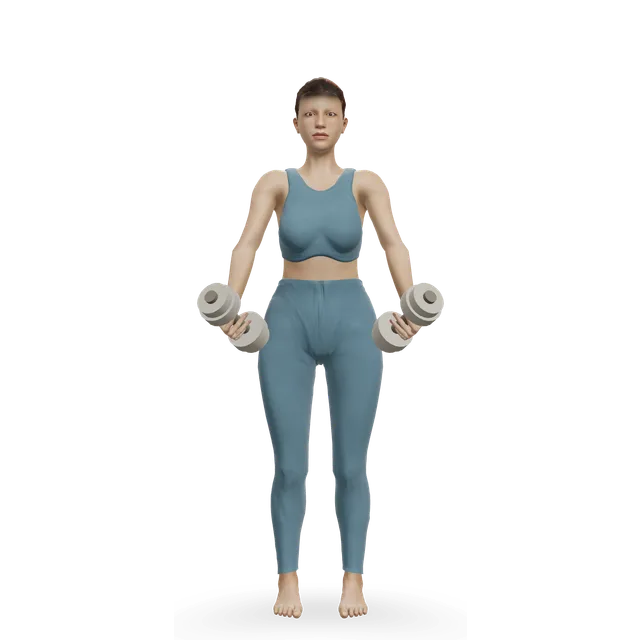
12 minBeginner9 movesA massage ball, A wallA 35-minute session for baseball and softball players: the five Shoulder Control exercises, rotator cuff and forearm work, medicine-ball throws and legs.
35 minIntermediate17 movesA dumbbell, A cable machineA 25-minute yoga class for baseball and softball players on non-throwing days: trunk turning, the back of the shoulder, hips for the stride and one-leg balance.
25 minBeginner17 movesA band, An anchor pointA 30-minute Pilates class for athletes in any sport: trunk endurance, hips, the back of the body, rotation and one-leg balance, done equally on both sides.
30 minIntermediate18 movesA wallA 25-minute band routine for healthy shoulders: move the shoulder and upper back through their range, then strengthen the rotator cuff and shoulder blades.
25 minBeginner12 movesA wall, A bandThe beginner Pilates plan builds the basics over 4 weeks, 3 days a week; fit it around your throwing days.
This is general information, not a diagnosis. A&E means accident and emergency; in the US, call 911 for 999, and use your doctor's urgent line or urgent care for NHS 111.
Same day (NHS 111, or your team doctor): a pop on the inside of the elbow while throwing, with sudden pain, especially if you can't carry on throwing or the elbow feels loose. Stop throwing and get it checked.
Same day (A&E or an urgent treatment centre): a sudden pop or sharp pain on the inside of the elbow during a throw, followed by pain, swelling or bruising, or an elbow that won't straighten. The growth plate bump can pull away (an avulsion fracture), and an X-ray shows how far it has moved.
Go to A&E or call 999 if you've injured your arm and it is numb, tingling or has pins and needles; a bone is sticking out or a bad cut is bleeding heavily; or the arm or elbow has changed colour or shape, or is at an odd angle. Don't drive yourself.
Urgent treatment centre or A&E: severe pain in your arm and it's difficult to move; you've injured your arm and heard a snap, or your arm has changed shape; or your arm tingles or feels numb.
Source 52
Source 50
Call 999 or go to A&E: after a fall or injury, your shoulder looks out of place or has changed shape, you cannot move your arm, or your shoulder is painful, bruised or swollen. Do not drive yourself, and do not try to put it back in yourself.
Same day (GP or NHS 111): sudden weakness lifting the arm after an injury or fall. A rotator cuff tear caused by an injury needs urgent referral to a shoulder specialist. After a dislocation in anyone over 40, the rotator cuff should be checked: about 40% have a tear.
Your shoulder has partly or fully come out of joint, or you worry it might.
Call 999 if someone has hit their head and has been knocked out and hasn't woken up, can't stay awake or keep their eyes open, has a fit, has fallen from a height of more than 1 metre or 5 stairs, has problems with their vision or hearing, has clear fluid coming from their ears or nose, has new numbness or weakness, has problems with walking, balance, understanding, speaking or writing, hit their head at high speed, or their behaviour has changed. Get help from NHS 111 if they're being sick, feel dizzy or take medicine that thins the blood. If you're told to go to A&E (accident and emergency), don't drive yourself there if you have hit your head.
With a suspected concussion, if in doubt, sit them out. The UK's grassroots guidelines say no sport for at least 24 hours, get checked by a healthcare professional or NHS 111 within 24 hours, follow a staged return, and no competition before day 21; if symptoms last beyond 28 days, stay out of sport and see a doctor. Pilates waits too: gentle breathing and mobility fit the early, light-activity stages; bodyweight strength work can start in the light aerobic exercise stage, which allows "low intensity, body weight resistance training"; and springs, weights and harder trunk work come later (our reading). Our concussion guide has the stages.
If a player collapses and isn't breathing normally: call 999, start CPR straight away and send someone for a defibrillator.
Call 999 if:
Call 999 or go to A&E (accident and emergency) straight away for severe difficulty breathing (gasping, choking or not able to get words out), a chest that feels tight or heavy, pain that spreads to your arms, back, neck and jaw, lips or skin turning very pale, blue or grey, or sudden confusion. If you're more short of breath than usual, or your heart is racing, fluttering or skipping beats, contact NHS 111.
Source 59
Back pain that is worse arching back and has lasted more than a couple of weeks can be a stress fracture of the spine (spondylolysis): get it checked.
Source 69
You feel any pain or become unwell, as the NHS advises for its Pilates videos, and especially for chest pain or pressure, unusual breathlessness, dizziness or fainting. If you have a health problem, an injury or any symptoms, get advice from a healthcare professional, such as a GP, before you start.
Source 60
The NHS advises getting advice from a healthcare professional first if you have a health problem, an injury or symptoms, or have recently had a heart attack or an operation.
Source 60
No trial shows it. Faster throws after hip and trunk training came with more elbow load in one study, and the elbow's biggest risks are pitch counts, fatigue and too little rest. The warm-up that cut arm injuries in children mixed stretches, mobility and balance.
One study in 3 pitchers found two faster and one slower. Core training raised standing throws in other overhead sports, not step or jump throws.
Lost inward rotation alone didn't predict shoulder injury in professionals, and strength did at least as well as sleeper stretches in a trial.
The windmill pitch loads the shoulder hard, and one study linked more than 85 pitches in a game with injury. Softball has no official pitch counts, so plan rest days yourself.
Definitive evidence linking a weak core with injury is lacking; the programmes that cut injuries trained strength and balance.
The pitchers' study used mat Pilates, and the Korean study that mentions equipment lists mat moves. Use what you can get to.
It can train trunk rotation both ways, single-leg pelvic control, hip range and the back of the shoulder on both arms, on non-throwing days. The three Pilates studies in baseball players are tiny and had no comparison group, so treat it as an add-on to pitch counts, rest and strength work, not a proven edge.
In the one study with a throwing outcome, 3 college pitchers did mat Pilates for about 10 weeks: two threw faster and one slower. That's too small to say Pilates adds speed, and what protects a pitcher's arm most is limiting pitches and resting.
Possibly a little from a standing position: in handball and other overhead sports, core training raised standing throw speed, but not jump or step throws. In high school pitchers, faster throws after hip and trunk training came with more load on the elbow, so pitch counts and rest matter even more as you get faster.
It hasn't been tested. The trials that cut arm injuries used a 10-minute warm-up of stretches, mobility and balance in children, and outward-rotation strength training in high school pitchers.
The baseball studies used mat Pilates. Either is fine; on the reformer, keep arm work light on throwing days.
Only a measured loss: too little outward rotation, not inward, went with shoulder injury in professional pitchers, and strength work did at least as well as sleeper stretches. Use the cross-body stretch first, on a side a physiotherapist has found tight.
On non-throwing days or after practice, once or twice a week (our suggestion). With a tired or sore throwing arm, keep to the hips, legs, trunk and breathing until it's checked; Pilates doesn't count as rest for the arm if it loads it.
The same reasoning applies, and the windmill pitch loads the shoulder hard. Softball has no official pitch-count limits, so count pitches, share the pitching and plan rest days.
It can help balance and body awareness, and the warm-up that cut arm injuries in 9 to 11 year olds used similar moves. For children, Pitch Smart's limits and rest days matter most, and a young player with back pain that's worse arching should get it checked.
No study has tested it. Turning through the trunk and hips is part of the swing, but strength and power training is what has been tested for throwing and hitting speed.
Neither has been tested for injuries in players; both can add rotation, hip range and balance. Our yoga for baseball players guide covers yoga.
A pop on the inside of the elbow, tingling into the ring and little fingers, a shoulder that slips out, or losing speed and control with pain all need checking. Stop throwing first, and a young player should see a GP or physiotherapist.
Exercise education, not a personal prescription, and clinical review of these guides is pending. If you are pregnant, have a health condition or have had recent surgery, check with a doctor, midwife or physiotherapist before starting, and stop for sharp or increasing pain. Health disclaimer.