Surfing is mostly paddling
Contest surfers paddled for about half the time and rode waves for 4%. Paddling was the commonest cause of injuries that build up over time (37.1%) and of shoulder injuries (57.68%).
Pilates guide
Surfing is mostly paddling, and the injuries that build up over time are mostly in the shoulders and the lower back. No study has tested Pilates in surfers, and no programme of any kind has been tested to prevent surfing injuries. What Pilates can add is what long paddling sessions tend to lack: endurance at the back of the shoulder, upper-back rotation, trunk control, hip and ankle range for your stance, and one-leg balance.
The training with evidence, heavy pulling for paddling speed, strength for the pop-up and an active land warm-up, is on our surfing page, and the sea itself (rips, cold water, the seabed) matters more than any exercise. Pilates sits beside your surfing, coaching and strength work, never in place of them.
This guide covers where surfers get hurt, the surfer's shoulder, why Pilates back bends stay short, the pop-up and balance, breath-holding, where Pilates fits your week, a free 25-minute dryland class and the warning signs.
Contest surfers paddled for about half the time and rode waves for 4%. Paddling was the commonest cause of injuries that build up over time (37.1%) and of shoulder injuries (57.68%).
We found no Pilates or yoga study in surfers, and no trial of any programme to prevent surfing injuries. Pilates is an addition to the strength, paddling and warm-up work on our surfing page.
Surfers with sore shoulders tend to lack outward-turning range and strength, the opposite of throwers. Pilates can train the shoulder blades and the back of the shoulder.
Paddling already holds your back arched. A rare spinal cord injury, surfer's myelopathy, follows long back arching in beginners; one review names Pilates among back-arching activities, though no case after Pilates has been reported. Skipping Pilates back extension on a learning day is our suggestion.
Five weeks of heavy pull-ups and dips made surfers paddle faster, pop-up speed went with upper-body strength, and paddling intervals in the water improved paddling. Pilates goes beside that, on flat days or after a surf.
Rips, cold water and the seabed decide outcomes more than any exercise; the warning signs below give the RNLI's and Swim England's advice. Pilates breathing isn't breath-hold training, and breath-holds don't belong in the water.
In 42 contest heats, world-class surfers paddled for 51% of the time, sat still for 42% and rode waves for 4%; New Zealand contest surfers paddled for 54% at an average 64% of their maximum heart rate, and recreational UK surfers paddled for 47% of a session. Paddling is done lying face down with the chest lifted and the back muscles working.
Across 19 studies, cuts and other skin injuries were 46% of sudden injuries, and being hit by your own board the commonest cause (38.6%). Australian surfers had 1.79 major injuries per 1,000 hours, most often to the shoulder, ankle and head; competing, more than 6.5 hours a week and aerials raised the risk. Contest injuries were more likely in overhead waves and over rock or reef. In UK surfers, the head was the commonest site and 65% never needed professional treatment.
Across 20 studies, the back took 29.3% and the shoulder 22.9% of injuries that build up over time, and paddling was the commonest cause. In 1,473 New Zealand surfers, 64% of shoulder injuries and 58% of lower back injuries had become long-lasting, and long spells of paddling caused 40%. In Australian competitive surfers, the lower back was the commonest injured region.
In a Cornwall emergency department, shoulder dislocations were 10% of surfers' injuries that didn't need admission, which the authors called a higher-than-expected rate. The shoulder lines in the warning signs below apply.
Source 27
In US emergency departments over 20 years, the board caused 53% of surfing head and neck injuries and the ocean floor 10%, and concussion was 5% (8% under 20). Of 40 elite Australian surfers, 13 had had a diagnosed concussion, mostly from hitting the water. Surfing has no tested return-to-surf guideline: the International Surfing Association's rulebook only allows a surfer to be removed from competition after an assessment, and we found no concussion guidance from Surfing England, so the UK grassroots guidelines apply.
Only 19% of injury findings in surfing research compared women and men, so most of this page rests on studies of men.
Source 33
Pilates trains trunk control, the shoulder blades and the back of the shoulder, upper-back rotation, hips and one-leg balance, on a mat or on spring-loaded equipment. It doesn't supply paddling strength and speed, pop-up power, sea safety or surf skill (our reading).
The tested training for surfers is strength, paddling intervals, a land warm-up and sea safety, on our surfing page. Pilates has no study.
Our searches of PubMed, Europe PMC, Crossref and ClinicalTrials.gov found no Pilates study in surfers; the only hit was a review of surfer's myelopathy that mentions Pilates. No yoga trial in surfers exists either.
Seventeen surfers did 5 weeks of heavy pull-ups and dips and paddled faster over 5, 10 and 15 m and over 400 m than surfers who didn't; already-strong surfers gained less. Pull-up strength went closely with sprint-paddling speed, and shoulder strength and range went with faster paddling in 32 surfers.
In 24 teenage surfers, 5 weeks of 30-second intervals cut 400 m paddle time by about 16 seconds, with no group that didn't train. In 22 recreational surfers, a land-based home programme 3 times a week for 8 weeks improved pop-up time and how they rated their surfing; its exercises aren't described.
The only core training study in surfers had 19 juniors and no control group; its authors say training on wobbly surfaces is overused by surf coaches. In 32 national-team surfers, suspension-strap and traditional balance training both improved balance tests, suspension training more; the same trial appears in three papers, and no study shows balance training makes people better surfers.
Across sports, core training improved trunk endurance and balance most, and speed and power a little, at low certainty in team sports. It hasn't been tested in surfers.
In 19 advanced surfers in a cold wave pool, a land warm-up followed by keeping warm raised core temperature and wave scores by about a fifth. It was tested for warmth and performance, not injuries, and our surfing page has it.
Source 43
Across 25 trials in other sports, stretching didn't prevent injuries while strength training cut them to about a third. Athletes with very flexible joints had about 3 times the odds of a shoulder injury, on low-quality evidence.
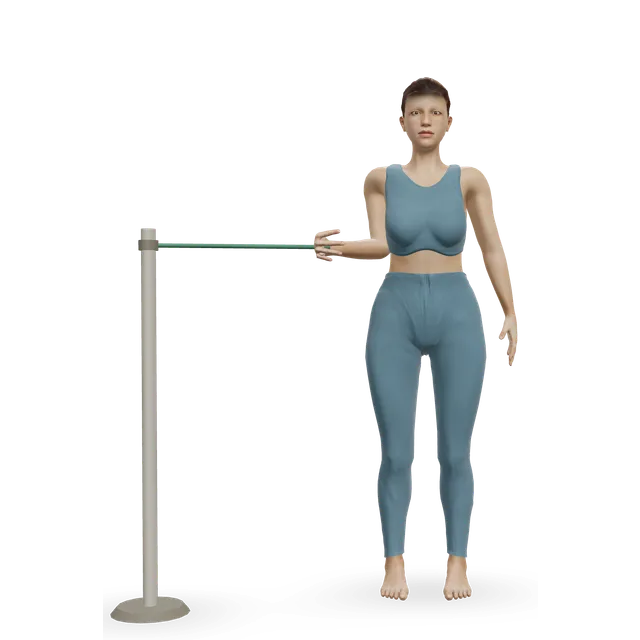
Paddling works mainly the muscles that turn the arm in and pull it down. Surfers with shoulder complaints had less range and strength turning the arm outwards, and in 13 competitive surfers the outward turners were relatively weak, more so on the non-dominant side. A review proposes strengthening the outward turners, stretching the inward turners and moving the upper back; it hasn't been tested.
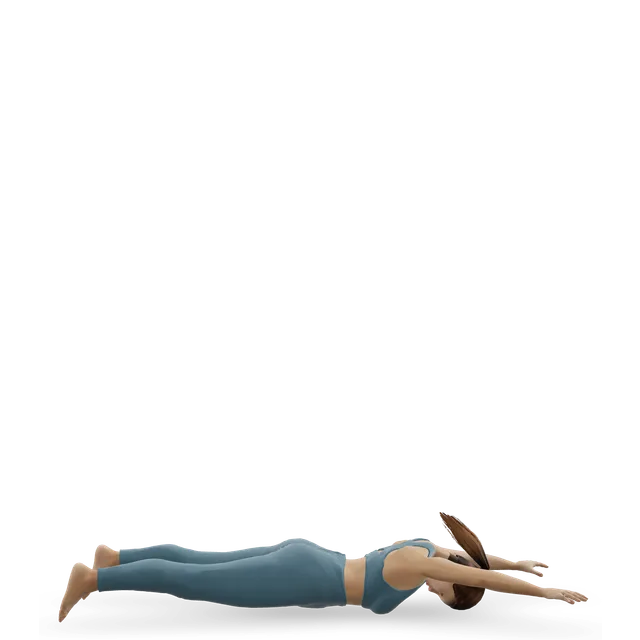
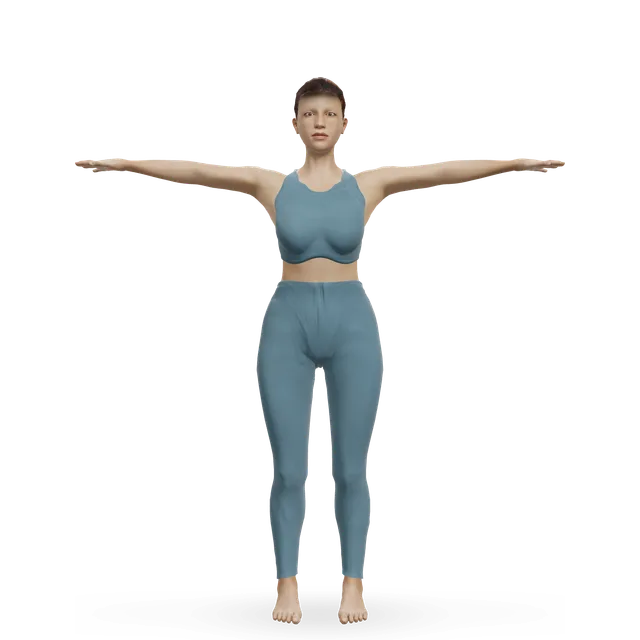
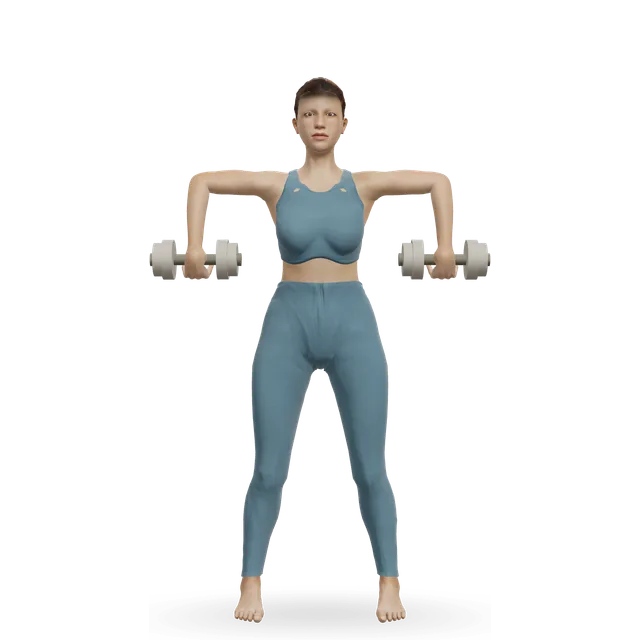
Our reading: endurance at the back of the shoulder (Y-T-W raises, band turn-outs, prone swimmers), the shoulder blades (wall angels, scapular push-ups) and upper-back rotation, which elite surfers had more of than people who don't surf (about 64 against 41 degrees). Stretch the front of the shoulder only where it's clearly tight.
Source 46
If you're hypermobile, don't use mobility work to push further: the NHS says "do not overextend your joints just because you can". See a GP if you think you have joint hypermobility syndrome: for example, your joints keep dislocating, or you keep getting sprains, strains, pain or stiffness.
Stop an exercise, or shrink its range, if you get the feeling the shoulder is about to slip out (editorial).
Paddling holds the trunk lifted and arched with the back muscles working, and the back is the commonest site of surfing injuries that build up over time.
A rare injury to the spinal cord without any impact, almost always in beginners: in 19 Hawaiian cases, everyone had sudden low back pain while surfing, then numbness and weakness in both legs within 10 to 60 minutes, and 17 were surfing for the first time. Across 64 reported cases, only 42% made a neurological recovery. Lying arched on the board for a long time is the suspected cause, and knowing the signs is the best prevention.
One review says the condition covers any activity that arches the back, naming gymnastics, yoga and Pilates. Our search found cases after gymnastics, swimming and weightlifting, and no case after Pilates or yoga. Our suggestion: keep the swan, swimming, double-leg kick and rocking short, and skip them on a day you've spent learning to surf. Get out of the water if back pain starts suddenly.
Back pain that is worse arching back and has lasted more than a couple of weeks can be a stress fracture of the spine (spondylolysis): get it checked.
Source 73
Faster pop-ups went with upper-body strength: maximal strength in weaker surfers and fast, dynamic strength in stronger ones. A review found the pop-up and landing both trainable. Pilates can rehearse control in the plank and push-up positions; the power comes from strength work.
Senior elite surfers had better ankle range and sense of position, and landed more softly and steadily, than juniors and recreational surfers. A screening score built on ankle range, strength and landings was lower in the juniors later injured, in 32 surfers. Better surfers balanced better on unstable support. These are associations.
In 19 professional surfers, jump height and squat strength went with wave speed and heat scores, so surfing isn't only an upper-body sport.
Source 56
Our reading: the knee-to-wall rock for ankle range, the 90/90 switch, side kick and bridge for the hips, and one-leg balance and the hip airplane for a steady stance, both sides equally.
Pilates breathing is in through the nose and out through pursed lips while you move. It doesn't train you to hold your breath under a wave.
Swim England says "Do not practise prolonged breath-holding" and "Never hyperventilate": over-breathing lowers carbon dioxide, so the urge to breathe comes late and a swimmer can lose consciousness underwater. The Royal Life Saving Society UK says shallow water blackout can happen at any depth and "the swimmer may experience no warning symptoms prior to the blackout"; breathe normally before going under, don't resist the urge to breathe, and never swim alone.
In 11 competitive surfers, breath-holding after paddling went with aerobic fitness, and the authors suggest fitness as the training target. Practise slow breathing on land, with no holds.
Source 58
The active land warm-up on our surfing page, not long holds or a Pilates class (our suggestion).
Source 43
Our suggestion: the 25-minute dryland class once or twice a week, and strength work twice a week built around pull-ups and dips. A hard reformer class counts as training, not rest.
Source 59
Lateral breathing, 5 to 8 breaths at the start of every session (the move page's dose), with no holds; cat-cow, 8 waves (the move page's dose), slower than feels natural; thoracic rotation, 6 rotations per side (the move page's dose); side-lying open book, 8 to 10 slow openings each side (the move page's dose), top arm low and in front if the shoulder feels loose.
Y-T-W raises, 5 of each shape with small lifts (our Pilates for tennis players class); band turn-outs, 2 sets of 12 to 15 each arm (our strength workout for surfers); wall angels, 8 slow slides, and scapular push-ups, 2 sets of 10, on a wall first if the shoulder is sore or loose (our Pilates for swimmers class); prone swimmers, 4 or 5 slow circles, 2 rounds, resting between rounds (the move page's dose).
Hundred, 50 beats, and dead bug, 2 sets of 8 each side (our Pilates for swimmers class); single-leg stretch, 8 each side, and knee side plank on your forearm, 2 holds of 20 seconds each side (our Pilates for swimmers class).
Swan, 5 small lifts, and swimming, 2 sets of 20 seconds (our Pilates for swimmers class); skip both on a day you've spent learning to surf (our suggestion).
Knee-to-wall rock, 10 slow rocks per side (the move page's dose); 90/90 switch, 10 slow switches (the move page's dose); side kick, 8 each side, clamshell, 10 each side, and shoulder bridge, 3 kicks each leg (our Pilates for swimmers class); single-leg stand, 2 holds of 30 seconds each leg (our Pilates for athletes class); hip airplane, 2 sets of 5 slow turns each leg (the move page's dose), holding a counter.
 3D demoKnee-to-wall ankle rockBeginner · A wall
 3D demo90/90 switchIntermediate · No equipment
 3D demoSide kick (Pilates side kick series)Beginner · No equipment
 3D demoClamshellBeginner · No equipment
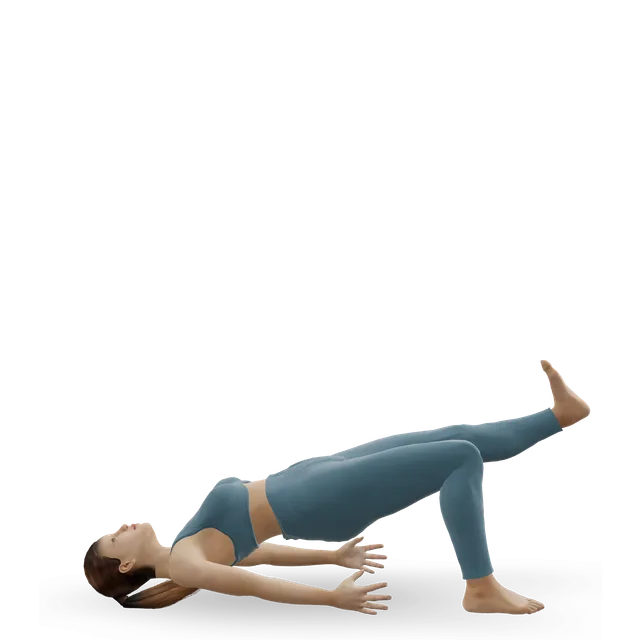 3D demoShoulder bridge (Pilates)Intermediate · No equipment
 3D demoSingle-leg standBeginner · A wall
 3D demoHip airplaneAdvanced · No equipment
Slow breathing, 2 minutes, in for about 4 and out for about 6, no holds (our yoga for surfers class). The cross-body stretch, 2 holds of 20 seconds (our baseball arm care warm-up), only on a clearly stiffer side, never with a loose or dislocated shoulder.
Keep the swan, swimming, double-leg kick and rocking small and short, and leave them out on a day you've spent learning to surf (our suggestion). No case after Pilates has been reported.
Leave out the leg pull back, push-up and side bend, which put weight on the arm near the end of its range, until your physiotherapist clears them. Keep the open book's top arm low, and do scapular push-ups on a wall.
No breath-hold drills in Pilates or in the water, and no fast or forceful breathing before going under.
Only the stages you've been cleared for; rolling, upside-down and head-down moves wait, as our Pilates after a concussion guide sets out.
Before every surf, the surf warm-up. After a surf or on flat days, once or twice a week, our 25-minute dryland class. The strength workout covers paddling and pop-up power twice a week; the swimmers' class and shoulder routines add shoulder care.
A 25-minute dryland Pilates class for surfers: the back of the shoulder, upper-back rotation, trunk, short back extension, hips, ankles and balance.
25 minBeginner20 movesA band, An anchor pointA 15-minute beach warm-up in your wetsuit: arm and hip circles, thoracic rotations, pogo hops, quick push-ups, jump squats, fast pop-ups and broad jumps.
15 minBeginner10 movesA wallA 50-minute gym session for surfers: pull-ups and dips for paddling, plyo push-ups and pop-ups, rotator cuff and upper-back work, landings and side planks.
50 minIntermediate17 movesA band, Pull-up barA 25-minute dryland Pilates class for swimmers: shoulder-blade control, trunk endurance, back extension, hips and rotation, built for loose shoulders.
25 minBeginner16 movesA wallA 25-minute yoga class for surfers: upper-back turning, the back of the shoulder, pop-up and stance shapes, hips and slow breathing on land, with no breath holds.
25 minBeginner18 movesA wallA 20-minute rotator cuff and shoulder-blade routine for swimmers, from a 12-week trial in competitive swimmers, plus a daily cross-body stretch.
20 minBeginner9 movesA wall, A dumbbellA 25-minute band routine for healthy shoulders: move the shoulder and upper back through their range, then strengthen the rotator cuff and shoulder blades.
25 minBeginner12 movesA wall, A bandThe beginner Pilates plan builds the basics over 4 weeks, 3 days a week; fit it around your surfing.
This is general information, not a diagnosis. A&E means accident and emergency; in the US, call 911 for 999, and use your doctor's urgent line or urgent care for NHS 111.
Tell the lifeguards, or call 999 (112 in Ireland) and ask for the coastguard. If a rip takes you, don't swim against it: stay with your board or Float to Live, and raise your hand and shout.
Source 15
Water at 15°C or below can cause cold water shock, and the average sea around the UK and Ireland is just 12°C. The sudden cold makes you gasp and can make your breathing up to ten times faster, and heart rate and blood pressure jump, which can cause a heart attack even in young, healthy people. If you go in unexpectedly, take a minute, because the first effects pass in under a minute, and Float to Live. Wear a wetsuit thick enough for your session. Our swimming page has more on cold water.
Shivering, pale, cold and dry skin, blue or grey lips, slurred speech, slow breathing, tiredness or confusion can mean hypothermia: go to A&E (accident and emergency) or call 999. Get them somewhere sheltered, take off wet clothes and wrap them in a blanket, but don't use a hot bath or rub their arms and legs.
Swim England says anyone rescued after losing consciousness underwater should go to hospital straight away, and anyone who feels ill after prolonged underwater breath-holding should "seek medical advice urgently". Practise breathing on land, and never hold your breath or over-breathe in the water.
Source 17
Call 999 if someone has hit their head and has been knocked out and hasn't woken up, can't stay awake or keep their eyes open, has a fit, has fallen from a height of more than 1 metre or 5 stairs, has problems with their vision or hearing, has clear fluid coming from their ears or nose, has new numbness or weakness, has problems with walking, balance, understanding, speaking or writing, hit their head at high speed, or their behaviour has changed. Get help from NHS 111 if they're being sick, feel dizzy or take medicine that thins the blood. If you're told to go to A&E (accident and emergency), don't drive yourself there if you have hit your head.
The NHS says to get help from NHS 111 if, after a head injury, you're being sick, feel dizzy, take medicine that thins your blood, were drinking alcohol or taking drugs at the time, or have any other symptoms you're worried about. See a GP if symptoms last more than 2 weeks, and don't play contact sports for at least 3 weeks.
With a suspected concussion, if in doubt, sit them out. The UK's grassroots guidelines say no sport for at least 24 hours, get checked by a healthcare professional or NHS 111 within 24 hours, follow a staged return, and no competition before day 21; if symptoms last beyond 28 days, stay out of sport and see a doctor. Pilates waits too: gentle breathing and mobility fit the early, light-activity stages; bodyweight strength work can start in the light aerobic exercise stage, which allows "low intensity, body weight resistance training"; and springs, weights and harder trunk work come later (our reading). Our concussion guide has the stages.
A surfer who is dazed after a wipeout needs help to shore and shouldn't paddle back out (our suggestion).
Severe neck pain is a red flag that needs urgent assessment, and someone with a suspected neck injury should be moved only by trained professionals. Tingling or pins and needles on one or both sides, problems walking or sitting upright, a sudden "electric shock" feeling, or weak hands, arms or legs need urgent help. Call 999 and the lifeguards, who are trained to get injured people out of the water (our suggestion).
Sudden low back pain while surfing, followed by numbness, tingling or weakness in both legs or trouble peeing, can be surfer's myelopathy. The NHS lists back pain with symptoms in both legs, or changes in your bladder or bowels, as a 999 call.
Call 999 or go to A&E: loss of feeling or numbness around the genitals or bottom, new trouble peeing or controlling your bladder or bowels, changes in genital sensation during sex or problems with erections or orgasm, or pain, tingling, weakness or numbness in both legs. These are signs of cauda equina syndrome, which needs treating in hospital urgently. Don't drive yourself.
Source 63
Call 999 or go to A&E: after a fall or injury, your shoulder looks out of place or has changed shape, you cannot move your arm, or your shoulder is painful, bruised or swollen. Do not drive yourself, and do not try to put it back in yourself.
Your shoulder has partly or fully come out of joint, or you worry it might.
Press on it firmly with something clean. Call 999 or go to A&E if the bleeding won't stop, the blood spurts and is bright red, you lose feeling near the wound, it's a bad cut on your face or palm, the wound is very large or deep, or something is stuck in it.
Source 66
Call 999 if:
Call 999 or go to A&E (accident and emergency) straight away for severe difficulty breathing (gasping, choking or not able to get words out), a chest that feels tight or heavy, pain that spreads to your arms, back, neck and jaw, lips or skin turning very pale, blue or grey, or sudden confusion. If you're more short of breath than usual, or your heart is racing, fluttering or skipping beats, contact NHS 111.
Source 69
You feel any pain or become unwell, as the NHS advises for its Pilates videos, and especially for chest pain or pressure, unusual breathlessness, dizziness or fainting. If you have a health problem, an injury or any symptoms, get advice from a healthcare professional, such as a GP, before you start.
Source 70
The NHS advises getting advice from a healthcare professional first if you have a health problem, an injury or symptoms, or have recently had a heart attack or an operation.
Source 70
Paddling is about half a session and pull-up strength goes with paddling speed, but leg strength and power went with wave speed and heat scores, and better surfers had better ankle range, landings and balance.
Nobody has measured it, and Swim England and the Royal Life Saving Society UK warn against breath-hold practice and over-breathing, which can cause a blackout without warning.
Paddling already holds the back arched, the back is the commonest site of injuries that build up, and long arching is the suspected trigger of surfer's myelopathy in beginners. What surfers' shoulders tend to lack is outward-turning strength.
Balance training improved balance tests in one trial, but no study shows it improves surfing, and the authors of a core study in surfers say wobbly-surface training is overused.
No study has tested it, and no programme of any kind has been tested to prevent surfing injuries: a review of surfing injuries calls for research on training to prevent them. For safety in the sea, follow the RNLI's advice on rips and cold water.
In footballers, mat and reformer Pilates both improved performance tests. Our dryland class needs only a mat, a band and a wall.
Source 71
It can add endurance at the back of the shoulder, upper-back rotation, trunk control and hip, ankle and balance work. No study has tested Pilates in surfers, so treat it as an addition to strength training and paddling, not a replacement.
Y-T-W raises, band turn-outs and wall angels for the back of the shoulder; thoracic rotation and the open book for the upper back; the hundred, dead bug and side planks for the trunk; and the knee-to-wall rock, side kick, bridge and one-leg balance for your stance. Our 25-minute dryland class puts them together.
It can be: the springs add resistance to leg, hip and shoulder work. No study has compared reformer and mat Pilates in surfers, so use what you can get to.
Not much on its own. Pull-up strength went with sprint-paddling speed, and 5 weeks of heavy pull-ups and dips made surfers paddle faster; Pilates adds shoulder-blade endurance and trunk control around that training.
It can practise the control, but pop-up speed went with upper-body strength, and a land-based home programme improved pop-up time in recreational surfers. Build the power with a strength workout.
It can build trunk endurance and hip mobility, and the back is the commonest site of surfing injuries that build up over time. Keep Pilates back extension short, because paddling already holds your back arched, and get sudden back pain while surfing checked straight away.
Short, gentle ones are fine, but our suggestion is to skip the swan and other back extension on a day you've spent learning to surf. Surfer's myelopathy, a rare spinal cord injury, follows long back arching in beginners; no case after Pilates has been reported.
No. Pilates breathing is for moving with control, and Swim England says not to practise prolonged breath-holding or over-breathe. Practise breathing on land, and never hold your breath or over-breathe in the water.
Neither has been tested in surfers. Both can add trunk control and shoulder-blade work; the training with evidence is strength and paddling intervals, as our yoga for surfers guide also says.
After a surf or on flat days, once or twice a week (our suggestion). Before a surf, use the active land warm-up, which kept surfers warmer and went with better wave scores.
Yes, with strength and control first, once your physiotherapist agrees: shoulder dislocations are a common surfing injury. Leave out moves that load the arm near the end of its range, and stop any move that feels as if the shoulder might slip.
Call 999 for sudden back pain followed by leg numbness or weakness, or a head or neck injury with warning signs, and go to A&E for a shoulder that looks out of place. After a wipeout that leaves you dazed, get out of the water and get checked.
Exercise education, not a personal prescription, and clinical review of these guides is pending. If you are pregnant, have a health condition or have had recent surgery, check with a doctor, midwife or physiotherapist before starting, and stop for sharp or increasing pain. Health disclaimer.