Sports training
Strength workout for Australian football: sprints, lifts, Nordics, Copenhagens and neck strength
Hamstring strains are the commonest injury in the AFL, and groins, knees, ankles and shoulders follow. This session builds speed and strength, then does the three strength exercises Prep to Play asks for at training, at its own doses. It adds back extensions, the nearest move on our figure to the hip-dominant exercise that built hamstring length and strength as well as Nordics in Australian footballers, and neck strength, which can be trained though it isn't proven to prevent concussion. You need a barbell and rack, a bench, a pull-up bar, a 45-degree back-extension bench, a partner and 30 m of grass.
Warm-up (or the Prep to Play warm-up)
- Skipping2 × 20 mBeginner · Calves, Hip flexors, Quads · 3D demoEasy and springyEasier: Ankle bounces (mini pogo)Harder: Alternate-leg bounding
- Front-to-back leg swings8 each legBeginner · Hamstrings, Hip flexors · 3D demoFront-to-back swingsHarder: Contract-relax hamstring stretch (PNF)
- Side-to-side leg swings8 each legBeginner · Adductors, Hip abductors · 3D demoSide-to-side swingsHarder: Lizard pose (Utthan Pristhasana)


Speed, while you're fresh
Rest Walk back between runs
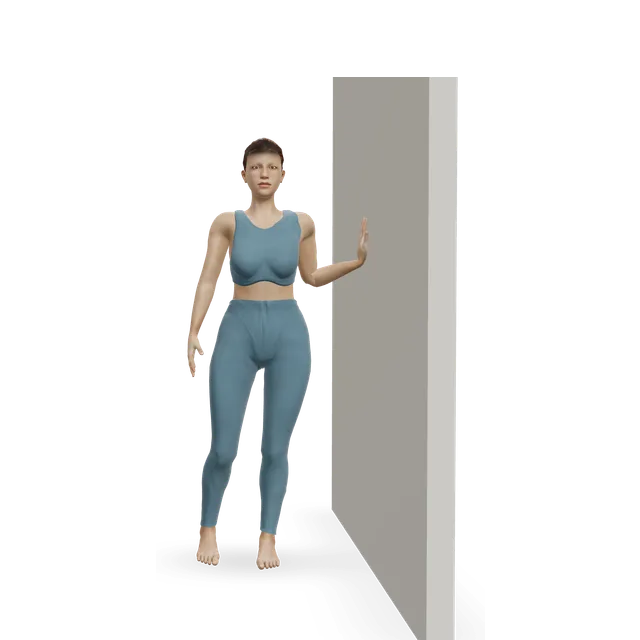
- Sprint intervals4 to 6 × 20 m accelerations, then 2 × 30 m at 80 to 90%Advanced · Quads, Glutes, Hamstrings · 3D demoBuild up over the weeks; don't save all your fast running for matchesEasier: Treadmill jogging
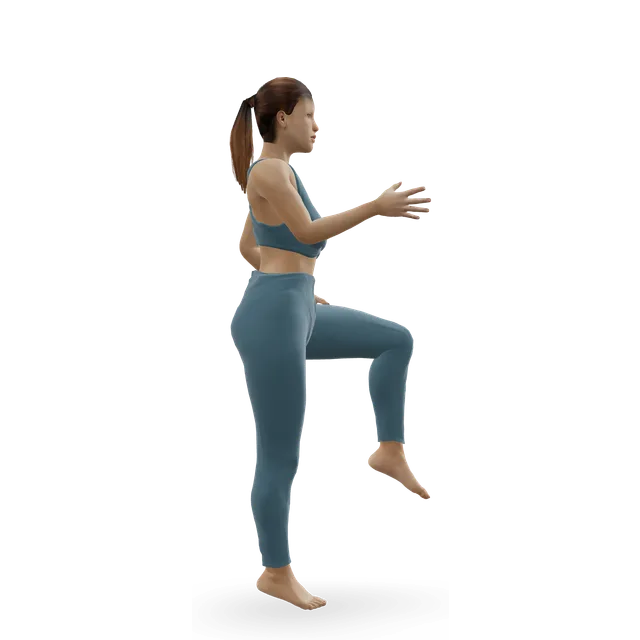
- Lateral bound (skater jump)3 × 4 each sideBeginner · Glutes, Quads, Hip abductors · 3D demoStick each landing for 2 secondsHarder: Box push-off jump
Strength
Rest 2 to 3 min between sets
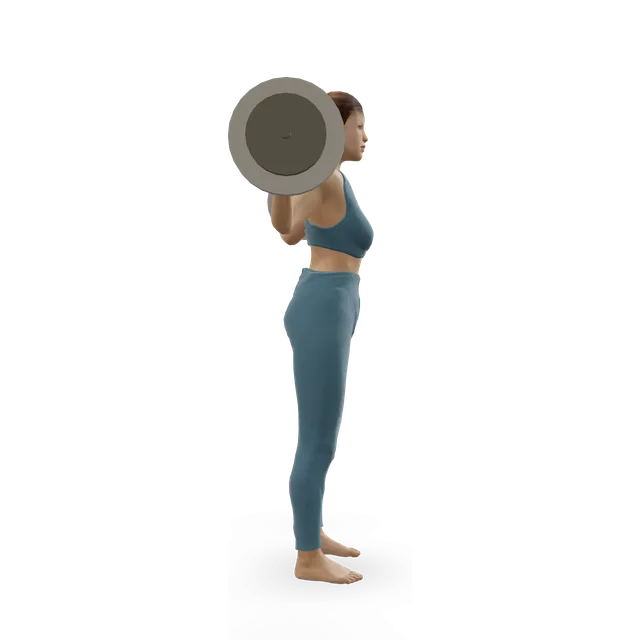
- Barbell back squat3 to 4 × 4 to 6Advanced · Quads, Glutes, Hamstrings · 3D demo2 lighter sets first; stop 2 to 3 reps short of failureEasier: Bodyweight squatHarder: Overhead squat
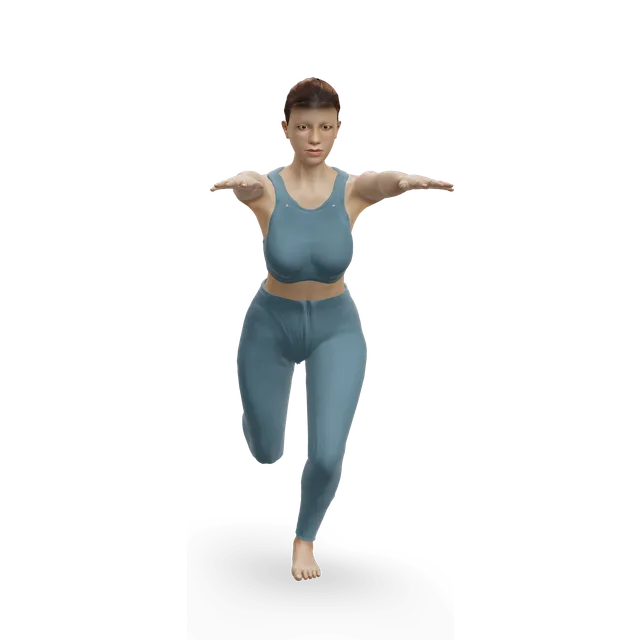
- Rear-foot-elevated split squat (Bulgarian split squat)3 × 6 to 8 each legIntermediate · Quads, Glutes, Hamstrings · 3D demoFront knee over the middle toesEasier: Reverse lungeHarder: Split squat jump
- Barbell bench press3 × 5Intermediate · Chest, Triceps, Shoulders · 3D demoShoulder blades set back and downEasier: Chest press machineHarder: Dumbbell bench press
- Chin-up3 × 5 to 8Advanced · Back, Biceps, Forearms · 3D demoFull hang. Or chest-supported dumbbell rows, 3 × 8 to 12Easier: Assisted pull-up (machine)Harder: Weighted pull-up
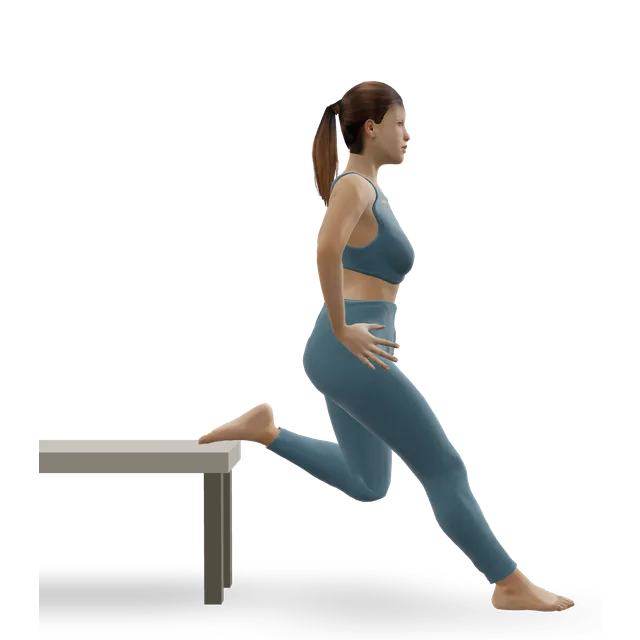
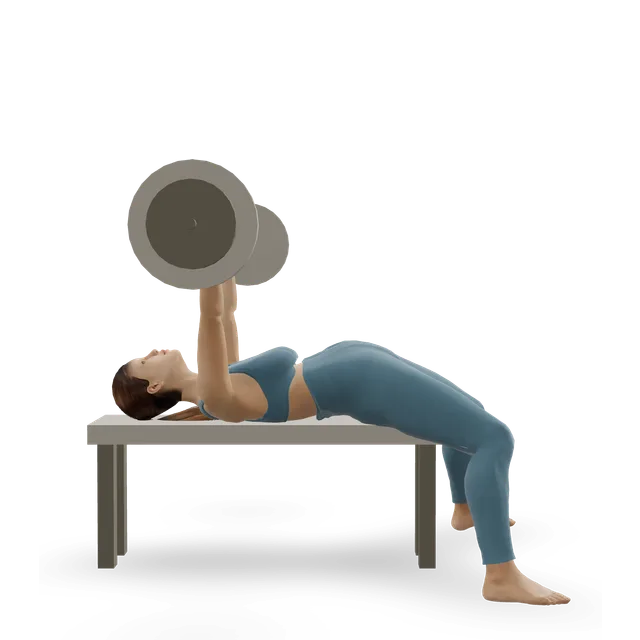
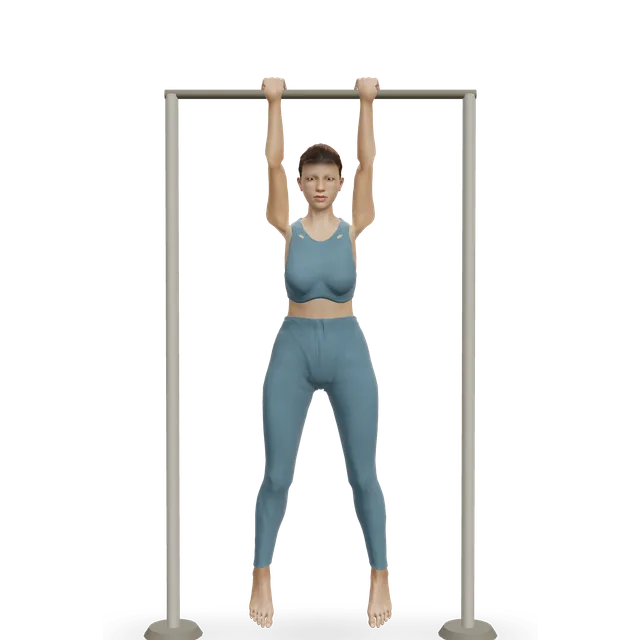
Prep to Play strength (option C; easier options in the notes)
- Nordic curl2 × 5Advanced · Hamstrings, Glutes · 3D demoA partner holds your feet; keep your hips straight and lean forward as far as you can control, then land in a push-up position. Option A: single-leg glute bridges, 2 × 10 each side; option B: single-leg hamstring bridges with a heel on a bench, 2 × 10 each sideEasier: Slider hamstring curlHarder: Full Nordic curl
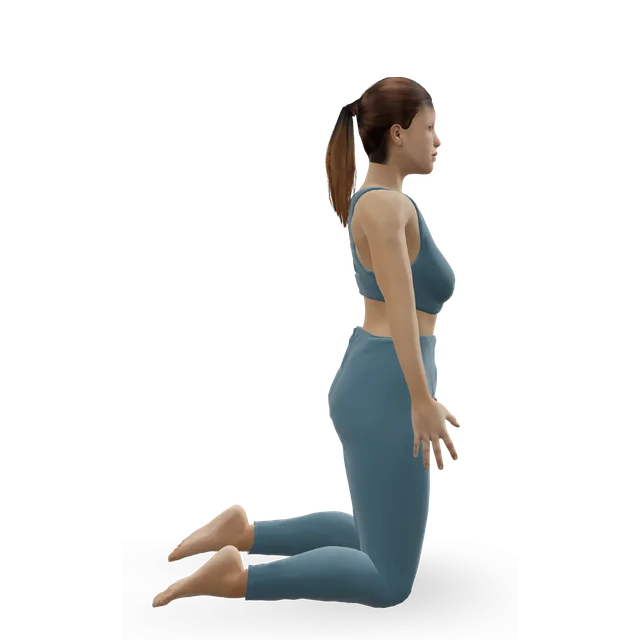
- Reverse Nordic2 × 5Advanced · Quads, Abs · 3D demoKneeling upright, lean back as far as you can control, hold for 1 second and come back up. Option A: lunges, 2 × 10 each side; option B: the clockface, 3 sets each sideEasier: Straight-leg raiseHarder: Weighted sissy squat
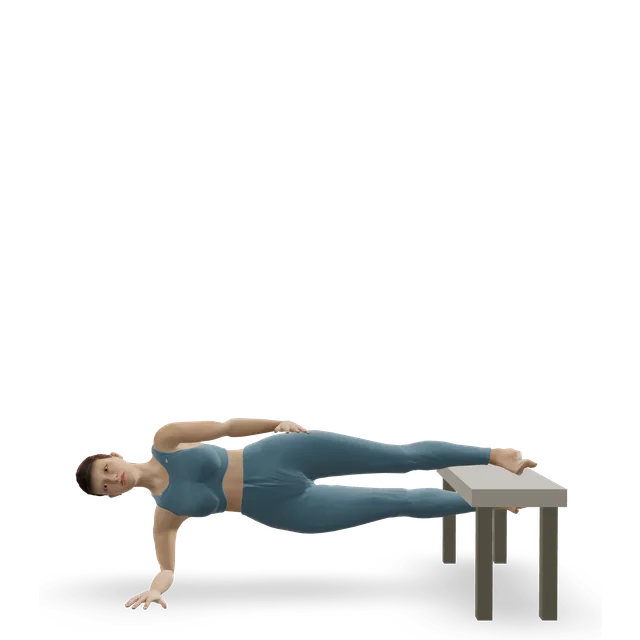
- Copenhagen plank2 × 10 each sideAdvanced · Adductors, Abs, Shoulders · 3D demoA partner holds your top leg at the knee (easier) or ankle; lift your bottom foot to your top foot and lower with control. Option A: a front plank; option B: a side plank, each 2 × 30 to 60 sEasier: Hip adduction machine
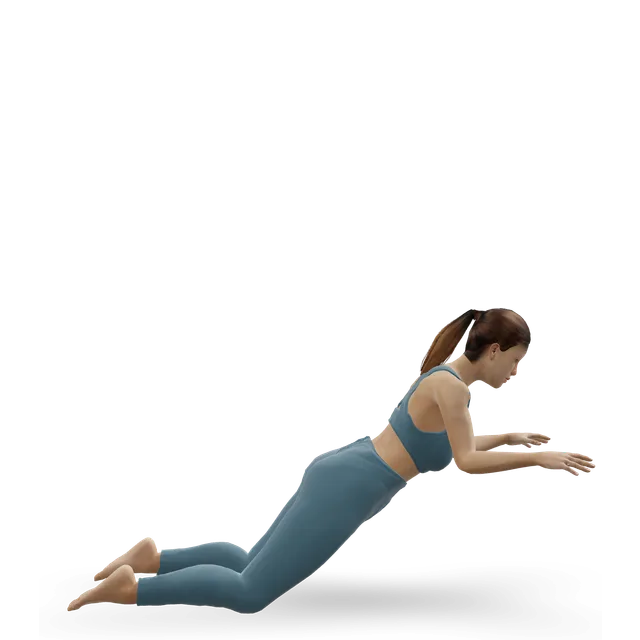
Hip-dominant hamstrings
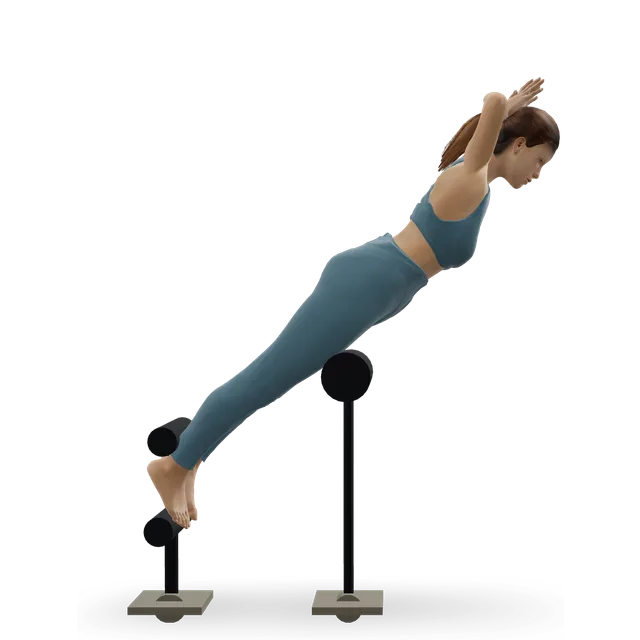
- Intermediate · Back, Glutes, Hamstrings · 3D demoHinge from the hips, and lift with your glutes and hamstringsEasier: Ball back extensionHarder: Horizontal back extension (hyperextension, Roman chair)
Neck
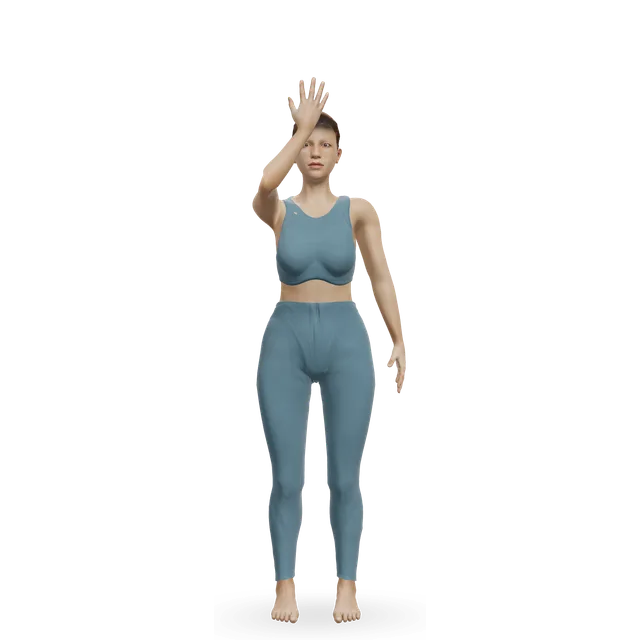
- Isometric neck holds (four-way)3 holds of 10 s each direction at moderate effort, building to 15 sBeginner · Neck · 3D demoBuild the pressure slowly; stop for pain, dizziness or pins and needlesEasier: Chin tuckHarder: Chin tuck with head lift
Tips
- Pre-season: 2 sessions a week alongside a running build. New to Nordics? Start with fewer, slower reps and build up over several weeks: players dropped out of a community trial, which a review put down to muscle soreness.
- In season: 1 or 2 sessions, Nordics once a week, and no heavy legs, Nordics or hard jumping in the 48 hours before a match (our suggestion).
- Prep to Play says some soreness is expected 24 to 48 hours after its strength exercises; if it keeps affecting your training, use its easier options and see a physiotherapist.
- After a hamstring strain, the risk of another is highest in the first match back and stays raised for 15 weeks, so keep the hamstring work going all season.
- After a concussion, follow the AFL's graded loading programme: in community football, a doctor must clear you before full contact, and you can't play before day 21.
- Under-18s: technique first, with a coach watching.
The doses are suggested starting points, not a prescription. Choose a range you can control and stop for sharp or increasing pain, numbness or tingling. Get individual advice after an injury or surgery, or if you are pregnant or managing a health condition.
Guides that recommend it
Find more moves like these
More sports training


Injury prevention exercises for runners
Foot, calf, balance and hop exercises taken from the running trials with positive results, in a 25-minute home routine for 3 or 4 days a week.
25 minBeginner11 movesOther / check instructions, A bench or box


Plyometrics for runners
A 20-minute hop and bound session for runners: ankle bounces to pogo hops, one-leg hops and bounding, building foot contacts slowly over 10 weeks.
20 minIntermediate8 movesCardio machine



Strength workout for cyclists (gym)
A 50-minute gym session for cyclists: heavy squats, one-leg presses, hip flexion and calf raises as in the cycling trials, plus jumps for bone.
50 minIntermediate13 movesCardio machine, A barbellQuestions people ask
How long does the strength workout for australian football: sprints, lifts, nordics, copenhagens and neck strength take?
About 55 minutes, including any warm-up and cool-down listed. Shorten it by doing fewer rounds; lengthen it by adding one.
What equipment do I need?
You need: A wall, A barbell, A bench or box, Pull-up bar, An anchor point. Each move links to its guide, where you can find an alternative if you are missing something.
Is it suitable for me?
It is written at intermediate level. 11 of its 14 moves have an easier option listed beside them; use them freely.
How do I make it easier or harder?
Use the easier or harder option listed under each move, change the number of rounds, or adjust the rest. Progress one change at a time.