Which cartilage this is about
Articular cartilage is the smooth, shiny layer on the ends of the bones, and this guide is about surgery on it. The meniscus is the C-shaped cushion between the bones: the NHS page on knee cartilage damage is about meniscus tears, and our meniscus surgery guide covers those operations. Your operation note or your surgeon can tell you which you had.
Sources 1, 2
Why a damaged patch is repaired
Damage to the joint surface can follow an injury, especially a sports injury in young people, or come from osteochondritis dissecans or an unstable kneecap. It can cause pain, swelling, a knee that gives way, catching or locking, and it may lead to osteoarthritis over time. Cartilage doesn't heal itself well, which is why surgery tries to fill the defect.
Sources 3, 2
The three kinds of operation
These operations are often combined with others, such as straightening the leg or rebuilding a ligament, which bring their own limits.
- Microfracture or drilling: small holes are made in the bone at the base of the defect. A clot forms, and new cells fill the gap with repair tissue called fibrocartilage, which one NHS trust describes as not exactly like the original cartilage but a better surface than bare bone. It's keyhole surgery, usually as a day case, and the American Academy of Orthopaedic Surgeons (AAOS) says it suits small defects in less active people.
- Autologous chondrocyte implantation (ACI): healthy cartilage cells are taken at a first keyhole operation, grown in a laboratory for about a month, and put into the defect at a second operation, often on a membrane (matrix-induced ACI, or MACI).
- Bone and cartilage grafts: in mosaicplasty or an osteochondral autograft transfer (OAT), small plugs of cartilage with the bone beneath are moved from a less-loaded part of the knee into the defect. Plugs from a donor (an allograft) are used for larger defects.
Sources 4, 2, 5, 3
Who has it
The National Institute for Health and Care Excellence (NICE) says supportive care comes first: exercise, weight loss, physiotherapy, painkillers, injections and braces that take the load off. Surgery is considered only if symptoms persist. NICE recommends ACI only for people who haven't had cartilage repair surgery before, with minimal arthritis and a defect larger than 2 cm², in a specialist centre.
The AAOS says most people who have these operations are young adults with a single damaged patch, and that an earlier microfracture can make a later restoration work less well. In a UK trial, an earlier operation that stimulates the bone marrow, such as microfracture, worsened the results of ACI at 5 years, though not in the ACI group at 10 years.
Sources 5, 6, 2, 7, 8
What recovery usually looks like
NHS and specialist protocols agree on the shape of recovery, with different timings. Your own team's plan comes first.
- Weeks 0 to 6: the new surface is protected, usually with crutches and limited weight, sometimes a brace, with gentle exercises 3 to 4 times a day.
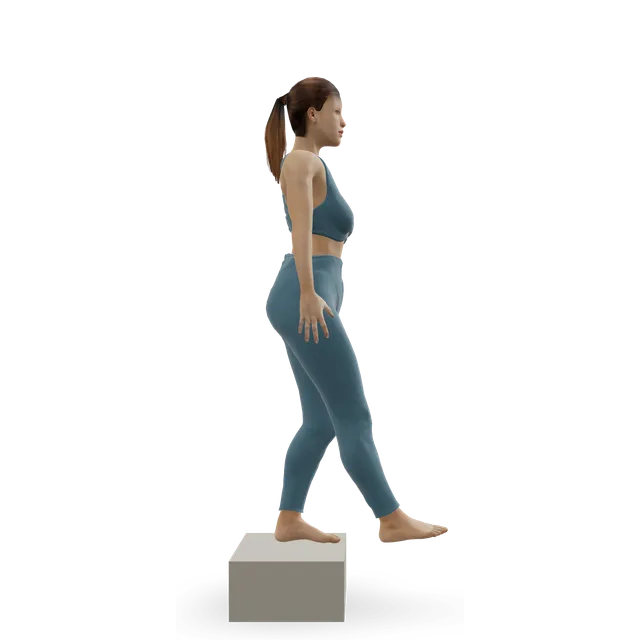
- Weeks 6 to 12: off the crutches as your team allows, walking normally, the bike, step-ups and early strength work.
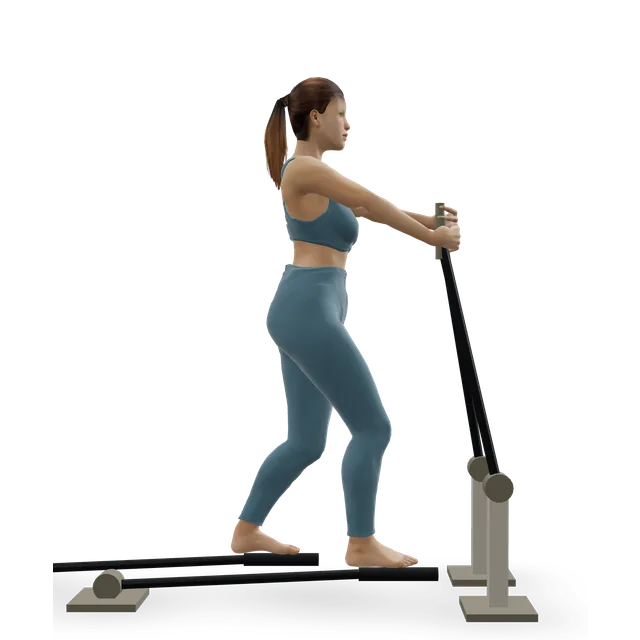
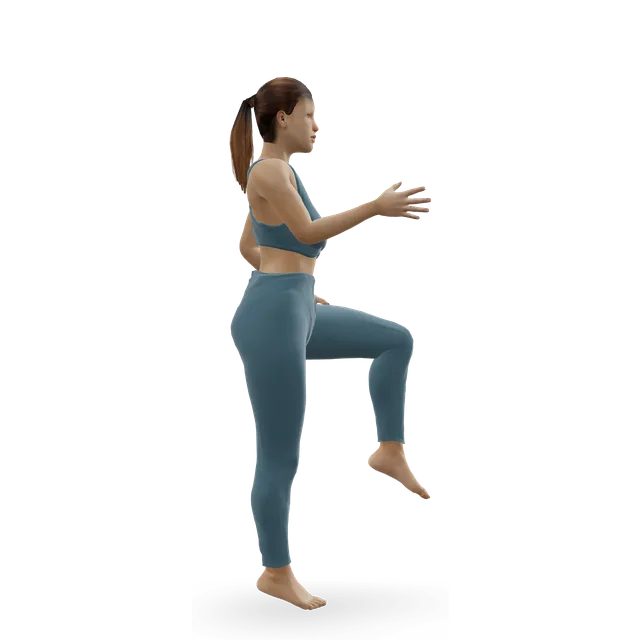
- Months 3 to 6: strength and single-leg control, with running from about 12 to 20 weeks or later, depending on the operation.
- Months 6 to 12: agility, then sport. Rehab takes 6 to 12 months, and one NHS trust says full recovery after microfracture can take 12 to 18 months.
Sources 9, 10, 4, 11, 12
Long-term resultsEmerging evidence
In a Norwegian trial of 80 people, ACI and microfracture did the same at 14 to 15 years, and about half the knees still working had early arthritis on X-ray (57% and 48%). For defects of 3 cm² or more, MACI did better than microfracture on pain and function at 2 and 5 years, in a trial of 144 people. For medium and large defects, results after microfracture declined over 10 years or more, with arthritis getting worse in 40% to 48%.
In a UK trial of 390 people whose first cartilage operation hadn't worked, ACI and other surgery did the same at 5 years. At 10 years, ACI was ahead by 7.3 points on a 100-point knee score, but once later operations were allowed for, the difference shrank to 3.8 points, which could be no real difference at all. Failure rates were similar (29% and 25%). Only the abstract of the 10-year report was available.
Sources 13, 14, 15, 16, 7, 8
What a scan after surgery does and doesn't meanEmerging evidence
In a review of 32 studies (1,019 people), most magnetic resonance imaging (MRI) measures of a cartilage repair matched how people did poorly or not at all. In one trial, MACI felt better than microfracture, though the defects looked similarly filled on MRI. So incomplete filling on a scan doesn't on its own mean the repair has failed, and a well-filled defect doesn't guarantee a pain-free knee.
The exception is a mechanical problem: a graft can lift off (delamination, in about 5 in 100 after MACI, usually in the first 6 months), which can cause new catching or locking and needs your team.
Sources 17, 15, 18