Exercise guide

Exercise after weight-loss surgery: walking, strength and the first 12 weeks after a sleeve or bypass

After a gastric sleeve, bypass or band (weight-loss or bariatric surgery), exercise won't make the weight come off much faster: the operation does most of that. What exercise does is make you stronger and fitter while your weight falls, and it may help you hold on to muscle, which people lose fastest in the first 3 months. Walking starts on the day of your operation.

This guide covers getting fitter before surgery, a week-by-week return to activity alongside your staged diet, when you can lift, swim and go back to the gym, a strength routine, protein and fluids, dumping syndrome and low blood sugar, loose skin, hernias and weight regain, and the warning signs. UK hospitals' timings differ, so we show where they do. Your bariatric team's advice comes first.

The short version

Exercise is part of the plan

NICE (the National Institute for Health and Care Excellence) says follow-up for at least 2 years after surgery should include advice and support on physical activity, and the NHS says you may be given an exercise plan to help stop your weight loss leading to muscle loss. There's no UK guideline on how much, so hospitals' advice varies.

Sources 1, 2, 3

Walk from the first day

An expert panel advises short walks on the day of surgery and more everyday movement through the first month. UK hospitals aim for 30 minutes of walking a day, at a pace that makes you slightly short of breath and slightly sweaty.

Sources 4, 5, 6

Your clinic's limits come first

UK hospitals say no heavy lifting for about 6 weeks (one says nothing heavier than a kettle full of water) or at least 2 months, and a break from the gym of at least 4 to 6 weeks. An expert panel suggests light full-body strength training from 4 to 6 weeks and tummy exercises from 8 to 12 weeks. All of these timings are expert opinion, not trial results.

Sources 7, 8, 6, 5, 4

Strength training: stronger for sure, muscle maybe

People lose about 8 kg of lean mass in the first year, more than half of it in the first 3 months. Exercise after surgery clearly makes people stronger and fitter, but the reviews disagree on whether it helps keep muscle. Guidelines advise strength work on 2 to 3 days a week, once your team agrees.

Sources 9, 10, 11, 12, 13

Protein, fluids and dumping

Usual targets are at least 60 g of protein a day, as your dietitian advises, and plenty of fluid sipped through the day. Sugary drinks can set off dumping syndrome, so drink water rather than sports drinks around exercise (our suggestion, from NHS dietetic leaflets).

Sources 14, 15, 16, 17

Know the warning signs

Call 999 for severe tummy pain, vomiting blood, non-stop bleeding from your bottom, or breathlessness or chest pain with a painful, swollen leg. Get urgent help from your team, a GP (general practitioner) or NHS 111 for a fast heartbeat, a high temperature, fast breathing, tummy pain, regular vomiting or difficulty swallowing.

Source 18

Weight-loss surgery: the types and what changes

The main operations

Weight loss surgery, sometimes called bariatric surgery, makes the stomach smaller so it feels fuller sooner. In a gastric bypass, the stomach is stapled into a small pouch that's joined to the lower small intestine. In a sleeve gastrectomy, about 80% of the stomach is removed. A gastric band is an adjustable ring around the top of the stomach. All three are usually keyhole operations under general anaesthetic.

A gastric balloon and an endoscopic sleeve are done through a tube passed into the stomach, with no cuts in your tummy. Ask your team about activity afterwards; the walking and strength advice on this page still applies (our suggestion).

Sources 19, 20

Who has it

On the NHS, surgery is usually for people with a body mass index (BMI) of 40 or more, or 35 to 40 with a condition that could improve with weight loss, such as type 2 diabetes or high blood pressure, who agree to lifestyle changes and regular check-ups. Lower thresholds apply for people of South Asian, Chinese, other Asian, Middle Eastern, Black African or African-Caribbean family background. NICE's examples of conditions that can improve include type 2 diabetes, high blood pressure, fatty liver disease and sleep apnoea.

Sources 21, 1

Before and after the operation

A specialist team checks your physical health, mental wellbeing and eating patterns first. Afterwards, most people spend 1 to 3 days in hospital, and recovery usually takes 4 to 6 weeks. You'll follow a staged diet, typically fluids for 2 weeks, runny food in weeks 3 and 4 and soft food in weeks 5 to 8, then a balanced diet, with vitamin and mineral supplements for life. Follow-up is for at least 2 years in the clinic, then at least once a year with your GP.

Sources 22, 2, 19, 1

Why the first weeks are for walking

While you're on fluids and soft food you take in very little energy, so the first weeks are for walking and light movement, not hard training (our suggestion, from the staged diet). Hospitals' diet stages differ: Bradford's takes 6 to 9 weeks, building to 2.5 litres of fluid and 60 to 80 g of protein a day.

Sources 2, 15

How much weight people lose

In the largest long-term study, the Swedish Obese Subjects study of about 4,000 people, the most weight lost was 32% of body weight after a bypass and 20% after a band, at 1 to 2 years. After 10 years it had settled at 25% and 14%, while people who didn't have surgery changed by less than 2%. These were older operations, before sleeves were used.

Weight loss usually levels off 1 to 2 years after surgery. The British Obesity and Metabolic Specialist Society (BOMSS) says some regain is expected because of powerful biological drivers, even when people follow dietary advice well.

Sources 23, 8, 24

What happens to muscle and activity

Lean body mass falls by about 8 kg in the first year (37 studies), and about 55% of that loss happens in the first 3 months. Lean mass includes water and organs as well as muscle; skeletal muscle falls by about 3 kg. A US guideline says people losing weight after surgery are particularly prone to losing muscle.

People move more after surgery, but not harder: about 1,340 more steps a day and 17 more minutes of light activity, with no more moderate or vigorous activity (10 studies with activity monitors).

Sources 9, 14, 25

Complications that matter for exercise

The NHS lists blood clots, a leak from the stomach in the days or weeks after a bypass or sleeve, a band slipping, wound infection, a narrowed or blocked gut, gallstones and excess skin. After a bypass, bowel can slip through gaps made in the operation (an internal hernia): this happened in about 2 in 100 people when surgeons closed the gaps and 6 in 100 when they didn't (14 studies, 20,553 people). BOMSS says problems like this can appear years later.

Sources 18, 26, 24

What the evidence says

Most trials are small and short, and most of the people in them are women. The operation, the diet, supplements and follow-up carry the evidence for weight loss and safety; exercise adds strength and fitness.

Exercise makes you fitter and strongerEmerging evidence

In a 2021 review of 18 exercise programmes after surgery, training improved fitness (8 studies) and muscle strength (9 studies). A 2022 review of 15 studies with 638 people found better arm and leg strength and faster sit-to-stands, though not grip strength, from very low certainty evidence. In a 2026 review of 33 studies, strength improved most with resistance training, and a 2025 review found fitness improved too.

Sources 11, 10, 13, 12

Whether it keeps muscle: the reviews disagreeMixed evidence

The 2021 review found no clear effect on lean mass (11 studies). Later reviews found exercise kept about 1.4 kg more lean mass (16 studies), and about 1.9 kg with combined aerobic and strength training (33 studies, 1,545 people). The studies are small and short and lean mass isn't all muscle, so the fair summary is that exercise clearly makes you stronger and may help you keep some muscle.

Sources 11, 12, 13

A little more fat loss, little change on the scalesEmerging evidence

Exercise programmes added about 1.8 kg of weight loss in the 2021 review (14 studies). In later reviews they cut fat by about 2.4 kg and the waist by about 2.6 cm, with little or no extra change in body weight.

Sources 11, 12, 13

The operation drives the weight lossStrong evidence

In the Swedish Obese Subjects study, people had lost about 25% of their body weight 10 years after a bypass. Exercise adds a kilo or two on top. If the scales barely move when you start exercising, that's expected: after surgery, exercise is for strength, fitness and health.

Sources 23, 11

Bone: early signs of benefitEmerging evidence

In 4 trials with 340 people, exercise after surgery improved bone density at the hip, spine and forearm compared with usual care, from low or very low certainty evidence.

Source 27

Keeping weight off: not shown yetMixed evidence

In 5 small trials (189 people) of exercise aimed at weight regain, 80 to 210 minutes a week for 12 to 26 weeks, people lost 2.4 kg more than those who didn't exercise, a difference that could be due to chance. In observational studies more active people tend to lose more weight, and NICE lists activity after surgery as an open research question.

Sources 28, 14, 29

Exercise before surgery improves fitnessEmerging evidence

Across 15 studies with 1,378 people, exercise before surgery improved walking distance and fitness, from very low to low certainty evidence, and one study reported a slightly shorter hospital stay. Whether it improves recovery after the operation has hardly been studied.

Sources 30, 11

Moving more isn't the same as exercisingEmerging evidence

Without a programme, people take more steps after surgery but do no more moderate or vigorous activity. That's the case for planned walks and strength work, not only moving more (our reading).

Source 25

No UK guideline yetStrong evidence

A Bristol research team notes there are no UK guidelines on exercise after bariatric surgery and is working towards a programme to improve activity and strength. NICE has asked for research into whether activity, behaviour and diet support after surgery improve weight loss.

Sources 3, 29

Getting fitter before surgery

Why it's worth starting nowEmerging evidence

Your team checks that you're fit for the anaesthetic and the operation, and the expert panel's first recommendation is to start an activity programme before surgery. Exercise before surgery improves fitness, though its effect on recovery is barely studied.

Sources 1, 4, 30

What to do

Our editorial starting point: walk on most days and build towards 150 minutes a week, add 2 short strength sessions a week (sit-to-stands, wall push-ups and band rows), and use a bike or water exercise if your joints are sore. If your team puts you on a diet before surgery, keep exercise easy while you're on it.

Source 31

Week by week after surgery

No trial has tested a timeline after weight-loss surgery. This one combines the NHS, an expert panel and UK hospital leaflets, which differ: your own team's plan comes first. Move on only if you feel well, are drinking enough and have no new tummy pain.

In hospital (1 to 3 days)

Short walks around the ward from the day of surgery. Wear your stockings and have your blood-thinning injections as prescribed. Deep breaths and moving your ankles while you're in bed help too (our suggestion).

Sources 4, 8, 15

Weeks 1 to 2: little and often

Walk for a few minutes several times a day, adding a little each day, and break up long spells of sitting. You're on fluids, so energy is low: sip all day, and let tiredness guide you (our suggestion).

Sources 4, 5, 2

Weeks 2 to 4: towards 30 minutes a day

Build towards 30 minutes of walking a day, at a pace that leaves you slightly short of breath and slightly sweaty. An exercise bike is fine if it's comfortable (our suggestion). UK hospitals say you can usually drive after about 2 weeks, once you can wear a seatbelt comfortably and do an emergency stop; check with your insurer.

Sources 5, 6, 7, 8

About 4 weeks: swimming, if your wounds have healed

The expert panel suggests waiting until your wounds have fully healed, about 4 weeks, before swimming or water exercise. Hospitals differ: Chelsea and Westminster advises no bath for 14 days, and North Bristol no baths until your wounds have fully healed, about 6 weeks.

Sources 4, 7, 6

Weeks 4 to 6: strength and the gym

The expert panel suggests starting full-body strength training 4 to 6 weeks after surgery, on 2 days a week that aren't next to each other. Royal Berkshire's leaflet suggests a break from the gym of at least 4 to 6 weeks, then getting back into it gradually. Start light. Derby's physiotherapists phone patients at about 6 weeks to plan more activity.

Sources 4, 5, 8

6 weeks to 2 months: heavier lifting

Chelsea and Westminster advises no strenuous or heavy lifting for about 6 weeks, Derby nothing heavier than a kettle full of water for 6 weeks, and North Bristol no heavy lifting for at least 2 months. Meanwhile, build your walking and cycling towards 150 minutes a week.

Sources 7, 8, 6, 14

8 to 12 weeks: tummy exercises and harder intervals

The expert panel leaves high-intensity exercise and tummy (abdominal) exercises, such as planks and curl-ups, until 8 to 12 weeks after surgery. Gentle breathing and a tummy draw-in are fine before then (our suggestion).

Source 4

For the long term

150 to 300 minutes a week of moderate activity plus strength training 2 to 3 times a week: the US guideline's strongest grade of recommendation, and in line with the UK advice of 150 minutes a week and strength work on 2 days.

Sources 14, 4, 31

Moves for the first weeks

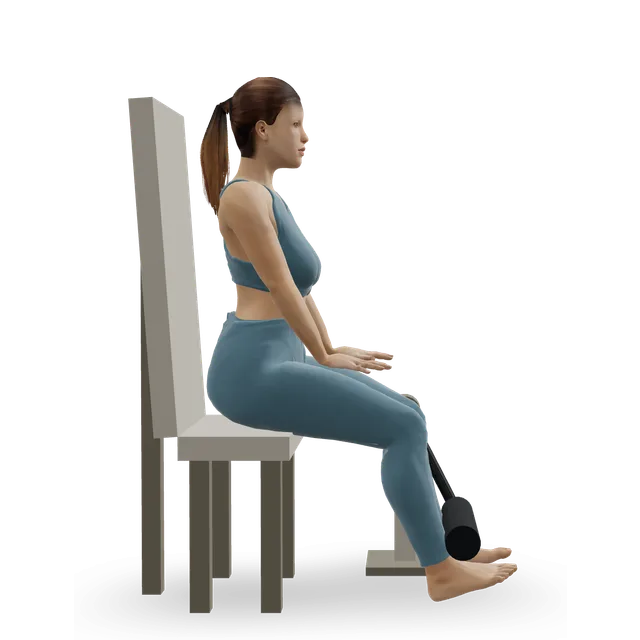
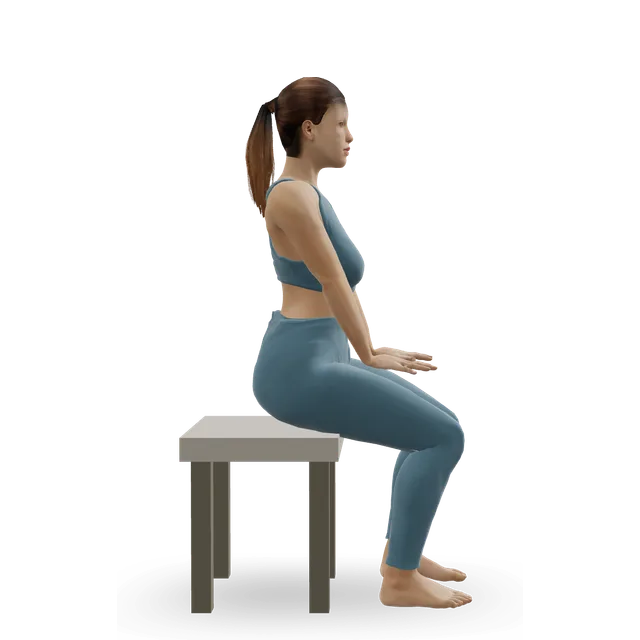
Walk for 5 to 10 minutes several times a day at first, adding a little each day, towards 30 minutes a day by about 4 weeks (our editorial starting point, from the expert panel and NHS hospital leaflets). Ankle circles: 10 slow circles each way with each foot (the move page's dose), every hour or two while you're resting at first. Lateral breathing: 5 to 8 breaths (the move page's dose), a few times a day. Seated march: 1 to 2 minutes (the move page's dose) for every 30 to 60 minutes of sitting. Tummy draw-in: hold for up to 10 seconds, up to 10 times (the move page's dose), stopping if it pulls on a wound. Bikes and the cross-trainer from about 2 to 4 weeks: 10 to 20 minutes at a moderate effort, building towards 30 (our editorial starting point).

Lifting, the gym and swimming: where hospitals differ

LiftingMixed evidence

Chelsea and Westminster says no strenuous or heavy lifting for about 6 weeks, Derby says nothing heavier than a kettle full of water for the first 6 weeks, and North Bristol says avoid heavy lifting for at least 2 months. The differences reflect local practice, not trials.

Sources 7, 8, 6

The gym and strength trainingMixed evidence

Royal Berkshire suggests a break of at least 4 to 6 weeks from the gym. The expert panel, working from 24 trials, suggests full-body strength training from 4 to 6 weeks and high-intensity and tummy exercises from 8 to 12 weeks. These timings are expert opinion: no trial has compared start dates. Derby's physiotherapists advise on building up at about 6 weeks.

Sources 5, 4, 8

Swimming and bathsMixed evidence

The expert panel waits about 4 weeks, until wounds have healed. Chelsea and Westminster advises no bath for 14 days, and North Bristol no baths until your wounds have fully healed, about 6 weeks after surgery. Ask your team when your wounds are ready.

Sources 4, 7, 6

What this means for you

Follow your own clinic's limits. Where they're silent, our suggestion is light strength work from about 4 to 6 weeks, building to heavier lifting from about 6 weeks to 2 months, and tummy exercises such as planks and curl-ups from 8 to 12 weeks, as long as you feel well and nothing pulls on a scar.

Strength training to protect your muscle

Why it mattersStrong evidence

Most of the first year's lean mass loss happens in the first 3 months. The US guideline says people losing weight after surgery are particularly prone to losing muscle, the NHS links the exercise plan to preventing muscle loss, and Derby's team says resistance training is especially important for maintaining muscle while you're losing weight. Whether it fully prevents the loss is uncertain (see the evidence above).

Sources 9, 14, 2, 8

How much

Train on 2 to 3 days a week that aren't next to each other (the US guideline and the expert panel). Start with 1 to 2 sets of 10 to 12 reps of 6 to 8 moves at an easy to moderate effort, then build to 2 to 3 sets of 8 to 15, stopping each set with 2 to 3 reps in reserve (our editorial starting point, as in our weight loss guide). Breathe out on the effort and don't hold your breath, which also protects healing wounds.

Sources 14, 4

What to do

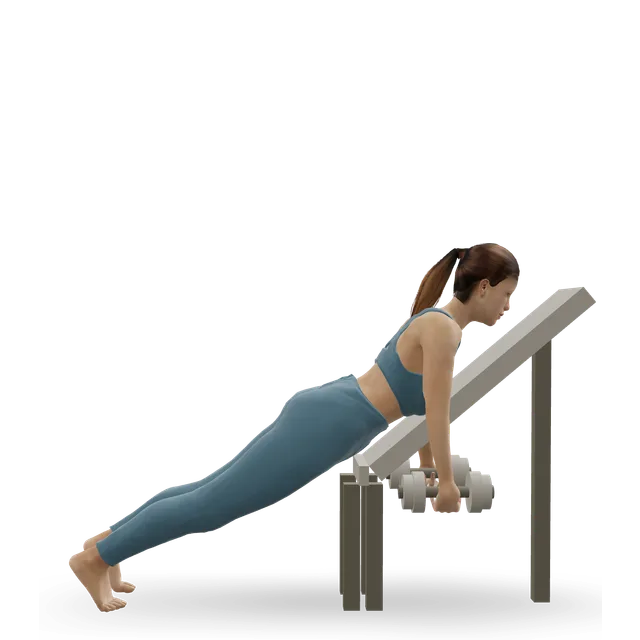
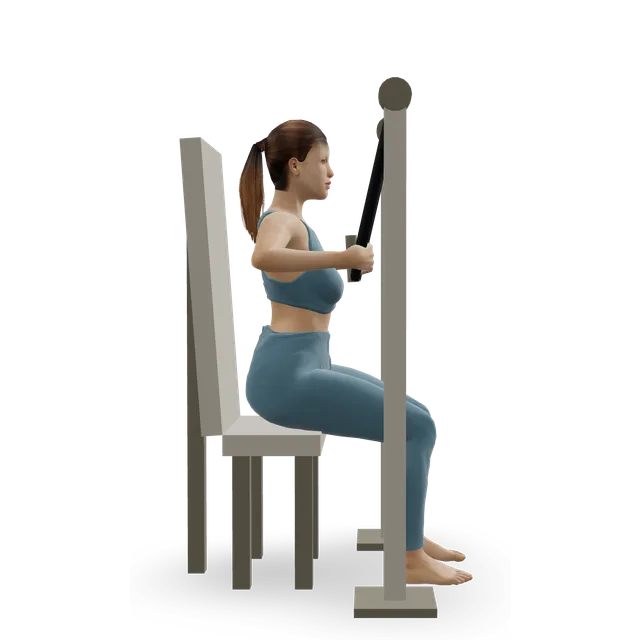
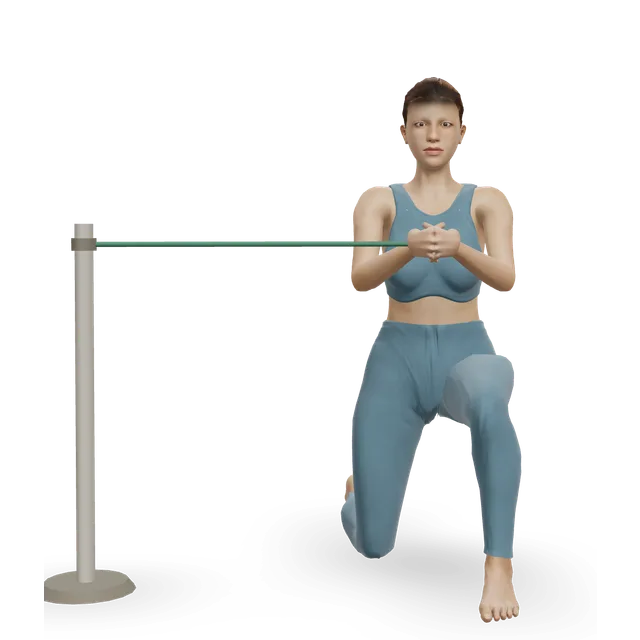
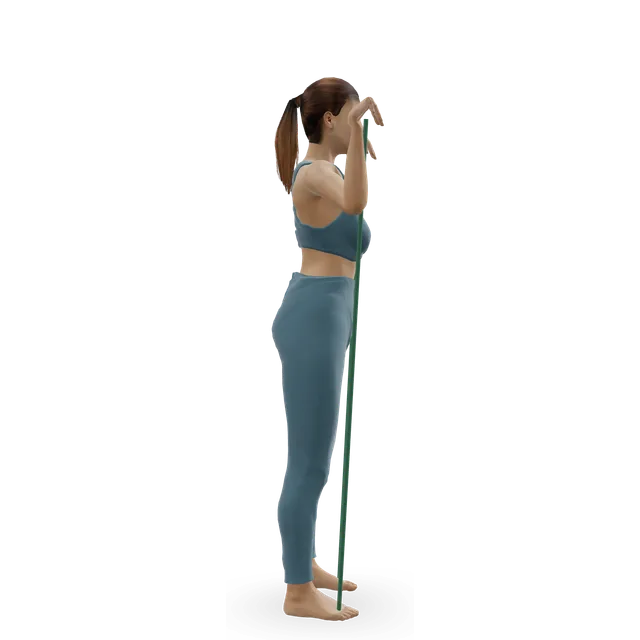
Legs: sit-to-stands, then goblet squats or a leg press, step-ups and bridges. Push: wall push-ups, then incline push-ups or a chest press machine. Pull: band rows, then a seated cable row or lat pulldown. Carries later. Machines and bands let you start light (our suggestion).

Tummy exercises come later

Gentle breathing and a tummy draw-in are fine early (our suggestion). The expert panel leaves tummy exercises such as planks and curl-ups until 8 to 12 weeks. Stop any move that pulls on a scar or makes a bulge.

Source 4

A follow-along strength routine

From about 4 to 6 weeks, if your team agrees. The strength routine is based on the expert panel's advice and the US guideline; it hasn't been tested as a programme. The 10-minute starter suits a first session. The gym workout's machines suit any age, from about 6 weeks or when your team allows heavier lifting.

Strength moves

From about 4 to 6 weeks, if your team agrees: 1 to 2 sets of 10 to 12 of each at first (our editorial starting point), building to 2 to 3 sets of 8 to 15. The band row builds towards 3 sets of 10 to 15, stopping 2 to 3 reps short of failure (the move page's dose). Move from the wall push-up to the incline push-up when 12 feel easy. The goblet squat, carries and machines come from about 6 weeks, or when your team allows heavier lifting: start light. Breathe out on the effort.

Tummy exercises and impact, from about 8 to 12 weeks

From about 8 to 12 weeks (the expert panel's timing): dead bug heel taps, 2 sets of 6 to 8 each side; bird dog, 2 sets of 5 to 8 each side; Pallof press, 2 sets of 8 each side; farmer's carry, 2 to 3 lengths of 20 to 30 metres with a light weight (our editorial starting points). Heel drops for bone from about 3 months: 20 to 30 at first, building towards about 50 on most days (the move page's dose). Stop if you feel pulling at a scar or see a bulge.

Protein and fluids

ProteinEmerging evidence

The US guideline suggests at least 60 g of protein a day and up to 1.5 g per kg of ideal body weight, set for you by a dietitian; it rates this as expert opinion. Bradford's service aims for 60 to 80 g a day and suggests eating the protein part of your meal first. In studies of active people after surgery, more protein alongside activity increased strength.

Use your bariatric dietitian's target rather than a general protein calculator.

Sources 14, 15, 32

FluidsStrong evidence

The US guideline suggests more than 1.5 litres a day, and Bradford builds up to 2.5 litres. Royal Berkshire suggests about a pint more water a day than usual, sipped slowly, and avoiding fizzy drinks, straws and caffeinated drinks early on. Oxford's dietitians suggest leaving 20 to 30 minutes between eating and drinking. Fluid needs seem to rise when you're active.

Sources 14, 15, 5, 16, 32

Around exercise

Our suggestion: sip water before, during and after exercise, carry a bottle, and go gently on long or hot sessions while you're on the staged diet. Signs of dehydration include feeling thirsty, a headache, dark yellow, strong-smelling pee, peeing less, dizziness and tiredness.

Source 33

Dumping syndrome and low blood sugar

What dumping syndrome is

Dumping syndrome happens when food reaches the small intestine too fast; it affects up to 4 in 10 people after a bypass or sleeve. Early dumping comes within the first hour after eating: tummy pain, nausea, diarrhoea, flushing, palpitations, a fast heart rate and wanting to lie down.

Late dumping comes 1 to 3 hours after eating, when blood sugar drops: tiredness, weakness, shaking, sweating, sudden hunger or confusion. It usually starts 3 to 12 months after surgery. BOMSS says late symptoms can be severe, can cause fainting and can affect driving.

Sources 16, 24

Exercise and dumping: our suggestion, from NHS dietetic leaflets

Sugary foods and drinks are the usual trigger, so don't use sports drinks, gels or sweets as exercise fuel: water is enough for most sessions. If you get early dumping, leave a gap between a meal and harder exercise, and keep a protein snack with you on long outings. No study has tested this advice around exercise.

Sources 16, 17, 5

If you feel shaky, sweaty or confused

Stop and sit down. If it could be low blood sugar, Oxford's dietitians suggest 15 g of fast sugar, such as 1 or 2 glucose tablets, 100 ml of fruit juice or a tablespoon of honey, and no more, then a snack with protein and starchy carbohydrate 15 to 20 minutes later. Calderdale's leaflet uses 2 or 3 dextrose tablets or 120 ml of orange juice and a check after 15 minutes if you have a glucose meter. Using this routine during exercise is our suggestion, from these leaflets.

Tell your bariatric team or GP: BOMSS says these symptoms need assessment, and the NHS says to see a GP if you don't have diabetes and get symptoms of low blood sugar. Don't drive until it's been checked (our suggestion).

Sources 16, 17, 24, 34

If you take diabetes medicines

If you take insulin or a sulfonylurea such as gliclazide, follow the treatment plan agreed with your diabetes team and the hypo routine in our type 2 diabetes guide. Never change your medicines yourself: ask your team.

Source 34

Loose skin

Very common, and it can get in the wayStrong evidence

In 360 people a year or more after surgery, 92.8% reported problems with excess skin, and for about half it got in the way of daily physical activity; more weight lost meant more skin. Of 147 Swedish patients 18 months after surgery, most had a fold of skin on the tummy of 3 cm or more, and 70% wanted surgery for it. In interviews, people said excess skin had taken over from their weight as the thing that held them back from activity.

Sources 35, 36, 37

Exercise can't remove itStrong evidence

Strength training builds the muscle underneath, which can change your shape, but we found no study showing exercise reduces excess skin. Surgery such as a tummy tuck removes it, but it's usually counted as cosmetic, so it isn't always available on the NHS: ask your GP. BOMSS says serious problems, such as repeated infections or ulcers in skin folds, should lead to a referral.

Sources 18, 24

Exercising with loose skin

Our suggestions: supportive or compression clothing and a well-fitting sports bra, anti-chafe balm, and keeping skin folds clean and dry. If skin movement is uncomfortable, cycling, rowing and water exercise bounce less than running. See your GP about rashes, infections or sores in skin folds.

Hernias and your tummy

At the cuts, and inside after a bypass

Keyhole surgery leaves small cuts, and a hernia can form at one of them or at an old scar. After a bypass, bowel can also slip through gaps inside the tummy. BOMSS treats tummy pain that comes and goes after a bypass as urgent, and constant vomiting or a blocked bowel as an emergency, at any time after surgery.

Sources 26, 38, 24

Exercise and hernias

We found no evidence either way on whether exercise causes internal hernias; the warning signs are what matter. The clinics' lifting limits and the wait for hard tummy exercises are there to let your wounds heal. If you notice a bulge near a scar, see a GP, and use the warning signs in our hernia guide.

Sources 4, 7, 6, 8

The long term: activity, regain and mood

Some regain is expectedStrong evidence

Weight usually levels off 1 to 2 years after surgery. BOMSS says some regain is expected because of powerful biological drivers, even with good adherence to dietary advice, so it isn't a personal failing. If weight comes back, talk to your GP or bariatric service: more support, including medicines, may be an option.

Sources 24, 8

Staying active

Aim for 150 to 300 minutes a week of moderate activity plus strength training 2 to 3 times a week, the US guideline's strongest grade of advice. Our weight loss guide covers activity for keeping weight off.

Sources 14, 31

Mood, eating and body imageStrong evidence

Mood often improves after surgery, but BOMSS lists low mood, body image worries, new addictions such as alcohol or gambling, and eating problems. Across 32 studies, self-harm and suicide attempts were more common after surgery than before. Feeling tearful in the first weeks is common and usually passes; talk to your team or GP early about anything that lasts.

Sources 24, 39, 6

Exercise and eating

Exercise helps mood, but it shouldn't become a way to make up for eating. Set goals for strength, fitness and what you can do, not calories burned (our suggestion), and see our eating disorders guide if exercise starts to feel compulsive.

Alcohol

Alcohol is absorbed faster after surgery, and North Bristol advises none for 3 to 6 months. Don't drink before exercising or driving (our suggestion).

Sources 6, 8

More workouts

Our suggested timings: easy cardio from about 2 to 4 weeks, as your walking builds; low-impact cardio from about 4 to 6 weeks, sipping water rather than drinking a lot at once; the chair workout on low-energy days in the first weeks, at any age; the beginner home workout from about 8 to 12 weeks, because it includes a dead bug; the band and strength and balance workouts from about 2 to 3 months; the breathing routine for stress at any time.

Weekly plans

Our suggested timings: the walking plan from about 2 weeks; the beginner plan from about 6 weeks, marching instead of jumping jacks until 8 to 12 weeks; the weight loss and 7-day plans from about 3 months, when their strength days and cardio fit the US guideline's 150 to 300 minutes and 2 to 3 strength days.

Warning signs: when to get help

This is general information, not a diagnosis: your bariatric team knows your operation, so use the contact numbers they gave you. In the US, call 911 where this page says 999.

Call 999

Call 999 or go to A&E (accident and emergency) if you've had weight loss surgery and:

  • You have difficulty breathing and pain and swelling in your leg.
  • You have chest pains and pain and swelling in your leg.
  • You have severe tummy pain.
  • You're bleeding non-stop from your bottom.
  • There's a lot of blood, for example the toilet water turns red or you see large blood clots.
  • You're vomiting blood or poo, or your sick looks like coffee grounds or soil.

Source 18

Stop exercising and call 999

Stop exercising and call 999 for:

  • Chest pain that feels tight or like squeezing, or spreads to the arms, neck or jaw.
  • Severe difficulty breathing: gasping, choking or not able to get words out.
  • Lips or skin that turn pale, blue or grey, or someone who collapses and isn't responding normally.

Source 40

Get urgent advice: your bariatric team, an urgent GP appointment or NHS 111

If you've had weight loss surgery and you have any of these, they could be a sign of a blood clot or a problem with your stomach. In the first days and weeks, BOMSS treats tummy pain with a fast heartbeat and a fever, chest pain with breathlessness and a fast heartbeat, and vomiting that won't stop as emergencies.

  • Redness, tenderness, swelling or pain in your leg that isn't getting better or gets worse.
  • A high temperature, or you're feeling hot, cold or shivery.
  • A fast heartbeat.
  • Tummy pain.
  • Fast breathing.
  • Difficulty swallowing.
  • Regular vomiting (being sick).

Sources 18, 38

Later on: tummy pain or heartburn

After a bypass, tummy pain that comes and goes needs an urgent check by your team or GP, even years after surgery: it can be an internal hernia. After a sleeve, heartburn needs an urgent check, and after a band, so do repeated vomiting, heartburn or coughing at night.

Sources 38, 24

See a GP

  • You have pain in or around a wound.
  • You have red, hot and swollen skin.
  • Pus is coming from a wound.
  • You notice a bulge near a scar: our hernia guide lists the signs that need urgent help.

Source 18

Low blood sugar or dehydration

Sweating, shaking, dizziness, confusion or sudden hunger 1 to 3 hours after eating, or during exercise: stop, sit down and follow the low blood sugar steps above, then tell your team. Call 999 if someone with very low blood sugar isn't responding normally or is unconscious. Get an urgent GP appointment or call NHS 111 if you're dizzy on standing and it doesn't go away, have dark yellow pee or are peeing less than normal, or are breathing quickly or have a fast heartbeat.

Sources 16, 34, 33

Tell your team or GP

  • Your mood is low, or you're worried about your body image, drinking, gambling or eating.
  • You're using exercise or food to cope, or exercise feels compulsive.
  • Excess skin causes rashes, infections or sores, or stops you being active.
  • Your weight is going back up.

Sources 24, 39

If you can't keep yourself safe

If you're thinking about suicide or can't keep yourself safe, call 999 or go to A&E. For urgent help, call Samaritans free on 116 123, any time, or in England call 111 and select the mental health option. In the US, call or text 988.

Myths

"The operation does the work, so exercise doesn't matter"Strong evidence

People lose about 8 kg of lean mass in the first year, more than half of it in the first 3 months. Exercise after surgery makes people stronger and fitter, and both NICE and the NHS build activity into follow-up. Whether it keeps muscle is less certain, but strength and fitness matter for everyday life.

Sources 9, 11, 10, 1, 2

"You shouldn't exercise after weight-loss surgery"Strong evidence

Walking starts on the day of surgery. What waits is heavy lifting (about 6 weeks to 2 months), the gym (4 to 6 weeks) and hard tummy exercises (8 to 12 weeks), and energy is low during the staged diet, so build up gently.

Sources 4, 8, 7, 6

"Exercise will make the weight come off much faster"Emerging evidence

Exercise programmes added about 1.8 kg in 14 studies, and in later reviews changed body weight little, while cutting fat and waist size. The operation drives the weight loss.

Sources 11, 12, 23

"Exercise will tighten loose skin"Strong evidence

About 9 in 10 people have problems with excess skin after surgery. We found no study showing exercise reduces it, and surgery is the only way to remove it. Strength training changes the muscle underneath, not the skin.

Sources 35, 18, 24

"Protein shakes will protect my muscle on their own"Emerging evidence

You need enough protein, usually at least 60 g a day as your dietitian advises, but strength comes from training: more protein alongside activity increased strength in studies of active people after surgery, and resistance training is what improved strength across 15 studies.

Sources 14, 32, 10

"Ab exercises will flatten my belly or apron"Strong evidence

Training one area doesn't burn the fat over it (13 studies, 1,158 people), and hard tummy exercises wait until 8 to 12 weeks after surgery anyway.

Sources 41, 4

"Sports drinks are the best workout fuel"Strong evidence

Sugary drinks and snacks are the usual trigger for dumping syndrome after a sleeve or bypass. Water sipped through the session, and your normal meals, are enough for most sessions (our suggestion, from NHS dietetic leaflets).

Sources 16, 17, 5

"If the weight comes back, I've failed"Strong evidence

BOMSS says some regain is expected because of powerful biological drivers, even with good adherence to dietary advice, and weight usually levels off 1 to 2 years after surgery. Talk to your team: more support is available.

Sources 24, 8

Questions people ask

When can I exercise after gastric sleeve or bypass surgery?

Walk from the day of your operation, a few minutes several times a day, and build towards 30 minutes a day over the first weeks. Light strength training and the gym usually come back at about 4 to 6 weeks, and tummy exercises and harder interval training at 8 to 12 weeks. These timings are expert opinion and hospitals differ, so your own team's advice comes first.

How soon can I lift weights after weight-loss surgery?

UK hospitals say no heavy lifting for about 6 weeks, with one saying nothing heavier than a kettle full of water, or for at least 2 months. An expert panel suggests starting light, full-body strength training from 4 to 6 weeks, on 2 days a week. Start with light loads and build up as your team allows.

What is the best exercise after weight-loss surgery?

Walking first, then a mix: 150 to 300 minutes a week of moderate activity such as brisk walking, cycling or swimming, plus strength training 2 to 3 times a week. Strength training builds strength while your weight falls, and may help you keep some muscle.

How much should I walk after a gastric sleeve?

Start with short walks several times a day and build to about 30 minutes a day, at a pace that leaves you slightly short of breath and slightly sweaty. Over the following months, aim for at least 150 minutes of activity a week.

Will I lose muscle after weight-loss surgery?

Some, yes: people lose about 8 kg of lean mass in the first year, more than half of it in the first 3 months, though lean mass includes water and organs too. Strength training clearly makes you stronger and fitter, but the reviews disagree on whether it keeps more muscle. Eat the protein your dietitian advises alongside it.

How much protein do I need if I'm exercising after surgery?

A US guideline suggests at least 60 g a day, and up to 1.5 g per kg of ideal body weight, set by your dietitian; one UK service aims for 60 to 80 g. Eat the protein part of your meal first, and follow your own dietitian's target.

When can I do ab exercises after a gastric sleeve or bypass?

An expert panel advises waiting 8 to 12 weeks for tummy exercises such as planks and curl-ups. Gentle breathing and a tummy draw-in are fine earlier. Ab exercises won't burn belly fat or remove loose skin.

When can I go swimming after weight-loss surgery?

Once your wounds have fully healed, which an expert panel puts at about 4 weeks. UK hospitals advise against baths for 2 weeks to about 6 weeks, so check with your team first.

Can I run after weight-loss surgery?

Yes, once you can walk briskly for 30 minutes comfortably and your team agrees. An expert panel leaves high-intensity exercise until 8 to 12 weeks after surgery, so build from walking to run-walk intervals, sip water and go slowly at first.

Will exercise stop loose skin?

No. About 9 in 10 people have problems with excess skin after surgery, and exercise can't remove it. Surgery to remove it is usually counted as cosmetic on the NHS, so ask your GP, especially if it causes infections or stops you exercising.

Does exercise stop weight regain after surgery?

Trials haven't shown it yet: in 5 small trials, exercise added 2.4 kg of weight loss, a difference that could be due to chance. More active people tend to keep more weight off in observational studies, and some regain is expected for biological reasons, not because you've failed.

I feel shaky or faint when I exercise after a gastric bypass. What should I do?

Stop and sit down: it could be low blood sugar (late dumping) or dehydration. If low blood sugar is likely, NHS dietitians suggest a small amount of fast sugar, such as 1 or 2 glucose tablets, then a protein snack. Tell your bariatric team, who can check it, and avoid sugary sports drinks, which can set off dumping.


Sources

  1. NICE NG246 · Overweight and obesity management: medicines and surgery (2025, updated January 2026)
  2. NHS · Recovering from weight loss surgery
  3. National Institute for Health and Care Research Bristol Biomedical Research Centre · Rebuilding strength after weight-loss surgery (research project)
  4. Fernández-Alonso 2025 · Expert-based physical activity guidelines for metabolic and bariatric surgery patients, built from 24 trials (expert panel and systematic review, Surgery for Obesity and Related Diseases; abstract read)
  5. Royal Berkshire NHS Foundation Trust 2023 · The first 6 weeks after weight loss surgery (patient leaflet; review was due December 2025)
  6. North Bristol NHS Trust · Recovery after bariatric surgery (Bristol Bariatric Service)
  7. Chelsea and Westminster Hospital NHS Foundation Trust · After your bariatric surgery (patient leaflet)
  8. University Hospitals of Derby and Burton NHS Foundation Trust · Bariatric surgery: frequently asked questions
  9. Nuijten 2022 · How much lean mass and muscle people lose after bariatric surgery (systematic review and meta-analysis, Obesity Reviews; abstract read)
  10. Vieira 2022 · Exercise and muscle strength after bariatric surgery: 15 studies, 638 people (systematic review and meta-analysis, PLoS One; abstract read)
  11. Bellicha 2021 · Exercise training before and after bariatric surgery (systematic review and meta-analysis, Obesity Reviews; abstract read)
  12. Li 2025 · Exercise training, body composition and fitness after bariatric surgery: 16 studies (systematic review and meta-analysis, American Surgeon; abstract read)
  13. Abbasi 2026 · Exercise and muscle after bariatric surgery: 33 studies, 1,545 people (systematic review and meta-analysis, Obesity Surgery; abstract read)
  14. Mechanick 2020 · Nutrition, metabolic and other support before and after bariatric surgery, 2019 update (guideline from five US societies, Surgery for Obesity and Related Diseases)
  15. Bradford Teaching Hospitals NHS Foundation Trust 2024 · Guide for bariatric discharge summary
  16. Oxford University Hospitals NHS Foundation Trust 2025 · Dumping syndrome following bariatric surgery (dietetic leaflet)
  17. Calderdale and Huddersfield NHS Foundation Trust · Dietary advice for reactive hypoglycaemia and dumping syndrome after bariatric surgery (dietetic leaflet)
  18. NHS · Complications of weight loss surgery
  19. NHS · What is weight loss surgery?
  20. NHS · How weight loss surgery is done
  21. NHS · Why weight loss surgery is done
  22. NHS · Preparing for weight loss surgery
  23. Sjöström 2007 · Bariatric surgery and death rates in the Swedish Obese Subjects study: 4,047 people (controlled study, New England Journal of Medicine; abstract read)
  24. BOMSS 2023 · Overview of GP management of patients after bariatric surgery (professional guidance)
  25. Bastos 2024 · Measured physical activity before and after bariatric surgery (systematic review and meta-analysis, International Journal of Obesity; abstract read)
  26. Muir 2023 · Closing the gaps and internal hernia after gastric bypass: 14 studies, 20,553 people (systematic review and meta-analysis, Obesity Surgery; abstract read)
  27. Diniz-Sousa 2022 · Exercise and bone after bariatric surgery: 4 trials, 340 people (systematic review and meta-analysis, Obesity Surgery; abstract read)
  28. Bond 2023 · Exercise for weight regain after bariatric surgery: 5 trials, 189 people (systematic review and meta-analysis, Surgery for Obesity and Related Diseases; abstract read)
  29. NICE NG246 · Overweight and obesity management: recommendations for research (follow-up care after bariatric surgery)
  30. Simancas-Racines 2025 · Exercise before bariatric surgery: 15 studies, 1,378 people (systematic review and meta-analysis, Journal of Clinical Medicine; abstract read)
  31. NHS · Physical activity guidelines for adults aged 19 to 64
  32. Stocker 2022 · Nutrient and fluid needs of active people after bariatric surgery (systematic review, Nutrition; abstract read)
  33. NHS · Dehydration
  34. NHS · Low blood sugar (hypoglycaemia) (review was due August 2026)
  35. Giordano 2013 · Physical discomfort from excess skin after bariatric surgery: 360 people (survey, Journal of Plastic, Reconstructive and Aesthetic Surgery; abstract read)
  36. Elander 2021 · Excess skin on the tummy after bariatric surgery: 147 people (study, Surgery for Obesity and Related Diseases; abstract read)
  37. Fagevik Olsén 2022 · Physical activity and excess skin after bariatric surgery (interview study, Journal of Plastic Surgery and Hand Surgery; abstract read)
  38. British Obesity and Metabolic Specialist Society (BOMSS) · Primary care management of post-operative bariatric patients (traffic light poster, 2014, updated 2023)
  39. Castaneda 2019 · Suicide and self-harm after bariatric surgery: 32 studies, 148,643 people (systematic review and meta-analysis, Obesity Surgery; abstract read)
  40. NHS · Heart attack
  41. Ramírez-Campillo 2022 · Exercise and fat loss in one area (spot reduction): 13 studies, 1,158 people (meta-analysis, Human Movement; abstract read)

Exercise education, not a diagnosis or treatment plan, and clinical review of these guides is pending. Stop and get advice for chest pain, unusual breathlessness, dizziness or fainting, or new pain, and check with your doctor or midwife first if they have told you to limit activity. Health disclaimer.