Yoga flows
Yoga for tennis elbow: a 25-minute grip-light class with a 10-minute forearm loading block
A 25-minute yoga class for tennis elbow. It starts with the part that treats the tendon: a 10-minute forearm loading block from our tennis elbow guide, still holds first, then slow lowering once the holds are comfortable. Do that block every day. Then come standing poses with your hands free, poses on your forearms instead of flat hands, shoulder-blade work with open hands and a rest. Nothing puts weight through flat hands or asks for a hard grip, and downward dog, plank and chaturanga come back later, through our yoga for wrists class. Do the whole class 2 or 3 times a week, keeping elbow discomfort mild. No trial has tested yoga for tennis elbow, so the structure is our editorial choice, built from our tennis elbow guide and our Pilates for tennis elbow class.
Forearm loading, daily (about 10 minutes)
- Wrist & forearm flow10 slow reps each directionBeginner · Forearms · 3D demoWarm up the wrist with no loadEasier: Wrist circlesHarder: Wrist flexor stretch
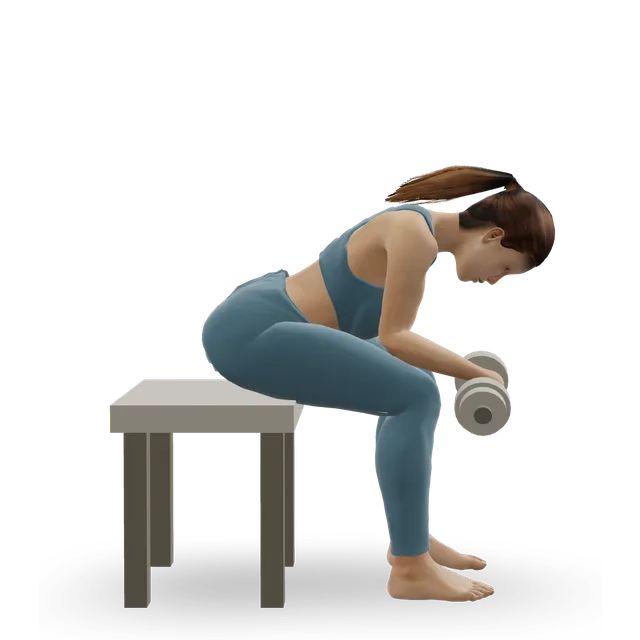
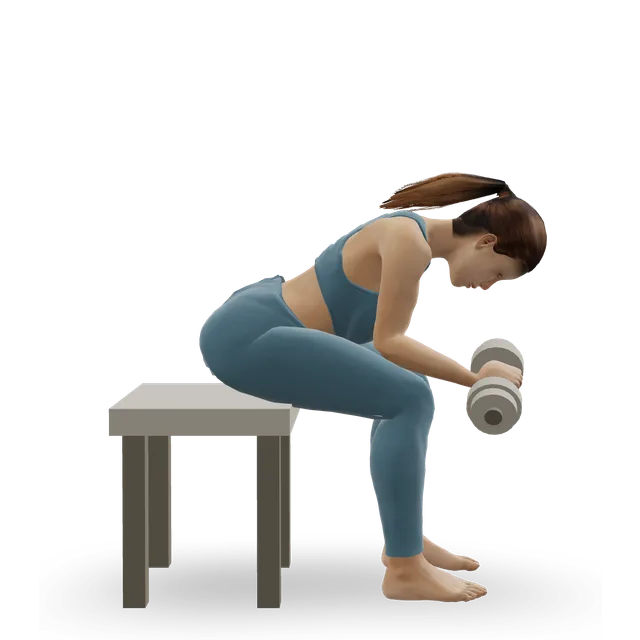
- Reverse wrist curl5 holds of 30 to 45 sBeginner · Forearms · 3D demoForearm supported, palm down, wrist level; hold the weight still. Light enough to keep discomfort mild (3 to 4 out of 10 at most)Easier: Wrist-extensor eccentricsHarder: Plate pinch
- Wrist-extensor eccentrics3 sets of 15, lowering over 3 to 4 sBeginner · Forearms · 3D demoOnly once the holds are comfortable: help the weight up with the other hand, and lower it slowly with the sore oneHarder: Wrist curls
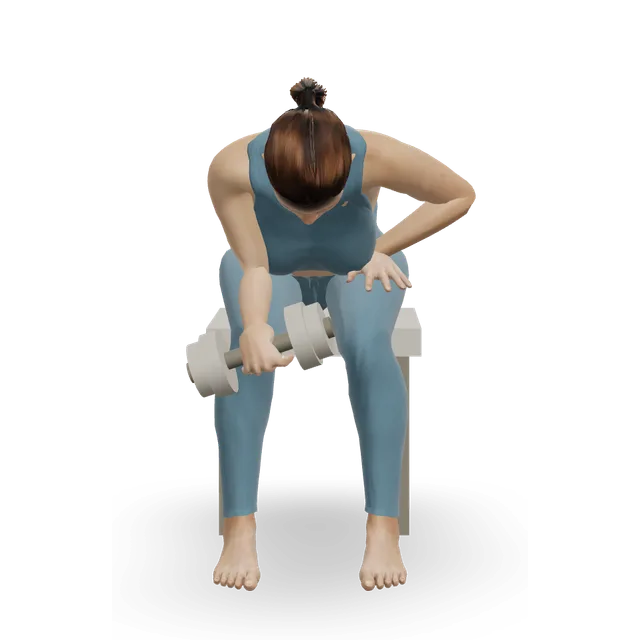
- Dumbbell forearm rotation2 sets of 10Beginner · Forearms · 3D demoHold the handle nearer the head to make it easierEasier: Wrist-extensor eccentricsHarder: Plate pinch
- Band finger extension2 sets of 15Beginner · Forearms · 3D demoOpen your fingers against the band slowlyEasier: Ball squeezeHarder: Plate pinch
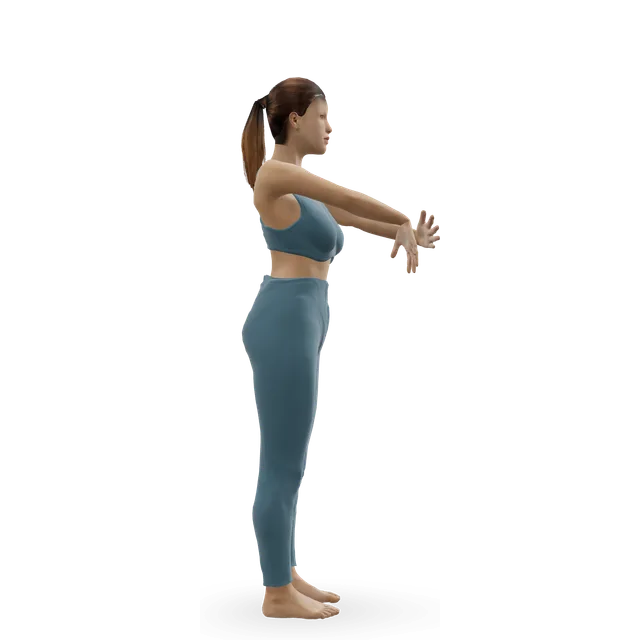
- Wrist extensor stretch (tennis elbow stretch)3 holds of 30 sBeginner · Forearms · 3D demoAfter the loading; ease off if your hand tinglesEasier: Wrist & forearm flow


Standing, hands free (about 5 minutes)
- Mountain pose (Tadasana)5 slow breathsBeginner · Calves, Back, Abs · 3D demoPalms turned forward, fingers softHarder: Tree pose (Vrksasana)
- Warrior II (Virabhadrasana II)3 to 5 breaths each sideIntermediate · Quads, Glutes, Adductors · 3D demoArms out, fingers long and soft rather than bent backEasier: Chair pose (Utkatasana)Harder: Extended side angle (Utthita Parsvakonasana)
- Chair pose (Utkatasana)2 holds of 3 to 5 breathsBeginner · Quads, Glutes, Shoulders · 3D demoArms forward at shoulder height, or hands on your hips; don't press down on your thighsHarder: Revolved chair pose (Parivrtta Utkatasana)
- Tree pose (Vrksasana)2 holds of 20 to 30 s each sideBeginner · Glutes, Hip abductors, Calves · 3D demoFingertips resting on a wall, the lifted foot at your ankle or calfEasier: Mountain pose (Tadasana)Harder: Standing hand-to-big-toe pose (Utthita Hasta Padangusthasana)




On the forearms, and the shoulder blades (about 6 minutes)
- Sphinx pose (Salamba Bhujangasana)2 holds of 3 to 5 breathsBeginner · Back, Abs, Chest · 3D demoElbows under your shoulders, hands relaxed and openHarder: Cobra pose (Bhujangasana)
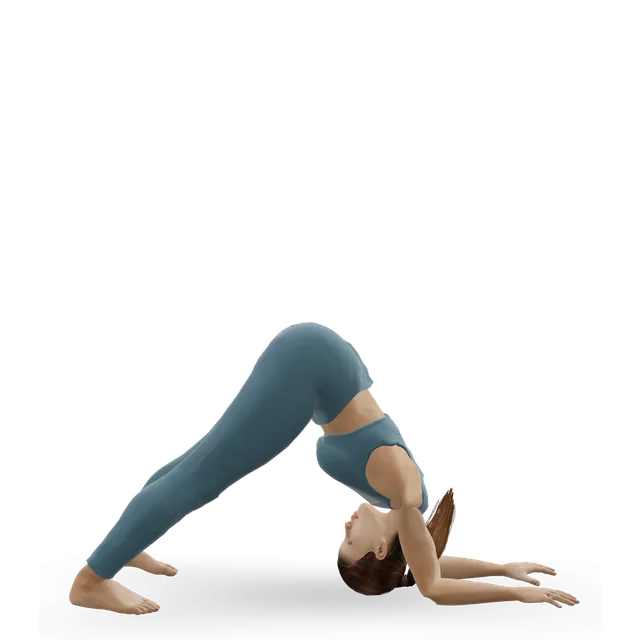
- Dolphin pose (Ardha Pincha Mayurasana)2 holds of 5 breathsIntermediate · Shoulders, Back, Hamstrings · 3D demoDownward dog on your forearms, knees bent, hands open rather than claspedEasier: Downward-facing dog (Adho Mukha Svanasana)Harder: Forearm stand (Pincha Mayurasana)
- Prone Y-T-W raises5 of each shapeBeginner · Back, Shoulders, Neck · 3D demoThumbs up, hands open; small liftsEasier: Wall angelHarder: Bent-over reverse fly
- Locust pose (Salabhasana)2 holds of 5 breathsBeginner · Back, Glutes, Hamstrings · 3D demoArms by your sides, palms down and relaxedEasier: Seated upper-back lift (sit tall, shoulders back)Harder: One-legged bow (half locust)



Rest (about 4 minutes)
- Supine spinal twist (Supta Matsyendrasana)45 s each sideBeginner · Back, Glutes · 3D demoArms resting, palms upHarder: Seated twist, bottom leg straight


Tips
- Some discomfort during forearm exercises is fine. Keep it mild: no more than about 3 to 4 out of 10. It should settle within an hour or so, and your elbow should be no worse the next morning. If it is worse, go lighter next time (a lighter weight, a bendier bar, fewer reps or a shorter hold), not nothing. When a set no longer causes any discomfort, it's time to progress.
- Tingling is the exception: stop any exercise or position that brings on pins and needles or numbness in your hand, especially in the ring and little fingers, and avoid holding the elbow fully bent while it settles.
- No weight on flat hands and no hard gripping in this class: moving downward dog, plank and chaturanga onto your forearms or a wall is our suggestion, inferred from grip studies and a guideline's expert-opinion advice to bring weight through the arms back last.
- If you have a flexible bar, the Tyler twist on our tennis elbow guide can replace the slow lowering.
The doses are suggested starting points, not a prescription. Choose a range you can control and stop for sharp or increasing pain, numbness or tingling. Get individual advice after an injury or surgery, or if you are pregnant or managing a health condition.
Guides that recommend it
Find more moves like these
More yoga flows


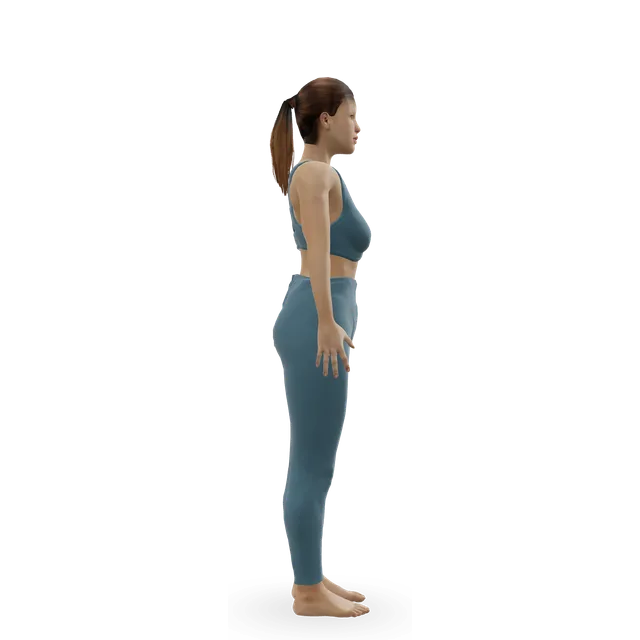
Beginner yoga flow
A 20-minute beginner yoga sequence: mountain, chair, warrior II, triangle, tree, down dog, cobra and child's pose.
20 minBeginner11 movesA step

Sun salutation flow
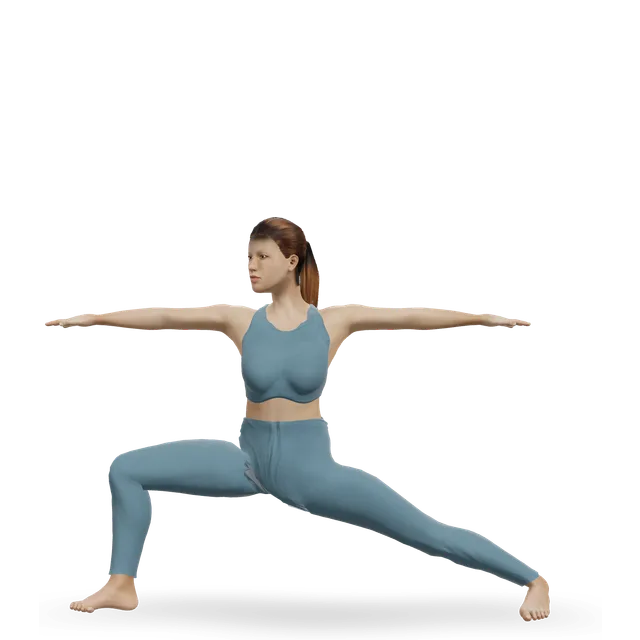
A 20-minute flow built on sun salutations A and B, with warrior poses and a short cool-down.
20 minIntermediate8 movesNo equipment


Yoga for tight hips
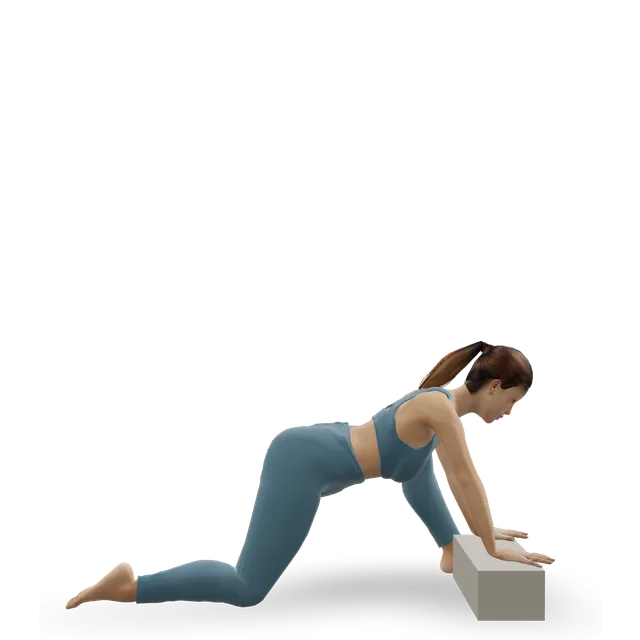
A hip-opening yoga sequence: low lunge, lizard, goddess, pigeon, bound angle and happy baby.
25 minBeginner10 movesA wallQuestions people ask
How long does the yoga for tennis elbow: a 25-minute grip-light class with a 10-minute forearm loading block take?
About 25 minutes, including any warm-up and cool-down listed. Shorten it by doing fewer rounds; lengthen it by adding one.
What equipment do I need?
You need: A dumbbell, A bench or box, A band. Each move links to its guide, where you can find an alternative if you are missing something.
Is it suitable for beginners?
It is written for beginners. 10 of its 16 moves have an easier option listed beside them if you need one.
How do I make it easier or harder?
Use the easier or harder option listed under each move, change the number of rounds, or adjust the rest. Progress one change at a time.