Wild thing (Camatkarasana)
From side plank, you step the top foot over and behind you onto the floor, lift your hips and let your chest arch toward the ceiling, the free arm reaching past your ear. One hand and both feet hold an open backbend, so the bottom shoulder carries much of your weight in a wide-open position. Yoga International notes that the load falls on the biceps tendon at the front of that shoulder, and teachers still disagree about how safe the pose is.
Movement guide
Wild thing (Camatkarasana)
Make it easier or harder
Choose a version that fits your control and comfort.
Easier option
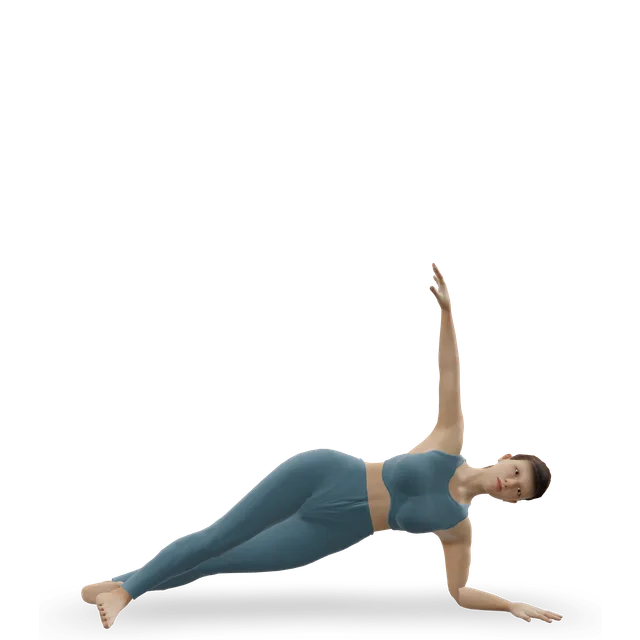 3D demoSide plankIntermediate · No equipment
Suggested next step, intermediate grade.
Harder option
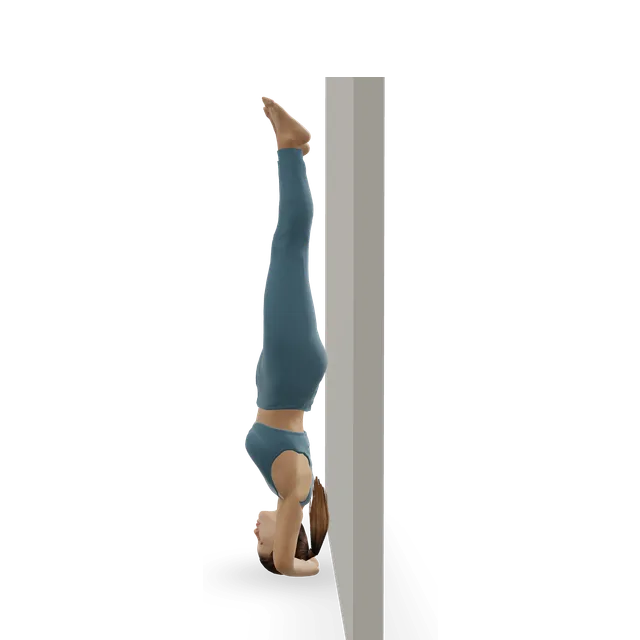 3D demoSupported headstand (Salamba Sirsasana)Expert · A wall
Similar move, expert grade.
Source-researched guide.
How to move
- Come into side plank on your right hand, the hand under the shoulder and your body in a straight line.
- Press the floor away and keep the bottom shoulder active, as if turning the upper arm out.
- Step your left foot back behind you onto the floor, toes down and knee partly bent, and lift your hips.
- Arch your chest toward the ceiling and reach your left arm past your ear, letting your head follow only as far as your neck is comfortable. Hold.
- To come out, bring your left foot back over, return to side plank and lower, then change sides.
Form cues
- Press the floor away so the bottom shoulder doesn't sink toward your ear.
- Lift through your hips to share the load with your legs.
- Avoid: flipping over in one quick movement.
Practice and cautions
Hold 3 to 5 slow breaths each side, 1 or 2 times, entering and leaving slowly (our editorial starting point).
The bottom shoulder carries much of your weight on one hand, loading the biceps tendon at the front of the joint: come out if the front of that shoulder aches. Teachers genuinely disagree about how safe the weight bearing shoulder is here; keep it active and pressing the floor away rather than sinking towards the ear, and skip the pose entirely with any shoulder or wrist problem. Come out if the lower back pinches. This is movement education, not an assessment or treatment prescription. Stop for sharp or increasing pain, dizziness, numbness or tingling; seek individual guidance for symptoms, injury or restrictions.
Sources and review status
Sources support the educational description; they do not establish that this exercise is suitable for you.
- Yoga Journal · Wild thing (how-to: from side plank, the top foot steps back; avoid with carpal tunnel syndrome or a rotator cuff injury) ↗
- Yoga Journal · Can wild thing be practised safely? (anatomy teachers on the bottom shoulder; pain inside a joint means stop) ↗
- Yoga International · Controversial yoga poses (Rachel Land: hero pose asks up to 170 degrees of knee bend and about 40 degrees of inward hip turn; wild thing loads the bottom shoulder's biceps tendon) ↗
No variation is labeled clinically validated.
What it works
Muscles
Main: Shoulders, Hip abductors. Also: Chest, Hip flexors, Back.
Anatomy: Deltoid, Rotator cuff, Supraspinatus, Infraspinatus, Subscapularis, Teres minor.
Equipment
None: body weight and floor space.
Level
Advanced. See the easier and harder options above.
Similar moves
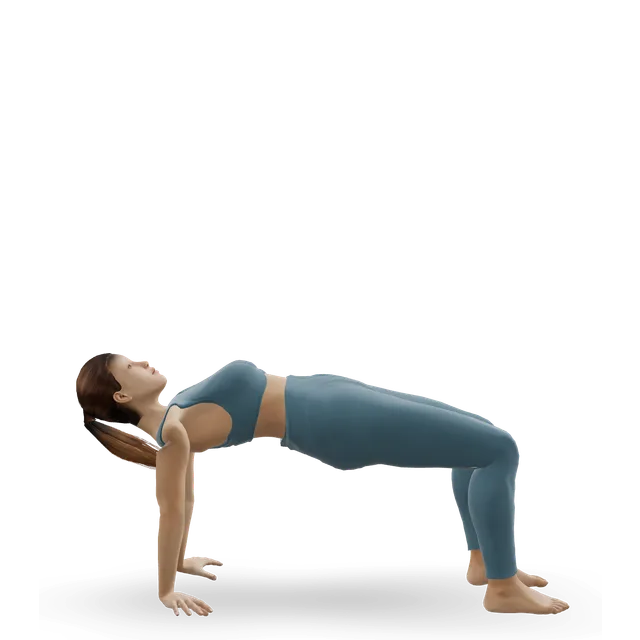 3D demoCrab reachIntermediate · No equipment
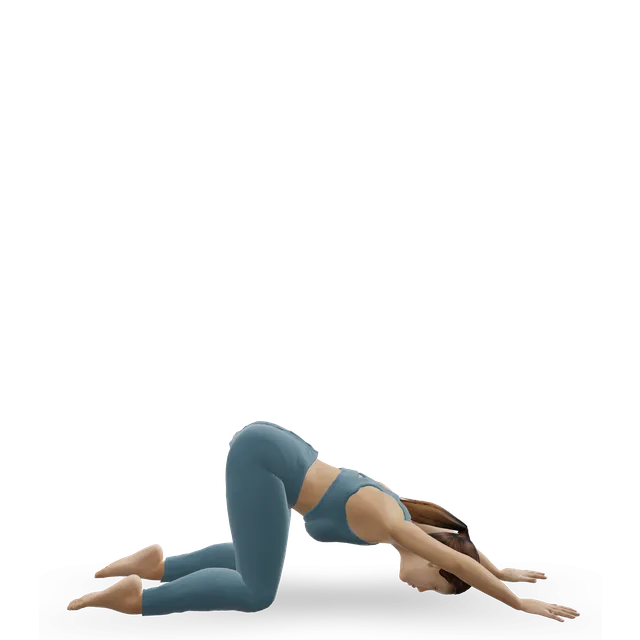 3D demoExtended puppy pose (Uttana Shishosana)Beginner · No equipment
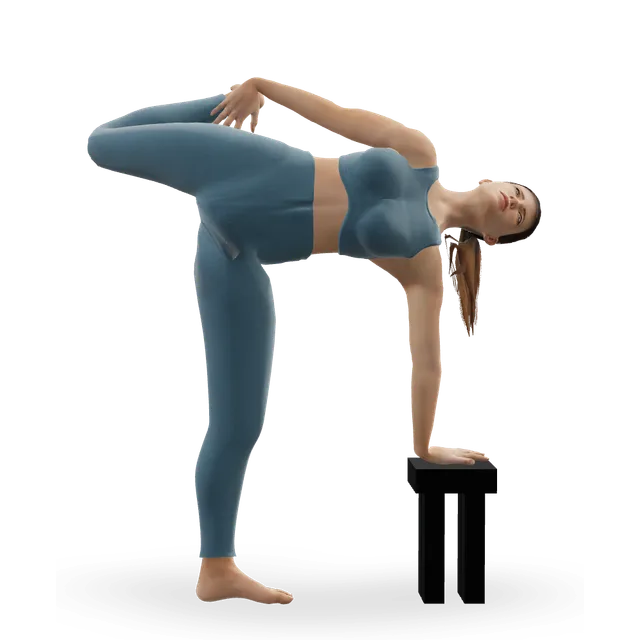 3D demoSugarcane pose (Ardha Chandra Chapasana)Advanced · A step
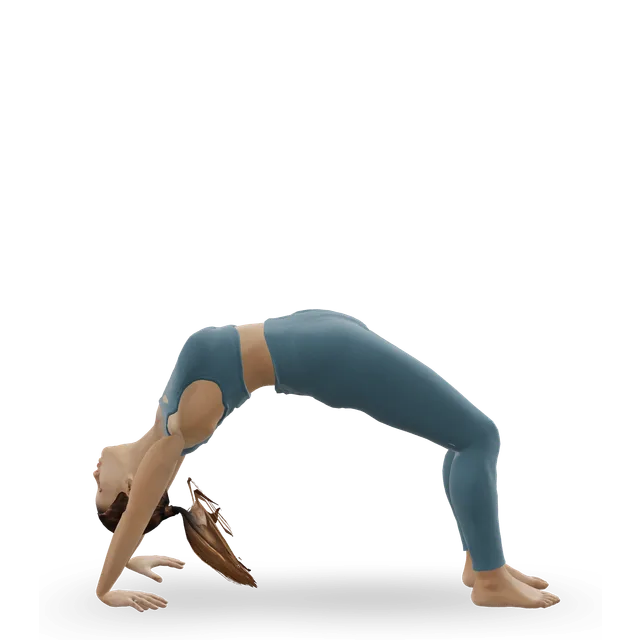 3D demoWheel pose (Urdhva Dhanurasana)Advanced · No equipment
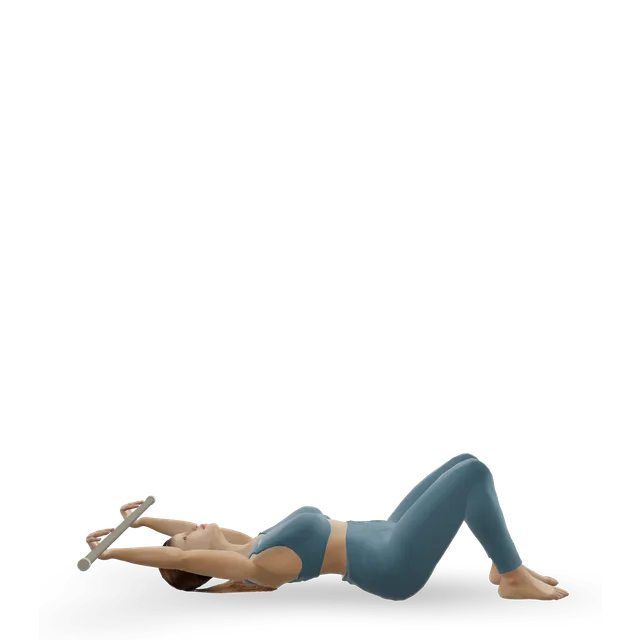 3D demoArm lift lying down, with a stickBeginner · Other / check instructions
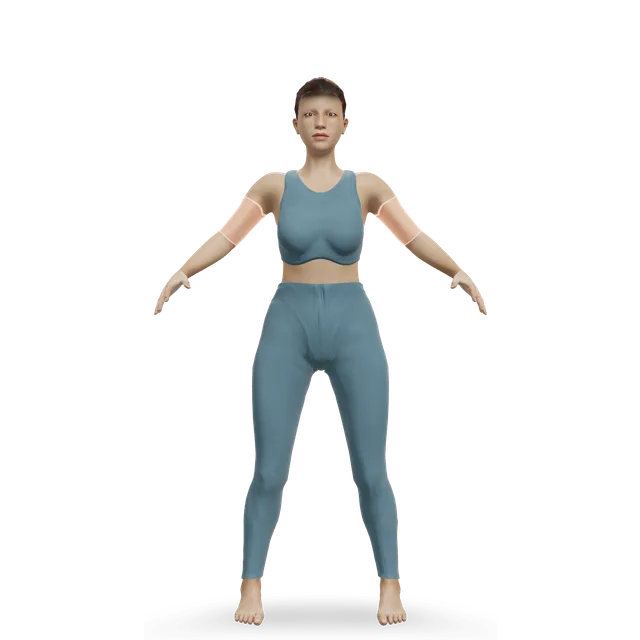 Crane pose (Bakasana, straight arms)Advanced · No equipment
Browse more
Questions people ask
What muscles does the Wild thing (Camatkarasana) work?
Mainly the shoulders and hip abductors, with help from the chest, hip flexors and back.
What equipment do I need for the Wild thing (Camatkarasana)?
No equipment: your body weight and a little floor space.
Is the Wild thing (Camatkarasana) good for beginners?
It is an advanced move. Build up to it with the Side plank first.
What is an easier alternative to the Wild thing (Camatkarasana)?
Try the Side plank or the Camel pose (Ustrasana). It is the suggested step down from this move.
How do I make the Wild thing (Camatkarasana) harder?
Progress to the Supported headstand (Salamba Sirsasana) or the King dancer pose (full Natarajasana, both hands overhead). Follow that guide’s technique and any stated timing.