Eight-angle pose (Astavakrasana)
A sideways arm balance on bent arms: one leg hooks over the same-side upper arm, the ankles cross, and the elbows bend as the chest tips forward until the trunk is level and both straight legs squeeze that arm out to the side. Side crow perches folded legs on the arms from a squat; here you start seated and the legs extend. Yoga International sets it up from staff pose with a low block under each hand, and Yoga Journal suggests a bolster under the bottom hip while you learn.
Movement guide
Eight-angle pose (Astavakrasana)
Make it easier or harder
Choose a version that fits your control and comfort.
Easier option
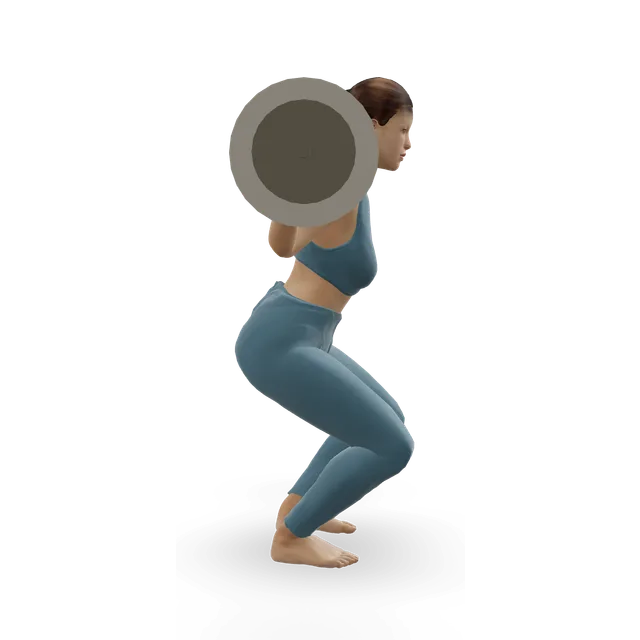 3D demoSots pressAdvanced · A barbell + A dumbbell
Similar move, advanced grade.
Harder option
Keep a comfortable range and follow any technique and timing given in the guide. A deeper stretch or more complex pose is optional, not a required next step. Ingram 2025 review of stretching and range of motion
Source-researched guide.
How to move
- Sit in staff pose with a low block beside each hip. Bend the right knee, hold the shin and lift the foot, then work the right arm inside the leg until the back of the knee sits high on the right upper arm, close to the shoulder.
- Set both palms on the blocks or the floor, shoulder-width apart. Bend the left knee, cross the left ankle over the right and flex both feet to lock them.
- Press the hands down and straighten the arms to lift the seat and legs off the floor.
- Straighten both legs out to the right, squeezing the right arm between the thighs, then bend the elbows back toward the hips as in chaturanga and lean the chest forward until the trunk is level, the shoulders no lower than the elbows.
- To come out, straighten the arms and lift the chest, bend the knees, uncross the ankles and sit back down. Change sides.
Form cues
- Lift with the abdominals, not only the arms.
- Squeeze the legs into the arm so they don't slide off.
- Avoid: letting the shoulders sink below the elbows.
Practice and cautions
3 to 5 attempts of 5 to 15 seconds each side, resting about a minute between them, while you are fresh (our editorial starting point).
Learn the straight-arm lift first and lean forward only once it is steady; until then, keep a bolster under the bottom hip and leg to catch you. Wrist pain is common when the hands carry your weight: in a survey of 321 adults who practise handstands, 57% reported chronic wrist pain. Falls land on the wrists, and the bent arms take full body weight. Skip it with wrist, elbow or shoulder problems or carpal tunnel syndrome, and practise over padding while you are learning. This is movement education, not an assessment or treatment prescription. Stop for sharp or increasing pain, dizziness, numbness or tingling; seek individual guidance for symptoms, injury or restrictions.
Sources and review status
Sources support the educational description; they do not establish that this exercise is suitable for you.
- Yoga Journal · Eight-angle pose (how-to: from staff pose, lift with the abdominals; blocks under the hands or a bolster under the bottom hip while learning) ↗
- Yoga International · Eight-angle pose: how to Astavakrasana (low blocks beside the hips, the ankles locked, chaturanga arms with the trunk level) ↗
- Martonovich 2025 · 57% of 321 adults who practise handstands, about a quarter of them from yoga, reported chronic wrist pain (cross-sectional survey, J Funct Morphol Kinesiol; a sibling skill) ↗
No variation is labeled clinically validated.
What it works
Muscles
Main: Triceps, Shoulders. Also: Abs, Chest, Adductors.
Anatomy: Triceps brachii, Deltoid, Rotator cuff, Supraspinatus, Infraspinatus, Subscapularis.
Equipment
None: body weight and floor space.
Level
Expert. See the easier and harder options above.
Similar moves
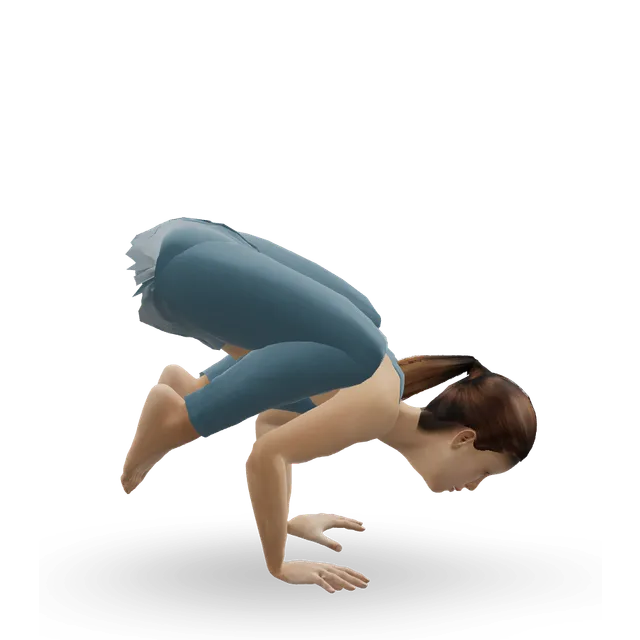 3D demoCrow pose (Bakasana)Intermediate · No equipment
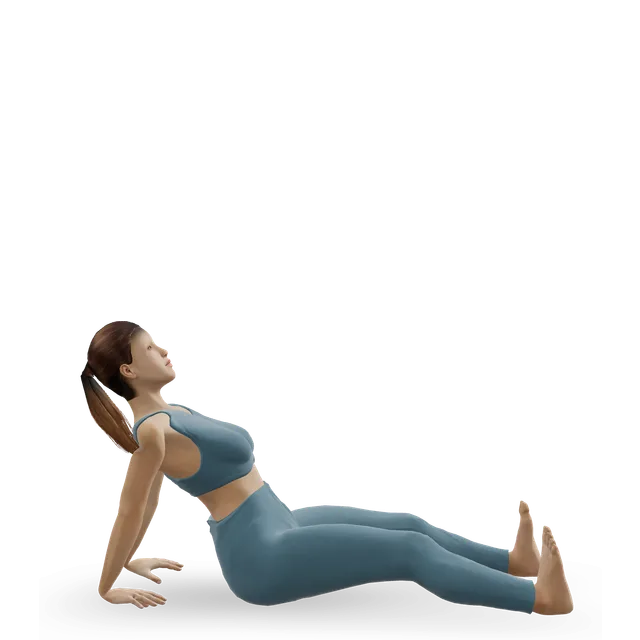 3D demoUpward plank pose (Purvottanasana)Intermediate · No equipment
 Flying pigeon (Eka Pada Galavasana)Expert · No equipmentPeacock pose (Mayurasana)Expert · No equipmentSide crow (Parsva Bakasana)Advanced · No equipment
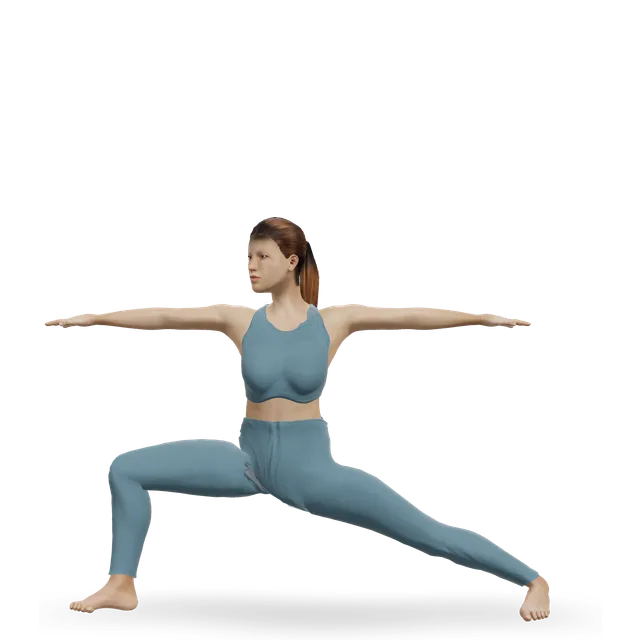 3D demoExtended side angle (Utthita Parsvakonasana)Intermediate · No equipment
Browse more
Questions people ask
What muscles does the Eight-angle pose (Astavakrasana) work?
Mainly the triceps and shoulders, with help from the abs, chest and adductors.
What equipment do I need for the Eight-angle pose (Astavakrasana)?
No equipment: your body weight and a little floor space.
Is the Eight-angle pose (Astavakrasana) good for beginners?
It is an advanced move. Build up to it with the Sots press first.
What is an easier alternative to the Eight-angle pose (Astavakrasana)?
Try the Sots press or the Forearm stand (Pincha Mayurasana). It works similar muscles at a lower grade.