Finger joint blocking (single-joint finger bends)
With one hand holding a finger just below the joint you want to move, you bend and straighten that joint on its own: the middle joint with the big knuckle held straight, or the end joint with the middle joint held straight. Hand therapists use it to free a stiff joint after a jammed or dislocated finger, to keep the tip moving in a boutonnière splint, and, when they allow it, after a tendon repair or a mallet finger splint. There is no 3D demo, because the figure moves all four fingers together: follow the written steps.
Movement guide
Finger joint blocking (single-joint finger bends)
Source-researched guide. Clinical review is pending.
How to move
- Sit with your forearm resting on a table, palm up, and the fingers relaxed.
- Middle joint: with the thumb and index finger of your other hand, hold the finger just below its middle joint, so the big knuckle stays straight. Bend the middle joint as far as is comfortable, pause, then straighten it fully.
- End joint: move your grip up to hold the middle part of the finger, so the middle joint stays straight. Bend the end joint, pause, then straighten it fully.
- In a boutonnière splint, hold the splint itself and bend only the tip: the middle joint stays straight in the splint.
- Move slowly, and start and finish each set with the finger as straight as you can.
Form cues
- Only the joint above your grip moves.
- Bend gently; straighten all the way.
- Never force it.
- Avoid: letting the knuckle below your grip bend, or pushing the joint further with the other hand unless your therapist has shown you how.
Practice and cautions
After a jammed finger (a volar plate injury): 5 bends of each joint, holding each for 5 seconds, every 1 to 2 hours (North Tees), or tip bends 5 to 10 times every 1 to 2 hours (Calderdale and Huddersfield). After a dislocated finger: 5 bends of each joint, from about 3 to 5 weeks (University Hospitals Sussex and James Paget). In a splint for a torn central slip (a boutonnière injury): tip bends only, 5 times with 5-second holds every 1 to 2 hours (North Tees), or 3-second holds (Hull). After a flexor tendon repair: end-joint bends from about 6 weeks, only as your therapist allows (Bradford gives no dose). These are NHS hand therapy leaflets' doses; no trial has tested the move on its own.
After a tendon repair or a mallet finger, start only when your hand therapist says, and bend only as far as they set. In a boutonnière splint, bend the tip only: the middle joint must stay straight. Don't push into sharp pain. If the finger won't straighten after the exercise, stop and contact your therapist. This is movement education, not an assessment or treatment prescription. Stop for sharp or increasing pain, dizziness, numbness or tingling; seek individual guidance for symptoms, injury or restrictions.
Sources and review status
Sources support the educational description; they do not establish that this exercise is suitable for you.
- North Tees and Hartlepool NHS Foundation Trust · Hand therapy: exercises following a volar plate injury (leaflet) ↗
- Calderdale and Huddersfield NHS Foundation Trust · Middle finger joint volar plate injury: discharge advice (leaflet, review 2028) ↗
- University Hospitals Sussex NHS Foundation Trust · Dislocation of finger (physiotherapy leaflet, 2026) ↗
- James Paget University Hospitals NHS Foundation Trust · Dislocated finger (virtual fracture clinic leaflet, 2024) ↗
- Hull University Teaching Hospitals NHS Trust · Closed central slip injury (boutonnière deformity): advice after injury (leaflet, 2025) ↗
- North Tees and Hartlepool NHS Foundation Trust · Hand therapy: exercises following a closed central slip injury (leaflet, 2026) ↗
- Cambridge University Hospitals NHS Foundation Trust · Rehabilitation following a central slip tendon injury to the finger (2026) ↗
- Bradford Teaching Hospitals NHS Foundation Trust · Advice and exercises following repair of your flexor tendons (2025) ↗
No variation is labeled clinically validated.
What it works
Muscles
Main: Forearms.
Anatomy: Brachioradialis, Wrist and finger flexors, Wrist and finger extensors, Pronator teres.
Equipment
None: body weight and floor space.
Level
Beginner.
Similar moves
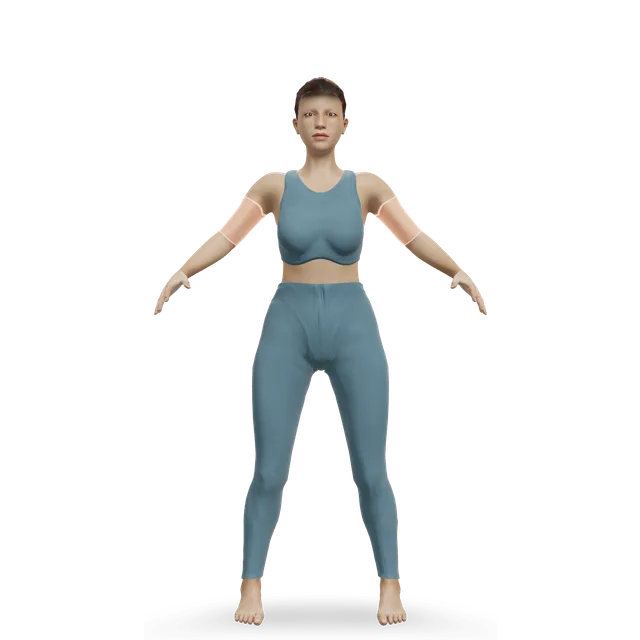 Finger walking (SARAH hand stretch)Beginner · No equipment
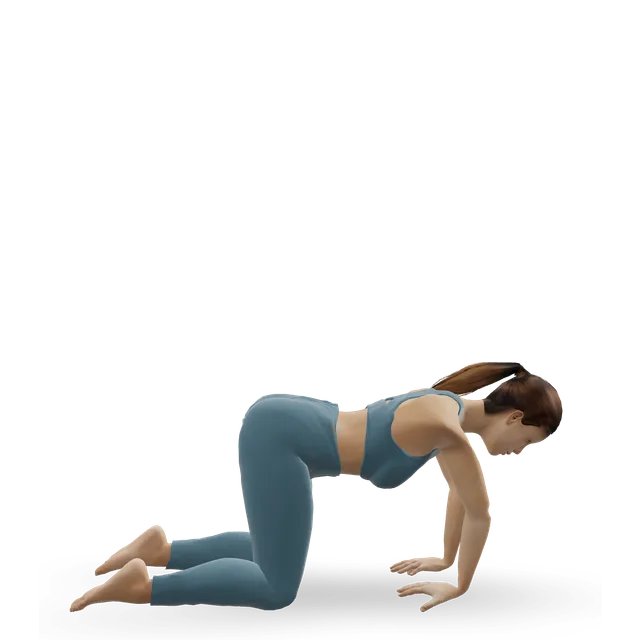 3D demoKneeling wrist flexor stretch, fingers backBeginner · No equipment
 3D demoQuadruped wrist rocksBeginner · No equipment
 3D demoTendon glides (hand tendon gliding exercises)Beginner · No equipment
 3D demoWrist & forearm flowBeginner · No equipment
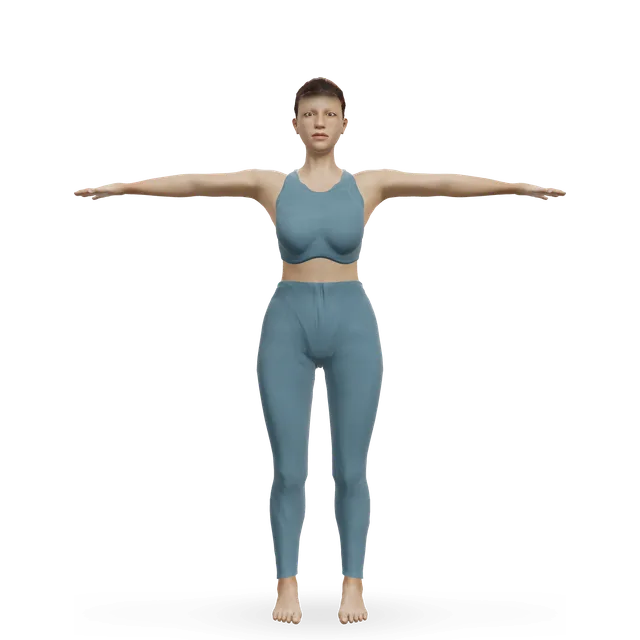 3D demoWrist circlesBeginner · No equipment
Browse more
Questions people ask
What muscles does the Finger joint blocking (single-joint finger bends) work?
Mainly the forearms.
What equipment do I need for the Finger joint blocking (single-joint finger bends)?
No equipment: your body weight and a little floor space.
Is the Finger joint blocking (single-joint finger bends) good for beginners?
It is graded beginner, so it suits most people starting out.